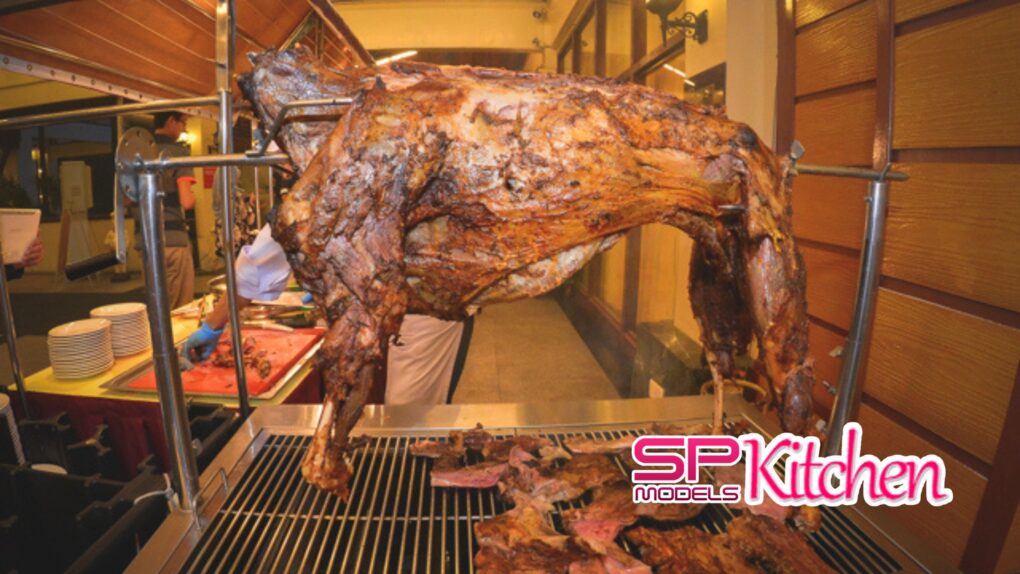

Nasi Arab & Nasi Minyak Packed Food (Bulk Order) | Kuala Lumpur & Klang Valley

Nasi Arab & Nasi Minyak Packed Food (Bulk Order)
Kuala Lumpur & Klang Valley

Kami menyediakan nasi arab & nasi minyak packed food (bulk order)
untuk kenduri, majlis doa, event pejabat, Ramadhan, masjid dan program komuniti di Kuala Lumpur & seluruh Klang Valley.

Direka khas untuk penganjur yang perlukan
makanan kemas, senang diagih, cukup untuk ramai tetamu dan tak menyusahkan urusan majlis.

Kenapa Packed Food Paling Selamat Untuk Majlis Besar

Packed food membolehkan majlis berjalan lebih teratur
kerana tiada buffet, tiada berebut, dan tiada kawalan crowd yang rumit.

Semua tetamu dapat makanan dengan cepat, pengagihan lebih kemas dan penganjur tidak pening kepala.

Pakej Nasi Arab / Nasi Minyak (Packed Food – Bulk)

RM28 / PACK · MINIMUM 100 PACK

  • Nasi Arab ATAU Nasi Minyak – beras wangi, tidak kering
  • Ayam Masak Merah ATAU Ayam Arab – kuah cukup & rasa konsisten
  • Acar Jelatah
  • Papadom
  • Air Mineral

Menu ini sesuai untuk semua peringkat umur,
tidak terlalu berat dan sangat jarang ditolak walaupun untuk tempahan besar.


Add-On Premium (Optional)

Kambing Masak Arab / Kambing Kurma
+ RM17 / pack

Pilihan popular untuk aqiqah, wedding VIP dan tetamu khas.
Add-on ini tidak wajib dan hanya ditambah jika diperlukan.

Sesuai Untuk Majlis Berikut

  • Kenduri kahwin & majlis keluarga
  • Majlis doa, tahlil & aqiqah
  • Event pejabat & corporate
  • Program masjid & surau
  • Ramadhan (iftar & sedekah)
  • NGO & program komuniti

Maklumat Tempahan

Harga: RM28 / pack
Minimum order: 100 pack
Konsep: Packed food (bulk order sahaja)

Slot hujung minggu & Ramadhan cepat penuh.
Tempahan awal sangat digalakkan untuk elak kehabisan slot.

Tempah Packed Food Nasi Arab / Nasi Minyak Sekarang

Hubungi kami untuk lock tarikh, jumlah pack dan lokasi penghantaran.
Kami uruskan tempahan dengan kemas supaya majlis anda berjalan lancar tanpa tekanan.

WhatsApp & Buat Tempahan Sekarang

SP Models Kitchen · Packed Food Nasi Arab & Nasi Minyak

Best Catering Services in Petaling Jaya (PJ) | Professional Halal Catering Klang Valley

Best Catering Services in Petaling Jaya (PJ) – Professional, Halal & Fully Managed

Planning an upcoming event in Petaling Jaya (PJ) and looking for a
reliable catering service that delivers great food, smooth service, and zero stress?

SP Models Kitchen provides professional catering services in PJ for
corporate events, office functions, institutional programmes, and private celebrations.
Our service is trusted by clients who value quality, consistency, and proper execution.

We don’t just serve food.
We manage your catering professionally so your event runs smoothly from start to finish.


Catering Services Designed for Petaling Jaya Events

Events in Petaling Jaya demand efficiency, organisation, and reliability.
Our catering services are structured to meet the needs of PJ offices, institutions, venues, and residences.

1. Corporate & Office Catering (Most Requested in PJ)

Ideal for companies and organisations that require professional, dependable catering.

  • Corporate meetings, trainings & workshops
  • Seminars, conferences & internal events
  • Office celebrations & staff appreciation
  • Recurring corporate catering arrangements

Clean setup, efficient service flow, and food prepared to meet corporate standards.


2. Event & Institutional Catering

Suitable for schools, colleges, NGOs, associations, and formal programmes.

  • Medium to large-scale events
  • Organised buffet layout and guest flow
  • Experienced team for structured programmes
  • Reliable timing and coordination

We understand protocol, schedules, and crowd control.


3. Private & Premium Event Catering

For hosts who want their event to feel proper, organised, and impressive.

  • Family celebrations and milestone events
  • Birthday parties and private gatherings
  • Home-based or venue-based events
  • Invitation-only and premium occasions

No chaos. No messy setup. Just well-managed catering.


Why Clients in Petaling Jaya Choose Us

  • Halal, clean, and professionally prepared food
  • Organised setup and smooth service flow
  • Experienced team familiar with PJ venues
  • Flexible menu planning based on event needs
  • Easy communication and reliable execution

Many of our PJ clients return for repeat bookings because they prefer a caterer that simply works.


Areas We Serve Around Petaling Jaya

We actively serve high-demand PJ zones and nearby areas, including:


Petaling Jaya, Damansara, Bandar Utama, SS2, SS15, Kelana Jaya, Ara Damansara, Kota Damansara, Glenmarie,
Subang Jaya, Mont Kiara, and surrounding Klang Valley locations.

This focused coverage allows for faster response, better coordination, and smoother event management.


Simple, Flexible & Stress-Free Planning

Just share:

  • Event type
  • Location
  • Date

We will recommend a suitable catering setup that fits your event — without overcomplicating things.


Book Catering Services in Petaling Jaya

If you’re planning:

  • A corporate or office event
  • A formal or institutional programme
  • A private or premium gathering

Our team is ready to assist professionally and efficiently.

Contact us early to secure your preferred date, as catering slots in PJ fill up quickly.

Contact SP Models Kitchen Today

SP Models Kitchen – Trusted Catering Services in Petaling Jaya (PJ)

Catering Services Petaling Jaya (PJ) | Professional Halal Corporate & Event Catering

Catering Services in Petaling Jaya (PJ) – Professional Halal Catering for Corporate & Events

Petaling Jaya • Damansara • Bandar Utama • Subang Jaya • Kelana Jaya • Mont Kiara • Bangsar

Looking for a trusted catering service in Petaling Jaya that delivers
professional execution, halal compliance, and smooth event management?

SP Models Kitchen provides full-service halal catering for
corporate clients, institutions, offices, schools, and premium private events
across Petaling Jaya and surrounding high-demand business districts.

We don’t just supply food.
We manage your catering professionally from setup to service — so your event runs smoothly, looks organised, and leaves a strong impression.


Why Clients in Petaling Jaya Choose Us

Events in Petaling Jaya demand a higher standard — especially for corporate, institutional, and office-based functions.

  • Professional & punctual execution
  • Clean, organised and presentable setup
  • Halal-compliant food handling
  • Reliable coordination with minimal supervision
  • A caterer that understands corporate & institutional expectations

That is exactly what we deliver — consistently.


High-Demand Catering Services in Petaling Jaya

1. Corporate & Office Catering (Top Demand in PJ)

Designed for meetings, seminars, trainings, workshops, internal events, and corporate functions.

  • Professional buffet & hi-tea setups
  • Efficient service flow (no disruption to programme)
  • Suitable for offices, boardrooms, halls & training centres
  • Ideal for recurring and long-term corporate bookings

This is our most requested and highest repeat service in Petaling Jaya.


2. Event & Institutional Catering

Perfect for schools, colleges, NGOs, associations, exhibitions, and formal programmes.

  • Structured and organised food stations
  • Experienced with protocol-based events
  • Capable of handling medium to large-scale functions
  • Reliable for important and time-sensitive programmes

3. Private & Premium Event Catering

For clients who want their event to look polished, proper, and professional.

  • Private celebrations & family functions
  • Birthday events & milestone gatherings
  • Home-based or venue-based premium events
  • Stress-free coordination and setup

4. Custom Catering for Special Events

Not all events are the same.
We customise catering based on:

  • Type of event & programme flow
  • Venue layout & conditions
  • Guest profile & expectations
  • Service style required

This flexibility is why many PJ clients continue working with us long-term.


Halal Catering – Clean, Trusted & Professional

All catering services are:

  • Halal-compliant
  • Prepared with strict hygiene standards
  • Handled by an experienced service team
  • Delivered with consistent quality and presentation

Our focus is trust, reliability, and professionalism — not shortcuts.


Areas We Actively Serve Around Petaling Jaya

We focus on high-demand and high-value locations to ensure smooth operations and fast response:


Petaling Jaya (PJ), Damansara, Bandar Utama, Kota Damansara, Ara Damansara, SS2, SS15,
Kelana Jaya, Subang Jaya, Glenmarie, Mont Kiara, Bangsar, and nearby Kuala Lumpur business districts.


Book Catering Services in Petaling Jaya

If you are planning:

  • A corporate or office event
  • An institutional or training programme
  • A private or premium gathering

We are ready to assist professionally, efficiently, and reliably.

Contact Us to Discuss Your Petaling Jaya Catering Needs

Share your event type, location, and date.
We will recommend the most suitable catering solution for your event.

SP Models Kitchen – Professional Catering Services in Petaling Jaya

Pakej Open House Raya Kuala Lumpur & Selangor | Catering, Canopy & Booth Makanan Eksklusif

Pakej Open House Raya Mewah & Eksklusif di Kuala Lumpur & Selangor | Catering, Canopy & Booth Lengkap

Majlis Raya Paling Premium — Raikan Dengan Gaya & Kehebatan

Musim Raya kembali! Inilah masanya untuk meraikan kejayaan, mengeratkan silaturahim, dan mencipta kenangan indah dengan majlis open house paling mewah, lengkap dan profesional di Malaysia.

Jika anda sedang mencari pakej lengkap open house yang merangkumi catering premium, canopy elegan, booth makanan menarik, dan pengurusan acara menyeluruhSP Models Kitchen ialah pilihan paling dipercayai di Kuala Lumpur, Selangor, dan seluruh Lembah Klang.

Setiap majlis kami diurus secara eksklusif untuk klien korporat, selebriti, dan individu berprofil tinggi yang ingin menonjolkan kelas, citarasa, dan kemewahan sebenar Hari Raya.


Kenapa Pelanggan Korporat & VIP Pilih SP Models Kitchen

  • Catering Premium Bertaraf Hotel – Hidangan Melayu, Arabic, Fusion, dan International yang lazat, segar dan mewah.
  • Booth Makanan Istimewa – Pilihan paling popular: kambing golek, satay premium, laksa utara, roti john, cendol, aiskrim homemade, dan dessert viral.
  • Sewa Canopy Lengkap – Khemah elegan, meja VIP, kerusi chiavari, dekorasi pentas, lighting & sistem audio profesional.
  • Pakej Lengkap A–Z – Dari perancangan, dekorasi, pramusaji, hingga pengurusan penuh majlis.
  • Lokasi Fleksibel – Sesuai untuk ballroom hotel, dewan, pejabat korporat, rumah, restoran, atau homestay.
  • Konsep Eksklusif & Custom-Made – Untuk majlis korporat, selebriti, keluarga, dan tetamu kehormat.

Kami menyediakan semua — anda hanya datang menikmati suasana mewah dan hidangan yang memukau tetamu.


Jenis Majlis Open House Yang Kami Uruskan

  • Open House Korporat & GLC
  • Majlis Hari Raya Pejabat & Agensi Kerajaan
  • Private VIP Raya Gathering
  • Majlis Selebriti & Media Raya
  • Open House Komuniti & Perumahan Premium

Setiap konsep boleh direka khas mengikut bajet, lokasi, dan tema pilihan anda.


Booth & Sajian Popular Open House

  • Kambing Golek Premium
  • Satay Ayam & Daging Halal
  • Laksa Utara / Johor
  • Nasi Arab & Nasi Minyak
  • Cendol & Aiskrim Homemade
  • Minuman Sejuk & Pencuci Mulut Viral

Semua disediakan dengan standard katering profesional dan sentuhan eksklusif SP Models Kitchen — memastikan tetamu anda terpesona dari mula hingga akhir majlis.


Tempah Sekarang — Slot Cepat Penuh Setiap Tahun

Rekod kami membuktikan — slot open house sentiasa penuh dalam masa beberapa hari selepas dibuka.
Pastikan anda tidak terlepas peluang tahun ini untuk majlis open house paling eksklusif, mewah, dan tersusun di Lembah Klang.


-> Hubungi Kami Sekarang untuk sebut harga, jadual tempahan, dan perbincangan konsep majlis anda.

Kami sedia membantu anda cipta majlis Raya yang paling diingati tahun ini.

Packages: Premium Hi-Tea Menu

Exclusive Hi-Tea Catering Packages for Events in Kuala Lumpur & Selangor

Looking to elevate your event with delicious and high-quality catering? SP Models Kitchen offers exclusive Hi-Tea catering packages perfect for corporate events, private gatherings, and special occasions. Our diverse menu selections, competitive pricing, and premium service ensure an unforgettable dining experience for your guests.

Note: Prices listed below are for buffet-style service. For plated service, an additional RM 2.00 per person will be charged.

For orders exceeding 500 pax, our package includes:

  • Full buffet food service
  • Uniformed waitstaff
  • Complete dining ware

Budget Package (SET H1) – RM 9.90 per pax

Ideal for casual gatherings, small meetings, or tea sessions:

  • Choice of Bubur Pulut Hitam, Sweet Corn Porridge, or Green Bean Porridge
  • Two varieties of traditional kuih
  • Teh Tarik or Kopi O
  • Chilled Cordial Drink & Mineral Water
  • Minimum order: 100 pax

Standard Package (SET H5) – RM 29.90 per pax

Best for formal events, corporate meetings, and grand gatherings:

  • Choice of Laksa Kelantan/Penang, Nasi Ayam, or Pulut Putih + Pengat Durian
  • Roti Jala with Chicken Curry & Potatoes
  • Choice of Bubur Pulut Hitam, Sweet Corn Porridge, or Green Bean Porridge
  • Two varieties of traditional kuih & regular cake
  • Fresh fruits & Caramel Pudding
  • Teh Tarik, Kopi O, Chilled Cordial Drink & Mineral Water
  • Minimum order: 75 pax

Premium VVIP Package (SET H7) – RM 55.00 per pax

The ultimate package for VIP meetings, corporate events, and luxury gatherings:

  • Choice of Laksa Kelantan/Penang or Spiced Nasi Ayam
  • Pulut Putih + Pengat Durian, Banana, or Jackfruit
  • Roti Jala with Chicken Curry & Potatoes
  • Choice of Bubur Pulut Hitam, Sweet Corn Porridge, or Green Bean Porridge
  • Four varieties of traditional kuih + Regular Cake + Celebration Cake + Cupcakes
  • Yogurt, Caramel Pudding & three types of fresh fruits
  • Teh Tarik, Kopi O, Fresh Fruit Juice, Chilled Cordial Drink & Mineral Water
  • Includes: Uniformed waitstaff, complete dining ware & VIP table décor
  • Minimum order: 50 pax

Special Promotion:

Orders of 250 pax and above will receive a complimentary celebration cake during the promotional period!


Delivery & Additional Charges:

  • Kuala Lumpur & Selangor: Starting from RM 100 (depends on location)
  • Outside KL & Selangor: Delivery charges based on distance and logistics
  • Additional charges may apply for extra catering equipment or additional waitstaff

Optional Add-Ons:

  • Premium Event Decoration – Exclusive décor for buffet setup and venue (charges vary by concept & event size)
  • Videography & Photography – Professional documentation for your special moments
  • Exclusive Door Gifts – Custom souvenirs for guests (price based on type & quantity)
  • PA System & Karaoke Setup – Audio equipment for entertainment & event announcements
  • Emcee, Models & Live Performances – Professional entertainment to enhance your event
  • Full Event Management – Complete event planning, VIP seating arrangement & overall coordination

Why Choose Us?

  1. Affordable pricing with premium-quality catering
  2. Perfect for all types of events – from corporate functions to private gatherings
  3. Professional catering services prepared by experienced chefs

Book Now!
Don’t miss the chance to impress your guests with an exclusive Hi-Tea catering experience. Contact us today to secure your booking before slots are fully booked! Our team is ready to make your event truly memorable with top-notch service and exquisite cuisine.

Luxury Halal Catering & Event Decoration in Kuala Lumpur | Exclusive Weddings & VIP Events

Luxury Halal Catering & Event Decoration in Kuala Lumpur

Exclusive High-End Services for Weddings, Corporate Events & Private Celebrations

Are you looking for a premium catering and event decoration service in Kuala Lumpur that exudes elegance, luxury, and excellence? SP Models Kitchen is your trusted partner in delivering exceptional halal fine dining and breathtaking event décor for elite weddings, corporate galas, high-profile banquets, and exclusive private celebrations.

Why Choose SP Models Kitchen?

1. High-End Halal Catering with Michelin-Level Quality

We provide luxurious, five-star catering with a diverse gourmet menu tailored for VIP events. Our offerings include:

  • Premium fine dining menus featuring Wagyu beef, fresh lobster, caviar, and truffle-infused delicacies.
  • Customizable buffet spreads with a variety of local and international dishes, designed to impress.
  • Live cooking stations with expert chefs delivering an interactive and engaging dining experience.
  • Elegant table service with professional waitstaff trained to serve in VIP settings.

2. Exclusive Luxury Event Decoration & Styling

We transform any venue into a sophisticated, high-end event space with stunning décor, including:

  • Grand floral arrangements and designer centerpieces for a breathtaking ambiance.
  • Custom stage setups, thematic backdrops, and luxury drapery for unforgettable event styling.
  • VIP seating, gold-accented furniture, and crystal chandeliers to create an elegant atmosphere.
  • LED digital displays and personalized branding elements for corporate events and high-profile occasions.

3. Tailored Packages for High-Profile Clients

We cater to an exclusive clientele, including:

  • Luxury weddings – From intimate receptions to grand wedding banquets.
  • Corporate galas & award ceremonies – Impress executives, partners, and stakeholders.
  • Private VIP events – Exclusive parties for high-net-worth individuals and celebrities.
  • Diplomatic & business networking events – Ensuring an upscale, professional setting.

Book Your Luxury Event Today

If you are planning a high-end event in Kuala Lumpur, let us handle every detail with perfection, sophistication, and excellence.

Contact us now to discuss your event needs and secure your exclusive package. Let’s create an event that defines prestige, luxury, and success.

Canopy Rental Cyberjaya & Putrajaya | Marquee Tent & Transparent Arabian Canopy Specialist

Canopy Rental Cyberjaya & Putrajaya

Premium canopies for weddings, corporate events, government functions and exclusive outdoor celebrations in Cyberjaya & Putrajaya.
We provide elegant, clean and weather-ready setups that match the high event standards of these two major cities.


Top 3 Most Popular Canopy Choices

1. Marquee Tent

The first choice for grand weddings, corporate launches, government events and large outdoor setups.
Spacious, elegant and premium-looking — perfect for impressive, high-profile events.

2. Transparent Arabian Canopy

A clear-roof canopy that creates a beautiful open-sky ambience, especially at night.
Highly requested for modern weddings, VIP dinners, engagements and luxury outdoor events.

3. Arabian Canopy

A stylish, clean and comfortable tent suitable for weddings, corporate gatherings, university events and private celebrations.


Event Enhancements

Stage, lighting package and air coolers available to upgrade comfort and atmosphere instantly.


High-Demand Service Areas

Cyberjaya: MMU, Limkokwing, Tamarind Square, Shaftsbury, DPulze, Cyber 1–12, Cyberjaya Tech Hub, Masjid Cyberjaya, Lake Gardens
Putrajaya: Precincts 1–20, PICC, Diplomatic Precinct, Putrajaya Lake, Alamanda, IOI Resort, Botanical Garden, Government Complex Areas


Why Clients Book Us

Clients choose us for premium-looking canopy setups, fast and clean installation, professional presentation and reliable service for weddings, corporate functions and government events.


Book Early

Cyberjaya & Putrajaya have high event demand. Popular canopies are often booked early.
Secure your date now to avoid full slots.

WhatsApp Us Now for a Free Quotation


Pulut Kuning Kenduri Kuala Lumpur & Selangor | Pack Pulut Kuning Untuk Event & Catering

Event • Catering • Kenduri

Pack Pulut Kuning Untuk Event, Catering & Kenduri

Kami menyediakan pack pulut kuning untuk kenduri, event dan catering khas bagi majlis berskala besar di
Kuala Lumpur, Selangor dan seluruh Klang Valley.
Pulut kuning dimasak segar dalam kuantiti besar bagi memastikan
rasa konsisten, penyediaan teratur dan penghantaran tepat masa.

Setiap hidangan dilengkapkan dengan rendang ayam atau rendang daging, dibungkus kemas menggunakan bekas plastik biasa seperti kebiasaan majlis kenduri dan jamuan besar —
praktikal, kemas dan mudah diagihkan kepada tetamu.

Minimum Tempahan: 100 pax ke atas
Sesuai Untuk: Kenduri kahwin, doa selamat, jamuan pejabat & event komuniti
Konsep: Siap bungkus • Mudah agih • Fokus kelancaran majlis

Kenapa Pakej Pulut Kuning Ini Jadi Pilihan Ramai?

  • Direka khas untuk kuantiti besar tanpa kompromi kualiti
  • Operasi teratur & konsisten untuk majlis ramai tetamu
  • Alternatif lebih jimat & praktikal berbanding full catering
  • Sesuai untuk keluarga, syarikat & penganjur event

Apa Yang Termasuk Dalam Setiap Pack

  • Pulut kuning (portion khas event & kenduri)
  • Rendang ayam ATAU rendang daging (pilih satu)
  • Bungkus siap hidang menggunakan bekas plastik
  • Sudu & tisu

Standard Packaging — fokus kepada rasa, kuantiti dan kelancaran tempahan.

Servis Pulut Kuning Di Kawasan Permintaan Tinggi

Kami menerima tempahan pulut kuning kenduri & event di kawasan
Kuala Lumpur, Shah Alam, Petaling Jaya, Subang Jaya, Puchong,
Gombak, Ampang, Bangi, Kajang dan seluruh Klang Valley
.

Tempah Pulut Kuning Untuk Majlis Anda

Tempahan awal sangat digalakkan bagi mengunci tarikh pilihan anda,
terutama untuk musim kenduri dan event.

Hubungi SP Models Kitchen Untuk Tempahan Pulut Kuning

Tempah Majlis Open House Raya Kuala Lumpur & Selangor | Pakej Lengkap Catering, Canopy & Booth Eksklusif

Tempah Majlis Open House Raya Mewah & Eksklusif di Kuala Lumpur & Selangor | Slot Sangat Terhad!

Rancang Majlis Raya Hebat Anda – Sebelum Slot Habis!

Kemeriahan Hari Raya semakin luar biasa setiap tahun — dan majlis open house kini bukan sekadar tradisi, tetapi lambang kejayaan, kemewahan, dan penghargaan kepada rakan serta pelanggan.

Sama ada anda merancang open house korporat, VIP, selebriti atau keluarga besar, kini masanya untuk menjadikannya lebih eksklusif, tersusun dan berprestij bersama SP Models Kitchen, penganjur rasmi open house mewah di Kuala Lumpur dan Selangor.

Tahun demi tahun, kami menjadi pilihan utama syarikat, agensi kerajaan, dan jenama terkenal yang mahu majlis mereka nampak berkelas tinggi dan berjalan sempurna.


Pakej Lengkap Majlis Open House Raya

Kami sediakan semua — anda hanya datang menikmati kemeriahan.

  • Catering Premium Bertaraf Hotel
    Sajian Melayu, Arabic, Fusion & International Cuisine — lazat, segar dan disediakan oleh pasukan katering profesional.
  • Booth Makanan Viral & Eksklusif
    Kambing golek, satay premium, laksa, roti john, cendol, aiskrim homemade & pencuci mulut mewah yang pasti buat tetamu teruja.
  • Sewa Canopy Lengkap & Dekorasi Majlis
    Khemah elegan, meja VIP, kerusi chiavari, backdrop, lighting & sistem audio berkualiti tinggi.
  • Perkhidmatan Lengkap A–Z
    Dari dekorasi, susun atur majlis, pramusaji profesional hingga pengurusan acara sepenuhnya.
  • Lokasi Fleksibel di Seluruh Lembah Klang
    Ballroom hotel, dewan, pejabat korporat, rumah, restoran atau homestay — semua boleh diuruskan.
  • Konsep Eksklusif & Custom-Made
    Untuk open house VIP, selebriti, syarikat korporat, kementerian & keluarga kenamaan.

Kenapa Pelanggan Korporat & VIP Pilih Kami

  • Pengalaman bertahun urus open house berskala besar.
  • Standard katering hotel 5 bintang dengan cita rasa tempatan.
  • Team event management profesional — tersusun, pantas & mesra.
  • Pilihan pakej fleksibel mengikut bajet & tema majlis.
  • Konsep turnkey — anda tak perlu risau apa-apa.

Siapa Cepat, Dia Dapat – Slot Cepat Habis Setiap Tahun

Setiap tahun, semua slot FULLY BOOKED dalam masa kurang 7 hari.
Pastikan majlis anda tahun ini lebih hebat — dari hidangan, suasana hingga persembahan.

-> Tempah Sekarang untuk pastikan tarikh anda tersedia sebelum kehabisan slot.

Kami sedia bantu anda cipta majlis Raya paling mewah, meriah dan berprestij di Malaysia.

Sewa Photobooth Kuala Lumpur & Klang Valley | Unlimited Print Wedding & Corporate Event

Sewa Photobooth Kuala Lumpur & Klang Valley
Unlimited Print untuk Wedding, Corporate & Event

Sewa Photobooth Kuala Lumpur kini menjadi pilihan utama untuk majlis yang mahu tetamu aktif bergambar,
suasana lebih hidup dan pengalaman event yang diingati
.
SP Models Kitchen menyediakan servis sewa photobooth profesional dengan kamera DSLR sebenar, lighting studio dan cetakan tanpa had untuk wedding, annual dinner, corporate event, brand activation
dan majlis rasmi
di seluruh Kuala Lumpur & Klang Valley.

DSLR Camera · Unlimited Print · Event Attraction


Sewa photobooth Kuala Lumpur bukan sekadar hiburan —
ia adalah tarikan utama event yang membuatkan tetamu beratur untuk bergambar, berkongsi di media sosial dan kekal berada lebih lama di majlis anda.

Semua setup photobooth kami diurus dengan
peralatan berkualiti tinggi, aliran booth terkawal
dan kru berpengalaman
,
supaya penganjur tidak perlu risau tentang teknikal, crowd control atau kualiti gambar.


Kenapa Photobooth Ini Jadi Pilihan Event Besar

  • Kamera DSLR profesional – gambar tajam, jelas & berkualiti tinggi
  • Unlimited print – tetamu bebas cetak tanpa had
  • Lighting studio – wajah lebih cerah & kemas
  • Live preview – tetamu yakin sebelum bergambar
  • Template & design custom ikut tema atau branding
  • Backdrop kemas sesuai untuk wedding & corporate event
  • Kru kawal aliran booth supaya sentiasa lancar

Hasilnya, photobooth ini bukan sekadar pelengkap,
tetapi spot paling sibuk dan paling diingati
sepanjang event
.


Optional Add-On Paling Kerap Ditempah

  • Custom photo layout (nama, tarikh, logo event)
  • Premium backdrop untuk wedding & corporate
  • Extra operation hour untuk crowd besar
  • Guestbook + photo pasting (wedding favourite)
  • Premium props yang kemas & classy
  • Multiple photobooth untuk event berskala besar
  • Corporate branding mode untuk marketing & activation

Add-on ini biasanya dipilih oleh klien yang
mahu event nampak lebih eksklusif,
tersusun dan bernilai tinggi
.


Sesuai Untuk Acara & Event Berikut

  • Majlis perkahwinan & pertunangan
  • Corporate event, annual dinner & GLC
  • Product launch & brand activation
  • Birthday & private gathering
  • Hotel, ballroom, mall & outdoor event

Jika event anda melibatkan VIP, klien atau partner penting,
photobooth ini membantu menaikkan
imej profesional keseluruhan majlis.


Tempah Photobooth Kuala Lumpur Sekarang

Slot sewa photobooth Kuala Lumpur & Klang Valley
cepat penuh terutamanya musim wedding & hujung minggu.
Tempah awal untuk kunci
slot, kru dan setup terbaik
bagi majlis anda.

WhatsApp SP Models Kitchen

Kambing Golek Kuala Lumpur & Selangor | Live BBQ Catering Untuk Event & Majlis

Kambing Golek Kuala Lumpur & Selangor

Tempahan Kambing Golek Halal Premium Untuk Majlis, Event & Corporate di Klang Valley

Kami menyediakan servis Kambing Golek Halal Premium di Kuala Lumpur, Selangor & Klang Valley untuk majlis perkahwinan, aqiqah, rumah terbuka, event korporat, institusi dan acara rasmi.

Kambing dipanggang secara live di lokasi majlis,
dihidangkan panas, berjus dan menjadi
tarikan utama yang menaikkan imej keseluruhan event.

Kambing Golek bukan sekadar hidangan —
ia adalah elemen prestij yang menjadikan majlis nampak lebih besar, eksklusif dan bernilai.

Aroma kambing yang dipanggang perlahan,
visual live roasting dan aliran servis terkawal menjadikan tetamu beratur, menunggu dan mengingati majlis anda.


Kenapa Kambing Golek Sentiasa Jadi Pilihan Event Besar

  • Dipanggang secara live – aroma & visual terus tarik perhatian
  • Hidangan premium – sesuai untuk majlis kahwin & corporate
  • Servis terkawal – elak berebut & pembaziran
  • Jarang ditolak tetamu – kambing golek sentiasa habis
  • Menaikkan imej penganjur – majlis nampak lebih mahal
  • Sesuai untuk event kecil hingga besar

Perkhidmatan Kambing Golek & BBQ Lengkap

  • Kambing golek dipanggang di lokasi oleh kru berpengalaman
  • Daging lembut, berjus & dipotong segar untuk tetamu
  • Sos & hidangan sampingan disediakan mencukupi
  • Peralatan lengkap, meja & setup kemas
  • Tenaga kerja profesional sepanjang event

Semua disusun supaya penganjur tidak perlu risau
tentang aliran makanan, servis atau kualiti.


Kawasan Liputan Kambing Golek

Kami meliputi seluruh Kuala Lumpur, Selangor & Klang Valley
termasuk Shah Alam, Subang Jaya, Petaling Jaya, Klang, Cheras, Ampang, Puchong, Bangi, Kajang, Damansara, Kepong, Rawang, Cyberjaya & Putrajaya.


Kenapa Ramai Pilih Kami Untuk Kambing Golek

Kami menguruskan setiap tempahan dengan
perancangan rapi, kru mencukupi dan kawalan servis ketat,
supaya majlis berjalan lancar dan tetamu puas hati.

Tempah Kambing Golek Untuk Event Anda Sekarang

Slot Kambing Golek Kuala Lumpur & Selangor
adalah terhad setiap minggu.
Hanya hantar detail event & anggaran pax,
kami akan cadangkan
setup paling sesuai & bernilai untuk majlis anda.

WhatsApp & Lock Slot Sekarang

SP Models Kitchen · Kambing Golek Kuala Lumpur & Selangor

Canopy Rental Setia Alam & Klang – Marquee Tent, Transparent Arabian Canopy & Event Setup

Canopy Rental Setia Alam & Klang – Premium Marquee Tent, Arabian Canopy & Transparent Canopy Specialist

Our canopy rental service in Setia Alam and Klang focuses on the most high-demand, most searched, and most profitable canopy types for weddings, corporate events, launches, festivals, community gatherings, and private celebrations.

We serve all major residential, commercial, and corporate zones across the Klang region — delivering premium canopy structures, fast setup, and clean, professional event presentation.

This upgraded version focuses on the top canopy types clients search for, ensuring maximum visibility and strong Google ranking.


Top 3 Most Popular Canopy Types in Setia Alam & Klang

1. Marquee Tent Setia Alam & Klang

The highest-demand canopy for:

  • Corporate events
  • Product launches
  • Government programs
  • University events
  • Exhibitions
  • Large weddings and festivals

Features:
Wide-span structure, elegant height, strong weather resistance, premium look suitable for modern Klang and Setia Alam venues.


2. Transparent Arabian Canopy Setia Alam & Klang

Perfect for:

  • Night weddings
  • Engagement ceremonies
  • VIP dinners
  • Outdoor luxury events
  • Lake-side or garden functions

The transparent roof creates a stunning open-sky ambience and is one of the most Googled canopy styles in Setia Alam and Klang.


3. Arabian Canopy Setia Alam & Klang

A stylish, pointed canopy ideal for:

  • Medium-size weddings
  • Corporate meetings
  • School and college events
  • Community gatherings
  • Office functions

Known for stability, clean presentation and suitability for any weather.


Essential Event Add-Ons (High Demand in Klang Region)

Clients frequently request these event essentials:

Stage & Platform

Suitable for speeches, ceremonies, launches and wedding programs.

Event Backdrop & Decorations

Clean, professional setups for branding, photo walls and weddings.

Lighting Package

Warm lights, decorative lights, chandeliers.

Air Coolers

Effective cooling for hot weather areas like Klang, Shah Alam and Setia Alam.


Why We Are the Preferred Canopy Provider in Setia Alam & Klang

Clients choose us because we deliver:

  • Premium canopy structures
  • Fast setup and dismantle
  • Clean equipment and professional manpower
  • Reliable service for weddings, corporate and government functions
  • All-area coverage across Setia Alam, Klang and nearby high-demand zones

We specialize in handling large crowd events and corporate-level requirements.


Coverage Areas – High-Demand Cities in Setia Alam & Klang

Setia Alam Coverage

Setia City Mall, Setia Eco Park, Setia Alam Mall, Setia Taipan, Setia Avenue, Jalan Setia Prima, Jalan Setia Nusantara, Jalan Setia Perdana, Jalan Setia Dagang, Setia Impian.

Klang Coverage

North Klang, South Klang, Bandar Bukit Tinggi, Bandar Botanic, Bandar Putera Klang, Bayu Perdana, Berkeley, Taman Sri Andalas, Taman Sentosa, Meru, Kapar, Klang Parade, Bukit Raja, Klang Utara, Bukit Tinggi 1 & 2.

Extended Coverage (High Search Volume Areas Near Klang)

Shah Alam, Meru, Kapar, Kota Kemuning, Bukit Rimau, Subang Bestari, Bukit Jelutong, Setia Eco Park, Bandar Baru Klang, Telok Gong, Port Klang.

Wherever your event is held, our team delivers professional, fast and clean canopy installation.


Secure Your Booking for Setia Alam & Klang

These locations are extremely active for weddings, corporate launches, government events and community celebrations.
Marquee and Transparent Arabian Canopies sell out fast.

Lock your date early to avoid full booking.

-> WhatsApp Us Now for a Free Quotation

Sewa Kanopi Lutsinar, Arabian, Pyramid & Marquee Tent KL Selangor


Sewa Kanopi Lutsinar, Arabian, Pyramid dan Marquee Tent Kuala Lumpur & Selangor

Transparent Canopy, Arabian Canopy, Pyramid Canopy dan Marquee Tent untuk Majlis Kahwin dan Event

SP Models Kitchen menyediakan kanopi premium untuk majlis di Kuala Lumpur, Selangor dan seluruh Lembah Klang. Semua kanopi dipasang oleh crew profesional, nampak kemas, stabil dan sesuai untuk semua jenis event.

Kami membantu menjadikan majlis anda kelihatan lebih moden, eksklusif dan tersusun.


Kanopi Paling Popular di KL dan Selangor

1. Kanopi Lutsinar (Transparent Canopy)

Pilihan utama untuk majlis mewah dan outdoor moden.

Kelebihan:

  • Struktur aluminium kukuh
  • PVC lutsinar premium
  • Lighting sangat cantik pada waktu malam
  • Sesuai untuk wedding, dinner, engagement dan private event

2. Arabian Canopy

Paling sesuai untuk:

  • Majlis kahwin rumah
  • Kenduri keluarga
  • Program komuniti
  • Event sekolah dan IPT

Stabil, kemas dan serbaguna.


3. Pyramid Canopy

Rekaan tinggi dan moden.
Sesuai untuk event korporat, product launch dan booth pameran.


4. Marquee Tent

Pilihan untuk event besar seperti:

  • Majlis kahwin berskala besar
  • Festival dan karnival
  • Showcase dan expo
  • VIP dinner

Tersedia dalam marquee canvas dan marquee transparent.


Kenapa Ramai Pilih Servis Kami

  • Kanopi berkualiti premium
  • Pemasangan cepat dan kemas
  • Crew berpengalaman
  • Lighting, dekorasi, meja, kerusi, aircond dan lantai lengkap
  • Sesuai untuk wedding, korporat dan outdoor event
  • Cover semua kawasan paling tinggi permintaan di KL dan Selangor

Majlis anda akan kelihatan kemas, mewah dan profesional.


Kawasan Servis Utama

Kuala Lumpur: KLCC, Bukit Bintang, Ampang, Cheras, Gombak, Setapak, Wangsa Maju, Sentul, Bangsar, Mont Kiara, Hartamas, Damansara, TTDI

Selangor: Shah Alam, Subang Jaya, Petaling Jaya, Puchong, Klang, Kajang, Semenyih, Serdang, Sepang

Servis sampai lokasi dengan pemasangan lengkap.


Pakej Lengkap Disediakan

  • Kanopi Lutsinar, Arabian, Pyramid, Marquee
  • LED Fairy Light, Chandelier, Spotlight
  • Aircond dan Kipas Industri
  • Stage, PA System, Lighting
  • Lantai kayu, carpet dan backdrop
  • Meja, kerusi, sarung dan dekorasi meja

Boleh disesuaikan mengikut tema dan bajet.


Tempah Awal

Permintaan untuk transparent canopy dan marquee tent sangat tinggi.
Penempahan awal membantu pastikan slot tersedia untuk tarikh anda.


-> Tempah Sekarang

Berikan lokasi, tarikh dan bajet. Kami cadangkan setup terbaik untuk majlis anda.

360 Photo Booth Rental Kuala Lumpur & Klang Valley | Unlimited Video

360 Photo Booth Rental Kuala Lumpur & Klang Valley – Unlimited Video & Instant Sharing

Professional 360 Video Booth for Corporate Events, Brand Activations & Premium Celebrations

Looking for a professional 360 photo booth rental in Kuala Lumpur that delivers
viral-quality videos, smooth guest experience, and instant social media sharing?

SP Models Kitchen provides 360 video booth rental services trusted by
corporate brands, event agencies, wedding planners, and marketing teams across
Kuala Lumpur, Klang Valley, and Selangor.

This is not just entertainment.
This is a high-impact event activation designed to make your event
look premium, engaging, and highly shareable.


Why 360 Photo Booth Is One of the Most In-Demand Event Services

A 360 spin booth is among the most searched and requested event experiences today because it:

  • Creates viral-ready videos guests love to share
  • Boosts social media visibility instantly
  • Engages guests without disrupting the programme
  • Works perfectly for corporate, brand and premium events
  • Adds excitement beyond standard photo booths

From corporate annual dinners to product launches and weddings,
a 360 photo booth is no longer optional — it is expected.


What Makes Our 360 Photo Booth Truly Professional

1. Large 360 Spin Platform (Group-Friendly)

  • Spacious 360 platform fits 3–4 guests comfortably
  • Stable, smooth spin for clean video output
  • Safe and suitable for corporate & formal events

2. Unlimited 360 Videos for Your Guests

  • Unlimited video sessions throughout your event
  • No restriction per guest
  • High engagement from start to end

3. High-Quality Video Recording

  • Recorded using iPhone 14 Pro Max
  • Sharp, smooth and vibrant video quality
  • Perfect for TikTok, Instagram Reels & social media

4. Instant Video Sharing (Most Requested Feature)

  • Instant sharing via QR code & iPad kiosk
  • Guests download videos on the spot
  • No waiting, no follow-up needed

5. Professional Lighting & Custom Video Design

  • Studio-style lighting for flattering results
  • Free custom overlay & background music
  • Match your brand colours, logo or event theme

6. Fully Managed On-Site Experience

  • Friendly, trained crew on site
  • Guest guidance & queue control
  • Clean, organised setup throughout the event

High-Demand Events That Book Our 360 Photo Booth

Corporate & Brand Events

  • Corporate annual dinners & staff events
  • Product launches & brand activations
  • Exhibitions, roadshows & marketing events
  • Corporate event entertainment & engagement

Weddings & Premium Celebrations

  • Wedding receptions
  • Engagements & anniversaries
  • Private premium parties

Public & Promotional Events

  • Mall activations
  • Community & promotional events
  • Interactive social media campaigns

Service Coverage – Kuala Lumpur & Klang Valley

We actively provide 360 photo booth rental across high-demand locations including:


Kuala Lumpur, Petaling Jaya, Bangsar, Damansara, Mont Kiara, Bandar Utama, Subang Jaya, Shah Alam,
Puchong, Cheras, Ampang, Setapak, Wangsa Maju, Kepong, Putrajaya, Cyberjaya, Kota Damansara,
Ara Damansara, Glenmarie, and surrounding Klang Valley areas.

This ensures punctual setup, smooth coordination, and consistent service quality.


Why Clients Choose SP Models Kitchen

  • Professional-grade 360 booth setup
  • Experience with corporate & branded events
  • Viral-focused video quality
  • Reliable crew & smooth execution
  • Event experience that reflects well on the host

We help your event stand out, get shared, and be remembered.


Book 360 Photo Booth Rental Kuala Lumpur

360 photo booth slots are often fully booked early, especially for:

  • Corporate annual dinners
  • Product launches
  • Weekends & peak event dates

Share your event date, location, and event type.
We will recommend the most suitable 360 photo booth setup for your event.

Contact SP Models Kitchen Now

SP Models Kitchen – Professional 360 Photo Booth Rental Kuala Lumpur & Klang Valley

Chopstick Benefits for Brain: Improve Focus & Mindfulness

  • Improves brain-hand coordination
  • Enhances focus and concentration
  • Supports mindful eating habits
  • Regulates emotional responses
  • Promotes patience and self-control

What looks like a simple eating habit is actually a powerful form of daily brain training.

Children in East Asian countries typically learn chopsticks between ages three and five — during critical brain development years. This strengthens fine motor control and the prefrontal cortex, which governs attention, patience, and emotional regulation.

These early habits contribute to long-term discipline, focus, and problem-solving skills that persist into adulthood.


Key Benefits of Using Chopsticks Daily

  • Improves brain-hand coordination
  • Enhances focus and concentration
  • Supports mindful eating habits
  • Regulates emotional responses
  • Promotes patience and self-control

What looks like a simple eating habit is actually a powerful form of daily brain training.

Children in East Asian countries typically learn chopsticks between ages three and five — during critical brain development years. This strengthens fine motor control and the prefrontal cortex, which governs attention, patience, and emotional regulation.

These early habits contribute to long-term discipline, focus, and problem-solving skills that persist into adulthood.


Key Benefits of Using Chopsticks Daily

  • Improves brain-hand coordination
  • Enhances focus and concentration
  • Supports mindful eating habits
  • Regulates emotional responses
  • Promotes patience and self-control

What looks like a simple eating habit is actually a powerful form of daily brain training.

The controlled hand movements required by chopsticks encourage calm, deliberate action. This lowers stress hormones and increases serotonin activity, supporting emotional balance and mental clarity.

Many people report feeling more relaxed and centered when they consistently eat with chopsticks — not because of culture, but because of how the brain responds to precision and rhythm.


Why Chopsticks Are Introduced Early in East Asia

Children in East Asian countries typically learn chopsticks between ages three and five — during critical brain development years. This strengthens fine motor control and the prefrontal cortex, which governs attention, patience, and emotional regulation.

These early habits contribute to long-term discipline, focus, and problem-solving skills that persist into adulthood.


Key Benefits of Using Chopsticks Daily

  • Improves brain-hand coordination
  • Enhances focus and concentration
  • Supports mindful eating habits
  • Regulates emotional responses
  • Promotes patience and self-control

What looks like a simple eating habit is actually a powerful form of daily brain training.

The controlled hand movements required by chopsticks encourage calm, deliberate action. This lowers stress hormones and increases serotonin activity, supporting emotional balance and mental clarity.

Many people report feeling more relaxed and centered when they consistently eat with chopsticks — not because of culture, but because of how the brain responds to precision and rhythm.


Why Chopsticks Are Introduced Early in East Asia

Children in East Asian countries typically learn chopsticks between ages three and five — during critical brain development years. This strengthens fine motor control and the prefrontal cortex, which governs attention, patience, and emotional regulation.

These early habits contribute to long-term discipline, focus, and problem-solving skills that persist into adulthood.


Key Benefits of Using Chopsticks Daily

  • Improves brain-hand coordination
  • Enhances focus and concentration
  • Supports mindful eating habits
  • Regulates emotional responses
  • Promotes patience and self-control

What looks like a simple eating habit is actually a powerful form of daily brain training.

Eating with chopsticks naturally slows eating speed. Research shows that slower eating allows satiety hormones to reach the brain in time, reducing overeating and improving digestion.

Studies comparing rice consumption show that eating with chopsticks results in lower glucose spikes compared to spoons. This helps maintain stable energy levels and reduces post-meal fatigue.


How Chopsticks Help Emotional Control and Calmness

The controlled hand movements required by chopsticks encourage calm, deliberate action. This lowers stress hormones and increases serotonin activity, supporting emotional balance and mental clarity.

Many people report feeling more relaxed and centered when they consistently eat with chopsticks — not because of culture, but because of how the brain responds to precision and rhythm.


Why Chopsticks Are Introduced Early in East Asia

Children in East Asian countries typically learn chopsticks between ages three and five — during critical brain development years. This strengthens fine motor control and the prefrontal cortex, which governs attention, patience, and emotional regulation.

These early habits contribute to long-term discipline, focus, and problem-solving skills that persist into adulthood.


Key Benefits of Using Chopsticks Daily

  • Improves brain-hand coordination
  • Enhances focus and concentration
  • Supports mindful eating habits
  • Regulates emotional responses
  • Promotes patience and self-control

What looks like a simple eating habit is actually a powerful form of daily brain training.

Eating with chopsticks naturally slows eating speed. Research shows that slower eating allows satiety hormones to reach the brain in time, reducing overeating and improving digestion.

Studies comparing rice consumption show that eating with chopsticks results in lower glucose spikes compared to spoons. This helps maintain stable energy levels and reduces post-meal fatigue.


How Chopsticks Help Emotional Control and Calmness

The controlled hand movements required by chopsticks encourage calm, deliberate action. This lowers stress hormones and increases serotonin activity, supporting emotional balance and mental clarity.

Many people report feeling more relaxed and centered when they consistently eat with chopsticks — not because of culture, but because of how the brain responds to precision and rhythm.


Why Chopsticks Are Introduced Early in East Asia

Children in East Asian countries typically learn chopsticks between ages three and five — during critical brain development years. This strengthens fine motor control and the prefrontal cortex, which governs attention, patience, and emotional regulation.

These early habits contribute to long-term discipline, focus, and problem-solving skills that persist into adulthood.


Key Benefits of Using Chopsticks Daily

  • Improves brain-hand coordination
  • Enhances focus and concentration
  • Supports mindful eating habits
  • Regulates emotional responses
  • Promotes patience and self-control

What looks like a simple eating habit is actually a powerful form of daily brain training.

Chopsticks require controlled movement, balance, and timing. Unlike spoons or forks, they demand active attention. This creates a form of natural mindfulness that trains sustained focus.

Psychologists refer to this as sensorimotor mindfulness — awareness through physical motion. Regular practice helps reduce mental distraction, improve task focus, and stabilize emotions.


Is Eating with Chopsticks Healthier?

Eating with chopsticks naturally slows eating speed. Research shows that slower eating allows satiety hormones to reach the brain in time, reducing overeating and improving digestion.

Studies comparing rice consumption show that eating with chopsticks results in lower glucose spikes compared to spoons. This helps maintain stable energy levels and reduces post-meal fatigue.


How Chopsticks Help Emotional Control and Calmness

The controlled hand movements required by chopsticks encourage calm, deliberate action. This lowers stress hormones and increases serotonin activity, supporting emotional balance and mental clarity.

Many people report feeling more relaxed and centered when they consistently eat with chopsticks — not because of culture, but because of how the brain responds to precision and rhythm.


Why Chopsticks Are Introduced Early in East Asia

Children in East Asian countries typically learn chopsticks between ages three and five — during critical brain development years. This strengthens fine motor control and the prefrontal cortex, which governs attention, patience, and emotional regulation.

These early habits contribute to long-term discipline, focus, and problem-solving skills that persist into adulthood.


Key Benefits of Using Chopsticks Daily

  • Improves brain-hand coordination
  • Enhances focus and concentration
  • Supports mindful eating habits
  • Regulates emotional responses
  • Promotes patience and self-control

What looks like a simple eating habit is actually a powerful form of daily brain training.

Chopsticks require controlled movement, balance, and timing. Unlike spoons or forks, they demand active attention. This creates a form of natural mindfulness that trains sustained focus.

Psychologists refer to this as sensorimotor mindfulness — awareness through physical motion. Regular practice helps reduce mental distraction, improve task focus, and stabilize emotions.


Is Eating with Chopsticks Healthier?

Eating with chopsticks naturally slows eating speed. Research shows that slower eating allows satiety hormones to reach the brain in time, reducing overeating and improving digestion.

Studies comparing rice consumption show that eating with chopsticks results in lower glucose spikes compared to spoons. This helps maintain stable energy levels and reduces post-meal fatigue.


How Chopsticks Help Emotional Control and Calmness

The controlled hand movements required by chopsticks encourage calm, deliberate action. This lowers stress hormones and increases serotonin activity, supporting emotional balance and mental clarity.

Many people report feeling more relaxed and centered when they consistently eat with chopsticks — not because of culture, but because of how the brain responds to precision and rhythm.


Why Chopsticks Are Introduced Early in East Asia

Children in East Asian countries typically learn chopsticks between ages three and five — during critical brain development years. This strengthens fine motor control and the prefrontal cortex, which governs attention, patience, and emotional regulation.

These early habits contribute to long-term discipline, focus, and problem-solving skills that persist into adulthood.


Key Benefits of Using Chopsticks Daily

  • Improves brain-hand coordination
  • Enhances focus and concentration
  • Supports mindful eating habits
  • Regulates emotional responses
  • Promotes patience and self-control

What looks like a simple eating habit is actually a powerful form of daily brain training.

Yes. Studies in neuroscience show that using chopsticks activates the motor cortex, sensory cortex, cerebellum, and prefrontal cortex at the same time. This multi-region stimulation strengthens neuroplasticity — the brain’s ability to form new connections.

Each meal using chopsticks engages more than 30 small muscles in the fingers, wrist, and forearm. These precise movements send thousands of signals to the brain, improving coordination, memory processing, and decision-making speed.


Why Eating with Chopsticks Improves Focus and Concentration

Chopsticks require controlled movement, balance, and timing. Unlike spoons or forks, they demand active attention. This creates a form of natural mindfulness that trains sustained focus.

Psychologists refer to this as sensorimotor mindfulness — awareness through physical motion. Regular practice helps reduce mental distraction, improve task focus, and stabilize emotions.


Is Eating with Chopsticks Healthier?

Eating with chopsticks naturally slows eating speed. Research shows that slower eating allows satiety hormones to reach the brain in time, reducing overeating and improving digestion.

Studies comparing rice consumption show that eating with chopsticks results in lower glucose spikes compared to spoons. This helps maintain stable energy levels and reduces post-meal fatigue.


How Chopsticks Help Emotional Control and Calmness

The controlled hand movements required by chopsticks encourage calm, deliberate action. This lowers stress hormones and increases serotonin activity, supporting emotional balance and mental clarity.

Many people report feeling more relaxed and centered when they consistently eat with chopsticks — not because of culture, but because of how the brain responds to precision and rhythm.


Why Chopsticks Are Introduced Early in East Asia

Children in East Asian countries typically learn chopsticks between ages three and five — during critical brain development years. This strengthens fine motor control and the prefrontal cortex, which governs attention, patience, and emotional regulation.

These early habits contribute to long-term discipline, focus, and problem-solving skills that persist into adulthood.


Key Benefits of Using Chopsticks Daily

  • Improves brain-hand coordination
  • Enhances focus and concentration
  • Supports mindful eating habits
  • Regulates emotional responses
  • Promotes patience and self-control

What looks like a simple eating habit is actually a powerful form of daily brain training.

Yes. Studies in neuroscience show that using chopsticks activates the motor cortex, sensory cortex, cerebellum, and prefrontal cortex at the same time. This multi-region stimulation strengthens neuroplasticity — the brain’s ability to form new connections.

Each meal using chopsticks engages more than 30 small muscles in the fingers, wrist, and forearm. These precise movements send thousands of signals to the brain, improving coordination, memory processing, and decision-making speed.


Why Eating with Chopsticks Improves Focus and Concentration

Chopsticks require controlled movement, balance, and timing. Unlike spoons or forks, they demand active attention. This creates a form of natural mindfulness that trains sustained focus.

Psychologists refer to this as sensorimotor mindfulness — awareness through physical motion. Regular practice helps reduce mental distraction, improve task focus, and stabilize emotions.


Is Eating with Chopsticks Healthier?

Eating with chopsticks naturally slows eating speed. Research shows that slower eating allows satiety hormones to reach the brain in time, reducing overeating and improving digestion.

Studies comparing rice consumption show that eating with chopsticks results in lower glucose spikes compared to spoons. This helps maintain stable energy levels and reduces post-meal fatigue.


How Chopsticks Help Emotional Control and Calmness

The controlled hand movements required by chopsticks encourage calm, deliberate action. This lowers stress hormones and increases serotonin activity, supporting emotional balance and mental clarity.

Many people report feeling more relaxed and centered when they consistently eat with chopsticks — not because of culture, but because of how the brain responds to precision and rhythm.


Why Chopsticks Are Introduced Early in East Asia

Children in East Asian countries typically learn chopsticks between ages three and five — during critical brain development years. This strengthens fine motor control and the prefrontal cortex, which governs attention, patience, and emotional regulation.

These early habits contribute to long-term discipline, focus, and problem-solving skills that persist into adulthood.


Key Benefits of Using Chopsticks Daily

  • Improves brain-hand coordination
  • Enhances focus and concentration
  • Supports mindful eating habits
  • Regulates emotional responses
  • Promotes patience and self-control

What looks like a simple eating habit is actually a powerful form of daily brain training.

Written by Hugo Qadri

Using chopsticks is more than a cultural habit. Research shows that eating with chopsticks can improve brain function, increase focus, support emotional balance, and promote mindful eating. This simple daily habit activates multiple brain regions and trains fine motor control in ways modern tools do not.


Does Using Chopsticks Improve Brain Function?

Yes. Studies in neuroscience show that using chopsticks activates the motor cortex, sensory cortex, cerebellum, and prefrontal cortex at the same time. This multi-region stimulation strengthens neuroplasticity — the brain’s ability to form new connections.

Each meal using chopsticks engages more than 30 small muscles in the fingers, wrist, and forearm. These precise movements send thousands of signals to the brain, improving coordination, memory processing, and decision-making speed.


Why Eating with Chopsticks Improves Focus and Concentration

Chopsticks require controlled movement, balance, and timing. Unlike spoons or forks, they demand active attention. This creates a form of natural mindfulness that trains sustained focus.

Psychologists refer to this as sensorimotor mindfulness — awareness through physical motion. Regular practice helps reduce mental distraction, improve task focus, and stabilize emotions.


Is Eating with Chopsticks Healthier?

Eating with chopsticks naturally slows eating speed. Research shows that slower eating allows satiety hormones to reach the brain in time, reducing overeating and improving digestion.

Studies comparing rice consumption show that eating with chopsticks results in lower glucose spikes compared to spoons. This helps maintain stable energy levels and reduces post-meal fatigue.


How Chopsticks Help Emotional Control and Calmness

The controlled hand movements required by chopsticks encourage calm, deliberate action. This lowers stress hormones and increases serotonin activity, supporting emotional balance and mental clarity.

Many people report feeling more relaxed and centered when they consistently eat with chopsticks — not because of culture, but because of how the brain responds to precision and rhythm.


Why Chopsticks Are Introduced Early in East Asia

Children in East Asian countries typically learn chopsticks between ages three and five — during critical brain development years. This strengthens fine motor control and the prefrontal cortex, which governs attention, patience, and emotional regulation.

These early habits contribute to long-term discipline, focus, and problem-solving skills that persist into adulthood.


Key Benefits of Using Chopsticks Daily

  • Improves brain-hand coordination
  • Enhances focus and concentration
  • Supports mindful eating habits
  • Regulates emotional responses
  • Promotes patience and self-control

What looks like a simple eating habit is actually a powerful form of daily brain training.

Written by Hugo Qadri

Using chopsticks is more than a cultural habit. Research shows that eating with chopsticks can improve brain function, increase focus, support emotional balance, and promote mindful eating. This simple daily habit activates multiple brain regions and trains fine motor control in ways modern tools do not.


Does Using Chopsticks Improve Brain Function?

Yes. Studies in neuroscience show that using chopsticks activates the motor cortex, sensory cortex, cerebellum, and prefrontal cortex at the same time. This multi-region stimulation strengthens neuroplasticity — the brain’s ability to form new connections.

Each meal using chopsticks engages more than 30 small muscles in the fingers, wrist, and forearm. These precise movements send thousands of signals to the brain, improving coordination, memory processing, and decision-making speed.


Why Eating with Chopsticks Improves Focus and Concentration

Chopsticks require controlled movement, balance, and timing. Unlike spoons or forks, they demand active attention. This creates a form of natural mindfulness that trains sustained focus.

Psychologists refer to this as sensorimotor mindfulness — awareness through physical motion. Regular practice helps reduce mental distraction, improve task focus, and stabilize emotions.


Is Eating with Chopsticks Healthier?

Eating with chopsticks naturally slows eating speed. Research shows that slower eating allows satiety hormones to reach the brain in time, reducing overeating and improving digestion.

Studies comparing rice consumption show that eating with chopsticks results in lower glucose spikes compared to spoons. This helps maintain stable energy levels and reduces post-meal fatigue.


How Chopsticks Help Emotional Control and Calmness

The controlled hand movements required by chopsticks encourage calm, deliberate action. This lowers stress hormones and increases serotonin activity, supporting emotional balance and mental clarity.

Many people report feeling more relaxed and centered when they consistently eat with chopsticks — not because of culture, but because of how the brain responds to precision and rhythm.


Why Chopsticks Are Introduced Early in East Asia

Children in East Asian countries typically learn chopsticks between ages three and five — during critical brain development years. This strengthens fine motor control and the prefrontal cortex, which governs attention, patience, and emotional regulation.

These early habits contribute to long-term discipline, focus, and problem-solving skills that persist into adulthood.


Key Benefits of Using Chopsticks Daily

  • Improves brain-hand coordination
  • Enhances focus and concentration
  • Supports mindful eating habits
  • Regulates emotional responses
  • Promotes patience and self-control

What looks like a simple eating habit is actually a powerful form of daily brain training.

Benefits of Using Chopsticks for Brain Function, Focus & Mental Health

Written by Hugo Qadri

Using chopsticks is more than a cultural habit. Research shows that eating with chopsticks can improve brain function, increase focus, support emotional balance, and promote mindful eating. This simple daily habit activates multiple brain regions and trains fine motor control in ways modern tools do not.


Does Using Chopsticks Improve Brain Function?

Yes. Studies in neuroscience show that using chopsticks activates the motor cortex, sensory cortex, cerebellum, and prefrontal cortex at the same time. This multi-region stimulation strengthens neuroplasticity — the brain’s ability to form new connections.

Each meal using chopsticks engages more than 30 small muscles in the fingers, wrist, and forearm. These precise movements send thousands of signals to the brain, improving coordination, memory processing, and decision-making speed.


Why Eating with Chopsticks Improves Focus and Concentration

Chopsticks require controlled movement, balance, and timing. Unlike spoons or forks, they demand active attention. This creates a form of natural mindfulness that trains sustained focus.

Psychologists refer to this as sensorimotor mindfulness — awareness through physical motion. Regular practice helps reduce mental distraction, improve task focus, and stabilize emotions.


Is Eating with Chopsticks Healthier?

Eating with chopsticks naturally slows eating speed. Research shows that slower eating allows satiety hormones to reach the brain in time, reducing overeating and improving digestion.

Studies comparing rice consumption show that eating with chopsticks results in lower glucose spikes compared to spoons. This helps maintain stable energy levels and reduces post-meal fatigue.


How Chopsticks Help Emotional Control and Calmness

The controlled hand movements required by chopsticks encourage calm, deliberate action. This lowers stress hormones and increases serotonin activity, supporting emotional balance and mental clarity.

Many people report feeling more relaxed and centered when they consistently eat with chopsticks — not because of culture, but because of how the brain responds to precision and rhythm.


Why Chopsticks Are Introduced Early in East Asia

Children in East Asian countries typically learn chopsticks between ages three and five — during critical brain development years. This strengthens fine motor control and the prefrontal cortex, which governs attention, patience, and emotional regulation.

These early habits contribute to long-term discipline, focus, and problem-solving skills that persist into adulthood.


Key Benefits of Using Chopsticks Daily

  • Improves brain-hand coordination
  • Enhances focus and concentration
  • Supports mindful eating habits
  • Regulates emotional responses
  • Promotes patience and self-control

What looks like a simple eating habit is actually a powerful form of daily brain training.

Children in East Asian countries typically learn chopsticks between ages three and five — during critical brain development years. This strengthens fine motor control and the prefrontal cortex, which governs attention, patience, and emotional regulation.

These early habits contribute to long-term discipline, focus, and problem-solving skills that persist into adulthood.


Key Benefits of Using Chopsticks Daily

  • Improves brain-hand coordination
  • Enhances focus and concentration
  • Supports mindful eating habits
  • Regulates emotional responses
  • Promotes patience and self-control

What looks like a simple eating habit is actually a powerful form of daily brain training.

Benefits of Using Chopsticks for Brain Function, Focus & Mental Health

Written by Hugo Qadri

Using chopsticks is more than a cultural habit. Research shows that eating with chopsticks can improve brain function, increase focus, support emotional balance, and promote mindful eating. This simple daily habit activates multiple brain regions and trains fine motor control in ways modern tools do not.


Does Using Chopsticks Improve Brain Function?

Yes. Studies in neuroscience show that using chopsticks activates the motor cortex, sensory cortex, cerebellum, and prefrontal cortex at the same time. This multi-region stimulation strengthens neuroplasticity — the brain’s ability to form new connections.

Each meal using chopsticks engages more than 30 small muscles in the fingers, wrist, and forearm. These precise movements send thousands of signals to the brain, improving coordination, memory processing, and decision-making speed.


Why Eating with Chopsticks Improves Focus and Concentration

Chopsticks require controlled movement, balance, and timing. Unlike spoons or forks, they demand active attention. This creates a form of natural mindfulness that trains sustained focus.

Psychologists refer to this as sensorimotor mindfulness — awareness through physical motion. Regular practice helps reduce mental distraction, improve task focus, and stabilize emotions.


Is Eating with Chopsticks Healthier?

Eating with chopsticks naturally slows eating speed. Research shows that slower eating allows satiety hormones to reach the brain in time, reducing overeating and improving digestion.

Studies comparing rice consumption show that eating with chopsticks results in lower glucose spikes compared to spoons. This helps maintain stable energy levels and reduces post-meal fatigue.


How Chopsticks Help Emotional Control and Calmness

The controlled hand movements required by chopsticks encourage calm, deliberate action. This lowers stress hormones and increases serotonin activity, supporting emotional balance and mental clarity.

Many people report feeling more relaxed and centered when they consistently eat with chopsticks — not because of culture, but because of how the brain responds to precision and rhythm.


Why Chopsticks Are Introduced Early in East Asia

Children in East Asian countries typically learn chopsticks between ages three and five — during critical brain development years. This strengthens fine motor control and the prefrontal cortex, which governs attention, patience, and emotional regulation.

These early habits contribute to long-term discipline, focus, and problem-solving skills that persist into adulthood.


Key Benefits of Using Chopsticks Daily

  • Improves brain-hand coordination
  • Enhances focus and concentration
  • Supports mindful eating habits
  • Regulates emotional responses
  • Promotes patience and self-control

What looks like a simple eating habit is actually a powerful form of daily brain training.

Children in East Asian countries typically learn chopsticks between ages three and five — during critical brain development years. This strengthens fine motor control and the prefrontal cortex, which governs attention, patience, and emotional regulation.

These early habits contribute to long-term discipline, focus, and problem-solving skills that persist into adulthood.


Key Benefits of Using Chopsticks Daily

  • Improves brain-hand coordination
  • Enhances focus and concentration
  • Supports mindful eating habits
  • Regulates emotional responses
  • Promotes patience and self-control

What looks like a simple eating habit is actually a powerful form of daily brain training.

Benefits of Using Chopsticks for Brain Function, Focus & Mental Health

Written by Hugo Qadri

Using chopsticks is more than a cultural habit. Research shows that eating with chopsticks can improve brain function, increase focus, support emotional balance, and promote mindful eating. This simple daily habit activates multiple brain regions and trains fine motor control in ways modern tools do not.


Does Using Chopsticks Improve Brain Function?

Yes. Studies in neuroscience show that using chopsticks activates the motor cortex, sensory cortex, cerebellum, and prefrontal cortex at the same time. This multi-region stimulation strengthens neuroplasticity — the brain’s ability to form new connections.

Each meal using chopsticks engages more than 30 small muscles in the fingers, wrist, and forearm. These precise movements send thousands of signals to the brain, improving coordination, memory processing, and decision-making speed.


Why Eating with Chopsticks Improves Focus and Concentration

Chopsticks require controlled movement, balance, and timing. Unlike spoons or forks, they demand active attention. This creates a form of natural mindfulness that trains sustained focus.

Psychologists refer to this as sensorimotor mindfulness — awareness through physical motion. Regular practice helps reduce mental distraction, improve task focus, and stabilize emotions.


Is Eating with Chopsticks Healthier?

Eating with chopsticks naturally slows eating speed. Research shows that slower eating allows satiety hormones to reach the brain in time, reducing overeating and improving digestion.

Studies comparing rice consumption show that eating with chopsticks results in lower glucose spikes compared to spoons. This helps maintain stable energy levels and reduces post-meal fatigue.


How Chopsticks Help Emotional Control and Calmness

The controlled hand movements required by chopsticks encourage calm, deliberate action. This lowers stress hormones and increases serotonin activity, supporting emotional balance and mental clarity.

Many people report feeling more relaxed and centered when they consistently eat with chopsticks — not because of culture, but because of how the brain responds to precision and rhythm.


Why Chopsticks Are Introduced Early in East Asia

Children in East Asian countries typically learn chopsticks between ages three and five — during critical brain development years. This strengthens fine motor control and the prefrontal cortex, which governs attention, patience, and emotional regulation.

These early habits contribute to long-term discipline, focus, and problem-solving skills that persist into adulthood.


Key Benefits of Using Chopsticks Daily

  • Improves brain-hand coordination
  • Enhances focus and concentration
  • Supports mindful eating habits
  • Regulates emotional responses
  • Promotes patience and self-control

What looks like a simple eating habit is actually a powerful form of daily brain training.

The controlled hand movements required by chopsticks encourage calm, deliberate action. This lowers stress hormones and increases serotonin activity, supporting emotional balance and mental clarity.

Many people report feeling more relaxed and centered when they consistently eat with chopsticks — not because of culture, but because of how the brain responds to precision and rhythm.


Why Chopsticks Are Introduced Early in East Asia

Children in East Asian countries typically learn chopsticks between ages three and five — during critical brain development years. This strengthens fine motor control and the prefrontal cortex, which governs attention, patience, and emotional regulation.

These early habits contribute to long-term discipline, focus, and problem-solving skills that persist into adulthood.


Key Benefits of Using Chopsticks Daily

  • Improves brain-hand coordination
  • Enhances focus and concentration
  • Supports mindful eating habits
  • Regulates emotional responses
  • Promotes patience and self-control

What looks like a simple eating habit is actually a powerful form of daily brain training.

Benefits of Using Chopsticks for Brain Function, Focus & Mental Health

Written by Hugo Qadri

Using chopsticks is more than a cultural habit. Research shows that eating with chopsticks can improve brain function, increase focus, support emotional balance, and promote mindful eating. This simple daily habit activates multiple brain regions and trains fine motor control in ways modern tools do not.


Does Using Chopsticks Improve Brain Function?

Yes. Studies in neuroscience show that using chopsticks activates the motor cortex, sensory cortex, cerebellum, and prefrontal cortex at the same time. This multi-region stimulation strengthens neuroplasticity — the brain’s ability to form new connections.

Each meal using chopsticks engages more than 30 small muscles in the fingers, wrist, and forearm. These precise movements send thousands of signals to the brain, improving coordination, memory processing, and decision-making speed.


Why Eating with Chopsticks Improves Focus and Concentration

Chopsticks require controlled movement, balance, and timing. Unlike spoons or forks, they demand active attention. This creates a form of natural mindfulness that trains sustained focus.

Psychologists refer to this as sensorimotor mindfulness — awareness through physical motion. Regular practice helps reduce mental distraction, improve task focus, and stabilize emotions.


Is Eating with Chopsticks Healthier?

Eating with chopsticks naturally slows eating speed. Research shows that slower eating allows satiety hormones to reach the brain in time, reducing overeating and improving digestion.

Studies comparing rice consumption show that eating with chopsticks results in lower glucose spikes compared to spoons. This helps maintain stable energy levels and reduces post-meal fatigue.


How Chopsticks Help Emotional Control and Calmness

The controlled hand movements required by chopsticks encourage calm, deliberate action. This lowers stress hormones and increases serotonin activity, supporting emotional balance and mental clarity.

Many people report feeling more relaxed and centered when they consistently eat with chopsticks — not because of culture, but because of how the brain responds to precision and rhythm.


Why Chopsticks Are Introduced Early in East Asia

Children in East Asian countries typically learn chopsticks between ages three and five — during critical brain development years. This strengthens fine motor control and the prefrontal cortex, which governs attention, patience, and emotional regulation.

These early habits contribute to long-term discipline, focus, and problem-solving skills that persist into adulthood.


Key Benefits of Using Chopsticks Daily

  • Improves brain-hand coordination
  • Enhances focus and concentration
  • Supports mindful eating habits
  • Regulates emotional responses
  • Promotes patience and self-control

What looks like a simple eating habit is actually a powerful form of daily brain training.

The controlled hand movements required by chopsticks encourage calm, deliberate action. This lowers stress hormones and increases serotonin activity, supporting emotional balance and mental clarity.

Many people report feeling more relaxed and centered when they consistently eat with chopsticks — not because of culture, but because of how the brain responds to precision and rhythm.


Why Chopsticks Are Introduced Early in East Asia

Children in East Asian countries typically learn chopsticks between ages three and five — during critical brain development years. This strengthens fine motor control and the prefrontal cortex, which governs attention, patience, and emotional regulation.

These early habits contribute to long-term discipline, focus, and problem-solving skills that persist into adulthood.


Key Benefits of Using Chopsticks Daily

  • Improves brain-hand coordination
  • Enhances focus and concentration
  • Supports mindful eating habits
  • Regulates emotional responses
  • Promotes patience and self-control

What looks like a simple eating habit is actually a powerful form of daily brain training.

Benefits of Using Chopsticks for Brain Function, Focus & Mental Health

Written by Hugo Qadri

Using chopsticks is more than a cultural habit. Research shows that eating with chopsticks can improve brain function, increase focus, support emotional balance, and promote mindful eating. This simple daily habit activates multiple brain regions and trains fine motor control in ways modern tools do not.


Does Using Chopsticks Improve Brain Function?

Yes. Studies in neuroscience show that using chopsticks activates the motor cortex, sensory cortex, cerebellum, and prefrontal cortex at the same time. This multi-region stimulation strengthens neuroplasticity — the brain’s ability to form new connections.

Each meal using chopsticks engages more than 30 small muscles in the fingers, wrist, and forearm. These precise movements send thousands of signals to the brain, improving coordination, memory processing, and decision-making speed.


Why Eating with Chopsticks Improves Focus and Concentration

Chopsticks require controlled movement, balance, and timing. Unlike spoons or forks, they demand active attention. This creates a form of natural mindfulness that trains sustained focus.

Psychologists refer to this as sensorimotor mindfulness — awareness through physical motion. Regular practice helps reduce mental distraction, improve task focus, and stabilize emotions.


Is Eating with Chopsticks Healthier?

Eating with chopsticks naturally slows eating speed. Research shows that slower eating allows satiety hormones to reach the brain in time, reducing overeating and improving digestion.

Studies comparing rice consumption show that eating with chopsticks results in lower glucose spikes compared to spoons. This helps maintain stable energy levels and reduces post-meal fatigue.


How Chopsticks Help Emotional Control and Calmness

The controlled hand movements required by chopsticks encourage calm, deliberate action. This lowers stress hormones and increases serotonin activity, supporting emotional balance and mental clarity.

Many people report feeling more relaxed and centered when they consistently eat with chopsticks — not because of culture, but because of how the brain responds to precision and rhythm.


Why Chopsticks Are Introduced Early in East Asia

Children in East Asian countries typically learn chopsticks between ages three and five — during critical brain development years. This strengthens fine motor control and the prefrontal cortex, which governs attention, patience, and emotional regulation.

These early habits contribute to long-term discipline, focus, and problem-solving skills that persist into adulthood.


Key Benefits of Using Chopsticks Daily

  • Improves brain-hand coordination
  • Enhances focus and concentration
  • Supports mindful eating habits
  • Regulates emotional responses
  • Promotes patience and self-control

What looks like a simple eating habit is actually a powerful form of daily brain training.

Eating with chopsticks naturally slows eating speed. Research shows that slower eating allows satiety hormones to reach the brain in time, reducing overeating and improving digestion.

Studies comparing rice consumption show that eating with chopsticks results in lower glucose spikes compared to spoons. This helps maintain stable energy levels and reduces post-meal fatigue.


How Chopsticks Help Emotional Control and Calmness

The controlled hand movements required by chopsticks encourage calm, deliberate action. This lowers stress hormones and increases serotonin activity, supporting emotional balance and mental clarity.

Many people report feeling more relaxed and centered when they consistently eat with chopsticks — not because of culture, but because of how the brain responds to precision and rhythm.


Why Chopsticks Are Introduced Early in East Asia

Children in East Asian countries typically learn chopsticks between ages three and five — during critical brain development years. This strengthens fine motor control and the prefrontal cortex, which governs attention, patience, and emotional regulation.

These early habits contribute to long-term discipline, focus, and problem-solving skills that persist into adulthood.


Key Benefits of Using Chopsticks Daily

  • Improves brain-hand coordination
  • Enhances focus and concentration
  • Supports mindful eating habits
  • Regulates emotional responses
  • Promotes patience and self-control

What looks like a simple eating habit is actually a powerful form of daily brain training.

Benefits of Using Chopsticks for Brain Function, Focus & Mental Health

Written by Hugo Qadri

Using chopsticks is more than a cultural habit. Research shows that eating with chopsticks can improve brain function, increase focus, support emotional balance, and promote mindful eating. This simple daily habit activates multiple brain regions and trains fine motor control in ways modern tools do not.


Does Using Chopsticks Improve Brain Function?

Yes. Studies in neuroscience show that using chopsticks activates the motor cortex, sensory cortex, cerebellum, and prefrontal cortex at the same time. This multi-region stimulation strengthens neuroplasticity — the brain’s ability to form new connections.

Each meal using chopsticks engages more than 30 small muscles in the fingers, wrist, and forearm. These precise movements send thousands of signals to the brain, improving coordination, memory processing, and decision-making speed.


Why Eating with Chopsticks Improves Focus and Concentration

Chopsticks require controlled movement, balance, and timing. Unlike spoons or forks, they demand active attention. This creates a form of natural mindfulness that trains sustained focus.

Psychologists refer to this as sensorimotor mindfulness — awareness through physical motion. Regular practice helps reduce mental distraction, improve task focus, and stabilize emotions.


Is Eating with Chopsticks Healthier?

Eating with chopsticks naturally slows eating speed. Research shows that slower eating allows satiety hormones to reach the brain in time, reducing overeating and improving digestion.

Studies comparing rice consumption show that eating with chopsticks results in lower glucose spikes compared to spoons. This helps maintain stable energy levels and reduces post-meal fatigue.


How Chopsticks Help Emotional Control and Calmness

The controlled hand movements required by chopsticks encourage calm, deliberate action. This lowers stress hormones and increases serotonin activity, supporting emotional balance and mental clarity.

Many people report feeling more relaxed and centered when they consistently eat with chopsticks — not because of culture, but because of how the brain responds to precision and rhythm.


Why Chopsticks Are Introduced Early in East Asia

Children in East Asian countries typically learn chopsticks between ages three and five — during critical brain development years. This strengthens fine motor control and the prefrontal cortex, which governs attention, patience, and emotional regulation.

These early habits contribute to long-term discipline, focus, and problem-solving skills that persist into adulthood.


Key Benefits of Using Chopsticks Daily

  • Improves brain-hand coordination
  • Enhances focus and concentration
  • Supports mindful eating habits
  • Regulates emotional responses
  • Promotes patience and self-control

What looks like a simple eating habit is actually a powerful form of daily brain training.

Eating with chopsticks naturally slows eating speed. Research shows that slower eating allows satiety hormones to reach the brain in time, reducing overeating and improving digestion.

Studies comparing rice consumption show that eating with chopsticks results in lower glucose spikes compared to spoons. This helps maintain stable energy levels and reduces post-meal fatigue.


How Chopsticks Help Emotional Control and Calmness

The controlled hand movements required by chopsticks encourage calm, deliberate action. This lowers stress hormones and increases serotonin activity, supporting emotional balance and mental clarity.

Many people report feeling more relaxed and centered when they consistently eat with chopsticks — not because of culture, but because of how the brain responds to precision and rhythm.


Why Chopsticks Are Introduced Early in East Asia

Children in East Asian countries typically learn chopsticks between ages three and five — during critical brain development years. This strengthens fine motor control and the prefrontal cortex, which governs attention, patience, and emotional regulation.

These early habits contribute to long-term discipline, focus, and problem-solving skills that persist into adulthood.


Key Benefits of Using Chopsticks Daily

  • Improves brain-hand coordination
  • Enhances focus and concentration
  • Supports mindful eating habits
  • Regulates emotional responses
  • Promotes patience and self-control

What looks like a simple eating habit is actually a powerful form of daily brain training.

Benefits of Using Chopsticks for Brain Function, Focus & Mental Health

Written by Hugo Qadri

Using chopsticks is more than a cultural habit. Research shows that eating with chopsticks can improve brain function, increase focus, support emotional balance, and promote mindful eating. This simple daily habit activates multiple brain regions and trains fine motor control in ways modern tools do not.


Does Using Chopsticks Improve Brain Function?

Yes. Studies in neuroscience show that using chopsticks activates the motor cortex, sensory cortex, cerebellum, and prefrontal cortex at the same time. This multi-region stimulation strengthens neuroplasticity — the brain’s ability to form new connections.

Each meal using chopsticks engages more than 30 small muscles in the fingers, wrist, and forearm. These precise movements send thousands of signals to the brain, improving coordination, memory processing, and decision-making speed.


Why Eating with Chopsticks Improves Focus and Concentration

Chopsticks require controlled movement, balance, and timing. Unlike spoons or forks, they demand active attention. This creates a form of natural mindfulness that trains sustained focus.

Psychologists refer to this as sensorimotor mindfulness — awareness through physical motion. Regular practice helps reduce mental distraction, improve task focus, and stabilize emotions.


Is Eating with Chopsticks Healthier?

Eating with chopsticks naturally slows eating speed. Research shows that slower eating allows satiety hormones to reach the brain in time, reducing overeating and improving digestion.

Studies comparing rice consumption show that eating with chopsticks results in lower glucose spikes compared to spoons. This helps maintain stable energy levels and reduces post-meal fatigue.


How Chopsticks Help Emotional Control and Calmness

The controlled hand movements required by chopsticks encourage calm, deliberate action. This lowers stress hormones and increases serotonin activity, supporting emotional balance and mental clarity.

Many people report feeling more relaxed and centered when they consistently eat with chopsticks — not because of culture, but because of how the brain responds to precision and rhythm.


Why Chopsticks Are Introduced Early in East Asia

Children in East Asian countries typically learn chopsticks between ages three and five — during critical brain development years. This strengthens fine motor control and the prefrontal cortex, which governs attention, patience, and emotional regulation.

These early habits contribute to long-term discipline, focus, and problem-solving skills that persist into adulthood.


Key Benefits of Using Chopsticks Daily

  • Improves brain-hand coordination
  • Enhances focus and concentration
  • Supports mindful eating habits
  • Regulates emotional responses
  • Promotes patience and self-control

What looks like a simple eating habit is actually a powerful form of daily brain training.

Chopsticks require controlled movement, balance, and timing. Unlike spoons or forks, they demand active attention. This creates a form of natural mindfulness that trains sustained focus.

Psychologists refer to this as sensorimotor mindfulness — awareness through physical motion. Regular practice helps reduce mental distraction, improve task focus, and stabilize emotions.


Is Eating with Chopsticks Healthier?

Eating with chopsticks naturally slows eating speed. Research shows that slower eating allows satiety hormones to reach the brain in time, reducing overeating and improving digestion.

Studies comparing rice consumption show that eating with chopsticks results in lower glucose spikes compared to spoons. This helps maintain stable energy levels and reduces post-meal fatigue.


How Chopsticks Help Emotional Control and Calmness

The controlled hand movements required by chopsticks encourage calm, deliberate action. This lowers stress hormones and increases serotonin activity, supporting emotional balance and mental clarity.

Many people report feeling more relaxed and centered when they consistently eat with chopsticks — not because of culture, but because of how the brain responds to precision and rhythm.


Why Chopsticks Are Introduced Early in East Asia

Children in East Asian countries typically learn chopsticks between ages three and five — during critical brain development years. This strengthens fine motor control and the prefrontal cortex, which governs attention, patience, and emotional regulation.

These early habits contribute to long-term discipline, focus, and problem-solving skills that persist into adulthood.


Key Benefits of Using Chopsticks Daily

  • Improves brain-hand coordination
  • Enhances focus and concentration
  • Supports mindful eating habits
  • Regulates emotional responses
  • Promotes patience and self-control

What looks like a simple eating habit is actually a powerful form of daily brain training.

Benefits of Using Chopsticks for Brain Function, Focus & Mental Health

Written by Hugo Qadri

Using chopsticks is more than a cultural habit. Research shows that eating with chopsticks can improve brain function, increase focus, support emotional balance, and promote mindful eating. This simple daily habit activates multiple brain regions and trains fine motor control in ways modern tools do not.


Does Using Chopsticks Improve Brain Function?

Yes. Studies in neuroscience show that using chopsticks activates the motor cortex, sensory cortex, cerebellum, and prefrontal cortex at the same time. This multi-region stimulation strengthens neuroplasticity — the brain’s ability to form new connections.

Each meal using chopsticks engages more than 30 small muscles in the fingers, wrist, and forearm. These precise movements send thousands of signals to the brain, improving coordination, memory processing, and decision-making speed.


Why Eating with Chopsticks Improves Focus and Concentration

Chopsticks require controlled movement, balance, and timing. Unlike spoons or forks, they demand active attention. This creates a form of natural mindfulness that trains sustained focus.

Psychologists refer to this as sensorimotor mindfulness — awareness through physical motion. Regular practice helps reduce mental distraction, improve task focus, and stabilize emotions.


Is Eating with Chopsticks Healthier?

Eating with chopsticks naturally slows eating speed. Research shows that slower eating allows satiety hormones to reach the brain in time, reducing overeating and improving digestion.

Studies comparing rice consumption show that eating with chopsticks results in lower glucose spikes compared to spoons. This helps maintain stable energy levels and reduces post-meal fatigue.


How Chopsticks Help Emotional Control and Calmness

The controlled hand movements required by chopsticks encourage calm, deliberate action. This lowers stress hormones and increases serotonin activity, supporting emotional balance and mental clarity.

Many people report feeling more relaxed and centered when they consistently eat with chopsticks — not because of culture, but because of how the brain responds to precision and rhythm.


Why Chopsticks Are Introduced Early in East Asia

Children in East Asian countries typically learn chopsticks between ages three and five — during critical brain development years. This strengthens fine motor control and the prefrontal cortex, which governs attention, patience, and emotional regulation.

These early habits contribute to long-term discipline, focus, and problem-solving skills that persist into adulthood.


Key Benefits of Using Chopsticks Daily

  • Improves brain-hand coordination
  • Enhances focus and concentration
  • Supports mindful eating habits
  • Regulates emotional responses
  • Promotes patience and self-control

What looks like a simple eating habit is actually a powerful form of daily brain training.

Chopsticks require controlled movement, balance, and timing. Unlike spoons or forks, they demand active attention. This creates a form of natural mindfulness that trains sustained focus.

Psychologists refer to this as sensorimotor mindfulness — awareness through physical motion. Regular practice helps reduce mental distraction, improve task focus, and stabilize emotions.


Is Eating with Chopsticks Healthier?

Eating with chopsticks naturally slows eating speed. Research shows that slower eating allows satiety hormones to reach the brain in time, reducing overeating and improving digestion.

Studies comparing rice consumption show that eating with chopsticks results in lower glucose spikes compared to spoons. This helps maintain stable energy levels and reduces post-meal fatigue.


How Chopsticks Help Emotional Control and Calmness

The controlled hand movements required by chopsticks encourage calm, deliberate action. This lowers stress hormones and increases serotonin activity, supporting emotional balance and mental clarity.

Many people report feeling more relaxed and centered when they consistently eat with chopsticks — not because of culture, but because of how the brain responds to precision and rhythm.


Why Chopsticks Are Introduced Early in East Asia

Children in East Asian countries typically learn chopsticks between ages three and five — during critical brain development years. This strengthens fine motor control and the prefrontal cortex, which governs attention, patience, and emotional regulation.

These early habits contribute to long-term discipline, focus, and problem-solving skills that persist into adulthood.


Key Benefits of Using Chopsticks Daily

  • Improves brain-hand coordination
  • Enhances focus and concentration
  • Supports mindful eating habits
  • Regulates emotional responses
  • Promotes patience and self-control

What looks like a simple eating habit is actually a powerful form of daily brain training.

Benefits of Using Chopsticks for Brain Function, Focus & Mental Health

Written by Hugo Qadri

Using chopsticks is more than a cultural habit. Research shows that eating with chopsticks can improve brain function, increase focus, support emotional balance, and promote mindful eating. This simple daily habit activates multiple brain regions and trains fine motor control in ways modern tools do not.


Does Using Chopsticks Improve Brain Function?

Yes. Studies in neuroscience show that using chopsticks activates the motor cortex, sensory cortex, cerebellum, and prefrontal cortex at the same time. This multi-region stimulation strengthens neuroplasticity — the brain’s ability to form new connections.

Each meal using chopsticks engages more than 30 small muscles in the fingers, wrist, and forearm. These precise movements send thousands of signals to the brain, improving coordination, memory processing, and decision-making speed.


Why Eating with Chopsticks Improves Focus and Concentration

Chopsticks require controlled movement, balance, and timing. Unlike spoons or forks, they demand active attention. This creates a form of natural mindfulness that trains sustained focus.

Psychologists refer to this as sensorimotor mindfulness — awareness through physical motion. Regular practice helps reduce mental distraction, improve task focus, and stabilize emotions.


Is Eating with Chopsticks Healthier?

Eating with chopsticks naturally slows eating speed. Research shows that slower eating allows satiety hormones to reach the brain in time, reducing overeating and improving digestion.

Studies comparing rice consumption show that eating with chopsticks results in lower glucose spikes compared to spoons. This helps maintain stable energy levels and reduces post-meal fatigue.


How Chopsticks Help Emotional Control and Calmness

The controlled hand movements required by chopsticks encourage calm, deliberate action. This lowers stress hormones and increases serotonin activity, supporting emotional balance and mental clarity.

Many people report feeling more relaxed and centered when they consistently eat with chopsticks — not because of culture, but because of how the brain responds to precision and rhythm.


Why Chopsticks Are Introduced Early in East Asia

Children in East Asian countries typically learn chopsticks between ages three and five — during critical brain development years. This strengthens fine motor control and the prefrontal cortex, which governs attention, patience, and emotional regulation.

These early habits contribute to long-term discipline, focus, and problem-solving skills that persist into adulthood.


Key Benefits of Using Chopsticks Daily

  • Improves brain-hand coordination
  • Enhances focus and concentration
  • Supports mindful eating habits
  • Regulates emotional responses
  • Promotes patience and self-control

What looks like a simple eating habit is actually a powerful form of daily brain training.

Yes. Studies in neuroscience show that using chopsticks activates the motor cortex, sensory cortex, cerebellum, and prefrontal cortex at the same time. This multi-region stimulation strengthens neuroplasticity — the brain’s ability to form new connections.

Each meal using chopsticks engages more than 30 small muscles in the fingers, wrist, and forearm. These precise movements send thousands of signals to the brain, improving coordination, memory processing, and decision-making speed.


Why Eating with Chopsticks Improves Focus and Concentration

Chopsticks require controlled movement, balance, and timing. Unlike spoons or forks, they demand active attention. This creates a form of natural mindfulness that trains sustained focus.

Psychologists refer to this as sensorimotor mindfulness — awareness through physical motion. Regular practice helps reduce mental distraction, improve task focus, and stabilize emotions.


Is Eating with Chopsticks Healthier?

Eating with chopsticks naturally slows eating speed. Research shows that slower eating allows satiety hormones to reach the brain in time, reducing overeating and improving digestion.

Studies comparing rice consumption show that eating with chopsticks results in lower glucose spikes compared to spoons. This helps maintain stable energy levels and reduces post-meal fatigue.


How Chopsticks Help Emotional Control and Calmness

The controlled hand movements required by chopsticks encourage calm, deliberate action. This lowers stress hormones and increases serotonin activity, supporting emotional balance and mental clarity.

Many people report feeling more relaxed and centered when they consistently eat with chopsticks — not because of culture, but because of how the brain responds to precision and rhythm.


Why Chopsticks Are Introduced Early in East Asia

Children in East Asian countries typically learn chopsticks between ages three and five — during critical brain development years. This strengthens fine motor control and the prefrontal cortex, which governs attention, patience, and emotional regulation.

These early habits contribute to long-term discipline, focus, and problem-solving skills that persist into adulthood.


Key Benefits of Using Chopsticks Daily

  • Improves brain-hand coordination
  • Enhances focus and concentration
  • Supports mindful eating habits
  • Regulates emotional responses
  • Promotes patience and self-control

What looks like a simple eating habit is actually a powerful form of daily brain training.

Benefits of Using Chopsticks for Brain Function, Focus & Mental Health

Written by Hugo Qadri

Using chopsticks is more than a cultural habit. Research shows that eating with chopsticks can improve brain function, increase focus, support emotional balance, and promote mindful eating. This simple daily habit activates multiple brain regions and trains fine motor control in ways modern tools do not.


Does Using Chopsticks Improve Brain Function?

Yes. Studies in neuroscience show that using chopsticks activates the motor cortex, sensory cortex, cerebellum, and prefrontal cortex at the same time. This multi-region stimulation strengthens neuroplasticity — the brain’s ability to form new connections.

Each meal using chopsticks engages more than 30 small muscles in the fingers, wrist, and forearm. These precise movements send thousands of signals to the brain, improving coordination, memory processing, and decision-making speed.


Why Eating with Chopsticks Improves Focus and Concentration

Chopsticks require controlled movement, balance, and timing. Unlike spoons or forks, they demand active attention. This creates a form of natural mindfulness that trains sustained focus.

Psychologists refer to this as sensorimotor mindfulness — awareness through physical motion. Regular practice helps reduce mental distraction, improve task focus, and stabilize emotions.


Is Eating with Chopsticks Healthier?

Eating with chopsticks naturally slows eating speed. Research shows that slower eating allows satiety hormones to reach the brain in time, reducing overeating and improving digestion.

Studies comparing rice consumption show that eating with chopsticks results in lower glucose spikes compared to spoons. This helps maintain stable energy levels and reduces post-meal fatigue.


How Chopsticks Help Emotional Control and Calmness

The controlled hand movements required by chopsticks encourage calm, deliberate action. This lowers stress hormones and increases serotonin activity, supporting emotional balance and mental clarity.

Many people report feeling more relaxed and centered when they consistently eat with chopsticks — not because of culture, but because of how the brain responds to precision and rhythm.


Why Chopsticks Are Introduced Early in East Asia

Children in East Asian countries typically learn chopsticks between ages three and five — during critical brain development years. This strengthens fine motor control and the prefrontal cortex, which governs attention, patience, and emotional regulation.

These early habits contribute to long-term discipline, focus, and problem-solving skills that persist into adulthood.


Key Benefits of Using Chopsticks Daily

  • Improves brain-hand coordination
  • Enhances focus and concentration
  • Supports mindful eating habits
  • Regulates emotional responses
  • Promotes patience and self-control

What looks like a simple eating habit is actually a powerful form of daily brain training.

Yes. Studies in neuroscience show that using chopsticks activates the motor cortex, sensory cortex, cerebellum, and prefrontal cortex at the same time. This multi-region stimulation strengthens neuroplasticity — the brain’s ability to form new connections.

Each meal using chopsticks engages more than 30 small muscles in the fingers, wrist, and forearm. These precise movements send thousands of signals to the brain, improving coordination, memory processing, and decision-making speed.


Why Eating with Chopsticks Improves Focus and Concentration

Chopsticks require controlled movement, balance, and timing. Unlike spoons or forks, they demand active attention. This creates a form of natural mindfulness that trains sustained focus.

Psychologists refer to this as sensorimotor mindfulness — awareness through physical motion. Regular practice helps reduce mental distraction, improve task focus, and stabilize emotions.


Is Eating with Chopsticks Healthier?

Eating with chopsticks naturally slows eating speed. Research shows that slower eating allows satiety hormones to reach the brain in time, reducing overeating and improving digestion.

Studies comparing rice consumption show that eating with chopsticks results in lower glucose spikes compared to spoons. This helps maintain stable energy levels and reduces post-meal fatigue.


How Chopsticks Help Emotional Control and Calmness

The controlled hand movements required by chopsticks encourage calm, deliberate action. This lowers stress hormones and increases serotonin activity, supporting emotional balance and mental clarity.

Many people report feeling more relaxed and centered when they consistently eat with chopsticks — not because of culture, but because of how the brain responds to precision and rhythm.


Why Chopsticks Are Introduced Early in East Asia

Children in East Asian countries typically learn chopsticks between ages three and five — during critical brain development years. This strengthens fine motor control and the prefrontal cortex, which governs attention, patience, and emotional regulation.

These early habits contribute to long-term discipline, focus, and problem-solving skills that persist into adulthood.


Key Benefits of Using Chopsticks Daily

  • Improves brain-hand coordination
  • Enhances focus and concentration
  • Supports mindful eating habits
  • Regulates emotional responses
  • Promotes patience and self-control

What looks like a simple eating habit is actually a powerful form of daily brain training.

Benefits of Using Chopsticks for Brain Function, Focus & Mental Health

Written by Hugo Qadri

Using chopsticks is more than a cultural habit. Research shows that eating with chopsticks can improve brain function, increase focus, support emotional balance, and promote mindful eating. This simple daily habit activates multiple brain regions and trains fine motor control in ways modern tools do not.


Does Using Chopsticks Improve Brain Function?

Yes. Studies in neuroscience show that using chopsticks activates the motor cortex, sensory cortex, cerebellum, and prefrontal cortex at the same time. This multi-region stimulation strengthens neuroplasticity — the brain’s ability to form new connections.

Each meal using chopsticks engages more than 30 small muscles in the fingers, wrist, and forearm. These precise movements send thousands of signals to the brain, improving coordination, memory processing, and decision-making speed.


Why Eating with Chopsticks Improves Focus and Concentration

Chopsticks require controlled movement, balance, and timing. Unlike spoons or forks, they demand active attention. This creates a form of natural mindfulness that trains sustained focus.

Psychologists refer to this as sensorimotor mindfulness — awareness through physical motion. Regular practice helps reduce mental distraction, improve task focus, and stabilize emotions.


Is Eating with Chopsticks Healthier?

Eating with chopsticks naturally slows eating speed. Research shows that slower eating allows satiety hormones to reach the brain in time, reducing overeating and improving digestion.

Studies comparing rice consumption show that eating with chopsticks results in lower glucose spikes compared to spoons. This helps maintain stable energy levels and reduces post-meal fatigue.


How Chopsticks Help Emotional Control and Calmness

The controlled hand movements required by chopsticks encourage calm, deliberate action. This lowers stress hormones and increases serotonin activity, supporting emotional balance and mental clarity.

Many people report feeling more relaxed and centered when they consistently eat with chopsticks — not because of culture, but because of how the brain responds to precision and rhythm.


Why Chopsticks Are Introduced Early in East Asia

Children in East Asian countries typically learn chopsticks between ages three and five — during critical brain development years. This strengthens fine motor control and the prefrontal cortex, which governs attention, patience, and emotional regulation.

These early habits contribute to long-term discipline, focus, and problem-solving skills that persist into adulthood.


Key Benefits of Using Chopsticks Daily

  • Improves brain-hand coordination
  • Enhances focus and concentration
  • Supports mindful eating habits
  • Regulates emotional responses
  • Promotes patience and self-control

What looks like a simple eating habit is actually a powerful form of daily brain training.

Written by Hugo Qadri

Using chopsticks is more than a cultural habit. Research shows that eating with chopsticks can improve brain function, increase focus, support emotional balance, and promote mindful eating. This simple daily habit activates multiple brain regions and trains fine motor control in ways modern tools do not.


Does Using Chopsticks Improve Brain Function?

Yes. Studies in neuroscience show that using chopsticks activates the motor cortex, sensory cortex, cerebellum, and prefrontal cortex at the same time. This multi-region stimulation strengthens neuroplasticity — the brain’s ability to form new connections.

Each meal using chopsticks engages more than 30 small muscles in the fingers, wrist, and forearm. These precise movements send thousands of signals to the brain, improving coordination, memory processing, and decision-making speed.


Why Eating with Chopsticks Improves Focus and Concentration

Chopsticks require controlled movement, balance, and timing. Unlike spoons or forks, they demand active attention. This creates a form of natural mindfulness that trains sustained focus.

Psychologists refer to this as sensorimotor mindfulness — awareness through physical motion. Regular practice helps reduce mental distraction, improve task focus, and stabilize emotions.


Is Eating with Chopsticks Healthier?

Eating with chopsticks naturally slows eating speed. Research shows that slower eating allows satiety hormones to reach the brain in time, reducing overeating and improving digestion.

Studies comparing rice consumption show that eating with chopsticks results in lower glucose spikes compared to spoons. This helps maintain stable energy levels and reduces post-meal fatigue.


How Chopsticks Help Emotional Control and Calmness

The controlled hand movements required by chopsticks encourage calm, deliberate action. This lowers stress hormones and increases serotonin activity, supporting emotional balance and mental clarity.

Many people report feeling more relaxed and centered when they consistently eat with chopsticks — not because of culture, but because of how the brain responds to precision and rhythm.


Why Chopsticks Are Introduced Early in East Asia

Children in East Asian countries typically learn chopsticks between ages three and five — during critical brain development years. This strengthens fine motor control and the prefrontal cortex, which governs attention, patience, and emotional regulation.

These early habits contribute to long-term discipline, focus, and problem-solving skills that persist into adulthood.


Key Benefits of Using Chopsticks Daily

  • Improves brain-hand coordination
  • Enhances focus and concentration
  • Supports mindful eating habits
  • Regulates emotional responses
  • Promotes patience and self-control

What looks like a simple eating habit is actually a powerful form of daily brain training.

Benefits of Using Chopsticks for Brain Function, Focus & Mental Health

Written by Hugo Qadri

Using chopsticks is more than a cultural habit. Research shows that eating with chopsticks can improve brain function, increase focus, support emotional balance, and promote mindful eating. This simple daily habit activates multiple brain regions and trains fine motor control in ways modern tools do not.


Does Using Chopsticks Improve Brain Function?

Yes. Studies in neuroscience show that using chopsticks activates the motor cortex, sensory cortex, cerebellum, and prefrontal cortex at the same time. This multi-region stimulation strengthens neuroplasticity — the brain’s ability to form new connections.

Each meal using chopsticks engages more than 30 small muscles in the fingers, wrist, and forearm. These precise movements send thousands of signals to the brain, improving coordination, memory processing, and decision-making speed.


Why Eating with Chopsticks Improves Focus and Concentration

Chopsticks require controlled movement, balance, and timing. Unlike spoons or forks, they demand active attention. This creates a form of natural mindfulness that trains sustained focus.

Psychologists refer to this as sensorimotor mindfulness — awareness through physical motion. Regular practice helps reduce mental distraction, improve task focus, and stabilize emotions.


Is Eating with Chopsticks Healthier?

Eating with chopsticks naturally slows eating speed. Research shows that slower eating allows satiety hormones to reach the brain in time, reducing overeating and improving digestion.

Studies comparing rice consumption show that eating with chopsticks results in lower glucose spikes compared to spoons. This helps maintain stable energy levels and reduces post-meal fatigue.


How Chopsticks Help Emotional Control and Calmness

The controlled hand movements required by chopsticks encourage calm, deliberate action. This lowers stress hormones and increases serotonin activity, supporting emotional balance and mental clarity.

Many people report feeling more relaxed and centered when they consistently eat with chopsticks — not because of culture, but because of how the brain responds to precision and rhythm.


Why Chopsticks Are Introduced Early in East Asia

Children in East Asian countries typically learn chopsticks between ages three and five — during critical brain development years. This strengthens fine motor control and the prefrontal cortex, which governs attention, patience, and emotional regulation.

These early habits contribute to long-term discipline, focus, and problem-solving skills that persist into adulthood.


Key Benefits of Using Chopsticks Daily

  • Improves brain-hand coordination
  • Enhances focus and concentration
  • Supports mindful eating habits
  • Regulates emotional responses
  • Promotes patience and self-control

What looks like a simple eating habit is actually a powerful form of daily brain training.

Written by Hugo Qadri

Using chopsticks is more than a cultural habit. Research shows that eating with chopsticks can improve brain function, increase focus, support emotional balance, and promote mindful eating. This simple daily habit activates multiple brain regions and trains fine motor control in ways modern tools do not.


Does Using Chopsticks Improve Brain Function?

Yes. Studies in neuroscience show that using chopsticks activates the motor cortex, sensory cortex, cerebellum, and prefrontal cortex at the same time. This multi-region stimulation strengthens neuroplasticity — the brain’s ability to form new connections.

Each meal using chopsticks engages more than 30 small muscles in the fingers, wrist, and forearm. These precise movements send thousands of signals to the brain, improving coordination, memory processing, and decision-making speed.


Why Eating with Chopsticks Improves Focus and Concentration

Chopsticks require controlled movement, balance, and timing. Unlike spoons or forks, they demand active attention. This creates a form of natural mindfulness that trains sustained focus.

Psychologists refer to this as sensorimotor mindfulness — awareness through physical motion. Regular practice helps reduce mental distraction, improve task focus, and stabilize emotions.


Is Eating with Chopsticks Healthier?

Eating with chopsticks naturally slows eating speed. Research shows that slower eating allows satiety hormones to reach the brain in time, reducing overeating and improving digestion.

Studies comparing rice consumption show that eating with chopsticks results in lower glucose spikes compared to spoons. This helps maintain stable energy levels and reduces post-meal fatigue.


How Chopsticks Help Emotional Control and Calmness

The controlled hand movements required by chopsticks encourage calm, deliberate action. This lowers stress hormones and increases serotonin activity, supporting emotional balance and mental clarity.

Many people report feeling more relaxed and centered when they consistently eat with chopsticks — not because of culture, but because of how the brain responds to precision and rhythm.


Why Chopsticks Are Introduced Early in East Asia

Children in East Asian countries typically learn chopsticks between ages three and five — during critical brain development years. This strengthens fine motor control and the prefrontal cortex, which governs attention, patience, and emotional regulation.

These early habits contribute to long-term discipline, focus, and problem-solving skills that persist into adulthood.


Key Benefits of Using Chopsticks Daily

  • Improves brain-hand coordination
  • Enhances focus and concentration
  • Supports mindful eating habits
  • Regulates emotional responses
  • Promotes patience and self-control

What looks like a simple eating habit is actually a powerful form of daily brain training.

Benefits of Using Chopsticks for Brain Function, Focus & Mental Health

Written by Hugo Qadri

Using chopsticks is more than a cultural habit. Research shows that eating with chopsticks can improve brain function, increase focus, support emotional balance, and promote mindful eating. This simple daily habit activates multiple brain regions and trains fine motor control in ways modern tools do not.


Does Using Chopsticks Improve Brain Function?

Yes. Studies in neuroscience show that using chopsticks activates the motor cortex, sensory cortex, cerebellum, and prefrontal cortex at the same time. This multi-region stimulation strengthens neuroplasticity — the brain’s ability to form new connections.

Each meal using chopsticks engages more than 30 small muscles in the fingers, wrist, and forearm. These precise movements send thousands of signals to the brain, improving coordination, memory processing, and decision-making speed.


Why Eating with Chopsticks Improves Focus and Concentration

Chopsticks require controlled movement, balance, and timing. Unlike spoons or forks, they demand active attention. This creates a form of natural mindfulness that trains sustained focus.

Psychologists refer to this as sensorimotor mindfulness — awareness through physical motion. Regular practice helps reduce mental distraction, improve task focus, and stabilize emotions.


Is Eating with Chopsticks Healthier?

Eating with chopsticks naturally slows eating speed. Research shows that slower eating allows satiety hormones to reach the brain in time, reducing overeating and improving digestion.

Studies comparing rice consumption show that eating with chopsticks results in lower glucose spikes compared to spoons. This helps maintain stable energy levels and reduces post-meal fatigue.


How Chopsticks Help Emotional Control and Calmness

The controlled hand movements required by chopsticks encourage calm, deliberate action. This lowers stress hormones and increases serotonin activity, supporting emotional balance and mental clarity.

Many people report feeling more relaxed and centered when they consistently eat with chopsticks — not because of culture, but because of how the brain responds to precision and rhythm.


Why Chopsticks Are Introduced Early in East Asia

Children in East Asian countries typically learn chopsticks between ages three and five — during critical brain development years. This strengthens fine motor control and the prefrontal cortex, which governs attention, patience, and emotional regulation.

These early habits contribute to long-term discipline, focus, and problem-solving skills that persist into adulthood.


Key Benefits of Using Chopsticks Daily

  • Improves brain-hand coordination
  • Enhances focus and concentration
  • Supports mindful eating habits
  • Regulates emotional responses
  • Promotes patience and self-control

What looks like a simple eating habit is actually a powerful form of daily brain training.

Children in East Asian countries typically learn chopsticks between ages three and five — during critical brain development years. This strengthens fine motor control and the prefrontal cortex, which governs attention, patience, and emotional regulation.

These early habits contribute to long-term discipline, focus, and problem-solving skills that persist into adulthood.


Key Benefits of Using Chopsticks Daily

  • Improves brain-hand coordination
  • Enhances focus and concentration
  • Supports mindful eating habits
  • Regulates emotional responses
  • Promotes patience and self-control

What looks like a simple eating habit is actually a powerful form of daily brain training.

Written by Hugo Qadri

Using chopsticks is more than a cultural habit. Research shows that eating with chopsticks can improve brain function, increase focus, support emotional balance, and promote mindful eating. This simple daily habit activates multiple brain regions and trains fine motor control in ways modern tools do not.


Does Using Chopsticks Improve Brain Function?

Yes. Studies in neuroscience show that using chopsticks activates the motor cortex, sensory cortex, cerebellum, and prefrontal cortex at the same time. This multi-region stimulation strengthens neuroplasticity — the brain’s ability to form new connections.

Each meal using chopsticks engages more than 30 small muscles in the fingers, wrist, and forearm. These precise movements send thousands of signals to the brain, improving coordination, memory processing, and decision-making speed.


Why Eating with Chopsticks Improves Focus and Concentration

Chopsticks require controlled movement, balance, and timing. Unlike spoons or forks, they demand active attention. This creates a form of natural mindfulness that trains sustained focus.

Psychologists refer to this as sensorimotor mindfulness — awareness through physical motion. Regular practice helps reduce mental distraction, improve task focus, and stabilize emotions.


Is Eating with Chopsticks Healthier?

Eating with chopsticks naturally slows eating speed. Research shows that slower eating allows satiety hormones to reach the brain in time, reducing overeating and improving digestion.

Studies comparing rice consumption show that eating with chopsticks results in lower glucose spikes compared to spoons. This helps maintain stable energy levels and reduces post-meal fatigue.


How Chopsticks Help Emotional Control and Calmness

The controlled hand movements required by chopsticks encourage calm, deliberate action. This lowers stress hormones and increases serotonin activity, supporting emotional balance and mental clarity.

Many people report feeling more relaxed and centered when they consistently eat with chopsticks — not because of culture, but because of how the brain responds to precision and rhythm.


Why Chopsticks Are Introduced Early in East Asia

Children in East Asian countries typically learn chopsticks between ages three and five — during critical brain development years. This strengthens fine motor control and the prefrontal cortex, which governs attention, patience, and emotional regulation.

These early habits contribute to long-term discipline, focus, and problem-solving skills that persist into adulthood.


Key Benefits of Using Chopsticks Daily

  • Improves brain-hand coordination
  • Enhances focus and concentration
  • Supports mindful eating habits
  • Regulates emotional responses
  • Promotes patience and self-control

What looks like a simple eating habit is actually a powerful form of daily brain training.

Benefits of Using Chopsticks for Brain Function, Focus & Mental Health

Written by Hugo Qadri

Using chopsticks is more than a cultural habit. Research shows that eating with chopsticks can improve brain function, increase focus, support emotional balance, and promote mindful eating. This simple daily habit activates multiple brain regions and trains fine motor control in ways modern tools do not.


Does Using Chopsticks Improve Brain Function?

Yes. Studies in neuroscience show that using chopsticks activates the motor cortex, sensory cortex, cerebellum, and prefrontal cortex at the same time. This multi-region stimulation strengthens neuroplasticity — the brain’s ability to form new connections.

Each meal using chopsticks engages more than 30 small muscles in the fingers, wrist, and forearm. These precise movements send thousands of signals to the brain, improving coordination, memory processing, and decision-making speed.


Why Eating with Chopsticks Improves Focus and Concentration

Chopsticks require controlled movement, balance, and timing. Unlike spoons or forks, they demand active attention. This creates a form of natural mindfulness that trains sustained focus.

Psychologists refer to this as sensorimotor mindfulness — awareness through physical motion. Regular practice helps reduce mental distraction, improve task focus, and stabilize emotions.


Is Eating with Chopsticks Healthier?

Eating with chopsticks naturally slows eating speed. Research shows that slower eating allows satiety hormones to reach the brain in time, reducing overeating and improving digestion.

Studies comparing rice consumption show that eating with chopsticks results in lower glucose spikes compared to spoons. This helps maintain stable energy levels and reduces post-meal fatigue.


How Chopsticks Help Emotional Control and Calmness

The controlled hand movements required by chopsticks encourage calm, deliberate action. This lowers stress hormones and increases serotonin activity, supporting emotional balance and mental clarity.

Many people report feeling more relaxed and centered when they consistently eat with chopsticks — not because of culture, but because of how the brain responds to precision and rhythm.


Why Chopsticks Are Introduced Early in East Asia

Children in East Asian countries typically learn chopsticks between ages three and five — during critical brain development years. This strengthens fine motor control and the prefrontal cortex, which governs attention, patience, and emotional regulation.

These early habits contribute to long-term discipline, focus, and problem-solving skills that persist into adulthood.


Key Benefits of Using Chopsticks Daily

  • Improves brain-hand coordination
  • Enhances focus and concentration
  • Supports mindful eating habits
  • Regulates emotional responses
  • Promotes patience and self-control

What looks like a simple eating habit is actually a powerful form of daily brain training.

Children in East Asian countries typically learn chopsticks between ages three and five — during critical brain development years. This strengthens fine motor control and the prefrontal cortex, which governs attention, patience, and emotional regulation.

These early habits contribute to long-term discipline, focus, and problem-solving skills that persist into adulthood.


Key Benefits of Using Chopsticks Daily

  • Improves brain-hand coordination
  • Enhances focus and concentration
  • Supports mindful eating habits
  • Regulates emotional responses
  • Promotes patience and self-control

What looks like a simple eating habit is actually a powerful form of daily brain training.

Written by Hugo Qadri

Using chopsticks is more than a cultural habit. Research shows that eating with chopsticks can improve brain function, increase focus, support emotional balance, and promote mindful eating. This simple daily habit activates multiple brain regions and trains fine motor control in ways modern tools do not.


Does Using Chopsticks Improve Brain Function?

Yes. Studies in neuroscience show that using chopsticks activates the motor cortex, sensory cortex, cerebellum, and prefrontal cortex at the same time. This multi-region stimulation strengthens neuroplasticity — the brain’s ability to form new connections.

Each meal using chopsticks engages more than 30 small muscles in the fingers, wrist, and forearm. These precise movements send thousands of signals to the brain, improving coordination, memory processing, and decision-making speed.


Why Eating with Chopsticks Improves Focus and Concentration

Chopsticks require controlled movement, balance, and timing. Unlike spoons or forks, they demand active attention. This creates a form of natural mindfulness that trains sustained focus.

Psychologists refer to this as sensorimotor mindfulness — awareness through physical motion. Regular practice helps reduce mental distraction, improve task focus, and stabilize emotions.


Is Eating with Chopsticks Healthier?

Eating with chopsticks naturally slows eating speed. Research shows that slower eating allows satiety hormones to reach the brain in time, reducing overeating and improving digestion.

Studies comparing rice consumption show that eating with chopsticks results in lower glucose spikes compared to spoons. This helps maintain stable energy levels and reduces post-meal fatigue.


How Chopsticks Help Emotional Control and Calmness

The controlled hand movements required by chopsticks encourage calm, deliberate action. This lowers stress hormones and increases serotonin activity, supporting emotional balance and mental clarity.

Many people report feeling more relaxed and centered when they consistently eat with chopsticks — not because of culture, but because of how the brain responds to precision and rhythm.


Why Chopsticks Are Introduced Early in East Asia

Children in East Asian countries typically learn chopsticks between ages three and five — during critical brain development years. This strengthens fine motor control and the prefrontal cortex, which governs attention, patience, and emotional regulation.

These early habits contribute to long-term discipline, focus, and problem-solving skills that persist into adulthood.


Key Benefits of Using Chopsticks Daily

  • Improves brain-hand coordination
  • Enhances focus and concentration
  • Supports mindful eating habits
  • Regulates emotional responses
  • Promotes patience and self-control

What looks like a simple eating habit is actually a powerful form of daily brain training.

Benefits of Using Chopsticks for Brain Function, Focus & Mental Health

Written by Hugo Qadri

Using chopsticks is more than a cultural habit. Research shows that eating with chopsticks can improve brain function, increase focus, support emotional balance, and promote mindful eating. This simple daily habit activates multiple brain regions and trains fine motor control in ways modern tools do not.


Does Using Chopsticks Improve Brain Function?

Yes. Studies in neuroscience show that using chopsticks activates the motor cortex, sensory cortex, cerebellum, and prefrontal cortex at the same time. This multi-region stimulation strengthens neuroplasticity — the brain’s ability to form new connections.

Each meal using chopsticks engages more than 30 small muscles in the fingers, wrist, and forearm. These precise movements send thousands of signals to the brain, improving coordination, memory processing, and decision-making speed.


Why Eating with Chopsticks Improves Focus and Concentration

Chopsticks require controlled movement, balance, and timing. Unlike spoons or forks, they demand active attention. This creates a form of natural mindfulness that trains sustained focus.

Psychologists refer to this as sensorimotor mindfulness — awareness through physical motion. Regular practice helps reduce mental distraction, improve task focus, and stabilize emotions.


Is Eating with Chopsticks Healthier?

Eating with chopsticks naturally slows eating speed. Research shows that slower eating allows satiety hormones to reach the brain in time, reducing overeating and improving digestion.

Studies comparing rice consumption show that eating with chopsticks results in lower glucose spikes compared to spoons. This helps maintain stable energy levels and reduces post-meal fatigue.


How Chopsticks Help Emotional Control and Calmness

The controlled hand movements required by chopsticks encourage calm, deliberate action. This lowers stress hormones and increases serotonin activity, supporting emotional balance and mental clarity.

Many people report feeling more relaxed and centered when they consistently eat with chopsticks — not because of culture, but because of how the brain responds to precision and rhythm.


Why Chopsticks Are Introduced Early in East Asia

Children in East Asian countries typically learn chopsticks between ages three and five — during critical brain development years. This strengthens fine motor control and the prefrontal cortex, which governs attention, patience, and emotional regulation.

These early habits contribute to long-term discipline, focus, and problem-solving skills that persist into adulthood.


Key Benefits of Using Chopsticks Daily

  • Improves brain-hand coordination
  • Enhances focus and concentration
  • Supports mindful eating habits
  • Regulates emotional responses
  • Promotes patience and self-control

What looks like a simple eating habit is actually a powerful form of daily brain training.

The controlled hand movements required by chopsticks encourage calm, deliberate action. This lowers stress hormones and increases serotonin activity, supporting emotional balance and mental clarity.

Many people report feeling more relaxed and centered when they consistently eat with chopsticks — not because of culture, but because of how the brain responds to precision and rhythm.


Why Chopsticks Are Introduced Early in East Asia

Children in East Asian countries typically learn chopsticks between ages three and five — during critical brain development years. This strengthens fine motor control and the prefrontal cortex, which governs attention, patience, and emotional regulation.

These early habits contribute to long-term discipline, focus, and problem-solving skills that persist into adulthood.


Key Benefits of Using Chopsticks Daily

  • Improves brain-hand coordination
  • Enhances focus and concentration
  • Supports mindful eating habits
  • Regulates emotional responses
  • Promotes patience and self-control

What looks like a simple eating habit is actually a powerful form of daily brain training.

Written by Hugo Qadri

Using chopsticks is more than a cultural habit. Research shows that eating with chopsticks can improve brain function, increase focus, support emotional balance, and promote mindful eating. This simple daily habit activates multiple brain regions and trains fine motor control in ways modern tools do not.


Does Using Chopsticks Improve Brain Function?

Yes. Studies in neuroscience show that using chopsticks activates the motor cortex, sensory cortex, cerebellum, and prefrontal cortex at the same time. This multi-region stimulation strengthens neuroplasticity — the brain’s ability to form new connections.

Each meal using chopsticks engages more than 30 small muscles in the fingers, wrist, and forearm. These precise movements send thousands of signals to the brain, improving coordination, memory processing, and decision-making speed.


Why Eating with Chopsticks Improves Focus and Concentration

Chopsticks require controlled movement, balance, and timing. Unlike spoons or forks, they demand active attention. This creates a form of natural mindfulness that trains sustained focus.

Psychologists refer to this as sensorimotor mindfulness — awareness through physical motion. Regular practice helps reduce mental distraction, improve task focus, and stabilize emotions.


Is Eating with Chopsticks Healthier?

Eating with chopsticks naturally slows eating speed. Research shows that slower eating allows satiety hormones to reach the brain in time, reducing overeating and improving digestion.

Studies comparing rice consumption show that eating with chopsticks results in lower glucose spikes compared to spoons. This helps maintain stable energy levels and reduces post-meal fatigue.


How Chopsticks Help Emotional Control and Calmness

The controlled hand movements required by chopsticks encourage calm, deliberate action. This lowers stress hormones and increases serotonin activity, supporting emotional balance and mental clarity.

Many people report feeling more relaxed and centered when they consistently eat with chopsticks — not because of culture, but because of how the brain responds to precision and rhythm.


Why Chopsticks Are Introduced Early in East Asia

Children in East Asian countries typically learn chopsticks between ages three and five — during critical brain development years. This strengthens fine motor control and the prefrontal cortex, which governs attention, patience, and emotional regulation.

These early habits contribute to long-term discipline, focus, and problem-solving skills that persist into adulthood.


Key Benefits of Using Chopsticks Daily

  • Improves brain-hand coordination
  • Enhances focus and concentration
  • Supports mindful eating habits
  • Regulates emotional responses
  • Promotes patience and self-control

What looks like a simple eating habit is actually a powerful form of daily brain training.

Benefits of Using Chopsticks for Brain Function, Focus & Mental Health

Written by Hugo Qadri

Using chopsticks is more than a cultural habit. Research shows that eating with chopsticks can improve brain function, increase focus, support emotional balance, and promote mindful eating. This simple daily habit activates multiple brain regions and trains fine motor control in ways modern tools do not.


Does Using Chopsticks Improve Brain Function?

Yes. Studies in neuroscience show that using chopsticks activates the motor cortex, sensory cortex, cerebellum, and prefrontal cortex at the same time. This multi-region stimulation strengthens neuroplasticity — the brain’s ability to form new connections.

Each meal using chopsticks engages more than 30 small muscles in the fingers, wrist, and forearm. These precise movements send thousands of signals to the brain, improving coordination, memory processing, and decision-making speed.


Why Eating with Chopsticks Improves Focus and Concentration

Chopsticks require controlled movement, balance, and timing. Unlike spoons or forks, they demand active attention. This creates a form of natural mindfulness that trains sustained focus.

Psychologists refer to this as sensorimotor mindfulness — awareness through physical motion. Regular practice helps reduce mental distraction, improve task focus, and stabilize emotions.


Is Eating with Chopsticks Healthier?

Eating with chopsticks naturally slows eating speed. Research shows that slower eating allows satiety hormones to reach the brain in time, reducing overeating and improving digestion.

Studies comparing rice consumption show that eating with chopsticks results in lower glucose spikes compared to spoons. This helps maintain stable energy levels and reduces post-meal fatigue.


How Chopsticks Help Emotional Control and Calmness

The controlled hand movements required by chopsticks encourage calm, deliberate action. This lowers stress hormones and increases serotonin activity, supporting emotional balance and mental clarity.

Many people report feeling more relaxed and centered when they consistently eat with chopsticks — not because of culture, but because of how the brain responds to precision and rhythm.


Why Chopsticks Are Introduced Early in East Asia

Children in East Asian countries typically learn chopsticks between ages three and five — during critical brain development years. This strengthens fine motor control and the prefrontal cortex, which governs attention, patience, and emotional regulation.

These early habits contribute to long-term discipline, focus, and problem-solving skills that persist into adulthood.


Key Benefits of Using Chopsticks Daily

  • Improves brain-hand coordination
  • Enhances focus and concentration
  • Supports mindful eating habits
  • Regulates emotional responses
  • Promotes patience and self-control

What looks like a simple eating habit is actually a powerful form of daily brain training.

The controlled hand movements required by chopsticks encourage calm, deliberate action. This lowers stress hormones and increases serotonin activity, supporting emotional balance and mental clarity.

Many people report feeling more relaxed and centered when they consistently eat with chopsticks — not because of culture, but because of how the brain responds to precision and rhythm.


Why Chopsticks Are Introduced Early in East Asia

Children in East Asian countries typically learn chopsticks between ages three and five — during critical brain development years. This strengthens fine motor control and the prefrontal cortex, which governs attention, patience, and emotional regulation.

These early habits contribute to long-term discipline, focus, and problem-solving skills that persist into adulthood.


Key Benefits of Using Chopsticks Daily

  • Improves brain-hand coordination
  • Enhances focus and concentration
  • Supports mindful eating habits
  • Regulates emotional responses
  • Promotes patience and self-control

What looks like a simple eating habit is actually a powerful form of daily brain training.

Written by Hugo Qadri

Using chopsticks is more than a cultural habit. Research shows that eating with chopsticks can improve brain function, increase focus, support emotional balance, and promote mindful eating. This simple daily habit activates multiple brain regions and trains fine motor control in ways modern tools do not.


Does Using Chopsticks Improve Brain Function?

Yes. Studies in neuroscience show that using chopsticks activates the motor cortex, sensory cortex, cerebellum, and prefrontal cortex at the same time. This multi-region stimulation strengthens neuroplasticity — the brain’s ability to form new connections.

Each meal using chopsticks engages more than 30 small muscles in the fingers, wrist, and forearm. These precise movements send thousands of signals to the brain, improving coordination, memory processing, and decision-making speed.


Why Eating with Chopsticks Improves Focus and Concentration

Chopsticks require controlled movement, balance, and timing. Unlike spoons or forks, they demand active attention. This creates a form of natural mindfulness that trains sustained focus.

Psychologists refer to this as sensorimotor mindfulness — awareness through physical motion. Regular practice helps reduce mental distraction, improve task focus, and stabilize emotions.


Is Eating with Chopsticks Healthier?

Eating with chopsticks naturally slows eating speed. Research shows that slower eating allows satiety hormones to reach the brain in time, reducing overeating and improving digestion.

Studies comparing rice consumption show that eating with chopsticks results in lower glucose spikes compared to spoons. This helps maintain stable energy levels and reduces post-meal fatigue.


How Chopsticks Help Emotional Control and Calmness

The controlled hand movements required by chopsticks encourage calm, deliberate action. This lowers stress hormones and increases serotonin activity, supporting emotional balance and mental clarity.

Many people report feeling more relaxed and centered when they consistently eat with chopsticks — not because of culture, but because of how the brain responds to precision and rhythm.


Why Chopsticks Are Introduced Early in East Asia

Children in East Asian countries typically learn chopsticks between ages three and five — during critical brain development years. This strengthens fine motor control and the prefrontal cortex, which governs attention, patience, and emotional regulation.

These early habits contribute to long-term discipline, focus, and problem-solving skills that persist into adulthood.


Key Benefits of Using Chopsticks Daily

  • Improves brain-hand coordination
  • Enhances focus and concentration
  • Supports mindful eating habits
  • Regulates emotional responses
  • Promotes patience and self-control

What looks like a simple eating habit is actually a powerful form of daily brain training.

Benefits of Using Chopsticks for Brain Function, Focus & Mental Health

Written by Hugo Qadri

Using chopsticks is more than a cultural habit. Research shows that eating with chopsticks can improve brain function, increase focus, support emotional balance, and promote mindful eating. This simple daily habit activates multiple brain regions and trains fine motor control in ways modern tools do not.


Does Using Chopsticks Improve Brain Function?

Yes. Studies in neuroscience show that using chopsticks activates the motor cortex, sensory cortex, cerebellum, and prefrontal cortex at the same time. This multi-region stimulation strengthens neuroplasticity — the brain’s ability to form new connections.

Each meal using chopsticks engages more than 30 small muscles in the fingers, wrist, and forearm. These precise movements send thousands of signals to the brain, improving coordination, memory processing, and decision-making speed.


Why Eating with Chopsticks Improves Focus and Concentration

Chopsticks require controlled movement, balance, and timing. Unlike spoons or forks, they demand active attention. This creates a form of natural mindfulness that trains sustained focus.

Psychologists refer to this as sensorimotor mindfulness — awareness through physical motion. Regular practice helps reduce mental distraction, improve task focus, and stabilize emotions.


Is Eating with Chopsticks Healthier?

Eating with chopsticks naturally slows eating speed. Research shows that slower eating allows satiety hormones to reach the brain in time, reducing overeating and improving digestion.

Studies comparing rice consumption show that eating with chopsticks results in lower glucose spikes compared to spoons. This helps maintain stable energy levels and reduces post-meal fatigue.


How Chopsticks Help Emotional Control and Calmness

The controlled hand movements required by chopsticks encourage calm, deliberate action. This lowers stress hormones and increases serotonin activity, supporting emotional balance and mental clarity.

Many people report feeling more relaxed and centered when they consistently eat with chopsticks — not because of culture, but because of how the brain responds to precision and rhythm.


Why Chopsticks Are Introduced Early in East Asia

Children in East Asian countries typically learn chopsticks between ages three and five — during critical brain development years. This strengthens fine motor control and the prefrontal cortex, which governs attention, patience, and emotional regulation.

These early habits contribute to long-term discipline, focus, and problem-solving skills that persist into adulthood.


Key Benefits of Using Chopsticks Daily

  • Improves brain-hand coordination
  • Enhances focus and concentration
  • Supports mindful eating habits
  • Regulates emotional responses
  • Promotes patience and self-control

What looks like a simple eating habit is actually a powerful form of daily brain training.

Eating with chopsticks naturally slows eating speed. Research shows that slower eating allows satiety hormones to reach the brain in time, reducing overeating and improving digestion.

Studies comparing rice consumption show that eating with chopsticks results in lower glucose spikes compared to spoons. This helps maintain stable energy levels and reduces post-meal fatigue.


How Chopsticks Help Emotional Control and Calmness

The controlled hand movements required by chopsticks encourage calm, deliberate action. This lowers stress hormones and increases serotonin activity, supporting emotional balance and mental clarity.

Many people report feeling more relaxed and centered when they consistently eat with chopsticks — not because of culture, but because of how the brain responds to precision and rhythm.


Why Chopsticks Are Introduced Early in East Asia

Children in East Asian countries typically learn chopsticks between ages three and five — during critical brain development years. This strengthens fine motor control and the prefrontal cortex, which governs attention, patience, and emotional regulation.

These early habits contribute to long-term discipline, focus, and problem-solving skills that persist into adulthood.


Key Benefits of Using Chopsticks Daily

  • Improves brain-hand coordination
  • Enhances focus and concentration
  • Supports mindful eating habits
  • Regulates emotional responses
  • Promotes patience and self-control

What looks like a simple eating habit is actually a powerful form of daily brain training.

Written by Hugo Qadri

Using chopsticks is more than a cultural habit. Research shows that eating with chopsticks can improve brain function, increase focus, support emotional balance, and promote mindful eating. This simple daily habit activates multiple brain regions and trains fine motor control in ways modern tools do not.


Does Using Chopsticks Improve Brain Function?

Yes. Studies in neuroscience show that using chopsticks activates the motor cortex, sensory cortex, cerebellum, and prefrontal cortex at the same time. This multi-region stimulation strengthens neuroplasticity — the brain’s ability to form new connections.

Each meal using chopsticks engages more than 30 small muscles in the fingers, wrist, and forearm. These precise movements send thousands of signals to the brain, improving coordination, memory processing, and decision-making speed.


Why Eating with Chopsticks Improves Focus and Concentration

Chopsticks require controlled movement, balance, and timing. Unlike spoons or forks, they demand active attention. This creates a form of natural mindfulness that trains sustained focus.

Psychologists refer to this as sensorimotor mindfulness — awareness through physical motion. Regular practice helps reduce mental distraction, improve task focus, and stabilize emotions.


Is Eating with Chopsticks Healthier?

Eating with chopsticks naturally slows eating speed. Research shows that slower eating allows satiety hormones to reach the brain in time, reducing overeating and improving digestion.

Studies comparing rice consumption show that eating with chopsticks results in lower glucose spikes compared to spoons. This helps maintain stable energy levels and reduces post-meal fatigue.


How Chopsticks Help Emotional Control and Calmness

The controlled hand movements required by chopsticks encourage calm, deliberate action. This lowers stress hormones and increases serotonin activity, supporting emotional balance and mental clarity.

Many people report feeling more relaxed and centered when they consistently eat with chopsticks — not because of culture, but because of how the brain responds to precision and rhythm.


Why Chopsticks Are Introduced Early in East Asia

Children in East Asian countries typically learn chopsticks between ages three and five — during critical brain development years. This strengthens fine motor control and the prefrontal cortex, which governs attention, patience, and emotional regulation.

These early habits contribute to long-term discipline, focus, and problem-solving skills that persist into adulthood.


Key Benefits of Using Chopsticks Daily

  • Improves brain-hand coordination
  • Enhances focus and concentration
  • Supports mindful eating habits
  • Regulates emotional responses
  • Promotes patience and self-control

What looks like a simple eating habit is actually a powerful form of daily brain training.

Benefits of Using Chopsticks for Brain Function, Focus & Mental Health

Written by Hugo Qadri

Using chopsticks is more than a cultural habit. Research shows that eating with chopsticks can improve brain function, increase focus, support emotional balance, and promote mindful eating. This simple daily habit activates multiple brain regions and trains fine motor control in ways modern tools do not.


Does Using Chopsticks Improve Brain Function?

Yes. Studies in neuroscience show that using chopsticks activates the motor cortex, sensory cortex, cerebellum, and prefrontal cortex at the same time. This multi-region stimulation strengthens neuroplasticity — the brain’s ability to form new connections.

Each meal using chopsticks engages more than 30 small muscles in the fingers, wrist, and forearm. These precise movements send thousands of signals to the brain, improving coordination, memory processing, and decision-making speed.


Why Eating with Chopsticks Improves Focus and Concentration

Chopsticks require controlled movement, balance, and timing. Unlike spoons or forks, they demand active attention. This creates a form of natural mindfulness that trains sustained focus.

Psychologists refer to this as sensorimotor mindfulness — awareness through physical motion. Regular practice helps reduce mental distraction, improve task focus, and stabilize emotions.


Is Eating with Chopsticks Healthier?

Eating with chopsticks naturally slows eating speed. Research shows that slower eating allows satiety hormones to reach the brain in time, reducing overeating and improving digestion.

Studies comparing rice consumption show that eating with chopsticks results in lower glucose spikes compared to spoons. This helps maintain stable energy levels and reduces post-meal fatigue.


How Chopsticks Help Emotional Control and Calmness

The controlled hand movements required by chopsticks encourage calm, deliberate action. This lowers stress hormones and increases serotonin activity, supporting emotional balance and mental clarity.

Many people report feeling more relaxed and centered when they consistently eat with chopsticks — not because of culture, but because of how the brain responds to precision and rhythm.


Why Chopsticks Are Introduced Early in East Asia

Children in East Asian countries typically learn chopsticks between ages three and five — during critical brain development years. This strengthens fine motor control and the prefrontal cortex, which governs attention, patience, and emotional regulation.

These early habits contribute to long-term discipline, focus, and problem-solving skills that persist into adulthood.


Key Benefits of Using Chopsticks Daily

  • Improves brain-hand coordination
  • Enhances focus and concentration
  • Supports mindful eating habits
  • Regulates emotional responses
  • Promotes patience and self-control

What looks like a simple eating habit is actually a powerful form of daily brain training.

Eating with chopsticks naturally slows eating speed. Research shows that slower eating allows satiety hormones to reach the brain in time, reducing overeating and improving digestion.

Studies comparing rice consumption show that eating with chopsticks results in lower glucose spikes compared to spoons. This helps maintain stable energy levels and reduces post-meal fatigue.


How Chopsticks Help Emotional Control and Calmness

The controlled hand movements required by chopsticks encourage calm, deliberate action. This lowers stress hormones and increases serotonin activity, supporting emotional balance and mental clarity.

Many people report feeling more relaxed and centered when they consistently eat with chopsticks — not because of culture, but because of how the brain responds to precision and rhythm.


Why Chopsticks Are Introduced Early in East Asia

Children in East Asian countries typically learn chopsticks between ages three and five — during critical brain development years. This strengthens fine motor control and the prefrontal cortex, which governs attention, patience, and emotional regulation.

These early habits contribute to long-term discipline, focus, and problem-solving skills that persist into adulthood.


Key Benefits of Using Chopsticks Daily

  • Improves brain-hand coordination
  • Enhances focus and concentration
  • Supports mindful eating habits
  • Regulates emotional responses
  • Promotes patience and self-control

What looks like a simple eating habit is actually a powerful form of daily brain training.

Written by Hugo Qadri

Using chopsticks is more than a cultural habit. Research shows that eating with chopsticks can improve brain function, increase focus, support emotional balance, and promote mindful eating. This simple daily habit activates multiple brain regions and trains fine motor control in ways modern tools do not.


Does Using Chopsticks Improve Brain Function?

Yes. Studies in neuroscience show that using chopsticks activates the motor cortex, sensory cortex, cerebellum, and prefrontal cortex at the same time. This multi-region stimulation strengthens neuroplasticity — the brain’s ability to form new connections.

Each meal using chopsticks engages more than 30 small muscles in the fingers, wrist, and forearm. These precise movements send thousands of signals to the brain, improving coordination, memory processing, and decision-making speed.


Why Eating with Chopsticks Improves Focus and Concentration

Chopsticks require controlled movement, balance, and timing. Unlike spoons or forks, they demand active attention. This creates a form of natural mindfulness that trains sustained focus.

Psychologists refer to this as sensorimotor mindfulness — awareness through physical motion. Regular practice helps reduce mental distraction, improve task focus, and stabilize emotions.


Is Eating with Chopsticks Healthier?

Eating with chopsticks naturally slows eating speed. Research shows that slower eating allows satiety hormones to reach the brain in time, reducing overeating and improving digestion.

Studies comparing rice consumption show that eating with chopsticks results in lower glucose spikes compared to spoons. This helps maintain stable energy levels and reduces post-meal fatigue.


How Chopsticks Help Emotional Control and Calmness

The controlled hand movements required by chopsticks encourage calm, deliberate action. This lowers stress hormones and increases serotonin activity, supporting emotional balance and mental clarity.

Many people report feeling more relaxed and centered when they consistently eat with chopsticks — not because of culture, but because of how the brain responds to precision and rhythm.


Why Chopsticks Are Introduced Early in East Asia

Children in East Asian countries typically learn chopsticks between ages three and five — during critical brain development years. This strengthens fine motor control and the prefrontal cortex, which governs attention, patience, and emotional regulation.

These early habits contribute to long-term discipline, focus, and problem-solving skills that persist into adulthood.


Key Benefits of Using Chopsticks Daily

  • Improves brain-hand coordination
  • Enhances focus and concentration
  • Supports mindful eating habits
  • Regulates emotional responses
  • Promotes patience and self-control

What looks like a simple eating habit is actually a powerful form of daily brain training.

Benefits of Using Chopsticks for Brain Function, Focus & Mental Health

Written by Hugo Qadri

Using chopsticks is more than a cultural habit. Research shows that eating with chopsticks can improve brain function, increase focus, support emotional balance, and promote mindful eating. This simple daily habit activates multiple brain regions and trains fine motor control in ways modern tools do not.


Does Using Chopsticks Improve Brain Function?

Yes. Studies in neuroscience show that using chopsticks activates the motor cortex, sensory cortex, cerebellum, and prefrontal cortex at the same time. This multi-region stimulation strengthens neuroplasticity — the brain’s ability to form new connections.

Each meal using chopsticks engages more than 30 small muscles in the fingers, wrist, and forearm. These precise movements send thousands of signals to the brain, improving coordination, memory processing, and decision-making speed.


Why Eating with Chopsticks Improves Focus and Concentration

Chopsticks require controlled movement, balance, and timing. Unlike spoons or forks, they demand active attention. This creates a form of natural mindfulness that trains sustained focus.

Psychologists refer to this as sensorimotor mindfulness — awareness through physical motion. Regular practice helps reduce mental distraction, improve task focus, and stabilize emotions.


Is Eating with Chopsticks Healthier?

Eating with chopsticks naturally slows eating speed. Research shows that slower eating allows satiety hormones to reach the brain in time, reducing overeating and improving digestion.

Studies comparing rice consumption show that eating with chopsticks results in lower glucose spikes compared to spoons. This helps maintain stable energy levels and reduces post-meal fatigue.


How Chopsticks Help Emotional Control and Calmness

The controlled hand movements required by chopsticks encourage calm, deliberate action. This lowers stress hormones and increases serotonin activity, supporting emotional balance and mental clarity.

Many people report feeling more relaxed and centered when they consistently eat with chopsticks — not because of culture, but because of how the brain responds to precision and rhythm.


Why Chopsticks Are Introduced Early in East Asia

Children in East Asian countries typically learn chopsticks between ages three and five — during critical brain development years. This strengthens fine motor control and the prefrontal cortex, which governs attention, patience, and emotional regulation.

These early habits contribute to long-term discipline, focus, and problem-solving skills that persist into adulthood.


Key Benefits of Using Chopsticks Daily

  • Improves brain-hand coordination
  • Enhances focus and concentration
  • Supports mindful eating habits
  • Regulates emotional responses
  • Promotes patience and self-control

What looks like a simple eating habit is actually a powerful form of daily brain training.

Chopsticks require controlled movement, balance, and timing. Unlike spoons or forks, they demand active attention. This creates a form of natural mindfulness that trains sustained focus.

Psychologists refer to this as sensorimotor mindfulness — awareness through physical motion. Regular practice helps reduce mental distraction, improve task focus, and stabilize emotions.


Is Eating with Chopsticks Healthier?

Eating with chopsticks naturally slows eating speed. Research shows that slower eating allows satiety hormones to reach the brain in time, reducing overeating and improving digestion.

Studies comparing rice consumption show that eating with chopsticks results in lower glucose spikes compared to spoons. This helps maintain stable energy levels and reduces post-meal fatigue.


How Chopsticks Help Emotional Control and Calmness

The controlled hand movements required by chopsticks encourage calm, deliberate action. This lowers stress hormones and increases serotonin activity, supporting emotional balance and mental clarity.

Many people report feeling more relaxed and centered when they consistently eat with chopsticks — not because of culture, but because of how the brain responds to precision and rhythm.


Why Chopsticks Are Introduced Early in East Asia

Children in East Asian countries typically learn chopsticks between ages three and five — during critical brain development years. This strengthens fine motor control and the prefrontal cortex, which governs attention, patience, and emotional regulation.

These early habits contribute to long-term discipline, focus, and problem-solving skills that persist into adulthood.


Key Benefits of Using Chopsticks Daily

  • Improves brain-hand coordination
  • Enhances focus and concentration
  • Supports mindful eating habits
  • Regulates emotional responses
  • Promotes patience and self-control

What looks like a simple eating habit is actually a powerful form of daily brain training.

Written by Hugo Qadri

Using chopsticks is more than a cultural habit. Research shows that eating with chopsticks can improve brain function, increase focus, support emotional balance, and promote mindful eating. This simple daily habit activates multiple brain regions and trains fine motor control in ways modern tools do not.


Does Using Chopsticks Improve Brain Function?

Yes. Studies in neuroscience show that using chopsticks activates the motor cortex, sensory cortex, cerebellum, and prefrontal cortex at the same time. This multi-region stimulation strengthens neuroplasticity — the brain’s ability to form new connections.

Each meal using chopsticks engages more than 30 small muscles in the fingers, wrist, and forearm. These precise movements send thousands of signals to the brain, improving coordination, memory processing, and decision-making speed.


Why Eating with Chopsticks Improves Focus and Concentration

Chopsticks require controlled movement, balance, and timing. Unlike spoons or forks, they demand active attention. This creates a form of natural mindfulness that trains sustained focus.

Psychologists refer to this as sensorimotor mindfulness — awareness through physical motion. Regular practice helps reduce mental distraction, improve task focus, and stabilize emotions.


Is Eating with Chopsticks Healthier?

Eating with chopsticks naturally slows eating speed. Research shows that slower eating allows satiety hormones to reach the brain in time, reducing overeating and improving digestion.

Studies comparing rice consumption show that eating with chopsticks results in lower glucose spikes compared to spoons. This helps maintain stable energy levels and reduces post-meal fatigue.


How Chopsticks Help Emotional Control and Calmness

The controlled hand movements required by chopsticks encourage calm, deliberate action. This lowers stress hormones and increases serotonin activity, supporting emotional balance and mental clarity.

Many people report feeling more relaxed and centered when they consistently eat with chopsticks — not because of culture, but because of how the brain responds to precision and rhythm.


Why Chopsticks Are Introduced Early in East Asia

Children in East Asian countries typically learn chopsticks between ages three and five — during critical brain development years. This strengthens fine motor control and the prefrontal cortex, which governs attention, patience, and emotional regulation.

These early habits contribute to long-term discipline, focus, and problem-solving skills that persist into adulthood.


Key Benefits of Using Chopsticks Daily

  • Improves brain-hand coordination
  • Enhances focus and concentration
  • Supports mindful eating habits
  • Regulates emotional responses
  • Promotes patience and self-control

What looks like a simple eating habit is actually a powerful form of daily brain training.

Benefits of Using Chopsticks for Brain Function, Focus & Mental Health

Written by Hugo Qadri

Using chopsticks is more than a cultural habit. Research shows that eating with chopsticks can improve brain function, increase focus, support emotional balance, and promote mindful eating. This simple daily habit activates multiple brain regions and trains fine motor control in ways modern tools do not.


Does Using Chopsticks Improve Brain Function?

Yes. Studies in neuroscience show that using chopsticks activates the motor cortex, sensory cortex, cerebellum, and prefrontal cortex at the same time. This multi-region stimulation strengthens neuroplasticity — the brain’s ability to form new connections.

Each meal using chopsticks engages more than 30 small muscles in the fingers, wrist, and forearm. These precise movements send thousands of signals to the brain, improving coordination, memory processing, and decision-making speed.


Why Eating with Chopsticks Improves Focus and Concentration

Chopsticks require controlled movement, balance, and timing. Unlike spoons or forks, they demand active attention. This creates a form of natural mindfulness that trains sustained focus.

Psychologists refer to this as sensorimotor mindfulness — awareness through physical motion. Regular practice helps reduce mental distraction, improve task focus, and stabilize emotions.


Is Eating with Chopsticks Healthier?

Eating with chopsticks naturally slows eating speed. Research shows that slower eating allows satiety hormones to reach the brain in time, reducing overeating and improving digestion.

Studies comparing rice consumption show that eating with chopsticks results in lower glucose spikes compared to spoons. This helps maintain stable energy levels and reduces post-meal fatigue.


How Chopsticks Help Emotional Control and Calmness

The controlled hand movements required by chopsticks encourage calm, deliberate action. This lowers stress hormones and increases serotonin activity, supporting emotional balance and mental clarity.

Many people report feeling more relaxed and centered when they consistently eat with chopsticks — not because of culture, but because of how the brain responds to precision and rhythm.


Why Chopsticks Are Introduced Early in East Asia

Children in East Asian countries typically learn chopsticks between ages three and five — during critical brain development years. This strengthens fine motor control and the prefrontal cortex, which governs attention, patience, and emotional regulation.

These early habits contribute to long-term discipline, focus, and problem-solving skills that persist into adulthood.


Key Benefits of Using Chopsticks Daily

  • Improves brain-hand coordination
  • Enhances focus and concentration
  • Supports mindful eating habits
  • Regulates emotional responses
  • Promotes patience and self-control

What looks like a simple eating habit is actually a powerful form of daily brain training.

Chopsticks require controlled movement, balance, and timing. Unlike spoons or forks, they demand active attention. This creates a form of natural mindfulness that trains sustained focus.

Psychologists refer to this as sensorimotor mindfulness — awareness through physical motion. Regular practice helps reduce mental distraction, improve task focus, and stabilize emotions.


Is Eating with Chopsticks Healthier?

Eating with chopsticks naturally slows eating speed. Research shows that slower eating allows satiety hormones to reach the brain in time, reducing overeating and improving digestion.

Studies comparing rice consumption show that eating with chopsticks results in lower glucose spikes compared to spoons. This helps maintain stable energy levels and reduces post-meal fatigue.


How Chopsticks Help Emotional Control and Calmness

The controlled hand movements required by chopsticks encourage calm, deliberate action. This lowers stress hormones and increases serotonin activity, supporting emotional balance and mental clarity.

Many people report feeling more relaxed and centered when they consistently eat with chopsticks — not because of culture, but because of how the brain responds to precision and rhythm.


Why Chopsticks Are Introduced Early in East Asia

Children in East Asian countries typically learn chopsticks between ages three and five — during critical brain development years. This strengthens fine motor control and the prefrontal cortex, which governs attention, patience, and emotional regulation.

These early habits contribute to long-term discipline, focus, and problem-solving skills that persist into adulthood.


Key Benefits of Using Chopsticks Daily

  • Improves brain-hand coordination
  • Enhances focus and concentration
  • Supports mindful eating habits
  • Regulates emotional responses
  • Promotes patience and self-control

What looks like a simple eating habit is actually a powerful form of daily brain training.

Written by Hugo Qadri

Using chopsticks is more than a cultural habit. Research shows that eating with chopsticks can improve brain function, increase focus, support emotional balance, and promote mindful eating. This simple daily habit activates multiple brain regions and trains fine motor control in ways modern tools do not.


Does Using Chopsticks Improve Brain Function?

Yes. Studies in neuroscience show that using chopsticks activates the motor cortex, sensory cortex, cerebellum, and prefrontal cortex at the same time. This multi-region stimulation strengthens neuroplasticity — the brain’s ability to form new connections.

Each meal using chopsticks engages more than 30 small muscles in the fingers, wrist, and forearm. These precise movements send thousands of signals to the brain, improving coordination, memory processing, and decision-making speed.


Why Eating with Chopsticks Improves Focus and Concentration

Chopsticks require controlled movement, balance, and timing. Unlike spoons or forks, they demand active attention. This creates a form of natural mindfulness that trains sustained focus.

Psychologists refer to this as sensorimotor mindfulness — awareness through physical motion. Regular practice helps reduce mental distraction, improve task focus, and stabilize emotions.


Is Eating with Chopsticks Healthier?

Eating with chopsticks naturally slows eating speed. Research shows that slower eating allows satiety hormones to reach the brain in time, reducing overeating and improving digestion.

Studies comparing rice consumption show that eating with chopsticks results in lower glucose spikes compared to spoons. This helps maintain stable energy levels and reduces post-meal fatigue.


How Chopsticks Help Emotional Control and Calmness

The controlled hand movements required by chopsticks encourage calm, deliberate action. This lowers stress hormones and increases serotonin activity, supporting emotional balance and mental clarity.

Many people report feeling more relaxed and centered when they consistently eat with chopsticks — not because of culture, but because of how the brain responds to precision and rhythm.


Why Chopsticks Are Introduced Early in East Asia

Children in East Asian countries typically learn chopsticks between ages three and five — during critical brain development years. This strengthens fine motor control and the prefrontal cortex, which governs attention, patience, and emotional regulation.

These early habits contribute to long-term discipline, focus, and problem-solving skills that persist into adulthood.


Key Benefits of Using Chopsticks Daily

  • Improves brain-hand coordination
  • Enhances focus and concentration
  • Supports mindful eating habits
  • Regulates emotional responses
  • Promotes patience and self-control

What looks like a simple eating habit is actually a powerful form of daily brain training.

Benefits of Using Chopsticks for Brain Function, Focus & Mental Health

Written by Hugo Qadri

Using chopsticks is more than a cultural habit. Research shows that eating with chopsticks can improve brain function, increase focus, support emotional balance, and promote mindful eating. This simple daily habit activates multiple brain regions and trains fine motor control in ways modern tools do not.


Does Using Chopsticks Improve Brain Function?

Yes. Studies in neuroscience show that using chopsticks activates the motor cortex, sensory cortex, cerebellum, and prefrontal cortex at the same time. This multi-region stimulation strengthens neuroplasticity — the brain’s ability to form new connections.

Each meal using chopsticks engages more than 30 small muscles in the fingers, wrist, and forearm. These precise movements send thousands of signals to the brain, improving coordination, memory processing, and decision-making speed.


Why Eating with Chopsticks Improves Focus and Concentration

Chopsticks require controlled movement, balance, and timing. Unlike spoons or forks, they demand active attention. This creates a form of natural mindfulness that trains sustained focus.

Psychologists refer to this as sensorimotor mindfulness — awareness through physical motion. Regular practice helps reduce mental distraction, improve task focus, and stabilize emotions.


Is Eating with Chopsticks Healthier?

Eating with chopsticks naturally slows eating speed. Research shows that slower eating allows satiety hormones to reach the brain in time, reducing overeating and improving digestion.

Studies comparing rice consumption show that eating with chopsticks results in lower glucose spikes compared to spoons. This helps maintain stable energy levels and reduces post-meal fatigue.


How Chopsticks Help Emotional Control and Calmness

The controlled hand movements required by chopsticks encourage calm, deliberate action. This lowers stress hormones and increases serotonin activity, supporting emotional balance and mental clarity.

Many people report feeling more relaxed and centered when they consistently eat with chopsticks — not because of culture, but because of how the brain responds to precision and rhythm.


Why Chopsticks Are Introduced Early in East Asia

Children in East Asian countries typically learn chopsticks between ages three and five — during critical brain development years. This strengthens fine motor control and the prefrontal cortex, which governs attention, patience, and emotional regulation.

These early habits contribute to long-term discipline, focus, and problem-solving skills that persist into adulthood.


Key Benefits of Using Chopsticks Daily

  • Improves brain-hand coordination
  • Enhances focus and concentration
  • Supports mindful eating habits
  • Regulates emotional responses
  • Promotes patience and self-control

What looks like a simple eating habit is actually a powerful form of daily brain training.

Yes. Studies in neuroscience show that using chopsticks activates the motor cortex, sensory cortex, cerebellum, and prefrontal cortex at the same time. This multi-region stimulation strengthens neuroplasticity — the brain’s ability to form new connections.

Each meal using chopsticks engages more than 30 small muscles in the fingers, wrist, and forearm. These precise movements send thousands of signals to the brain, improving coordination, memory processing, and decision-making speed.


Why Eating with Chopsticks Improves Focus and Concentration

Chopsticks require controlled movement, balance, and timing. Unlike spoons or forks, they demand active attention. This creates a form of natural mindfulness that trains sustained focus.

Psychologists refer to this as sensorimotor mindfulness — awareness through physical motion. Regular practice helps reduce mental distraction, improve task focus, and stabilize emotions.


Is Eating with Chopsticks Healthier?

Eating with chopsticks naturally slows eating speed. Research shows that slower eating allows satiety hormones to reach the brain in time, reducing overeating and improving digestion.

Studies comparing rice consumption show that eating with chopsticks results in lower glucose spikes compared to spoons. This helps maintain stable energy levels and reduces post-meal fatigue.


How Chopsticks Help Emotional Control and Calmness

The controlled hand movements required by chopsticks encourage calm, deliberate action. This lowers stress hormones and increases serotonin activity, supporting emotional balance and mental clarity.

Many people report feeling more relaxed and centered when they consistently eat with chopsticks — not because of culture, but because of how the brain responds to precision and rhythm.


Why Chopsticks Are Introduced Early in East Asia

Children in East Asian countries typically learn chopsticks between ages three and five — during critical brain development years. This strengthens fine motor control and the prefrontal cortex, which governs attention, patience, and emotional regulation.

These early habits contribute to long-term discipline, focus, and problem-solving skills that persist into adulthood.


Key Benefits of Using Chopsticks Daily

  • Improves brain-hand coordination
  • Enhances focus and concentration
  • Supports mindful eating habits
  • Regulates emotional responses
  • Promotes patience and self-control

What looks like a simple eating habit is actually a powerful form of daily brain training.

Written by Hugo Qadri

Using chopsticks is more than a cultural habit. Research shows that eating with chopsticks can improve brain function, increase focus, support emotional balance, and promote mindful eating. This simple daily habit activates multiple brain regions and trains fine motor control in ways modern tools do not.


Does Using Chopsticks Improve Brain Function?

Yes. Studies in neuroscience show that using chopsticks activates the motor cortex, sensory cortex, cerebellum, and prefrontal cortex at the same time. This multi-region stimulation strengthens neuroplasticity — the brain’s ability to form new connections.

Each meal using chopsticks engages more than 30 small muscles in the fingers, wrist, and forearm. These precise movements send thousands of signals to the brain, improving coordination, memory processing, and decision-making speed.


Why Eating with Chopsticks Improves Focus and Concentration

Chopsticks require controlled movement, balance, and timing. Unlike spoons or forks, they demand active attention. This creates a form of natural mindfulness that trains sustained focus.

Psychologists refer to this as sensorimotor mindfulness — awareness through physical motion. Regular practice helps reduce mental distraction, improve task focus, and stabilize emotions.


Is Eating with Chopsticks Healthier?

Eating with chopsticks naturally slows eating speed. Research shows that slower eating allows satiety hormones to reach the brain in time, reducing overeating and improving digestion.

Studies comparing rice consumption show that eating with chopsticks results in lower glucose spikes compared to spoons. This helps maintain stable energy levels and reduces post-meal fatigue.


How Chopsticks Help Emotional Control and Calmness

The controlled hand movements required by chopsticks encourage calm, deliberate action. This lowers stress hormones and increases serotonin activity, supporting emotional balance and mental clarity.

Many people report feeling more relaxed and centered when they consistently eat with chopsticks — not because of culture, but because of how the brain responds to precision and rhythm.


Why Chopsticks Are Introduced Early in East Asia

Children in East Asian countries typically learn chopsticks between ages three and five — during critical brain development years. This strengthens fine motor control and the prefrontal cortex, which governs attention, patience, and emotional regulation.

These early habits contribute to long-term discipline, focus, and problem-solving skills that persist into adulthood.


Key Benefits of Using Chopsticks Daily

  • Improves brain-hand coordination
  • Enhances focus and concentration
  • Supports mindful eating habits
  • Regulates emotional responses
  • Promotes patience and self-control

What looks like a simple eating habit is actually a powerful form of daily brain training.

Benefits of Using Chopsticks for Brain Function, Focus & Mental Health

Written by Hugo Qadri

Using chopsticks is more than a cultural habit. Research shows that eating with chopsticks can improve brain function, increase focus, support emotional balance, and promote mindful eating. This simple daily habit activates multiple brain regions and trains fine motor control in ways modern tools do not.


Does Using Chopsticks Improve Brain Function?

Yes. Studies in neuroscience show that using chopsticks activates the motor cortex, sensory cortex, cerebellum, and prefrontal cortex at the same time. This multi-region stimulation strengthens neuroplasticity — the brain’s ability to form new connections.

Each meal using chopsticks engages more than 30 small muscles in the fingers, wrist, and forearm. These precise movements send thousands of signals to the brain, improving coordination, memory processing, and decision-making speed.


Why Eating with Chopsticks Improves Focus and Concentration

Chopsticks require controlled movement, balance, and timing. Unlike spoons or forks, they demand active attention. This creates a form of natural mindfulness that trains sustained focus.

Psychologists refer to this as sensorimotor mindfulness — awareness through physical motion. Regular practice helps reduce mental distraction, improve task focus, and stabilize emotions.


Is Eating with Chopsticks Healthier?

Eating with chopsticks naturally slows eating speed. Research shows that slower eating allows satiety hormones to reach the brain in time, reducing overeating and improving digestion.

Studies comparing rice consumption show that eating with chopsticks results in lower glucose spikes compared to spoons. This helps maintain stable energy levels and reduces post-meal fatigue.


How Chopsticks Help Emotional Control and Calmness

The controlled hand movements required by chopsticks encourage calm, deliberate action. This lowers stress hormones and increases serotonin activity, supporting emotional balance and mental clarity.

Many people report feeling more relaxed and centered when they consistently eat with chopsticks — not because of culture, but because of how the brain responds to precision and rhythm.


Why Chopsticks Are Introduced Early in East Asia

Children in East Asian countries typically learn chopsticks between ages three and five — during critical brain development years. This strengthens fine motor control and the prefrontal cortex, which governs attention, patience, and emotional regulation.

These early habits contribute to long-term discipline, focus, and problem-solving skills that persist into adulthood.


Key Benefits of Using Chopsticks Daily

  • Improves brain-hand coordination
  • Enhances focus and concentration
  • Supports mindful eating habits
  • Regulates emotional responses
  • Promotes patience and self-control

What looks like a simple eating habit is actually a powerful form of daily brain training.

Yes. Studies in neuroscience show that using chopsticks activates the motor cortex, sensory cortex, cerebellum, and prefrontal cortex at the same time. This multi-region stimulation strengthens neuroplasticity — the brain’s ability to form new connections.

Each meal using chopsticks engages more than 30 small muscles in the fingers, wrist, and forearm. These precise movements send thousands of signals to the brain, improving coordination, memory processing, and decision-making speed.


Why Eating with Chopsticks Improves Focus and Concentration

Chopsticks require controlled movement, balance, and timing. Unlike spoons or forks, they demand active attention. This creates a form of natural mindfulness that trains sustained focus.

Psychologists refer to this as sensorimotor mindfulness — awareness through physical motion. Regular practice helps reduce mental distraction, improve task focus, and stabilize emotions.


Is Eating with Chopsticks Healthier?

Eating with chopsticks naturally slows eating speed. Research shows that slower eating allows satiety hormones to reach the brain in time, reducing overeating and improving digestion.

Studies comparing rice consumption show that eating with chopsticks results in lower glucose spikes compared to spoons. This helps maintain stable energy levels and reduces post-meal fatigue.


How Chopsticks Help Emotional Control and Calmness

The controlled hand movements required by chopsticks encourage calm, deliberate action. This lowers stress hormones and increases serotonin activity, supporting emotional balance and mental clarity.

Many people report feeling more relaxed and centered when they consistently eat with chopsticks — not because of culture, but because of how the brain responds to precision and rhythm.


Why Chopsticks Are Introduced Early in East Asia

Children in East Asian countries typically learn chopsticks between ages three and five — during critical brain development years. This strengthens fine motor control and the prefrontal cortex, which governs attention, patience, and emotional regulation.

These early habits contribute to long-term discipline, focus, and problem-solving skills that persist into adulthood.


Key Benefits of Using Chopsticks Daily

  • Improves brain-hand coordination
  • Enhances focus and concentration
  • Supports mindful eating habits
  • Regulates emotional responses
  • Promotes patience and self-control

What looks like a simple eating habit is actually a powerful form of daily brain training.

Written by Hugo Qadri

Using chopsticks is more than a cultural habit. Research shows that eating with chopsticks can improve brain function, increase focus, support emotional balance, and promote mindful eating. This simple daily habit activates multiple brain regions and trains fine motor control in ways modern tools do not.


Does Using Chopsticks Improve Brain Function?

Yes. Studies in neuroscience show that using chopsticks activates the motor cortex, sensory cortex, cerebellum, and prefrontal cortex at the same time. This multi-region stimulation strengthens neuroplasticity — the brain’s ability to form new connections.

Each meal using chopsticks engages more than 30 small muscles in the fingers, wrist, and forearm. These precise movements send thousands of signals to the brain, improving coordination, memory processing, and decision-making speed.


Why Eating with Chopsticks Improves Focus and Concentration

Chopsticks require controlled movement, balance, and timing. Unlike spoons or forks, they demand active attention. This creates a form of natural mindfulness that trains sustained focus.

Psychologists refer to this as sensorimotor mindfulness — awareness through physical motion. Regular practice helps reduce mental distraction, improve task focus, and stabilize emotions.


Is Eating with Chopsticks Healthier?

Eating with chopsticks naturally slows eating speed. Research shows that slower eating allows satiety hormones to reach the brain in time, reducing overeating and improving digestion.

Studies comparing rice consumption show that eating with chopsticks results in lower glucose spikes compared to spoons. This helps maintain stable energy levels and reduces post-meal fatigue.


How Chopsticks Help Emotional Control and Calmness

The controlled hand movements required by chopsticks encourage calm, deliberate action. This lowers stress hormones and increases serotonin activity, supporting emotional balance and mental clarity.

Many people report feeling more relaxed and centered when they consistently eat with chopsticks — not because of culture, but because of how the brain responds to precision and rhythm.


Why Chopsticks Are Introduced Early in East Asia

Children in East Asian countries typically learn chopsticks between ages three and five — during critical brain development years. This strengthens fine motor control and the prefrontal cortex, which governs attention, patience, and emotional regulation.

These early habits contribute to long-term discipline, focus, and problem-solving skills that persist into adulthood.


Key Benefits of Using Chopsticks Daily

  • Improves brain-hand coordination
  • Enhances focus and concentration
  • Supports mindful eating habits
  • Regulates emotional responses
  • Promotes patience and self-control

What looks like a simple eating habit is actually a powerful form of daily brain training.

Benefits of Using Chopsticks for Brain Function, Focus & Mental Health

Written by Hugo Qadri

Using chopsticks is more than a cultural habit. Research shows that eating with chopsticks can improve brain function, increase focus, support emotional balance, and promote mindful eating. This simple daily habit activates multiple brain regions and trains fine motor control in ways modern tools do not.


Does Using Chopsticks Improve Brain Function?

Yes. Studies in neuroscience show that using chopsticks activates the motor cortex, sensory cortex, cerebellum, and prefrontal cortex at the same time. This multi-region stimulation strengthens neuroplasticity — the brain’s ability to form new connections.

Each meal using chopsticks engages more than 30 small muscles in the fingers, wrist, and forearm. These precise movements send thousands of signals to the brain, improving coordination, memory processing, and decision-making speed.


Why Eating with Chopsticks Improves Focus and Concentration

Chopsticks require controlled movement, balance, and timing. Unlike spoons or forks, they demand active attention. This creates a form of natural mindfulness that trains sustained focus.

Psychologists refer to this as sensorimotor mindfulness — awareness through physical motion. Regular practice helps reduce mental distraction, improve task focus, and stabilize emotions.


Is Eating with Chopsticks Healthier?

Eating with chopsticks naturally slows eating speed. Research shows that slower eating allows satiety hormones to reach the brain in time, reducing overeating and improving digestion.

Studies comparing rice consumption show that eating with chopsticks results in lower glucose spikes compared to spoons. This helps maintain stable energy levels and reduces post-meal fatigue.


How Chopsticks Help Emotional Control and Calmness

The controlled hand movements required by chopsticks encourage calm, deliberate action. This lowers stress hormones and increases serotonin activity, supporting emotional balance and mental clarity.

Many people report feeling more relaxed and centered when they consistently eat with chopsticks — not because of culture, but because of how the brain responds to precision and rhythm.


Why Chopsticks Are Introduced Early in East Asia

Children in East Asian countries typically learn chopsticks between ages three and five — during critical brain development years. This strengthens fine motor control and the prefrontal cortex, which governs attention, patience, and emotional regulation.

These early habits contribute to long-term discipline, focus, and problem-solving skills that persist into adulthood.


Key Benefits of Using Chopsticks Daily

  • Improves brain-hand coordination
  • Enhances focus and concentration
  • Supports mindful eating habits
  • Regulates emotional responses
  • Promotes patience and self-control

What looks like a simple eating habit is actually a powerful form of daily brain training.

Written by Hugo Qadri

Using chopsticks is more than a cultural habit. Research shows that eating with chopsticks can improve brain function, increase focus, support emotional balance, and promote mindful eating. This simple daily habit activates multiple brain regions and trains fine motor control in ways modern tools do not.


Does Using Chopsticks Improve Brain Function?

Yes. Studies in neuroscience show that using chopsticks activates the motor cortex, sensory cortex, cerebellum, and prefrontal cortex at the same time. This multi-region stimulation strengthens neuroplasticity — the brain’s ability to form new connections.

Each meal using chopsticks engages more than 30 small muscles in the fingers, wrist, and forearm. These precise movements send thousands of signals to the brain, improving coordination, memory processing, and decision-making speed.


Why Eating with Chopsticks Improves Focus and Concentration

Chopsticks require controlled movement, balance, and timing. Unlike spoons or forks, they demand active attention. This creates a form of natural mindfulness that trains sustained focus.

Psychologists refer to this as sensorimotor mindfulness — awareness through physical motion. Regular practice helps reduce mental distraction, improve task focus, and stabilize emotions.


Is Eating with Chopsticks Healthier?

Eating with chopsticks naturally slows eating speed. Research shows that slower eating allows satiety hormones to reach the brain in time, reducing overeating and improving digestion.

Studies comparing rice consumption show that eating with chopsticks results in lower glucose spikes compared to spoons. This helps maintain stable energy levels and reduces post-meal fatigue.


How Chopsticks Help Emotional Control and Calmness

The controlled hand movements required by chopsticks encourage calm, deliberate action. This lowers stress hormones and increases serotonin activity, supporting emotional balance and mental clarity.

Many people report feeling more relaxed and centered when they consistently eat with chopsticks — not because of culture, but because of how the brain responds to precision and rhythm.


Why Chopsticks Are Introduced Early in East Asia

Children in East Asian countries typically learn chopsticks between ages three and five — during critical brain development years. This strengthens fine motor control and the prefrontal cortex, which governs attention, patience, and emotional regulation.

These early habits contribute to long-term discipline, focus, and problem-solving skills that persist into adulthood.


Key Benefits of Using Chopsticks Daily

  • Improves brain-hand coordination
  • Enhances focus and concentration
  • Supports mindful eating habits
  • Regulates emotional responses
  • Promotes patience and self-control

What looks like a simple eating habit is actually a powerful form of daily brain training.

Written by Hugo Qadri

Using chopsticks is more than a cultural habit. Research shows that eating with chopsticks can improve brain function, increase focus, support emotional balance, and promote mindful eating. This simple daily habit activates multiple brain regions and trains fine motor control in ways modern tools do not.


Does Using Chopsticks Improve Brain Function?

Yes. Studies in neuroscience show that using chopsticks activates the motor cortex, sensory cortex, cerebellum, and prefrontal cortex at the same time. This multi-region stimulation strengthens neuroplasticity — the brain’s ability to form new connections.

Each meal using chopsticks engages more than 30 small muscles in the fingers, wrist, and forearm. These precise movements send thousands of signals to the brain, improving coordination, memory processing, and decision-making speed.


Why Eating with Chopsticks Improves Focus and Concentration

Chopsticks require controlled movement, balance, and timing. Unlike spoons or forks, they demand active attention. This creates a form of natural mindfulness that trains sustained focus.

Psychologists refer to this as sensorimotor mindfulness — awareness through physical motion. Regular practice helps reduce mental distraction, improve task focus, and stabilize emotions.


Is Eating with Chopsticks Healthier?

Eating with chopsticks naturally slows eating speed. Research shows that slower eating allows satiety hormones to reach the brain in time, reducing overeating and improving digestion.

Studies comparing rice consumption show that eating with chopsticks results in lower glucose spikes compared to spoons. This helps maintain stable energy levels and reduces post-meal fatigue.


How Chopsticks Help Emotional Control and Calmness

The controlled hand movements required by chopsticks encourage calm, deliberate action. This lowers stress hormones and increases serotonin activity, supporting emotional balance and mental clarity.

Many people report feeling more relaxed and centered when they consistently eat with chopsticks — not because of culture, but because of how the brain responds to precision and rhythm.


Why Chopsticks Are Introduced Early in East Asia

Children in East Asian countries typically learn chopsticks between ages three and five — during critical brain development years. This strengthens fine motor control and the prefrontal cortex, which governs attention, patience, and emotional regulation.

These early habits contribute to long-term discipline, focus, and problem-solving skills that persist into adulthood.


Key Benefits of Using Chopsticks Daily

  • Improves brain-hand coordination
  • Enhances focus and concentration
  • Supports mindful eating habits
  • Regulates emotional responses
  • Promotes patience and self-control

What looks like a simple eating habit is actually a powerful form of daily brain training.

Benefits of Using Chopsticks for Brain Function, Focus & Mental Health

Written by Hugo Qadri

Using chopsticks is more than a cultural habit. Research shows that eating with chopsticks can improve brain function, increase focus, support emotional balance, and promote mindful eating. This simple daily habit activates multiple brain regions and trains fine motor control in ways modern tools do not.


Does Using Chopsticks Improve Brain Function?

Yes. Studies in neuroscience show that using chopsticks activates the motor cortex, sensory cortex, cerebellum, and prefrontal cortex at the same time. This multi-region stimulation strengthens neuroplasticity — the brain’s ability to form new connections.

Each meal using chopsticks engages more than 30 small muscles in the fingers, wrist, and forearm. These precise movements send thousands of signals to the brain, improving coordination, memory processing, and decision-making speed.


Why Eating with Chopsticks Improves Focus and Concentration

Chopsticks require controlled movement, balance, and timing. Unlike spoons or forks, they demand active attention. This creates a form of natural mindfulness that trains sustained focus.

Psychologists refer to this as sensorimotor mindfulness — awareness through physical motion. Regular practice helps reduce mental distraction, improve task focus, and stabilize emotions.


Is Eating with Chopsticks Healthier?

Eating with chopsticks naturally slows eating speed. Research shows that slower eating allows satiety hormones to reach the brain in time, reducing overeating and improving digestion.

Studies comparing rice consumption show that eating with chopsticks results in lower glucose spikes compared to spoons. This helps maintain stable energy levels and reduces post-meal fatigue.


How Chopsticks Help Emotional Control and Calmness

The controlled hand movements required by chopsticks encourage calm, deliberate action. This lowers stress hormones and increases serotonin activity, supporting emotional balance and mental clarity.

Many people report feeling more relaxed and centered when they consistently eat with chopsticks — not because of culture, but because of how the brain responds to precision and rhythm.


Why Chopsticks Are Introduced Early in East Asia

Children in East Asian countries typically learn chopsticks between ages three and five — during critical brain development years. This strengthens fine motor control and the prefrontal cortex, which governs attention, patience, and emotional regulation.

These early habits contribute to long-term discipline, focus, and problem-solving skills that persist into adulthood.


Key Benefits of Using Chopsticks Daily

  • Improves brain-hand coordination
  • Enhances focus and concentration
  • Supports mindful eating habits
  • Regulates emotional responses
  • Promotes patience and self-control

What looks like a simple eating habit is actually a powerful form of daily brain training.

Children in East Asian countries typically learn chopsticks between ages three and five — during critical brain development years. This strengthens fine motor control and the prefrontal cortex, which governs attention, patience, and emotional regulation.

These early habits contribute to long-term discipline, focus, and problem-solving skills that persist into adulthood.


Key Benefits of Using Chopsticks Daily

  • Improves brain-hand coordination
  • Enhances focus and concentration
  • Supports mindful eating habits
  • Regulates emotional responses
  • Promotes patience and self-control

What looks like a simple eating habit is actually a powerful form of daily brain training.

Written by Hugo Qadri

Using chopsticks is more than a cultural habit. Research shows that eating with chopsticks can improve brain function, increase focus, support emotional balance, and promote mindful eating. This simple daily habit activates multiple brain regions and trains fine motor control in ways modern tools do not.


Does Using Chopsticks Improve Brain Function?

Yes. Studies in neuroscience show that using chopsticks activates the motor cortex, sensory cortex, cerebellum, and prefrontal cortex at the same time. This multi-region stimulation strengthens neuroplasticity — the brain’s ability to form new connections.

Each meal using chopsticks engages more than 30 small muscles in the fingers, wrist, and forearm. These precise movements send thousands of signals to the brain, improving coordination, memory processing, and decision-making speed.


Why Eating with Chopsticks Improves Focus and Concentration

Chopsticks require controlled movement, balance, and timing. Unlike spoons or forks, they demand active attention. This creates a form of natural mindfulness that trains sustained focus.

Psychologists refer to this as sensorimotor mindfulness — awareness through physical motion. Regular practice helps reduce mental distraction, improve task focus, and stabilize emotions.


Is Eating with Chopsticks Healthier?

Eating with chopsticks naturally slows eating speed. Research shows that slower eating allows satiety hormones to reach the brain in time, reducing overeating and improving digestion.

Studies comparing rice consumption show that eating with chopsticks results in lower glucose spikes compared to spoons. This helps maintain stable energy levels and reduces post-meal fatigue.


How Chopsticks Help Emotional Control and Calmness

The controlled hand movements required by chopsticks encourage calm, deliberate action. This lowers stress hormones and increases serotonin activity, supporting emotional balance and mental clarity.

Many people report feeling more relaxed and centered when they consistently eat with chopsticks — not because of culture, but because of how the brain responds to precision and rhythm.


Why Chopsticks Are Introduced Early in East Asia

Children in East Asian countries typically learn chopsticks between ages three and five — during critical brain development years. This strengthens fine motor control and the prefrontal cortex, which governs attention, patience, and emotional regulation.

These early habits contribute to long-term discipline, focus, and problem-solving skills that persist into adulthood.


Key Benefits of Using Chopsticks Daily

  • Improves brain-hand coordination
  • Enhances focus and concentration
  • Supports mindful eating habits
  • Regulates emotional responses
  • Promotes patience and self-control

What looks like a simple eating habit is actually a powerful form of daily brain training.

Written by Hugo Qadri

Using chopsticks is more than a cultural habit. Research shows that eating with chopsticks can improve brain function, increase focus, support emotional balance, and promote mindful eating. This simple daily habit activates multiple brain regions and trains fine motor control in ways modern tools do not.


Does Using Chopsticks Improve Brain Function?

Yes. Studies in neuroscience show that using chopsticks activates the motor cortex, sensory cortex, cerebellum, and prefrontal cortex at the same time. This multi-region stimulation strengthens neuroplasticity — the brain’s ability to form new connections.

Each meal using chopsticks engages more than 30 small muscles in the fingers, wrist, and forearm. These precise movements send thousands of signals to the brain, improving coordination, memory processing, and decision-making speed.


Why Eating with Chopsticks Improves Focus and Concentration

Chopsticks require controlled movement, balance, and timing. Unlike spoons or forks, they demand active attention. This creates a form of natural mindfulness that trains sustained focus.

Psychologists refer to this as sensorimotor mindfulness — awareness through physical motion. Regular practice helps reduce mental distraction, improve task focus, and stabilize emotions.


Is Eating with Chopsticks Healthier?

Eating with chopsticks naturally slows eating speed. Research shows that slower eating allows satiety hormones to reach the brain in time, reducing overeating and improving digestion.

Studies comparing rice consumption show that eating with chopsticks results in lower glucose spikes compared to spoons. This helps maintain stable energy levels and reduces post-meal fatigue.


How Chopsticks Help Emotional Control and Calmness

The controlled hand movements required by chopsticks encourage calm, deliberate action. This lowers stress hormones and increases serotonin activity, supporting emotional balance and mental clarity.

Many people report feeling more relaxed and centered when they consistently eat with chopsticks — not because of culture, but because of how the brain responds to precision and rhythm.


Why Chopsticks Are Introduced Early in East Asia

Children in East Asian countries typically learn chopsticks between ages three and five — during critical brain development years. This strengthens fine motor control and the prefrontal cortex, which governs attention, patience, and emotional regulation.

These early habits contribute to long-term discipline, focus, and problem-solving skills that persist into adulthood.


Key Benefits of Using Chopsticks Daily

  • Improves brain-hand coordination
  • Enhances focus and concentration
  • Supports mindful eating habits
  • Regulates emotional responses
  • Promotes patience and self-control

What looks like a simple eating habit is actually a powerful form of daily brain training.

Benefits of Using Chopsticks for Brain Function, Focus & Mental Health

Written by Hugo Qadri

Using chopsticks is more than a cultural habit. Research shows that eating with chopsticks can improve brain function, increase focus, support emotional balance, and promote mindful eating. This simple daily habit activates multiple brain regions and trains fine motor control in ways modern tools do not.


Does Using Chopsticks Improve Brain Function?

Yes. Studies in neuroscience show that using chopsticks activates the motor cortex, sensory cortex, cerebellum, and prefrontal cortex at the same time. This multi-region stimulation strengthens neuroplasticity — the brain’s ability to form new connections.

Each meal using chopsticks engages more than 30 small muscles in the fingers, wrist, and forearm. These precise movements send thousands of signals to the brain, improving coordination, memory processing, and decision-making speed.


Why Eating with Chopsticks Improves Focus and Concentration

Chopsticks require controlled movement, balance, and timing. Unlike spoons or forks, they demand active attention. This creates a form of natural mindfulness that trains sustained focus.

Psychologists refer to this as sensorimotor mindfulness — awareness through physical motion. Regular practice helps reduce mental distraction, improve task focus, and stabilize emotions.


Is Eating with Chopsticks Healthier?

Eating with chopsticks naturally slows eating speed. Research shows that slower eating allows satiety hormones to reach the brain in time, reducing overeating and improving digestion.

Studies comparing rice consumption show that eating with chopsticks results in lower glucose spikes compared to spoons. This helps maintain stable energy levels and reduces post-meal fatigue.


How Chopsticks Help Emotional Control and Calmness

The controlled hand movements required by chopsticks encourage calm, deliberate action. This lowers stress hormones and increases serotonin activity, supporting emotional balance and mental clarity.

Many people report feeling more relaxed and centered when they consistently eat with chopsticks — not because of culture, but because of how the brain responds to precision and rhythm.


Why Chopsticks Are Introduced Early in East Asia

Children in East Asian countries typically learn chopsticks between ages three and five — during critical brain development years. This strengthens fine motor control and the prefrontal cortex, which governs attention, patience, and emotional regulation.

These early habits contribute to long-term discipline, focus, and problem-solving skills that persist into adulthood.


Key Benefits of Using Chopsticks Daily

  • Improves brain-hand coordination
  • Enhances focus and concentration
  • Supports mindful eating habits
  • Regulates emotional responses
  • Promotes patience and self-control

What looks like a simple eating habit is actually a powerful form of daily brain training.

Children in East Asian countries typically learn chopsticks between ages three and five — during critical brain development years. This strengthens fine motor control and the prefrontal cortex, which governs attention, patience, and emotional regulation.

These early habits contribute to long-term discipline, focus, and problem-solving skills that persist into adulthood.


Key Benefits of Using Chopsticks Daily

  • Improves brain-hand coordination
  • Enhances focus and concentration
  • Supports mindful eating habits
  • Regulates emotional responses
  • Promotes patience and self-control

What looks like a simple eating habit is actually a powerful form of daily brain training.

Written by Hugo Qadri

Using chopsticks is more than a cultural habit. Research shows that eating with chopsticks can improve brain function, increase focus, support emotional balance, and promote mindful eating. This simple daily habit activates multiple brain regions and trains fine motor control in ways modern tools do not.


Does Using Chopsticks Improve Brain Function?

Yes. Studies in neuroscience show that using chopsticks activates the motor cortex, sensory cortex, cerebellum, and prefrontal cortex at the same time. This multi-region stimulation strengthens neuroplasticity — the brain’s ability to form new connections.

Each meal using chopsticks engages more than 30 small muscles in the fingers, wrist, and forearm. These precise movements send thousands of signals to the brain, improving coordination, memory processing, and decision-making speed.


Why Eating with Chopsticks Improves Focus and Concentration

Chopsticks require controlled movement, balance, and timing. Unlike spoons or forks, they demand active attention. This creates a form of natural mindfulness that trains sustained focus.

Psychologists refer to this as sensorimotor mindfulness — awareness through physical motion. Regular practice helps reduce mental distraction, improve task focus, and stabilize emotions.


Is Eating with Chopsticks Healthier?

Eating with chopsticks naturally slows eating speed. Research shows that slower eating allows satiety hormones to reach the brain in time, reducing overeating and improving digestion.

Studies comparing rice consumption show that eating with chopsticks results in lower glucose spikes compared to spoons. This helps maintain stable energy levels and reduces post-meal fatigue.


How Chopsticks Help Emotional Control and Calmness

The controlled hand movements required by chopsticks encourage calm, deliberate action. This lowers stress hormones and increases serotonin activity, supporting emotional balance and mental clarity.

Many people report feeling more relaxed and centered when they consistently eat with chopsticks — not because of culture, but because of how the brain responds to precision and rhythm.


Why Chopsticks Are Introduced Early in East Asia

Children in East Asian countries typically learn chopsticks between ages three and five — during critical brain development years. This strengthens fine motor control and the prefrontal cortex, which governs attention, patience, and emotional regulation.

These early habits contribute to long-term discipline, focus, and problem-solving skills that persist into adulthood.


Key Benefits of Using Chopsticks Daily

  • Improves brain-hand coordination
  • Enhances focus and concentration
  • Supports mindful eating habits
  • Regulates emotional responses
  • Promotes patience and self-control

What looks like a simple eating habit is actually a powerful form of daily brain training.

Written by Hugo Qadri

Using chopsticks is more than a cultural habit. Research shows that eating with chopsticks can improve brain function, increase focus, support emotional balance, and promote mindful eating. This simple daily habit activates multiple brain regions and trains fine motor control in ways modern tools do not.


Does Using Chopsticks Improve Brain Function?

Yes. Studies in neuroscience show that using chopsticks activates the motor cortex, sensory cortex, cerebellum, and prefrontal cortex at the same time. This multi-region stimulation strengthens neuroplasticity — the brain’s ability to form new connections.

Each meal using chopsticks engages more than 30 small muscles in the fingers, wrist, and forearm. These precise movements send thousands of signals to the brain, improving coordination, memory processing, and decision-making speed.


Why Eating with Chopsticks Improves Focus and Concentration

Chopsticks require controlled movement, balance, and timing. Unlike spoons or forks, they demand active attention. This creates a form of natural mindfulness that trains sustained focus.

Psychologists refer to this as sensorimotor mindfulness — awareness through physical motion. Regular practice helps reduce mental distraction, improve task focus, and stabilize emotions.


Is Eating with Chopsticks Healthier?

Eating with chopsticks naturally slows eating speed. Research shows that slower eating allows satiety hormones to reach the brain in time, reducing overeating and improving digestion.

Studies comparing rice consumption show that eating with chopsticks results in lower glucose spikes compared to spoons. This helps maintain stable energy levels and reduces post-meal fatigue.


How Chopsticks Help Emotional Control and Calmness

The controlled hand movements required by chopsticks encourage calm, deliberate action. This lowers stress hormones and increases serotonin activity, supporting emotional balance and mental clarity.

Many people report feeling more relaxed and centered when they consistently eat with chopsticks — not because of culture, but because of how the brain responds to precision and rhythm.


Why Chopsticks Are Introduced Early in East Asia

Children in East Asian countries typically learn chopsticks between ages three and five — during critical brain development years. This strengthens fine motor control and the prefrontal cortex, which governs attention, patience, and emotional regulation.

These early habits contribute to long-term discipline, focus, and problem-solving skills that persist into adulthood.


Key Benefits of Using Chopsticks Daily

  • Improves brain-hand coordination
  • Enhances focus and concentration
  • Supports mindful eating habits
  • Regulates emotional responses
  • Promotes patience and self-control

What looks like a simple eating habit is actually a powerful form of daily brain training.

Benefits of Using Chopsticks for Brain Function, Focus & Mental Health

Written by Hugo Qadri

Using chopsticks is more than a cultural habit. Research shows that eating with chopsticks can improve brain function, increase focus, support emotional balance, and promote mindful eating. This simple daily habit activates multiple brain regions and trains fine motor control in ways modern tools do not.


Does Using Chopsticks Improve Brain Function?

Yes. Studies in neuroscience show that using chopsticks activates the motor cortex, sensory cortex, cerebellum, and prefrontal cortex at the same time. This multi-region stimulation strengthens neuroplasticity — the brain’s ability to form new connections.

Each meal using chopsticks engages more than 30 small muscles in the fingers, wrist, and forearm. These precise movements send thousands of signals to the brain, improving coordination, memory processing, and decision-making speed.


Why Eating with Chopsticks Improves Focus and Concentration

Chopsticks require controlled movement, balance, and timing. Unlike spoons or forks, they demand active attention. This creates a form of natural mindfulness that trains sustained focus.

Psychologists refer to this as sensorimotor mindfulness — awareness through physical motion. Regular practice helps reduce mental distraction, improve task focus, and stabilize emotions.


Is Eating with Chopsticks Healthier?

Eating with chopsticks naturally slows eating speed. Research shows that slower eating allows satiety hormones to reach the brain in time, reducing overeating and improving digestion.

Studies comparing rice consumption show that eating with chopsticks results in lower glucose spikes compared to spoons. This helps maintain stable energy levels and reduces post-meal fatigue.


How Chopsticks Help Emotional Control and Calmness

The controlled hand movements required by chopsticks encourage calm, deliberate action. This lowers stress hormones and increases serotonin activity, supporting emotional balance and mental clarity.

Many people report feeling more relaxed and centered when they consistently eat with chopsticks — not because of culture, but because of how the brain responds to precision and rhythm.


Why Chopsticks Are Introduced Early in East Asia

Children in East Asian countries typically learn chopsticks between ages three and five — during critical brain development years. This strengthens fine motor control and the prefrontal cortex, which governs attention, patience, and emotional regulation.

These early habits contribute to long-term discipline, focus, and problem-solving skills that persist into adulthood.


Key Benefits of Using Chopsticks Daily

  • Improves brain-hand coordination
  • Enhances focus and concentration
  • Supports mindful eating habits
  • Regulates emotional responses
  • Promotes patience and self-control

What looks like a simple eating habit is actually a powerful form of daily brain training.

The controlled hand movements required by chopsticks encourage calm, deliberate action. This lowers stress hormones and increases serotonin activity, supporting emotional balance and mental clarity.

Many people report feeling more relaxed and centered when they consistently eat with chopsticks — not because of culture, but because of how the brain responds to precision and rhythm.


Why Chopsticks Are Introduced Early in East Asia

Children in East Asian countries typically learn chopsticks between ages three and five — during critical brain development years. This strengthens fine motor control and the prefrontal cortex, which governs attention, patience, and emotional regulation.

These early habits contribute to long-term discipline, focus, and problem-solving skills that persist into adulthood.


Key Benefits of Using Chopsticks Daily

  • Improves brain-hand coordination
  • Enhances focus and concentration
  • Supports mindful eating habits
  • Regulates emotional responses
  • Promotes patience and self-control

What looks like a simple eating habit is actually a powerful form of daily brain training.

Written by Hugo Qadri

Using chopsticks is more than a cultural habit. Research shows that eating with chopsticks can improve brain function, increase focus, support emotional balance, and promote mindful eating. This simple daily habit activates multiple brain regions and trains fine motor control in ways modern tools do not.


Does Using Chopsticks Improve Brain Function?

Yes. Studies in neuroscience show that using chopsticks activates the motor cortex, sensory cortex, cerebellum, and prefrontal cortex at the same time. This multi-region stimulation strengthens neuroplasticity — the brain’s ability to form new connections.

Each meal using chopsticks engages more than 30 small muscles in the fingers, wrist, and forearm. These precise movements send thousands of signals to the brain, improving coordination, memory processing, and decision-making speed.


Why Eating with Chopsticks Improves Focus and Concentration

Chopsticks require controlled movement, balance, and timing. Unlike spoons or forks, they demand active attention. This creates a form of natural mindfulness that trains sustained focus.

Psychologists refer to this as sensorimotor mindfulness — awareness through physical motion. Regular practice helps reduce mental distraction, improve task focus, and stabilize emotions.


Is Eating with Chopsticks Healthier?

Eating with chopsticks naturally slows eating speed. Research shows that slower eating allows satiety hormones to reach the brain in time, reducing overeating and improving digestion.

Studies comparing rice consumption show that eating with chopsticks results in lower glucose spikes compared to spoons. This helps maintain stable energy levels and reduces post-meal fatigue.


How Chopsticks Help Emotional Control and Calmness

The controlled hand movements required by chopsticks encourage calm, deliberate action. This lowers stress hormones and increases serotonin activity, supporting emotional balance and mental clarity.

Many people report feeling more relaxed and centered when they consistently eat with chopsticks — not because of culture, but because of how the brain responds to precision and rhythm.


Why Chopsticks Are Introduced Early in East Asia

Children in East Asian countries typically learn chopsticks between ages three and five — during critical brain development years. This strengthens fine motor control and the prefrontal cortex, which governs attention, patience, and emotional regulation.

These early habits contribute to long-term discipline, focus, and problem-solving skills that persist into adulthood.


Key Benefits of Using Chopsticks Daily

  • Improves brain-hand coordination
  • Enhances focus and concentration
  • Supports mindful eating habits
  • Regulates emotional responses
  • Promotes patience and self-control

What looks like a simple eating habit is actually a powerful form of daily brain training.

Written by Hugo Qadri

Using chopsticks is more than a cultural habit. Research shows that eating with chopsticks can improve brain function, increase focus, support emotional balance, and promote mindful eating. This simple daily habit activates multiple brain regions and trains fine motor control in ways modern tools do not.


Does Using Chopsticks Improve Brain Function?

Yes. Studies in neuroscience show that using chopsticks activates the motor cortex, sensory cortex, cerebellum, and prefrontal cortex at the same time. This multi-region stimulation strengthens neuroplasticity — the brain’s ability to form new connections.

Each meal using chopsticks engages more than 30 small muscles in the fingers, wrist, and forearm. These precise movements send thousands of signals to the brain, improving coordination, memory processing, and decision-making speed.


Why Eating with Chopsticks Improves Focus and Concentration

Chopsticks require controlled movement, balance, and timing. Unlike spoons or forks, they demand active attention. This creates a form of natural mindfulness that trains sustained focus.

Psychologists refer to this as sensorimotor mindfulness — awareness through physical motion. Regular practice helps reduce mental distraction, improve task focus, and stabilize emotions.


Is Eating with Chopsticks Healthier?

Eating with chopsticks naturally slows eating speed. Research shows that slower eating allows satiety hormones to reach the brain in time, reducing overeating and improving digestion.

Studies comparing rice consumption show that eating with chopsticks results in lower glucose spikes compared to spoons. This helps maintain stable energy levels and reduces post-meal fatigue.


How Chopsticks Help Emotional Control and Calmness

The controlled hand movements required by chopsticks encourage calm, deliberate action. This lowers stress hormones and increases serotonin activity, supporting emotional balance and mental clarity.

Many people report feeling more relaxed and centered when they consistently eat with chopsticks — not because of culture, but because of how the brain responds to precision and rhythm.


Why Chopsticks Are Introduced Early in East Asia

Children in East Asian countries typically learn chopsticks between ages three and five — during critical brain development years. This strengthens fine motor control and the prefrontal cortex, which governs attention, patience, and emotional regulation.

These early habits contribute to long-term discipline, focus, and problem-solving skills that persist into adulthood.


Key Benefits of Using Chopsticks Daily

  • Improves brain-hand coordination
  • Enhances focus and concentration
  • Supports mindful eating habits
  • Regulates emotional responses
  • Promotes patience and self-control

What looks like a simple eating habit is actually a powerful form of daily brain training.

Benefits of Using Chopsticks for Brain Function, Focus & Mental Health

Written by Hugo Qadri

Using chopsticks is more than a cultural habit. Research shows that eating with chopsticks can improve brain function, increase focus, support emotional balance, and promote mindful eating. This simple daily habit activates multiple brain regions and trains fine motor control in ways modern tools do not.


Does Using Chopsticks Improve Brain Function?

Yes. Studies in neuroscience show that using chopsticks activates the motor cortex, sensory cortex, cerebellum, and prefrontal cortex at the same time. This multi-region stimulation strengthens neuroplasticity — the brain’s ability to form new connections.

Each meal using chopsticks engages more than 30 small muscles in the fingers, wrist, and forearm. These precise movements send thousands of signals to the brain, improving coordination, memory processing, and decision-making speed.


Why Eating with Chopsticks Improves Focus and Concentration

Chopsticks require controlled movement, balance, and timing. Unlike spoons or forks, they demand active attention. This creates a form of natural mindfulness that trains sustained focus.

Psychologists refer to this as sensorimotor mindfulness — awareness through physical motion. Regular practice helps reduce mental distraction, improve task focus, and stabilize emotions.


Is Eating with Chopsticks Healthier?

Eating with chopsticks naturally slows eating speed. Research shows that slower eating allows satiety hormones to reach the brain in time, reducing overeating and improving digestion.

Studies comparing rice consumption show that eating with chopsticks results in lower glucose spikes compared to spoons. This helps maintain stable energy levels and reduces post-meal fatigue.


How Chopsticks Help Emotional Control and Calmness

The controlled hand movements required by chopsticks encourage calm, deliberate action. This lowers stress hormones and increases serotonin activity, supporting emotional balance and mental clarity.

Many people report feeling more relaxed and centered when they consistently eat with chopsticks — not because of culture, but because of how the brain responds to precision and rhythm.


Why Chopsticks Are Introduced Early in East Asia

Children in East Asian countries typically learn chopsticks between ages three and five — during critical brain development years. This strengthens fine motor control and the prefrontal cortex, which governs attention, patience, and emotional regulation.

These early habits contribute to long-term discipline, focus, and problem-solving skills that persist into adulthood.


Key Benefits of Using Chopsticks Daily

  • Improves brain-hand coordination
  • Enhances focus and concentration
  • Supports mindful eating habits
  • Regulates emotional responses
  • Promotes patience and self-control

What looks like a simple eating habit is actually a powerful form of daily brain training.

The controlled hand movements required by chopsticks encourage calm, deliberate action. This lowers stress hormones and increases serotonin activity, supporting emotional balance and mental clarity.

Many people report feeling more relaxed and centered when they consistently eat with chopsticks — not because of culture, but because of how the brain responds to precision and rhythm.


Why Chopsticks Are Introduced Early in East Asia

Children in East Asian countries typically learn chopsticks between ages three and five — during critical brain development years. This strengthens fine motor control and the prefrontal cortex, which governs attention, patience, and emotional regulation.

These early habits contribute to long-term discipline, focus, and problem-solving skills that persist into adulthood.


Key Benefits of Using Chopsticks Daily

  • Improves brain-hand coordination
  • Enhances focus and concentration
  • Supports mindful eating habits
  • Regulates emotional responses
  • Promotes patience and self-control

What looks like a simple eating habit is actually a powerful form of daily brain training.

Written by Hugo Qadri

Using chopsticks is more than a cultural habit. Research shows that eating with chopsticks can improve brain function, increase focus, support emotional balance, and promote mindful eating. This simple daily habit activates multiple brain regions and trains fine motor control in ways modern tools do not.


Does Using Chopsticks Improve Brain Function?

Yes. Studies in neuroscience show that using chopsticks activates the motor cortex, sensory cortex, cerebellum, and prefrontal cortex at the same time. This multi-region stimulation strengthens neuroplasticity — the brain’s ability to form new connections.

Each meal using chopsticks engages more than 30 small muscles in the fingers, wrist, and forearm. These precise movements send thousands of signals to the brain, improving coordination, memory processing, and decision-making speed.


Why Eating with Chopsticks Improves Focus and Concentration

Chopsticks require controlled movement, balance, and timing. Unlike spoons or forks, they demand active attention. This creates a form of natural mindfulness that trains sustained focus.

Psychologists refer to this as sensorimotor mindfulness — awareness through physical motion. Regular practice helps reduce mental distraction, improve task focus, and stabilize emotions.


Is Eating with Chopsticks Healthier?

Eating with chopsticks naturally slows eating speed. Research shows that slower eating allows satiety hormones to reach the brain in time, reducing overeating and improving digestion.

Studies comparing rice consumption show that eating with chopsticks results in lower glucose spikes compared to spoons. This helps maintain stable energy levels and reduces post-meal fatigue.


How Chopsticks Help Emotional Control and Calmness

The controlled hand movements required by chopsticks encourage calm, deliberate action. This lowers stress hormones and increases serotonin activity, supporting emotional balance and mental clarity.

Many people report feeling more relaxed and centered when they consistently eat with chopsticks — not because of culture, but because of how the brain responds to precision and rhythm.


Why Chopsticks Are Introduced Early in East Asia

Children in East Asian countries typically learn chopsticks between ages three and five — during critical brain development years. This strengthens fine motor control and the prefrontal cortex, which governs attention, patience, and emotional regulation.

These early habits contribute to long-term discipline, focus, and problem-solving skills that persist into adulthood.


Key Benefits of Using Chopsticks Daily

  • Improves brain-hand coordination
  • Enhances focus and concentration
  • Supports mindful eating habits
  • Regulates emotional responses
  • Promotes patience and self-control

What looks like a simple eating habit is actually a powerful form of daily brain training.

Written by Hugo Qadri

Using chopsticks is more than a cultural habit. Research shows that eating with chopsticks can improve brain function, increase focus, support emotional balance, and promote mindful eating. This simple daily habit activates multiple brain regions and trains fine motor control in ways modern tools do not.


Does Using Chopsticks Improve Brain Function?

Yes. Studies in neuroscience show that using chopsticks activates the motor cortex, sensory cortex, cerebellum, and prefrontal cortex at the same time. This multi-region stimulation strengthens neuroplasticity — the brain’s ability to form new connections.

Each meal using chopsticks engages more than 30 small muscles in the fingers, wrist, and forearm. These precise movements send thousands of signals to the brain, improving coordination, memory processing, and decision-making speed.


Why Eating with Chopsticks Improves Focus and Concentration

Chopsticks require controlled movement, balance, and timing. Unlike spoons or forks, they demand active attention. This creates a form of natural mindfulness that trains sustained focus.

Psychologists refer to this as sensorimotor mindfulness — awareness through physical motion. Regular practice helps reduce mental distraction, improve task focus, and stabilize emotions.


Is Eating with Chopsticks Healthier?

Eating with chopsticks naturally slows eating speed. Research shows that slower eating allows satiety hormones to reach the brain in time, reducing overeating and improving digestion.

Studies comparing rice consumption show that eating with chopsticks results in lower glucose spikes compared to spoons. This helps maintain stable energy levels and reduces post-meal fatigue.


How Chopsticks Help Emotional Control and Calmness

The controlled hand movements required by chopsticks encourage calm, deliberate action. This lowers stress hormones and increases serotonin activity, supporting emotional balance and mental clarity.

Many people report feeling more relaxed and centered when they consistently eat with chopsticks — not because of culture, but because of how the brain responds to precision and rhythm.


Why Chopsticks Are Introduced Early in East Asia

Children in East Asian countries typically learn chopsticks between ages three and five — during critical brain development years. This strengthens fine motor control and the prefrontal cortex, which governs attention, patience, and emotional regulation.

These early habits contribute to long-term discipline, focus, and problem-solving skills that persist into adulthood.


Key Benefits of Using Chopsticks Daily

  • Improves brain-hand coordination
  • Enhances focus and concentration
  • Supports mindful eating habits
  • Regulates emotional responses
  • Promotes patience and self-control

What looks like a simple eating habit is actually a powerful form of daily brain training.

Benefits of Using Chopsticks for Brain Function, Focus & Mental Health

Written by Hugo Qadri

Using chopsticks is more than a cultural habit. Research shows that eating with chopsticks can improve brain function, increase focus, support emotional balance, and promote mindful eating. This simple daily habit activates multiple brain regions and trains fine motor control in ways modern tools do not.


Does Using Chopsticks Improve Brain Function?

Yes. Studies in neuroscience show that using chopsticks activates the motor cortex, sensory cortex, cerebellum, and prefrontal cortex at the same time. This multi-region stimulation strengthens neuroplasticity — the brain’s ability to form new connections.

Each meal using chopsticks engages more than 30 small muscles in the fingers, wrist, and forearm. These precise movements send thousands of signals to the brain, improving coordination, memory processing, and decision-making speed.


Why Eating with Chopsticks Improves Focus and Concentration

Chopsticks require controlled movement, balance, and timing. Unlike spoons or forks, they demand active attention. This creates a form of natural mindfulness that trains sustained focus.

Psychologists refer to this as sensorimotor mindfulness — awareness through physical motion. Regular practice helps reduce mental distraction, improve task focus, and stabilize emotions.


Is Eating with Chopsticks Healthier?

Eating with chopsticks naturally slows eating speed. Research shows that slower eating allows satiety hormones to reach the brain in time, reducing overeating and improving digestion.

Studies comparing rice consumption show that eating with chopsticks results in lower glucose spikes compared to spoons. This helps maintain stable energy levels and reduces post-meal fatigue.


How Chopsticks Help Emotional Control and Calmness

The controlled hand movements required by chopsticks encourage calm, deliberate action. This lowers stress hormones and increases serotonin activity, supporting emotional balance and mental clarity.

Many people report feeling more relaxed and centered when they consistently eat with chopsticks — not because of culture, but because of how the brain responds to precision and rhythm.


Why Chopsticks Are Introduced Early in East Asia

Children in East Asian countries typically learn chopsticks between ages three and five — during critical brain development years. This strengthens fine motor control and the prefrontal cortex, which governs attention, patience, and emotional regulation.

These early habits contribute to long-term discipline, focus, and problem-solving skills that persist into adulthood.


Key Benefits of Using Chopsticks Daily

  • Improves brain-hand coordination
  • Enhances focus and concentration
  • Supports mindful eating habits
  • Regulates emotional responses
  • Promotes patience and self-control

What looks like a simple eating habit is actually a powerful form of daily brain training.

Eating with chopsticks naturally slows eating speed. Research shows that slower eating allows satiety hormones to reach the brain in time, reducing overeating and improving digestion.

Studies comparing rice consumption show that eating with chopsticks results in lower glucose spikes compared to spoons. This helps maintain stable energy levels and reduces post-meal fatigue.


How Chopsticks Help Emotional Control and Calmness

The controlled hand movements required by chopsticks encourage calm, deliberate action. This lowers stress hormones and increases serotonin activity, supporting emotional balance and mental clarity.

Many people report feeling more relaxed and centered when they consistently eat with chopsticks — not because of culture, but because of how the brain responds to precision and rhythm.


Why Chopsticks Are Introduced Early in East Asia

Children in East Asian countries typically learn chopsticks between ages three and five — during critical brain development years. This strengthens fine motor control and the prefrontal cortex, which governs attention, patience, and emotional regulation.

These early habits contribute to long-term discipline, focus, and problem-solving skills that persist into adulthood.


Key Benefits of Using Chopsticks Daily

  • Improves brain-hand coordination
  • Enhances focus and concentration
  • Supports mindful eating habits
  • Regulates emotional responses
  • Promotes patience and self-control

What looks like a simple eating habit is actually a powerful form of daily brain training.

Written by Hugo Qadri

Using chopsticks is more than a cultural habit. Research shows that eating with chopsticks can improve brain function, increase focus, support emotional balance, and promote mindful eating. This simple daily habit activates multiple brain regions and trains fine motor control in ways modern tools do not.


Does Using Chopsticks Improve Brain Function?

Yes. Studies in neuroscience show that using chopsticks activates the motor cortex, sensory cortex, cerebellum, and prefrontal cortex at the same time. This multi-region stimulation strengthens neuroplasticity — the brain’s ability to form new connections.

Each meal using chopsticks engages more than 30 small muscles in the fingers, wrist, and forearm. These precise movements send thousands of signals to the brain, improving coordination, memory processing, and decision-making speed.


Why Eating with Chopsticks Improves Focus and Concentration

Chopsticks require controlled movement, balance, and timing. Unlike spoons or forks, they demand active attention. This creates a form of natural mindfulness that trains sustained focus.

Psychologists refer to this as sensorimotor mindfulness — awareness through physical motion. Regular practice helps reduce mental distraction, improve task focus, and stabilize emotions.


Is Eating with Chopsticks Healthier?

Eating with chopsticks naturally slows eating speed. Research shows that slower eating allows satiety hormones to reach the brain in time, reducing overeating and improving digestion.

Studies comparing rice consumption show that eating with chopsticks results in lower glucose spikes compared to spoons. This helps maintain stable energy levels and reduces post-meal fatigue.


How Chopsticks Help Emotional Control and Calmness

The controlled hand movements required by chopsticks encourage calm, deliberate action. This lowers stress hormones and increases serotonin activity, supporting emotional balance and mental clarity.

Many people report feeling more relaxed and centered when they consistently eat with chopsticks — not because of culture, but because of how the brain responds to precision and rhythm.


Why Chopsticks Are Introduced Early in East Asia

Children in East Asian countries typically learn chopsticks between ages three and five — during critical brain development years. This strengthens fine motor control and the prefrontal cortex, which governs attention, patience, and emotional regulation.

These early habits contribute to long-term discipline, focus, and problem-solving skills that persist into adulthood.


Key Benefits of Using Chopsticks Daily

  • Improves brain-hand coordination
  • Enhances focus and concentration
  • Supports mindful eating habits
  • Regulates emotional responses
  • Promotes patience and self-control

What looks like a simple eating habit is actually a powerful form of daily brain training.

Written by Hugo Qadri

Using chopsticks is more than a cultural habit. Research shows that eating with chopsticks can improve brain function, increase focus, support emotional balance, and promote mindful eating. This simple daily habit activates multiple brain regions and trains fine motor control in ways modern tools do not.


Does Using Chopsticks Improve Brain Function?

Yes. Studies in neuroscience show that using chopsticks activates the motor cortex, sensory cortex, cerebellum, and prefrontal cortex at the same time. This multi-region stimulation strengthens neuroplasticity — the brain’s ability to form new connections.

Each meal using chopsticks engages more than 30 small muscles in the fingers, wrist, and forearm. These precise movements send thousands of signals to the brain, improving coordination, memory processing, and decision-making speed.


Why Eating with Chopsticks Improves Focus and Concentration

Chopsticks require controlled movement, balance, and timing. Unlike spoons or forks, they demand active attention. This creates a form of natural mindfulness that trains sustained focus.

Psychologists refer to this as sensorimotor mindfulness — awareness through physical motion. Regular practice helps reduce mental distraction, improve task focus, and stabilize emotions.


Is Eating with Chopsticks Healthier?

Eating with chopsticks naturally slows eating speed. Research shows that slower eating allows satiety hormones to reach the brain in time, reducing overeating and improving digestion.

Studies comparing rice consumption show that eating with chopsticks results in lower glucose spikes compared to spoons. This helps maintain stable energy levels and reduces post-meal fatigue.


How Chopsticks Help Emotional Control and Calmness

The controlled hand movements required by chopsticks encourage calm, deliberate action. This lowers stress hormones and increases serotonin activity, supporting emotional balance and mental clarity.

Many people report feeling more relaxed and centered when they consistently eat with chopsticks — not because of culture, but because of how the brain responds to precision and rhythm.


Why Chopsticks Are Introduced Early in East Asia

Children in East Asian countries typically learn chopsticks between ages three and five — during critical brain development years. This strengthens fine motor control and the prefrontal cortex, which governs attention, patience, and emotional regulation.

These early habits contribute to long-term discipline, focus, and problem-solving skills that persist into adulthood.


Key Benefits of Using Chopsticks Daily

  • Improves brain-hand coordination
  • Enhances focus and concentration
  • Supports mindful eating habits
  • Regulates emotional responses
  • Promotes patience and self-control

What looks like a simple eating habit is actually a powerful form of daily brain training.

Benefits of Using Chopsticks for Brain Function, Focus & Mental Health

Written by Hugo Qadri

Using chopsticks is more than a cultural habit. Research shows that eating with chopsticks can improve brain function, increase focus, support emotional balance, and promote mindful eating. This simple daily habit activates multiple brain regions and trains fine motor control in ways modern tools do not.


Does Using Chopsticks Improve Brain Function?

Yes. Studies in neuroscience show that using chopsticks activates the motor cortex, sensory cortex, cerebellum, and prefrontal cortex at the same time. This multi-region stimulation strengthens neuroplasticity — the brain’s ability to form new connections.

Each meal using chopsticks engages more than 30 small muscles in the fingers, wrist, and forearm. These precise movements send thousands of signals to the brain, improving coordination, memory processing, and decision-making speed.


Why Eating with Chopsticks Improves Focus and Concentration

Chopsticks require controlled movement, balance, and timing. Unlike spoons or forks, they demand active attention. This creates a form of natural mindfulness that trains sustained focus.

Psychologists refer to this as sensorimotor mindfulness — awareness through physical motion. Regular practice helps reduce mental distraction, improve task focus, and stabilize emotions.


Is Eating with Chopsticks Healthier?

Eating with chopsticks naturally slows eating speed. Research shows that slower eating allows satiety hormones to reach the brain in time, reducing overeating and improving digestion.

Studies comparing rice consumption show that eating with chopsticks results in lower glucose spikes compared to spoons. This helps maintain stable energy levels and reduces post-meal fatigue.


How Chopsticks Help Emotional Control and Calmness

The controlled hand movements required by chopsticks encourage calm, deliberate action. This lowers stress hormones and increases serotonin activity, supporting emotional balance and mental clarity.

Many people report feeling more relaxed and centered when they consistently eat with chopsticks — not because of culture, but because of how the brain responds to precision and rhythm.


Why Chopsticks Are Introduced Early in East Asia

Children in East Asian countries typically learn chopsticks between ages three and five — during critical brain development years. This strengthens fine motor control and the prefrontal cortex, which governs attention, patience, and emotional regulation.

These early habits contribute to long-term discipline, focus, and problem-solving skills that persist into adulthood.


Key Benefits of Using Chopsticks Daily

  • Improves brain-hand coordination
  • Enhances focus and concentration
  • Supports mindful eating habits
  • Regulates emotional responses
  • Promotes patience and self-control

What looks like a simple eating habit is actually a powerful form of daily brain training.

Eating with chopsticks naturally slows eating speed. Research shows that slower eating allows satiety hormones to reach the brain in time, reducing overeating and improving digestion.

Studies comparing rice consumption show that eating with chopsticks results in lower glucose spikes compared to spoons. This helps maintain stable energy levels and reduces post-meal fatigue.


How Chopsticks Help Emotional Control and Calmness

The controlled hand movements required by chopsticks encourage calm, deliberate action. This lowers stress hormones and increases serotonin activity, supporting emotional balance and mental clarity.

Many people report feeling more relaxed and centered when they consistently eat with chopsticks — not because of culture, but because of how the brain responds to precision and rhythm.


Why Chopsticks Are Introduced Early in East Asia

Children in East Asian countries typically learn chopsticks between ages three and five — during critical brain development years. This strengthens fine motor control and the prefrontal cortex, which governs attention, patience, and emotional regulation.

These early habits contribute to long-term discipline, focus, and problem-solving skills that persist into adulthood.


Key Benefits of Using Chopsticks Daily

  • Improves brain-hand coordination
  • Enhances focus and concentration
  • Supports mindful eating habits
  • Regulates emotional responses
  • Promotes patience and self-control

What looks like a simple eating habit is actually a powerful form of daily brain training.

Written by Hugo Qadri

Using chopsticks is more than a cultural habit. Research shows that eating with chopsticks can improve brain function, increase focus, support emotional balance, and promote mindful eating. This simple daily habit activates multiple brain regions and trains fine motor control in ways modern tools do not.


Does Using Chopsticks Improve Brain Function?

Yes. Studies in neuroscience show that using chopsticks activates the motor cortex, sensory cortex, cerebellum, and prefrontal cortex at the same time. This multi-region stimulation strengthens neuroplasticity — the brain’s ability to form new connections.

Each meal using chopsticks engages more than 30 small muscles in the fingers, wrist, and forearm. These precise movements send thousands of signals to the brain, improving coordination, memory processing, and decision-making speed.


Why Eating with Chopsticks Improves Focus and Concentration

Chopsticks require controlled movement, balance, and timing. Unlike spoons or forks, they demand active attention. This creates a form of natural mindfulness that trains sustained focus.

Psychologists refer to this as sensorimotor mindfulness — awareness through physical motion. Regular practice helps reduce mental distraction, improve task focus, and stabilize emotions.


Is Eating with Chopsticks Healthier?

Eating with chopsticks naturally slows eating speed. Research shows that slower eating allows satiety hormones to reach the brain in time, reducing overeating and improving digestion.

Studies comparing rice consumption show that eating with chopsticks results in lower glucose spikes compared to spoons. This helps maintain stable energy levels and reduces post-meal fatigue.


How Chopsticks Help Emotional Control and Calmness

The controlled hand movements required by chopsticks encourage calm, deliberate action. This lowers stress hormones and increases serotonin activity, supporting emotional balance and mental clarity.

Many people report feeling more relaxed and centered when they consistently eat with chopsticks — not because of culture, but because of how the brain responds to precision and rhythm.


Why Chopsticks Are Introduced Early in East Asia

Children in East Asian countries typically learn chopsticks between ages three and five — during critical brain development years. This strengthens fine motor control and the prefrontal cortex, which governs attention, patience, and emotional regulation.

These early habits contribute to long-term discipline, focus, and problem-solving skills that persist into adulthood.


Key Benefits of Using Chopsticks Daily

  • Improves brain-hand coordination
  • Enhances focus and concentration
  • Supports mindful eating habits
  • Regulates emotional responses
  • Promotes patience and self-control

What looks like a simple eating habit is actually a powerful form of daily brain training.

Written by Hugo Qadri

Using chopsticks is more than a cultural habit. Research shows that eating with chopsticks can improve brain function, increase focus, support emotional balance, and promote mindful eating. This simple daily habit activates multiple brain regions and trains fine motor control in ways modern tools do not.


Does Using Chopsticks Improve Brain Function?

Yes. Studies in neuroscience show that using chopsticks activates the motor cortex, sensory cortex, cerebellum, and prefrontal cortex at the same time. This multi-region stimulation strengthens neuroplasticity — the brain’s ability to form new connections.

Each meal using chopsticks engages more than 30 small muscles in the fingers, wrist, and forearm. These precise movements send thousands of signals to the brain, improving coordination, memory processing, and decision-making speed.


Why Eating with Chopsticks Improves Focus and Concentration

Chopsticks require controlled movement, balance, and timing. Unlike spoons or forks, they demand active attention. This creates a form of natural mindfulness that trains sustained focus.

Psychologists refer to this as sensorimotor mindfulness — awareness through physical motion. Regular practice helps reduce mental distraction, improve task focus, and stabilize emotions.


Is Eating with Chopsticks Healthier?

Eating with chopsticks naturally slows eating speed. Research shows that slower eating allows satiety hormones to reach the brain in time, reducing overeating and improving digestion.

Studies comparing rice consumption show that eating with chopsticks results in lower glucose spikes compared to spoons. This helps maintain stable energy levels and reduces post-meal fatigue.


How Chopsticks Help Emotional Control and Calmness

The controlled hand movements required by chopsticks encourage calm, deliberate action. This lowers stress hormones and increases serotonin activity, supporting emotional balance and mental clarity.

Many people report feeling more relaxed and centered when they consistently eat with chopsticks — not because of culture, but because of how the brain responds to precision and rhythm.


Why Chopsticks Are Introduced Early in East Asia

Children in East Asian countries typically learn chopsticks between ages three and five — during critical brain development years. This strengthens fine motor control and the prefrontal cortex, which governs attention, patience, and emotional regulation.

These early habits contribute to long-term discipline, focus, and problem-solving skills that persist into adulthood.


Key Benefits of Using Chopsticks Daily

  • Improves brain-hand coordination
  • Enhances focus and concentration
  • Supports mindful eating habits
  • Regulates emotional responses
  • Promotes patience and self-control

What looks like a simple eating habit is actually a powerful form of daily brain training.

Benefits of Using Chopsticks for Brain Function, Focus & Mental Health

Written by Hugo Qadri

Using chopsticks is more than a cultural habit. Research shows that eating with chopsticks can improve brain function, increase focus, support emotional balance, and promote mindful eating. This simple daily habit activates multiple brain regions and trains fine motor control in ways modern tools do not.


Does Using Chopsticks Improve Brain Function?

Yes. Studies in neuroscience show that using chopsticks activates the motor cortex, sensory cortex, cerebellum, and prefrontal cortex at the same time. This multi-region stimulation strengthens neuroplasticity — the brain’s ability to form new connections.

Each meal using chopsticks engages more than 30 small muscles in the fingers, wrist, and forearm. These precise movements send thousands of signals to the brain, improving coordination, memory processing, and decision-making speed.


Why Eating with Chopsticks Improves Focus and Concentration

Chopsticks require controlled movement, balance, and timing. Unlike spoons or forks, they demand active attention. This creates a form of natural mindfulness that trains sustained focus.

Psychologists refer to this as sensorimotor mindfulness — awareness through physical motion. Regular practice helps reduce mental distraction, improve task focus, and stabilize emotions.


Is Eating with Chopsticks Healthier?

Eating with chopsticks naturally slows eating speed. Research shows that slower eating allows satiety hormones to reach the brain in time, reducing overeating and improving digestion.

Studies comparing rice consumption show that eating with chopsticks results in lower glucose spikes compared to spoons. This helps maintain stable energy levels and reduces post-meal fatigue.


How Chopsticks Help Emotional Control and Calmness

The controlled hand movements required by chopsticks encourage calm, deliberate action. This lowers stress hormones and increases serotonin activity, supporting emotional balance and mental clarity.

Many people report feeling more relaxed and centered when they consistently eat with chopsticks — not because of culture, but because of how the brain responds to precision and rhythm.


Why Chopsticks Are Introduced Early in East Asia

Children in East Asian countries typically learn chopsticks between ages three and five — during critical brain development years. This strengthens fine motor control and the prefrontal cortex, which governs attention, patience, and emotional regulation.

These early habits contribute to long-term discipline, focus, and problem-solving skills that persist into adulthood.


Key Benefits of Using Chopsticks Daily

  • Improves brain-hand coordination
  • Enhances focus and concentration
  • Supports mindful eating habits
  • Regulates emotional responses
  • Promotes patience and self-control

What looks like a simple eating habit is actually a powerful form of daily brain training.

Chopsticks require controlled movement, balance, and timing. Unlike spoons or forks, they demand active attention. This creates a form of natural mindfulness that trains sustained focus.

Psychologists refer to this as sensorimotor mindfulness — awareness through physical motion. Regular practice helps reduce mental distraction, improve task focus, and stabilize emotions.


Is Eating with Chopsticks Healthier?

Eating with chopsticks naturally slows eating speed. Research shows that slower eating allows satiety hormones to reach the brain in time, reducing overeating and improving digestion.

Studies comparing rice consumption show that eating with chopsticks results in lower glucose spikes compared to spoons. This helps maintain stable energy levels and reduces post-meal fatigue.


How Chopsticks Help Emotional Control and Calmness

The controlled hand movements required by chopsticks encourage calm, deliberate action. This lowers stress hormones and increases serotonin activity, supporting emotional balance and mental clarity.

Many people report feeling more relaxed and centered when they consistently eat with chopsticks — not because of culture, but because of how the brain responds to precision and rhythm.


Why Chopsticks Are Introduced Early in East Asia

Children in East Asian countries typically learn chopsticks between ages three and five — during critical brain development years. This strengthens fine motor control and the prefrontal cortex, which governs attention, patience, and emotional regulation.

These early habits contribute to long-term discipline, focus, and problem-solving skills that persist into adulthood.


Key Benefits of Using Chopsticks Daily

  • Improves brain-hand coordination
  • Enhances focus and concentration
  • Supports mindful eating habits
  • Regulates emotional responses
  • Promotes patience and self-control

What looks like a simple eating habit is actually a powerful form of daily brain training.

Written by Hugo Qadri

Using chopsticks is more than a cultural habit. Research shows that eating with chopsticks can improve brain function, increase focus, support emotional balance, and promote mindful eating. This simple daily habit activates multiple brain regions and trains fine motor control in ways modern tools do not.


Does Using Chopsticks Improve Brain Function?

Yes. Studies in neuroscience show that using chopsticks activates the motor cortex, sensory cortex, cerebellum, and prefrontal cortex at the same time. This multi-region stimulation strengthens neuroplasticity — the brain’s ability to form new connections.

Each meal using chopsticks engages more than 30 small muscles in the fingers, wrist, and forearm. These precise movements send thousands of signals to the brain, improving coordination, memory processing, and decision-making speed.


Why Eating with Chopsticks Improves Focus and Concentration

Chopsticks require controlled movement, balance, and timing. Unlike spoons or forks, they demand active attention. This creates a form of natural mindfulness that trains sustained focus.

Psychologists refer to this as sensorimotor mindfulness — awareness through physical motion. Regular practice helps reduce mental distraction, improve task focus, and stabilize emotions.


Is Eating with Chopsticks Healthier?

Eating with chopsticks naturally slows eating speed. Research shows that slower eating allows satiety hormones to reach the brain in time, reducing overeating and improving digestion.

Studies comparing rice consumption show that eating with chopsticks results in lower glucose spikes compared to spoons. This helps maintain stable energy levels and reduces post-meal fatigue.


How Chopsticks Help Emotional Control and Calmness

The controlled hand movements required by chopsticks encourage calm, deliberate action. This lowers stress hormones and increases serotonin activity, supporting emotional balance and mental clarity.

Many people report feeling more relaxed and centered when they consistently eat with chopsticks — not because of culture, but because of how the brain responds to precision and rhythm.


Why Chopsticks Are Introduced Early in East Asia

Children in East Asian countries typically learn chopsticks between ages three and five — during critical brain development years. This strengthens fine motor control and the prefrontal cortex, which governs attention, patience, and emotional regulation.

These early habits contribute to long-term discipline, focus, and problem-solving skills that persist into adulthood.


Key Benefits of Using Chopsticks Daily

  • Improves brain-hand coordination
  • Enhances focus and concentration
  • Supports mindful eating habits
  • Regulates emotional responses
  • Promotes patience and self-control

What looks like a simple eating habit is actually a powerful form of daily brain training.

Written by Hugo Qadri

Using chopsticks is more than a cultural habit. Research shows that eating with chopsticks can improve brain function, increase focus, support emotional balance, and promote mindful eating. This simple daily habit activates multiple brain regions and trains fine motor control in ways modern tools do not.


Does Using Chopsticks Improve Brain Function?

Yes. Studies in neuroscience show that using chopsticks activates the motor cortex, sensory cortex, cerebellum, and prefrontal cortex at the same time. This multi-region stimulation strengthens neuroplasticity — the brain’s ability to form new connections.

Each meal using chopsticks engages more than 30 small muscles in the fingers, wrist, and forearm. These precise movements send thousands of signals to the brain, improving coordination, memory processing, and decision-making speed.


Why Eating with Chopsticks Improves Focus and Concentration

Chopsticks require controlled movement, balance, and timing. Unlike spoons or forks, they demand active attention. This creates a form of natural mindfulness that trains sustained focus.

Psychologists refer to this as sensorimotor mindfulness — awareness through physical motion. Regular practice helps reduce mental distraction, improve task focus, and stabilize emotions.


Is Eating with Chopsticks Healthier?

Eating with chopsticks naturally slows eating speed. Research shows that slower eating allows satiety hormones to reach the brain in time, reducing overeating and improving digestion.

Studies comparing rice consumption show that eating with chopsticks results in lower glucose spikes compared to spoons. This helps maintain stable energy levels and reduces post-meal fatigue.


How Chopsticks Help Emotional Control and Calmness

The controlled hand movements required by chopsticks encourage calm, deliberate action. This lowers stress hormones and increases serotonin activity, supporting emotional balance and mental clarity.

Many people report feeling more relaxed and centered when they consistently eat with chopsticks — not because of culture, but because of how the brain responds to precision and rhythm.


Why Chopsticks Are Introduced Early in East Asia

Children in East Asian countries typically learn chopsticks between ages three and five — during critical brain development years. This strengthens fine motor control and the prefrontal cortex, which governs attention, patience, and emotional regulation.

These early habits contribute to long-term discipline, focus, and problem-solving skills that persist into adulthood.


Key Benefits of Using Chopsticks Daily

  • Improves brain-hand coordination
  • Enhances focus and concentration
  • Supports mindful eating habits
  • Regulates emotional responses
  • Promotes patience and self-control

What looks like a simple eating habit is actually a powerful form of daily brain training.

Benefits of Using Chopsticks for Brain Function, Focus & Mental Health

Written by Hugo Qadri

Using chopsticks is more than a cultural habit. Research shows that eating with chopsticks can improve brain function, increase focus, support emotional balance, and promote mindful eating. This simple daily habit activates multiple brain regions and trains fine motor control in ways modern tools do not.


Does Using Chopsticks Improve Brain Function?

Yes. Studies in neuroscience show that using chopsticks activates the motor cortex, sensory cortex, cerebellum, and prefrontal cortex at the same time. This multi-region stimulation strengthens neuroplasticity — the brain’s ability to form new connections.

Each meal using chopsticks engages more than 30 small muscles in the fingers, wrist, and forearm. These precise movements send thousands of signals to the brain, improving coordination, memory processing, and decision-making speed.


Why Eating with Chopsticks Improves Focus and Concentration

Chopsticks require controlled movement, balance, and timing. Unlike spoons or forks, they demand active attention. This creates a form of natural mindfulness that trains sustained focus.

Psychologists refer to this as sensorimotor mindfulness — awareness through physical motion. Regular practice helps reduce mental distraction, improve task focus, and stabilize emotions.


Is Eating with Chopsticks Healthier?

Eating with chopsticks naturally slows eating speed. Research shows that slower eating allows satiety hormones to reach the brain in time, reducing overeating and improving digestion.

Studies comparing rice consumption show that eating with chopsticks results in lower glucose spikes compared to spoons. This helps maintain stable energy levels and reduces post-meal fatigue.


How Chopsticks Help Emotional Control and Calmness

The controlled hand movements required by chopsticks encourage calm, deliberate action. This lowers stress hormones and increases serotonin activity, supporting emotional balance and mental clarity.

Many people report feeling more relaxed and centered when they consistently eat with chopsticks — not because of culture, but because of how the brain responds to precision and rhythm.


Why Chopsticks Are Introduced Early in East Asia

Children in East Asian countries typically learn chopsticks between ages three and five — during critical brain development years. This strengthens fine motor control and the prefrontal cortex, which governs attention, patience, and emotional regulation.

These early habits contribute to long-term discipline, focus, and problem-solving skills that persist into adulthood.


Key Benefits of Using Chopsticks Daily

  • Improves brain-hand coordination
  • Enhances focus and concentration
  • Supports mindful eating habits
  • Regulates emotional responses
  • Promotes patience and self-control

What looks like a simple eating habit is actually a powerful form of daily brain training.

Chopsticks require controlled movement, balance, and timing. Unlike spoons or forks, they demand active attention. This creates a form of natural mindfulness that trains sustained focus.

Psychologists refer to this as sensorimotor mindfulness — awareness through physical motion. Regular practice helps reduce mental distraction, improve task focus, and stabilize emotions.


Is Eating with Chopsticks Healthier?

Eating with chopsticks naturally slows eating speed. Research shows that slower eating allows satiety hormones to reach the brain in time, reducing overeating and improving digestion.

Studies comparing rice consumption show that eating with chopsticks results in lower glucose spikes compared to spoons. This helps maintain stable energy levels and reduces post-meal fatigue.


How Chopsticks Help Emotional Control and Calmness

The controlled hand movements required by chopsticks encourage calm, deliberate action. This lowers stress hormones and increases serotonin activity, supporting emotional balance and mental clarity.

Many people report feeling more relaxed and centered when they consistently eat with chopsticks — not because of culture, but because of how the brain responds to precision and rhythm.


Why Chopsticks Are Introduced Early in East Asia

Children in East Asian countries typically learn chopsticks between ages three and five — during critical brain development years. This strengthens fine motor control and the prefrontal cortex, which governs attention, patience, and emotional regulation.

These early habits contribute to long-term discipline, focus, and problem-solving skills that persist into adulthood.


Key Benefits of Using Chopsticks Daily

  • Improves brain-hand coordination
  • Enhances focus and concentration
  • Supports mindful eating habits
  • Regulates emotional responses
  • Promotes patience and self-control

What looks like a simple eating habit is actually a powerful form of daily brain training.

Written by Hugo Qadri

Using chopsticks is more than a cultural habit. Research shows that eating with chopsticks can improve brain function, increase focus, support emotional balance, and promote mindful eating. This simple daily habit activates multiple brain regions and trains fine motor control in ways modern tools do not.


Does Using Chopsticks Improve Brain Function?

Yes. Studies in neuroscience show that using chopsticks activates the motor cortex, sensory cortex, cerebellum, and prefrontal cortex at the same time. This multi-region stimulation strengthens neuroplasticity — the brain’s ability to form new connections.

Each meal using chopsticks engages more than 30 small muscles in the fingers, wrist, and forearm. These precise movements send thousands of signals to the brain, improving coordination, memory processing, and decision-making speed.


Why Eating with Chopsticks Improves Focus and Concentration

Chopsticks require controlled movement, balance, and timing. Unlike spoons or forks, they demand active attention. This creates a form of natural mindfulness that trains sustained focus.

Psychologists refer to this as sensorimotor mindfulness — awareness through physical motion. Regular practice helps reduce mental distraction, improve task focus, and stabilize emotions.


Is Eating with Chopsticks Healthier?

Eating with chopsticks naturally slows eating speed. Research shows that slower eating allows satiety hormones to reach the brain in time, reducing overeating and improving digestion.

Studies comparing rice consumption show that eating with chopsticks results in lower glucose spikes compared to spoons. This helps maintain stable energy levels and reduces post-meal fatigue.


How Chopsticks Help Emotional Control and Calmness

The controlled hand movements required by chopsticks encourage calm, deliberate action. This lowers stress hormones and increases serotonin activity, supporting emotional balance and mental clarity.

Many people report feeling more relaxed and centered when they consistently eat with chopsticks — not because of culture, but because of how the brain responds to precision and rhythm.


Why Chopsticks Are Introduced Early in East Asia

Children in East Asian countries typically learn chopsticks between ages three and five — during critical brain development years. This strengthens fine motor control and the prefrontal cortex, which governs attention, patience, and emotional regulation.

These early habits contribute to long-term discipline, focus, and problem-solving skills that persist into adulthood.


Key Benefits of Using Chopsticks Daily

  • Improves brain-hand coordination
  • Enhances focus and concentration
  • Supports mindful eating habits
  • Regulates emotional responses
  • Promotes patience and self-control

What looks like a simple eating habit is actually a powerful form of daily brain training.

Written by Hugo Qadri

Using chopsticks is more than a cultural habit. Research shows that eating with chopsticks can improve brain function, increase focus, support emotional balance, and promote mindful eating. This simple daily habit activates multiple brain regions and trains fine motor control in ways modern tools do not.


Does Using Chopsticks Improve Brain Function?

Yes. Studies in neuroscience show that using chopsticks activates the motor cortex, sensory cortex, cerebellum, and prefrontal cortex at the same time. This multi-region stimulation strengthens neuroplasticity — the brain’s ability to form new connections.

Each meal using chopsticks engages more than 30 small muscles in the fingers, wrist, and forearm. These precise movements send thousands of signals to the brain, improving coordination, memory processing, and decision-making speed.


Why Eating with Chopsticks Improves Focus and Concentration

Chopsticks require controlled movement, balance, and timing. Unlike spoons or forks, they demand active attention. This creates a form of natural mindfulness that trains sustained focus.

Psychologists refer to this as sensorimotor mindfulness — awareness through physical motion. Regular practice helps reduce mental distraction, improve task focus, and stabilize emotions.


Is Eating with Chopsticks Healthier?

Eating with chopsticks naturally slows eating speed. Research shows that slower eating allows satiety hormones to reach the brain in time, reducing overeating and improving digestion.

Studies comparing rice consumption show that eating with chopsticks results in lower glucose spikes compared to spoons. This helps maintain stable energy levels and reduces post-meal fatigue.


How Chopsticks Help Emotional Control and Calmness

The controlled hand movements required by chopsticks encourage calm, deliberate action. This lowers stress hormones and increases serotonin activity, supporting emotional balance and mental clarity.

Many people report feeling more relaxed and centered when they consistently eat with chopsticks — not because of culture, but because of how the brain responds to precision and rhythm.


Why Chopsticks Are Introduced Early in East Asia

Children in East Asian countries typically learn chopsticks between ages three and five — during critical brain development years. This strengthens fine motor control and the prefrontal cortex, which governs attention, patience, and emotional regulation.

These early habits contribute to long-term discipline, focus, and problem-solving skills that persist into adulthood.


Key Benefits of Using Chopsticks Daily

  • Improves brain-hand coordination
  • Enhances focus and concentration
  • Supports mindful eating habits
  • Regulates emotional responses
  • Promotes patience and self-control

What looks like a simple eating habit is actually a powerful form of daily brain training.

Benefits of Using Chopsticks for Brain Function, Focus & Mental Health

Written by Hugo Qadri

Using chopsticks is more than a cultural habit. Research shows that eating with chopsticks can improve brain function, increase focus, support emotional balance, and promote mindful eating. This simple daily habit activates multiple brain regions and trains fine motor control in ways modern tools do not.


Does Using Chopsticks Improve Brain Function?

Yes. Studies in neuroscience show that using chopsticks activates the motor cortex, sensory cortex, cerebellum, and prefrontal cortex at the same time. This multi-region stimulation strengthens neuroplasticity — the brain’s ability to form new connections.

Each meal using chopsticks engages more than 30 small muscles in the fingers, wrist, and forearm. These precise movements send thousands of signals to the brain, improving coordination, memory processing, and decision-making speed.


Why Eating with Chopsticks Improves Focus and Concentration

Chopsticks require controlled movement, balance, and timing. Unlike spoons or forks, they demand active attention. This creates a form of natural mindfulness that trains sustained focus.

Psychologists refer to this as sensorimotor mindfulness — awareness through physical motion. Regular practice helps reduce mental distraction, improve task focus, and stabilize emotions.


Is Eating with Chopsticks Healthier?

Eating with chopsticks naturally slows eating speed. Research shows that slower eating allows satiety hormones to reach the brain in time, reducing overeating and improving digestion.

Studies comparing rice consumption show that eating with chopsticks results in lower glucose spikes compared to spoons. This helps maintain stable energy levels and reduces post-meal fatigue.


How Chopsticks Help Emotional Control and Calmness

The controlled hand movements required by chopsticks encourage calm, deliberate action. This lowers stress hormones and increases serotonin activity, supporting emotional balance and mental clarity.

Many people report feeling more relaxed and centered when they consistently eat with chopsticks — not because of culture, but because of how the brain responds to precision and rhythm.


Why Chopsticks Are Introduced Early in East Asia

Children in East Asian countries typically learn chopsticks between ages three and five — during critical brain development years. This strengthens fine motor control and the prefrontal cortex, which governs attention, patience, and emotional regulation.

These early habits contribute to long-term discipline, focus, and problem-solving skills that persist into adulthood.


Key Benefits of Using Chopsticks Daily

  • Improves brain-hand coordination
  • Enhances focus and concentration
  • Supports mindful eating habits
  • Regulates emotional responses
  • Promotes patience and self-control

What looks like a simple eating habit is actually a powerful form of daily brain training.

Yes. Studies in neuroscience show that using chopsticks activates the motor cortex, sensory cortex, cerebellum, and prefrontal cortex at the same time. This multi-region stimulation strengthens neuroplasticity — the brain’s ability to form new connections.

Each meal using chopsticks engages more than 30 small muscles in the fingers, wrist, and forearm. These precise movements send thousands of signals to the brain, improving coordination, memory processing, and decision-making speed.


Why Eating with Chopsticks Improves Focus and Concentration

Chopsticks require controlled movement, balance, and timing. Unlike spoons or forks, they demand active attention. This creates a form of natural mindfulness that trains sustained focus.

Psychologists refer to this as sensorimotor mindfulness — awareness through physical motion. Regular practice helps reduce mental distraction, improve task focus, and stabilize emotions.


Is Eating with Chopsticks Healthier?

Eating with chopsticks naturally slows eating speed. Research shows that slower eating allows satiety hormones to reach the brain in time, reducing overeating and improving digestion.

Studies comparing rice consumption show that eating with chopsticks results in lower glucose spikes compared to spoons. This helps maintain stable energy levels and reduces post-meal fatigue.


How Chopsticks Help Emotional Control and Calmness

The controlled hand movements required by chopsticks encourage calm, deliberate action. This lowers stress hormones and increases serotonin activity, supporting emotional balance and mental clarity.

Many people report feeling more relaxed and centered when they consistently eat with chopsticks — not because of culture, but because of how the brain responds to precision and rhythm.


Why Chopsticks Are Introduced Early in East Asia

Children in East Asian countries typically learn chopsticks between ages three and five — during critical brain development years. This strengthens fine motor control and the prefrontal cortex, which governs attention, patience, and emotional regulation.

These early habits contribute to long-term discipline, focus, and problem-solving skills that persist into adulthood.


Key Benefits of Using Chopsticks Daily

  • Improves brain-hand coordination
  • Enhances focus and concentration
  • Supports mindful eating habits
  • Regulates emotional responses
  • Promotes patience and self-control

What looks like a simple eating habit is actually a powerful form of daily brain training.

Written by Hugo Qadri

Using chopsticks is more than a cultural habit. Research shows that eating with chopsticks can improve brain function, increase focus, support emotional balance, and promote mindful eating. This simple daily habit activates multiple brain regions and trains fine motor control in ways modern tools do not.


Does Using Chopsticks Improve Brain Function?

Yes. Studies in neuroscience show that using chopsticks activates the motor cortex, sensory cortex, cerebellum, and prefrontal cortex at the same time. This multi-region stimulation strengthens neuroplasticity — the brain’s ability to form new connections.

Each meal using chopsticks engages more than 30 small muscles in the fingers, wrist, and forearm. These precise movements send thousands of signals to the brain, improving coordination, memory processing, and decision-making speed.


Why Eating with Chopsticks Improves Focus and Concentration

Chopsticks require controlled movement, balance, and timing. Unlike spoons or forks, they demand active attention. This creates a form of natural mindfulness that trains sustained focus.

Psychologists refer to this as sensorimotor mindfulness — awareness through physical motion. Regular practice helps reduce mental distraction, improve task focus, and stabilize emotions.


Is Eating with Chopsticks Healthier?

Eating with chopsticks naturally slows eating speed. Research shows that slower eating allows satiety hormones to reach the brain in time, reducing overeating and improving digestion.

Studies comparing rice consumption show that eating with chopsticks results in lower glucose spikes compared to spoons. This helps maintain stable energy levels and reduces post-meal fatigue.


How Chopsticks Help Emotional Control and Calmness

The controlled hand movements required by chopsticks encourage calm, deliberate action. This lowers stress hormones and increases serotonin activity, supporting emotional balance and mental clarity.

Many people report feeling more relaxed and centered when they consistently eat with chopsticks — not because of culture, but because of how the brain responds to precision and rhythm.


Why Chopsticks Are Introduced Early in East Asia

Children in East Asian countries typically learn chopsticks between ages three and five — during critical brain development years. This strengthens fine motor control and the prefrontal cortex, which governs attention, patience, and emotional regulation.

These early habits contribute to long-term discipline, focus, and problem-solving skills that persist into adulthood.


Key Benefits of Using Chopsticks Daily

  • Improves brain-hand coordination
  • Enhances focus and concentration
  • Supports mindful eating habits
  • Regulates emotional responses
  • Promotes patience and self-control

What looks like a simple eating habit is actually a powerful form of daily brain training.

Written by Hugo Qadri

Using chopsticks is more than a cultural habit. Research shows that eating with chopsticks can improve brain function, increase focus, support emotional balance, and promote mindful eating. This simple daily habit activates multiple brain regions and trains fine motor control in ways modern tools do not.


Does Using Chopsticks Improve Brain Function?

Yes. Studies in neuroscience show that using chopsticks activates the motor cortex, sensory cortex, cerebellum, and prefrontal cortex at the same time. This multi-region stimulation strengthens neuroplasticity — the brain’s ability to form new connections.

Each meal using chopsticks engages more than 30 small muscles in the fingers, wrist, and forearm. These precise movements send thousands of signals to the brain, improving coordination, memory processing, and decision-making speed.


Why Eating with Chopsticks Improves Focus and Concentration

Chopsticks require controlled movement, balance, and timing. Unlike spoons or forks, they demand active attention. This creates a form of natural mindfulness that trains sustained focus.

Psychologists refer to this as sensorimotor mindfulness — awareness through physical motion. Regular practice helps reduce mental distraction, improve task focus, and stabilize emotions.


Is Eating with Chopsticks Healthier?

Eating with chopsticks naturally slows eating speed. Research shows that slower eating allows satiety hormones to reach the brain in time, reducing overeating and improving digestion.

Studies comparing rice consumption show that eating with chopsticks results in lower glucose spikes compared to spoons. This helps maintain stable energy levels and reduces post-meal fatigue.


How Chopsticks Help Emotional Control and Calmness

The controlled hand movements required by chopsticks encourage calm, deliberate action. This lowers stress hormones and increases serotonin activity, supporting emotional balance and mental clarity.

Many people report feeling more relaxed and centered when they consistently eat with chopsticks — not because of culture, but because of how the brain responds to precision and rhythm.


Why Chopsticks Are Introduced Early in East Asia

Children in East Asian countries typically learn chopsticks between ages three and five — during critical brain development years. This strengthens fine motor control and the prefrontal cortex, which governs attention, patience, and emotional regulation.

These early habits contribute to long-term discipline, focus, and problem-solving skills that persist into adulthood.


Key Benefits of Using Chopsticks Daily

  • Improves brain-hand coordination
  • Enhances focus and concentration
  • Supports mindful eating habits
  • Regulates emotional responses
  • Promotes patience and self-control

What looks like a simple eating habit is actually a powerful form of daily brain training.

Benefits of Using Chopsticks for Brain Function, Focus & Mental Health

Written by Hugo Qadri

Using chopsticks is more than a cultural habit. Research shows that eating with chopsticks can improve brain function, increase focus, support emotional balance, and promote mindful eating. This simple daily habit activates multiple brain regions and trains fine motor control in ways modern tools do not.


Does Using Chopsticks Improve Brain Function?

Yes. Studies in neuroscience show that using chopsticks activates the motor cortex, sensory cortex, cerebellum, and prefrontal cortex at the same time. This multi-region stimulation strengthens neuroplasticity — the brain’s ability to form new connections.

Each meal using chopsticks engages more than 30 small muscles in the fingers, wrist, and forearm. These precise movements send thousands of signals to the brain, improving coordination, memory processing, and decision-making speed.


Why Eating with Chopsticks Improves Focus and Concentration

Chopsticks require controlled movement, balance, and timing. Unlike spoons or forks, they demand active attention. This creates a form of natural mindfulness that trains sustained focus.

Psychologists refer to this as sensorimotor mindfulness — awareness through physical motion. Regular practice helps reduce mental distraction, improve task focus, and stabilize emotions.


Is Eating with Chopsticks Healthier?

Eating with chopsticks naturally slows eating speed. Research shows that slower eating allows satiety hormones to reach the brain in time, reducing overeating and improving digestion.

Studies comparing rice consumption show that eating with chopsticks results in lower glucose spikes compared to spoons. This helps maintain stable energy levels and reduces post-meal fatigue.


How Chopsticks Help Emotional Control and Calmness

The controlled hand movements required by chopsticks encourage calm, deliberate action. This lowers stress hormones and increases serotonin activity, supporting emotional balance and mental clarity.

Many people report feeling more relaxed and centered when they consistently eat with chopsticks — not because of culture, but because of how the brain responds to precision and rhythm.


Why Chopsticks Are Introduced Early in East Asia

Children in East Asian countries typically learn chopsticks between ages three and five — during critical brain development years. This strengthens fine motor control and the prefrontal cortex, which governs attention, patience, and emotional regulation.

These early habits contribute to long-term discipline, focus, and problem-solving skills that persist into adulthood.


Key Benefits of Using Chopsticks Daily

  • Improves brain-hand coordination
  • Enhances focus and concentration
  • Supports mindful eating habits
  • Regulates emotional responses
  • Promotes patience and self-control

What looks like a simple eating habit is actually a powerful form of daily brain training.

Yes. Studies in neuroscience show that using chopsticks activates the motor cortex, sensory cortex, cerebellum, and prefrontal cortex at the same time. This multi-region stimulation strengthens neuroplasticity — the brain’s ability to form new connections.

Each meal using chopsticks engages more than 30 small muscles in the fingers, wrist, and forearm. These precise movements send thousands of signals to the brain, improving coordination, memory processing, and decision-making speed.


Why Eating with Chopsticks Improves Focus and Concentration

Chopsticks require controlled movement, balance, and timing. Unlike spoons or forks, they demand active attention. This creates a form of natural mindfulness that trains sustained focus.

Psychologists refer to this as sensorimotor mindfulness — awareness through physical motion. Regular practice helps reduce mental distraction, improve task focus, and stabilize emotions.


Is Eating with Chopsticks Healthier?

Eating with chopsticks naturally slows eating speed. Research shows that slower eating allows satiety hormones to reach the brain in time, reducing overeating and improving digestion.

Studies comparing rice consumption show that eating with chopsticks results in lower glucose spikes compared to spoons. This helps maintain stable energy levels and reduces post-meal fatigue.


How Chopsticks Help Emotional Control and Calmness

The controlled hand movements required by chopsticks encourage calm, deliberate action. This lowers stress hormones and increases serotonin activity, supporting emotional balance and mental clarity.

Many people report feeling more relaxed and centered when they consistently eat with chopsticks — not because of culture, but because of how the brain responds to precision and rhythm.


Why Chopsticks Are Introduced Early in East Asia

Children in East Asian countries typically learn chopsticks between ages three and five — during critical brain development years. This strengthens fine motor control and the prefrontal cortex, which governs attention, patience, and emotional regulation.

These early habits contribute to long-term discipline, focus, and problem-solving skills that persist into adulthood.


Key Benefits of Using Chopsticks Daily

  • Improves brain-hand coordination
  • Enhances focus and concentration
  • Supports mindful eating habits
  • Regulates emotional responses
  • Promotes patience and self-control

What looks like a simple eating habit is actually a powerful form of daily brain training.

Written by Hugo Qadri

Using chopsticks is more than a cultural habit. Research shows that eating with chopsticks can improve brain function, increase focus, support emotional balance, and promote mindful eating. This simple daily habit activates multiple brain regions and trains fine motor control in ways modern tools do not.


Does Using Chopsticks Improve Brain Function?

Yes. Studies in neuroscience show that using chopsticks activates the motor cortex, sensory cortex, cerebellum, and prefrontal cortex at the same time. This multi-region stimulation strengthens neuroplasticity — the brain’s ability to form new connections.

Each meal using chopsticks engages more than 30 small muscles in the fingers, wrist, and forearm. These precise movements send thousands of signals to the brain, improving coordination, memory processing, and decision-making speed.


Why Eating with Chopsticks Improves Focus and Concentration

Chopsticks require controlled movement, balance, and timing. Unlike spoons or forks, they demand active attention. This creates a form of natural mindfulness that trains sustained focus.

Psychologists refer to this as sensorimotor mindfulness — awareness through physical motion. Regular practice helps reduce mental distraction, improve task focus, and stabilize emotions.


Is Eating with Chopsticks Healthier?

Eating with chopsticks naturally slows eating speed. Research shows that slower eating allows satiety hormones to reach the brain in time, reducing overeating and improving digestion.

Studies comparing rice consumption show that eating with chopsticks results in lower glucose spikes compared to spoons. This helps maintain stable energy levels and reduces post-meal fatigue.


How Chopsticks Help Emotional Control and Calmness

The controlled hand movements required by chopsticks encourage calm, deliberate action. This lowers stress hormones and increases serotonin activity, supporting emotional balance and mental clarity.

Many people report feeling more relaxed and centered when they consistently eat with chopsticks — not because of culture, but because of how the brain responds to precision and rhythm.


Why Chopsticks Are Introduced Early in East Asia

Children in East Asian countries typically learn chopsticks between ages three and five — during critical brain development years. This strengthens fine motor control and the prefrontal cortex, which governs attention, patience, and emotional regulation.

These early habits contribute to long-term discipline, focus, and problem-solving skills that persist into adulthood.


Key Benefits of Using Chopsticks Daily

  • Improves brain-hand coordination
  • Enhances focus and concentration
  • Supports mindful eating habits
  • Regulates emotional responses
  • Promotes patience and self-control

What looks like a simple eating habit is actually a powerful form of daily brain training.

Written by Hugo Qadri

Using chopsticks is more than a cultural habit. Research shows that eating with chopsticks can improve brain function, increase focus, support emotional balance, and promote mindful eating. This simple daily habit activates multiple brain regions and trains fine motor control in ways modern tools do not.


Does Using Chopsticks Improve Brain Function?

Yes. Studies in neuroscience show that using chopsticks activates the motor cortex, sensory cortex, cerebellum, and prefrontal cortex at the same time. This multi-region stimulation strengthens neuroplasticity — the brain’s ability to form new connections.

Each meal using chopsticks engages more than 30 small muscles in the fingers, wrist, and forearm. These precise movements send thousands of signals to the brain, improving coordination, memory processing, and decision-making speed.


Why Eating with Chopsticks Improves Focus and Concentration

Chopsticks require controlled movement, balance, and timing. Unlike spoons or forks, they demand active attention. This creates a form of natural mindfulness that trains sustained focus.

Psychologists refer to this as sensorimotor mindfulness — awareness through physical motion. Regular practice helps reduce mental distraction, improve task focus, and stabilize emotions.


Is Eating with Chopsticks Healthier?

Eating with chopsticks naturally slows eating speed. Research shows that slower eating allows satiety hormones to reach the brain in time, reducing overeating and improving digestion.

Studies comparing rice consumption show that eating with chopsticks results in lower glucose spikes compared to spoons. This helps maintain stable energy levels and reduces post-meal fatigue.


How Chopsticks Help Emotional Control and Calmness

The controlled hand movements required by chopsticks encourage calm, deliberate action. This lowers stress hormones and increases serotonin activity, supporting emotional balance and mental clarity.

Many people report feeling more relaxed and centered when they consistently eat with chopsticks — not because of culture, but because of how the brain responds to precision and rhythm.


Why Chopsticks Are Introduced Early in East Asia

Children in East Asian countries typically learn chopsticks between ages three and five — during critical brain development years. This strengthens fine motor control and the prefrontal cortex, which governs attention, patience, and emotional regulation.

These early habits contribute to long-term discipline, focus, and problem-solving skills that persist into adulthood.


Key Benefits of Using Chopsticks Daily

  • Improves brain-hand coordination
  • Enhances focus and concentration
  • Supports mindful eating habits
  • Regulates emotional responses
  • Promotes patience and self-control

What looks like a simple eating habit is actually a powerful form of daily brain training.

Benefits of Using Chopsticks for Brain Function, Focus & Mental Health

Written by Hugo Qadri

Using chopsticks is more than a cultural habit. Research shows that eating with chopsticks can improve brain function, increase focus, support emotional balance, and promote mindful eating. This simple daily habit activates multiple brain regions and trains fine motor control in ways modern tools do not.


Does Using Chopsticks Improve Brain Function?

Yes. Studies in neuroscience show that using chopsticks activates the motor cortex, sensory cortex, cerebellum, and prefrontal cortex at the same time. This multi-region stimulation strengthens neuroplasticity — the brain’s ability to form new connections.

Each meal using chopsticks engages more than 30 small muscles in the fingers, wrist, and forearm. These precise movements send thousands of signals to the brain, improving coordination, memory processing, and decision-making speed.


Why Eating with Chopsticks Improves Focus and Concentration

Chopsticks require controlled movement, balance, and timing. Unlike spoons or forks, they demand active attention. This creates a form of natural mindfulness that trains sustained focus.

Psychologists refer to this as sensorimotor mindfulness — awareness through physical motion. Regular practice helps reduce mental distraction, improve task focus, and stabilize emotions.


Is Eating with Chopsticks Healthier?

Eating with chopsticks naturally slows eating speed. Research shows that slower eating allows satiety hormones to reach the brain in time, reducing overeating and improving digestion.

Studies comparing rice consumption show that eating with chopsticks results in lower glucose spikes compared to spoons. This helps maintain stable energy levels and reduces post-meal fatigue.


How Chopsticks Help Emotional Control and Calmness

The controlled hand movements required by chopsticks encourage calm, deliberate action. This lowers stress hormones and increases serotonin activity, supporting emotional balance and mental clarity.

Many people report feeling more relaxed and centered when they consistently eat with chopsticks — not because of culture, but because of how the brain responds to precision and rhythm.


Why Chopsticks Are Introduced Early in East Asia

Children in East Asian countries typically learn chopsticks between ages three and five — during critical brain development years. This strengthens fine motor control and the prefrontal cortex, which governs attention, patience, and emotional regulation.

These early habits contribute to long-term discipline, focus, and problem-solving skills that persist into adulthood.


Key Benefits of Using Chopsticks Daily

  • Improves brain-hand coordination
  • Enhances focus and concentration
  • Supports mindful eating habits
  • Regulates emotional responses
  • Promotes patience and self-control

What looks like a simple eating habit is actually a powerful form of daily brain training.

Children in East Asian countries typically learn chopsticks between ages three and five — during critical brain development years. This strengthens fine motor control and the prefrontal cortex, which governs attention, patience, and emotional regulation.

These early habits contribute to long-term discipline, focus, and problem-solving skills that persist into adulthood.


Key Benefits of Using Chopsticks Daily

  • Improves brain-hand coordination
  • Enhances focus and concentration
  • Supports mindful eating habits
  • Regulates emotional responses
  • Promotes patience and self-control

What looks like a simple eating habit is actually a powerful form of daily brain training.

Yes. Studies in neuroscience show that using chopsticks activates the motor cortex, sensory cortex, cerebellum, and prefrontal cortex at the same time. This multi-region stimulation strengthens neuroplasticity — the brain’s ability to form new connections.

Each meal using chopsticks engages more than 30 small muscles in the fingers, wrist, and forearm. These precise movements send thousands of signals to the brain, improving coordination, memory processing, and decision-making speed.


Why Eating with Chopsticks Improves Focus and Concentration

Chopsticks require controlled movement, balance, and timing. Unlike spoons or forks, they demand active attention. This creates a form of natural mindfulness that trains sustained focus.

Psychologists refer to this as sensorimotor mindfulness — awareness through physical motion. Regular practice helps reduce mental distraction, improve task focus, and stabilize emotions.


Is Eating with Chopsticks Healthier?

Eating with chopsticks naturally slows eating speed. Research shows that slower eating allows satiety hormones to reach the brain in time, reducing overeating and improving digestion.

Studies comparing rice consumption show that eating with chopsticks results in lower glucose spikes compared to spoons. This helps maintain stable energy levels and reduces post-meal fatigue.


How Chopsticks Help Emotional Control and Calmness

The controlled hand movements required by chopsticks encourage calm, deliberate action. This lowers stress hormones and increases serotonin activity, supporting emotional balance and mental clarity.

Many people report feeling more relaxed and centered when they consistently eat with chopsticks — not because of culture, but because of how the brain responds to precision and rhythm.


Why Chopsticks Are Introduced Early in East Asia

Children in East Asian countries typically learn chopsticks between ages three and five — during critical brain development years. This strengthens fine motor control and the prefrontal cortex, which governs attention, patience, and emotional regulation.

These early habits contribute to long-term discipline, focus, and problem-solving skills that persist into adulthood.


Key Benefits of Using Chopsticks Daily

  • Improves brain-hand coordination
  • Enhances focus and concentration
  • Supports mindful eating habits
  • Regulates emotional responses
  • Promotes patience and self-control

What looks like a simple eating habit is actually a powerful form of daily brain training.

Written by Hugo Qadri

Using chopsticks is more than a cultural habit. Research shows that eating with chopsticks can improve brain function, increase focus, support emotional balance, and promote mindful eating. This simple daily habit activates multiple brain regions and trains fine motor control in ways modern tools do not.


Does Using Chopsticks Improve Brain Function?

Yes. Studies in neuroscience show that using chopsticks activates the motor cortex, sensory cortex, cerebellum, and prefrontal cortex at the same time. This multi-region stimulation strengthens neuroplasticity — the brain’s ability to form new connections.

Each meal using chopsticks engages more than 30 small muscles in the fingers, wrist, and forearm. These precise movements send thousands of signals to the brain, improving coordination, memory processing, and decision-making speed.


Why Eating with Chopsticks Improves Focus and Concentration

Chopsticks require controlled movement, balance, and timing. Unlike spoons or forks, they demand active attention. This creates a form of natural mindfulness that trains sustained focus.

Psychologists refer to this as sensorimotor mindfulness — awareness through physical motion. Regular practice helps reduce mental distraction, improve task focus, and stabilize emotions.


Is Eating with Chopsticks Healthier?

Eating with chopsticks naturally slows eating speed. Research shows that slower eating allows satiety hormones to reach the brain in time, reducing overeating and improving digestion.

Studies comparing rice consumption show that eating with chopsticks results in lower glucose spikes compared to spoons. This helps maintain stable energy levels and reduces post-meal fatigue.


How Chopsticks Help Emotional Control and Calmness

The controlled hand movements required by chopsticks encourage calm, deliberate action. This lowers stress hormones and increases serotonin activity, supporting emotional balance and mental clarity.

Many people report feeling more relaxed and centered when they consistently eat with chopsticks — not because of culture, but because of how the brain responds to precision and rhythm.


Why Chopsticks Are Introduced Early in East Asia

Children in East Asian countries typically learn chopsticks between ages three and five — during critical brain development years. This strengthens fine motor control and the prefrontal cortex, which governs attention, patience, and emotional regulation.

These early habits contribute to long-term discipline, focus, and problem-solving skills that persist into adulthood.


Key Benefits of Using Chopsticks Daily

  • Improves brain-hand coordination
  • Enhances focus and concentration
  • Supports mindful eating habits
  • Regulates emotional responses
  • Promotes patience and self-control

What looks like a simple eating habit is actually a powerful form of daily brain training.

Written by Hugo Qadri

Using chopsticks is more than a cultural habit. Research shows that eating with chopsticks can improve brain function, increase focus, support emotional balance, and promote mindful eating. This simple daily habit activates multiple brain regions and trains fine motor control in ways modern tools do not.


Does Using Chopsticks Improve Brain Function?

Yes. Studies in neuroscience show that using chopsticks activates the motor cortex, sensory cortex, cerebellum, and prefrontal cortex at the same time. This multi-region stimulation strengthens neuroplasticity — the brain’s ability to form new connections.

Each meal using chopsticks engages more than 30 small muscles in the fingers, wrist, and forearm. These precise movements send thousands of signals to the brain, improving coordination, memory processing, and decision-making speed.


Why Eating with Chopsticks Improves Focus and Concentration

Chopsticks require controlled movement, balance, and timing. Unlike spoons or forks, they demand active attention. This creates a form of natural mindfulness that trains sustained focus.

Psychologists refer to this as sensorimotor mindfulness — awareness through physical motion. Regular practice helps reduce mental distraction, improve task focus, and stabilize emotions.


Is Eating with Chopsticks Healthier?

Eating with chopsticks naturally slows eating speed. Research shows that slower eating allows satiety hormones to reach the brain in time, reducing overeating and improving digestion.

Studies comparing rice consumption show that eating with chopsticks results in lower glucose spikes compared to spoons. This helps maintain stable energy levels and reduces post-meal fatigue.


How Chopsticks Help Emotional Control and Calmness

The controlled hand movements required by chopsticks encourage calm, deliberate action. This lowers stress hormones and increases serotonin activity, supporting emotional balance and mental clarity.

Many people report feeling more relaxed and centered when they consistently eat with chopsticks — not because of culture, but because of how the brain responds to precision and rhythm.


Why Chopsticks Are Introduced Early in East Asia

Children in East Asian countries typically learn chopsticks between ages three and five — during critical brain development years. This strengthens fine motor control and the prefrontal cortex, which governs attention, patience, and emotional regulation.

These early habits contribute to long-term discipline, focus, and problem-solving skills that persist into adulthood.


Key Benefits of Using Chopsticks Daily

  • Improves brain-hand coordination
  • Enhances focus and concentration
  • Supports mindful eating habits
  • Regulates emotional responses
  • Promotes patience and self-control

What looks like a simple eating habit is actually a powerful form of daily brain training.

Benefits of Using Chopsticks for Brain Function, Focus & Mental Health

Written by Hugo Qadri

Using chopsticks is more than a cultural habit. Research shows that eating with chopsticks can improve brain function, increase focus, support emotional balance, and promote mindful eating. This simple daily habit activates multiple brain regions and trains fine motor control in ways modern tools do not.


Does Using Chopsticks Improve Brain Function?

Yes. Studies in neuroscience show that using chopsticks activates the motor cortex, sensory cortex, cerebellum, and prefrontal cortex at the same time. This multi-region stimulation strengthens neuroplasticity — the brain’s ability to form new connections.

Each meal using chopsticks engages more than 30 small muscles in the fingers, wrist, and forearm. These precise movements send thousands of signals to the brain, improving coordination, memory processing, and decision-making speed.


Why Eating with Chopsticks Improves Focus and Concentration

Chopsticks require controlled movement, balance, and timing. Unlike spoons or forks, they demand active attention. This creates a form of natural mindfulness that trains sustained focus.

Psychologists refer to this as sensorimotor mindfulness — awareness through physical motion. Regular practice helps reduce mental distraction, improve task focus, and stabilize emotions.


Is Eating with Chopsticks Healthier?

Eating with chopsticks naturally slows eating speed. Research shows that slower eating allows satiety hormones to reach the brain in time, reducing overeating and improving digestion.

Studies comparing rice consumption show that eating with chopsticks results in lower glucose spikes compared to spoons. This helps maintain stable energy levels and reduces post-meal fatigue.


How Chopsticks Help Emotional Control and Calmness

The controlled hand movements required by chopsticks encourage calm, deliberate action. This lowers stress hormones and increases serotonin activity, supporting emotional balance and mental clarity.

Many people report feeling more relaxed and centered when they consistently eat with chopsticks — not because of culture, but because of how the brain responds to precision and rhythm.


Why Chopsticks Are Introduced Early in East Asia

Children in East Asian countries typically learn chopsticks between ages three and five — during critical brain development years. This strengthens fine motor control and the prefrontal cortex, which governs attention, patience, and emotional regulation.

These early habits contribute to long-term discipline, focus, and problem-solving skills that persist into adulthood.


Key Benefits of Using Chopsticks Daily

  • Improves brain-hand coordination
  • Enhances focus and concentration
  • Supports mindful eating habits
  • Regulates emotional responses
  • Promotes patience and self-control

What looks like a simple eating habit is actually a powerful form of daily brain training.

Children in East Asian countries typically learn chopsticks between ages three and five — during critical brain development years. This strengthens fine motor control and the prefrontal cortex, which governs attention, patience, and emotional regulation.

These early habits contribute to long-term discipline, focus, and problem-solving skills that persist into adulthood.


Key Benefits of Using Chopsticks Daily

  • Improves brain-hand coordination
  • Enhances focus and concentration
  • Supports mindful eating habits
  • Regulates emotional responses
  • Promotes patience and self-control

What looks like a simple eating habit is actually a powerful form of daily brain training.

Yes. Studies in neuroscience show that using chopsticks activates the motor cortex, sensory cortex, cerebellum, and prefrontal cortex at the same time. This multi-region stimulation strengthens neuroplasticity — the brain’s ability to form new connections.

Each meal using chopsticks engages more than 30 small muscles in the fingers, wrist, and forearm. These precise movements send thousands of signals to the brain, improving coordination, memory processing, and decision-making speed.


Why Eating with Chopsticks Improves Focus and Concentration

Chopsticks require controlled movement, balance, and timing. Unlike spoons or forks, they demand active attention. This creates a form of natural mindfulness that trains sustained focus.

Psychologists refer to this as sensorimotor mindfulness — awareness through physical motion. Regular practice helps reduce mental distraction, improve task focus, and stabilize emotions.


Is Eating with Chopsticks Healthier?

Eating with chopsticks naturally slows eating speed. Research shows that slower eating allows satiety hormones to reach the brain in time, reducing overeating and improving digestion.

Studies comparing rice consumption show that eating with chopsticks results in lower glucose spikes compared to spoons. This helps maintain stable energy levels and reduces post-meal fatigue.


How Chopsticks Help Emotional Control and Calmness

The controlled hand movements required by chopsticks encourage calm, deliberate action. This lowers stress hormones and increases serotonin activity, supporting emotional balance and mental clarity.

Many people report feeling more relaxed and centered when they consistently eat with chopsticks — not because of culture, but because of how the brain responds to precision and rhythm.


Why Chopsticks Are Introduced Early in East Asia

Children in East Asian countries typically learn chopsticks between ages three and five — during critical brain development years. This strengthens fine motor control and the prefrontal cortex, which governs attention, patience, and emotional regulation.

These early habits contribute to long-term discipline, focus, and problem-solving skills that persist into adulthood.


Key Benefits of Using Chopsticks Daily

  • Improves brain-hand coordination
  • Enhances focus and concentration
  • Supports mindful eating habits
  • Regulates emotional responses
  • Promotes patience and self-control

What looks like a simple eating habit is actually a powerful form of daily brain training.

Written by Hugo Qadri

Using chopsticks is more than a cultural habit. Research shows that eating with chopsticks can improve brain function, increase focus, support emotional balance, and promote mindful eating. This simple daily habit activates multiple brain regions and trains fine motor control in ways modern tools do not.


Does Using Chopsticks Improve Brain Function?

Yes. Studies in neuroscience show that using chopsticks activates the motor cortex, sensory cortex, cerebellum, and prefrontal cortex at the same time. This multi-region stimulation strengthens neuroplasticity — the brain’s ability to form new connections.

Each meal using chopsticks engages more than 30 small muscles in the fingers, wrist, and forearm. These precise movements send thousands of signals to the brain, improving coordination, memory processing, and decision-making speed.


Why Eating with Chopsticks Improves Focus and Concentration

Chopsticks require controlled movement, balance, and timing. Unlike spoons or forks, they demand active attention. This creates a form of natural mindfulness that trains sustained focus.

Psychologists refer to this as sensorimotor mindfulness — awareness through physical motion. Regular practice helps reduce mental distraction, improve task focus, and stabilize emotions.


Is Eating with Chopsticks Healthier?

Eating with chopsticks naturally slows eating speed. Research shows that slower eating allows satiety hormones to reach the brain in time, reducing overeating and improving digestion.

Studies comparing rice consumption show that eating with chopsticks results in lower glucose spikes compared to spoons. This helps maintain stable energy levels and reduces post-meal fatigue.


How Chopsticks Help Emotional Control and Calmness

The controlled hand movements required by chopsticks encourage calm, deliberate action. This lowers stress hormones and increases serotonin activity, supporting emotional balance and mental clarity.

Many people report feeling more relaxed and centered when they consistently eat with chopsticks — not because of culture, but because of how the brain responds to precision and rhythm.


Why Chopsticks Are Introduced Early in East Asia

Children in East Asian countries typically learn chopsticks between ages three and five — during critical brain development years. This strengthens fine motor control and the prefrontal cortex, which governs attention, patience, and emotional regulation.

These early habits contribute to long-term discipline, focus, and problem-solving skills that persist into adulthood.


Key Benefits of Using Chopsticks Daily

  • Improves brain-hand coordination
  • Enhances focus and concentration
  • Supports mindful eating habits
  • Regulates emotional responses
  • Promotes patience and self-control

What looks like a simple eating habit is actually a powerful form of daily brain training.

Written by Hugo Qadri

Using chopsticks is more than a cultural habit. Research shows that eating with chopsticks can improve brain function, increase focus, support emotional balance, and promote mindful eating. This simple daily habit activates multiple brain regions and trains fine motor control in ways modern tools do not.


Does Using Chopsticks Improve Brain Function?

Yes. Studies in neuroscience show that using chopsticks activates the motor cortex, sensory cortex, cerebellum, and prefrontal cortex at the same time. This multi-region stimulation strengthens neuroplasticity — the brain’s ability to form new connections.

Each meal using chopsticks engages more than 30 small muscles in the fingers, wrist, and forearm. These precise movements send thousands of signals to the brain, improving coordination, memory processing, and decision-making speed.


Why Eating with Chopsticks Improves Focus and Concentration

Chopsticks require controlled movement, balance, and timing. Unlike spoons or forks, they demand active attention. This creates a form of natural mindfulness that trains sustained focus.

Psychologists refer to this as sensorimotor mindfulness — awareness through physical motion. Regular practice helps reduce mental distraction, improve task focus, and stabilize emotions.


Is Eating with Chopsticks Healthier?

Eating with chopsticks naturally slows eating speed. Research shows that slower eating allows satiety hormones to reach the brain in time, reducing overeating and improving digestion.

Studies comparing rice consumption show that eating with chopsticks results in lower glucose spikes compared to spoons. This helps maintain stable energy levels and reduces post-meal fatigue.


How Chopsticks Help Emotional Control and Calmness

The controlled hand movements required by chopsticks encourage calm, deliberate action. This lowers stress hormones and increases serotonin activity, supporting emotional balance and mental clarity.

Many people report feeling more relaxed and centered when they consistently eat with chopsticks — not because of culture, but because of how the brain responds to precision and rhythm.


Why Chopsticks Are Introduced Early in East Asia

Children in East Asian countries typically learn chopsticks between ages three and five — during critical brain development years. This strengthens fine motor control and the prefrontal cortex, which governs attention, patience, and emotional regulation.

These early habits contribute to long-term discipline, focus, and problem-solving skills that persist into adulthood.


Key Benefits of Using Chopsticks Daily

  • Improves brain-hand coordination
  • Enhances focus and concentration
  • Supports mindful eating habits
  • Regulates emotional responses
  • Promotes patience and self-control

What looks like a simple eating habit is actually a powerful form of daily brain training.

Benefits of Using Chopsticks for Brain Function, Focus & Mental Health

Written by Hugo Qadri

Using chopsticks is more than a cultural habit. Research shows that eating with chopsticks can improve brain function, increase focus, support emotional balance, and promote mindful eating. This simple daily habit activates multiple brain regions and trains fine motor control in ways modern tools do not.


Does Using Chopsticks Improve Brain Function?

Yes. Studies in neuroscience show that using chopsticks activates the motor cortex, sensory cortex, cerebellum, and prefrontal cortex at the same time. This multi-region stimulation strengthens neuroplasticity — the brain’s ability to form new connections.

Each meal using chopsticks engages more than 30 small muscles in the fingers, wrist, and forearm. These precise movements send thousands of signals to the brain, improving coordination, memory processing, and decision-making speed.


Why Eating with Chopsticks Improves Focus and Concentration

Chopsticks require controlled movement, balance, and timing. Unlike spoons or forks, they demand active attention. This creates a form of natural mindfulness that trains sustained focus.

Psychologists refer to this as sensorimotor mindfulness — awareness through physical motion. Regular practice helps reduce mental distraction, improve task focus, and stabilize emotions.


Is Eating with Chopsticks Healthier?

Eating with chopsticks naturally slows eating speed. Research shows that slower eating allows satiety hormones to reach the brain in time, reducing overeating and improving digestion.

Studies comparing rice consumption show that eating with chopsticks results in lower glucose spikes compared to spoons. This helps maintain stable energy levels and reduces post-meal fatigue.


How Chopsticks Help Emotional Control and Calmness

The controlled hand movements required by chopsticks encourage calm, deliberate action. This lowers stress hormones and increases serotonin activity, supporting emotional balance and mental clarity.

Many people report feeling more relaxed and centered when they consistently eat with chopsticks — not because of culture, but because of how the brain responds to precision and rhythm.


Why Chopsticks Are Introduced Early in East Asia

Children in East Asian countries typically learn chopsticks between ages three and five — during critical brain development years. This strengthens fine motor control and the prefrontal cortex, which governs attention, patience, and emotional regulation.

These early habits contribute to long-term discipline, focus, and problem-solving skills that persist into adulthood.


Key Benefits of Using Chopsticks Daily

  • Improves brain-hand coordination
  • Enhances focus and concentration
  • Supports mindful eating habits
  • Regulates emotional responses
  • Promotes patience and self-control

What looks like a simple eating habit is actually a powerful form of daily brain training.

The controlled hand movements required by chopsticks encourage calm, deliberate action. This lowers stress hormones and increases serotonin activity, supporting emotional balance and mental clarity.

Many people report feeling more relaxed and centered when they consistently eat with chopsticks — not because of culture, but because of how the brain responds to precision and rhythm.


Why Chopsticks Are Introduced Early in East Asia

Children in East Asian countries typically learn chopsticks between ages three and five — during critical brain development years. This strengthens fine motor control and the prefrontal cortex, which governs attention, patience, and emotional regulation.

These early habits contribute to long-term discipline, focus, and problem-solving skills that persist into adulthood.


Key Benefits of Using Chopsticks Daily

  • Improves brain-hand coordination
  • Enhances focus and concentration
  • Supports mindful eating habits
  • Regulates emotional responses
  • Promotes patience and self-control

What looks like a simple eating habit is actually a powerful form of daily brain training.

Yes. Studies in neuroscience show that using chopsticks activates the motor cortex, sensory cortex, cerebellum, and prefrontal cortex at the same time. This multi-region stimulation strengthens neuroplasticity — the brain’s ability to form new connections.

Each meal using chopsticks engages more than 30 small muscles in the fingers, wrist, and forearm. These precise movements send thousands of signals to the brain, improving coordination, memory processing, and decision-making speed.


Why Eating with Chopsticks Improves Focus and Concentration

Chopsticks require controlled movement, balance, and timing. Unlike spoons or forks, they demand active attention. This creates a form of natural mindfulness that trains sustained focus.

Psychologists refer to this as sensorimotor mindfulness — awareness through physical motion. Regular practice helps reduce mental distraction, improve task focus, and stabilize emotions.


Is Eating with Chopsticks Healthier?

Eating with chopsticks naturally slows eating speed. Research shows that slower eating allows satiety hormones to reach the brain in time, reducing overeating and improving digestion.

Studies comparing rice consumption show that eating with chopsticks results in lower glucose spikes compared to spoons. This helps maintain stable energy levels and reduces post-meal fatigue.


How Chopsticks Help Emotional Control and Calmness

The controlled hand movements required by chopsticks encourage calm, deliberate action. This lowers stress hormones and increases serotonin activity, supporting emotional balance and mental clarity.

Many people report feeling more relaxed and centered when they consistently eat with chopsticks — not because of culture, but because of how the brain responds to precision and rhythm.


Why Chopsticks Are Introduced Early in East Asia

Children in East Asian countries typically learn chopsticks between ages three and five — during critical brain development years. This strengthens fine motor control and the prefrontal cortex, which governs attention, patience, and emotional regulation.

These early habits contribute to long-term discipline, focus, and problem-solving skills that persist into adulthood.


Key Benefits of Using Chopsticks Daily

  • Improves brain-hand coordination
  • Enhances focus and concentration
  • Supports mindful eating habits
  • Regulates emotional responses
  • Promotes patience and self-control

What looks like a simple eating habit is actually a powerful form of daily brain training.

Written by Hugo Qadri

Using chopsticks is more than a cultural habit. Research shows that eating with chopsticks can improve brain function, increase focus, support emotional balance, and promote mindful eating. This simple daily habit activates multiple brain regions and trains fine motor control in ways modern tools do not.


Does Using Chopsticks Improve Brain Function?

Yes. Studies in neuroscience show that using chopsticks activates the motor cortex, sensory cortex, cerebellum, and prefrontal cortex at the same time. This multi-region stimulation strengthens neuroplasticity — the brain’s ability to form new connections.

Each meal using chopsticks engages more than 30 small muscles in the fingers, wrist, and forearm. These precise movements send thousands of signals to the brain, improving coordination, memory processing, and decision-making speed.


Why Eating with Chopsticks Improves Focus and Concentration

Chopsticks require controlled movement, balance, and timing. Unlike spoons or forks, they demand active attention. This creates a form of natural mindfulness that trains sustained focus.

Psychologists refer to this as sensorimotor mindfulness — awareness through physical motion. Regular practice helps reduce mental distraction, improve task focus, and stabilize emotions.


Is Eating with Chopsticks Healthier?

Eating with chopsticks naturally slows eating speed. Research shows that slower eating allows satiety hormones to reach the brain in time, reducing overeating and improving digestion.

Studies comparing rice consumption show that eating with chopsticks results in lower glucose spikes compared to spoons. This helps maintain stable energy levels and reduces post-meal fatigue.


How Chopsticks Help Emotional Control and Calmness

The controlled hand movements required by chopsticks encourage calm, deliberate action. This lowers stress hormones and increases serotonin activity, supporting emotional balance and mental clarity.

Many people report feeling more relaxed and centered when they consistently eat with chopsticks — not because of culture, but because of how the brain responds to precision and rhythm.


Why Chopsticks Are Introduced Early in East Asia

Children in East Asian countries typically learn chopsticks between ages three and five — during critical brain development years. This strengthens fine motor control and the prefrontal cortex, which governs attention, patience, and emotional regulation.

These early habits contribute to long-term discipline, focus, and problem-solving skills that persist into adulthood.


Key Benefits of Using Chopsticks Daily

  • Improves brain-hand coordination
  • Enhances focus and concentration
  • Supports mindful eating habits
  • Regulates emotional responses
  • Promotes patience and self-control

What looks like a simple eating habit is actually a powerful form of daily brain training.

Written by Hugo Qadri

Using chopsticks is more than a cultural habit. Research shows that eating with chopsticks can improve brain function, increase focus, support emotional balance, and promote mindful eating. This simple daily habit activates multiple brain regions and trains fine motor control in ways modern tools do not.


Does Using Chopsticks Improve Brain Function?

Yes. Studies in neuroscience show that using chopsticks activates the motor cortex, sensory cortex, cerebellum, and prefrontal cortex at the same time. This multi-region stimulation strengthens neuroplasticity — the brain’s ability to form new connections.

Each meal using chopsticks engages more than 30 small muscles in the fingers, wrist, and forearm. These precise movements send thousands of signals to the brain, improving coordination, memory processing, and decision-making speed.


Why Eating with Chopsticks Improves Focus and Concentration

Chopsticks require controlled movement, balance, and timing. Unlike spoons or forks, they demand active attention. This creates a form of natural mindfulness that trains sustained focus.

Psychologists refer to this as sensorimotor mindfulness — awareness through physical motion. Regular practice helps reduce mental distraction, improve task focus, and stabilize emotions.


Is Eating with Chopsticks Healthier?

Eating with chopsticks naturally slows eating speed. Research shows that slower eating allows satiety hormones to reach the brain in time, reducing overeating and improving digestion.

Studies comparing rice consumption show that eating with chopsticks results in lower glucose spikes compared to spoons. This helps maintain stable energy levels and reduces post-meal fatigue.


How Chopsticks Help Emotional Control and Calmness

The controlled hand movements required by chopsticks encourage calm, deliberate action. This lowers stress hormones and increases serotonin activity, supporting emotional balance and mental clarity.

Many people report feeling more relaxed and centered when they consistently eat with chopsticks — not because of culture, but because of how the brain responds to precision and rhythm.


Why Chopsticks Are Introduced Early in East Asia

Children in East Asian countries typically learn chopsticks between ages three and five — during critical brain development years. This strengthens fine motor control and the prefrontal cortex, which governs attention, patience, and emotional regulation.

These early habits contribute to long-term discipline, focus, and problem-solving skills that persist into adulthood.


Key Benefits of Using Chopsticks Daily

  • Improves brain-hand coordination
  • Enhances focus and concentration
  • Supports mindful eating habits
  • Regulates emotional responses
  • Promotes patience and self-control

What looks like a simple eating habit is actually a powerful form of daily brain training.

Benefits of Using Chopsticks for Brain Function, Focus & Mental Health

Written by Hugo Qadri

Using chopsticks is more than a cultural habit. Research shows that eating with chopsticks can improve brain function, increase focus, support emotional balance, and promote mindful eating. This simple daily habit activates multiple brain regions and trains fine motor control in ways modern tools do not.


Does Using Chopsticks Improve Brain Function?

Yes. Studies in neuroscience show that using chopsticks activates the motor cortex, sensory cortex, cerebellum, and prefrontal cortex at the same time. This multi-region stimulation strengthens neuroplasticity — the brain’s ability to form new connections.

Each meal using chopsticks engages more than 30 small muscles in the fingers, wrist, and forearm. These precise movements send thousands of signals to the brain, improving coordination, memory processing, and decision-making speed.


Why Eating with Chopsticks Improves Focus and Concentration

Chopsticks require controlled movement, balance, and timing. Unlike spoons or forks, they demand active attention. This creates a form of natural mindfulness that trains sustained focus.

Psychologists refer to this as sensorimotor mindfulness — awareness through physical motion. Regular practice helps reduce mental distraction, improve task focus, and stabilize emotions.


Is Eating with Chopsticks Healthier?

Eating with chopsticks naturally slows eating speed. Research shows that slower eating allows satiety hormones to reach the brain in time, reducing overeating and improving digestion.

Studies comparing rice consumption show that eating with chopsticks results in lower glucose spikes compared to spoons. This helps maintain stable energy levels and reduces post-meal fatigue.


How Chopsticks Help Emotional Control and Calmness

The controlled hand movements required by chopsticks encourage calm, deliberate action. This lowers stress hormones and increases serotonin activity, supporting emotional balance and mental clarity.

Many people report feeling more relaxed and centered when they consistently eat with chopsticks — not because of culture, but because of how the brain responds to precision and rhythm.


Why Chopsticks Are Introduced Early in East Asia

Children in East Asian countries typically learn chopsticks between ages three and five — during critical brain development years. This strengthens fine motor control and the prefrontal cortex, which governs attention, patience, and emotional regulation.

These early habits contribute to long-term discipline, focus, and problem-solving skills that persist into adulthood.


Key Benefits of Using Chopsticks Daily

  • Improves brain-hand coordination
  • Enhances focus and concentration
  • Supports mindful eating habits
  • Regulates emotional responses
  • Promotes patience and self-control

What looks like a simple eating habit is actually a powerful form of daily brain training.

The controlled hand movements required by chopsticks encourage calm, deliberate action. This lowers stress hormones and increases serotonin activity, supporting emotional balance and mental clarity.

Many people report feeling more relaxed and centered when they consistently eat with chopsticks — not because of culture, but because of how the brain responds to precision and rhythm.


Why Chopsticks Are Introduced Early in East Asia

Children in East Asian countries typically learn chopsticks between ages three and five — during critical brain development years. This strengthens fine motor control and the prefrontal cortex, which governs attention, patience, and emotional regulation.

These early habits contribute to long-term discipline, focus, and problem-solving skills that persist into adulthood.


Key Benefits of Using Chopsticks Daily

  • Improves brain-hand coordination
  • Enhances focus and concentration
  • Supports mindful eating habits
  • Regulates emotional responses
  • Promotes patience and self-control

What looks like a simple eating habit is actually a powerful form of daily brain training.

Yes. Studies in neuroscience show that using chopsticks activates the motor cortex, sensory cortex, cerebellum, and prefrontal cortex at the same time. This multi-region stimulation strengthens neuroplasticity — the brain’s ability to form new connections.

Each meal using chopsticks engages more than 30 small muscles in the fingers, wrist, and forearm. These precise movements send thousands of signals to the brain, improving coordination, memory processing, and decision-making speed.


Why Eating with Chopsticks Improves Focus and Concentration

Chopsticks require controlled movement, balance, and timing. Unlike spoons or forks, they demand active attention. This creates a form of natural mindfulness that trains sustained focus.

Psychologists refer to this as sensorimotor mindfulness — awareness through physical motion. Regular practice helps reduce mental distraction, improve task focus, and stabilize emotions.


Is Eating with Chopsticks Healthier?

Eating with chopsticks naturally slows eating speed. Research shows that slower eating allows satiety hormones to reach the brain in time, reducing overeating and improving digestion.

Studies comparing rice consumption show that eating with chopsticks results in lower glucose spikes compared to spoons. This helps maintain stable energy levels and reduces post-meal fatigue.


How Chopsticks Help Emotional Control and Calmness

The controlled hand movements required by chopsticks encourage calm, deliberate action. This lowers stress hormones and increases serotonin activity, supporting emotional balance and mental clarity.

Many people report feeling more relaxed and centered when they consistently eat with chopsticks — not because of culture, but because of how the brain responds to precision and rhythm.


Why Chopsticks Are Introduced Early in East Asia

Children in East Asian countries typically learn chopsticks between ages three and five — during critical brain development years. This strengthens fine motor control and the prefrontal cortex, which governs attention, patience, and emotional regulation.

These early habits contribute to long-term discipline, focus, and problem-solving skills that persist into adulthood.


Key Benefits of Using Chopsticks Daily

  • Improves brain-hand coordination
  • Enhances focus and concentration
  • Supports mindful eating habits
  • Regulates emotional responses
  • Promotes patience and self-control

What looks like a simple eating habit is actually a powerful form of daily brain training.

Written by Hugo Qadri

Using chopsticks is more than a cultural habit. Research shows that eating with chopsticks can improve brain function, increase focus, support emotional balance, and promote mindful eating. This simple daily habit activates multiple brain regions and trains fine motor control in ways modern tools do not.


Does Using Chopsticks Improve Brain Function?

Yes. Studies in neuroscience show that using chopsticks activates the motor cortex, sensory cortex, cerebellum, and prefrontal cortex at the same time. This multi-region stimulation strengthens neuroplasticity — the brain’s ability to form new connections.

Each meal using chopsticks engages more than 30 small muscles in the fingers, wrist, and forearm. These precise movements send thousands of signals to the brain, improving coordination, memory processing, and decision-making speed.


Why Eating with Chopsticks Improves Focus and Concentration

Chopsticks require controlled movement, balance, and timing. Unlike spoons or forks, they demand active attention. This creates a form of natural mindfulness that trains sustained focus.

Psychologists refer to this as sensorimotor mindfulness — awareness through physical motion. Regular practice helps reduce mental distraction, improve task focus, and stabilize emotions.


Is Eating with Chopsticks Healthier?

Eating with chopsticks naturally slows eating speed. Research shows that slower eating allows satiety hormones to reach the brain in time, reducing overeating and improving digestion.

Studies comparing rice consumption show that eating with chopsticks results in lower glucose spikes compared to spoons. This helps maintain stable energy levels and reduces post-meal fatigue.


How Chopsticks Help Emotional Control and Calmness

The controlled hand movements required by chopsticks encourage calm, deliberate action. This lowers stress hormones and increases serotonin activity, supporting emotional balance and mental clarity.

Many people report feeling more relaxed and centered when they consistently eat with chopsticks — not because of culture, but because of how the brain responds to precision and rhythm.


Why Chopsticks Are Introduced Early in East Asia

Children in East Asian countries typically learn chopsticks between ages three and five — during critical brain development years. This strengthens fine motor control and the prefrontal cortex, which governs attention, patience, and emotional regulation.

These early habits contribute to long-term discipline, focus, and problem-solving skills that persist into adulthood.


Key Benefits of Using Chopsticks Daily

  • Improves brain-hand coordination
  • Enhances focus and concentration
  • Supports mindful eating habits
  • Regulates emotional responses
  • Promotes patience and self-control

What looks like a simple eating habit is actually a powerful form of daily brain training.

Written by Hugo Qadri

Using chopsticks is more than a cultural habit. Research shows that eating with chopsticks can improve brain function, increase focus, support emotional balance, and promote mindful eating. This simple daily habit activates multiple brain regions and trains fine motor control in ways modern tools do not.


Does Using Chopsticks Improve Brain Function?

Yes. Studies in neuroscience show that using chopsticks activates the motor cortex, sensory cortex, cerebellum, and prefrontal cortex at the same time. This multi-region stimulation strengthens neuroplasticity — the brain’s ability to form new connections.

Each meal using chopsticks engages more than 30 small muscles in the fingers, wrist, and forearm. These precise movements send thousands of signals to the brain, improving coordination, memory processing, and decision-making speed.


Why Eating with Chopsticks Improves Focus and Concentration

Chopsticks require controlled movement, balance, and timing. Unlike spoons or forks, they demand active attention. This creates a form of natural mindfulness that trains sustained focus.

Psychologists refer to this as sensorimotor mindfulness — awareness through physical motion. Regular practice helps reduce mental distraction, improve task focus, and stabilize emotions.


Is Eating with Chopsticks Healthier?

Eating with chopsticks naturally slows eating speed. Research shows that slower eating allows satiety hormones to reach the brain in time, reducing overeating and improving digestion.

Studies comparing rice consumption show that eating with chopsticks results in lower glucose spikes compared to spoons. This helps maintain stable energy levels and reduces post-meal fatigue.


How Chopsticks Help Emotional Control and Calmness

The controlled hand movements required by chopsticks encourage calm, deliberate action. This lowers stress hormones and increases serotonin activity, supporting emotional balance and mental clarity.

Many people report feeling more relaxed and centered when they consistently eat with chopsticks — not because of culture, but because of how the brain responds to precision and rhythm.


Why Chopsticks Are Introduced Early in East Asia

Children in East Asian countries typically learn chopsticks between ages three and five — during critical brain development years. This strengthens fine motor control and the prefrontal cortex, which governs attention, patience, and emotional regulation.

These early habits contribute to long-term discipline, focus, and problem-solving skills that persist into adulthood.


Key Benefits of Using Chopsticks Daily

  • Improves brain-hand coordination
  • Enhances focus and concentration
  • Supports mindful eating habits
  • Regulates emotional responses
  • Promotes patience and self-control

What looks like a simple eating habit is actually a powerful form of daily brain training.

Benefits of Using Chopsticks for Brain Function, Focus & Mental Health

Written by Hugo Qadri

Using chopsticks is more than a cultural habit. Research shows that eating with chopsticks can improve brain function, increase focus, support emotional balance, and promote mindful eating. This simple daily habit activates multiple brain regions and trains fine motor control in ways modern tools do not.


Does Using Chopsticks Improve Brain Function?

Yes. Studies in neuroscience show that using chopsticks activates the motor cortex, sensory cortex, cerebellum, and prefrontal cortex at the same time. This multi-region stimulation strengthens neuroplasticity — the brain’s ability to form new connections.

Each meal using chopsticks engages more than 30 small muscles in the fingers, wrist, and forearm. These precise movements send thousands of signals to the brain, improving coordination, memory processing, and decision-making speed.


Why Eating with Chopsticks Improves Focus and Concentration

Chopsticks require controlled movement, balance, and timing. Unlike spoons or forks, they demand active attention. This creates a form of natural mindfulness that trains sustained focus.

Psychologists refer to this as sensorimotor mindfulness — awareness through physical motion. Regular practice helps reduce mental distraction, improve task focus, and stabilize emotions.


Is Eating with Chopsticks Healthier?

Eating with chopsticks naturally slows eating speed. Research shows that slower eating allows satiety hormones to reach the brain in time, reducing overeating and improving digestion.

Studies comparing rice consumption show that eating with chopsticks results in lower glucose spikes compared to spoons. This helps maintain stable energy levels and reduces post-meal fatigue.


How Chopsticks Help Emotional Control and Calmness

The controlled hand movements required by chopsticks encourage calm, deliberate action. This lowers stress hormones and increases serotonin activity, supporting emotional balance and mental clarity.

Many people report feeling more relaxed and centered when they consistently eat with chopsticks — not because of culture, but because of how the brain responds to precision and rhythm.


Why Chopsticks Are Introduced Early in East Asia

Children in East Asian countries typically learn chopsticks between ages three and five — during critical brain development years. This strengthens fine motor control and the prefrontal cortex, which governs attention, patience, and emotional regulation.

These early habits contribute to long-term discipline, focus, and problem-solving skills that persist into adulthood.


Key Benefits of Using Chopsticks Daily

  • Improves brain-hand coordination
  • Enhances focus and concentration
  • Supports mindful eating habits
  • Regulates emotional responses
  • Promotes patience and self-control

What looks like a simple eating habit is actually a powerful form of daily brain training.

Eating with chopsticks naturally slows eating speed. Research shows that slower eating allows satiety hormones to reach the brain in time, reducing overeating and improving digestion.

Studies comparing rice consumption show that eating with chopsticks results in lower glucose spikes compared to spoons. This helps maintain stable energy levels and reduces post-meal fatigue.


How Chopsticks Help Emotional Control and Calmness

The controlled hand movements required by chopsticks encourage calm, deliberate action. This lowers stress hormones and increases serotonin activity, supporting emotional balance and mental clarity.

Many people report feeling more relaxed and centered when they consistently eat with chopsticks — not because of culture, but because of how the brain responds to precision and rhythm.


Why Chopsticks Are Introduced Early in East Asia

Children in East Asian countries typically learn chopsticks between ages three and five — during critical brain development years. This strengthens fine motor control and the prefrontal cortex, which governs attention, patience, and emotional regulation.

These early habits contribute to long-term discipline, focus, and problem-solving skills that persist into adulthood.


Key Benefits of Using Chopsticks Daily

  • Improves brain-hand coordination
  • Enhances focus and concentration
  • Supports mindful eating habits
  • Regulates emotional responses
  • Promotes patience and self-control

What looks like a simple eating habit is actually a powerful form of daily brain training.

Yes. Studies in neuroscience show that using chopsticks activates the motor cortex, sensory cortex, cerebellum, and prefrontal cortex at the same time. This multi-region stimulation strengthens neuroplasticity — the brain’s ability to form new connections.

Each meal using chopsticks engages more than 30 small muscles in the fingers, wrist, and forearm. These precise movements send thousands of signals to the brain, improving coordination, memory processing, and decision-making speed.


Why Eating with Chopsticks Improves Focus and Concentration

Chopsticks require controlled movement, balance, and timing. Unlike spoons or forks, they demand active attention. This creates a form of natural mindfulness that trains sustained focus.

Psychologists refer to this as sensorimotor mindfulness — awareness through physical motion. Regular practice helps reduce mental distraction, improve task focus, and stabilize emotions.


Is Eating with Chopsticks Healthier?

Eating with chopsticks naturally slows eating speed. Research shows that slower eating allows satiety hormones to reach the brain in time, reducing overeating and improving digestion.

Studies comparing rice consumption show that eating with chopsticks results in lower glucose spikes compared to spoons. This helps maintain stable energy levels and reduces post-meal fatigue.


How Chopsticks Help Emotional Control and Calmness

The controlled hand movements required by chopsticks encourage calm, deliberate action. This lowers stress hormones and increases serotonin activity, supporting emotional balance and mental clarity.

Many people report feeling more relaxed and centered when they consistently eat with chopsticks — not because of culture, but because of how the brain responds to precision and rhythm.


Why Chopsticks Are Introduced Early in East Asia

Children in East Asian countries typically learn chopsticks between ages three and five — during critical brain development years. This strengthens fine motor control and the prefrontal cortex, which governs attention, patience, and emotional regulation.

These early habits contribute to long-term discipline, focus, and problem-solving skills that persist into adulthood.


Key Benefits of Using Chopsticks Daily

  • Improves brain-hand coordination
  • Enhances focus and concentration
  • Supports mindful eating habits
  • Regulates emotional responses
  • Promotes patience and self-control

What looks like a simple eating habit is actually a powerful form of daily brain training.

Written by Hugo Qadri

Using chopsticks is more than a cultural habit. Research shows that eating with chopsticks can improve brain function, increase focus, support emotional balance, and promote mindful eating. This simple daily habit activates multiple brain regions and trains fine motor control in ways modern tools do not.


Does Using Chopsticks Improve Brain Function?

Yes. Studies in neuroscience show that using chopsticks activates the motor cortex, sensory cortex, cerebellum, and prefrontal cortex at the same time. This multi-region stimulation strengthens neuroplasticity — the brain’s ability to form new connections.

Each meal using chopsticks engages more than 30 small muscles in the fingers, wrist, and forearm. These precise movements send thousands of signals to the brain, improving coordination, memory processing, and decision-making speed.


Why Eating with Chopsticks Improves Focus and Concentration

Chopsticks require controlled movement, balance, and timing. Unlike spoons or forks, they demand active attention. This creates a form of natural mindfulness that trains sustained focus.

Psychologists refer to this as sensorimotor mindfulness — awareness through physical motion. Regular practice helps reduce mental distraction, improve task focus, and stabilize emotions.


Is Eating with Chopsticks Healthier?

Eating with chopsticks naturally slows eating speed. Research shows that slower eating allows satiety hormones to reach the brain in time, reducing overeating and improving digestion.

Studies comparing rice consumption show that eating with chopsticks results in lower glucose spikes compared to spoons. This helps maintain stable energy levels and reduces post-meal fatigue.


How Chopsticks Help Emotional Control and Calmness

The controlled hand movements required by chopsticks encourage calm, deliberate action. This lowers stress hormones and increases serotonin activity, supporting emotional balance and mental clarity.

Many people report feeling more relaxed and centered when they consistently eat with chopsticks — not because of culture, but because of how the brain responds to precision and rhythm.


Why Chopsticks Are Introduced Early in East Asia

Children in East Asian countries typically learn chopsticks between ages three and five — during critical brain development years. This strengthens fine motor control and the prefrontal cortex, which governs attention, patience, and emotional regulation.

These early habits contribute to long-term discipline, focus, and problem-solving skills that persist into adulthood.


Key Benefits of Using Chopsticks Daily

  • Improves brain-hand coordination
  • Enhances focus and concentration
  • Supports mindful eating habits
  • Regulates emotional responses
  • Promotes patience and self-control

What looks like a simple eating habit is actually a powerful form of daily brain training.

Written by Hugo Qadri

Using chopsticks is more than a cultural habit. Research shows that eating with chopsticks can improve brain function, increase focus, support emotional balance, and promote mindful eating. This simple daily habit activates multiple brain regions and trains fine motor control in ways modern tools do not.


Does Using Chopsticks Improve Brain Function?

Yes. Studies in neuroscience show that using chopsticks activates the motor cortex, sensory cortex, cerebellum, and prefrontal cortex at the same time. This multi-region stimulation strengthens neuroplasticity — the brain’s ability to form new connections.

Each meal using chopsticks engages more than 30 small muscles in the fingers, wrist, and forearm. These precise movements send thousands of signals to the brain, improving coordination, memory processing, and decision-making speed.


Why Eating with Chopsticks Improves Focus and Concentration

Chopsticks require controlled movement, balance, and timing. Unlike spoons or forks, they demand active attention. This creates a form of natural mindfulness that trains sustained focus.

Psychologists refer to this as sensorimotor mindfulness — awareness through physical motion. Regular practice helps reduce mental distraction, improve task focus, and stabilize emotions.


Is Eating with Chopsticks Healthier?

Eating with chopsticks naturally slows eating speed. Research shows that slower eating allows satiety hormones to reach the brain in time, reducing overeating and improving digestion.

Studies comparing rice consumption show that eating with chopsticks results in lower glucose spikes compared to spoons. This helps maintain stable energy levels and reduces post-meal fatigue.


How Chopsticks Help Emotional Control and Calmness

The controlled hand movements required by chopsticks encourage calm, deliberate action. This lowers stress hormones and increases serotonin activity, supporting emotional balance and mental clarity.

Many people report feeling more relaxed and centered when they consistently eat with chopsticks — not because of culture, but because of how the brain responds to precision and rhythm.


Why Chopsticks Are Introduced Early in East Asia

Children in East Asian countries typically learn chopsticks between ages three and five — during critical brain development years. This strengthens fine motor control and the prefrontal cortex, which governs attention, patience, and emotional regulation.

These early habits contribute to long-term discipline, focus, and problem-solving skills that persist into adulthood.


Key Benefits of Using Chopsticks Daily

  • Improves brain-hand coordination
  • Enhances focus and concentration
  • Supports mindful eating habits
  • Regulates emotional responses
  • Promotes patience and self-control

What looks like a simple eating habit is actually a powerful form of daily brain training.

Benefits of Using Chopsticks for Brain Function, Focus & Mental Health

Written by Hugo Qadri

Using chopsticks is more than a cultural habit. Research shows that eating with chopsticks can improve brain function, increase focus, support emotional balance, and promote mindful eating. This simple daily habit activates multiple brain regions and trains fine motor control in ways modern tools do not.


Does Using Chopsticks Improve Brain Function?

Yes. Studies in neuroscience show that using chopsticks activates the motor cortex, sensory cortex, cerebellum, and prefrontal cortex at the same time. This multi-region stimulation strengthens neuroplasticity — the brain’s ability to form new connections.

Each meal using chopsticks engages more than 30 small muscles in the fingers, wrist, and forearm. These precise movements send thousands of signals to the brain, improving coordination, memory processing, and decision-making speed.


Why Eating with Chopsticks Improves Focus and Concentration

Chopsticks require controlled movement, balance, and timing. Unlike spoons or forks, they demand active attention. This creates a form of natural mindfulness that trains sustained focus.

Psychologists refer to this as sensorimotor mindfulness — awareness through physical motion. Regular practice helps reduce mental distraction, improve task focus, and stabilize emotions.


Is Eating with Chopsticks Healthier?

Eating with chopsticks naturally slows eating speed. Research shows that slower eating allows satiety hormones to reach the brain in time, reducing overeating and improving digestion.

Studies comparing rice consumption show that eating with chopsticks results in lower glucose spikes compared to spoons. This helps maintain stable energy levels and reduces post-meal fatigue.


How Chopsticks Help Emotional Control and Calmness

The controlled hand movements required by chopsticks encourage calm, deliberate action. This lowers stress hormones and increases serotonin activity, supporting emotional balance and mental clarity.

Many people report feeling more relaxed and centered when they consistently eat with chopsticks — not because of culture, but because of how the brain responds to precision and rhythm.


Why Chopsticks Are Introduced Early in East Asia

Children in East Asian countries typically learn chopsticks between ages three and five — during critical brain development years. This strengthens fine motor control and the prefrontal cortex, which governs attention, patience, and emotional regulation.

These early habits contribute to long-term discipline, focus, and problem-solving skills that persist into adulthood.


Key Benefits of Using Chopsticks Daily

  • Improves brain-hand coordination
  • Enhances focus and concentration
  • Supports mindful eating habits
  • Regulates emotional responses
  • Promotes patience and self-control

What looks like a simple eating habit is actually a powerful form of daily brain training.

Eating with chopsticks naturally slows eating speed. Research shows that slower eating allows satiety hormones to reach the brain in time, reducing overeating and improving digestion.

Studies comparing rice consumption show that eating with chopsticks results in lower glucose spikes compared to spoons. This helps maintain stable energy levels and reduces post-meal fatigue.


How Chopsticks Help Emotional Control and Calmness

The controlled hand movements required by chopsticks encourage calm, deliberate action. This lowers stress hormones and increases serotonin activity, supporting emotional balance and mental clarity.

Many people report feeling more relaxed and centered when they consistently eat with chopsticks — not because of culture, but because of how the brain responds to precision and rhythm.


Why Chopsticks Are Introduced Early in East Asia

Children in East Asian countries typically learn chopsticks between ages three and five — during critical brain development years. This strengthens fine motor control and the prefrontal cortex, which governs attention, patience, and emotional regulation.

These early habits contribute to long-term discipline, focus, and problem-solving skills that persist into adulthood.


Key Benefits of Using Chopsticks Daily

  • Improves brain-hand coordination
  • Enhances focus and concentration
  • Supports mindful eating habits
  • Regulates emotional responses
  • Promotes patience and self-control

What looks like a simple eating habit is actually a powerful form of daily brain training.

Yes. Studies in neuroscience show that using chopsticks activates the motor cortex, sensory cortex, cerebellum, and prefrontal cortex at the same time. This multi-region stimulation strengthens neuroplasticity — the brain’s ability to form new connections.

Each meal using chopsticks engages more than 30 small muscles in the fingers, wrist, and forearm. These precise movements send thousands of signals to the brain, improving coordination, memory processing, and decision-making speed.


Why Eating with Chopsticks Improves Focus and Concentration

Chopsticks require controlled movement, balance, and timing. Unlike spoons or forks, they demand active attention. This creates a form of natural mindfulness that trains sustained focus.

Psychologists refer to this as sensorimotor mindfulness — awareness through physical motion. Regular practice helps reduce mental distraction, improve task focus, and stabilize emotions.


Is Eating with Chopsticks Healthier?

Eating with chopsticks naturally slows eating speed. Research shows that slower eating allows satiety hormones to reach the brain in time, reducing overeating and improving digestion.

Studies comparing rice consumption show that eating with chopsticks results in lower glucose spikes compared to spoons. This helps maintain stable energy levels and reduces post-meal fatigue.


How Chopsticks Help Emotional Control and Calmness

The controlled hand movements required by chopsticks encourage calm, deliberate action. This lowers stress hormones and increases serotonin activity, supporting emotional balance and mental clarity.

Many people report feeling more relaxed and centered when they consistently eat with chopsticks — not because of culture, but because of how the brain responds to precision and rhythm.


Why Chopsticks Are Introduced Early in East Asia

Children in East Asian countries typically learn chopsticks between ages three and five — during critical brain development years. This strengthens fine motor control and the prefrontal cortex, which governs attention, patience, and emotional regulation.

These early habits contribute to long-term discipline, focus, and problem-solving skills that persist into adulthood.


Key Benefits of Using Chopsticks Daily

  • Improves brain-hand coordination
  • Enhances focus and concentration
  • Supports mindful eating habits
  • Regulates emotional responses
  • Promotes patience and self-control

What looks like a simple eating habit is actually a powerful form of daily brain training.

Written by Hugo Qadri

Using chopsticks is more than a cultural habit. Research shows that eating with chopsticks can improve brain function, increase focus, support emotional balance, and promote mindful eating. This simple daily habit activates multiple brain regions and trains fine motor control in ways modern tools do not.


Does Using Chopsticks Improve Brain Function?

Yes. Studies in neuroscience show that using chopsticks activates the motor cortex, sensory cortex, cerebellum, and prefrontal cortex at the same time. This multi-region stimulation strengthens neuroplasticity — the brain’s ability to form new connections.

Each meal using chopsticks engages more than 30 small muscles in the fingers, wrist, and forearm. These precise movements send thousands of signals to the brain, improving coordination, memory processing, and decision-making speed.


Why Eating with Chopsticks Improves Focus and Concentration

Chopsticks require controlled movement, balance, and timing. Unlike spoons or forks, they demand active attention. This creates a form of natural mindfulness that trains sustained focus.

Psychologists refer to this as sensorimotor mindfulness — awareness through physical motion. Regular practice helps reduce mental distraction, improve task focus, and stabilize emotions.


Is Eating with Chopsticks Healthier?

Eating with chopsticks naturally slows eating speed. Research shows that slower eating allows satiety hormones to reach the brain in time, reducing overeating and improving digestion.

Studies comparing rice consumption show that eating with chopsticks results in lower glucose spikes compared to spoons. This helps maintain stable energy levels and reduces post-meal fatigue.


How Chopsticks Help Emotional Control and Calmness

The controlled hand movements required by chopsticks encourage calm, deliberate action. This lowers stress hormones and increases serotonin activity, supporting emotional balance and mental clarity.

Many people report feeling more relaxed and centered when they consistently eat with chopsticks — not because of culture, but because of how the brain responds to precision and rhythm.


Why Chopsticks Are Introduced Early in East Asia

Children in East Asian countries typically learn chopsticks between ages three and five — during critical brain development years. This strengthens fine motor control and the prefrontal cortex, which governs attention, patience, and emotional regulation.

These early habits contribute to long-term discipline, focus, and problem-solving skills that persist into adulthood.


Key Benefits of Using Chopsticks Daily

  • Improves brain-hand coordination
  • Enhances focus and concentration
  • Supports mindful eating habits
  • Regulates emotional responses
  • Promotes patience and self-control

What looks like a simple eating habit is actually a powerful form of daily brain training.

Written by Hugo Qadri

Using chopsticks is more than a cultural habit. Research shows that eating with chopsticks can improve brain function, increase focus, support emotional balance, and promote mindful eating. This simple daily habit activates multiple brain regions and trains fine motor control in ways modern tools do not.


Does Using Chopsticks Improve Brain Function?

Yes. Studies in neuroscience show that using chopsticks activates the motor cortex, sensory cortex, cerebellum, and prefrontal cortex at the same time. This multi-region stimulation strengthens neuroplasticity — the brain’s ability to form new connections.

Each meal using chopsticks engages more than 30 small muscles in the fingers, wrist, and forearm. These precise movements send thousands of signals to the brain, improving coordination, memory processing, and decision-making speed.


Why Eating with Chopsticks Improves Focus and Concentration

Chopsticks require controlled movement, balance, and timing. Unlike spoons or forks, they demand active attention. This creates a form of natural mindfulness that trains sustained focus.

Psychologists refer to this as sensorimotor mindfulness — awareness through physical motion. Regular practice helps reduce mental distraction, improve task focus, and stabilize emotions.


Is Eating with Chopsticks Healthier?

Eating with chopsticks naturally slows eating speed. Research shows that slower eating allows satiety hormones to reach the brain in time, reducing overeating and improving digestion.

Studies comparing rice consumption show that eating with chopsticks results in lower glucose spikes compared to spoons. This helps maintain stable energy levels and reduces post-meal fatigue.


How Chopsticks Help Emotional Control and Calmness

The controlled hand movements required by chopsticks encourage calm, deliberate action. This lowers stress hormones and increases serotonin activity, supporting emotional balance and mental clarity.

Many people report feeling more relaxed and centered when they consistently eat with chopsticks — not because of culture, but because of how the brain responds to precision and rhythm.


Why Chopsticks Are Introduced Early in East Asia

Children in East Asian countries typically learn chopsticks between ages three and five — during critical brain development years. This strengthens fine motor control and the prefrontal cortex, which governs attention, patience, and emotional regulation.

These early habits contribute to long-term discipline, focus, and problem-solving skills that persist into adulthood.


Key Benefits of Using Chopsticks Daily

  • Improves brain-hand coordination
  • Enhances focus and concentration
  • Supports mindful eating habits
  • Regulates emotional responses
  • Promotes patience and self-control

What looks like a simple eating habit is actually a powerful form of daily brain training.

Benefits of Using Chopsticks for Brain Function, Focus & Mental Health

Written by Hugo Qadri

Using chopsticks is more than a cultural habit. Research shows that eating with chopsticks can improve brain function, increase focus, support emotional balance, and promote mindful eating. This simple daily habit activates multiple brain regions and trains fine motor control in ways modern tools do not.


Does Using Chopsticks Improve Brain Function?

Yes. Studies in neuroscience show that using chopsticks activates the motor cortex, sensory cortex, cerebellum, and prefrontal cortex at the same time. This multi-region stimulation strengthens neuroplasticity — the brain’s ability to form new connections.

Each meal using chopsticks engages more than 30 small muscles in the fingers, wrist, and forearm. These precise movements send thousands of signals to the brain, improving coordination, memory processing, and decision-making speed.


Why Eating with Chopsticks Improves Focus and Concentration

Chopsticks require controlled movement, balance, and timing. Unlike spoons or forks, they demand active attention. This creates a form of natural mindfulness that trains sustained focus.

Psychologists refer to this as sensorimotor mindfulness — awareness through physical motion. Regular practice helps reduce mental distraction, improve task focus, and stabilize emotions.


Is Eating with Chopsticks Healthier?

Eating with chopsticks naturally slows eating speed. Research shows that slower eating allows satiety hormones to reach the brain in time, reducing overeating and improving digestion.

Studies comparing rice consumption show that eating with chopsticks results in lower glucose spikes compared to spoons. This helps maintain stable energy levels and reduces post-meal fatigue.


How Chopsticks Help Emotional Control and Calmness

The controlled hand movements required by chopsticks encourage calm, deliberate action. This lowers stress hormones and increases serotonin activity, supporting emotional balance and mental clarity.

Many people report feeling more relaxed and centered when they consistently eat with chopsticks — not because of culture, but because of how the brain responds to precision and rhythm.


Why Chopsticks Are Introduced Early in East Asia

Children in East Asian countries typically learn chopsticks between ages three and five — during critical brain development years. This strengthens fine motor control and the prefrontal cortex, which governs attention, patience, and emotional regulation.

These early habits contribute to long-term discipline, focus, and problem-solving skills that persist into adulthood.


Key Benefits of Using Chopsticks Daily

  • Improves brain-hand coordination
  • Enhances focus and concentration
  • Supports mindful eating habits
  • Regulates emotional responses
  • Promotes patience and self-control

What looks like a simple eating habit is actually a powerful form of daily brain training.

Chopsticks require controlled movement, balance, and timing. Unlike spoons or forks, they demand active attention. This creates a form of natural mindfulness that trains sustained focus.

Psychologists refer to this as sensorimotor mindfulness — awareness through physical motion. Regular practice helps reduce mental distraction, improve task focus, and stabilize emotions.


Is Eating with Chopsticks Healthier?

Eating with chopsticks naturally slows eating speed. Research shows that slower eating allows satiety hormones to reach the brain in time, reducing overeating and improving digestion.

Studies comparing rice consumption show that eating with chopsticks results in lower glucose spikes compared to spoons. This helps maintain stable energy levels and reduces post-meal fatigue.


How Chopsticks Help Emotional Control and Calmness

The controlled hand movements required by chopsticks encourage calm, deliberate action. This lowers stress hormones and increases serotonin activity, supporting emotional balance and mental clarity.

Many people report feeling more relaxed and centered when they consistently eat with chopsticks — not because of culture, but because of how the brain responds to precision and rhythm.


Why Chopsticks Are Introduced Early in East Asia

Children in East Asian countries typically learn chopsticks between ages three and five — during critical brain development years. This strengthens fine motor control and the prefrontal cortex, which governs attention, patience, and emotional regulation.

These early habits contribute to long-term discipline, focus, and problem-solving skills that persist into adulthood.


Key Benefits of Using Chopsticks Daily

  • Improves brain-hand coordination
  • Enhances focus and concentration
  • Supports mindful eating habits
  • Regulates emotional responses
  • Promotes patience and self-control

What looks like a simple eating habit is actually a powerful form of daily brain training.

Yes. Studies in neuroscience show that using chopsticks activates the motor cortex, sensory cortex, cerebellum, and prefrontal cortex at the same time. This multi-region stimulation strengthens neuroplasticity — the brain’s ability to form new connections.

Each meal using chopsticks engages more than 30 small muscles in the fingers, wrist, and forearm. These precise movements send thousands of signals to the brain, improving coordination, memory processing, and decision-making speed.


Why Eating with Chopsticks Improves Focus and Concentration

Chopsticks require controlled movement, balance, and timing. Unlike spoons or forks, they demand active attention. This creates a form of natural mindfulness that trains sustained focus.

Psychologists refer to this as sensorimotor mindfulness — awareness through physical motion. Regular practice helps reduce mental distraction, improve task focus, and stabilize emotions.


Is Eating with Chopsticks Healthier?

Eating with chopsticks naturally slows eating speed. Research shows that slower eating allows satiety hormones to reach the brain in time, reducing overeating and improving digestion.

Studies comparing rice consumption show that eating with chopsticks results in lower glucose spikes compared to spoons. This helps maintain stable energy levels and reduces post-meal fatigue.


How Chopsticks Help Emotional Control and Calmness

The controlled hand movements required by chopsticks encourage calm, deliberate action. This lowers stress hormones and increases serotonin activity, supporting emotional balance and mental clarity.

Many people report feeling more relaxed and centered when they consistently eat with chopsticks — not because of culture, but because of how the brain responds to precision and rhythm.


Why Chopsticks Are Introduced Early in East Asia

Children in East Asian countries typically learn chopsticks between ages three and five — during critical brain development years. This strengthens fine motor control and the prefrontal cortex, which governs attention, patience, and emotional regulation.

These early habits contribute to long-term discipline, focus, and problem-solving skills that persist into adulthood.


Key Benefits of Using Chopsticks Daily

  • Improves brain-hand coordination
  • Enhances focus and concentration
  • Supports mindful eating habits
  • Regulates emotional responses
  • Promotes patience and self-control

What looks like a simple eating habit is actually a powerful form of daily brain training.

Written by Hugo Qadri

Using chopsticks is more than a cultural habit. Research shows that eating with chopsticks can improve brain function, increase focus, support emotional balance, and promote mindful eating. This simple daily habit activates multiple brain regions and trains fine motor control in ways modern tools do not.


Does Using Chopsticks Improve Brain Function?

Yes. Studies in neuroscience show that using chopsticks activates the motor cortex, sensory cortex, cerebellum, and prefrontal cortex at the same time. This multi-region stimulation strengthens neuroplasticity — the brain’s ability to form new connections.

Each meal using chopsticks engages more than 30 small muscles in the fingers, wrist, and forearm. These precise movements send thousands of signals to the brain, improving coordination, memory processing, and decision-making speed.


Why Eating with Chopsticks Improves Focus and Concentration

Chopsticks require controlled movement, balance, and timing. Unlike spoons or forks, they demand active attention. This creates a form of natural mindfulness that trains sustained focus.

Psychologists refer to this as sensorimotor mindfulness — awareness through physical motion. Regular practice helps reduce mental distraction, improve task focus, and stabilize emotions.


Is Eating with Chopsticks Healthier?

Eating with chopsticks naturally slows eating speed. Research shows that slower eating allows satiety hormones to reach the brain in time, reducing overeating and improving digestion.

Studies comparing rice consumption show that eating with chopsticks results in lower glucose spikes compared to spoons. This helps maintain stable energy levels and reduces post-meal fatigue.


How Chopsticks Help Emotional Control and Calmness

The controlled hand movements required by chopsticks encourage calm, deliberate action. This lowers stress hormones and increases serotonin activity, supporting emotional balance and mental clarity.

Many people report feeling more relaxed and centered when they consistently eat with chopsticks — not because of culture, but because of how the brain responds to precision and rhythm.


Why Chopsticks Are Introduced Early in East Asia

Children in East Asian countries typically learn chopsticks between ages three and five — during critical brain development years. This strengthens fine motor control and the prefrontal cortex, which governs attention, patience, and emotional regulation.

These early habits contribute to long-term discipline, focus, and problem-solving skills that persist into adulthood.


Key Benefits of Using Chopsticks Daily

  • Improves brain-hand coordination
  • Enhances focus and concentration
  • Supports mindful eating habits
  • Regulates emotional responses
  • Promotes patience and self-control

What looks like a simple eating habit is actually a powerful form of daily brain training.

Written by Hugo Qadri

Using chopsticks is more than a cultural habit. Research shows that eating with chopsticks can improve brain function, increase focus, support emotional balance, and promote mindful eating. This simple daily habit activates multiple brain regions and trains fine motor control in ways modern tools do not.


Does Using Chopsticks Improve Brain Function?

Yes. Studies in neuroscience show that using chopsticks activates the motor cortex, sensory cortex, cerebellum, and prefrontal cortex at the same time. This multi-region stimulation strengthens neuroplasticity — the brain’s ability to form new connections.

Each meal using chopsticks engages more than 30 small muscles in the fingers, wrist, and forearm. These precise movements send thousands of signals to the brain, improving coordination, memory processing, and decision-making speed.


Why Eating with Chopsticks Improves Focus and Concentration

Chopsticks require controlled movement, balance, and timing. Unlike spoons or forks, they demand active attention. This creates a form of natural mindfulness that trains sustained focus.

Psychologists refer to this as sensorimotor mindfulness — awareness through physical motion. Regular practice helps reduce mental distraction, improve task focus, and stabilize emotions.


Is Eating with Chopsticks Healthier?

Eating with chopsticks naturally slows eating speed. Research shows that slower eating allows satiety hormones to reach the brain in time, reducing overeating and improving digestion.

Studies comparing rice consumption show that eating with chopsticks results in lower glucose spikes compared to spoons. This helps maintain stable energy levels and reduces post-meal fatigue.


How Chopsticks Help Emotional Control and Calmness

The controlled hand movements required by chopsticks encourage calm, deliberate action. This lowers stress hormones and increases serotonin activity, supporting emotional balance and mental clarity.

Many people report feeling more relaxed and centered when they consistently eat with chopsticks — not because of culture, but because of how the brain responds to precision and rhythm.


Why Chopsticks Are Introduced Early in East Asia

Children in East Asian countries typically learn chopsticks between ages three and five — during critical brain development years. This strengthens fine motor control and the prefrontal cortex, which governs attention, patience, and emotional regulation.

These early habits contribute to long-term discipline, focus, and problem-solving skills that persist into adulthood.


Key Benefits of Using Chopsticks Daily

  • Improves brain-hand coordination
  • Enhances focus and concentration
  • Supports mindful eating habits
  • Regulates emotional responses
  • Promotes patience and self-control

What looks like a simple eating habit is actually a powerful form of daily brain training.

Benefits of Using Chopsticks for Brain Function, Focus & Mental Health

Written by Hugo Qadri

Using chopsticks is more than a cultural habit. Research shows that eating with chopsticks can improve brain function, increase focus, support emotional balance, and promote mindful eating. This simple daily habit activates multiple brain regions and trains fine motor control in ways modern tools do not.


Does Using Chopsticks Improve Brain Function?

Yes. Studies in neuroscience show that using chopsticks activates the motor cortex, sensory cortex, cerebellum, and prefrontal cortex at the same time. This multi-region stimulation strengthens neuroplasticity — the brain’s ability to form new connections.

Each meal using chopsticks engages more than 30 small muscles in the fingers, wrist, and forearm. These precise movements send thousands of signals to the brain, improving coordination, memory processing, and decision-making speed.


Why Eating with Chopsticks Improves Focus and Concentration

Chopsticks require controlled movement, balance, and timing. Unlike spoons or forks, they demand active attention. This creates a form of natural mindfulness that trains sustained focus.

Psychologists refer to this as sensorimotor mindfulness — awareness through physical motion. Regular practice helps reduce mental distraction, improve task focus, and stabilize emotions.


Is Eating with Chopsticks Healthier?

Eating with chopsticks naturally slows eating speed. Research shows that slower eating allows satiety hormones to reach the brain in time, reducing overeating and improving digestion.

Studies comparing rice consumption show that eating with chopsticks results in lower glucose spikes compared to spoons. This helps maintain stable energy levels and reduces post-meal fatigue.


How Chopsticks Help Emotional Control and Calmness

The controlled hand movements required by chopsticks encourage calm, deliberate action. This lowers stress hormones and increases serotonin activity, supporting emotional balance and mental clarity.

Many people report feeling more relaxed and centered when they consistently eat with chopsticks — not because of culture, but because of how the brain responds to precision and rhythm.


Why Chopsticks Are Introduced Early in East Asia

Children in East Asian countries typically learn chopsticks between ages three and five — during critical brain development years. This strengthens fine motor control and the prefrontal cortex, which governs attention, patience, and emotional regulation.

These early habits contribute to long-term discipline, focus, and problem-solving skills that persist into adulthood.


Key Benefits of Using Chopsticks Daily

  • Improves brain-hand coordination
  • Enhances focus and concentration
  • Supports mindful eating habits
  • Regulates emotional responses
  • Promotes patience and self-control

What looks like a simple eating habit is actually a powerful form of daily brain training.

Chopsticks require controlled movement, balance, and timing. Unlike spoons or forks, they demand active attention. This creates a form of natural mindfulness that trains sustained focus.

Psychologists refer to this as sensorimotor mindfulness — awareness through physical motion. Regular practice helps reduce mental distraction, improve task focus, and stabilize emotions.


Is Eating with Chopsticks Healthier?

Eating with chopsticks naturally slows eating speed. Research shows that slower eating allows satiety hormones to reach the brain in time, reducing overeating and improving digestion.

Studies comparing rice consumption show that eating with chopsticks results in lower glucose spikes compared to spoons. This helps maintain stable energy levels and reduces post-meal fatigue.


How Chopsticks Help Emotional Control and Calmness

The controlled hand movements required by chopsticks encourage calm, deliberate action. This lowers stress hormones and increases serotonin activity, supporting emotional balance and mental clarity.

Many people report feeling more relaxed and centered when they consistently eat with chopsticks — not because of culture, but because of how the brain responds to precision and rhythm.


Why Chopsticks Are Introduced Early in East Asia

Children in East Asian countries typically learn chopsticks between ages three and five — during critical brain development years. This strengthens fine motor control and the prefrontal cortex, which governs attention, patience, and emotional regulation.

These early habits contribute to long-term discipline, focus, and problem-solving skills that persist into adulthood.


Key Benefits of Using Chopsticks Daily

  • Improves brain-hand coordination
  • Enhances focus and concentration
  • Supports mindful eating habits
  • Regulates emotional responses
  • Promotes patience and self-control

What looks like a simple eating habit is actually a powerful form of daily brain training.

Yes. Studies in neuroscience show that using chopsticks activates the motor cortex, sensory cortex, cerebellum, and prefrontal cortex at the same time. This multi-region stimulation strengthens neuroplasticity — the brain’s ability to form new connections.

Each meal using chopsticks engages more than 30 small muscles in the fingers, wrist, and forearm. These precise movements send thousands of signals to the brain, improving coordination, memory processing, and decision-making speed.


Why Eating with Chopsticks Improves Focus and Concentration

Chopsticks require controlled movement, balance, and timing. Unlike spoons or forks, they demand active attention. This creates a form of natural mindfulness that trains sustained focus.

Psychologists refer to this as sensorimotor mindfulness — awareness through physical motion. Regular practice helps reduce mental distraction, improve task focus, and stabilize emotions.


Is Eating with Chopsticks Healthier?

Eating with chopsticks naturally slows eating speed. Research shows that slower eating allows satiety hormones to reach the brain in time, reducing overeating and improving digestion.

Studies comparing rice consumption show that eating with chopsticks results in lower glucose spikes compared to spoons. This helps maintain stable energy levels and reduces post-meal fatigue.


How Chopsticks Help Emotional Control and Calmness

The controlled hand movements required by chopsticks encourage calm, deliberate action. This lowers stress hormones and increases serotonin activity, supporting emotional balance and mental clarity.

Many people report feeling more relaxed and centered when they consistently eat with chopsticks — not because of culture, but because of how the brain responds to precision and rhythm.


Why Chopsticks Are Introduced Early in East Asia

Children in East Asian countries typically learn chopsticks between ages three and five — during critical brain development years. This strengthens fine motor control and the prefrontal cortex, which governs attention, patience, and emotional regulation.

These early habits contribute to long-term discipline, focus, and problem-solving skills that persist into adulthood.


Key Benefits of Using Chopsticks Daily

  • Improves brain-hand coordination
  • Enhances focus and concentration
  • Supports mindful eating habits
  • Regulates emotional responses
  • Promotes patience and self-control

What looks like a simple eating habit is actually a powerful form of daily brain training.

Written by Hugo Qadri

Using chopsticks is more than a cultural habit. Research shows that eating with chopsticks can improve brain function, increase focus, support emotional balance, and promote mindful eating. This simple daily habit activates multiple brain regions and trains fine motor control in ways modern tools do not.


Does Using Chopsticks Improve Brain Function?

Yes. Studies in neuroscience show that using chopsticks activates the motor cortex, sensory cortex, cerebellum, and prefrontal cortex at the same time. This multi-region stimulation strengthens neuroplasticity — the brain’s ability to form new connections.

Each meal using chopsticks engages more than 30 small muscles in the fingers, wrist, and forearm. These precise movements send thousands of signals to the brain, improving coordination, memory processing, and decision-making speed.


Why Eating with Chopsticks Improves Focus and Concentration

Chopsticks require controlled movement, balance, and timing. Unlike spoons or forks, they demand active attention. This creates a form of natural mindfulness that trains sustained focus.

Psychologists refer to this as sensorimotor mindfulness — awareness through physical motion. Regular practice helps reduce mental distraction, improve task focus, and stabilize emotions.


Is Eating with Chopsticks Healthier?

Eating with chopsticks naturally slows eating speed. Research shows that slower eating allows satiety hormones to reach the brain in time, reducing overeating and improving digestion.

Studies comparing rice consumption show that eating with chopsticks results in lower glucose spikes compared to spoons. This helps maintain stable energy levels and reduces post-meal fatigue.


How Chopsticks Help Emotional Control and Calmness

The controlled hand movements required by chopsticks encourage calm, deliberate action. This lowers stress hormones and increases serotonin activity, supporting emotional balance and mental clarity.

Many people report feeling more relaxed and centered when they consistently eat with chopsticks — not because of culture, but because of how the brain responds to precision and rhythm.


Why Chopsticks Are Introduced Early in East Asia

Children in East Asian countries typically learn chopsticks between ages three and five — during critical brain development years. This strengthens fine motor control and the prefrontal cortex, which governs attention, patience, and emotional regulation.

These early habits contribute to long-term discipline, focus, and problem-solving skills that persist into adulthood.


Key Benefits of Using Chopsticks Daily

  • Improves brain-hand coordination
  • Enhances focus and concentration
  • Supports mindful eating habits
  • Regulates emotional responses
  • Promotes patience and self-control

What looks like a simple eating habit is actually a powerful form of daily brain training.

Written by Hugo Qadri

Using chopsticks is more than a cultural habit. Research shows that eating with chopsticks can improve brain function, increase focus, support emotional balance, and promote mindful eating. This simple daily habit activates multiple brain regions and trains fine motor control in ways modern tools do not.


Does Using Chopsticks Improve Brain Function?

Yes. Studies in neuroscience show that using chopsticks activates the motor cortex, sensory cortex, cerebellum, and prefrontal cortex at the same time. This multi-region stimulation strengthens neuroplasticity — the brain’s ability to form new connections.

Each meal using chopsticks engages more than 30 small muscles in the fingers, wrist, and forearm. These precise movements send thousands of signals to the brain, improving coordination, memory processing, and decision-making speed.


Why Eating with Chopsticks Improves Focus and Concentration

Chopsticks require controlled movement, balance, and timing. Unlike spoons or forks, they demand active attention. This creates a form of natural mindfulness that trains sustained focus.

Psychologists refer to this as sensorimotor mindfulness — awareness through physical motion. Regular practice helps reduce mental distraction, improve task focus, and stabilize emotions.


Is Eating with Chopsticks Healthier?

Eating with chopsticks naturally slows eating speed. Research shows that slower eating allows satiety hormones to reach the brain in time, reducing overeating and improving digestion.

Studies comparing rice consumption show that eating with chopsticks results in lower glucose spikes compared to spoons. This helps maintain stable energy levels and reduces post-meal fatigue.


How Chopsticks Help Emotional Control and Calmness

The controlled hand movements required by chopsticks encourage calm, deliberate action. This lowers stress hormones and increases serotonin activity, supporting emotional balance and mental clarity.

Many people report feeling more relaxed and centered when they consistently eat with chopsticks — not because of culture, but because of how the brain responds to precision and rhythm.


Why Chopsticks Are Introduced Early in East Asia

Children in East Asian countries typically learn chopsticks between ages three and five — during critical brain development years. This strengthens fine motor control and the prefrontal cortex, which governs attention, patience, and emotional regulation.

These early habits contribute to long-term discipline, focus, and problem-solving skills that persist into adulthood.


Key Benefits of Using Chopsticks Daily

  • Improves brain-hand coordination
  • Enhances focus and concentration
  • Supports mindful eating habits
  • Regulates emotional responses
  • Promotes patience and self-control

What looks like a simple eating habit is actually a powerful form of daily brain training.

Benefits of Using Chopsticks for Brain Function, Focus & Mental Health

Written by Hugo Qadri

Using chopsticks is more than a cultural habit. Research shows that eating with chopsticks can improve brain function, increase focus, support emotional balance, and promote mindful eating. This simple daily habit activates multiple brain regions and trains fine motor control in ways modern tools do not.


Does Using Chopsticks Improve Brain Function?

Yes. Studies in neuroscience show that using chopsticks activates the motor cortex, sensory cortex, cerebellum, and prefrontal cortex at the same time. This multi-region stimulation strengthens neuroplasticity — the brain’s ability to form new connections.

Each meal using chopsticks engages more than 30 small muscles in the fingers, wrist, and forearm. These precise movements send thousands of signals to the brain, improving coordination, memory processing, and decision-making speed.


Why Eating with Chopsticks Improves Focus and Concentration

Chopsticks require controlled movement, balance, and timing. Unlike spoons or forks, they demand active attention. This creates a form of natural mindfulness that trains sustained focus.

Psychologists refer to this as sensorimotor mindfulness — awareness through physical motion. Regular practice helps reduce mental distraction, improve task focus, and stabilize emotions.


Is Eating with Chopsticks Healthier?

Eating with chopsticks naturally slows eating speed. Research shows that slower eating allows satiety hormones to reach the brain in time, reducing overeating and improving digestion.

Studies comparing rice consumption show that eating with chopsticks results in lower glucose spikes compared to spoons. This helps maintain stable energy levels and reduces post-meal fatigue.


How Chopsticks Help Emotional Control and Calmness

The controlled hand movements required by chopsticks encourage calm, deliberate action. This lowers stress hormones and increases serotonin activity, supporting emotional balance and mental clarity.

Many people report feeling more relaxed and centered when they consistently eat with chopsticks — not because of culture, but because of how the brain responds to precision and rhythm.


Why Chopsticks Are Introduced Early in East Asia

Children in East Asian countries typically learn chopsticks between ages three and five — during critical brain development years. This strengthens fine motor control and the prefrontal cortex, which governs attention, patience, and emotional regulation.

These early habits contribute to long-term discipline, focus, and problem-solving skills that persist into adulthood.


Key Benefits of Using Chopsticks Daily

  • Improves brain-hand coordination
  • Enhances focus and concentration
  • Supports mindful eating habits
  • Regulates emotional responses
  • Promotes patience and self-control

What looks like a simple eating habit is actually a powerful form of daily brain training.

Yes. Studies in neuroscience show that using chopsticks activates the motor cortex, sensory cortex, cerebellum, and prefrontal cortex at the same time. This multi-region stimulation strengthens neuroplasticity — the brain’s ability to form new connections.

Each meal using chopsticks engages more than 30 small muscles in the fingers, wrist, and forearm. These precise movements send thousands of signals to the brain, improving coordination, memory processing, and decision-making speed.


Why Eating with Chopsticks Improves Focus and Concentration

Chopsticks require controlled movement, balance, and timing. Unlike spoons or forks, they demand active attention. This creates a form of natural mindfulness that trains sustained focus.

Psychologists refer to this as sensorimotor mindfulness — awareness through physical motion. Regular practice helps reduce mental distraction, improve task focus, and stabilize emotions.


Is Eating with Chopsticks Healthier?

Eating with chopsticks naturally slows eating speed. Research shows that slower eating allows satiety hormones to reach the brain in time, reducing overeating and improving digestion.

Studies comparing rice consumption show that eating with chopsticks results in lower glucose spikes compared to spoons. This helps maintain stable energy levels and reduces post-meal fatigue.


How Chopsticks Help Emotional Control and Calmness

The controlled hand movements required by chopsticks encourage calm, deliberate action. This lowers stress hormones and increases serotonin activity, supporting emotional balance and mental clarity.

Many people report feeling more relaxed and centered when they consistently eat with chopsticks — not because of culture, but because of how the brain responds to precision and rhythm.


Why Chopsticks Are Introduced Early in East Asia

Children in East Asian countries typically learn chopsticks between ages three and five — during critical brain development years. This strengthens fine motor control and the prefrontal cortex, which governs attention, patience, and emotional regulation.

These early habits contribute to long-term discipline, focus, and problem-solving skills that persist into adulthood.


Key Benefits of Using Chopsticks Daily

  • Improves brain-hand coordination
  • Enhances focus and concentration
  • Supports mindful eating habits
  • Regulates emotional responses
  • Promotes patience and self-control

What looks like a simple eating habit is actually a powerful form of daily brain training.

Yes. Studies in neuroscience show that using chopsticks activates the motor cortex, sensory cortex, cerebellum, and prefrontal cortex at the same time. This multi-region stimulation strengthens neuroplasticity — the brain’s ability to form new connections.

Each meal using chopsticks engages more than 30 small muscles in the fingers, wrist, and forearm. These precise movements send thousands of signals to the brain, improving coordination, memory processing, and decision-making speed.


Why Eating with Chopsticks Improves Focus and Concentration

Chopsticks require controlled movement, balance, and timing. Unlike spoons or forks, they demand active attention. This creates a form of natural mindfulness that trains sustained focus.

Psychologists refer to this as sensorimotor mindfulness — awareness through physical motion. Regular practice helps reduce mental distraction, improve task focus, and stabilize emotions.


Is Eating with Chopsticks Healthier?

Eating with chopsticks naturally slows eating speed. Research shows that slower eating allows satiety hormones to reach the brain in time, reducing overeating and improving digestion.

Studies comparing rice consumption show that eating with chopsticks results in lower glucose spikes compared to spoons. This helps maintain stable energy levels and reduces post-meal fatigue.


How Chopsticks Help Emotional Control and Calmness

The controlled hand movements required by chopsticks encourage calm, deliberate action. This lowers stress hormones and increases serotonin activity, supporting emotional balance and mental clarity.

Many people report feeling more relaxed and centered when they consistently eat with chopsticks — not because of culture, but because of how the brain responds to precision and rhythm.


Why Chopsticks Are Introduced Early in East Asia

Children in East Asian countries typically learn chopsticks between ages three and five — during critical brain development years. This strengthens fine motor control and the prefrontal cortex, which governs attention, patience, and emotional regulation.

These early habits contribute to long-term discipline, focus, and problem-solving skills that persist into adulthood.


Key Benefits of Using Chopsticks Daily

  • Improves brain-hand coordination
  • Enhances focus and concentration
  • Supports mindful eating habits
  • Regulates emotional responses
  • Promotes patience and self-control

What looks like a simple eating habit is actually a powerful form of daily brain training.

Written by Hugo Qadri

Using chopsticks is more than a cultural habit. Research shows that eating with chopsticks can improve brain function, increase focus, support emotional balance, and promote mindful eating. This simple daily habit activates multiple brain regions and trains fine motor control in ways modern tools do not.


Does Using Chopsticks Improve Brain Function?

Yes. Studies in neuroscience show that using chopsticks activates the motor cortex, sensory cortex, cerebellum, and prefrontal cortex at the same time. This multi-region stimulation strengthens neuroplasticity — the brain’s ability to form new connections.

Each meal using chopsticks engages more than 30 small muscles in the fingers, wrist, and forearm. These precise movements send thousands of signals to the brain, improving coordination, memory processing, and decision-making speed.


Why Eating with Chopsticks Improves Focus and Concentration

Chopsticks require controlled movement, balance, and timing. Unlike spoons or forks, they demand active attention. This creates a form of natural mindfulness that trains sustained focus.

Psychologists refer to this as sensorimotor mindfulness — awareness through physical motion. Regular practice helps reduce mental distraction, improve task focus, and stabilize emotions.


Is Eating with Chopsticks Healthier?

Eating with chopsticks naturally slows eating speed. Research shows that slower eating allows satiety hormones to reach the brain in time, reducing overeating and improving digestion.

Studies comparing rice consumption show that eating with chopsticks results in lower glucose spikes compared to spoons. This helps maintain stable energy levels and reduces post-meal fatigue.


How Chopsticks Help Emotional Control and Calmness

The controlled hand movements required by chopsticks encourage calm, deliberate action. This lowers stress hormones and increases serotonin activity, supporting emotional balance and mental clarity.

Many people report feeling more relaxed and centered when they consistently eat with chopsticks — not because of culture, but because of how the brain responds to precision and rhythm.


Why Chopsticks Are Introduced Early in East Asia

Children in East Asian countries typically learn chopsticks between ages three and five — during critical brain development years. This strengthens fine motor control and the prefrontal cortex, which governs attention, patience, and emotional regulation.

These early habits contribute to long-term discipline, focus, and problem-solving skills that persist into adulthood.


Key Benefits of Using Chopsticks Daily

  • Improves brain-hand coordination
  • Enhances focus and concentration
  • Supports mindful eating habits
  • Regulates emotional responses
  • Promotes patience and self-control

What looks like a simple eating habit is actually a powerful form of daily brain training.

Written by Hugo Qadri

Using chopsticks is more than a cultural habit. Research shows that eating with chopsticks can improve brain function, increase focus, support emotional balance, and promote mindful eating. This simple daily habit activates multiple brain regions and trains fine motor control in ways modern tools do not.


Does Using Chopsticks Improve Brain Function?

Yes. Studies in neuroscience show that using chopsticks activates the motor cortex, sensory cortex, cerebellum, and prefrontal cortex at the same time. This multi-region stimulation strengthens neuroplasticity — the brain’s ability to form new connections.

Each meal using chopsticks engages more than 30 small muscles in the fingers, wrist, and forearm. These precise movements send thousands of signals to the brain, improving coordination, memory processing, and decision-making speed.


Why Eating with Chopsticks Improves Focus and Concentration

Chopsticks require controlled movement, balance, and timing. Unlike spoons or forks, they demand active attention. This creates a form of natural mindfulness that trains sustained focus.

Psychologists refer to this as sensorimotor mindfulness — awareness through physical motion. Regular practice helps reduce mental distraction, improve task focus, and stabilize emotions.


Is Eating with Chopsticks Healthier?

Eating with chopsticks naturally slows eating speed. Research shows that slower eating allows satiety hormones to reach the brain in time, reducing overeating and improving digestion.

Studies comparing rice consumption show that eating with chopsticks results in lower glucose spikes compared to spoons. This helps maintain stable energy levels and reduces post-meal fatigue.


How Chopsticks Help Emotional Control and Calmness

The controlled hand movements required by chopsticks encourage calm, deliberate action. This lowers stress hormones and increases serotonin activity, supporting emotional balance and mental clarity.

Many people report feeling more relaxed and centered when they consistently eat with chopsticks — not because of culture, but because of how the brain responds to precision and rhythm.


Why Chopsticks Are Introduced Early in East Asia

Children in East Asian countries typically learn chopsticks between ages three and five — during critical brain development years. This strengthens fine motor control and the prefrontal cortex, which governs attention, patience, and emotional regulation.

These early habits contribute to long-term discipline, focus, and problem-solving skills that persist into adulthood.


Key Benefits of Using Chopsticks Daily

  • Improves brain-hand coordination
  • Enhances focus and concentration
  • Supports mindful eating habits
  • Regulates emotional responses
  • Promotes patience and self-control

What looks like a simple eating habit is actually a powerful form of daily brain training.

Benefits of Using Chopsticks for Brain Function, Focus & Mental Health

Written by Hugo Qadri

Using chopsticks is more than a cultural habit. Research shows that eating with chopsticks can improve brain function, increase focus, support emotional balance, and promote mindful eating. This simple daily habit activates multiple brain regions and trains fine motor control in ways modern tools do not.


Does Using Chopsticks Improve Brain Function?

Yes. Studies in neuroscience show that using chopsticks activates the motor cortex, sensory cortex, cerebellum, and prefrontal cortex at the same time. This multi-region stimulation strengthens neuroplasticity — the brain’s ability to form new connections.

Each meal using chopsticks engages more than 30 small muscles in the fingers, wrist, and forearm. These precise movements send thousands of signals to the brain, improving coordination, memory processing, and decision-making speed.


Why Eating with Chopsticks Improves Focus and Concentration

Chopsticks require controlled movement, balance, and timing. Unlike spoons or forks, they demand active attention. This creates a form of natural mindfulness that trains sustained focus.

Psychologists refer to this as sensorimotor mindfulness — awareness through physical motion. Regular practice helps reduce mental distraction, improve task focus, and stabilize emotions.


Is Eating with Chopsticks Healthier?

Eating with chopsticks naturally slows eating speed. Research shows that slower eating allows satiety hormones to reach the brain in time, reducing overeating and improving digestion.

Studies comparing rice consumption show that eating with chopsticks results in lower glucose spikes compared to spoons. This helps maintain stable energy levels and reduces post-meal fatigue.


How Chopsticks Help Emotional Control and Calmness

The controlled hand movements required by chopsticks encourage calm, deliberate action. This lowers stress hormones and increases serotonin activity, supporting emotional balance and mental clarity.

Many people report feeling more relaxed and centered when they consistently eat with chopsticks — not because of culture, but because of how the brain responds to precision and rhythm.


Why Chopsticks Are Introduced Early in East Asia

Children in East Asian countries typically learn chopsticks between ages three and five — during critical brain development years. This strengthens fine motor control and the prefrontal cortex, which governs attention, patience, and emotional regulation.

These early habits contribute to long-term discipline, focus, and problem-solving skills that persist into adulthood.


Key Benefits of Using Chopsticks Daily

  • Improves brain-hand coordination
  • Enhances focus and concentration
  • Supports mindful eating habits
  • Regulates emotional responses
  • Promotes patience and self-control

What looks like a simple eating habit is actually a powerful form of daily brain training.

Children in East Asian countries typically learn chopsticks between ages three and five — during critical brain development years. This strengthens fine motor control and the prefrontal cortex, which governs attention, patience, and emotional regulation.

These early habits contribute to long-term discipline, focus, and problem-solving skills that persist into adulthood.


Key Benefits of Using Chopsticks Daily

  • Improves brain-hand coordination
  • Enhances focus and concentration
  • Supports mindful eating habits
  • Regulates emotional responses
  • Promotes patience and self-control

What looks like a simple eating habit is actually a powerful form of daily brain training.

Yes. Studies in neuroscience show that using chopsticks activates the motor cortex, sensory cortex, cerebellum, and prefrontal cortex at the same time. This multi-region stimulation strengthens neuroplasticity — the brain’s ability to form new connections.

Each meal using chopsticks engages more than 30 small muscles in the fingers, wrist, and forearm. These precise movements send thousands of signals to the brain, improving coordination, memory processing, and decision-making speed.


Why Eating with Chopsticks Improves Focus and Concentration

Chopsticks require controlled movement, balance, and timing. Unlike spoons or forks, they demand active attention. This creates a form of natural mindfulness that trains sustained focus.

Psychologists refer to this as sensorimotor mindfulness — awareness through physical motion. Regular practice helps reduce mental distraction, improve task focus, and stabilize emotions.


Is Eating with Chopsticks Healthier?

Eating with chopsticks naturally slows eating speed. Research shows that slower eating allows satiety hormones to reach the brain in time, reducing overeating and improving digestion.

Studies comparing rice consumption show that eating with chopsticks results in lower glucose spikes compared to spoons. This helps maintain stable energy levels and reduces post-meal fatigue.


How Chopsticks Help Emotional Control and Calmness

The controlled hand movements required by chopsticks encourage calm, deliberate action. This lowers stress hormones and increases serotonin activity, supporting emotional balance and mental clarity.

Many people report feeling more relaxed and centered when they consistently eat with chopsticks — not because of culture, but because of how the brain responds to precision and rhythm.


Why Chopsticks Are Introduced Early in East Asia

Children in East Asian countries typically learn chopsticks between ages three and five — during critical brain development years. This strengthens fine motor control and the prefrontal cortex, which governs attention, patience, and emotional regulation.

These early habits contribute to long-term discipline, focus, and problem-solving skills that persist into adulthood.


Key Benefits of Using Chopsticks Daily

  • Improves brain-hand coordination
  • Enhances focus and concentration
  • Supports mindful eating habits
  • Regulates emotional responses
  • Promotes patience and self-control

What looks like a simple eating habit is actually a powerful form of daily brain training.

Yes. Studies in neuroscience show that using chopsticks activates the motor cortex, sensory cortex, cerebellum, and prefrontal cortex at the same time. This multi-region stimulation strengthens neuroplasticity — the brain’s ability to form new connections.

Each meal using chopsticks engages more than 30 small muscles in the fingers, wrist, and forearm. These precise movements send thousands of signals to the brain, improving coordination, memory processing, and decision-making speed.


Why Eating with Chopsticks Improves Focus and Concentration

Chopsticks require controlled movement, balance, and timing. Unlike spoons or forks, they demand active attention. This creates a form of natural mindfulness that trains sustained focus.

Psychologists refer to this as sensorimotor mindfulness — awareness through physical motion. Regular practice helps reduce mental distraction, improve task focus, and stabilize emotions.


Is Eating with Chopsticks Healthier?

Eating with chopsticks naturally slows eating speed. Research shows that slower eating allows satiety hormones to reach the brain in time, reducing overeating and improving digestion.

Studies comparing rice consumption show that eating with chopsticks results in lower glucose spikes compared to spoons. This helps maintain stable energy levels and reduces post-meal fatigue.


How Chopsticks Help Emotional Control and Calmness

The controlled hand movements required by chopsticks encourage calm, deliberate action. This lowers stress hormones and increases serotonin activity, supporting emotional balance and mental clarity.

Many people report feeling more relaxed and centered when they consistently eat with chopsticks — not because of culture, but because of how the brain responds to precision and rhythm.


Why Chopsticks Are Introduced Early in East Asia

Children in East Asian countries typically learn chopsticks between ages three and five — during critical brain development years. This strengthens fine motor control and the prefrontal cortex, which governs attention, patience, and emotional regulation.

These early habits contribute to long-term discipline, focus, and problem-solving skills that persist into adulthood.


Key Benefits of Using Chopsticks Daily

  • Improves brain-hand coordination
  • Enhances focus and concentration
  • Supports mindful eating habits
  • Regulates emotional responses
  • Promotes patience and self-control

What looks like a simple eating habit is actually a powerful form of daily brain training.

Written by Hugo Qadri

Using chopsticks is more than a cultural habit. Research shows that eating with chopsticks can improve brain function, increase focus, support emotional balance, and promote mindful eating. This simple daily habit activates multiple brain regions and trains fine motor control in ways modern tools do not.


Does Using Chopsticks Improve Brain Function?

Yes. Studies in neuroscience show that using chopsticks activates the motor cortex, sensory cortex, cerebellum, and prefrontal cortex at the same time. This multi-region stimulation strengthens neuroplasticity — the brain’s ability to form new connections.

Each meal using chopsticks engages more than 30 small muscles in the fingers, wrist, and forearm. These precise movements send thousands of signals to the brain, improving coordination, memory processing, and decision-making speed.


Why Eating with Chopsticks Improves Focus and Concentration

Chopsticks require controlled movement, balance, and timing. Unlike spoons or forks, they demand active attention. This creates a form of natural mindfulness that trains sustained focus.

Psychologists refer to this as sensorimotor mindfulness — awareness through physical motion. Regular practice helps reduce mental distraction, improve task focus, and stabilize emotions.


Is Eating with Chopsticks Healthier?

Eating with chopsticks naturally slows eating speed. Research shows that slower eating allows satiety hormones to reach the brain in time, reducing overeating and improving digestion.

Studies comparing rice consumption show that eating with chopsticks results in lower glucose spikes compared to spoons. This helps maintain stable energy levels and reduces post-meal fatigue.


How Chopsticks Help Emotional Control and Calmness

The controlled hand movements required by chopsticks encourage calm, deliberate action. This lowers stress hormones and increases serotonin activity, supporting emotional balance and mental clarity.

Many people report feeling more relaxed and centered when they consistently eat with chopsticks — not because of culture, but because of how the brain responds to precision and rhythm.


Why Chopsticks Are Introduced Early in East Asia

Children in East Asian countries typically learn chopsticks between ages three and five — during critical brain development years. This strengthens fine motor control and the prefrontal cortex, which governs attention, patience, and emotional regulation.

These early habits contribute to long-term discipline, focus, and problem-solving skills that persist into adulthood.


Key Benefits of Using Chopsticks Daily

  • Improves brain-hand coordination
  • Enhances focus and concentration
  • Supports mindful eating habits
  • Regulates emotional responses
  • Promotes patience and self-control

What looks like a simple eating habit is actually a powerful form of daily brain training.

Written by Hugo Qadri

Using chopsticks is more than a cultural habit. Research shows that eating with chopsticks can improve brain function, increase focus, support emotional balance, and promote mindful eating. This simple daily habit activates multiple brain regions and trains fine motor control in ways modern tools do not.


Does Using Chopsticks Improve Brain Function?

Yes. Studies in neuroscience show that using chopsticks activates the motor cortex, sensory cortex, cerebellum, and prefrontal cortex at the same time. This multi-region stimulation strengthens neuroplasticity — the brain’s ability to form new connections.

Each meal using chopsticks engages more than 30 small muscles in the fingers, wrist, and forearm. These precise movements send thousands of signals to the brain, improving coordination, memory processing, and decision-making speed.


Why Eating with Chopsticks Improves Focus and Concentration

Chopsticks require controlled movement, balance, and timing. Unlike spoons or forks, they demand active attention. This creates a form of natural mindfulness that trains sustained focus.

Psychologists refer to this as sensorimotor mindfulness — awareness through physical motion. Regular practice helps reduce mental distraction, improve task focus, and stabilize emotions.


Is Eating with Chopsticks Healthier?

Eating with chopsticks naturally slows eating speed. Research shows that slower eating allows satiety hormones to reach the brain in time, reducing overeating and improving digestion.

Studies comparing rice consumption show that eating with chopsticks results in lower glucose spikes compared to spoons. This helps maintain stable energy levels and reduces post-meal fatigue.


How Chopsticks Help Emotional Control and Calmness

The controlled hand movements required by chopsticks encourage calm, deliberate action. This lowers stress hormones and increases serotonin activity, supporting emotional balance and mental clarity.

Many people report feeling more relaxed and centered when they consistently eat with chopsticks — not because of culture, but because of how the brain responds to precision and rhythm.


Why Chopsticks Are Introduced Early in East Asia

Children in East Asian countries typically learn chopsticks between ages three and five — during critical brain development years. This strengthens fine motor control and the prefrontal cortex, which governs attention, patience, and emotional regulation.

These early habits contribute to long-term discipline, focus, and problem-solving skills that persist into adulthood.


Key Benefits of Using Chopsticks Daily

  • Improves brain-hand coordination
  • Enhances focus and concentration
  • Supports mindful eating habits
  • Regulates emotional responses
  • Promotes patience and self-control

What looks like a simple eating habit is actually a powerful form of daily brain training.

Benefits of Using Chopsticks for Brain Function, Focus & Mental Health

Written by Hugo Qadri

Using chopsticks is more than a cultural habit. Research shows that eating with chopsticks can improve brain function, increase focus, support emotional balance, and promote mindful eating. This simple daily habit activates multiple brain regions and trains fine motor control in ways modern tools do not.


Does Using Chopsticks Improve Brain Function?

Yes. Studies in neuroscience show that using chopsticks activates the motor cortex, sensory cortex, cerebellum, and prefrontal cortex at the same time. This multi-region stimulation strengthens neuroplasticity — the brain’s ability to form new connections.

Each meal using chopsticks engages more than 30 small muscles in the fingers, wrist, and forearm. These precise movements send thousands of signals to the brain, improving coordination, memory processing, and decision-making speed.


Why Eating with Chopsticks Improves Focus and Concentration

Chopsticks require controlled movement, balance, and timing. Unlike spoons or forks, they demand active attention. This creates a form of natural mindfulness that trains sustained focus.

Psychologists refer to this as sensorimotor mindfulness — awareness through physical motion. Regular practice helps reduce mental distraction, improve task focus, and stabilize emotions.


Is Eating with Chopsticks Healthier?

Eating with chopsticks naturally slows eating speed. Research shows that slower eating allows satiety hormones to reach the brain in time, reducing overeating and improving digestion.

Studies comparing rice consumption show that eating with chopsticks results in lower glucose spikes compared to spoons. This helps maintain stable energy levels and reduces post-meal fatigue.


How Chopsticks Help Emotional Control and Calmness

The controlled hand movements required by chopsticks encourage calm, deliberate action. This lowers stress hormones and increases serotonin activity, supporting emotional balance and mental clarity.

Many people report feeling more relaxed and centered when they consistently eat with chopsticks — not because of culture, but because of how the brain responds to precision and rhythm.


Why Chopsticks Are Introduced Early in East Asia

Children in East Asian countries typically learn chopsticks between ages three and five — during critical brain development years. This strengthens fine motor control and the prefrontal cortex, which governs attention, patience, and emotional regulation.

These early habits contribute to long-term discipline, focus, and problem-solving skills that persist into adulthood.


Key Benefits of Using Chopsticks Daily

  • Improves brain-hand coordination
  • Enhances focus and concentration
  • Supports mindful eating habits
  • Regulates emotional responses
  • Promotes patience and self-control

What looks like a simple eating habit is actually a powerful form of daily brain training.

Children in East Asian countries typically learn chopsticks between ages three and five — during critical brain development years. This strengthens fine motor control and the prefrontal cortex, which governs attention, patience, and emotional regulation.

These early habits contribute to long-term discipline, focus, and problem-solving skills that persist into adulthood.


Key Benefits of Using Chopsticks Daily

  • Improves brain-hand coordination
  • Enhances focus and concentration
  • Supports mindful eating habits
  • Regulates emotional responses
  • Promotes patience and self-control

What looks like a simple eating habit is actually a powerful form of daily brain training.

Yes. Studies in neuroscience show that using chopsticks activates the motor cortex, sensory cortex, cerebellum, and prefrontal cortex at the same time. This multi-region stimulation strengthens neuroplasticity — the brain’s ability to form new connections.

Each meal using chopsticks engages more than 30 small muscles in the fingers, wrist, and forearm. These precise movements send thousands of signals to the brain, improving coordination, memory processing, and decision-making speed.


Why Eating with Chopsticks Improves Focus and Concentration

Chopsticks require controlled movement, balance, and timing. Unlike spoons or forks, they demand active attention. This creates a form of natural mindfulness that trains sustained focus.

Psychologists refer to this as sensorimotor mindfulness — awareness through physical motion. Regular practice helps reduce mental distraction, improve task focus, and stabilize emotions.


Is Eating with Chopsticks Healthier?

Eating with chopsticks naturally slows eating speed. Research shows that slower eating allows satiety hormones to reach the brain in time, reducing overeating and improving digestion.

Studies comparing rice consumption show that eating with chopsticks results in lower glucose spikes compared to spoons. This helps maintain stable energy levels and reduces post-meal fatigue.


How Chopsticks Help Emotional Control and Calmness

The controlled hand movements required by chopsticks encourage calm, deliberate action. This lowers stress hormones and increases serotonin activity, supporting emotional balance and mental clarity.

Many people report feeling more relaxed and centered when they consistently eat with chopsticks — not because of culture, but because of how the brain responds to precision and rhythm.


Why Chopsticks Are Introduced Early in East Asia

Children in East Asian countries typically learn chopsticks between ages three and five — during critical brain development years. This strengthens fine motor control and the prefrontal cortex, which governs attention, patience, and emotional regulation.

These early habits contribute to long-term discipline, focus, and problem-solving skills that persist into adulthood.


Key Benefits of Using Chopsticks Daily

  • Improves brain-hand coordination
  • Enhances focus and concentration
  • Supports mindful eating habits
  • Regulates emotional responses
  • Promotes patience and self-control

What looks like a simple eating habit is actually a powerful form of daily brain training.

Yes. Studies in neuroscience show that using chopsticks activates the motor cortex, sensory cortex, cerebellum, and prefrontal cortex at the same time. This multi-region stimulation strengthens neuroplasticity — the brain’s ability to form new connections.

Each meal using chopsticks engages more than 30 small muscles in the fingers, wrist, and forearm. These precise movements send thousands of signals to the brain, improving coordination, memory processing, and decision-making speed.


Why Eating with Chopsticks Improves Focus and Concentration

Chopsticks require controlled movement, balance, and timing. Unlike spoons or forks, they demand active attention. This creates a form of natural mindfulness that trains sustained focus.

Psychologists refer to this as sensorimotor mindfulness — awareness through physical motion. Regular practice helps reduce mental distraction, improve task focus, and stabilize emotions.


Is Eating with Chopsticks Healthier?

Eating with chopsticks naturally slows eating speed. Research shows that slower eating allows satiety hormones to reach the brain in time, reducing overeating and improving digestion.

Studies comparing rice consumption show that eating with chopsticks results in lower glucose spikes compared to spoons. This helps maintain stable energy levels and reduces post-meal fatigue.


How Chopsticks Help Emotional Control and Calmness

The controlled hand movements required by chopsticks encourage calm, deliberate action. This lowers stress hormones and increases serotonin activity, supporting emotional balance and mental clarity.

Many people report feeling more relaxed and centered when they consistently eat with chopsticks — not because of culture, but because of how the brain responds to precision and rhythm.


Why Chopsticks Are Introduced Early in East Asia

Children in East Asian countries typically learn chopsticks between ages three and five — during critical brain development years. This strengthens fine motor control and the prefrontal cortex, which governs attention, patience, and emotional regulation.

These early habits contribute to long-term discipline, focus, and problem-solving skills that persist into adulthood.


Key Benefits of Using Chopsticks Daily

  • Improves brain-hand coordination
  • Enhances focus and concentration
  • Supports mindful eating habits
  • Regulates emotional responses
  • Promotes patience and self-control

What looks like a simple eating habit is actually a powerful form of daily brain training.

Written by Hugo Qadri

Using chopsticks is more than a cultural habit. Research shows that eating with chopsticks can improve brain function, increase focus, support emotional balance, and promote mindful eating. This simple daily habit activates multiple brain regions and trains fine motor control in ways modern tools do not.


Does Using Chopsticks Improve Brain Function?

Yes. Studies in neuroscience show that using chopsticks activates the motor cortex, sensory cortex, cerebellum, and prefrontal cortex at the same time. This multi-region stimulation strengthens neuroplasticity — the brain’s ability to form new connections.

Each meal using chopsticks engages more than 30 small muscles in the fingers, wrist, and forearm. These precise movements send thousands of signals to the brain, improving coordination, memory processing, and decision-making speed.


Why Eating with Chopsticks Improves Focus and Concentration

Chopsticks require controlled movement, balance, and timing. Unlike spoons or forks, they demand active attention. This creates a form of natural mindfulness that trains sustained focus.

Psychologists refer to this as sensorimotor mindfulness — awareness through physical motion. Regular practice helps reduce mental distraction, improve task focus, and stabilize emotions.


Is Eating with Chopsticks Healthier?

Eating with chopsticks naturally slows eating speed. Research shows that slower eating allows satiety hormones to reach the brain in time, reducing overeating and improving digestion.

Studies comparing rice consumption show that eating with chopsticks results in lower glucose spikes compared to spoons. This helps maintain stable energy levels and reduces post-meal fatigue.


How Chopsticks Help Emotional Control and Calmness

The controlled hand movements required by chopsticks encourage calm, deliberate action. This lowers stress hormones and increases serotonin activity, supporting emotional balance and mental clarity.

Many people report feeling more relaxed and centered when they consistently eat with chopsticks — not because of culture, but because of how the brain responds to precision and rhythm.


Why Chopsticks Are Introduced Early in East Asia

Children in East Asian countries typically learn chopsticks between ages three and five — during critical brain development years. This strengthens fine motor control and the prefrontal cortex, which governs attention, patience, and emotional regulation.

These early habits contribute to long-term discipline, focus, and problem-solving skills that persist into adulthood.


Key Benefits of Using Chopsticks Daily

  • Improves brain-hand coordination
  • Enhances focus and concentration
  • Supports mindful eating habits
  • Regulates emotional responses
  • Promotes patience and self-control

What looks like a simple eating habit is actually a powerful form of daily brain training.

Written by Hugo Qadri

Using chopsticks is more than a cultural habit. Research shows that eating with chopsticks can improve brain function, increase focus, support emotional balance, and promote mindful eating. This simple daily habit activates multiple brain regions and trains fine motor control in ways modern tools do not.


Does Using Chopsticks Improve Brain Function?

Yes. Studies in neuroscience show that using chopsticks activates the motor cortex, sensory cortex, cerebellum, and prefrontal cortex at the same time. This multi-region stimulation strengthens neuroplasticity — the brain’s ability to form new connections.

Each meal using chopsticks engages more than 30 small muscles in the fingers, wrist, and forearm. These precise movements send thousands of signals to the brain, improving coordination, memory processing, and decision-making speed.


Why Eating with Chopsticks Improves Focus and Concentration

Chopsticks require controlled movement, balance, and timing. Unlike spoons or forks, they demand active attention. This creates a form of natural mindfulness that trains sustained focus.

Psychologists refer to this as sensorimotor mindfulness — awareness through physical motion. Regular practice helps reduce mental distraction, improve task focus, and stabilize emotions.


Is Eating with Chopsticks Healthier?

Eating with chopsticks naturally slows eating speed. Research shows that slower eating allows satiety hormones to reach the brain in time, reducing overeating and improving digestion.

Studies comparing rice consumption show that eating with chopsticks results in lower glucose spikes compared to spoons. This helps maintain stable energy levels and reduces post-meal fatigue.


How Chopsticks Help Emotional Control and Calmness

The controlled hand movements required by chopsticks encourage calm, deliberate action. This lowers stress hormones and increases serotonin activity, supporting emotional balance and mental clarity.

Many people report feeling more relaxed and centered when they consistently eat with chopsticks — not because of culture, but because of how the brain responds to precision and rhythm.


Why Chopsticks Are Introduced Early in East Asia

Children in East Asian countries typically learn chopsticks between ages three and five — during critical brain development years. This strengthens fine motor control and the prefrontal cortex, which governs attention, patience, and emotional regulation.

These early habits contribute to long-term discipline, focus, and problem-solving skills that persist into adulthood.


Key Benefits of Using Chopsticks Daily

  • Improves brain-hand coordination
  • Enhances focus and concentration
  • Supports mindful eating habits
  • Regulates emotional responses
  • Promotes patience and self-control

What looks like a simple eating habit is actually a powerful form of daily brain training.

Benefits of Using Chopsticks for Brain Function, Focus & Mental Health

Written by Hugo Qadri

Using chopsticks is more than a cultural habit. Research shows that eating with chopsticks can improve brain function, increase focus, support emotional balance, and promote mindful eating. This simple daily habit activates multiple brain regions and trains fine motor control in ways modern tools do not.


Does Using Chopsticks Improve Brain Function?

Yes. Studies in neuroscience show that using chopsticks activates the motor cortex, sensory cortex, cerebellum, and prefrontal cortex at the same time. This multi-region stimulation strengthens neuroplasticity — the brain’s ability to form new connections.

Each meal using chopsticks engages more than 30 small muscles in the fingers, wrist, and forearm. These precise movements send thousands of signals to the brain, improving coordination, memory processing, and decision-making speed.


Why Eating with Chopsticks Improves Focus and Concentration

Chopsticks require controlled movement, balance, and timing. Unlike spoons or forks, they demand active attention. This creates a form of natural mindfulness that trains sustained focus.

Psychologists refer to this as sensorimotor mindfulness — awareness through physical motion. Regular practice helps reduce mental distraction, improve task focus, and stabilize emotions.


Is Eating with Chopsticks Healthier?

Eating with chopsticks naturally slows eating speed. Research shows that slower eating allows satiety hormones to reach the brain in time, reducing overeating and improving digestion.

Studies comparing rice consumption show that eating with chopsticks results in lower glucose spikes compared to spoons. This helps maintain stable energy levels and reduces post-meal fatigue.


How Chopsticks Help Emotional Control and Calmness

The controlled hand movements required by chopsticks encourage calm, deliberate action. This lowers stress hormones and increases serotonin activity, supporting emotional balance and mental clarity.

Many people report feeling more relaxed and centered when they consistently eat with chopsticks — not because of culture, but because of how the brain responds to precision and rhythm.


Why Chopsticks Are Introduced Early in East Asia

Children in East Asian countries typically learn chopsticks between ages three and five — during critical brain development years. This strengthens fine motor control and the prefrontal cortex, which governs attention, patience, and emotional regulation.

These early habits contribute to long-term discipline, focus, and problem-solving skills that persist into adulthood.


Key Benefits of Using Chopsticks Daily

  • Improves brain-hand coordination
  • Enhances focus and concentration
  • Supports mindful eating habits
  • Regulates emotional responses
  • Promotes patience and self-control

What looks like a simple eating habit is actually a powerful form of daily brain training.

The controlled hand movements required by chopsticks encourage calm, deliberate action. This lowers stress hormones and increases serotonin activity, supporting emotional balance and mental clarity.

Many people report feeling more relaxed and centered when they consistently eat with chopsticks — not because of culture, but because of how the brain responds to precision and rhythm.


Why Chopsticks Are Introduced Early in East Asia

Children in East Asian countries typically learn chopsticks between ages three and five — during critical brain development years. This strengthens fine motor control and the prefrontal cortex, which governs attention, patience, and emotional regulation.

These early habits contribute to long-term discipline, focus, and problem-solving skills that persist into adulthood.


Key Benefits of Using Chopsticks Daily

  • Improves brain-hand coordination
  • Enhances focus and concentration
  • Supports mindful eating habits
  • Regulates emotional responses
  • Promotes patience and self-control

What looks like a simple eating habit is actually a powerful form of daily brain training.

Yes. Studies in neuroscience show that using chopsticks activates the motor cortex, sensory cortex, cerebellum, and prefrontal cortex at the same time. This multi-region stimulation strengthens neuroplasticity — the brain’s ability to form new connections.

Each meal using chopsticks engages more than 30 small muscles in the fingers, wrist, and forearm. These precise movements send thousands of signals to the brain, improving coordination, memory processing, and decision-making speed.


Why Eating with Chopsticks Improves Focus and Concentration

Chopsticks require controlled movement, balance, and timing. Unlike spoons or forks, they demand active attention. This creates a form of natural mindfulness that trains sustained focus.

Psychologists refer to this as sensorimotor mindfulness — awareness through physical motion. Regular practice helps reduce mental distraction, improve task focus, and stabilize emotions.


Is Eating with Chopsticks Healthier?

Eating with chopsticks naturally slows eating speed. Research shows that slower eating allows satiety hormones to reach the brain in time, reducing overeating and improving digestion.

Studies comparing rice consumption show that eating with chopsticks results in lower glucose spikes compared to spoons. This helps maintain stable energy levels and reduces post-meal fatigue.


How Chopsticks Help Emotional Control and Calmness

The controlled hand movements required by chopsticks encourage calm, deliberate action. This lowers stress hormones and increases serotonin activity, supporting emotional balance and mental clarity.

Many people report feeling more relaxed and centered when they consistently eat with chopsticks — not because of culture, but because of how the brain responds to precision and rhythm.


Why Chopsticks Are Introduced Early in East Asia

Children in East Asian countries typically learn chopsticks between ages three and five — during critical brain development years. This strengthens fine motor control and the prefrontal cortex, which governs attention, patience, and emotional regulation.

These early habits contribute to long-term discipline, focus, and problem-solving skills that persist into adulthood.


Key Benefits of Using Chopsticks Daily

  • Improves brain-hand coordination
  • Enhances focus and concentration
  • Supports mindful eating habits
  • Regulates emotional responses
  • Promotes patience and self-control

What looks like a simple eating habit is actually a powerful form of daily brain training.

Yes. Studies in neuroscience show that using chopsticks activates the motor cortex, sensory cortex, cerebellum, and prefrontal cortex at the same time. This multi-region stimulation strengthens neuroplasticity — the brain’s ability to form new connections.

Each meal using chopsticks engages more than 30 small muscles in the fingers, wrist, and forearm. These precise movements send thousands of signals to the brain, improving coordination, memory processing, and decision-making speed.


Why Eating with Chopsticks Improves Focus and Concentration

Chopsticks require controlled movement, balance, and timing. Unlike spoons or forks, they demand active attention. This creates a form of natural mindfulness that trains sustained focus.

Psychologists refer to this as sensorimotor mindfulness — awareness through physical motion. Regular practice helps reduce mental distraction, improve task focus, and stabilize emotions.


Is Eating with Chopsticks Healthier?

Eating with chopsticks naturally slows eating speed. Research shows that slower eating allows satiety hormones to reach the brain in time, reducing overeating and improving digestion.

Studies comparing rice consumption show that eating with chopsticks results in lower glucose spikes compared to spoons. This helps maintain stable energy levels and reduces post-meal fatigue.


How Chopsticks Help Emotional Control and Calmness

The controlled hand movements required by chopsticks encourage calm, deliberate action. This lowers stress hormones and increases serotonin activity, supporting emotional balance and mental clarity.

Many people report feeling more relaxed and centered when they consistently eat with chopsticks — not because of culture, but because of how the brain responds to precision and rhythm.


Why Chopsticks Are Introduced Early in East Asia

Children in East Asian countries typically learn chopsticks between ages three and five — during critical brain development years. This strengthens fine motor control and the prefrontal cortex, which governs attention, patience, and emotional regulation.

These early habits contribute to long-term discipline, focus, and problem-solving skills that persist into adulthood.


Key Benefits of Using Chopsticks Daily

  • Improves brain-hand coordination
  • Enhances focus and concentration
  • Supports mindful eating habits
  • Regulates emotional responses
  • Promotes patience and self-control

What looks like a simple eating habit is actually a powerful form of daily brain training.

Written by Hugo Qadri

Using chopsticks is more than a cultural habit. Research shows that eating with chopsticks can improve brain function, increase focus, support emotional balance, and promote mindful eating. This simple daily habit activates multiple brain regions and trains fine motor control in ways modern tools do not.


Does Using Chopsticks Improve Brain Function?

Yes. Studies in neuroscience show that using chopsticks activates the motor cortex, sensory cortex, cerebellum, and prefrontal cortex at the same time. This multi-region stimulation strengthens neuroplasticity — the brain’s ability to form new connections.

Each meal using chopsticks engages more than 30 small muscles in the fingers, wrist, and forearm. These precise movements send thousands of signals to the brain, improving coordination, memory processing, and decision-making speed.


Why Eating with Chopsticks Improves Focus and Concentration

Chopsticks require controlled movement, balance, and timing. Unlike spoons or forks, they demand active attention. This creates a form of natural mindfulness that trains sustained focus.

Psychologists refer to this as sensorimotor mindfulness — awareness through physical motion. Regular practice helps reduce mental distraction, improve task focus, and stabilize emotions.


Is Eating with Chopsticks Healthier?

Eating with chopsticks naturally slows eating speed. Research shows that slower eating allows satiety hormones to reach the brain in time, reducing overeating and improving digestion.

Studies comparing rice consumption show that eating with chopsticks results in lower glucose spikes compared to spoons. This helps maintain stable energy levels and reduces post-meal fatigue.


How Chopsticks Help Emotional Control and Calmness

The controlled hand movements required by chopsticks encourage calm, deliberate action. This lowers stress hormones and increases serotonin activity, supporting emotional balance and mental clarity.

Many people report feeling more relaxed and centered when they consistently eat with chopsticks — not because of culture, but because of how the brain responds to precision and rhythm.


Why Chopsticks Are Introduced Early in East Asia

Children in East Asian countries typically learn chopsticks between ages three and five — during critical brain development years. This strengthens fine motor control and the prefrontal cortex, which governs attention, patience, and emotional regulation.

These early habits contribute to long-term discipline, focus, and problem-solving skills that persist into adulthood.


Key Benefits of Using Chopsticks Daily

  • Improves brain-hand coordination
  • Enhances focus and concentration
  • Supports mindful eating habits
  • Regulates emotional responses
  • Promotes patience and self-control

What looks like a simple eating habit is actually a powerful form of daily brain training.

Written by Hugo Qadri

Using chopsticks is more than a cultural habit. Research shows that eating with chopsticks can improve brain function, increase focus, support emotional balance, and promote mindful eating. This simple daily habit activates multiple brain regions and trains fine motor control in ways modern tools do not.


Does Using Chopsticks Improve Brain Function?

Yes. Studies in neuroscience show that using chopsticks activates the motor cortex, sensory cortex, cerebellum, and prefrontal cortex at the same time. This multi-region stimulation strengthens neuroplasticity — the brain’s ability to form new connections.

Each meal using chopsticks engages more than 30 small muscles in the fingers, wrist, and forearm. These precise movements send thousands of signals to the brain, improving coordination, memory processing, and decision-making speed.


Why Eating with Chopsticks Improves Focus and Concentration

Chopsticks require controlled movement, balance, and timing. Unlike spoons or forks, they demand active attention. This creates a form of natural mindfulness that trains sustained focus.

Psychologists refer to this as sensorimotor mindfulness — awareness through physical motion. Regular practice helps reduce mental distraction, improve task focus, and stabilize emotions.


Is Eating with Chopsticks Healthier?

Eating with chopsticks naturally slows eating speed. Research shows that slower eating allows satiety hormones to reach the brain in time, reducing overeating and improving digestion.

Studies comparing rice consumption show that eating with chopsticks results in lower glucose spikes compared to spoons. This helps maintain stable energy levels and reduces post-meal fatigue.


How Chopsticks Help Emotional Control and Calmness

The controlled hand movements required by chopsticks encourage calm, deliberate action. This lowers stress hormones and increases serotonin activity, supporting emotional balance and mental clarity.

Many people report feeling more relaxed and centered when they consistently eat with chopsticks — not because of culture, but because of how the brain responds to precision and rhythm.


Why Chopsticks Are Introduced Early in East Asia

Children in East Asian countries typically learn chopsticks between ages three and five — during critical brain development years. This strengthens fine motor control and the prefrontal cortex, which governs attention, patience, and emotional regulation.

These early habits contribute to long-term discipline, focus, and problem-solving skills that persist into adulthood.


Key Benefits of Using Chopsticks Daily

  • Improves brain-hand coordination
  • Enhances focus and concentration
  • Supports mindful eating habits
  • Regulates emotional responses
  • Promotes patience and self-control

What looks like a simple eating habit is actually a powerful form of daily brain training.

Benefits of Using Chopsticks for Brain Function, Focus & Mental Health

Written by Hugo Qadri

Using chopsticks is more than a cultural habit. Research shows that eating with chopsticks can improve brain function, increase focus, support emotional balance, and promote mindful eating. This simple daily habit activates multiple brain regions and trains fine motor control in ways modern tools do not.


Does Using Chopsticks Improve Brain Function?

Yes. Studies in neuroscience show that using chopsticks activates the motor cortex, sensory cortex, cerebellum, and prefrontal cortex at the same time. This multi-region stimulation strengthens neuroplasticity — the brain’s ability to form new connections.

Each meal using chopsticks engages more than 30 small muscles in the fingers, wrist, and forearm. These precise movements send thousands of signals to the brain, improving coordination, memory processing, and decision-making speed.


Why Eating with Chopsticks Improves Focus and Concentration

Chopsticks require controlled movement, balance, and timing. Unlike spoons or forks, they demand active attention. This creates a form of natural mindfulness that trains sustained focus.

Psychologists refer to this as sensorimotor mindfulness — awareness through physical motion. Regular practice helps reduce mental distraction, improve task focus, and stabilize emotions.


Is Eating with Chopsticks Healthier?

Eating with chopsticks naturally slows eating speed. Research shows that slower eating allows satiety hormones to reach the brain in time, reducing overeating and improving digestion.

Studies comparing rice consumption show that eating with chopsticks results in lower glucose spikes compared to spoons. This helps maintain stable energy levels and reduces post-meal fatigue.


How Chopsticks Help Emotional Control and Calmness

The controlled hand movements required by chopsticks encourage calm, deliberate action. This lowers stress hormones and increases serotonin activity, supporting emotional balance and mental clarity.

Many people report feeling more relaxed and centered when they consistently eat with chopsticks — not because of culture, but because of how the brain responds to precision and rhythm.


Why Chopsticks Are Introduced Early in East Asia

Children in East Asian countries typically learn chopsticks between ages three and five — during critical brain development years. This strengthens fine motor control and the prefrontal cortex, which governs attention, patience, and emotional regulation.

These early habits contribute to long-term discipline, focus, and problem-solving skills that persist into adulthood.


Key Benefits of Using Chopsticks Daily

  • Improves brain-hand coordination
  • Enhances focus and concentration
  • Supports mindful eating habits
  • Regulates emotional responses
  • Promotes patience and self-control

What looks like a simple eating habit is actually a powerful form of daily brain training.

The controlled hand movements required by chopsticks encourage calm, deliberate action. This lowers stress hormones and increases serotonin activity, supporting emotional balance and mental clarity.

Many people report feeling more relaxed and centered when they consistently eat with chopsticks — not because of culture, but because of how the brain responds to precision and rhythm.


Why Chopsticks Are Introduced Early in East Asia

Children in East Asian countries typically learn chopsticks between ages three and five — during critical brain development years. This strengthens fine motor control and the prefrontal cortex, which governs attention, patience, and emotional regulation.

These early habits contribute to long-term discipline, focus, and problem-solving skills that persist into adulthood.


Key Benefits of Using Chopsticks Daily

  • Improves brain-hand coordination
  • Enhances focus and concentration
  • Supports mindful eating habits
  • Regulates emotional responses
  • Promotes patience and self-control

What looks like a simple eating habit is actually a powerful form of daily brain training.

Yes. Studies in neuroscience show that using chopsticks activates the motor cortex, sensory cortex, cerebellum, and prefrontal cortex at the same time. This multi-region stimulation strengthens neuroplasticity — the brain’s ability to form new connections.

Each meal using chopsticks engages more than 30 small muscles in the fingers, wrist, and forearm. These precise movements send thousands of signals to the brain, improving coordination, memory processing, and decision-making speed.


Why Eating with Chopsticks Improves Focus and Concentration

Chopsticks require controlled movement, balance, and timing. Unlike spoons or forks, they demand active attention. This creates a form of natural mindfulness that trains sustained focus.

Psychologists refer to this as sensorimotor mindfulness — awareness through physical motion. Regular practice helps reduce mental distraction, improve task focus, and stabilize emotions.


Is Eating with Chopsticks Healthier?

Eating with chopsticks naturally slows eating speed. Research shows that slower eating allows satiety hormones to reach the brain in time, reducing overeating and improving digestion.

Studies comparing rice consumption show that eating with chopsticks results in lower glucose spikes compared to spoons. This helps maintain stable energy levels and reduces post-meal fatigue.


How Chopsticks Help Emotional Control and Calmness

The controlled hand movements required by chopsticks encourage calm, deliberate action. This lowers stress hormones and increases serotonin activity, supporting emotional balance and mental clarity.

Many people report feeling more relaxed and centered when they consistently eat with chopsticks — not because of culture, but because of how the brain responds to precision and rhythm.


Why Chopsticks Are Introduced Early in East Asia

Children in East Asian countries typically learn chopsticks between ages three and five — during critical brain development years. This strengthens fine motor control and the prefrontal cortex, which governs attention, patience, and emotional regulation.

These early habits contribute to long-term discipline, focus, and problem-solving skills that persist into adulthood.


Key Benefits of Using Chopsticks Daily

  • Improves brain-hand coordination
  • Enhances focus and concentration
  • Supports mindful eating habits
  • Regulates emotional responses
  • Promotes patience and self-control

What looks like a simple eating habit is actually a powerful form of daily brain training.

Yes. Studies in neuroscience show that using chopsticks activates the motor cortex, sensory cortex, cerebellum, and prefrontal cortex at the same time. This multi-region stimulation strengthens neuroplasticity — the brain’s ability to form new connections.

Each meal using chopsticks engages more than 30 small muscles in the fingers, wrist, and forearm. These precise movements send thousands of signals to the brain, improving coordination, memory processing, and decision-making speed.


Why Eating with Chopsticks Improves Focus and Concentration

Chopsticks require controlled movement, balance, and timing. Unlike spoons or forks, they demand active attention. This creates a form of natural mindfulness that trains sustained focus.

Psychologists refer to this as sensorimotor mindfulness — awareness through physical motion. Regular practice helps reduce mental distraction, improve task focus, and stabilize emotions.


Is Eating with Chopsticks Healthier?

Eating with chopsticks naturally slows eating speed. Research shows that slower eating allows satiety hormones to reach the brain in time, reducing overeating and improving digestion.

Studies comparing rice consumption show that eating with chopsticks results in lower glucose spikes compared to spoons. This helps maintain stable energy levels and reduces post-meal fatigue.


How Chopsticks Help Emotional Control and Calmness

The controlled hand movements required by chopsticks encourage calm, deliberate action. This lowers stress hormones and increases serotonin activity, supporting emotional balance and mental clarity.

Many people report feeling more relaxed and centered when they consistently eat with chopsticks — not because of culture, but because of how the brain responds to precision and rhythm.


Why Chopsticks Are Introduced Early in East Asia

Children in East Asian countries typically learn chopsticks between ages three and five — during critical brain development years. This strengthens fine motor control and the prefrontal cortex, which governs attention, patience, and emotional regulation.

These early habits contribute to long-term discipline, focus, and problem-solving skills that persist into adulthood.


Key Benefits of Using Chopsticks Daily

  • Improves brain-hand coordination
  • Enhances focus and concentration
  • Supports mindful eating habits
  • Regulates emotional responses
  • Promotes patience and self-control

What looks like a simple eating habit is actually a powerful form of daily brain training.

Written by Hugo Qadri

Using chopsticks is more than a cultural habit. Research shows that eating with chopsticks can improve brain function, increase focus, support emotional balance, and promote mindful eating. This simple daily habit activates multiple brain regions and trains fine motor control in ways modern tools do not.


Does Using Chopsticks Improve Brain Function?

Yes. Studies in neuroscience show that using chopsticks activates the motor cortex, sensory cortex, cerebellum, and prefrontal cortex at the same time. This multi-region stimulation strengthens neuroplasticity — the brain’s ability to form new connections.

Each meal using chopsticks engages more than 30 small muscles in the fingers, wrist, and forearm. These precise movements send thousands of signals to the brain, improving coordination, memory processing, and decision-making speed.


Why Eating with Chopsticks Improves Focus and Concentration

Chopsticks require controlled movement, balance, and timing. Unlike spoons or forks, they demand active attention. This creates a form of natural mindfulness that trains sustained focus.

Psychologists refer to this as sensorimotor mindfulness — awareness through physical motion. Regular practice helps reduce mental distraction, improve task focus, and stabilize emotions.


Is Eating with Chopsticks Healthier?

Eating with chopsticks naturally slows eating speed. Research shows that slower eating allows satiety hormones to reach the brain in time, reducing overeating and improving digestion.

Studies comparing rice consumption show that eating with chopsticks results in lower glucose spikes compared to spoons. This helps maintain stable energy levels and reduces post-meal fatigue.


How Chopsticks Help Emotional Control and Calmness

The controlled hand movements required by chopsticks encourage calm, deliberate action. This lowers stress hormones and increases serotonin activity, supporting emotional balance and mental clarity.

Many people report feeling more relaxed and centered when they consistently eat with chopsticks — not because of culture, but because of how the brain responds to precision and rhythm.


Why Chopsticks Are Introduced Early in East Asia

Children in East Asian countries typically learn chopsticks between ages three and five — during critical brain development years. This strengthens fine motor control and the prefrontal cortex, which governs attention, patience, and emotional regulation.

These early habits contribute to long-term discipline, focus, and problem-solving skills that persist into adulthood.


Key Benefits of Using Chopsticks Daily

  • Improves brain-hand coordination
  • Enhances focus and concentration
  • Supports mindful eating habits
  • Regulates emotional responses
  • Promotes patience and self-control

What looks like a simple eating habit is actually a powerful form of daily brain training.

Written by Hugo Qadri

Using chopsticks is more than a cultural habit. Research shows that eating with chopsticks can improve brain function, increase focus, support emotional balance, and promote mindful eating. This simple daily habit activates multiple brain regions and trains fine motor control in ways modern tools do not.


Does Using Chopsticks Improve Brain Function?

Yes. Studies in neuroscience show that using chopsticks activates the motor cortex, sensory cortex, cerebellum, and prefrontal cortex at the same time. This multi-region stimulation strengthens neuroplasticity — the brain’s ability to form new connections.

Each meal using chopsticks engages more than 30 small muscles in the fingers, wrist, and forearm. These precise movements send thousands of signals to the brain, improving coordination, memory processing, and decision-making speed.


Why Eating with Chopsticks Improves Focus and Concentration

Chopsticks require controlled movement, balance, and timing. Unlike spoons or forks, they demand active attention. This creates a form of natural mindfulness that trains sustained focus.

Psychologists refer to this as sensorimotor mindfulness — awareness through physical motion. Regular practice helps reduce mental distraction, improve task focus, and stabilize emotions.


Is Eating with Chopsticks Healthier?

Eating with chopsticks naturally slows eating speed. Research shows that slower eating allows satiety hormones to reach the brain in time, reducing overeating and improving digestion.

Studies comparing rice consumption show that eating with chopsticks results in lower glucose spikes compared to spoons. This helps maintain stable energy levels and reduces post-meal fatigue.


How Chopsticks Help Emotional Control and Calmness

The controlled hand movements required by chopsticks encourage calm, deliberate action. This lowers stress hormones and increases serotonin activity, supporting emotional balance and mental clarity.

Many people report feeling more relaxed and centered when they consistently eat with chopsticks — not because of culture, but because of how the brain responds to precision and rhythm.


Why Chopsticks Are Introduced Early in East Asia

Children in East Asian countries typically learn chopsticks between ages three and five — during critical brain development years. This strengthens fine motor control and the prefrontal cortex, which governs attention, patience, and emotional regulation.

These early habits contribute to long-term discipline, focus, and problem-solving skills that persist into adulthood.


Key Benefits of Using Chopsticks Daily

  • Improves brain-hand coordination
  • Enhances focus and concentration
  • Supports mindful eating habits
  • Regulates emotional responses
  • Promotes patience and self-control

What looks like a simple eating habit is actually a powerful form of daily brain training.

Benefits of Using Chopsticks for Brain Function, Focus & Mental Health

Written by Hugo Qadri

Using chopsticks is more than a cultural habit. Research shows that eating with chopsticks can improve brain function, increase focus, support emotional balance, and promote mindful eating. This simple daily habit activates multiple brain regions and trains fine motor control in ways modern tools do not.


Does Using Chopsticks Improve Brain Function?

Yes. Studies in neuroscience show that using chopsticks activates the motor cortex, sensory cortex, cerebellum, and prefrontal cortex at the same time. This multi-region stimulation strengthens neuroplasticity — the brain’s ability to form new connections.

Each meal using chopsticks engages more than 30 small muscles in the fingers, wrist, and forearm. These precise movements send thousands of signals to the brain, improving coordination, memory processing, and decision-making speed.


Why Eating with Chopsticks Improves Focus and Concentration

Chopsticks require controlled movement, balance, and timing. Unlike spoons or forks, they demand active attention. This creates a form of natural mindfulness that trains sustained focus.

Psychologists refer to this as sensorimotor mindfulness — awareness through physical motion. Regular practice helps reduce mental distraction, improve task focus, and stabilize emotions.


Is Eating with Chopsticks Healthier?

Eating with chopsticks naturally slows eating speed. Research shows that slower eating allows satiety hormones to reach the brain in time, reducing overeating and improving digestion.

Studies comparing rice consumption show that eating with chopsticks results in lower glucose spikes compared to spoons. This helps maintain stable energy levels and reduces post-meal fatigue.


How Chopsticks Help Emotional Control and Calmness

The controlled hand movements required by chopsticks encourage calm, deliberate action. This lowers stress hormones and increases serotonin activity, supporting emotional balance and mental clarity.

Many people report feeling more relaxed and centered when they consistently eat with chopsticks — not because of culture, but because of how the brain responds to precision and rhythm.


Why Chopsticks Are Introduced Early in East Asia

Children in East Asian countries typically learn chopsticks between ages three and five — during critical brain development years. This strengthens fine motor control and the prefrontal cortex, which governs attention, patience, and emotional regulation.

These early habits contribute to long-term discipline, focus, and problem-solving skills that persist into adulthood.


Key Benefits of Using Chopsticks Daily

  • Improves brain-hand coordination
  • Enhances focus and concentration
  • Supports mindful eating habits
  • Regulates emotional responses
  • Promotes patience and self-control

What looks like a simple eating habit is actually a powerful form of daily brain training.

Eating with chopsticks naturally slows eating speed. Research shows that slower eating allows satiety hormones to reach the brain in time, reducing overeating and improving digestion.

Studies comparing rice consumption show that eating with chopsticks results in lower glucose spikes compared to spoons. This helps maintain stable energy levels and reduces post-meal fatigue.


How Chopsticks Help Emotional Control and Calmness

The controlled hand movements required by chopsticks encourage calm, deliberate action. This lowers stress hormones and increases serotonin activity, supporting emotional balance and mental clarity.

Many people report feeling more relaxed and centered when they consistently eat with chopsticks — not because of culture, but because of how the brain responds to precision and rhythm.


Why Chopsticks Are Introduced Early in East Asia

Children in East Asian countries typically learn chopsticks between ages three and five — during critical brain development years. This strengthens fine motor control and the prefrontal cortex, which governs attention, patience, and emotional regulation.

These early habits contribute to long-term discipline, focus, and problem-solving skills that persist into adulthood.


Key Benefits of Using Chopsticks Daily

  • Improves brain-hand coordination
  • Enhances focus and concentration
  • Supports mindful eating habits
  • Regulates emotional responses
  • Promotes patience and self-control

What looks like a simple eating habit is actually a powerful form of daily brain training.

Yes. Studies in neuroscience show that using chopsticks activates the motor cortex, sensory cortex, cerebellum, and prefrontal cortex at the same time. This multi-region stimulation strengthens neuroplasticity — the brain’s ability to form new connections.

Each meal using chopsticks engages more than 30 small muscles in the fingers, wrist, and forearm. These precise movements send thousands of signals to the brain, improving coordination, memory processing, and decision-making speed.


Why Eating with Chopsticks Improves Focus and Concentration

Chopsticks require controlled movement, balance, and timing. Unlike spoons or forks, they demand active attention. This creates a form of natural mindfulness that trains sustained focus.

Psychologists refer to this as sensorimotor mindfulness — awareness through physical motion. Regular practice helps reduce mental distraction, improve task focus, and stabilize emotions.


Is Eating with Chopsticks Healthier?

Eating with chopsticks naturally slows eating speed. Research shows that slower eating allows satiety hormones to reach the brain in time, reducing overeating and improving digestion.

Studies comparing rice consumption show that eating with chopsticks results in lower glucose spikes compared to spoons. This helps maintain stable energy levels and reduces post-meal fatigue.


How Chopsticks Help Emotional Control and Calmness

The controlled hand movements required by chopsticks encourage calm, deliberate action. This lowers stress hormones and increases serotonin activity, supporting emotional balance and mental clarity.

Many people report feeling more relaxed and centered when they consistently eat with chopsticks — not because of culture, but because of how the brain responds to precision and rhythm.


Why Chopsticks Are Introduced Early in East Asia

Children in East Asian countries typically learn chopsticks between ages three and five — during critical brain development years. This strengthens fine motor control and the prefrontal cortex, which governs attention, patience, and emotional regulation.

These early habits contribute to long-term discipline, focus, and problem-solving skills that persist into adulthood.


Key Benefits of Using Chopsticks Daily

  • Improves brain-hand coordination
  • Enhances focus and concentration
  • Supports mindful eating habits
  • Regulates emotional responses
  • Promotes patience and self-control

What looks like a simple eating habit is actually a powerful form of daily brain training.

Yes. Studies in neuroscience show that using chopsticks activates the motor cortex, sensory cortex, cerebellum, and prefrontal cortex at the same time. This multi-region stimulation strengthens neuroplasticity — the brain’s ability to form new connections.

Each meal using chopsticks engages more than 30 small muscles in the fingers, wrist, and forearm. These precise movements send thousands of signals to the brain, improving coordination, memory processing, and decision-making speed.


Why Eating with Chopsticks Improves Focus and Concentration

Chopsticks require controlled movement, balance, and timing. Unlike spoons or forks, they demand active attention. This creates a form of natural mindfulness that trains sustained focus.

Psychologists refer to this as sensorimotor mindfulness — awareness through physical motion. Regular practice helps reduce mental distraction, improve task focus, and stabilize emotions.


Is Eating with Chopsticks Healthier?

Eating with chopsticks naturally slows eating speed. Research shows that slower eating allows satiety hormones to reach the brain in time, reducing overeating and improving digestion.

Studies comparing rice consumption show that eating with chopsticks results in lower glucose spikes compared to spoons. This helps maintain stable energy levels and reduces post-meal fatigue.


How Chopsticks Help Emotional Control and Calmness

The controlled hand movements required by chopsticks encourage calm, deliberate action. This lowers stress hormones and increases serotonin activity, supporting emotional balance and mental clarity.

Many people report feeling more relaxed and centered when they consistently eat with chopsticks — not because of culture, but because of how the brain responds to precision and rhythm.


Why Chopsticks Are Introduced Early in East Asia

Children in East Asian countries typically learn chopsticks between ages three and five — during critical brain development years. This strengthens fine motor control and the prefrontal cortex, which governs attention, patience, and emotional regulation.

These early habits contribute to long-term discipline, focus, and problem-solving skills that persist into adulthood.


Key Benefits of Using Chopsticks Daily

  • Improves brain-hand coordination
  • Enhances focus and concentration
  • Supports mindful eating habits
  • Regulates emotional responses
  • Promotes patience and self-control

What looks like a simple eating habit is actually a powerful form of daily brain training.

Written by Hugo Qadri

Using chopsticks is more than a cultural habit. Research shows that eating with chopsticks can improve brain function, increase focus, support emotional balance, and promote mindful eating. This simple daily habit activates multiple brain regions and trains fine motor control in ways modern tools do not.


Does Using Chopsticks Improve Brain Function?

Yes. Studies in neuroscience show that using chopsticks activates the motor cortex, sensory cortex, cerebellum, and prefrontal cortex at the same time. This multi-region stimulation strengthens neuroplasticity — the brain’s ability to form new connections.

Each meal using chopsticks engages more than 30 small muscles in the fingers, wrist, and forearm. These precise movements send thousands of signals to the brain, improving coordination, memory processing, and decision-making speed.


Why Eating with Chopsticks Improves Focus and Concentration

Chopsticks require controlled movement, balance, and timing. Unlike spoons or forks, they demand active attention. This creates a form of natural mindfulness that trains sustained focus.

Psychologists refer to this as sensorimotor mindfulness — awareness through physical motion. Regular practice helps reduce mental distraction, improve task focus, and stabilize emotions.


Is Eating with Chopsticks Healthier?

Eating with chopsticks naturally slows eating speed. Research shows that slower eating allows satiety hormones to reach the brain in time, reducing overeating and improving digestion.

Studies comparing rice consumption show that eating with chopsticks results in lower glucose spikes compared to spoons. This helps maintain stable energy levels and reduces post-meal fatigue.


How Chopsticks Help Emotional Control and Calmness

The controlled hand movements required by chopsticks encourage calm, deliberate action. This lowers stress hormones and increases serotonin activity, supporting emotional balance and mental clarity.

Many people report feeling more relaxed and centered when they consistently eat with chopsticks — not because of culture, but because of how the brain responds to precision and rhythm.


Why Chopsticks Are Introduced Early in East Asia

Children in East Asian countries typically learn chopsticks between ages three and five — during critical brain development years. This strengthens fine motor control and the prefrontal cortex, which governs attention, patience, and emotional regulation.

These early habits contribute to long-term discipline, focus, and problem-solving skills that persist into adulthood.


Key Benefits of Using Chopsticks Daily

  • Improves brain-hand coordination
  • Enhances focus and concentration
  • Supports mindful eating habits
  • Regulates emotional responses
  • Promotes patience and self-control

What looks like a simple eating habit is actually a powerful form of daily brain training.

Written by Hugo Qadri

Using chopsticks is more than a cultural habit. Research shows that eating with chopsticks can improve brain function, increase focus, support emotional balance, and promote mindful eating. This simple daily habit activates multiple brain regions and trains fine motor control in ways modern tools do not.


Does Using Chopsticks Improve Brain Function?

Yes. Studies in neuroscience show that using chopsticks activates the motor cortex, sensory cortex, cerebellum, and prefrontal cortex at the same time. This multi-region stimulation strengthens neuroplasticity — the brain’s ability to form new connections.

Each meal using chopsticks engages more than 30 small muscles in the fingers, wrist, and forearm. These precise movements send thousands of signals to the brain, improving coordination, memory processing, and decision-making speed.


Why Eating with Chopsticks Improves Focus and Concentration

Chopsticks require controlled movement, balance, and timing. Unlike spoons or forks, they demand active attention. This creates a form of natural mindfulness that trains sustained focus.

Psychologists refer to this as sensorimotor mindfulness — awareness through physical motion. Regular practice helps reduce mental distraction, improve task focus, and stabilize emotions.


Is Eating with Chopsticks Healthier?

Eating with chopsticks naturally slows eating speed. Research shows that slower eating allows satiety hormones to reach the brain in time, reducing overeating and improving digestion.

Studies comparing rice consumption show that eating with chopsticks results in lower glucose spikes compared to spoons. This helps maintain stable energy levels and reduces post-meal fatigue.


How Chopsticks Help Emotional Control and Calmness

The controlled hand movements required by chopsticks encourage calm, deliberate action. This lowers stress hormones and increases serotonin activity, supporting emotional balance and mental clarity.

Many people report feeling more relaxed and centered when they consistently eat with chopsticks — not because of culture, but because of how the brain responds to precision and rhythm.


Why Chopsticks Are Introduced Early in East Asia

Children in East Asian countries typically learn chopsticks between ages three and five — during critical brain development years. This strengthens fine motor control and the prefrontal cortex, which governs attention, patience, and emotional regulation.

These early habits contribute to long-term discipline, focus, and problem-solving skills that persist into adulthood.


Key Benefits of Using Chopsticks Daily

  • Improves brain-hand coordination
  • Enhances focus and concentration
  • Supports mindful eating habits
  • Regulates emotional responses
  • Promotes patience and self-control

What looks like a simple eating habit is actually a powerful form of daily brain training.

Benefits of Using Chopsticks for Brain Function, Focus & Mental Health

Written by Hugo Qadri

Using chopsticks is more than a cultural habit. Research shows that eating with chopsticks can improve brain function, increase focus, support emotional balance, and promote mindful eating. This simple daily habit activates multiple brain regions and trains fine motor control in ways modern tools do not.


Does Using Chopsticks Improve Brain Function?

Yes. Studies in neuroscience show that using chopsticks activates the motor cortex, sensory cortex, cerebellum, and prefrontal cortex at the same time. This multi-region stimulation strengthens neuroplasticity — the brain’s ability to form new connections.

Each meal using chopsticks engages more than 30 small muscles in the fingers, wrist, and forearm. These precise movements send thousands of signals to the brain, improving coordination, memory processing, and decision-making speed.


Why Eating with Chopsticks Improves Focus and Concentration

Chopsticks require controlled movement, balance, and timing. Unlike spoons or forks, they demand active attention. This creates a form of natural mindfulness that trains sustained focus.

Psychologists refer to this as sensorimotor mindfulness — awareness through physical motion. Regular practice helps reduce mental distraction, improve task focus, and stabilize emotions.


Is Eating with Chopsticks Healthier?

Eating with chopsticks naturally slows eating speed. Research shows that slower eating allows satiety hormones to reach the brain in time, reducing overeating and improving digestion.

Studies comparing rice consumption show that eating with chopsticks results in lower glucose spikes compared to spoons. This helps maintain stable energy levels and reduces post-meal fatigue.


How Chopsticks Help Emotional Control and Calmness

The controlled hand movements required by chopsticks encourage calm, deliberate action. This lowers stress hormones and increases serotonin activity, supporting emotional balance and mental clarity.

Many people report feeling more relaxed and centered when they consistently eat with chopsticks — not because of culture, but because of how the brain responds to precision and rhythm.


Why Chopsticks Are Introduced Early in East Asia

Children in East Asian countries typically learn chopsticks between ages three and five — during critical brain development years. This strengthens fine motor control and the prefrontal cortex, which governs attention, patience, and emotional regulation.

These early habits contribute to long-term discipline, focus, and problem-solving skills that persist into adulthood.


Key Benefits of Using Chopsticks Daily

  • Improves brain-hand coordination
  • Enhances focus and concentration
  • Supports mindful eating habits
  • Regulates emotional responses
  • Promotes patience and self-control

What looks like a simple eating habit is actually a powerful form of daily brain training.

Eating with chopsticks naturally slows eating speed. Research shows that slower eating allows satiety hormones to reach the brain in time, reducing overeating and improving digestion.

Studies comparing rice consumption show that eating with chopsticks results in lower glucose spikes compared to spoons. This helps maintain stable energy levels and reduces post-meal fatigue.


How Chopsticks Help Emotional Control and Calmness

The controlled hand movements required by chopsticks encourage calm, deliberate action. This lowers stress hormones and increases serotonin activity, supporting emotional balance and mental clarity.

Many people report feeling more relaxed and centered when they consistently eat with chopsticks — not because of culture, but because of how the brain responds to precision and rhythm.


Why Chopsticks Are Introduced Early in East Asia

Children in East Asian countries typically learn chopsticks between ages three and five — during critical brain development years. This strengthens fine motor control and the prefrontal cortex, which governs attention, patience, and emotional regulation.

These early habits contribute to long-term discipline, focus, and problem-solving skills that persist into adulthood.


Key Benefits of Using Chopsticks Daily

  • Improves brain-hand coordination
  • Enhances focus and concentration
  • Supports mindful eating habits
  • Regulates emotional responses
  • Promotes patience and self-control

What looks like a simple eating habit is actually a powerful form of daily brain training.

Yes. Studies in neuroscience show that using chopsticks activates the motor cortex, sensory cortex, cerebellum, and prefrontal cortex at the same time. This multi-region stimulation strengthens neuroplasticity — the brain’s ability to form new connections.

Each meal using chopsticks engages more than 30 small muscles in the fingers, wrist, and forearm. These precise movements send thousands of signals to the brain, improving coordination, memory processing, and decision-making speed.


Why Eating with Chopsticks Improves Focus and Concentration

Chopsticks require controlled movement, balance, and timing. Unlike spoons or forks, they demand active attention. This creates a form of natural mindfulness that trains sustained focus.

Psychologists refer to this as sensorimotor mindfulness — awareness through physical motion. Regular practice helps reduce mental distraction, improve task focus, and stabilize emotions.


Is Eating with Chopsticks Healthier?

Eating with chopsticks naturally slows eating speed. Research shows that slower eating allows satiety hormones to reach the brain in time, reducing overeating and improving digestion.

Studies comparing rice consumption show that eating with chopsticks results in lower glucose spikes compared to spoons. This helps maintain stable energy levels and reduces post-meal fatigue.


How Chopsticks Help Emotional Control and Calmness

The controlled hand movements required by chopsticks encourage calm, deliberate action. This lowers stress hormones and increases serotonin activity, supporting emotional balance and mental clarity.

Many people report feeling more relaxed and centered when they consistently eat with chopsticks — not because of culture, but because of how the brain responds to precision and rhythm.


Why Chopsticks Are Introduced Early in East Asia

Children in East Asian countries typically learn chopsticks between ages three and five — during critical brain development years. This strengthens fine motor control and the prefrontal cortex, which governs attention, patience, and emotional regulation.

These early habits contribute to long-term discipline, focus, and problem-solving skills that persist into adulthood.


Key Benefits of Using Chopsticks Daily

  • Improves brain-hand coordination
  • Enhances focus and concentration
  • Supports mindful eating habits
  • Regulates emotional responses
  • Promotes patience and self-control

What looks like a simple eating habit is actually a powerful form of daily brain training.

Yes. Studies in neuroscience show that using chopsticks activates the motor cortex, sensory cortex, cerebellum, and prefrontal cortex at the same time. This multi-region stimulation strengthens neuroplasticity — the brain’s ability to form new connections.

Each meal using chopsticks engages more than 30 small muscles in the fingers, wrist, and forearm. These precise movements send thousands of signals to the brain, improving coordination, memory processing, and decision-making speed.


Why Eating with Chopsticks Improves Focus and Concentration

Chopsticks require controlled movement, balance, and timing. Unlike spoons or forks, they demand active attention. This creates a form of natural mindfulness that trains sustained focus.

Psychologists refer to this as sensorimotor mindfulness — awareness through physical motion. Regular practice helps reduce mental distraction, improve task focus, and stabilize emotions.


Is Eating with Chopsticks Healthier?

Eating with chopsticks naturally slows eating speed. Research shows that slower eating allows satiety hormones to reach the brain in time, reducing overeating and improving digestion.

Studies comparing rice consumption show that eating with chopsticks results in lower glucose spikes compared to spoons. This helps maintain stable energy levels and reduces post-meal fatigue.


How Chopsticks Help Emotional Control and Calmness

The controlled hand movements required by chopsticks encourage calm, deliberate action. This lowers stress hormones and increases serotonin activity, supporting emotional balance and mental clarity.

Many people report feeling more relaxed and centered when they consistently eat with chopsticks — not because of culture, but because of how the brain responds to precision and rhythm.


Why Chopsticks Are Introduced Early in East Asia

Children in East Asian countries typically learn chopsticks between ages three and five — during critical brain development years. This strengthens fine motor control and the prefrontal cortex, which governs attention, patience, and emotional regulation.

These early habits contribute to long-term discipline, focus, and problem-solving skills that persist into adulthood.


Key Benefits of Using Chopsticks Daily

  • Improves brain-hand coordination
  • Enhances focus and concentration
  • Supports mindful eating habits
  • Regulates emotional responses
  • Promotes patience and self-control

What looks like a simple eating habit is actually a powerful form of daily brain training.

Written by Hugo Qadri

Using chopsticks is more than a cultural habit. Research shows that eating with chopsticks can improve brain function, increase focus, support emotional balance, and promote mindful eating. This simple daily habit activates multiple brain regions and trains fine motor control in ways modern tools do not.


Does Using Chopsticks Improve Brain Function?

Yes. Studies in neuroscience show that using chopsticks activates the motor cortex, sensory cortex, cerebellum, and prefrontal cortex at the same time. This multi-region stimulation strengthens neuroplasticity — the brain’s ability to form new connections.

Each meal using chopsticks engages more than 30 small muscles in the fingers, wrist, and forearm. These precise movements send thousands of signals to the brain, improving coordination, memory processing, and decision-making speed.


Why Eating with Chopsticks Improves Focus and Concentration

Chopsticks require controlled movement, balance, and timing. Unlike spoons or forks, they demand active attention. This creates a form of natural mindfulness that trains sustained focus.

Psychologists refer to this as sensorimotor mindfulness — awareness through physical motion. Regular practice helps reduce mental distraction, improve task focus, and stabilize emotions.


Is Eating with Chopsticks Healthier?

Eating with chopsticks naturally slows eating speed. Research shows that slower eating allows satiety hormones to reach the brain in time, reducing overeating and improving digestion.

Studies comparing rice consumption show that eating with chopsticks results in lower glucose spikes compared to spoons. This helps maintain stable energy levels and reduces post-meal fatigue.


How Chopsticks Help Emotional Control and Calmness

The controlled hand movements required by chopsticks encourage calm, deliberate action. This lowers stress hormones and increases serotonin activity, supporting emotional balance and mental clarity.

Many people report feeling more relaxed and centered when they consistently eat with chopsticks — not because of culture, but because of how the brain responds to precision and rhythm.


Why Chopsticks Are Introduced Early in East Asia

Children in East Asian countries typically learn chopsticks between ages three and five — during critical brain development years. This strengthens fine motor control and the prefrontal cortex, which governs attention, patience, and emotional regulation.

These early habits contribute to long-term discipline, focus, and problem-solving skills that persist into adulthood.


Key Benefits of Using Chopsticks Daily

  • Improves brain-hand coordination
  • Enhances focus and concentration
  • Supports mindful eating habits
  • Regulates emotional responses
  • Promotes patience and self-control

What looks like a simple eating habit is actually a powerful form of daily brain training.

Written by Hugo Qadri

Using chopsticks is more than a cultural habit. Research shows that eating with chopsticks can improve brain function, increase focus, support emotional balance, and promote mindful eating. This simple daily habit activates multiple brain regions and trains fine motor control in ways modern tools do not.


Does Using Chopsticks Improve Brain Function?

Yes. Studies in neuroscience show that using chopsticks activates the motor cortex, sensory cortex, cerebellum, and prefrontal cortex at the same time. This multi-region stimulation strengthens neuroplasticity — the brain’s ability to form new connections.

Each meal using chopsticks engages more than 30 small muscles in the fingers, wrist, and forearm. These precise movements send thousands of signals to the brain, improving coordination, memory processing, and decision-making speed.


Why Eating with Chopsticks Improves Focus and Concentration

Chopsticks require controlled movement, balance, and timing. Unlike spoons or forks, they demand active attention. This creates a form of natural mindfulness that trains sustained focus.

Psychologists refer to this as sensorimotor mindfulness — awareness through physical motion. Regular practice helps reduce mental distraction, improve task focus, and stabilize emotions.


Is Eating with Chopsticks Healthier?

Eating with chopsticks naturally slows eating speed. Research shows that slower eating allows satiety hormones to reach the brain in time, reducing overeating and improving digestion.

Studies comparing rice consumption show that eating with chopsticks results in lower glucose spikes compared to spoons. This helps maintain stable energy levels and reduces post-meal fatigue.


How Chopsticks Help Emotional Control and Calmness

The controlled hand movements required by chopsticks encourage calm, deliberate action. This lowers stress hormones and increases serotonin activity, supporting emotional balance and mental clarity.

Many people report feeling more relaxed and centered when they consistently eat with chopsticks — not because of culture, but because of how the brain responds to precision and rhythm.


Why Chopsticks Are Introduced Early in East Asia

Children in East Asian countries typically learn chopsticks between ages three and five — during critical brain development years. This strengthens fine motor control and the prefrontal cortex, which governs attention, patience, and emotional regulation.

These early habits contribute to long-term discipline, focus, and problem-solving skills that persist into adulthood.


Key Benefits of Using Chopsticks Daily

  • Improves brain-hand coordination
  • Enhances focus and concentration
  • Supports mindful eating habits
  • Regulates emotional responses
  • Promotes patience and self-control

What looks like a simple eating habit is actually a powerful form of daily brain training.

Benefits of Using Chopsticks for Brain Function, Focus & Mental Health

Written by Hugo Qadri

Using chopsticks is more than a cultural habit. Research shows that eating with chopsticks can improve brain function, increase focus, support emotional balance, and promote mindful eating. This simple daily habit activates multiple brain regions and trains fine motor control in ways modern tools do not.


Does Using Chopsticks Improve Brain Function?

Yes. Studies in neuroscience show that using chopsticks activates the motor cortex, sensory cortex, cerebellum, and prefrontal cortex at the same time. This multi-region stimulation strengthens neuroplasticity — the brain’s ability to form new connections.

Each meal using chopsticks engages more than 30 small muscles in the fingers, wrist, and forearm. These precise movements send thousands of signals to the brain, improving coordination, memory processing, and decision-making speed.


Why Eating with Chopsticks Improves Focus and Concentration

Chopsticks require controlled movement, balance, and timing. Unlike spoons or forks, they demand active attention. This creates a form of natural mindfulness that trains sustained focus.

Psychologists refer to this as sensorimotor mindfulness — awareness through physical motion. Regular practice helps reduce mental distraction, improve task focus, and stabilize emotions.


Is Eating with Chopsticks Healthier?

Eating with chopsticks naturally slows eating speed. Research shows that slower eating allows satiety hormones to reach the brain in time, reducing overeating and improving digestion.

Studies comparing rice consumption show that eating with chopsticks results in lower glucose spikes compared to spoons. This helps maintain stable energy levels and reduces post-meal fatigue.


How Chopsticks Help Emotional Control and Calmness

The controlled hand movements required by chopsticks encourage calm, deliberate action. This lowers stress hormones and increases serotonin activity, supporting emotional balance and mental clarity.

Many people report feeling more relaxed and centered when they consistently eat with chopsticks — not because of culture, but because of how the brain responds to precision and rhythm.


Why Chopsticks Are Introduced Early in East Asia

Children in East Asian countries typically learn chopsticks between ages three and five — during critical brain development years. This strengthens fine motor control and the prefrontal cortex, which governs attention, patience, and emotional regulation.

These early habits contribute to long-term discipline, focus, and problem-solving skills that persist into adulthood.


Key Benefits of Using Chopsticks Daily

  • Improves brain-hand coordination
  • Enhances focus and concentration
  • Supports mindful eating habits
  • Regulates emotional responses
  • Promotes patience and self-control

What looks like a simple eating habit is actually a powerful form of daily brain training.

Chopsticks require controlled movement, balance, and timing. Unlike spoons or forks, they demand active attention. This creates a form of natural mindfulness that trains sustained focus.

Psychologists refer to this as sensorimotor mindfulness — awareness through physical motion. Regular practice helps reduce mental distraction, improve task focus, and stabilize emotions.


Is Eating with Chopsticks Healthier?

Eating with chopsticks naturally slows eating speed. Research shows that slower eating allows satiety hormones to reach the brain in time, reducing overeating and improving digestion.

Studies comparing rice consumption show that eating with chopsticks results in lower glucose spikes compared to spoons. This helps maintain stable energy levels and reduces post-meal fatigue.


How Chopsticks Help Emotional Control and Calmness

The controlled hand movements required by chopsticks encourage calm, deliberate action. This lowers stress hormones and increases serotonin activity, supporting emotional balance and mental clarity.

Many people report feeling more relaxed and centered when they consistently eat with chopsticks — not because of culture, but because of how the brain responds to precision and rhythm.


Why Chopsticks Are Introduced Early in East Asia

Children in East Asian countries typically learn chopsticks between ages three and five — during critical brain development years. This strengthens fine motor control and the prefrontal cortex, which governs attention, patience, and emotional regulation.

These early habits contribute to long-term discipline, focus, and problem-solving skills that persist into adulthood.


Key Benefits of Using Chopsticks Daily

  • Improves brain-hand coordination
  • Enhances focus and concentration
  • Supports mindful eating habits
  • Regulates emotional responses
  • Promotes patience and self-control

What looks like a simple eating habit is actually a powerful form of daily brain training.

Yes. Studies in neuroscience show that using chopsticks activates the motor cortex, sensory cortex, cerebellum, and prefrontal cortex at the same time. This multi-region stimulation strengthens neuroplasticity — the brain’s ability to form new connections.

Each meal using chopsticks engages more than 30 small muscles in the fingers, wrist, and forearm. These precise movements send thousands of signals to the brain, improving coordination, memory processing, and decision-making speed.


Why Eating with Chopsticks Improves Focus and Concentration

Chopsticks require controlled movement, balance, and timing. Unlike spoons or forks, they demand active attention. This creates a form of natural mindfulness that trains sustained focus.

Psychologists refer to this as sensorimotor mindfulness — awareness through physical motion. Regular practice helps reduce mental distraction, improve task focus, and stabilize emotions.


Is Eating with Chopsticks Healthier?

Eating with chopsticks naturally slows eating speed. Research shows that slower eating allows satiety hormones to reach the brain in time, reducing overeating and improving digestion.

Studies comparing rice consumption show that eating with chopsticks results in lower glucose spikes compared to spoons. This helps maintain stable energy levels and reduces post-meal fatigue.


How Chopsticks Help Emotional Control and Calmness

The controlled hand movements required by chopsticks encourage calm, deliberate action. This lowers stress hormones and increases serotonin activity, supporting emotional balance and mental clarity.

Many people report feeling more relaxed and centered when they consistently eat with chopsticks — not because of culture, but because of how the brain responds to precision and rhythm.


Why Chopsticks Are Introduced Early in East Asia

Children in East Asian countries typically learn chopsticks between ages three and five — during critical brain development years. This strengthens fine motor control and the prefrontal cortex, which governs attention, patience, and emotional regulation.

These early habits contribute to long-term discipline, focus, and problem-solving skills that persist into adulthood.


Key Benefits of Using Chopsticks Daily

  • Improves brain-hand coordination
  • Enhances focus and concentration
  • Supports mindful eating habits
  • Regulates emotional responses
  • Promotes patience and self-control

What looks like a simple eating habit is actually a powerful form of daily brain training.

Yes. Studies in neuroscience show that using chopsticks activates the motor cortex, sensory cortex, cerebellum, and prefrontal cortex at the same time. This multi-region stimulation strengthens neuroplasticity — the brain’s ability to form new connections.

Each meal using chopsticks engages more than 30 small muscles in the fingers, wrist, and forearm. These precise movements send thousands of signals to the brain, improving coordination, memory processing, and decision-making speed.


Why Eating with Chopsticks Improves Focus and Concentration

Chopsticks require controlled movement, balance, and timing. Unlike spoons or forks, they demand active attention. This creates a form of natural mindfulness that trains sustained focus.

Psychologists refer to this as sensorimotor mindfulness — awareness through physical motion. Regular practice helps reduce mental distraction, improve task focus, and stabilize emotions.


Is Eating with Chopsticks Healthier?

Eating with chopsticks naturally slows eating speed. Research shows that slower eating allows satiety hormones to reach the brain in time, reducing overeating and improving digestion.

Studies comparing rice consumption show that eating with chopsticks results in lower glucose spikes compared to spoons. This helps maintain stable energy levels and reduces post-meal fatigue.


How Chopsticks Help Emotional Control and Calmness

The controlled hand movements required by chopsticks encourage calm, deliberate action. This lowers stress hormones and increases serotonin activity, supporting emotional balance and mental clarity.

Many people report feeling more relaxed and centered when they consistently eat with chopsticks — not because of culture, but because of how the brain responds to precision and rhythm.


Why Chopsticks Are Introduced Early in East Asia

Children in East Asian countries typically learn chopsticks between ages three and five — during critical brain development years. This strengthens fine motor control and the prefrontal cortex, which governs attention, patience, and emotional regulation.

These early habits contribute to long-term discipline, focus, and problem-solving skills that persist into adulthood.


Key Benefits of Using Chopsticks Daily

  • Improves brain-hand coordination
  • Enhances focus and concentration
  • Supports mindful eating habits
  • Regulates emotional responses
  • Promotes patience and self-control

What looks like a simple eating habit is actually a powerful form of daily brain training.

Written by Hugo Qadri

Using chopsticks is more than a cultural habit. Research shows that eating with chopsticks can improve brain function, increase focus, support emotional balance, and promote mindful eating. This simple daily habit activates multiple brain regions and trains fine motor control in ways modern tools do not.


Does Using Chopsticks Improve Brain Function?

Yes. Studies in neuroscience show that using chopsticks activates the motor cortex, sensory cortex, cerebellum, and prefrontal cortex at the same time. This multi-region stimulation strengthens neuroplasticity — the brain’s ability to form new connections.

Each meal using chopsticks engages more than 30 small muscles in the fingers, wrist, and forearm. These precise movements send thousands of signals to the brain, improving coordination, memory processing, and decision-making speed.


Why Eating with Chopsticks Improves Focus and Concentration

Chopsticks require controlled movement, balance, and timing. Unlike spoons or forks, they demand active attention. This creates a form of natural mindfulness that trains sustained focus.

Psychologists refer to this as sensorimotor mindfulness — awareness through physical motion. Regular practice helps reduce mental distraction, improve task focus, and stabilize emotions.


Is Eating with Chopsticks Healthier?

Eating with chopsticks naturally slows eating speed. Research shows that slower eating allows satiety hormones to reach the brain in time, reducing overeating and improving digestion.

Studies comparing rice consumption show that eating with chopsticks results in lower glucose spikes compared to spoons. This helps maintain stable energy levels and reduces post-meal fatigue.


How Chopsticks Help Emotional Control and Calmness

The controlled hand movements required by chopsticks encourage calm, deliberate action. This lowers stress hormones and increases serotonin activity, supporting emotional balance and mental clarity.

Many people report feeling more relaxed and centered when they consistently eat with chopsticks — not because of culture, but because of how the brain responds to precision and rhythm.


Why Chopsticks Are Introduced Early in East Asia

Children in East Asian countries typically learn chopsticks between ages three and five — during critical brain development years. This strengthens fine motor control and the prefrontal cortex, which governs attention, patience, and emotional regulation.

These early habits contribute to long-term discipline, focus, and problem-solving skills that persist into adulthood.


Key Benefits of Using Chopsticks Daily

  • Improves brain-hand coordination
  • Enhances focus and concentration
  • Supports mindful eating habits
  • Regulates emotional responses
  • Promotes patience and self-control

What looks like a simple eating habit is actually a powerful form of daily brain training.

Written by Hugo Qadri

Using chopsticks is more than a cultural habit. Research shows that eating with chopsticks can improve brain function, increase focus, support emotional balance, and promote mindful eating. This simple daily habit activates multiple brain regions and trains fine motor control in ways modern tools do not.


Does Using Chopsticks Improve Brain Function?

Yes. Studies in neuroscience show that using chopsticks activates the motor cortex, sensory cortex, cerebellum, and prefrontal cortex at the same time. This multi-region stimulation strengthens neuroplasticity — the brain’s ability to form new connections.

Each meal using chopsticks engages more than 30 small muscles in the fingers, wrist, and forearm. These precise movements send thousands of signals to the brain, improving coordination, memory processing, and decision-making speed.


Why Eating with Chopsticks Improves Focus and Concentration

Chopsticks require controlled movement, balance, and timing. Unlike spoons or forks, they demand active attention. This creates a form of natural mindfulness that trains sustained focus.

Psychologists refer to this as sensorimotor mindfulness — awareness through physical motion. Regular practice helps reduce mental distraction, improve task focus, and stabilize emotions.


Is Eating with Chopsticks Healthier?

Eating with chopsticks naturally slows eating speed. Research shows that slower eating allows satiety hormones to reach the brain in time, reducing overeating and improving digestion.

Studies comparing rice consumption show that eating with chopsticks results in lower glucose spikes compared to spoons. This helps maintain stable energy levels and reduces post-meal fatigue.


How Chopsticks Help Emotional Control and Calmness

The controlled hand movements required by chopsticks encourage calm, deliberate action. This lowers stress hormones and increases serotonin activity, supporting emotional balance and mental clarity.

Many people report feeling more relaxed and centered when they consistently eat with chopsticks — not because of culture, but because of how the brain responds to precision and rhythm.


Why Chopsticks Are Introduced Early in East Asia

Children in East Asian countries typically learn chopsticks between ages three and five — during critical brain development years. This strengthens fine motor control and the prefrontal cortex, which governs attention, patience, and emotional regulation.

These early habits contribute to long-term discipline, focus, and problem-solving skills that persist into adulthood.


Key Benefits of Using Chopsticks Daily

  • Improves brain-hand coordination
  • Enhances focus and concentration
  • Supports mindful eating habits
  • Regulates emotional responses
  • Promotes patience and self-control

What looks like a simple eating habit is actually a powerful form of daily brain training.

Benefits of Using Chopsticks for Brain Function, Focus & Mental Health

Written by Hugo Qadri

Using chopsticks is more than a cultural habit. Research shows that eating with chopsticks can improve brain function, increase focus, support emotional balance, and promote mindful eating. This simple daily habit activates multiple brain regions and trains fine motor control in ways modern tools do not.


Does Using Chopsticks Improve Brain Function?

Yes. Studies in neuroscience show that using chopsticks activates the motor cortex, sensory cortex, cerebellum, and prefrontal cortex at the same time. This multi-region stimulation strengthens neuroplasticity — the brain’s ability to form new connections.

Each meal using chopsticks engages more than 30 small muscles in the fingers, wrist, and forearm. These precise movements send thousands of signals to the brain, improving coordination, memory processing, and decision-making speed.


Why Eating with Chopsticks Improves Focus and Concentration

Chopsticks require controlled movement, balance, and timing. Unlike spoons or forks, they demand active attention. This creates a form of natural mindfulness that trains sustained focus.

Psychologists refer to this as sensorimotor mindfulness — awareness through physical motion. Regular practice helps reduce mental distraction, improve task focus, and stabilize emotions.


Is Eating with Chopsticks Healthier?

Eating with chopsticks naturally slows eating speed. Research shows that slower eating allows satiety hormones to reach the brain in time, reducing overeating and improving digestion.

Studies comparing rice consumption show that eating with chopsticks results in lower glucose spikes compared to spoons. This helps maintain stable energy levels and reduces post-meal fatigue.


How Chopsticks Help Emotional Control and Calmness

The controlled hand movements required by chopsticks encourage calm, deliberate action. This lowers stress hormones and increases serotonin activity, supporting emotional balance and mental clarity.

Many people report feeling more relaxed and centered when they consistently eat with chopsticks — not because of culture, but because of how the brain responds to precision and rhythm.


Why Chopsticks Are Introduced Early in East Asia

Children in East Asian countries typically learn chopsticks between ages three and five — during critical brain development years. This strengthens fine motor control and the prefrontal cortex, which governs attention, patience, and emotional regulation.

These early habits contribute to long-term discipline, focus, and problem-solving skills that persist into adulthood.


Key Benefits of Using Chopsticks Daily

  • Improves brain-hand coordination
  • Enhances focus and concentration
  • Supports mindful eating habits
  • Regulates emotional responses
  • Promotes patience and self-control

What looks like a simple eating habit is actually a powerful form of daily brain training.

Chopsticks require controlled movement, balance, and timing. Unlike spoons or forks, they demand active attention. This creates a form of natural mindfulness that trains sustained focus.

Psychologists refer to this as sensorimotor mindfulness — awareness through physical motion. Regular practice helps reduce mental distraction, improve task focus, and stabilize emotions.


Is Eating with Chopsticks Healthier?

Eating with chopsticks naturally slows eating speed. Research shows that slower eating allows satiety hormones to reach the brain in time, reducing overeating and improving digestion.

Studies comparing rice consumption show that eating with chopsticks results in lower glucose spikes compared to spoons. This helps maintain stable energy levels and reduces post-meal fatigue.


How Chopsticks Help Emotional Control and Calmness

The controlled hand movements required by chopsticks encourage calm, deliberate action. This lowers stress hormones and increases serotonin activity, supporting emotional balance and mental clarity.

Many people report feeling more relaxed and centered when they consistently eat with chopsticks — not because of culture, but because of how the brain responds to precision and rhythm.


Why Chopsticks Are Introduced Early in East Asia

Children in East Asian countries typically learn chopsticks between ages three and five — during critical brain development years. This strengthens fine motor control and the prefrontal cortex, which governs attention, patience, and emotional regulation.

These early habits contribute to long-term discipline, focus, and problem-solving skills that persist into adulthood.


Key Benefits of Using Chopsticks Daily

  • Improves brain-hand coordination
  • Enhances focus and concentration
  • Supports mindful eating habits
  • Regulates emotional responses
  • Promotes patience and self-control

What looks like a simple eating habit is actually a powerful form of daily brain training.

Yes. Studies in neuroscience show that using chopsticks activates the motor cortex, sensory cortex, cerebellum, and prefrontal cortex at the same time. This multi-region stimulation strengthens neuroplasticity — the brain’s ability to form new connections.

Each meal using chopsticks engages more than 30 small muscles in the fingers, wrist, and forearm. These precise movements send thousands of signals to the brain, improving coordination, memory processing, and decision-making speed.


Why Eating with Chopsticks Improves Focus and Concentration

Chopsticks require controlled movement, balance, and timing. Unlike spoons or forks, they demand active attention. This creates a form of natural mindfulness that trains sustained focus.

Psychologists refer to this as sensorimotor mindfulness — awareness through physical motion. Regular practice helps reduce mental distraction, improve task focus, and stabilize emotions.


Is Eating with Chopsticks Healthier?

Eating with chopsticks naturally slows eating speed. Research shows that slower eating allows satiety hormones to reach the brain in time, reducing overeating and improving digestion.

Studies comparing rice consumption show that eating with chopsticks results in lower glucose spikes compared to spoons. This helps maintain stable energy levels and reduces post-meal fatigue.


How Chopsticks Help Emotional Control and Calmness

The controlled hand movements required by chopsticks encourage calm, deliberate action. This lowers stress hormones and increases serotonin activity, supporting emotional balance and mental clarity.

Many people report feeling more relaxed and centered when they consistently eat with chopsticks — not because of culture, but because of how the brain responds to precision and rhythm.


Why Chopsticks Are Introduced Early in East Asia

Children in East Asian countries typically learn chopsticks between ages three and five — during critical brain development years. This strengthens fine motor control and the prefrontal cortex, which governs attention, patience, and emotional regulation.

These early habits contribute to long-term discipline, focus, and problem-solving skills that persist into adulthood.


Key Benefits of Using Chopsticks Daily

  • Improves brain-hand coordination
  • Enhances focus and concentration
  • Supports mindful eating habits
  • Regulates emotional responses
  • Promotes patience and self-control

What looks like a simple eating habit is actually a powerful form of daily brain training.

Yes. Studies in neuroscience show that using chopsticks activates the motor cortex, sensory cortex, cerebellum, and prefrontal cortex at the same time. This multi-region stimulation strengthens neuroplasticity — the brain’s ability to form new connections.

Each meal using chopsticks engages more than 30 small muscles in the fingers, wrist, and forearm. These precise movements send thousands of signals to the brain, improving coordination, memory processing, and decision-making speed.


Why Eating with Chopsticks Improves Focus and Concentration

Chopsticks require controlled movement, balance, and timing. Unlike spoons or forks, they demand active attention. This creates a form of natural mindfulness that trains sustained focus.

Psychologists refer to this as sensorimotor mindfulness — awareness through physical motion. Regular practice helps reduce mental distraction, improve task focus, and stabilize emotions.


Is Eating with Chopsticks Healthier?

Eating with chopsticks naturally slows eating speed. Research shows that slower eating allows satiety hormones to reach the brain in time, reducing overeating and improving digestion.

Studies comparing rice consumption show that eating with chopsticks results in lower glucose spikes compared to spoons. This helps maintain stable energy levels and reduces post-meal fatigue.


How Chopsticks Help Emotional Control and Calmness

The controlled hand movements required by chopsticks encourage calm, deliberate action. This lowers stress hormones and increases serotonin activity, supporting emotional balance and mental clarity.

Many people report feeling more relaxed and centered when they consistently eat with chopsticks — not because of culture, but because of how the brain responds to precision and rhythm.


Why Chopsticks Are Introduced Early in East Asia

Children in East Asian countries typically learn chopsticks between ages three and five — during critical brain development years. This strengthens fine motor control and the prefrontal cortex, which governs attention, patience, and emotional regulation.

These early habits contribute to long-term discipline, focus, and problem-solving skills that persist into adulthood.


Key Benefits of Using Chopsticks Daily

  • Improves brain-hand coordination
  • Enhances focus and concentration
  • Supports mindful eating habits
  • Regulates emotional responses
  • Promotes patience and self-control

What looks like a simple eating habit is actually a powerful form of daily brain training.

Written by Hugo Qadri

Using chopsticks is more than a cultural habit. Research shows that eating with chopsticks can improve brain function, increase focus, support emotional balance, and promote mindful eating. This simple daily habit activates multiple brain regions and trains fine motor control in ways modern tools do not.


Does Using Chopsticks Improve Brain Function?

Yes. Studies in neuroscience show that using chopsticks activates the motor cortex, sensory cortex, cerebellum, and prefrontal cortex at the same time. This multi-region stimulation strengthens neuroplasticity — the brain’s ability to form new connections.

Each meal using chopsticks engages more than 30 small muscles in the fingers, wrist, and forearm. These precise movements send thousands of signals to the brain, improving coordination, memory processing, and decision-making speed.


Why Eating with Chopsticks Improves Focus and Concentration

Chopsticks require controlled movement, balance, and timing. Unlike spoons or forks, they demand active attention. This creates a form of natural mindfulness that trains sustained focus.

Psychologists refer to this as sensorimotor mindfulness — awareness through physical motion. Regular practice helps reduce mental distraction, improve task focus, and stabilize emotions.


Is Eating with Chopsticks Healthier?

Eating with chopsticks naturally slows eating speed. Research shows that slower eating allows satiety hormones to reach the brain in time, reducing overeating and improving digestion.

Studies comparing rice consumption show that eating with chopsticks results in lower glucose spikes compared to spoons. This helps maintain stable energy levels and reduces post-meal fatigue.


How Chopsticks Help Emotional Control and Calmness

The controlled hand movements required by chopsticks encourage calm, deliberate action. This lowers stress hormones and increases serotonin activity, supporting emotional balance and mental clarity.

Many people report feeling more relaxed and centered when they consistently eat with chopsticks — not because of culture, but because of how the brain responds to precision and rhythm.


Why Chopsticks Are Introduced Early in East Asia

Children in East Asian countries typically learn chopsticks between ages three and five — during critical brain development years. This strengthens fine motor control and the prefrontal cortex, which governs attention, patience, and emotional regulation.

These early habits contribute to long-term discipline, focus, and problem-solving skills that persist into adulthood.


Key Benefits of Using Chopsticks Daily

  • Improves brain-hand coordination
  • Enhances focus and concentration
  • Supports mindful eating habits
  • Regulates emotional responses
  • Promotes patience and self-control

What looks like a simple eating habit is actually a powerful form of daily brain training.

Written by Hugo Qadri

Using chopsticks is more than a cultural habit. Research shows that eating with chopsticks can improve brain function, increase focus, support emotional balance, and promote mindful eating. This simple daily habit activates multiple brain regions and trains fine motor control in ways modern tools do not.


Does Using Chopsticks Improve Brain Function?

Yes. Studies in neuroscience show that using chopsticks activates the motor cortex, sensory cortex, cerebellum, and prefrontal cortex at the same time. This multi-region stimulation strengthens neuroplasticity — the brain’s ability to form new connections.

Each meal using chopsticks engages more than 30 small muscles in the fingers, wrist, and forearm. These precise movements send thousands of signals to the brain, improving coordination, memory processing, and decision-making speed.


Why Eating with Chopsticks Improves Focus and Concentration

Chopsticks require controlled movement, balance, and timing. Unlike spoons or forks, they demand active attention. This creates a form of natural mindfulness that trains sustained focus.

Psychologists refer to this as sensorimotor mindfulness — awareness through physical motion. Regular practice helps reduce mental distraction, improve task focus, and stabilize emotions.


Is Eating with Chopsticks Healthier?

Eating with chopsticks naturally slows eating speed. Research shows that slower eating allows satiety hormones to reach the brain in time, reducing overeating and improving digestion.

Studies comparing rice consumption show that eating with chopsticks results in lower glucose spikes compared to spoons. This helps maintain stable energy levels and reduces post-meal fatigue.


How Chopsticks Help Emotional Control and Calmness

The controlled hand movements required by chopsticks encourage calm, deliberate action. This lowers stress hormones and increases serotonin activity, supporting emotional balance and mental clarity.

Many people report feeling more relaxed and centered when they consistently eat with chopsticks — not because of culture, but because of how the brain responds to precision and rhythm.


Why Chopsticks Are Introduced Early in East Asia

Children in East Asian countries typically learn chopsticks between ages three and five — during critical brain development years. This strengthens fine motor control and the prefrontal cortex, which governs attention, patience, and emotional regulation.

These early habits contribute to long-term discipline, focus, and problem-solving skills that persist into adulthood.


Key Benefits of Using Chopsticks Daily

  • Improves brain-hand coordination
  • Enhances focus and concentration
  • Supports mindful eating habits
  • Regulates emotional responses
  • Promotes patience and self-control

What looks like a simple eating habit is actually a powerful form of daily brain training.

Benefits of Using Chopsticks for Brain Function, Focus & Mental Health

Written by Hugo Qadri

Using chopsticks is more than a cultural habit. Research shows that eating with chopsticks can improve brain function, increase focus, support emotional balance, and promote mindful eating. This simple daily habit activates multiple brain regions and trains fine motor control in ways modern tools do not.


Does Using Chopsticks Improve Brain Function?

Yes. Studies in neuroscience show that using chopsticks activates the motor cortex, sensory cortex, cerebellum, and prefrontal cortex at the same time. This multi-region stimulation strengthens neuroplasticity — the brain’s ability to form new connections.

Each meal using chopsticks engages more than 30 small muscles in the fingers, wrist, and forearm. These precise movements send thousands of signals to the brain, improving coordination, memory processing, and decision-making speed.


Why Eating with Chopsticks Improves Focus and Concentration

Chopsticks require controlled movement, balance, and timing. Unlike spoons or forks, they demand active attention. This creates a form of natural mindfulness that trains sustained focus.

Psychologists refer to this as sensorimotor mindfulness — awareness through physical motion. Regular practice helps reduce mental distraction, improve task focus, and stabilize emotions.


Is Eating with Chopsticks Healthier?

Eating with chopsticks naturally slows eating speed. Research shows that slower eating allows satiety hormones to reach the brain in time, reducing overeating and improving digestion.

Studies comparing rice consumption show that eating with chopsticks results in lower glucose spikes compared to spoons. This helps maintain stable energy levels and reduces post-meal fatigue.


How Chopsticks Help Emotional Control and Calmness

The controlled hand movements required by chopsticks encourage calm, deliberate action. This lowers stress hormones and increases serotonin activity, supporting emotional balance and mental clarity.

Many people report feeling more relaxed and centered when they consistently eat with chopsticks — not because of culture, but because of how the brain responds to precision and rhythm.


Why Chopsticks Are Introduced Early in East Asia

Children in East Asian countries typically learn chopsticks between ages three and five — during critical brain development years. This strengthens fine motor control and the prefrontal cortex, which governs attention, patience, and emotional regulation.

These early habits contribute to long-term discipline, focus, and problem-solving skills that persist into adulthood.


Key Benefits of Using Chopsticks Daily

  • Improves brain-hand coordination
  • Enhances focus and concentration
  • Supports mindful eating habits
  • Regulates emotional responses
  • Promotes patience and self-control

What looks like a simple eating habit is actually a powerful form of daily brain training.

Children in East Asian countries typically learn chopsticks between ages three and five — during critical brain development years. This strengthens fine motor control and the prefrontal cortex, which governs attention, patience, and emotional regulation.

These early habits contribute to long-term discipline, focus, and problem-solving skills that persist into adulthood.


Key Benefits of Using Chopsticks Daily

  • Improves brain-hand coordination
  • Enhances focus and concentration
  • Supports mindful eating habits
  • Regulates emotional responses
  • Promotes patience and self-control

What looks like a simple eating habit is actually a powerful form of daily brain training.

Chopsticks require controlled movement, balance, and timing. Unlike spoons or forks, they demand active attention. This creates a form of natural mindfulness that trains sustained focus.

Psychologists refer to this as sensorimotor mindfulness — awareness through physical motion. Regular practice helps reduce mental distraction, improve task focus, and stabilize emotions.


Is Eating with Chopsticks Healthier?

Eating with chopsticks naturally slows eating speed. Research shows that slower eating allows satiety hormones to reach the brain in time, reducing overeating and improving digestion.

Studies comparing rice consumption show that eating with chopsticks results in lower glucose spikes compared to spoons. This helps maintain stable energy levels and reduces post-meal fatigue.


How Chopsticks Help Emotional Control and Calmness

The controlled hand movements required by chopsticks encourage calm, deliberate action. This lowers stress hormones and increases serotonin activity, supporting emotional balance and mental clarity.

Many people report feeling more relaxed and centered when they consistently eat with chopsticks — not because of culture, but because of how the brain responds to precision and rhythm.


Why Chopsticks Are Introduced Early in East Asia

Children in East Asian countries typically learn chopsticks between ages three and five — during critical brain development years. This strengthens fine motor control and the prefrontal cortex, which governs attention, patience, and emotional regulation.

These early habits contribute to long-term discipline, focus, and problem-solving skills that persist into adulthood.


Key Benefits of Using Chopsticks Daily

  • Improves brain-hand coordination
  • Enhances focus and concentration
  • Supports mindful eating habits
  • Regulates emotional responses
  • Promotes patience and self-control

What looks like a simple eating habit is actually a powerful form of daily brain training.

Yes. Studies in neuroscience show that using chopsticks activates the motor cortex, sensory cortex, cerebellum, and prefrontal cortex at the same time. This multi-region stimulation strengthens neuroplasticity — the brain’s ability to form new connections.

Each meal using chopsticks engages more than 30 small muscles in the fingers, wrist, and forearm. These precise movements send thousands of signals to the brain, improving coordination, memory processing, and decision-making speed.


Why Eating with Chopsticks Improves Focus and Concentration

Chopsticks require controlled movement, balance, and timing. Unlike spoons or forks, they demand active attention. This creates a form of natural mindfulness that trains sustained focus.

Psychologists refer to this as sensorimotor mindfulness — awareness through physical motion. Regular practice helps reduce mental distraction, improve task focus, and stabilize emotions.


Is Eating with Chopsticks Healthier?

Eating with chopsticks naturally slows eating speed. Research shows that slower eating allows satiety hormones to reach the brain in time, reducing overeating and improving digestion.

Studies comparing rice consumption show that eating with chopsticks results in lower glucose spikes compared to spoons. This helps maintain stable energy levels and reduces post-meal fatigue.


How Chopsticks Help Emotional Control and Calmness

The controlled hand movements required by chopsticks encourage calm, deliberate action. This lowers stress hormones and increases serotonin activity, supporting emotional balance and mental clarity.

Many people report feeling more relaxed and centered when they consistently eat with chopsticks — not because of culture, but because of how the brain responds to precision and rhythm.


Why Chopsticks Are Introduced Early in East Asia

Children in East Asian countries typically learn chopsticks between ages three and five — during critical brain development years. This strengthens fine motor control and the prefrontal cortex, which governs attention, patience, and emotional regulation.

These early habits contribute to long-term discipline, focus, and problem-solving skills that persist into adulthood.


Key Benefits of Using Chopsticks Daily

  • Improves brain-hand coordination
  • Enhances focus and concentration
  • Supports mindful eating habits
  • Regulates emotional responses
  • Promotes patience and self-control

What looks like a simple eating habit is actually a powerful form of daily brain training.

Yes. Studies in neuroscience show that using chopsticks activates the motor cortex, sensory cortex, cerebellum, and prefrontal cortex at the same time. This multi-region stimulation strengthens neuroplasticity — the brain’s ability to form new connections.

Each meal using chopsticks engages more than 30 small muscles in the fingers, wrist, and forearm. These precise movements send thousands of signals to the brain, improving coordination, memory processing, and decision-making speed.


Why Eating with Chopsticks Improves Focus and Concentration

Chopsticks require controlled movement, balance, and timing. Unlike spoons or forks, they demand active attention. This creates a form of natural mindfulness that trains sustained focus.

Psychologists refer to this as sensorimotor mindfulness — awareness through physical motion. Regular practice helps reduce mental distraction, improve task focus, and stabilize emotions.


Is Eating with Chopsticks Healthier?

Eating with chopsticks naturally slows eating speed. Research shows that slower eating allows satiety hormones to reach the brain in time, reducing overeating and improving digestion.

Studies comparing rice consumption show that eating with chopsticks results in lower glucose spikes compared to spoons. This helps maintain stable energy levels and reduces post-meal fatigue.


How Chopsticks Help Emotional Control and Calmness

The controlled hand movements required by chopsticks encourage calm, deliberate action. This lowers stress hormones and increases serotonin activity, supporting emotional balance and mental clarity.

Many people report feeling more relaxed and centered when they consistently eat with chopsticks — not because of culture, but because of how the brain responds to precision and rhythm.


Why Chopsticks Are Introduced Early in East Asia

Children in East Asian countries typically learn chopsticks between ages three and five — during critical brain development years. This strengthens fine motor control and the prefrontal cortex, which governs attention, patience, and emotional regulation.

These early habits contribute to long-term discipline, focus, and problem-solving skills that persist into adulthood.


Key Benefits of Using Chopsticks Daily

  • Improves brain-hand coordination
  • Enhances focus and concentration
  • Supports mindful eating habits
  • Regulates emotional responses
  • Promotes patience and self-control

What looks like a simple eating habit is actually a powerful form of daily brain training.

Written by Hugo Qadri

Using chopsticks is more than a cultural habit. Research shows that eating with chopsticks can improve brain function, increase focus, support emotional balance, and promote mindful eating. This simple daily habit activates multiple brain regions and trains fine motor control in ways modern tools do not.


Does Using Chopsticks Improve Brain Function?

Yes. Studies in neuroscience show that using chopsticks activates the motor cortex, sensory cortex, cerebellum, and prefrontal cortex at the same time. This multi-region stimulation strengthens neuroplasticity — the brain’s ability to form new connections.

Each meal using chopsticks engages more than 30 small muscles in the fingers, wrist, and forearm. These precise movements send thousands of signals to the brain, improving coordination, memory processing, and decision-making speed.


Why Eating with Chopsticks Improves Focus and Concentration

Chopsticks require controlled movement, balance, and timing. Unlike spoons or forks, they demand active attention. This creates a form of natural mindfulness that trains sustained focus.

Psychologists refer to this as sensorimotor mindfulness — awareness through physical motion. Regular practice helps reduce mental distraction, improve task focus, and stabilize emotions.


Is Eating with Chopsticks Healthier?

Eating with chopsticks naturally slows eating speed. Research shows that slower eating allows satiety hormones to reach the brain in time, reducing overeating and improving digestion.

Studies comparing rice consumption show that eating with chopsticks results in lower glucose spikes compared to spoons. This helps maintain stable energy levels and reduces post-meal fatigue.


How Chopsticks Help Emotional Control and Calmness

The controlled hand movements required by chopsticks encourage calm, deliberate action. This lowers stress hormones and increases serotonin activity, supporting emotional balance and mental clarity.

Many people report feeling more relaxed and centered when they consistently eat with chopsticks — not because of culture, but because of how the brain responds to precision and rhythm.


Why Chopsticks Are Introduced Early in East Asia

Children in East Asian countries typically learn chopsticks between ages three and five — during critical brain development years. This strengthens fine motor control and the prefrontal cortex, which governs attention, patience, and emotional regulation.

These early habits contribute to long-term discipline, focus, and problem-solving skills that persist into adulthood.


Key Benefits of Using Chopsticks Daily

  • Improves brain-hand coordination
  • Enhances focus and concentration
  • Supports mindful eating habits
  • Regulates emotional responses
  • Promotes patience and self-control

What looks like a simple eating habit is actually a powerful form of daily brain training.

Written by Hugo Qadri

Using chopsticks is more than a cultural habit. Research shows that eating with chopsticks can improve brain function, increase focus, support emotional balance, and promote mindful eating. This simple daily habit activates multiple brain regions and trains fine motor control in ways modern tools do not.


Does Using Chopsticks Improve Brain Function?

Yes. Studies in neuroscience show that using chopsticks activates the motor cortex, sensory cortex, cerebellum, and prefrontal cortex at the same time. This multi-region stimulation strengthens neuroplasticity — the brain’s ability to form new connections.

Each meal using chopsticks engages more than 30 small muscles in the fingers, wrist, and forearm. These precise movements send thousands of signals to the brain, improving coordination, memory processing, and decision-making speed.


Why Eating with Chopsticks Improves Focus and Concentration

Chopsticks require controlled movement, balance, and timing. Unlike spoons or forks, they demand active attention. This creates a form of natural mindfulness that trains sustained focus.

Psychologists refer to this as sensorimotor mindfulness — awareness through physical motion. Regular practice helps reduce mental distraction, improve task focus, and stabilize emotions.


Is Eating with Chopsticks Healthier?

Eating with chopsticks naturally slows eating speed. Research shows that slower eating allows satiety hormones to reach the brain in time, reducing overeating and improving digestion.

Studies comparing rice consumption show that eating with chopsticks results in lower glucose spikes compared to spoons. This helps maintain stable energy levels and reduces post-meal fatigue.


How Chopsticks Help Emotional Control and Calmness

The controlled hand movements required by chopsticks encourage calm, deliberate action. This lowers stress hormones and increases serotonin activity, supporting emotional balance and mental clarity.

Many people report feeling more relaxed and centered when they consistently eat with chopsticks — not because of culture, but because of how the brain responds to precision and rhythm.


Why Chopsticks Are Introduced Early in East Asia

Children in East Asian countries typically learn chopsticks between ages three and five — during critical brain development years. This strengthens fine motor control and the prefrontal cortex, which governs attention, patience, and emotional regulation.

These early habits contribute to long-term discipline, focus, and problem-solving skills that persist into adulthood.


Key Benefits of Using Chopsticks Daily

  • Improves brain-hand coordination
  • Enhances focus and concentration
  • Supports mindful eating habits
  • Regulates emotional responses
  • Promotes patience and self-control

What looks like a simple eating habit is actually a powerful form of daily brain training.

Benefits of Using Chopsticks for Brain Function, Focus & Mental Health

Written by Hugo Qadri

Using chopsticks is more than a cultural habit. Research shows that eating with chopsticks can improve brain function, increase focus, support emotional balance, and promote mindful eating. This simple daily habit activates multiple brain regions and trains fine motor control in ways modern tools do not.


Does Using Chopsticks Improve Brain Function?

Yes. Studies in neuroscience show that using chopsticks activates the motor cortex, sensory cortex, cerebellum, and prefrontal cortex at the same time. This multi-region stimulation strengthens neuroplasticity — the brain’s ability to form new connections.

Each meal using chopsticks engages more than 30 small muscles in the fingers, wrist, and forearm. These precise movements send thousands of signals to the brain, improving coordination, memory processing, and decision-making speed.


Why Eating with Chopsticks Improves Focus and Concentration

Chopsticks require controlled movement, balance, and timing. Unlike spoons or forks, they demand active attention. This creates a form of natural mindfulness that trains sustained focus.

Psychologists refer to this as sensorimotor mindfulness — awareness through physical motion. Regular practice helps reduce mental distraction, improve task focus, and stabilize emotions.


Is Eating with Chopsticks Healthier?

Eating with chopsticks naturally slows eating speed. Research shows that slower eating allows satiety hormones to reach the brain in time, reducing overeating and improving digestion.

Studies comparing rice consumption show that eating with chopsticks results in lower glucose spikes compared to spoons. This helps maintain stable energy levels and reduces post-meal fatigue.


How Chopsticks Help Emotional Control and Calmness

The controlled hand movements required by chopsticks encourage calm, deliberate action. This lowers stress hormones and increases serotonin activity, supporting emotional balance and mental clarity.

Many people report feeling more relaxed and centered when they consistently eat with chopsticks — not because of culture, but because of how the brain responds to precision and rhythm.


Why Chopsticks Are Introduced Early in East Asia

Children in East Asian countries typically learn chopsticks between ages three and five — during critical brain development years. This strengthens fine motor control and the prefrontal cortex, which governs attention, patience, and emotional regulation.

These early habits contribute to long-term discipline, focus, and problem-solving skills that persist into adulthood.


Key Benefits of Using Chopsticks Daily

  • Improves brain-hand coordination
  • Enhances focus and concentration
  • Supports mindful eating habits
  • Regulates emotional responses
  • Promotes patience and self-control

What looks like a simple eating habit is actually a powerful form of daily brain training.

Children in East Asian countries typically learn chopsticks between ages three and five — during critical brain development years. This strengthens fine motor control and the prefrontal cortex, which governs attention, patience, and emotional regulation.

These early habits contribute to long-term discipline, focus, and problem-solving skills that persist into adulthood.


Key Benefits of Using Chopsticks Daily

  • Improves brain-hand coordination
  • Enhances focus and concentration
  • Supports mindful eating habits
  • Regulates emotional responses
  • Promotes patience and self-control

What looks like a simple eating habit is actually a powerful form of daily brain training.

Chopsticks require controlled movement, balance, and timing. Unlike spoons or forks, they demand active attention. This creates a form of natural mindfulness that trains sustained focus.

Psychologists refer to this as sensorimotor mindfulness — awareness through physical motion. Regular practice helps reduce mental distraction, improve task focus, and stabilize emotions.


Is Eating with Chopsticks Healthier?

Eating with chopsticks naturally slows eating speed. Research shows that slower eating allows satiety hormones to reach the brain in time, reducing overeating and improving digestion.

Studies comparing rice consumption show that eating with chopsticks results in lower glucose spikes compared to spoons. This helps maintain stable energy levels and reduces post-meal fatigue.


How Chopsticks Help Emotional Control and Calmness

The controlled hand movements required by chopsticks encourage calm, deliberate action. This lowers stress hormones and increases serotonin activity, supporting emotional balance and mental clarity.

Many people report feeling more relaxed and centered when they consistently eat with chopsticks — not because of culture, but because of how the brain responds to precision and rhythm.


Why Chopsticks Are Introduced Early in East Asia

Children in East Asian countries typically learn chopsticks between ages three and five — during critical brain development years. This strengthens fine motor control and the prefrontal cortex, which governs attention, patience, and emotional regulation.

These early habits contribute to long-term discipline, focus, and problem-solving skills that persist into adulthood.


Key Benefits of Using Chopsticks Daily

  • Improves brain-hand coordination
  • Enhances focus and concentration
  • Supports mindful eating habits
  • Regulates emotional responses
  • Promotes patience and self-control

What looks like a simple eating habit is actually a powerful form of daily brain training.

Yes. Studies in neuroscience show that using chopsticks activates the motor cortex, sensory cortex, cerebellum, and prefrontal cortex at the same time. This multi-region stimulation strengthens neuroplasticity — the brain’s ability to form new connections.

Each meal using chopsticks engages more than 30 small muscles in the fingers, wrist, and forearm. These precise movements send thousands of signals to the brain, improving coordination, memory processing, and decision-making speed.


Why Eating with Chopsticks Improves Focus and Concentration

Chopsticks require controlled movement, balance, and timing. Unlike spoons or forks, they demand active attention. This creates a form of natural mindfulness that trains sustained focus.

Psychologists refer to this as sensorimotor mindfulness — awareness through physical motion. Regular practice helps reduce mental distraction, improve task focus, and stabilize emotions.


Is Eating with Chopsticks Healthier?

Eating with chopsticks naturally slows eating speed. Research shows that slower eating allows satiety hormones to reach the brain in time, reducing overeating and improving digestion.

Studies comparing rice consumption show that eating with chopsticks results in lower glucose spikes compared to spoons. This helps maintain stable energy levels and reduces post-meal fatigue.


How Chopsticks Help Emotional Control and Calmness

The controlled hand movements required by chopsticks encourage calm, deliberate action. This lowers stress hormones and increases serotonin activity, supporting emotional balance and mental clarity.

Many people report feeling more relaxed and centered when they consistently eat with chopsticks — not because of culture, but because of how the brain responds to precision and rhythm.


Why Chopsticks Are Introduced Early in East Asia

Children in East Asian countries typically learn chopsticks between ages three and five — during critical brain development years. This strengthens fine motor control and the prefrontal cortex, which governs attention, patience, and emotional regulation.

These early habits contribute to long-term discipline, focus, and problem-solving skills that persist into adulthood.


Key Benefits of Using Chopsticks Daily

  • Improves brain-hand coordination
  • Enhances focus and concentration
  • Supports mindful eating habits
  • Regulates emotional responses
  • Promotes patience and self-control

What looks like a simple eating habit is actually a powerful form of daily brain training.

Yes. Studies in neuroscience show that using chopsticks activates the motor cortex, sensory cortex, cerebellum, and prefrontal cortex at the same time. This multi-region stimulation strengthens neuroplasticity — the brain’s ability to form new connections.

Each meal using chopsticks engages more than 30 small muscles in the fingers, wrist, and forearm. These precise movements send thousands of signals to the brain, improving coordination, memory processing, and decision-making speed.


Why Eating with Chopsticks Improves Focus and Concentration

Chopsticks require controlled movement, balance, and timing. Unlike spoons or forks, they demand active attention. This creates a form of natural mindfulness that trains sustained focus.

Psychologists refer to this as sensorimotor mindfulness — awareness through physical motion. Regular practice helps reduce mental distraction, improve task focus, and stabilize emotions.


Is Eating with Chopsticks Healthier?

Eating with chopsticks naturally slows eating speed. Research shows that slower eating allows satiety hormones to reach the brain in time, reducing overeating and improving digestion.

Studies comparing rice consumption show that eating with chopsticks results in lower glucose spikes compared to spoons. This helps maintain stable energy levels and reduces post-meal fatigue.


How Chopsticks Help Emotional Control and Calmness

The controlled hand movements required by chopsticks encourage calm, deliberate action. This lowers stress hormones and increases serotonin activity, supporting emotional balance and mental clarity.

Many people report feeling more relaxed and centered when they consistently eat with chopsticks — not because of culture, but because of how the brain responds to precision and rhythm.


Why Chopsticks Are Introduced Early in East Asia

Children in East Asian countries typically learn chopsticks between ages three and five — during critical brain development years. This strengthens fine motor control and the prefrontal cortex, which governs attention, patience, and emotional regulation.

These early habits contribute to long-term discipline, focus, and problem-solving skills that persist into adulthood.


Key Benefits of Using Chopsticks Daily

  • Improves brain-hand coordination
  • Enhances focus and concentration
  • Supports mindful eating habits
  • Regulates emotional responses
  • Promotes patience and self-control

What looks like a simple eating habit is actually a powerful form of daily brain training.

Written by Hugo Qadri

Using chopsticks is more than a cultural habit. Research shows that eating with chopsticks can improve brain function, increase focus, support emotional balance, and promote mindful eating. This simple daily habit activates multiple brain regions and trains fine motor control in ways modern tools do not.


Does Using Chopsticks Improve Brain Function?

Yes. Studies in neuroscience show that using chopsticks activates the motor cortex, sensory cortex, cerebellum, and prefrontal cortex at the same time. This multi-region stimulation strengthens neuroplasticity — the brain’s ability to form new connections.

Each meal using chopsticks engages more than 30 small muscles in the fingers, wrist, and forearm. These precise movements send thousands of signals to the brain, improving coordination, memory processing, and decision-making speed.


Why Eating with Chopsticks Improves Focus and Concentration

Chopsticks require controlled movement, balance, and timing. Unlike spoons or forks, they demand active attention. This creates a form of natural mindfulness that trains sustained focus.

Psychologists refer to this as sensorimotor mindfulness — awareness through physical motion. Regular practice helps reduce mental distraction, improve task focus, and stabilize emotions.


Is Eating with Chopsticks Healthier?

Eating with chopsticks naturally slows eating speed. Research shows that slower eating allows satiety hormones to reach the brain in time, reducing overeating and improving digestion.

Studies comparing rice consumption show that eating with chopsticks results in lower glucose spikes compared to spoons. This helps maintain stable energy levels and reduces post-meal fatigue.


How Chopsticks Help Emotional Control and Calmness

The controlled hand movements required by chopsticks encourage calm, deliberate action. This lowers stress hormones and increases serotonin activity, supporting emotional balance and mental clarity.

Many people report feeling more relaxed and centered when they consistently eat with chopsticks — not because of culture, but because of how the brain responds to precision and rhythm.


Why Chopsticks Are Introduced Early in East Asia

Children in East Asian countries typically learn chopsticks between ages three and five — during critical brain development years. This strengthens fine motor control and the prefrontal cortex, which governs attention, patience, and emotional regulation.

These early habits contribute to long-term discipline, focus, and problem-solving skills that persist into adulthood.


Key Benefits of Using Chopsticks Daily

  • Improves brain-hand coordination
  • Enhances focus and concentration
  • Supports mindful eating habits
  • Regulates emotional responses
  • Promotes patience and self-control

What looks like a simple eating habit is actually a powerful form of daily brain training.

Written by Hugo Qadri

Using chopsticks is more than a cultural habit. Research shows that eating with chopsticks can improve brain function, increase focus, support emotional balance, and promote mindful eating. This simple daily habit activates multiple brain regions and trains fine motor control in ways modern tools do not.


Does Using Chopsticks Improve Brain Function?

Yes. Studies in neuroscience show that using chopsticks activates the motor cortex, sensory cortex, cerebellum, and prefrontal cortex at the same time. This multi-region stimulation strengthens neuroplasticity — the brain’s ability to form new connections.

Each meal using chopsticks engages more than 30 small muscles in the fingers, wrist, and forearm. These precise movements send thousands of signals to the brain, improving coordination, memory processing, and decision-making speed.


Why Eating with Chopsticks Improves Focus and Concentration

Chopsticks require controlled movement, balance, and timing. Unlike spoons or forks, they demand active attention. This creates a form of natural mindfulness that trains sustained focus.

Psychologists refer to this as sensorimotor mindfulness — awareness through physical motion. Regular practice helps reduce mental distraction, improve task focus, and stabilize emotions.


Is Eating with Chopsticks Healthier?

Eating with chopsticks naturally slows eating speed. Research shows that slower eating allows satiety hormones to reach the brain in time, reducing overeating and improving digestion.

Studies comparing rice consumption show that eating with chopsticks results in lower glucose spikes compared to spoons. This helps maintain stable energy levels and reduces post-meal fatigue.


How Chopsticks Help Emotional Control and Calmness

The controlled hand movements required by chopsticks encourage calm, deliberate action. This lowers stress hormones and increases serotonin activity, supporting emotional balance and mental clarity.

Many people report feeling more relaxed and centered when they consistently eat with chopsticks — not because of culture, but because of how the brain responds to precision and rhythm.


Why Chopsticks Are Introduced Early in East Asia

Children in East Asian countries typically learn chopsticks between ages three and five — during critical brain development years. This strengthens fine motor control and the prefrontal cortex, which governs attention, patience, and emotional regulation.

These early habits contribute to long-term discipline, focus, and problem-solving skills that persist into adulthood.


Key Benefits of Using Chopsticks Daily

  • Improves brain-hand coordination
  • Enhances focus and concentration
  • Supports mindful eating habits
  • Regulates emotional responses
  • Promotes patience and self-control

What looks like a simple eating habit is actually a powerful form of daily brain training.

Benefits of Using Chopsticks for Brain Function, Focus & Mental Health

Written by Hugo Qadri

Using chopsticks is more than a cultural habit. Research shows that eating with chopsticks can improve brain function, increase focus, support emotional balance, and promote mindful eating. This simple daily habit activates multiple brain regions and trains fine motor control in ways modern tools do not.


Does Using Chopsticks Improve Brain Function?

Yes. Studies in neuroscience show that using chopsticks activates the motor cortex, sensory cortex, cerebellum, and prefrontal cortex at the same time. This multi-region stimulation strengthens neuroplasticity — the brain’s ability to form new connections.

Each meal using chopsticks engages more than 30 small muscles in the fingers, wrist, and forearm. These precise movements send thousands of signals to the brain, improving coordination, memory processing, and decision-making speed.


Why Eating with Chopsticks Improves Focus and Concentration

Chopsticks require controlled movement, balance, and timing. Unlike spoons or forks, they demand active attention. This creates a form of natural mindfulness that trains sustained focus.

Psychologists refer to this as sensorimotor mindfulness — awareness through physical motion. Regular practice helps reduce mental distraction, improve task focus, and stabilize emotions.


Is Eating with Chopsticks Healthier?

Eating with chopsticks naturally slows eating speed. Research shows that slower eating allows satiety hormones to reach the brain in time, reducing overeating and improving digestion.

Studies comparing rice consumption show that eating with chopsticks results in lower glucose spikes compared to spoons. This helps maintain stable energy levels and reduces post-meal fatigue.


How Chopsticks Help Emotional Control and Calmness

The controlled hand movements required by chopsticks encourage calm, deliberate action. This lowers stress hormones and increases serotonin activity, supporting emotional balance and mental clarity.

Many people report feeling more relaxed and centered when they consistently eat with chopsticks — not because of culture, but because of how the brain responds to precision and rhythm.


Why Chopsticks Are Introduced Early in East Asia

Children in East Asian countries typically learn chopsticks between ages three and five — during critical brain development years. This strengthens fine motor control and the prefrontal cortex, which governs attention, patience, and emotional regulation.

These early habits contribute to long-term discipline, focus, and problem-solving skills that persist into adulthood.


Key Benefits of Using Chopsticks Daily

  • Improves brain-hand coordination
  • Enhances focus and concentration
  • Supports mindful eating habits
  • Regulates emotional responses
  • Promotes patience and self-control

What looks like a simple eating habit is actually a powerful form of daily brain training.

The controlled hand movements required by chopsticks encourage calm, deliberate action. This lowers stress hormones and increases serotonin activity, supporting emotional balance and mental clarity.

Many people report feeling more relaxed and centered when they consistently eat with chopsticks — not because of culture, but because of how the brain responds to precision and rhythm.


Why Chopsticks Are Introduced Early in East Asia

Children in East Asian countries typically learn chopsticks between ages three and five — during critical brain development years. This strengthens fine motor control and the prefrontal cortex, which governs attention, patience, and emotional regulation.

These early habits contribute to long-term discipline, focus, and problem-solving skills that persist into adulthood.


Key Benefits of Using Chopsticks Daily

  • Improves brain-hand coordination
  • Enhances focus and concentration
  • Supports mindful eating habits
  • Regulates emotional responses
  • Promotes patience and self-control

What looks like a simple eating habit is actually a powerful form of daily brain training.

Chopsticks require controlled movement, balance, and timing. Unlike spoons or forks, they demand active attention. This creates a form of natural mindfulness that trains sustained focus.

Psychologists refer to this as sensorimotor mindfulness — awareness through physical motion. Regular practice helps reduce mental distraction, improve task focus, and stabilize emotions.


Is Eating with Chopsticks Healthier?

Eating with chopsticks naturally slows eating speed. Research shows that slower eating allows satiety hormones to reach the brain in time, reducing overeating and improving digestion.

Studies comparing rice consumption show that eating with chopsticks results in lower glucose spikes compared to spoons. This helps maintain stable energy levels and reduces post-meal fatigue.


How Chopsticks Help Emotional Control and Calmness

The controlled hand movements required by chopsticks encourage calm, deliberate action. This lowers stress hormones and increases serotonin activity, supporting emotional balance and mental clarity.

Many people report feeling more relaxed and centered when they consistently eat with chopsticks — not because of culture, but because of how the brain responds to precision and rhythm.


Why Chopsticks Are Introduced Early in East Asia

Children in East Asian countries typically learn chopsticks between ages three and five — during critical brain development years. This strengthens fine motor control and the prefrontal cortex, which governs attention, patience, and emotional regulation.

These early habits contribute to long-term discipline, focus, and problem-solving skills that persist into adulthood.


Key Benefits of Using Chopsticks Daily

  • Improves brain-hand coordination
  • Enhances focus and concentration
  • Supports mindful eating habits
  • Regulates emotional responses
  • Promotes patience and self-control

What looks like a simple eating habit is actually a powerful form of daily brain training.

Yes. Studies in neuroscience show that using chopsticks activates the motor cortex, sensory cortex, cerebellum, and prefrontal cortex at the same time. This multi-region stimulation strengthens neuroplasticity — the brain’s ability to form new connections.

Each meal using chopsticks engages more than 30 small muscles in the fingers, wrist, and forearm. These precise movements send thousands of signals to the brain, improving coordination, memory processing, and decision-making speed.


Why Eating with Chopsticks Improves Focus and Concentration

Chopsticks require controlled movement, balance, and timing. Unlike spoons or forks, they demand active attention. This creates a form of natural mindfulness that trains sustained focus.

Psychologists refer to this as sensorimotor mindfulness — awareness through physical motion. Regular practice helps reduce mental distraction, improve task focus, and stabilize emotions.


Is Eating with Chopsticks Healthier?

Eating with chopsticks naturally slows eating speed. Research shows that slower eating allows satiety hormones to reach the brain in time, reducing overeating and improving digestion.

Studies comparing rice consumption show that eating with chopsticks results in lower glucose spikes compared to spoons. This helps maintain stable energy levels and reduces post-meal fatigue.


How Chopsticks Help Emotional Control and Calmness

The controlled hand movements required by chopsticks encourage calm, deliberate action. This lowers stress hormones and increases serotonin activity, supporting emotional balance and mental clarity.

Many people report feeling more relaxed and centered when they consistently eat with chopsticks — not because of culture, but because of how the brain responds to precision and rhythm.


Why Chopsticks Are Introduced Early in East Asia

Children in East Asian countries typically learn chopsticks between ages three and five — during critical brain development years. This strengthens fine motor control and the prefrontal cortex, which governs attention, patience, and emotional regulation.

These early habits contribute to long-term discipline, focus, and problem-solving skills that persist into adulthood.


Key Benefits of Using Chopsticks Daily

  • Improves brain-hand coordination
  • Enhances focus and concentration
  • Supports mindful eating habits
  • Regulates emotional responses
  • Promotes patience and self-control

What looks like a simple eating habit is actually a powerful form of daily brain training.

Yes. Studies in neuroscience show that using chopsticks activates the motor cortex, sensory cortex, cerebellum, and prefrontal cortex at the same time. This multi-region stimulation strengthens neuroplasticity — the brain’s ability to form new connections.

Each meal using chopsticks engages more than 30 small muscles in the fingers, wrist, and forearm. These precise movements send thousands of signals to the brain, improving coordination, memory processing, and decision-making speed.


Why Eating with Chopsticks Improves Focus and Concentration

Chopsticks require controlled movement, balance, and timing. Unlike spoons or forks, they demand active attention. This creates a form of natural mindfulness that trains sustained focus.

Psychologists refer to this as sensorimotor mindfulness — awareness through physical motion. Regular practice helps reduce mental distraction, improve task focus, and stabilize emotions.


Is Eating with Chopsticks Healthier?

Eating with chopsticks naturally slows eating speed. Research shows that slower eating allows satiety hormones to reach the brain in time, reducing overeating and improving digestion.

Studies comparing rice consumption show that eating with chopsticks results in lower glucose spikes compared to spoons. This helps maintain stable energy levels and reduces post-meal fatigue.


How Chopsticks Help Emotional Control and Calmness

The controlled hand movements required by chopsticks encourage calm, deliberate action. This lowers stress hormones and increases serotonin activity, supporting emotional balance and mental clarity.

Many people report feeling more relaxed and centered when they consistently eat with chopsticks — not because of culture, but because of how the brain responds to precision and rhythm.


Why Chopsticks Are Introduced Early in East Asia

Children in East Asian countries typically learn chopsticks between ages three and five — during critical brain development years. This strengthens fine motor control and the prefrontal cortex, which governs attention, patience, and emotional regulation.

These early habits contribute to long-term discipline, focus, and problem-solving skills that persist into adulthood.


Key Benefits of Using Chopsticks Daily

  • Improves brain-hand coordination
  • Enhances focus and concentration
  • Supports mindful eating habits
  • Regulates emotional responses
  • Promotes patience and self-control

What looks like a simple eating habit is actually a powerful form of daily brain training.

Written by Hugo Qadri

Using chopsticks is more than a cultural habit. Research shows that eating with chopsticks can improve brain function, increase focus, support emotional balance, and promote mindful eating. This simple daily habit activates multiple brain regions and trains fine motor control in ways modern tools do not.


Does Using Chopsticks Improve Brain Function?

Yes. Studies in neuroscience show that using chopsticks activates the motor cortex, sensory cortex, cerebellum, and prefrontal cortex at the same time. This multi-region stimulation strengthens neuroplasticity — the brain’s ability to form new connections.

Each meal using chopsticks engages more than 30 small muscles in the fingers, wrist, and forearm. These precise movements send thousands of signals to the brain, improving coordination, memory processing, and decision-making speed.


Why Eating with Chopsticks Improves Focus and Concentration

Chopsticks require controlled movement, balance, and timing. Unlike spoons or forks, they demand active attention. This creates a form of natural mindfulness that trains sustained focus.

Psychologists refer to this as sensorimotor mindfulness — awareness through physical motion. Regular practice helps reduce mental distraction, improve task focus, and stabilize emotions.


Is Eating with Chopsticks Healthier?

Eating with chopsticks naturally slows eating speed. Research shows that slower eating allows satiety hormones to reach the brain in time, reducing overeating and improving digestion.

Studies comparing rice consumption show that eating with chopsticks results in lower glucose spikes compared to spoons. This helps maintain stable energy levels and reduces post-meal fatigue.


How Chopsticks Help Emotional Control and Calmness

The controlled hand movements required by chopsticks encourage calm, deliberate action. This lowers stress hormones and increases serotonin activity, supporting emotional balance and mental clarity.

Many people report feeling more relaxed and centered when they consistently eat with chopsticks — not because of culture, but because of how the brain responds to precision and rhythm.


Why Chopsticks Are Introduced Early in East Asia

Children in East Asian countries typically learn chopsticks between ages three and five — during critical brain development years. This strengthens fine motor control and the prefrontal cortex, which governs attention, patience, and emotional regulation.

These early habits contribute to long-term discipline, focus, and problem-solving skills that persist into adulthood.


Key Benefits of Using Chopsticks Daily

  • Improves brain-hand coordination
  • Enhances focus and concentration
  • Supports mindful eating habits
  • Regulates emotional responses
  • Promotes patience and self-control

What looks like a simple eating habit is actually a powerful form of daily brain training.

Written by Hugo Qadri

Using chopsticks is more than a cultural habit. Research shows that eating with chopsticks can improve brain function, increase focus, support emotional balance, and promote mindful eating. This simple daily habit activates multiple brain regions and trains fine motor control in ways modern tools do not.


Does Using Chopsticks Improve Brain Function?

Yes. Studies in neuroscience show that using chopsticks activates the motor cortex, sensory cortex, cerebellum, and prefrontal cortex at the same time. This multi-region stimulation strengthens neuroplasticity — the brain’s ability to form new connections.

Each meal using chopsticks engages more than 30 small muscles in the fingers, wrist, and forearm. These precise movements send thousands of signals to the brain, improving coordination, memory processing, and decision-making speed.


Why Eating with Chopsticks Improves Focus and Concentration

Chopsticks require controlled movement, balance, and timing. Unlike spoons or forks, they demand active attention. This creates a form of natural mindfulness that trains sustained focus.

Psychologists refer to this as sensorimotor mindfulness — awareness through physical motion. Regular practice helps reduce mental distraction, improve task focus, and stabilize emotions.


Is Eating with Chopsticks Healthier?

Eating with chopsticks naturally slows eating speed. Research shows that slower eating allows satiety hormones to reach the brain in time, reducing overeating and improving digestion.

Studies comparing rice consumption show that eating with chopsticks results in lower glucose spikes compared to spoons. This helps maintain stable energy levels and reduces post-meal fatigue.


How Chopsticks Help Emotional Control and Calmness

The controlled hand movements required by chopsticks encourage calm, deliberate action. This lowers stress hormones and increases serotonin activity, supporting emotional balance and mental clarity.

Many people report feeling more relaxed and centered when they consistently eat with chopsticks — not because of culture, but because of how the brain responds to precision and rhythm.


Why Chopsticks Are Introduced Early in East Asia

Children in East Asian countries typically learn chopsticks between ages three and five — during critical brain development years. This strengthens fine motor control and the prefrontal cortex, which governs attention, patience, and emotional regulation.

These early habits contribute to long-term discipline, focus, and problem-solving skills that persist into adulthood.


Key Benefits of Using Chopsticks Daily

  • Improves brain-hand coordination
  • Enhances focus and concentration
  • Supports mindful eating habits
  • Regulates emotional responses
  • Promotes patience and self-control

What looks like a simple eating habit is actually a powerful form of daily brain training.

Benefits of Using Chopsticks for Brain Function, Focus & Mental Health

Written by Hugo Qadri

Using chopsticks is more than a cultural habit. Research shows that eating with chopsticks can improve brain function, increase focus, support emotional balance, and promote mindful eating. This simple daily habit activates multiple brain regions and trains fine motor control in ways modern tools do not.


Does Using Chopsticks Improve Brain Function?

Yes. Studies in neuroscience show that using chopsticks activates the motor cortex, sensory cortex, cerebellum, and prefrontal cortex at the same time. This multi-region stimulation strengthens neuroplasticity — the brain’s ability to form new connections.

Each meal using chopsticks engages more than 30 small muscles in the fingers, wrist, and forearm. These precise movements send thousands of signals to the brain, improving coordination, memory processing, and decision-making speed.


Why Eating with Chopsticks Improves Focus and Concentration

Chopsticks require controlled movement, balance, and timing. Unlike spoons or forks, they demand active attention. This creates a form of natural mindfulness that trains sustained focus.

Psychologists refer to this as sensorimotor mindfulness — awareness through physical motion. Regular practice helps reduce mental distraction, improve task focus, and stabilize emotions.


Is Eating with Chopsticks Healthier?

Eating with chopsticks naturally slows eating speed. Research shows that slower eating allows satiety hormones to reach the brain in time, reducing overeating and improving digestion.

Studies comparing rice consumption show that eating with chopsticks results in lower glucose spikes compared to spoons. This helps maintain stable energy levels and reduces post-meal fatigue.


How Chopsticks Help Emotional Control and Calmness

The controlled hand movements required by chopsticks encourage calm, deliberate action. This lowers stress hormones and increases serotonin activity, supporting emotional balance and mental clarity.

Many people report feeling more relaxed and centered when they consistently eat with chopsticks — not because of culture, but because of how the brain responds to precision and rhythm.


Why Chopsticks Are Introduced Early in East Asia

Children in East Asian countries typically learn chopsticks between ages three and five — during critical brain development years. This strengthens fine motor control and the prefrontal cortex, which governs attention, patience, and emotional regulation.

These early habits contribute to long-term discipline, focus, and problem-solving skills that persist into adulthood.


Key Benefits of Using Chopsticks Daily

  • Improves brain-hand coordination
  • Enhances focus and concentration
  • Supports mindful eating habits
  • Regulates emotional responses
  • Promotes patience and self-control

What looks like a simple eating habit is actually a powerful form of daily brain training.

The controlled hand movements required by chopsticks encourage calm, deliberate action. This lowers stress hormones and increases serotonin activity, supporting emotional balance and mental clarity.

Many people report feeling more relaxed and centered when they consistently eat with chopsticks — not because of culture, but because of how the brain responds to precision and rhythm.


Why Chopsticks Are Introduced Early in East Asia

Children in East Asian countries typically learn chopsticks between ages three and five — during critical brain development years. This strengthens fine motor control and the prefrontal cortex, which governs attention, patience, and emotional regulation.

These early habits contribute to long-term discipline, focus, and problem-solving skills that persist into adulthood.


Key Benefits of Using Chopsticks Daily

  • Improves brain-hand coordination
  • Enhances focus and concentration
  • Supports mindful eating habits
  • Regulates emotional responses
  • Promotes patience and self-control

What looks like a simple eating habit is actually a powerful form of daily brain training.

Chopsticks require controlled movement, balance, and timing. Unlike spoons or forks, they demand active attention. This creates a form of natural mindfulness that trains sustained focus.

Psychologists refer to this as sensorimotor mindfulness — awareness through physical motion. Regular practice helps reduce mental distraction, improve task focus, and stabilize emotions.


Is Eating with Chopsticks Healthier?

Eating with chopsticks naturally slows eating speed. Research shows that slower eating allows satiety hormones to reach the brain in time, reducing overeating and improving digestion.

Studies comparing rice consumption show that eating with chopsticks results in lower glucose spikes compared to spoons. This helps maintain stable energy levels and reduces post-meal fatigue.


How Chopsticks Help Emotional Control and Calmness

The controlled hand movements required by chopsticks encourage calm, deliberate action. This lowers stress hormones and increases serotonin activity, supporting emotional balance and mental clarity.

Many people report feeling more relaxed and centered when they consistently eat with chopsticks — not because of culture, but because of how the brain responds to precision and rhythm.


Why Chopsticks Are Introduced Early in East Asia

Children in East Asian countries typically learn chopsticks between ages three and five — during critical brain development years. This strengthens fine motor control and the prefrontal cortex, which governs attention, patience, and emotional regulation.

These early habits contribute to long-term discipline, focus, and problem-solving skills that persist into adulthood.


Key Benefits of Using Chopsticks Daily

  • Improves brain-hand coordination
  • Enhances focus and concentration
  • Supports mindful eating habits
  • Regulates emotional responses
  • Promotes patience and self-control

What looks like a simple eating habit is actually a powerful form of daily brain training.

Yes. Studies in neuroscience show that using chopsticks activates the motor cortex, sensory cortex, cerebellum, and prefrontal cortex at the same time. This multi-region stimulation strengthens neuroplasticity — the brain’s ability to form new connections.

Each meal using chopsticks engages more than 30 small muscles in the fingers, wrist, and forearm. These precise movements send thousands of signals to the brain, improving coordination, memory processing, and decision-making speed.


Why Eating with Chopsticks Improves Focus and Concentration

Chopsticks require controlled movement, balance, and timing. Unlike spoons or forks, they demand active attention. This creates a form of natural mindfulness that trains sustained focus.

Psychologists refer to this as sensorimotor mindfulness — awareness through physical motion. Regular practice helps reduce mental distraction, improve task focus, and stabilize emotions.


Is Eating with Chopsticks Healthier?

Eating with chopsticks naturally slows eating speed. Research shows that slower eating allows satiety hormones to reach the brain in time, reducing overeating and improving digestion.

Studies comparing rice consumption show that eating with chopsticks results in lower glucose spikes compared to spoons. This helps maintain stable energy levels and reduces post-meal fatigue.


How Chopsticks Help Emotional Control and Calmness

The controlled hand movements required by chopsticks encourage calm, deliberate action. This lowers stress hormones and increases serotonin activity, supporting emotional balance and mental clarity.

Many people report feeling more relaxed and centered when they consistently eat with chopsticks — not because of culture, but because of how the brain responds to precision and rhythm.


Why Chopsticks Are Introduced Early in East Asia

Children in East Asian countries typically learn chopsticks between ages three and five — during critical brain development years. This strengthens fine motor control and the prefrontal cortex, which governs attention, patience, and emotional regulation.

These early habits contribute to long-term discipline, focus, and problem-solving skills that persist into adulthood.


Key Benefits of Using Chopsticks Daily

  • Improves brain-hand coordination
  • Enhances focus and concentration
  • Supports mindful eating habits
  • Regulates emotional responses
  • Promotes patience and self-control

What looks like a simple eating habit is actually a powerful form of daily brain training.

Yes. Studies in neuroscience show that using chopsticks activates the motor cortex, sensory cortex, cerebellum, and prefrontal cortex at the same time. This multi-region stimulation strengthens neuroplasticity — the brain’s ability to form new connections.

Each meal using chopsticks engages more than 30 small muscles in the fingers, wrist, and forearm. These precise movements send thousands of signals to the brain, improving coordination, memory processing, and decision-making speed.


Why Eating with Chopsticks Improves Focus and Concentration

Chopsticks require controlled movement, balance, and timing. Unlike spoons or forks, they demand active attention. This creates a form of natural mindfulness that trains sustained focus.

Psychologists refer to this as sensorimotor mindfulness — awareness through physical motion. Regular practice helps reduce mental distraction, improve task focus, and stabilize emotions.


Is Eating with Chopsticks Healthier?

Eating with chopsticks naturally slows eating speed. Research shows that slower eating allows satiety hormones to reach the brain in time, reducing overeating and improving digestion.

Studies comparing rice consumption show that eating with chopsticks results in lower glucose spikes compared to spoons. This helps maintain stable energy levels and reduces post-meal fatigue.


How Chopsticks Help Emotional Control and Calmness

The controlled hand movements required by chopsticks encourage calm, deliberate action. This lowers stress hormones and increases serotonin activity, supporting emotional balance and mental clarity.

Many people report feeling more relaxed and centered when they consistently eat with chopsticks — not because of culture, but because of how the brain responds to precision and rhythm.


Why Chopsticks Are Introduced Early in East Asia

Children in East Asian countries typically learn chopsticks between ages three and five — during critical brain development years. This strengthens fine motor control and the prefrontal cortex, which governs attention, patience, and emotional regulation.

These early habits contribute to long-term discipline, focus, and problem-solving skills that persist into adulthood.


Key Benefits of Using Chopsticks Daily

  • Improves brain-hand coordination
  • Enhances focus and concentration
  • Supports mindful eating habits
  • Regulates emotional responses
  • Promotes patience and self-control

What looks like a simple eating habit is actually a powerful form of daily brain training.

Written by Hugo Qadri

Using chopsticks is more than a cultural habit. Research shows that eating with chopsticks can improve brain function, increase focus, support emotional balance, and promote mindful eating. This simple daily habit activates multiple brain regions and trains fine motor control in ways modern tools do not.


Does Using Chopsticks Improve Brain Function?

Yes. Studies in neuroscience show that using chopsticks activates the motor cortex, sensory cortex, cerebellum, and prefrontal cortex at the same time. This multi-region stimulation strengthens neuroplasticity — the brain’s ability to form new connections.

Each meal using chopsticks engages more than 30 small muscles in the fingers, wrist, and forearm. These precise movements send thousands of signals to the brain, improving coordination, memory processing, and decision-making speed.


Why Eating with Chopsticks Improves Focus and Concentration

Chopsticks require controlled movement, balance, and timing. Unlike spoons or forks, they demand active attention. This creates a form of natural mindfulness that trains sustained focus.

Psychologists refer to this as sensorimotor mindfulness — awareness through physical motion. Regular practice helps reduce mental distraction, improve task focus, and stabilize emotions.


Is Eating with Chopsticks Healthier?

Eating with chopsticks naturally slows eating speed. Research shows that slower eating allows satiety hormones to reach the brain in time, reducing overeating and improving digestion.

Studies comparing rice consumption show that eating with chopsticks results in lower glucose spikes compared to spoons. This helps maintain stable energy levels and reduces post-meal fatigue.


How Chopsticks Help Emotional Control and Calmness

The controlled hand movements required by chopsticks encourage calm, deliberate action. This lowers stress hormones and increases serotonin activity, supporting emotional balance and mental clarity.

Many people report feeling more relaxed and centered when they consistently eat with chopsticks — not because of culture, but because of how the brain responds to precision and rhythm.


Why Chopsticks Are Introduced Early in East Asia

Children in East Asian countries typically learn chopsticks between ages three and five — during critical brain development years. This strengthens fine motor control and the prefrontal cortex, which governs attention, patience, and emotional regulation.

These early habits contribute to long-term discipline, focus, and problem-solving skills that persist into adulthood.


Key Benefits of Using Chopsticks Daily

  • Improves brain-hand coordination
  • Enhances focus and concentration
  • Supports mindful eating habits
  • Regulates emotional responses
  • Promotes patience and self-control

What looks like a simple eating habit is actually a powerful form of daily brain training.

Written by Hugo Qadri

Using chopsticks is more than a cultural habit. Research shows that eating with chopsticks can improve brain function, increase focus, support emotional balance, and promote mindful eating. This simple daily habit activates multiple brain regions and trains fine motor control in ways modern tools do not.


Does Using Chopsticks Improve Brain Function?

Yes. Studies in neuroscience show that using chopsticks activates the motor cortex, sensory cortex, cerebellum, and prefrontal cortex at the same time. This multi-region stimulation strengthens neuroplasticity — the brain’s ability to form new connections.

Each meal using chopsticks engages more than 30 small muscles in the fingers, wrist, and forearm. These precise movements send thousands of signals to the brain, improving coordination, memory processing, and decision-making speed.


Why Eating with Chopsticks Improves Focus and Concentration

Chopsticks require controlled movement, balance, and timing. Unlike spoons or forks, they demand active attention. This creates a form of natural mindfulness that trains sustained focus.

Psychologists refer to this as sensorimotor mindfulness — awareness through physical motion. Regular practice helps reduce mental distraction, improve task focus, and stabilize emotions.


Is Eating with Chopsticks Healthier?

Eating with chopsticks naturally slows eating speed. Research shows that slower eating allows satiety hormones to reach the brain in time, reducing overeating and improving digestion.

Studies comparing rice consumption show that eating with chopsticks results in lower glucose spikes compared to spoons. This helps maintain stable energy levels and reduces post-meal fatigue.


How Chopsticks Help Emotional Control and Calmness

The controlled hand movements required by chopsticks encourage calm, deliberate action. This lowers stress hormones and increases serotonin activity, supporting emotional balance and mental clarity.

Many people report feeling more relaxed and centered when they consistently eat with chopsticks — not because of culture, but because of how the brain responds to precision and rhythm.


Why Chopsticks Are Introduced Early in East Asia

Children in East Asian countries typically learn chopsticks between ages three and five — during critical brain development years. This strengthens fine motor control and the prefrontal cortex, which governs attention, patience, and emotional regulation.

These early habits contribute to long-term discipline, focus, and problem-solving skills that persist into adulthood.


Key Benefits of Using Chopsticks Daily

  • Improves brain-hand coordination
  • Enhances focus and concentration
  • Supports mindful eating habits
  • Regulates emotional responses
  • Promotes patience and self-control

What looks like a simple eating habit is actually a powerful form of daily brain training.

Benefits of Using Chopsticks for Brain Function, Focus & Mental Health

Written by Hugo Qadri

Using chopsticks is more than a cultural habit. Research shows that eating with chopsticks can improve brain function, increase focus, support emotional balance, and promote mindful eating. This simple daily habit activates multiple brain regions and trains fine motor control in ways modern tools do not.


Does Using Chopsticks Improve Brain Function?

Yes. Studies in neuroscience show that using chopsticks activates the motor cortex, sensory cortex, cerebellum, and prefrontal cortex at the same time. This multi-region stimulation strengthens neuroplasticity — the brain’s ability to form new connections.

Each meal using chopsticks engages more than 30 small muscles in the fingers, wrist, and forearm. These precise movements send thousands of signals to the brain, improving coordination, memory processing, and decision-making speed.


Why Eating with Chopsticks Improves Focus and Concentration

Chopsticks require controlled movement, balance, and timing. Unlike spoons or forks, they demand active attention. This creates a form of natural mindfulness that trains sustained focus.

Psychologists refer to this as sensorimotor mindfulness — awareness through physical motion. Regular practice helps reduce mental distraction, improve task focus, and stabilize emotions.


Is Eating with Chopsticks Healthier?

Eating with chopsticks naturally slows eating speed. Research shows that slower eating allows satiety hormones to reach the brain in time, reducing overeating and improving digestion.

Studies comparing rice consumption show that eating with chopsticks results in lower glucose spikes compared to spoons. This helps maintain stable energy levels and reduces post-meal fatigue.


How Chopsticks Help Emotional Control and Calmness

The controlled hand movements required by chopsticks encourage calm, deliberate action. This lowers stress hormones and increases serotonin activity, supporting emotional balance and mental clarity.

Many people report feeling more relaxed and centered when they consistently eat with chopsticks — not because of culture, but because of how the brain responds to precision and rhythm.


Why Chopsticks Are Introduced Early in East Asia

Children in East Asian countries typically learn chopsticks between ages three and five — during critical brain development years. This strengthens fine motor control and the prefrontal cortex, which governs attention, patience, and emotional regulation.

These early habits contribute to long-term discipline, focus, and problem-solving skills that persist into adulthood.


Key Benefits of Using Chopsticks Daily

  • Improves brain-hand coordination
  • Enhances focus and concentration
  • Supports mindful eating habits
  • Regulates emotional responses
  • Promotes patience and self-control

What looks like a simple eating habit is actually a powerful form of daily brain training.

Eating with chopsticks naturally slows eating speed. Research shows that slower eating allows satiety hormones to reach the brain in time, reducing overeating and improving digestion.

Studies comparing rice consumption show that eating with chopsticks results in lower glucose spikes compared to spoons. This helps maintain stable energy levels and reduces post-meal fatigue.


How Chopsticks Help Emotional Control and Calmness

The controlled hand movements required by chopsticks encourage calm, deliberate action. This lowers stress hormones and increases serotonin activity, supporting emotional balance and mental clarity.

Many people report feeling more relaxed and centered when they consistently eat with chopsticks — not because of culture, but because of how the brain responds to precision and rhythm.


Why Chopsticks Are Introduced Early in East Asia

Children in East Asian countries typically learn chopsticks between ages three and five — during critical brain development years. This strengthens fine motor control and the prefrontal cortex, which governs attention, patience, and emotional regulation.

These early habits contribute to long-term discipline, focus, and problem-solving skills that persist into adulthood.


Key Benefits of Using Chopsticks Daily

  • Improves brain-hand coordination
  • Enhances focus and concentration
  • Supports mindful eating habits
  • Regulates emotional responses
  • Promotes patience and self-control

What looks like a simple eating habit is actually a powerful form of daily brain training.

Chopsticks require controlled movement, balance, and timing. Unlike spoons or forks, they demand active attention. This creates a form of natural mindfulness that trains sustained focus.

Psychologists refer to this as sensorimotor mindfulness — awareness through physical motion. Regular practice helps reduce mental distraction, improve task focus, and stabilize emotions.


Is Eating with Chopsticks Healthier?

Eating with chopsticks naturally slows eating speed. Research shows that slower eating allows satiety hormones to reach the brain in time, reducing overeating and improving digestion.

Studies comparing rice consumption show that eating with chopsticks results in lower glucose spikes compared to spoons. This helps maintain stable energy levels and reduces post-meal fatigue.


How Chopsticks Help Emotional Control and Calmness

The controlled hand movements required by chopsticks encourage calm, deliberate action. This lowers stress hormones and increases serotonin activity, supporting emotional balance and mental clarity.

Many people report feeling more relaxed and centered when they consistently eat with chopsticks — not because of culture, but because of how the brain responds to precision and rhythm.


Why Chopsticks Are Introduced Early in East Asia

Children in East Asian countries typically learn chopsticks between ages three and five — during critical brain development years. This strengthens fine motor control and the prefrontal cortex, which governs attention, patience, and emotional regulation.

These early habits contribute to long-term discipline, focus, and problem-solving skills that persist into adulthood.


Key Benefits of Using Chopsticks Daily

  • Improves brain-hand coordination
  • Enhances focus and concentration
  • Supports mindful eating habits
  • Regulates emotional responses
  • Promotes patience and self-control

What looks like a simple eating habit is actually a powerful form of daily brain training.

Yes. Studies in neuroscience show that using chopsticks activates the motor cortex, sensory cortex, cerebellum, and prefrontal cortex at the same time. This multi-region stimulation strengthens neuroplasticity — the brain’s ability to form new connections.

Each meal using chopsticks engages more than 30 small muscles in the fingers, wrist, and forearm. These precise movements send thousands of signals to the brain, improving coordination, memory processing, and decision-making speed.


Why Eating with Chopsticks Improves Focus and Concentration

Chopsticks require controlled movement, balance, and timing. Unlike spoons or forks, they demand active attention. This creates a form of natural mindfulness that trains sustained focus.

Psychologists refer to this as sensorimotor mindfulness — awareness through physical motion. Regular practice helps reduce mental distraction, improve task focus, and stabilize emotions.


Is Eating with Chopsticks Healthier?

Eating with chopsticks naturally slows eating speed. Research shows that slower eating allows satiety hormones to reach the brain in time, reducing overeating and improving digestion.

Studies comparing rice consumption show that eating with chopsticks results in lower glucose spikes compared to spoons. This helps maintain stable energy levels and reduces post-meal fatigue.


How Chopsticks Help Emotional Control and Calmness

The controlled hand movements required by chopsticks encourage calm, deliberate action. This lowers stress hormones and increases serotonin activity, supporting emotional balance and mental clarity.

Many people report feeling more relaxed and centered when they consistently eat with chopsticks — not because of culture, but because of how the brain responds to precision and rhythm.


Why Chopsticks Are Introduced Early in East Asia

Children in East Asian countries typically learn chopsticks between ages three and five — during critical brain development years. This strengthens fine motor control and the prefrontal cortex, which governs attention, patience, and emotional regulation.

These early habits contribute to long-term discipline, focus, and problem-solving skills that persist into adulthood.


Key Benefits of Using Chopsticks Daily

  • Improves brain-hand coordination
  • Enhances focus and concentration
  • Supports mindful eating habits
  • Regulates emotional responses
  • Promotes patience and self-control

What looks like a simple eating habit is actually a powerful form of daily brain training.

Yes. Studies in neuroscience show that using chopsticks activates the motor cortex, sensory cortex, cerebellum, and prefrontal cortex at the same time. This multi-region stimulation strengthens neuroplasticity — the brain’s ability to form new connections.

Each meal using chopsticks engages more than 30 small muscles in the fingers, wrist, and forearm. These precise movements send thousands of signals to the brain, improving coordination, memory processing, and decision-making speed.


Why Eating with Chopsticks Improves Focus and Concentration

Chopsticks require controlled movement, balance, and timing. Unlike spoons or forks, they demand active attention. This creates a form of natural mindfulness that trains sustained focus.

Psychologists refer to this as sensorimotor mindfulness — awareness through physical motion. Regular practice helps reduce mental distraction, improve task focus, and stabilize emotions.


Is Eating with Chopsticks Healthier?

Eating with chopsticks naturally slows eating speed. Research shows that slower eating allows satiety hormones to reach the brain in time, reducing overeating and improving digestion.

Studies comparing rice consumption show that eating with chopsticks results in lower glucose spikes compared to spoons. This helps maintain stable energy levels and reduces post-meal fatigue.


How Chopsticks Help Emotional Control and Calmness

The controlled hand movements required by chopsticks encourage calm, deliberate action. This lowers stress hormones and increases serotonin activity, supporting emotional balance and mental clarity.

Many people report feeling more relaxed and centered when they consistently eat with chopsticks — not because of culture, but because of how the brain responds to precision and rhythm.


Why Chopsticks Are Introduced Early in East Asia

Children in East Asian countries typically learn chopsticks between ages three and five — during critical brain development years. This strengthens fine motor control and the prefrontal cortex, which governs attention, patience, and emotional regulation.

These early habits contribute to long-term discipline, focus, and problem-solving skills that persist into adulthood.


Key Benefits of Using Chopsticks Daily

  • Improves brain-hand coordination
  • Enhances focus and concentration
  • Supports mindful eating habits
  • Regulates emotional responses
  • Promotes patience and self-control

What looks like a simple eating habit is actually a powerful form of daily brain training.

Written by Hugo Qadri

Using chopsticks is more than a cultural habit. Research shows that eating with chopsticks can improve brain function, increase focus, support emotional balance, and promote mindful eating. This simple daily habit activates multiple brain regions and trains fine motor control in ways modern tools do not.


Does Using Chopsticks Improve Brain Function?

Yes. Studies in neuroscience show that using chopsticks activates the motor cortex, sensory cortex, cerebellum, and prefrontal cortex at the same time. This multi-region stimulation strengthens neuroplasticity — the brain’s ability to form new connections.

Each meal using chopsticks engages more than 30 small muscles in the fingers, wrist, and forearm. These precise movements send thousands of signals to the brain, improving coordination, memory processing, and decision-making speed.


Why Eating with Chopsticks Improves Focus and Concentration

Chopsticks require controlled movement, balance, and timing. Unlike spoons or forks, they demand active attention. This creates a form of natural mindfulness that trains sustained focus.

Psychologists refer to this as sensorimotor mindfulness — awareness through physical motion. Regular practice helps reduce mental distraction, improve task focus, and stabilize emotions.


Is Eating with Chopsticks Healthier?

Eating with chopsticks naturally slows eating speed. Research shows that slower eating allows satiety hormones to reach the brain in time, reducing overeating and improving digestion.

Studies comparing rice consumption show that eating with chopsticks results in lower glucose spikes compared to spoons. This helps maintain stable energy levels and reduces post-meal fatigue.


How Chopsticks Help Emotional Control and Calmness

The controlled hand movements required by chopsticks encourage calm, deliberate action. This lowers stress hormones and increases serotonin activity, supporting emotional balance and mental clarity.

Many people report feeling more relaxed and centered when they consistently eat with chopsticks — not because of culture, but because of how the brain responds to precision and rhythm.


Why Chopsticks Are Introduced Early in East Asia

Children in East Asian countries typically learn chopsticks between ages three and five — during critical brain development years. This strengthens fine motor control and the prefrontal cortex, which governs attention, patience, and emotional regulation.

These early habits contribute to long-term discipline, focus, and problem-solving skills that persist into adulthood.


Key Benefits of Using Chopsticks Daily

  • Improves brain-hand coordination
  • Enhances focus and concentration
  • Supports mindful eating habits
  • Regulates emotional responses
  • Promotes patience and self-control

What looks like a simple eating habit is actually a powerful form of daily brain training.

Written by Hugo Qadri

Using chopsticks is more than a cultural habit. Research shows that eating with chopsticks can improve brain function, increase focus, support emotional balance, and promote mindful eating. This simple daily habit activates multiple brain regions and trains fine motor control in ways modern tools do not.


Does Using Chopsticks Improve Brain Function?

Yes. Studies in neuroscience show that using chopsticks activates the motor cortex, sensory cortex, cerebellum, and prefrontal cortex at the same time. This multi-region stimulation strengthens neuroplasticity — the brain’s ability to form new connections.

Each meal using chopsticks engages more than 30 small muscles in the fingers, wrist, and forearm. These precise movements send thousands of signals to the brain, improving coordination, memory processing, and decision-making speed.


Why Eating with Chopsticks Improves Focus and Concentration

Chopsticks require controlled movement, balance, and timing. Unlike spoons or forks, they demand active attention. This creates a form of natural mindfulness that trains sustained focus.

Psychologists refer to this as sensorimotor mindfulness — awareness through physical motion. Regular practice helps reduce mental distraction, improve task focus, and stabilize emotions.


Is Eating with Chopsticks Healthier?

Eating with chopsticks naturally slows eating speed. Research shows that slower eating allows satiety hormones to reach the brain in time, reducing overeating and improving digestion.

Studies comparing rice consumption show that eating with chopsticks results in lower glucose spikes compared to spoons. This helps maintain stable energy levels and reduces post-meal fatigue.


How Chopsticks Help Emotional Control and Calmness

The controlled hand movements required by chopsticks encourage calm, deliberate action. This lowers stress hormones and increases serotonin activity, supporting emotional balance and mental clarity.

Many people report feeling more relaxed and centered when they consistently eat with chopsticks — not because of culture, but because of how the brain responds to precision and rhythm.


Why Chopsticks Are Introduced Early in East Asia

Children in East Asian countries typically learn chopsticks between ages three and five — during critical brain development years. This strengthens fine motor control and the prefrontal cortex, which governs attention, patience, and emotional regulation.

These early habits contribute to long-term discipline, focus, and problem-solving skills that persist into adulthood.


Key Benefits of Using Chopsticks Daily

  • Improves brain-hand coordination
  • Enhances focus and concentration
  • Supports mindful eating habits
  • Regulates emotional responses
  • Promotes patience and self-control

What looks like a simple eating habit is actually a powerful form of daily brain training.

Benefits of Using Chopsticks for Brain Function, Focus & Mental Health

Written by Hugo Qadri

Using chopsticks is more than a cultural habit. Research shows that eating with chopsticks can improve brain function, increase focus, support emotional balance, and promote mindful eating. This simple daily habit activates multiple brain regions and trains fine motor control in ways modern tools do not.


Does Using Chopsticks Improve Brain Function?

Yes. Studies in neuroscience show that using chopsticks activates the motor cortex, sensory cortex, cerebellum, and prefrontal cortex at the same time. This multi-region stimulation strengthens neuroplasticity — the brain’s ability to form new connections.

Each meal using chopsticks engages more than 30 small muscles in the fingers, wrist, and forearm. These precise movements send thousands of signals to the brain, improving coordination, memory processing, and decision-making speed.


Why Eating with Chopsticks Improves Focus and Concentration

Chopsticks require controlled movement, balance, and timing. Unlike spoons or forks, they demand active attention. This creates a form of natural mindfulness that trains sustained focus.

Psychologists refer to this as sensorimotor mindfulness — awareness through physical motion. Regular practice helps reduce mental distraction, improve task focus, and stabilize emotions.


Is Eating with Chopsticks Healthier?

Eating with chopsticks naturally slows eating speed. Research shows that slower eating allows satiety hormones to reach the brain in time, reducing overeating and improving digestion.

Studies comparing rice consumption show that eating with chopsticks results in lower glucose spikes compared to spoons. This helps maintain stable energy levels and reduces post-meal fatigue.


How Chopsticks Help Emotional Control and Calmness

The controlled hand movements required by chopsticks encourage calm, deliberate action. This lowers stress hormones and increases serotonin activity, supporting emotional balance and mental clarity.

Many people report feeling more relaxed and centered when they consistently eat with chopsticks — not because of culture, but because of how the brain responds to precision and rhythm.


Why Chopsticks Are Introduced Early in East Asia

Children in East Asian countries typically learn chopsticks between ages three and five — during critical brain development years. This strengthens fine motor control and the prefrontal cortex, which governs attention, patience, and emotional regulation.

These early habits contribute to long-term discipline, focus, and problem-solving skills that persist into adulthood.


Key Benefits of Using Chopsticks Daily

  • Improves brain-hand coordination
  • Enhances focus and concentration
  • Supports mindful eating habits
  • Regulates emotional responses
  • Promotes patience and self-control

What looks like a simple eating habit is actually a powerful form of daily brain training.

Eating with chopsticks naturally slows eating speed. Research shows that slower eating allows satiety hormones to reach the brain in time, reducing overeating and improving digestion.

Studies comparing rice consumption show that eating with chopsticks results in lower glucose spikes compared to spoons. This helps maintain stable energy levels and reduces post-meal fatigue.


How Chopsticks Help Emotional Control and Calmness

The controlled hand movements required by chopsticks encourage calm, deliberate action. This lowers stress hormones and increases serotonin activity, supporting emotional balance and mental clarity.

Many people report feeling more relaxed and centered when they consistently eat with chopsticks — not because of culture, but because of how the brain responds to precision and rhythm.


Why Chopsticks Are Introduced Early in East Asia

Children in East Asian countries typically learn chopsticks between ages three and five — during critical brain development years. This strengthens fine motor control and the prefrontal cortex, which governs attention, patience, and emotional regulation.

These early habits contribute to long-term discipline, focus, and problem-solving skills that persist into adulthood.


Key Benefits of Using Chopsticks Daily

  • Improves brain-hand coordination
  • Enhances focus and concentration
  • Supports mindful eating habits
  • Regulates emotional responses
  • Promotes patience and self-control

What looks like a simple eating habit is actually a powerful form of daily brain training.

Chopsticks require controlled movement, balance, and timing. Unlike spoons or forks, they demand active attention. This creates a form of natural mindfulness that trains sustained focus.

Psychologists refer to this as sensorimotor mindfulness — awareness through physical motion. Regular practice helps reduce mental distraction, improve task focus, and stabilize emotions.


Is Eating with Chopsticks Healthier?

Eating with chopsticks naturally slows eating speed. Research shows that slower eating allows satiety hormones to reach the brain in time, reducing overeating and improving digestion.

Studies comparing rice consumption show that eating with chopsticks results in lower glucose spikes compared to spoons. This helps maintain stable energy levels and reduces post-meal fatigue.


How Chopsticks Help Emotional Control and Calmness

The controlled hand movements required by chopsticks encourage calm, deliberate action. This lowers stress hormones and increases serotonin activity, supporting emotional balance and mental clarity.

Many people report feeling more relaxed and centered when they consistently eat with chopsticks — not because of culture, but because of how the brain responds to precision and rhythm.


Why Chopsticks Are Introduced Early in East Asia

Children in East Asian countries typically learn chopsticks between ages three and five — during critical brain development years. This strengthens fine motor control and the prefrontal cortex, which governs attention, patience, and emotional regulation.

These early habits contribute to long-term discipline, focus, and problem-solving skills that persist into adulthood.


Key Benefits of Using Chopsticks Daily

  • Improves brain-hand coordination
  • Enhances focus and concentration
  • Supports mindful eating habits
  • Regulates emotional responses
  • Promotes patience and self-control

What looks like a simple eating habit is actually a powerful form of daily brain training.

Yes. Studies in neuroscience show that using chopsticks activates the motor cortex, sensory cortex, cerebellum, and prefrontal cortex at the same time. This multi-region stimulation strengthens neuroplasticity — the brain’s ability to form new connections.

Each meal using chopsticks engages more than 30 small muscles in the fingers, wrist, and forearm. These precise movements send thousands of signals to the brain, improving coordination, memory processing, and decision-making speed.


Why Eating with Chopsticks Improves Focus and Concentration

Chopsticks require controlled movement, balance, and timing. Unlike spoons or forks, they demand active attention. This creates a form of natural mindfulness that trains sustained focus.

Psychologists refer to this as sensorimotor mindfulness — awareness through physical motion. Regular practice helps reduce mental distraction, improve task focus, and stabilize emotions.


Is Eating with Chopsticks Healthier?

Eating with chopsticks naturally slows eating speed. Research shows that slower eating allows satiety hormones to reach the brain in time, reducing overeating and improving digestion.

Studies comparing rice consumption show that eating with chopsticks results in lower glucose spikes compared to spoons. This helps maintain stable energy levels and reduces post-meal fatigue.


How Chopsticks Help Emotional Control and Calmness

The controlled hand movements required by chopsticks encourage calm, deliberate action. This lowers stress hormones and increases serotonin activity, supporting emotional balance and mental clarity.

Many people report feeling more relaxed and centered when they consistently eat with chopsticks — not because of culture, but because of how the brain responds to precision and rhythm.


Why Chopsticks Are Introduced Early in East Asia

Children in East Asian countries typically learn chopsticks between ages three and five — during critical brain development years. This strengthens fine motor control and the prefrontal cortex, which governs attention, patience, and emotional regulation.

These early habits contribute to long-term discipline, focus, and problem-solving skills that persist into adulthood.


Key Benefits of Using Chopsticks Daily

  • Improves brain-hand coordination
  • Enhances focus and concentration
  • Supports mindful eating habits
  • Regulates emotional responses
  • Promotes patience and self-control

What looks like a simple eating habit is actually a powerful form of daily brain training.

Yes. Studies in neuroscience show that using chopsticks activates the motor cortex, sensory cortex, cerebellum, and prefrontal cortex at the same time. This multi-region stimulation strengthens neuroplasticity — the brain’s ability to form new connections.

Each meal using chopsticks engages more than 30 small muscles in the fingers, wrist, and forearm. These precise movements send thousands of signals to the brain, improving coordination, memory processing, and decision-making speed.


Why Eating with Chopsticks Improves Focus and Concentration

Chopsticks require controlled movement, balance, and timing. Unlike spoons or forks, they demand active attention. This creates a form of natural mindfulness that trains sustained focus.

Psychologists refer to this as sensorimotor mindfulness — awareness through physical motion. Regular practice helps reduce mental distraction, improve task focus, and stabilize emotions.


Is Eating with Chopsticks Healthier?

Eating with chopsticks naturally slows eating speed. Research shows that slower eating allows satiety hormones to reach the brain in time, reducing overeating and improving digestion.

Studies comparing rice consumption show that eating with chopsticks results in lower glucose spikes compared to spoons. This helps maintain stable energy levels and reduces post-meal fatigue.


How Chopsticks Help Emotional Control and Calmness

The controlled hand movements required by chopsticks encourage calm, deliberate action. This lowers stress hormones and increases serotonin activity, supporting emotional balance and mental clarity.

Many people report feeling more relaxed and centered when they consistently eat with chopsticks — not because of culture, but because of how the brain responds to precision and rhythm.


Why Chopsticks Are Introduced Early in East Asia

Children in East Asian countries typically learn chopsticks between ages three and five — during critical brain development years. This strengthens fine motor control and the prefrontal cortex, which governs attention, patience, and emotional regulation.

These early habits contribute to long-term discipline, focus, and problem-solving skills that persist into adulthood.


Key Benefits of Using Chopsticks Daily

  • Improves brain-hand coordination
  • Enhances focus and concentration
  • Supports mindful eating habits
  • Regulates emotional responses
  • Promotes patience and self-control

What looks like a simple eating habit is actually a powerful form of daily brain training.

Written by Hugo Qadri

Using chopsticks is more than a cultural habit. Research shows that eating with chopsticks can improve brain function, increase focus, support emotional balance, and promote mindful eating. This simple daily habit activates multiple brain regions and trains fine motor control in ways modern tools do not.


Does Using Chopsticks Improve Brain Function?

Yes. Studies in neuroscience show that using chopsticks activates the motor cortex, sensory cortex, cerebellum, and prefrontal cortex at the same time. This multi-region stimulation strengthens neuroplasticity — the brain’s ability to form new connections.

Each meal using chopsticks engages more than 30 small muscles in the fingers, wrist, and forearm. These precise movements send thousands of signals to the brain, improving coordination, memory processing, and decision-making speed.


Why Eating with Chopsticks Improves Focus and Concentration

Chopsticks require controlled movement, balance, and timing. Unlike spoons or forks, they demand active attention. This creates a form of natural mindfulness that trains sustained focus.

Psychologists refer to this as sensorimotor mindfulness — awareness through physical motion. Regular practice helps reduce mental distraction, improve task focus, and stabilize emotions.


Is Eating with Chopsticks Healthier?

Eating with chopsticks naturally slows eating speed. Research shows that slower eating allows satiety hormones to reach the brain in time, reducing overeating and improving digestion.

Studies comparing rice consumption show that eating with chopsticks results in lower glucose spikes compared to spoons. This helps maintain stable energy levels and reduces post-meal fatigue.


How Chopsticks Help Emotional Control and Calmness

The controlled hand movements required by chopsticks encourage calm, deliberate action. This lowers stress hormones and increases serotonin activity, supporting emotional balance and mental clarity.

Many people report feeling more relaxed and centered when they consistently eat with chopsticks — not because of culture, but because of how the brain responds to precision and rhythm.


Why Chopsticks Are Introduced Early in East Asia

Children in East Asian countries typically learn chopsticks between ages three and five — during critical brain development years. This strengthens fine motor control and the prefrontal cortex, which governs attention, patience, and emotional regulation.

These early habits contribute to long-term discipline, focus, and problem-solving skills that persist into adulthood.


Key Benefits of Using Chopsticks Daily

  • Improves brain-hand coordination
  • Enhances focus and concentration
  • Supports mindful eating habits
  • Regulates emotional responses
  • Promotes patience and self-control

What looks like a simple eating habit is actually a powerful form of daily brain training.

Written by Hugo Qadri

Using chopsticks is more than a cultural habit. Research shows that eating with chopsticks can improve brain function, increase focus, support emotional balance, and promote mindful eating. This simple daily habit activates multiple brain regions and trains fine motor control in ways modern tools do not.


Does Using Chopsticks Improve Brain Function?

Yes. Studies in neuroscience show that using chopsticks activates the motor cortex, sensory cortex, cerebellum, and prefrontal cortex at the same time. This multi-region stimulation strengthens neuroplasticity — the brain’s ability to form new connections.

Each meal using chopsticks engages more than 30 small muscles in the fingers, wrist, and forearm. These precise movements send thousands of signals to the brain, improving coordination, memory processing, and decision-making speed.


Why Eating with Chopsticks Improves Focus and Concentration

Chopsticks require controlled movement, balance, and timing. Unlike spoons or forks, they demand active attention. This creates a form of natural mindfulness that trains sustained focus.

Psychologists refer to this as sensorimotor mindfulness — awareness through physical motion. Regular practice helps reduce mental distraction, improve task focus, and stabilize emotions.


Is Eating with Chopsticks Healthier?

Eating with chopsticks naturally slows eating speed. Research shows that slower eating allows satiety hormones to reach the brain in time, reducing overeating and improving digestion.

Studies comparing rice consumption show that eating with chopsticks results in lower glucose spikes compared to spoons. This helps maintain stable energy levels and reduces post-meal fatigue.


How Chopsticks Help Emotional Control and Calmness

The controlled hand movements required by chopsticks encourage calm, deliberate action. This lowers stress hormones and increases serotonin activity, supporting emotional balance and mental clarity.

Many people report feeling more relaxed and centered when they consistently eat with chopsticks — not because of culture, but because of how the brain responds to precision and rhythm.


Why Chopsticks Are Introduced Early in East Asia

Children in East Asian countries typically learn chopsticks between ages three and five — during critical brain development years. This strengthens fine motor control and the prefrontal cortex, which governs attention, patience, and emotional regulation.

These early habits contribute to long-term discipline, focus, and problem-solving skills that persist into adulthood.


Key Benefits of Using Chopsticks Daily

  • Improves brain-hand coordination
  • Enhances focus and concentration
  • Supports mindful eating habits
  • Regulates emotional responses
  • Promotes patience and self-control

What looks like a simple eating habit is actually a powerful form of daily brain training.

Benefits of Using Chopsticks for Brain Function, Focus & Mental Health

Written by Hugo Qadri

Using chopsticks is more than a cultural habit. Research shows that eating with chopsticks can improve brain function, increase focus, support emotional balance, and promote mindful eating. This simple daily habit activates multiple brain regions and trains fine motor control in ways modern tools do not.


Does Using Chopsticks Improve Brain Function?

Yes. Studies in neuroscience show that using chopsticks activates the motor cortex, sensory cortex, cerebellum, and prefrontal cortex at the same time. This multi-region stimulation strengthens neuroplasticity — the brain’s ability to form new connections.

Each meal using chopsticks engages more than 30 small muscles in the fingers, wrist, and forearm. These precise movements send thousands of signals to the brain, improving coordination, memory processing, and decision-making speed.


Why Eating with Chopsticks Improves Focus and Concentration

Chopsticks require controlled movement, balance, and timing. Unlike spoons or forks, they demand active attention. This creates a form of natural mindfulness that trains sustained focus.

Psychologists refer to this as sensorimotor mindfulness — awareness through physical motion. Regular practice helps reduce mental distraction, improve task focus, and stabilize emotions.


Is Eating with Chopsticks Healthier?

Eating with chopsticks naturally slows eating speed. Research shows that slower eating allows satiety hormones to reach the brain in time, reducing overeating and improving digestion.

Studies comparing rice consumption show that eating with chopsticks results in lower glucose spikes compared to spoons. This helps maintain stable energy levels and reduces post-meal fatigue.


How Chopsticks Help Emotional Control and Calmness

The controlled hand movements required by chopsticks encourage calm, deliberate action. This lowers stress hormones and increases serotonin activity, supporting emotional balance and mental clarity.

Many people report feeling more relaxed and centered when they consistently eat with chopsticks — not because of culture, but because of how the brain responds to precision and rhythm.


Why Chopsticks Are Introduced Early in East Asia

Children in East Asian countries typically learn chopsticks between ages three and five — during critical brain development years. This strengthens fine motor control and the prefrontal cortex, which governs attention, patience, and emotional regulation.

These early habits contribute to long-term discipline, focus, and problem-solving skills that persist into adulthood.


Key Benefits of Using Chopsticks Daily

  • Improves brain-hand coordination
  • Enhances focus and concentration
  • Supports mindful eating habits
  • Regulates emotional responses
  • Promotes patience and self-control

What looks like a simple eating habit is actually a powerful form of daily brain training.

Chopsticks require controlled movement, balance, and timing. Unlike spoons or forks, they demand active attention. This creates a form of natural mindfulness that trains sustained focus.

Psychologists refer to this as sensorimotor mindfulness — awareness through physical motion. Regular practice helps reduce mental distraction, improve task focus, and stabilize emotions.


Is Eating with Chopsticks Healthier?

Eating with chopsticks naturally slows eating speed. Research shows that slower eating allows satiety hormones to reach the brain in time, reducing overeating and improving digestion.

Studies comparing rice consumption show that eating with chopsticks results in lower glucose spikes compared to spoons. This helps maintain stable energy levels and reduces post-meal fatigue.


How Chopsticks Help Emotional Control and Calmness

The controlled hand movements required by chopsticks encourage calm, deliberate action. This lowers stress hormones and increases serotonin activity, supporting emotional balance and mental clarity.

Many people report feeling more relaxed and centered when they consistently eat with chopsticks — not because of culture, but because of how the brain responds to precision and rhythm.


Why Chopsticks Are Introduced Early in East Asia

Children in East Asian countries typically learn chopsticks between ages three and five — during critical brain development years. This strengthens fine motor control and the prefrontal cortex, which governs attention, patience, and emotional regulation.

These early habits contribute to long-term discipline, focus, and problem-solving skills that persist into adulthood.


Key Benefits of Using Chopsticks Daily

  • Improves brain-hand coordination
  • Enhances focus and concentration
  • Supports mindful eating habits
  • Regulates emotional responses
  • Promotes patience and self-control

What looks like a simple eating habit is actually a powerful form of daily brain training.

Chopsticks require controlled movement, balance, and timing. Unlike spoons or forks, they demand active attention. This creates a form of natural mindfulness that trains sustained focus.

Psychologists refer to this as sensorimotor mindfulness — awareness through physical motion. Regular practice helps reduce mental distraction, improve task focus, and stabilize emotions.


Is Eating with Chopsticks Healthier?

Eating with chopsticks naturally slows eating speed. Research shows that slower eating allows satiety hormones to reach the brain in time, reducing overeating and improving digestion.

Studies comparing rice consumption show that eating with chopsticks results in lower glucose spikes compared to spoons. This helps maintain stable energy levels and reduces post-meal fatigue.


How Chopsticks Help Emotional Control and Calmness

The controlled hand movements required by chopsticks encourage calm, deliberate action. This lowers stress hormones and increases serotonin activity, supporting emotional balance and mental clarity.

Many people report feeling more relaxed and centered when they consistently eat with chopsticks — not because of culture, but because of how the brain responds to precision and rhythm.


Why Chopsticks Are Introduced Early in East Asia

Children in East Asian countries typically learn chopsticks between ages three and five — during critical brain development years. This strengthens fine motor control and the prefrontal cortex, which governs attention, patience, and emotional regulation.

These early habits contribute to long-term discipline, focus, and problem-solving skills that persist into adulthood.


Key Benefits of Using Chopsticks Daily

  • Improves brain-hand coordination
  • Enhances focus and concentration
  • Supports mindful eating habits
  • Regulates emotional responses
  • Promotes patience and self-control

What looks like a simple eating habit is actually a powerful form of daily brain training.

Yes. Studies in neuroscience show that using chopsticks activates the motor cortex, sensory cortex, cerebellum, and prefrontal cortex at the same time. This multi-region stimulation strengthens neuroplasticity — the brain’s ability to form new connections.

Each meal using chopsticks engages more than 30 small muscles in the fingers, wrist, and forearm. These precise movements send thousands of signals to the brain, improving coordination, memory processing, and decision-making speed.


Why Eating with Chopsticks Improves Focus and Concentration

Chopsticks require controlled movement, balance, and timing. Unlike spoons or forks, they demand active attention. This creates a form of natural mindfulness that trains sustained focus.

Psychologists refer to this as sensorimotor mindfulness — awareness through physical motion. Regular practice helps reduce mental distraction, improve task focus, and stabilize emotions.


Is Eating with Chopsticks Healthier?

Eating with chopsticks naturally slows eating speed. Research shows that slower eating allows satiety hormones to reach the brain in time, reducing overeating and improving digestion.

Studies comparing rice consumption show that eating with chopsticks results in lower glucose spikes compared to spoons. This helps maintain stable energy levels and reduces post-meal fatigue.


How Chopsticks Help Emotional Control and Calmness

The controlled hand movements required by chopsticks encourage calm, deliberate action. This lowers stress hormones and increases serotonin activity, supporting emotional balance and mental clarity.

Many people report feeling more relaxed and centered when they consistently eat with chopsticks — not because of culture, but because of how the brain responds to precision and rhythm.


Why Chopsticks Are Introduced Early in East Asia

Children in East Asian countries typically learn chopsticks between ages three and five — during critical brain development years. This strengthens fine motor control and the prefrontal cortex, which governs attention, patience, and emotional regulation.

These early habits contribute to long-term discipline, focus, and problem-solving skills that persist into adulthood.


Key Benefits of Using Chopsticks Daily

  • Improves brain-hand coordination
  • Enhances focus and concentration
  • Supports mindful eating habits
  • Regulates emotional responses
  • Promotes patience and self-control

What looks like a simple eating habit is actually a powerful form of daily brain training.

Yes. Studies in neuroscience show that using chopsticks activates the motor cortex, sensory cortex, cerebellum, and prefrontal cortex at the same time. This multi-region stimulation strengthens neuroplasticity — the brain’s ability to form new connections.

Each meal using chopsticks engages more than 30 small muscles in the fingers, wrist, and forearm. These precise movements send thousands of signals to the brain, improving coordination, memory processing, and decision-making speed.


Why Eating with Chopsticks Improves Focus and Concentration

Chopsticks require controlled movement, balance, and timing. Unlike spoons or forks, they demand active attention. This creates a form of natural mindfulness that trains sustained focus.

Psychologists refer to this as sensorimotor mindfulness — awareness through physical motion. Regular practice helps reduce mental distraction, improve task focus, and stabilize emotions.


Is Eating with Chopsticks Healthier?

Eating with chopsticks naturally slows eating speed. Research shows that slower eating allows satiety hormones to reach the brain in time, reducing overeating and improving digestion.

Studies comparing rice consumption show that eating with chopsticks results in lower glucose spikes compared to spoons. This helps maintain stable energy levels and reduces post-meal fatigue.


How Chopsticks Help Emotional Control and Calmness

The controlled hand movements required by chopsticks encourage calm, deliberate action. This lowers stress hormones and increases serotonin activity, supporting emotional balance and mental clarity.

Many people report feeling more relaxed and centered when they consistently eat with chopsticks — not because of culture, but because of how the brain responds to precision and rhythm.


Why Chopsticks Are Introduced Early in East Asia

Children in East Asian countries typically learn chopsticks between ages three and five — during critical brain development years. This strengthens fine motor control and the prefrontal cortex, which governs attention, patience, and emotional regulation.

These early habits contribute to long-term discipline, focus, and problem-solving skills that persist into adulthood.


Key Benefits of Using Chopsticks Daily

  • Improves brain-hand coordination
  • Enhances focus and concentration
  • Supports mindful eating habits
  • Regulates emotional responses
  • Promotes patience and self-control

What looks like a simple eating habit is actually a powerful form of daily brain training.

Written by Hugo Qadri

Using chopsticks is more than a cultural habit. Research shows that eating with chopsticks can improve brain function, increase focus, support emotional balance, and promote mindful eating. This simple daily habit activates multiple brain regions and trains fine motor control in ways modern tools do not.


Does Using Chopsticks Improve Brain Function?

Yes. Studies in neuroscience show that using chopsticks activates the motor cortex, sensory cortex, cerebellum, and prefrontal cortex at the same time. This multi-region stimulation strengthens neuroplasticity — the brain’s ability to form new connections.

Each meal using chopsticks engages more than 30 small muscles in the fingers, wrist, and forearm. These precise movements send thousands of signals to the brain, improving coordination, memory processing, and decision-making speed.


Why Eating with Chopsticks Improves Focus and Concentration

Chopsticks require controlled movement, balance, and timing. Unlike spoons or forks, they demand active attention. This creates a form of natural mindfulness that trains sustained focus.

Psychologists refer to this as sensorimotor mindfulness — awareness through physical motion. Regular practice helps reduce mental distraction, improve task focus, and stabilize emotions.


Is Eating with Chopsticks Healthier?

Eating with chopsticks naturally slows eating speed. Research shows that slower eating allows satiety hormones to reach the brain in time, reducing overeating and improving digestion.

Studies comparing rice consumption show that eating with chopsticks results in lower glucose spikes compared to spoons. This helps maintain stable energy levels and reduces post-meal fatigue.


How Chopsticks Help Emotional Control and Calmness

The controlled hand movements required by chopsticks encourage calm, deliberate action. This lowers stress hormones and increases serotonin activity, supporting emotional balance and mental clarity.

Many people report feeling more relaxed and centered when they consistently eat with chopsticks — not because of culture, but because of how the brain responds to precision and rhythm.


Why Chopsticks Are Introduced Early in East Asia

Children in East Asian countries typically learn chopsticks between ages three and five — during critical brain development years. This strengthens fine motor control and the prefrontal cortex, which governs attention, patience, and emotional regulation.

These early habits contribute to long-term discipline, focus, and problem-solving skills that persist into adulthood.


Key Benefits of Using Chopsticks Daily

  • Improves brain-hand coordination
  • Enhances focus and concentration
  • Supports mindful eating habits
  • Regulates emotional responses
  • Promotes patience and self-control

What looks like a simple eating habit is actually a powerful form of daily brain training.

Written by Hugo Qadri

Using chopsticks is more than a cultural habit. Research shows that eating with chopsticks can improve brain function, increase focus, support emotional balance, and promote mindful eating. This simple daily habit activates multiple brain regions and trains fine motor control in ways modern tools do not.


Does Using Chopsticks Improve Brain Function?

Yes. Studies in neuroscience show that using chopsticks activates the motor cortex, sensory cortex, cerebellum, and prefrontal cortex at the same time. This multi-region stimulation strengthens neuroplasticity — the brain’s ability to form new connections.

Each meal using chopsticks engages more than 30 small muscles in the fingers, wrist, and forearm. These precise movements send thousands of signals to the brain, improving coordination, memory processing, and decision-making speed.


Why Eating with Chopsticks Improves Focus and Concentration

Chopsticks require controlled movement, balance, and timing. Unlike spoons or forks, they demand active attention. This creates a form of natural mindfulness that trains sustained focus.

Psychologists refer to this as sensorimotor mindfulness — awareness through physical motion. Regular practice helps reduce mental distraction, improve task focus, and stabilize emotions.


Is Eating with Chopsticks Healthier?

Eating with chopsticks naturally slows eating speed. Research shows that slower eating allows satiety hormones to reach the brain in time, reducing overeating and improving digestion.

Studies comparing rice consumption show that eating with chopsticks results in lower glucose spikes compared to spoons. This helps maintain stable energy levels and reduces post-meal fatigue.


How Chopsticks Help Emotional Control and Calmness

The controlled hand movements required by chopsticks encourage calm, deliberate action. This lowers stress hormones and increases serotonin activity, supporting emotional balance and mental clarity.

Many people report feeling more relaxed and centered when they consistently eat with chopsticks — not because of culture, but because of how the brain responds to precision and rhythm.


Why Chopsticks Are Introduced Early in East Asia

Children in East Asian countries typically learn chopsticks between ages three and five — during critical brain development years. This strengthens fine motor control and the prefrontal cortex, which governs attention, patience, and emotional regulation.

These early habits contribute to long-term discipline, focus, and problem-solving skills that persist into adulthood.


Key Benefits of Using Chopsticks Daily

  • Improves brain-hand coordination
  • Enhances focus and concentration
  • Supports mindful eating habits
  • Regulates emotional responses
  • Promotes patience and self-control

What looks like a simple eating habit is actually a powerful form of daily brain training.

Benefits of Using Chopsticks for Brain Function, Focus & Mental Health

Written by Hugo Qadri

Using chopsticks is more than a cultural habit. Research shows that eating with chopsticks can improve brain function, increase focus, support emotional balance, and promote mindful eating. This simple daily habit activates multiple brain regions and trains fine motor control in ways modern tools do not.


Does Using Chopsticks Improve Brain Function?

Yes. Studies in neuroscience show that using chopsticks activates the motor cortex, sensory cortex, cerebellum, and prefrontal cortex at the same time. This multi-region stimulation strengthens neuroplasticity — the brain’s ability to form new connections.

Each meal using chopsticks engages more than 30 small muscles in the fingers, wrist, and forearm. These precise movements send thousands of signals to the brain, improving coordination, memory processing, and decision-making speed.


Why Eating with Chopsticks Improves Focus and Concentration

Chopsticks require controlled movement, balance, and timing. Unlike spoons or forks, they demand active attention. This creates a form of natural mindfulness that trains sustained focus.

Psychologists refer to this as sensorimotor mindfulness — awareness through physical motion. Regular practice helps reduce mental distraction, improve task focus, and stabilize emotions.


Is Eating with Chopsticks Healthier?

Eating with chopsticks naturally slows eating speed. Research shows that slower eating allows satiety hormones to reach the brain in time, reducing overeating and improving digestion.

Studies comparing rice consumption show that eating with chopsticks results in lower glucose spikes compared to spoons. This helps maintain stable energy levels and reduces post-meal fatigue.


How Chopsticks Help Emotional Control and Calmness

The controlled hand movements required by chopsticks encourage calm, deliberate action. This lowers stress hormones and increases serotonin activity, supporting emotional balance and mental clarity.

Many people report feeling more relaxed and centered when they consistently eat with chopsticks — not because of culture, but because of how the brain responds to precision and rhythm.


Why Chopsticks Are Introduced Early in East Asia

Children in East Asian countries typically learn chopsticks between ages three and five — during critical brain development years. This strengthens fine motor control and the prefrontal cortex, which governs attention, patience, and emotional regulation.

These early habits contribute to long-term discipline, focus, and problem-solving skills that persist into adulthood.


Key Benefits of Using Chopsticks Daily

  • Improves brain-hand coordination
  • Enhances focus and concentration
  • Supports mindful eating habits
  • Regulates emotional responses
  • Promotes patience and self-control

What looks like a simple eating habit is actually a powerful form of daily brain training.

Children in East Asian countries typically learn chopsticks between ages three and five — during critical brain development years. This strengthens fine motor control and the prefrontal cortex, which governs attention, patience, and emotional regulation.

These early habits contribute to long-term discipline, focus, and problem-solving skills that persist into adulthood.


Key Benefits of Using Chopsticks Daily

  • Improves brain-hand coordination
  • Enhances focus and concentration
  • Supports mindful eating habits
  • Regulates emotional responses
  • Promotes patience and self-control

What looks like a simple eating habit is actually a powerful form of daily brain training.

Chopsticks require controlled movement, balance, and timing. Unlike spoons or forks, they demand active attention. This creates a form of natural mindfulness that trains sustained focus.

Psychologists refer to this as sensorimotor mindfulness — awareness through physical motion. Regular practice helps reduce mental distraction, improve task focus, and stabilize emotions.


Is Eating with Chopsticks Healthier?

Eating with chopsticks naturally slows eating speed. Research shows that slower eating allows satiety hormones to reach the brain in time, reducing overeating and improving digestion.

Studies comparing rice consumption show that eating with chopsticks results in lower glucose spikes compared to spoons. This helps maintain stable energy levels and reduces post-meal fatigue.


How Chopsticks Help Emotional Control and Calmness

The controlled hand movements required by chopsticks encourage calm, deliberate action. This lowers stress hormones and increases serotonin activity, supporting emotional balance and mental clarity.

Many people report feeling more relaxed and centered when they consistently eat with chopsticks — not because of culture, but because of how the brain responds to precision and rhythm.


Why Chopsticks Are Introduced Early in East Asia

Children in East Asian countries typically learn chopsticks between ages three and five — during critical brain development years. This strengthens fine motor control and the prefrontal cortex, which governs attention, patience, and emotional regulation.

These early habits contribute to long-term discipline, focus, and problem-solving skills that persist into adulthood.


Key Benefits of Using Chopsticks Daily

  • Improves brain-hand coordination
  • Enhances focus and concentration
  • Supports mindful eating habits
  • Regulates emotional responses
  • Promotes patience and self-control

What looks like a simple eating habit is actually a powerful form of daily brain training.

Chopsticks require controlled movement, balance, and timing. Unlike spoons or forks, they demand active attention. This creates a form of natural mindfulness that trains sustained focus.

Psychologists refer to this as sensorimotor mindfulness — awareness through physical motion. Regular practice helps reduce mental distraction, improve task focus, and stabilize emotions.


Is Eating with Chopsticks Healthier?

Eating with chopsticks naturally slows eating speed. Research shows that slower eating allows satiety hormones to reach the brain in time, reducing overeating and improving digestion.

Studies comparing rice consumption show that eating with chopsticks results in lower glucose spikes compared to spoons. This helps maintain stable energy levels and reduces post-meal fatigue.


How Chopsticks Help Emotional Control and Calmness

The controlled hand movements required by chopsticks encourage calm, deliberate action. This lowers stress hormones and increases serotonin activity, supporting emotional balance and mental clarity.

Many people report feeling more relaxed and centered when they consistently eat with chopsticks — not because of culture, but because of how the brain responds to precision and rhythm.


Why Chopsticks Are Introduced Early in East Asia

Children in East Asian countries typically learn chopsticks between ages three and five — during critical brain development years. This strengthens fine motor control and the prefrontal cortex, which governs attention, patience, and emotional regulation.

These early habits contribute to long-term discipline, focus, and problem-solving skills that persist into adulthood.


Key Benefits of Using Chopsticks Daily

  • Improves brain-hand coordination
  • Enhances focus and concentration
  • Supports mindful eating habits
  • Regulates emotional responses
  • Promotes patience and self-control

What looks like a simple eating habit is actually a powerful form of daily brain training.

Yes. Studies in neuroscience show that using chopsticks activates the motor cortex, sensory cortex, cerebellum, and prefrontal cortex at the same time. This multi-region stimulation strengthens neuroplasticity — the brain’s ability to form new connections.

Each meal using chopsticks engages more than 30 small muscles in the fingers, wrist, and forearm. These precise movements send thousands of signals to the brain, improving coordination, memory processing, and decision-making speed.


Why Eating with Chopsticks Improves Focus and Concentration

Chopsticks require controlled movement, balance, and timing. Unlike spoons or forks, they demand active attention. This creates a form of natural mindfulness that trains sustained focus.

Psychologists refer to this as sensorimotor mindfulness — awareness through physical motion. Regular practice helps reduce mental distraction, improve task focus, and stabilize emotions.


Is Eating with Chopsticks Healthier?

Eating with chopsticks naturally slows eating speed. Research shows that slower eating allows satiety hormones to reach the brain in time, reducing overeating and improving digestion.

Studies comparing rice consumption show that eating with chopsticks results in lower glucose spikes compared to spoons. This helps maintain stable energy levels and reduces post-meal fatigue.


How Chopsticks Help Emotional Control and Calmness

The controlled hand movements required by chopsticks encourage calm, deliberate action. This lowers stress hormones and increases serotonin activity, supporting emotional balance and mental clarity.

Many people report feeling more relaxed and centered when they consistently eat with chopsticks — not because of culture, but because of how the brain responds to precision and rhythm.


Why Chopsticks Are Introduced Early in East Asia

Children in East Asian countries typically learn chopsticks between ages three and five — during critical brain development years. This strengthens fine motor control and the prefrontal cortex, which governs attention, patience, and emotional regulation.

These early habits contribute to long-term discipline, focus, and problem-solving skills that persist into adulthood.


Key Benefits of Using Chopsticks Daily

  • Improves brain-hand coordination
  • Enhances focus and concentration
  • Supports mindful eating habits
  • Regulates emotional responses
  • Promotes patience and self-control

What looks like a simple eating habit is actually a powerful form of daily brain training.

Yes. Studies in neuroscience show that using chopsticks activates the motor cortex, sensory cortex, cerebellum, and prefrontal cortex at the same time. This multi-region stimulation strengthens neuroplasticity — the brain’s ability to form new connections.

Each meal using chopsticks engages more than 30 small muscles in the fingers, wrist, and forearm. These precise movements send thousands of signals to the brain, improving coordination, memory processing, and decision-making speed.


Why Eating with Chopsticks Improves Focus and Concentration

Chopsticks require controlled movement, balance, and timing. Unlike spoons or forks, they demand active attention. This creates a form of natural mindfulness that trains sustained focus.

Psychologists refer to this as sensorimotor mindfulness — awareness through physical motion. Regular practice helps reduce mental distraction, improve task focus, and stabilize emotions.


Is Eating with Chopsticks Healthier?

Eating with chopsticks naturally slows eating speed. Research shows that slower eating allows satiety hormones to reach the brain in time, reducing overeating and improving digestion.

Studies comparing rice consumption show that eating with chopsticks results in lower glucose spikes compared to spoons. This helps maintain stable energy levels and reduces post-meal fatigue.


How Chopsticks Help Emotional Control and Calmness

The controlled hand movements required by chopsticks encourage calm, deliberate action. This lowers stress hormones and increases serotonin activity, supporting emotional balance and mental clarity.

Many people report feeling more relaxed and centered when they consistently eat with chopsticks — not because of culture, but because of how the brain responds to precision and rhythm.


Why Chopsticks Are Introduced Early in East Asia

Children in East Asian countries typically learn chopsticks between ages three and five — during critical brain development years. This strengthens fine motor control and the prefrontal cortex, which governs attention, patience, and emotional regulation.

These early habits contribute to long-term discipline, focus, and problem-solving skills that persist into adulthood.


Key Benefits of Using Chopsticks Daily

  • Improves brain-hand coordination
  • Enhances focus and concentration
  • Supports mindful eating habits
  • Regulates emotional responses
  • Promotes patience and self-control

What looks like a simple eating habit is actually a powerful form of daily brain training.

Written by Hugo Qadri

Using chopsticks is more than a cultural habit. Research shows that eating with chopsticks can improve brain function, increase focus, support emotional balance, and promote mindful eating. This simple daily habit activates multiple brain regions and trains fine motor control in ways modern tools do not.


Does Using Chopsticks Improve Brain Function?

Yes. Studies in neuroscience show that using chopsticks activates the motor cortex, sensory cortex, cerebellum, and prefrontal cortex at the same time. This multi-region stimulation strengthens neuroplasticity — the brain’s ability to form new connections.

Each meal using chopsticks engages more than 30 small muscles in the fingers, wrist, and forearm. These precise movements send thousands of signals to the brain, improving coordination, memory processing, and decision-making speed.


Why Eating with Chopsticks Improves Focus and Concentration

Chopsticks require controlled movement, balance, and timing. Unlike spoons or forks, they demand active attention. This creates a form of natural mindfulness that trains sustained focus.

Psychologists refer to this as sensorimotor mindfulness — awareness through physical motion. Regular practice helps reduce mental distraction, improve task focus, and stabilize emotions.


Is Eating with Chopsticks Healthier?

Eating with chopsticks naturally slows eating speed. Research shows that slower eating allows satiety hormones to reach the brain in time, reducing overeating and improving digestion.

Studies comparing rice consumption show that eating with chopsticks results in lower glucose spikes compared to spoons. This helps maintain stable energy levels and reduces post-meal fatigue.


How Chopsticks Help Emotional Control and Calmness

The controlled hand movements required by chopsticks encourage calm, deliberate action. This lowers stress hormones and increases serotonin activity, supporting emotional balance and mental clarity.

Many people report feeling more relaxed and centered when they consistently eat with chopsticks — not because of culture, but because of how the brain responds to precision and rhythm.


Why Chopsticks Are Introduced Early in East Asia

Children in East Asian countries typically learn chopsticks between ages three and five — during critical brain development years. This strengthens fine motor control and the prefrontal cortex, which governs attention, patience, and emotional regulation.

These early habits contribute to long-term discipline, focus, and problem-solving skills that persist into adulthood.


Key Benefits of Using Chopsticks Daily

  • Improves brain-hand coordination
  • Enhances focus and concentration
  • Supports mindful eating habits
  • Regulates emotional responses
  • Promotes patience and self-control

What looks like a simple eating habit is actually a powerful form of daily brain training.

Written by Hugo Qadri

Using chopsticks is more than a cultural habit. Research shows that eating with chopsticks can improve brain function, increase focus, support emotional balance, and promote mindful eating. This simple daily habit activates multiple brain regions and trains fine motor control in ways modern tools do not.


Does Using Chopsticks Improve Brain Function?

Yes. Studies in neuroscience show that using chopsticks activates the motor cortex, sensory cortex, cerebellum, and prefrontal cortex at the same time. This multi-region stimulation strengthens neuroplasticity — the brain’s ability to form new connections.

Each meal using chopsticks engages more than 30 small muscles in the fingers, wrist, and forearm. These precise movements send thousands of signals to the brain, improving coordination, memory processing, and decision-making speed.


Why Eating with Chopsticks Improves Focus and Concentration

Chopsticks require controlled movement, balance, and timing. Unlike spoons or forks, they demand active attention. This creates a form of natural mindfulness that trains sustained focus.

Psychologists refer to this as sensorimotor mindfulness — awareness through physical motion. Regular practice helps reduce mental distraction, improve task focus, and stabilize emotions.


Is Eating with Chopsticks Healthier?

Eating with chopsticks naturally slows eating speed. Research shows that slower eating allows satiety hormones to reach the brain in time, reducing overeating and improving digestion.

Studies comparing rice consumption show that eating with chopsticks results in lower glucose spikes compared to spoons. This helps maintain stable energy levels and reduces post-meal fatigue.


How Chopsticks Help Emotional Control and Calmness

The controlled hand movements required by chopsticks encourage calm, deliberate action. This lowers stress hormones and increases serotonin activity, supporting emotional balance and mental clarity.

Many people report feeling more relaxed and centered when they consistently eat with chopsticks — not because of culture, but because of how the brain responds to precision and rhythm.


Why Chopsticks Are Introduced Early in East Asia

Children in East Asian countries typically learn chopsticks between ages three and five — during critical brain development years. This strengthens fine motor control and the prefrontal cortex, which governs attention, patience, and emotional regulation.

These early habits contribute to long-term discipline, focus, and problem-solving skills that persist into adulthood.


Key Benefits of Using Chopsticks Daily

  • Improves brain-hand coordination
  • Enhances focus and concentration
  • Supports mindful eating habits
  • Regulates emotional responses
  • Promotes patience and self-control

What looks like a simple eating habit is actually a powerful form of daily brain training.

Benefits of Using Chopsticks for Brain Function, Focus & Mental Health

Written by Hugo Qadri

Using chopsticks is more than a cultural habit. Research shows that eating with chopsticks can improve brain function, increase focus, support emotional balance, and promote mindful eating. This simple daily habit activates multiple brain regions and trains fine motor control in ways modern tools do not.


Does Using Chopsticks Improve Brain Function?

Yes. Studies in neuroscience show that using chopsticks activates the motor cortex, sensory cortex, cerebellum, and prefrontal cortex at the same time. This multi-region stimulation strengthens neuroplasticity — the brain’s ability to form new connections.

Each meal using chopsticks engages more than 30 small muscles in the fingers, wrist, and forearm. These precise movements send thousands of signals to the brain, improving coordination, memory processing, and decision-making speed.


Why Eating with Chopsticks Improves Focus and Concentration

Chopsticks require controlled movement, balance, and timing. Unlike spoons or forks, they demand active attention. This creates a form of natural mindfulness that trains sustained focus.

Psychologists refer to this as sensorimotor mindfulness — awareness through physical motion. Regular practice helps reduce mental distraction, improve task focus, and stabilize emotions.


Is Eating with Chopsticks Healthier?

Eating with chopsticks naturally slows eating speed. Research shows that slower eating allows satiety hormones to reach the brain in time, reducing overeating and improving digestion.

Studies comparing rice consumption show that eating with chopsticks results in lower glucose spikes compared to spoons. This helps maintain stable energy levels and reduces post-meal fatigue.


How Chopsticks Help Emotional Control and Calmness

The controlled hand movements required by chopsticks encourage calm, deliberate action. This lowers stress hormones and increases serotonin activity, supporting emotional balance and mental clarity.

Many people report feeling more relaxed and centered when they consistently eat with chopsticks — not because of culture, but because of how the brain responds to precision and rhythm.


Why Chopsticks Are Introduced Early in East Asia

Children in East Asian countries typically learn chopsticks between ages three and five — during critical brain development years. This strengthens fine motor control and the prefrontal cortex, which governs attention, patience, and emotional regulation.

These early habits contribute to long-term discipline, focus, and problem-solving skills that persist into adulthood.


Key Benefits of Using Chopsticks Daily

  • Improves brain-hand coordination
  • Enhances focus and concentration
  • Supports mindful eating habits
  • Regulates emotional responses
  • Promotes patience and self-control

What looks like a simple eating habit is actually a powerful form of daily brain training.

Children in East Asian countries typically learn chopsticks between ages three and five — during critical brain development years. This strengthens fine motor control and the prefrontal cortex, which governs attention, patience, and emotional regulation.

These early habits contribute to long-term discipline, focus, and problem-solving skills that persist into adulthood.


Key Benefits of Using Chopsticks Daily

  • Improves brain-hand coordination
  • Enhances focus and concentration
  • Supports mindful eating habits
  • Regulates emotional responses
  • Promotes patience and self-control

What looks like a simple eating habit is actually a powerful form of daily brain training.

Chopsticks require controlled movement, balance, and timing. Unlike spoons or forks, they demand active attention. This creates a form of natural mindfulness that trains sustained focus.

Psychologists refer to this as sensorimotor mindfulness — awareness through physical motion. Regular practice helps reduce mental distraction, improve task focus, and stabilize emotions.


Is Eating with Chopsticks Healthier?

Eating with chopsticks naturally slows eating speed. Research shows that slower eating allows satiety hormones to reach the brain in time, reducing overeating and improving digestion.

Studies comparing rice consumption show that eating with chopsticks results in lower glucose spikes compared to spoons. This helps maintain stable energy levels and reduces post-meal fatigue.


How Chopsticks Help Emotional Control and Calmness

The controlled hand movements required by chopsticks encourage calm, deliberate action. This lowers stress hormones and increases serotonin activity, supporting emotional balance and mental clarity.

Many people report feeling more relaxed and centered when they consistently eat with chopsticks — not because of culture, but because of how the brain responds to precision and rhythm.


Why Chopsticks Are Introduced Early in East Asia

Children in East Asian countries typically learn chopsticks between ages three and five — during critical brain development years. This strengthens fine motor control and the prefrontal cortex, which governs attention, patience, and emotional regulation.

These early habits contribute to long-term discipline, focus, and problem-solving skills that persist into adulthood.


Key Benefits of Using Chopsticks Daily

  • Improves brain-hand coordination
  • Enhances focus and concentration
  • Supports mindful eating habits
  • Regulates emotional responses
  • Promotes patience and self-control

What looks like a simple eating habit is actually a powerful form of daily brain training.

Chopsticks require controlled movement, balance, and timing. Unlike spoons or forks, they demand active attention. This creates a form of natural mindfulness that trains sustained focus.

Psychologists refer to this as sensorimotor mindfulness — awareness through physical motion. Regular practice helps reduce mental distraction, improve task focus, and stabilize emotions.


Is Eating with Chopsticks Healthier?

Eating with chopsticks naturally slows eating speed. Research shows that slower eating allows satiety hormones to reach the brain in time, reducing overeating and improving digestion.

Studies comparing rice consumption show that eating with chopsticks results in lower glucose spikes compared to spoons. This helps maintain stable energy levels and reduces post-meal fatigue.


How Chopsticks Help Emotional Control and Calmness

The controlled hand movements required by chopsticks encourage calm, deliberate action. This lowers stress hormones and increases serotonin activity, supporting emotional balance and mental clarity.

Many people report feeling more relaxed and centered when they consistently eat with chopsticks — not because of culture, but because of how the brain responds to precision and rhythm.


Why Chopsticks Are Introduced Early in East Asia

Children in East Asian countries typically learn chopsticks between ages three and five — during critical brain development years. This strengthens fine motor control and the prefrontal cortex, which governs attention, patience, and emotional regulation.

These early habits contribute to long-term discipline, focus, and problem-solving skills that persist into adulthood.


Key Benefits of Using Chopsticks Daily

  • Improves brain-hand coordination
  • Enhances focus and concentration
  • Supports mindful eating habits
  • Regulates emotional responses
  • Promotes patience and self-control

What looks like a simple eating habit is actually a powerful form of daily brain training.

Yes. Studies in neuroscience show that using chopsticks activates the motor cortex, sensory cortex, cerebellum, and prefrontal cortex at the same time. This multi-region stimulation strengthens neuroplasticity — the brain’s ability to form new connections.

Each meal using chopsticks engages more than 30 small muscles in the fingers, wrist, and forearm. These precise movements send thousands of signals to the brain, improving coordination, memory processing, and decision-making speed.


Why Eating with Chopsticks Improves Focus and Concentration

Chopsticks require controlled movement, balance, and timing. Unlike spoons or forks, they demand active attention. This creates a form of natural mindfulness that trains sustained focus.

Psychologists refer to this as sensorimotor mindfulness — awareness through physical motion. Regular practice helps reduce mental distraction, improve task focus, and stabilize emotions.


Is Eating with Chopsticks Healthier?

Eating with chopsticks naturally slows eating speed. Research shows that slower eating allows satiety hormones to reach the brain in time, reducing overeating and improving digestion.

Studies comparing rice consumption show that eating with chopsticks results in lower glucose spikes compared to spoons. This helps maintain stable energy levels and reduces post-meal fatigue.


How Chopsticks Help Emotional Control and Calmness

The controlled hand movements required by chopsticks encourage calm, deliberate action. This lowers stress hormones and increases serotonin activity, supporting emotional balance and mental clarity.

Many people report feeling more relaxed and centered when they consistently eat with chopsticks — not because of culture, but because of how the brain responds to precision and rhythm.


Why Chopsticks Are Introduced Early in East Asia

Children in East Asian countries typically learn chopsticks between ages three and five — during critical brain development years. This strengthens fine motor control and the prefrontal cortex, which governs attention, patience, and emotional regulation.

These early habits contribute to long-term discipline, focus, and problem-solving skills that persist into adulthood.


Key Benefits of Using Chopsticks Daily

  • Improves brain-hand coordination
  • Enhances focus and concentration
  • Supports mindful eating habits
  • Regulates emotional responses
  • Promotes patience and self-control

What looks like a simple eating habit is actually a powerful form of daily brain training.

Yes. Studies in neuroscience show that using chopsticks activates the motor cortex, sensory cortex, cerebellum, and prefrontal cortex at the same time. This multi-region stimulation strengthens neuroplasticity — the brain’s ability to form new connections.

Each meal using chopsticks engages more than 30 small muscles in the fingers, wrist, and forearm. These precise movements send thousands of signals to the brain, improving coordination, memory processing, and decision-making speed.


Why Eating with Chopsticks Improves Focus and Concentration

Chopsticks require controlled movement, balance, and timing. Unlike spoons or forks, they demand active attention. This creates a form of natural mindfulness that trains sustained focus.

Psychologists refer to this as sensorimotor mindfulness — awareness through physical motion. Regular practice helps reduce mental distraction, improve task focus, and stabilize emotions.


Is Eating with Chopsticks Healthier?

Eating with chopsticks naturally slows eating speed. Research shows that slower eating allows satiety hormones to reach the brain in time, reducing overeating and improving digestion.

Studies comparing rice consumption show that eating with chopsticks results in lower glucose spikes compared to spoons. This helps maintain stable energy levels and reduces post-meal fatigue.


How Chopsticks Help Emotional Control and Calmness

The controlled hand movements required by chopsticks encourage calm, deliberate action. This lowers stress hormones and increases serotonin activity, supporting emotional balance and mental clarity.

Many people report feeling more relaxed and centered when they consistently eat with chopsticks — not because of culture, but because of how the brain responds to precision and rhythm.


Why Chopsticks Are Introduced Early in East Asia

Children in East Asian countries typically learn chopsticks between ages three and five — during critical brain development years. This strengthens fine motor control and the prefrontal cortex, which governs attention, patience, and emotional regulation.

These early habits contribute to long-term discipline, focus, and problem-solving skills that persist into adulthood.


Key Benefits of Using Chopsticks Daily

  • Improves brain-hand coordination
  • Enhances focus and concentration
  • Supports mindful eating habits
  • Regulates emotional responses
  • Promotes patience and self-control

What looks like a simple eating habit is actually a powerful form of daily brain training.

Written by Hugo Qadri

Using chopsticks is more than a cultural habit. Research shows that eating with chopsticks can improve brain function, increase focus, support emotional balance, and promote mindful eating. This simple daily habit activates multiple brain regions and trains fine motor control in ways modern tools do not.


Does Using Chopsticks Improve Brain Function?

Yes. Studies in neuroscience show that using chopsticks activates the motor cortex, sensory cortex, cerebellum, and prefrontal cortex at the same time. This multi-region stimulation strengthens neuroplasticity — the brain’s ability to form new connections.

Each meal using chopsticks engages more than 30 small muscles in the fingers, wrist, and forearm. These precise movements send thousands of signals to the brain, improving coordination, memory processing, and decision-making speed.


Why Eating with Chopsticks Improves Focus and Concentration

Chopsticks require controlled movement, balance, and timing. Unlike spoons or forks, they demand active attention. This creates a form of natural mindfulness that trains sustained focus.

Psychologists refer to this as sensorimotor mindfulness — awareness through physical motion. Regular practice helps reduce mental distraction, improve task focus, and stabilize emotions.


Is Eating with Chopsticks Healthier?

Eating with chopsticks naturally slows eating speed. Research shows that slower eating allows satiety hormones to reach the brain in time, reducing overeating and improving digestion.

Studies comparing rice consumption show that eating with chopsticks results in lower glucose spikes compared to spoons. This helps maintain stable energy levels and reduces post-meal fatigue.


How Chopsticks Help Emotional Control and Calmness

The controlled hand movements required by chopsticks encourage calm, deliberate action. This lowers stress hormones and increases serotonin activity, supporting emotional balance and mental clarity.

Many people report feeling more relaxed and centered when they consistently eat with chopsticks — not because of culture, but because of how the brain responds to precision and rhythm.


Why Chopsticks Are Introduced Early in East Asia

Children in East Asian countries typically learn chopsticks between ages three and five — during critical brain development years. This strengthens fine motor control and the prefrontal cortex, which governs attention, patience, and emotional regulation.

These early habits contribute to long-term discipline, focus, and problem-solving skills that persist into adulthood.


Key Benefits of Using Chopsticks Daily

  • Improves brain-hand coordination
  • Enhances focus and concentration
  • Supports mindful eating habits
  • Regulates emotional responses
  • Promotes patience and self-control

What looks like a simple eating habit is actually a powerful form of daily brain training.

Written by Hugo Qadri

Using chopsticks is more than a cultural habit. Research shows that eating with chopsticks can improve brain function, increase focus, support emotional balance, and promote mindful eating. This simple daily habit activates multiple brain regions and trains fine motor control in ways modern tools do not.


Does Using Chopsticks Improve Brain Function?

Yes. Studies in neuroscience show that using chopsticks activates the motor cortex, sensory cortex, cerebellum, and prefrontal cortex at the same time. This multi-region stimulation strengthens neuroplasticity — the brain’s ability to form new connections.

Each meal using chopsticks engages more than 30 small muscles in the fingers, wrist, and forearm. These precise movements send thousands of signals to the brain, improving coordination, memory processing, and decision-making speed.


Why Eating with Chopsticks Improves Focus and Concentration

Chopsticks require controlled movement, balance, and timing. Unlike spoons or forks, they demand active attention. This creates a form of natural mindfulness that trains sustained focus.

Psychologists refer to this as sensorimotor mindfulness — awareness through physical motion. Regular practice helps reduce mental distraction, improve task focus, and stabilize emotions.


Is Eating with Chopsticks Healthier?

Eating with chopsticks naturally slows eating speed. Research shows that slower eating allows satiety hormones to reach the brain in time, reducing overeating and improving digestion.

Studies comparing rice consumption show that eating with chopsticks results in lower glucose spikes compared to spoons. This helps maintain stable energy levels and reduces post-meal fatigue.


How Chopsticks Help Emotional Control and Calmness

The controlled hand movements required by chopsticks encourage calm, deliberate action. This lowers stress hormones and increases serotonin activity, supporting emotional balance and mental clarity.

Many people report feeling more relaxed and centered when they consistently eat with chopsticks — not because of culture, but because of how the brain responds to precision and rhythm.


Why Chopsticks Are Introduced Early in East Asia

Children in East Asian countries typically learn chopsticks between ages three and five — during critical brain development years. This strengthens fine motor control and the prefrontal cortex, which governs attention, patience, and emotional regulation.

These early habits contribute to long-term discipline, focus, and problem-solving skills that persist into adulthood.


Key Benefits of Using Chopsticks Daily

  • Improves brain-hand coordination
  • Enhances focus and concentration
  • Supports mindful eating habits
  • Regulates emotional responses
  • Promotes patience and self-control

What looks like a simple eating habit is actually a powerful form of daily brain training.

Benefits of Using Chopsticks for Brain Function, Focus & Mental Health

Written by Hugo Qadri

Using chopsticks is more than a cultural habit. Research shows that eating with chopsticks can improve brain function, increase focus, support emotional balance, and promote mindful eating. This simple daily habit activates multiple brain regions and trains fine motor control in ways modern tools do not.


Does Using Chopsticks Improve Brain Function?

Yes. Studies in neuroscience show that using chopsticks activates the motor cortex, sensory cortex, cerebellum, and prefrontal cortex at the same time. This multi-region stimulation strengthens neuroplasticity — the brain’s ability to form new connections.

Each meal using chopsticks engages more than 30 small muscles in the fingers, wrist, and forearm. These precise movements send thousands of signals to the brain, improving coordination, memory processing, and decision-making speed.


Why Eating with Chopsticks Improves Focus and Concentration

Chopsticks require controlled movement, balance, and timing. Unlike spoons or forks, they demand active attention. This creates a form of natural mindfulness that trains sustained focus.

Psychologists refer to this as sensorimotor mindfulness — awareness through physical motion. Regular practice helps reduce mental distraction, improve task focus, and stabilize emotions.


Is Eating with Chopsticks Healthier?

Eating with chopsticks naturally slows eating speed. Research shows that slower eating allows satiety hormones to reach the brain in time, reducing overeating and improving digestion.

Studies comparing rice consumption show that eating with chopsticks results in lower glucose spikes compared to spoons. This helps maintain stable energy levels and reduces post-meal fatigue.


How Chopsticks Help Emotional Control and Calmness

The controlled hand movements required by chopsticks encourage calm, deliberate action. This lowers stress hormones and increases serotonin activity, supporting emotional balance and mental clarity.

Many people report feeling more relaxed and centered when they consistently eat with chopsticks — not because of culture, but because of how the brain responds to precision and rhythm.


Why Chopsticks Are Introduced Early in East Asia

Children in East Asian countries typically learn chopsticks between ages three and five — during critical brain development years. This strengthens fine motor control and the prefrontal cortex, which governs attention, patience, and emotional regulation.

These early habits contribute to long-term discipline, focus, and problem-solving skills that persist into adulthood.


Key Benefits of Using Chopsticks Daily

  • Improves brain-hand coordination
  • Enhances focus and concentration
  • Supports mindful eating habits
  • Regulates emotional responses
  • Promotes patience and self-control

What looks like a simple eating habit is actually a powerful form of daily brain training.

The controlled hand movements required by chopsticks encourage calm, deliberate action. This lowers stress hormones and increases serotonin activity, supporting emotional balance and mental clarity.

Many people report feeling more relaxed and centered when they consistently eat with chopsticks — not because of culture, but because of how the brain responds to precision and rhythm.


Why Chopsticks Are Introduced Early in East Asia

Children in East Asian countries typically learn chopsticks between ages three and five — during critical brain development years. This strengthens fine motor control and the prefrontal cortex, which governs attention, patience, and emotional regulation.

These early habits contribute to long-term discipline, focus, and problem-solving skills that persist into adulthood.


Key Benefits of Using Chopsticks Daily

  • Improves brain-hand coordination
  • Enhances focus and concentration
  • Supports mindful eating habits
  • Regulates emotional responses
  • Promotes patience and self-control

What looks like a simple eating habit is actually a powerful form of daily brain training.

Chopsticks require controlled movement, balance, and timing. Unlike spoons or forks, they demand active attention. This creates a form of natural mindfulness that trains sustained focus.

Psychologists refer to this as sensorimotor mindfulness — awareness through physical motion. Regular practice helps reduce mental distraction, improve task focus, and stabilize emotions.


Is Eating with Chopsticks Healthier?

Eating with chopsticks naturally slows eating speed. Research shows that slower eating allows satiety hormones to reach the brain in time, reducing overeating and improving digestion.

Studies comparing rice consumption show that eating with chopsticks results in lower glucose spikes compared to spoons. This helps maintain stable energy levels and reduces post-meal fatigue.


How Chopsticks Help Emotional Control and Calmness

The controlled hand movements required by chopsticks encourage calm, deliberate action. This lowers stress hormones and increases serotonin activity, supporting emotional balance and mental clarity.

Many people report feeling more relaxed and centered when they consistently eat with chopsticks — not because of culture, but because of how the brain responds to precision and rhythm.


Why Chopsticks Are Introduced Early in East Asia

Children in East Asian countries typically learn chopsticks between ages three and five — during critical brain development years. This strengthens fine motor control and the prefrontal cortex, which governs attention, patience, and emotional regulation.

These early habits contribute to long-term discipline, focus, and problem-solving skills that persist into adulthood.


Key Benefits of Using Chopsticks Daily

  • Improves brain-hand coordination
  • Enhances focus and concentration
  • Supports mindful eating habits
  • Regulates emotional responses
  • Promotes patience and self-control

What looks like a simple eating habit is actually a powerful form of daily brain training.

Chopsticks require controlled movement, balance, and timing. Unlike spoons or forks, they demand active attention. This creates a form of natural mindfulness that trains sustained focus.

Psychologists refer to this as sensorimotor mindfulness — awareness through physical motion. Regular practice helps reduce mental distraction, improve task focus, and stabilize emotions.


Is Eating with Chopsticks Healthier?

Eating with chopsticks naturally slows eating speed. Research shows that slower eating allows satiety hormones to reach the brain in time, reducing overeating and improving digestion.

Studies comparing rice consumption show that eating with chopsticks results in lower glucose spikes compared to spoons. This helps maintain stable energy levels and reduces post-meal fatigue.


How Chopsticks Help Emotional Control and Calmness

The controlled hand movements required by chopsticks encourage calm, deliberate action. This lowers stress hormones and increases serotonin activity, supporting emotional balance and mental clarity.

Many people report feeling more relaxed and centered when they consistently eat with chopsticks — not because of culture, but because of how the brain responds to precision and rhythm.


Why Chopsticks Are Introduced Early in East Asia

Children in East Asian countries typically learn chopsticks between ages three and five — during critical brain development years. This strengthens fine motor control and the prefrontal cortex, which governs attention, patience, and emotional regulation.

These early habits contribute to long-term discipline, focus, and problem-solving skills that persist into adulthood.


Key Benefits of Using Chopsticks Daily

  • Improves brain-hand coordination
  • Enhances focus and concentration
  • Supports mindful eating habits
  • Regulates emotional responses
  • Promotes patience and self-control

What looks like a simple eating habit is actually a powerful form of daily brain training.

Yes. Studies in neuroscience show that using chopsticks activates the motor cortex, sensory cortex, cerebellum, and prefrontal cortex at the same time. This multi-region stimulation strengthens neuroplasticity — the brain’s ability to form new connections.

Each meal using chopsticks engages more than 30 small muscles in the fingers, wrist, and forearm. These precise movements send thousands of signals to the brain, improving coordination, memory processing, and decision-making speed.


Why Eating with Chopsticks Improves Focus and Concentration

Chopsticks require controlled movement, balance, and timing. Unlike spoons or forks, they demand active attention. This creates a form of natural mindfulness that trains sustained focus.

Psychologists refer to this as sensorimotor mindfulness — awareness through physical motion. Regular practice helps reduce mental distraction, improve task focus, and stabilize emotions.


Is Eating with Chopsticks Healthier?

Eating with chopsticks naturally slows eating speed. Research shows that slower eating allows satiety hormones to reach the brain in time, reducing overeating and improving digestion.

Studies comparing rice consumption show that eating with chopsticks results in lower glucose spikes compared to spoons. This helps maintain stable energy levels and reduces post-meal fatigue.


How Chopsticks Help Emotional Control and Calmness

The controlled hand movements required by chopsticks encourage calm, deliberate action. This lowers stress hormones and increases serotonin activity, supporting emotional balance and mental clarity.

Many people report feeling more relaxed and centered when they consistently eat with chopsticks — not because of culture, but because of how the brain responds to precision and rhythm.


Why Chopsticks Are Introduced Early in East Asia

Children in East Asian countries typically learn chopsticks between ages three and five — during critical brain development years. This strengthens fine motor control and the prefrontal cortex, which governs attention, patience, and emotional regulation.

These early habits contribute to long-term discipline, focus, and problem-solving skills that persist into adulthood.


Key Benefits of Using Chopsticks Daily

  • Improves brain-hand coordination
  • Enhances focus and concentration
  • Supports mindful eating habits
  • Regulates emotional responses
  • Promotes patience and self-control

What looks like a simple eating habit is actually a powerful form of daily brain training.

Yes. Studies in neuroscience show that using chopsticks activates the motor cortex, sensory cortex, cerebellum, and prefrontal cortex at the same time. This multi-region stimulation strengthens neuroplasticity — the brain’s ability to form new connections.

Each meal using chopsticks engages more than 30 small muscles in the fingers, wrist, and forearm. These precise movements send thousands of signals to the brain, improving coordination, memory processing, and decision-making speed.


Why Eating with Chopsticks Improves Focus and Concentration

Chopsticks require controlled movement, balance, and timing. Unlike spoons or forks, they demand active attention. This creates a form of natural mindfulness that trains sustained focus.

Psychologists refer to this as sensorimotor mindfulness — awareness through physical motion. Regular practice helps reduce mental distraction, improve task focus, and stabilize emotions.


Is Eating with Chopsticks Healthier?

Eating with chopsticks naturally slows eating speed. Research shows that slower eating allows satiety hormones to reach the brain in time, reducing overeating and improving digestion.

Studies comparing rice consumption show that eating with chopsticks results in lower glucose spikes compared to spoons. This helps maintain stable energy levels and reduces post-meal fatigue.


How Chopsticks Help Emotional Control and Calmness

The controlled hand movements required by chopsticks encourage calm, deliberate action. This lowers stress hormones and increases serotonin activity, supporting emotional balance and mental clarity.

Many people report feeling more relaxed and centered when they consistently eat with chopsticks — not because of culture, but because of how the brain responds to precision and rhythm.


Why Chopsticks Are Introduced Early in East Asia

Children in East Asian countries typically learn chopsticks between ages three and five — during critical brain development years. This strengthens fine motor control and the prefrontal cortex, which governs attention, patience, and emotional regulation.

These early habits contribute to long-term discipline, focus, and problem-solving skills that persist into adulthood.


Key Benefits of Using Chopsticks Daily

  • Improves brain-hand coordination
  • Enhances focus and concentration
  • Supports mindful eating habits
  • Regulates emotional responses
  • Promotes patience and self-control

What looks like a simple eating habit is actually a powerful form of daily brain training.

Written by Hugo Qadri

Using chopsticks is more than a cultural habit. Research shows that eating with chopsticks can improve brain function, increase focus, support emotional balance, and promote mindful eating. This simple daily habit activates multiple brain regions and trains fine motor control in ways modern tools do not.


Does Using Chopsticks Improve Brain Function?

Yes. Studies in neuroscience show that using chopsticks activates the motor cortex, sensory cortex, cerebellum, and prefrontal cortex at the same time. This multi-region stimulation strengthens neuroplasticity — the brain’s ability to form new connections.

Each meal using chopsticks engages more than 30 small muscles in the fingers, wrist, and forearm. These precise movements send thousands of signals to the brain, improving coordination, memory processing, and decision-making speed.


Why Eating with Chopsticks Improves Focus and Concentration

Chopsticks require controlled movement, balance, and timing. Unlike spoons or forks, they demand active attention. This creates a form of natural mindfulness that trains sustained focus.

Psychologists refer to this as sensorimotor mindfulness — awareness through physical motion. Regular practice helps reduce mental distraction, improve task focus, and stabilize emotions.


Is Eating with Chopsticks Healthier?

Eating with chopsticks naturally slows eating speed. Research shows that slower eating allows satiety hormones to reach the brain in time, reducing overeating and improving digestion.

Studies comparing rice consumption show that eating with chopsticks results in lower glucose spikes compared to spoons. This helps maintain stable energy levels and reduces post-meal fatigue.


How Chopsticks Help Emotional Control and Calmness

The controlled hand movements required by chopsticks encourage calm, deliberate action. This lowers stress hormones and increases serotonin activity, supporting emotional balance and mental clarity.

Many people report feeling more relaxed and centered when they consistently eat with chopsticks — not because of culture, but because of how the brain responds to precision and rhythm.


Why Chopsticks Are Introduced Early in East Asia

Children in East Asian countries typically learn chopsticks between ages three and five — during critical brain development years. This strengthens fine motor control and the prefrontal cortex, which governs attention, patience, and emotional regulation.

These early habits contribute to long-term discipline, focus, and problem-solving skills that persist into adulthood.


Key Benefits of Using Chopsticks Daily

  • Improves brain-hand coordination
  • Enhances focus and concentration
  • Supports mindful eating habits
  • Regulates emotional responses
  • Promotes patience and self-control

What looks like a simple eating habit is actually a powerful form of daily brain training.

Written by Hugo Qadri

Using chopsticks is more than a cultural habit. Research shows that eating with chopsticks can improve brain function, increase focus, support emotional balance, and promote mindful eating. This simple daily habit activates multiple brain regions and trains fine motor control in ways modern tools do not.


Does Using Chopsticks Improve Brain Function?

Yes. Studies in neuroscience show that using chopsticks activates the motor cortex, sensory cortex, cerebellum, and prefrontal cortex at the same time. This multi-region stimulation strengthens neuroplasticity — the brain’s ability to form new connections.

Each meal using chopsticks engages more than 30 small muscles in the fingers, wrist, and forearm. These precise movements send thousands of signals to the brain, improving coordination, memory processing, and decision-making speed.


Why Eating with Chopsticks Improves Focus and Concentration

Chopsticks require controlled movement, balance, and timing. Unlike spoons or forks, they demand active attention. This creates a form of natural mindfulness that trains sustained focus.

Psychologists refer to this as sensorimotor mindfulness — awareness through physical motion. Regular practice helps reduce mental distraction, improve task focus, and stabilize emotions.


Is Eating with Chopsticks Healthier?

Eating with chopsticks naturally slows eating speed. Research shows that slower eating allows satiety hormones to reach the brain in time, reducing overeating and improving digestion.

Studies comparing rice consumption show that eating with chopsticks results in lower glucose spikes compared to spoons. This helps maintain stable energy levels and reduces post-meal fatigue.


How Chopsticks Help Emotional Control and Calmness

The controlled hand movements required by chopsticks encourage calm, deliberate action. This lowers stress hormones and increases serotonin activity, supporting emotional balance and mental clarity.

Many people report feeling more relaxed and centered when they consistently eat with chopsticks — not because of culture, but because of how the brain responds to precision and rhythm.


Why Chopsticks Are Introduced Early in East Asia

Children in East Asian countries typically learn chopsticks between ages three and five — during critical brain development years. This strengthens fine motor control and the prefrontal cortex, which governs attention, patience, and emotional regulation.

These early habits contribute to long-term discipline, focus, and problem-solving skills that persist into adulthood.


Key Benefits of Using Chopsticks Daily

  • Improves brain-hand coordination
  • Enhances focus and concentration
  • Supports mindful eating habits
  • Regulates emotional responses
  • Promotes patience and self-control

What looks like a simple eating habit is actually a powerful form of daily brain training.

Benefits of Using Chopsticks for Brain Function, Focus & Mental Health

Written by Hugo Qadri

Using chopsticks is more than a cultural habit. Research shows that eating with chopsticks can improve brain function, increase focus, support emotional balance, and promote mindful eating. This simple daily habit activates multiple brain regions and trains fine motor control in ways modern tools do not.


Does Using Chopsticks Improve Brain Function?

Yes. Studies in neuroscience show that using chopsticks activates the motor cortex, sensory cortex, cerebellum, and prefrontal cortex at the same time. This multi-region stimulation strengthens neuroplasticity — the brain’s ability to form new connections.

Each meal using chopsticks engages more than 30 small muscles in the fingers, wrist, and forearm. These precise movements send thousands of signals to the brain, improving coordination, memory processing, and decision-making speed.


Why Eating with Chopsticks Improves Focus and Concentration

Chopsticks require controlled movement, balance, and timing. Unlike spoons or forks, they demand active attention. This creates a form of natural mindfulness that trains sustained focus.

Psychologists refer to this as sensorimotor mindfulness — awareness through physical motion. Regular practice helps reduce mental distraction, improve task focus, and stabilize emotions.


Is Eating with Chopsticks Healthier?

Eating with chopsticks naturally slows eating speed. Research shows that slower eating allows satiety hormones to reach the brain in time, reducing overeating and improving digestion.

Studies comparing rice consumption show that eating with chopsticks results in lower glucose spikes compared to spoons. This helps maintain stable energy levels and reduces post-meal fatigue.


How Chopsticks Help Emotional Control and Calmness

The controlled hand movements required by chopsticks encourage calm, deliberate action. This lowers stress hormones and increases serotonin activity, supporting emotional balance and mental clarity.

Many people report feeling more relaxed and centered when they consistently eat with chopsticks — not because of culture, but because of how the brain responds to precision and rhythm.


Why Chopsticks Are Introduced Early in East Asia

Children in East Asian countries typically learn chopsticks between ages three and five — during critical brain development years. This strengthens fine motor control and the prefrontal cortex, which governs attention, patience, and emotional regulation.

These early habits contribute to long-term discipline, focus, and problem-solving skills that persist into adulthood.


Key Benefits of Using Chopsticks Daily

  • Improves brain-hand coordination
  • Enhances focus and concentration
  • Supports mindful eating habits
  • Regulates emotional responses
  • Promotes patience and self-control

What looks like a simple eating habit is actually a powerful form of daily brain training.

The controlled hand movements required by chopsticks encourage calm, deliberate action. This lowers stress hormones and increases serotonin activity, supporting emotional balance and mental clarity.

Many people report feeling more relaxed and centered when they consistently eat with chopsticks — not because of culture, but because of how the brain responds to precision and rhythm.


Why Chopsticks Are Introduced Early in East Asia

Children in East Asian countries typically learn chopsticks between ages three and five — during critical brain development years. This strengthens fine motor control and the prefrontal cortex, which governs attention, patience, and emotional regulation.

These early habits contribute to long-term discipline, focus, and problem-solving skills that persist into adulthood.


Key Benefits of Using Chopsticks Daily

  • Improves brain-hand coordination
  • Enhances focus and concentration
  • Supports mindful eating habits
  • Regulates emotional responses
  • Promotes patience and self-control

What looks like a simple eating habit is actually a powerful form of daily brain training.

Chopsticks require controlled movement, balance, and timing. Unlike spoons or forks, they demand active attention. This creates a form of natural mindfulness that trains sustained focus.

Psychologists refer to this as sensorimotor mindfulness — awareness through physical motion. Regular practice helps reduce mental distraction, improve task focus, and stabilize emotions.


Is Eating with Chopsticks Healthier?

Eating with chopsticks naturally slows eating speed. Research shows that slower eating allows satiety hormones to reach the brain in time, reducing overeating and improving digestion.

Studies comparing rice consumption show that eating with chopsticks results in lower glucose spikes compared to spoons. This helps maintain stable energy levels and reduces post-meal fatigue.


How Chopsticks Help Emotional Control and Calmness

The controlled hand movements required by chopsticks encourage calm, deliberate action. This lowers stress hormones and increases serotonin activity, supporting emotional balance and mental clarity.

Many people report feeling more relaxed and centered when they consistently eat with chopsticks — not because of culture, but because of how the brain responds to precision and rhythm.


Why Chopsticks Are Introduced Early in East Asia

Children in East Asian countries typically learn chopsticks between ages three and five — during critical brain development years. This strengthens fine motor control and the prefrontal cortex, which governs attention, patience, and emotional regulation.

These early habits contribute to long-term discipline, focus, and problem-solving skills that persist into adulthood.


Key Benefits of Using Chopsticks Daily

  • Improves brain-hand coordination
  • Enhances focus and concentration
  • Supports mindful eating habits
  • Regulates emotional responses
  • Promotes patience and self-control

What looks like a simple eating habit is actually a powerful form of daily brain training.

Chopsticks require controlled movement, balance, and timing. Unlike spoons or forks, they demand active attention. This creates a form of natural mindfulness that trains sustained focus.

Psychologists refer to this as sensorimotor mindfulness — awareness through physical motion. Regular practice helps reduce mental distraction, improve task focus, and stabilize emotions.


Is Eating with Chopsticks Healthier?

Eating with chopsticks naturally slows eating speed. Research shows that slower eating allows satiety hormones to reach the brain in time, reducing overeating and improving digestion.

Studies comparing rice consumption show that eating with chopsticks results in lower glucose spikes compared to spoons. This helps maintain stable energy levels and reduces post-meal fatigue.


How Chopsticks Help Emotional Control and Calmness

The controlled hand movements required by chopsticks encourage calm, deliberate action. This lowers stress hormones and increases serotonin activity, supporting emotional balance and mental clarity.

Many people report feeling more relaxed and centered when they consistently eat with chopsticks — not because of culture, but because of how the brain responds to precision and rhythm.


Why Chopsticks Are Introduced Early in East Asia

Children in East Asian countries typically learn chopsticks between ages three and five — during critical brain development years. This strengthens fine motor control and the prefrontal cortex, which governs attention, patience, and emotional regulation.

These early habits contribute to long-term discipline, focus, and problem-solving skills that persist into adulthood.


Key Benefits of Using Chopsticks Daily

  • Improves brain-hand coordination
  • Enhances focus and concentration
  • Supports mindful eating habits
  • Regulates emotional responses
  • Promotes patience and self-control

What looks like a simple eating habit is actually a powerful form of daily brain training.

Yes. Studies in neuroscience show that using chopsticks activates the motor cortex, sensory cortex, cerebellum, and prefrontal cortex at the same time. This multi-region stimulation strengthens neuroplasticity — the brain’s ability to form new connections.

Each meal using chopsticks engages more than 30 small muscles in the fingers, wrist, and forearm. These precise movements send thousands of signals to the brain, improving coordination, memory processing, and decision-making speed.


Why Eating with Chopsticks Improves Focus and Concentration

Chopsticks require controlled movement, balance, and timing. Unlike spoons or forks, they demand active attention. This creates a form of natural mindfulness that trains sustained focus.

Psychologists refer to this as sensorimotor mindfulness — awareness through physical motion. Regular practice helps reduce mental distraction, improve task focus, and stabilize emotions.


Is Eating with Chopsticks Healthier?

Eating with chopsticks naturally slows eating speed. Research shows that slower eating allows satiety hormones to reach the brain in time, reducing overeating and improving digestion.

Studies comparing rice consumption show that eating with chopsticks results in lower glucose spikes compared to spoons. This helps maintain stable energy levels and reduces post-meal fatigue.


How Chopsticks Help Emotional Control and Calmness

The controlled hand movements required by chopsticks encourage calm, deliberate action. This lowers stress hormones and increases serotonin activity, supporting emotional balance and mental clarity.

Many people report feeling more relaxed and centered when they consistently eat with chopsticks — not because of culture, but because of how the brain responds to precision and rhythm.


Why Chopsticks Are Introduced Early in East Asia

Children in East Asian countries typically learn chopsticks between ages three and five — during critical brain development years. This strengthens fine motor control and the prefrontal cortex, which governs attention, patience, and emotional regulation.

These early habits contribute to long-term discipline, focus, and problem-solving skills that persist into adulthood.


Key Benefits of Using Chopsticks Daily

  • Improves brain-hand coordination
  • Enhances focus and concentration
  • Supports mindful eating habits
  • Regulates emotional responses
  • Promotes patience and self-control

What looks like a simple eating habit is actually a powerful form of daily brain training.

Yes. Studies in neuroscience show that using chopsticks activates the motor cortex, sensory cortex, cerebellum, and prefrontal cortex at the same time. This multi-region stimulation strengthens neuroplasticity — the brain’s ability to form new connections.

Each meal using chopsticks engages more than 30 small muscles in the fingers, wrist, and forearm. These precise movements send thousands of signals to the brain, improving coordination, memory processing, and decision-making speed.


Why Eating with Chopsticks Improves Focus and Concentration

Chopsticks require controlled movement, balance, and timing. Unlike spoons or forks, they demand active attention. This creates a form of natural mindfulness that trains sustained focus.

Psychologists refer to this as sensorimotor mindfulness — awareness through physical motion. Regular practice helps reduce mental distraction, improve task focus, and stabilize emotions.


Is Eating with Chopsticks Healthier?

Eating with chopsticks naturally slows eating speed. Research shows that slower eating allows satiety hormones to reach the brain in time, reducing overeating and improving digestion.

Studies comparing rice consumption show that eating with chopsticks results in lower glucose spikes compared to spoons. This helps maintain stable energy levels and reduces post-meal fatigue.


How Chopsticks Help Emotional Control and Calmness

The controlled hand movements required by chopsticks encourage calm, deliberate action. This lowers stress hormones and increases serotonin activity, supporting emotional balance and mental clarity.

Many people report feeling more relaxed and centered when they consistently eat with chopsticks — not because of culture, but because of how the brain responds to precision and rhythm.


Why Chopsticks Are Introduced Early in East Asia

Children in East Asian countries typically learn chopsticks between ages three and five — during critical brain development years. This strengthens fine motor control and the prefrontal cortex, which governs attention, patience, and emotional regulation.

These early habits contribute to long-term discipline, focus, and problem-solving skills that persist into adulthood.


Key Benefits of Using Chopsticks Daily

  • Improves brain-hand coordination
  • Enhances focus and concentration
  • Supports mindful eating habits
  • Regulates emotional responses
  • Promotes patience and self-control

What looks like a simple eating habit is actually a powerful form of daily brain training.

Written by Hugo Qadri

Using chopsticks is more than a cultural habit. Research shows that eating with chopsticks can improve brain function, increase focus, support emotional balance, and promote mindful eating. This simple daily habit activates multiple brain regions and trains fine motor control in ways modern tools do not.


Does Using Chopsticks Improve Brain Function?

Yes. Studies in neuroscience show that using chopsticks activates the motor cortex, sensory cortex, cerebellum, and prefrontal cortex at the same time. This multi-region stimulation strengthens neuroplasticity — the brain’s ability to form new connections.

Each meal using chopsticks engages more than 30 small muscles in the fingers, wrist, and forearm. These precise movements send thousands of signals to the brain, improving coordination, memory processing, and decision-making speed.


Why Eating with Chopsticks Improves Focus and Concentration

Chopsticks require controlled movement, balance, and timing. Unlike spoons or forks, they demand active attention. This creates a form of natural mindfulness that trains sustained focus.

Psychologists refer to this as sensorimotor mindfulness — awareness through physical motion. Regular practice helps reduce mental distraction, improve task focus, and stabilize emotions.


Is Eating with Chopsticks Healthier?

Eating with chopsticks naturally slows eating speed. Research shows that slower eating allows satiety hormones to reach the brain in time, reducing overeating and improving digestion.

Studies comparing rice consumption show that eating with chopsticks results in lower glucose spikes compared to spoons. This helps maintain stable energy levels and reduces post-meal fatigue.


How Chopsticks Help Emotional Control and Calmness

The controlled hand movements required by chopsticks encourage calm, deliberate action. This lowers stress hormones and increases serotonin activity, supporting emotional balance and mental clarity.

Many people report feeling more relaxed and centered when they consistently eat with chopsticks — not because of culture, but because of how the brain responds to precision and rhythm.


Why Chopsticks Are Introduced Early in East Asia

Children in East Asian countries typically learn chopsticks between ages three and five — during critical brain development years. This strengthens fine motor control and the prefrontal cortex, which governs attention, patience, and emotional regulation.

These early habits contribute to long-term discipline, focus, and problem-solving skills that persist into adulthood.


Key Benefits of Using Chopsticks Daily

  • Improves brain-hand coordination
  • Enhances focus and concentration
  • Supports mindful eating habits
  • Regulates emotional responses
  • Promotes patience and self-control

What looks like a simple eating habit is actually a powerful form of daily brain training.

Written by Hugo Qadri

Using chopsticks is more than a cultural habit. Research shows that eating with chopsticks can improve brain function, increase focus, support emotional balance, and promote mindful eating. This simple daily habit activates multiple brain regions and trains fine motor control in ways modern tools do not.


Does Using Chopsticks Improve Brain Function?

Yes. Studies in neuroscience show that using chopsticks activates the motor cortex, sensory cortex, cerebellum, and prefrontal cortex at the same time. This multi-region stimulation strengthens neuroplasticity — the brain’s ability to form new connections.

Each meal using chopsticks engages more than 30 small muscles in the fingers, wrist, and forearm. These precise movements send thousands of signals to the brain, improving coordination, memory processing, and decision-making speed.


Why Eating with Chopsticks Improves Focus and Concentration

Chopsticks require controlled movement, balance, and timing. Unlike spoons or forks, they demand active attention. This creates a form of natural mindfulness that trains sustained focus.

Psychologists refer to this as sensorimotor mindfulness — awareness through physical motion. Regular practice helps reduce mental distraction, improve task focus, and stabilize emotions.


Is Eating with Chopsticks Healthier?

Eating with chopsticks naturally slows eating speed. Research shows that slower eating allows satiety hormones to reach the brain in time, reducing overeating and improving digestion.

Studies comparing rice consumption show that eating with chopsticks results in lower glucose spikes compared to spoons. This helps maintain stable energy levels and reduces post-meal fatigue.


How Chopsticks Help Emotional Control and Calmness

The controlled hand movements required by chopsticks encourage calm, deliberate action. This lowers stress hormones and increases serotonin activity, supporting emotional balance and mental clarity.

Many people report feeling more relaxed and centered when they consistently eat with chopsticks — not because of culture, but because of how the brain responds to precision and rhythm.


Why Chopsticks Are Introduced Early in East Asia

Children in East Asian countries typically learn chopsticks between ages three and five — during critical brain development years. This strengthens fine motor control and the prefrontal cortex, which governs attention, patience, and emotional regulation.

These early habits contribute to long-term discipline, focus, and problem-solving skills that persist into adulthood.


Key Benefits of Using Chopsticks Daily

  • Improves brain-hand coordination
  • Enhances focus and concentration
  • Supports mindful eating habits
  • Regulates emotional responses
  • Promotes patience and self-control

What looks like a simple eating habit is actually a powerful form of daily brain training.

Benefits of Using Chopsticks for Brain Function, Focus & Mental Health

Written by Hugo Qadri

Using chopsticks is more than a cultural habit. Research shows that eating with chopsticks can improve brain function, increase focus, support emotional balance, and promote mindful eating. This simple daily habit activates multiple brain regions and trains fine motor control in ways modern tools do not.


Does Using Chopsticks Improve Brain Function?

Yes. Studies in neuroscience show that using chopsticks activates the motor cortex, sensory cortex, cerebellum, and prefrontal cortex at the same time. This multi-region stimulation strengthens neuroplasticity — the brain’s ability to form new connections.

Each meal using chopsticks engages more than 30 small muscles in the fingers, wrist, and forearm. These precise movements send thousands of signals to the brain, improving coordination, memory processing, and decision-making speed.


Why Eating with Chopsticks Improves Focus and Concentration

Chopsticks require controlled movement, balance, and timing. Unlike spoons or forks, they demand active attention. This creates a form of natural mindfulness that trains sustained focus.

Psychologists refer to this as sensorimotor mindfulness — awareness through physical motion. Regular practice helps reduce mental distraction, improve task focus, and stabilize emotions.


Is Eating with Chopsticks Healthier?

Eating with chopsticks naturally slows eating speed. Research shows that slower eating allows satiety hormones to reach the brain in time, reducing overeating and improving digestion.

Studies comparing rice consumption show that eating with chopsticks results in lower glucose spikes compared to spoons. This helps maintain stable energy levels and reduces post-meal fatigue.


How Chopsticks Help Emotional Control and Calmness

The controlled hand movements required by chopsticks encourage calm, deliberate action. This lowers stress hormones and increases serotonin activity, supporting emotional balance and mental clarity.

Many people report feeling more relaxed and centered when they consistently eat with chopsticks — not because of culture, but because of how the brain responds to precision and rhythm.


Why Chopsticks Are Introduced Early in East Asia

Children in East Asian countries typically learn chopsticks between ages three and five — during critical brain development years. This strengthens fine motor control and the prefrontal cortex, which governs attention, patience, and emotional regulation.

These early habits contribute to long-term discipline, focus, and problem-solving skills that persist into adulthood.


Key Benefits of Using Chopsticks Daily

  • Improves brain-hand coordination
  • Enhances focus and concentration
  • Supports mindful eating habits
  • Regulates emotional responses
  • Promotes patience and self-control

What looks like a simple eating habit is actually a powerful form of daily brain training.

Eating with chopsticks naturally slows eating speed. Research shows that slower eating allows satiety hormones to reach the brain in time, reducing overeating and improving digestion.

Studies comparing rice consumption show that eating with chopsticks results in lower glucose spikes compared to spoons. This helps maintain stable energy levels and reduces post-meal fatigue.


How Chopsticks Help Emotional Control and Calmness

The controlled hand movements required by chopsticks encourage calm, deliberate action. This lowers stress hormones and increases serotonin activity, supporting emotional balance and mental clarity.

Many people report feeling more relaxed and centered when they consistently eat with chopsticks — not because of culture, but because of how the brain responds to precision and rhythm.


Why Chopsticks Are Introduced Early in East Asia

Children in East Asian countries typically learn chopsticks between ages three and five — during critical brain development years. This strengthens fine motor control and the prefrontal cortex, which governs attention, patience, and emotional regulation.

These early habits contribute to long-term discipline, focus, and problem-solving skills that persist into adulthood.


Key Benefits of Using Chopsticks Daily

  • Improves brain-hand coordination
  • Enhances focus and concentration
  • Supports mindful eating habits
  • Regulates emotional responses
  • Promotes patience and self-control

What looks like a simple eating habit is actually a powerful form of daily brain training.

Chopsticks require controlled movement, balance, and timing. Unlike spoons or forks, they demand active attention. This creates a form of natural mindfulness that trains sustained focus.

Psychologists refer to this as sensorimotor mindfulness — awareness through physical motion. Regular practice helps reduce mental distraction, improve task focus, and stabilize emotions.


Is Eating with Chopsticks Healthier?

Eating with chopsticks naturally slows eating speed. Research shows that slower eating allows satiety hormones to reach the brain in time, reducing overeating and improving digestion.

Studies comparing rice consumption show that eating with chopsticks results in lower glucose spikes compared to spoons. This helps maintain stable energy levels and reduces post-meal fatigue.


How Chopsticks Help Emotional Control and Calmness

The controlled hand movements required by chopsticks encourage calm, deliberate action. This lowers stress hormones and increases serotonin activity, supporting emotional balance and mental clarity.

Many people report feeling more relaxed and centered when they consistently eat with chopsticks — not because of culture, but because of how the brain responds to precision and rhythm.


Why Chopsticks Are Introduced Early in East Asia

Children in East Asian countries typically learn chopsticks between ages three and five — during critical brain development years. This strengthens fine motor control and the prefrontal cortex, which governs attention, patience, and emotional regulation.

These early habits contribute to long-term discipline, focus, and problem-solving skills that persist into adulthood.


Key Benefits of Using Chopsticks Daily

  • Improves brain-hand coordination
  • Enhances focus and concentration
  • Supports mindful eating habits
  • Regulates emotional responses
  • Promotes patience and self-control

What looks like a simple eating habit is actually a powerful form of daily brain training.

Chopsticks require controlled movement, balance, and timing. Unlike spoons or forks, they demand active attention. This creates a form of natural mindfulness that trains sustained focus.

Psychologists refer to this as sensorimotor mindfulness — awareness through physical motion. Regular practice helps reduce mental distraction, improve task focus, and stabilize emotions.


Is Eating with Chopsticks Healthier?

Eating with chopsticks naturally slows eating speed. Research shows that slower eating allows satiety hormones to reach the brain in time, reducing overeating and improving digestion.

Studies comparing rice consumption show that eating with chopsticks results in lower glucose spikes compared to spoons. This helps maintain stable energy levels and reduces post-meal fatigue.


How Chopsticks Help Emotional Control and Calmness

The controlled hand movements required by chopsticks encourage calm, deliberate action. This lowers stress hormones and increases serotonin activity, supporting emotional balance and mental clarity.

Many people report feeling more relaxed and centered when they consistently eat with chopsticks — not because of culture, but because of how the brain responds to precision and rhythm.


Why Chopsticks Are Introduced Early in East Asia

Children in East Asian countries typically learn chopsticks between ages three and five — during critical brain development years. This strengthens fine motor control and the prefrontal cortex, which governs attention, patience, and emotional regulation.

These early habits contribute to long-term discipline, focus, and problem-solving skills that persist into adulthood.


Key Benefits of Using Chopsticks Daily

  • Improves brain-hand coordination
  • Enhances focus and concentration
  • Supports mindful eating habits
  • Regulates emotional responses
  • Promotes patience and self-control

What looks like a simple eating habit is actually a powerful form of daily brain training.

Yes. Studies in neuroscience show that using chopsticks activates the motor cortex, sensory cortex, cerebellum, and prefrontal cortex at the same time. This multi-region stimulation strengthens neuroplasticity — the brain’s ability to form new connections.

Each meal using chopsticks engages more than 30 small muscles in the fingers, wrist, and forearm. These precise movements send thousands of signals to the brain, improving coordination, memory processing, and decision-making speed.


Why Eating with Chopsticks Improves Focus and Concentration

Chopsticks require controlled movement, balance, and timing. Unlike spoons or forks, they demand active attention. This creates a form of natural mindfulness that trains sustained focus.

Psychologists refer to this as sensorimotor mindfulness — awareness through physical motion. Regular practice helps reduce mental distraction, improve task focus, and stabilize emotions.


Is Eating with Chopsticks Healthier?

Eating with chopsticks naturally slows eating speed. Research shows that slower eating allows satiety hormones to reach the brain in time, reducing overeating and improving digestion.

Studies comparing rice consumption show that eating with chopsticks results in lower glucose spikes compared to spoons. This helps maintain stable energy levels and reduces post-meal fatigue.


How Chopsticks Help Emotional Control and Calmness

The controlled hand movements required by chopsticks encourage calm, deliberate action. This lowers stress hormones and increases serotonin activity, supporting emotional balance and mental clarity.

Many people report feeling more relaxed and centered when they consistently eat with chopsticks — not because of culture, but because of how the brain responds to precision and rhythm.


Why Chopsticks Are Introduced Early in East Asia

Children in East Asian countries typically learn chopsticks between ages three and five — during critical brain development years. This strengthens fine motor control and the prefrontal cortex, which governs attention, patience, and emotional regulation.

These early habits contribute to long-term discipline, focus, and problem-solving skills that persist into adulthood.


Key Benefits of Using Chopsticks Daily

  • Improves brain-hand coordination
  • Enhances focus and concentration
  • Supports mindful eating habits
  • Regulates emotional responses
  • Promotes patience and self-control

What looks like a simple eating habit is actually a powerful form of daily brain training.

Yes. Studies in neuroscience show that using chopsticks activates the motor cortex, sensory cortex, cerebellum, and prefrontal cortex at the same time. This multi-region stimulation strengthens neuroplasticity — the brain’s ability to form new connections.

Each meal using chopsticks engages more than 30 small muscles in the fingers, wrist, and forearm. These precise movements send thousands of signals to the brain, improving coordination, memory processing, and decision-making speed.


Why Eating with Chopsticks Improves Focus and Concentration

Chopsticks require controlled movement, balance, and timing. Unlike spoons or forks, they demand active attention. This creates a form of natural mindfulness that trains sustained focus.

Psychologists refer to this as sensorimotor mindfulness — awareness through physical motion. Regular practice helps reduce mental distraction, improve task focus, and stabilize emotions.


Is Eating with Chopsticks Healthier?

Eating with chopsticks naturally slows eating speed. Research shows that slower eating allows satiety hormones to reach the brain in time, reducing overeating and improving digestion.

Studies comparing rice consumption show that eating with chopsticks results in lower glucose spikes compared to spoons. This helps maintain stable energy levels and reduces post-meal fatigue.


How Chopsticks Help Emotional Control and Calmness

The controlled hand movements required by chopsticks encourage calm, deliberate action. This lowers stress hormones and increases serotonin activity, supporting emotional balance and mental clarity.

Many people report feeling more relaxed and centered when they consistently eat with chopsticks — not because of culture, but because of how the brain responds to precision and rhythm.


Why Chopsticks Are Introduced Early in East Asia

Children in East Asian countries typically learn chopsticks between ages three and five — during critical brain development years. This strengthens fine motor control and the prefrontal cortex, which governs attention, patience, and emotional regulation.

These early habits contribute to long-term discipline, focus, and problem-solving skills that persist into adulthood.


Key Benefits of Using Chopsticks Daily

  • Improves brain-hand coordination
  • Enhances focus and concentration
  • Supports mindful eating habits
  • Regulates emotional responses
  • Promotes patience and self-control

What looks like a simple eating habit is actually a powerful form of daily brain training.

Written by Hugo Qadri

Using chopsticks is more than a cultural habit. Research shows that eating with chopsticks can improve brain function, increase focus, support emotional balance, and promote mindful eating. This simple daily habit activates multiple brain regions and trains fine motor control in ways modern tools do not.


Does Using Chopsticks Improve Brain Function?

Yes. Studies in neuroscience show that using chopsticks activates the motor cortex, sensory cortex, cerebellum, and prefrontal cortex at the same time. This multi-region stimulation strengthens neuroplasticity — the brain’s ability to form new connections.

Each meal using chopsticks engages more than 30 small muscles in the fingers, wrist, and forearm. These precise movements send thousands of signals to the brain, improving coordination, memory processing, and decision-making speed.


Why Eating with Chopsticks Improves Focus and Concentration

Chopsticks require controlled movement, balance, and timing. Unlike spoons or forks, they demand active attention. This creates a form of natural mindfulness that trains sustained focus.

Psychologists refer to this as sensorimotor mindfulness — awareness through physical motion. Regular practice helps reduce mental distraction, improve task focus, and stabilize emotions.


Is Eating with Chopsticks Healthier?

Eating with chopsticks naturally slows eating speed. Research shows that slower eating allows satiety hormones to reach the brain in time, reducing overeating and improving digestion.

Studies comparing rice consumption show that eating with chopsticks results in lower glucose spikes compared to spoons. This helps maintain stable energy levels and reduces post-meal fatigue.


How Chopsticks Help Emotional Control and Calmness

The controlled hand movements required by chopsticks encourage calm, deliberate action. This lowers stress hormones and increases serotonin activity, supporting emotional balance and mental clarity.

Many people report feeling more relaxed and centered when they consistently eat with chopsticks — not because of culture, but because of how the brain responds to precision and rhythm.


Why Chopsticks Are Introduced Early in East Asia

Children in East Asian countries typically learn chopsticks between ages three and five — during critical brain development years. This strengthens fine motor control and the prefrontal cortex, which governs attention, patience, and emotional regulation.

These early habits contribute to long-term discipline, focus, and problem-solving skills that persist into adulthood.


Key Benefits of Using Chopsticks Daily

  • Improves brain-hand coordination
  • Enhances focus and concentration
  • Supports mindful eating habits
  • Regulates emotional responses
  • Promotes patience and self-control

What looks like a simple eating habit is actually a powerful form of daily brain training.

Written by Hugo Qadri

Using chopsticks is more than a cultural habit. Research shows that eating with chopsticks can improve brain function, increase focus, support emotional balance, and promote mindful eating. This simple daily habit activates multiple brain regions and trains fine motor control in ways modern tools do not.


Does Using Chopsticks Improve Brain Function?

Yes. Studies in neuroscience show that using chopsticks activates the motor cortex, sensory cortex, cerebellum, and prefrontal cortex at the same time. This multi-region stimulation strengthens neuroplasticity — the brain’s ability to form new connections.

Each meal using chopsticks engages more than 30 small muscles in the fingers, wrist, and forearm. These precise movements send thousands of signals to the brain, improving coordination, memory processing, and decision-making speed.


Why Eating with Chopsticks Improves Focus and Concentration

Chopsticks require controlled movement, balance, and timing. Unlike spoons or forks, they demand active attention. This creates a form of natural mindfulness that trains sustained focus.

Psychologists refer to this as sensorimotor mindfulness — awareness through physical motion. Regular practice helps reduce mental distraction, improve task focus, and stabilize emotions.


Is Eating with Chopsticks Healthier?

Eating with chopsticks naturally slows eating speed. Research shows that slower eating allows satiety hormones to reach the brain in time, reducing overeating and improving digestion.

Studies comparing rice consumption show that eating with chopsticks results in lower glucose spikes compared to spoons. This helps maintain stable energy levels and reduces post-meal fatigue.


How Chopsticks Help Emotional Control and Calmness

The controlled hand movements required by chopsticks encourage calm, deliberate action. This lowers stress hormones and increases serotonin activity, supporting emotional balance and mental clarity.

Many people report feeling more relaxed and centered when they consistently eat with chopsticks — not because of culture, but because of how the brain responds to precision and rhythm.


Why Chopsticks Are Introduced Early in East Asia

Children in East Asian countries typically learn chopsticks between ages three and five — during critical brain development years. This strengthens fine motor control and the prefrontal cortex, which governs attention, patience, and emotional regulation.

These early habits contribute to long-term discipline, focus, and problem-solving skills that persist into adulthood.


Key Benefits of Using Chopsticks Daily

  • Improves brain-hand coordination
  • Enhances focus and concentration
  • Supports mindful eating habits
  • Regulates emotional responses
  • Promotes patience and self-control

What looks like a simple eating habit is actually a powerful form of daily brain training.

Benefits of Using Chopsticks for Brain Function, Focus & Mental Health

Written by Hugo Qadri

Using chopsticks is more than a cultural habit. Research shows that eating with chopsticks can improve brain function, increase focus, support emotional balance, and promote mindful eating. This simple daily habit activates multiple brain regions and trains fine motor control in ways modern tools do not.


Does Using Chopsticks Improve Brain Function?

Yes. Studies in neuroscience show that using chopsticks activates the motor cortex, sensory cortex, cerebellum, and prefrontal cortex at the same time. This multi-region stimulation strengthens neuroplasticity — the brain’s ability to form new connections.

Each meal using chopsticks engages more than 30 small muscles in the fingers, wrist, and forearm. These precise movements send thousands of signals to the brain, improving coordination, memory processing, and decision-making speed.


Why Eating with Chopsticks Improves Focus and Concentration

Chopsticks require controlled movement, balance, and timing. Unlike spoons or forks, they demand active attention. This creates a form of natural mindfulness that trains sustained focus.

Psychologists refer to this as sensorimotor mindfulness — awareness through physical motion. Regular practice helps reduce mental distraction, improve task focus, and stabilize emotions.


Is Eating with Chopsticks Healthier?

Eating with chopsticks naturally slows eating speed. Research shows that slower eating allows satiety hormones to reach the brain in time, reducing overeating and improving digestion.

Studies comparing rice consumption show that eating with chopsticks results in lower glucose spikes compared to spoons. This helps maintain stable energy levels and reduces post-meal fatigue.


How Chopsticks Help Emotional Control and Calmness

The controlled hand movements required by chopsticks encourage calm, deliberate action. This lowers stress hormones and increases serotonin activity, supporting emotional balance and mental clarity.

Many people report feeling more relaxed and centered when they consistently eat with chopsticks — not because of culture, but because of how the brain responds to precision and rhythm.


Why Chopsticks Are Introduced Early in East Asia

Children in East Asian countries typically learn chopsticks between ages three and five — during critical brain development years. This strengthens fine motor control and the prefrontal cortex, which governs attention, patience, and emotional regulation.

These early habits contribute to long-term discipline, focus, and problem-solving skills that persist into adulthood.


Key Benefits of Using Chopsticks Daily

  • Improves brain-hand coordination
  • Enhances focus and concentration
  • Supports mindful eating habits
  • Regulates emotional responses
  • Promotes patience and self-control

What looks like a simple eating habit is actually a powerful form of daily brain training.

Eating with chopsticks naturally slows eating speed. Research shows that slower eating allows satiety hormones to reach the brain in time, reducing overeating and improving digestion.

Studies comparing rice consumption show that eating with chopsticks results in lower glucose spikes compared to spoons. This helps maintain stable energy levels and reduces post-meal fatigue.


How Chopsticks Help Emotional Control and Calmness

The controlled hand movements required by chopsticks encourage calm, deliberate action. This lowers stress hormones and increases serotonin activity, supporting emotional balance and mental clarity.

Many people report feeling more relaxed and centered when they consistently eat with chopsticks — not because of culture, but because of how the brain responds to precision and rhythm.


Why Chopsticks Are Introduced Early in East Asia

Children in East Asian countries typically learn chopsticks between ages three and five — during critical brain development years. This strengthens fine motor control and the prefrontal cortex, which governs attention, patience, and emotional regulation.

These early habits contribute to long-term discipline, focus, and problem-solving skills that persist into adulthood.


Key Benefits of Using Chopsticks Daily

  • Improves brain-hand coordination
  • Enhances focus and concentration
  • Supports mindful eating habits
  • Regulates emotional responses
  • Promotes patience and self-control

What looks like a simple eating habit is actually a powerful form of daily brain training.

Chopsticks require controlled movement, balance, and timing. Unlike spoons or forks, they demand active attention. This creates a form of natural mindfulness that trains sustained focus.

Psychologists refer to this as sensorimotor mindfulness — awareness through physical motion. Regular practice helps reduce mental distraction, improve task focus, and stabilize emotions.


Is Eating with Chopsticks Healthier?

Eating with chopsticks naturally slows eating speed. Research shows that slower eating allows satiety hormones to reach the brain in time, reducing overeating and improving digestion.

Studies comparing rice consumption show that eating with chopsticks results in lower glucose spikes compared to spoons. This helps maintain stable energy levels and reduces post-meal fatigue.


How Chopsticks Help Emotional Control and Calmness

The controlled hand movements required by chopsticks encourage calm, deliberate action. This lowers stress hormones and increases serotonin activity, supporting emotional balance and mental clarity.

Many people report feeling more relaxed and centered when they consistently eat with chopsticks — not because of culture, but because of how the brain responds to precision and rhythm.


Why Chopsticks Are Introduced Early in East Asia

Children in East Asian countries typically learn chopsticks between ages three and five — during critical brain development years. This strengthens fine motor control and the prefrontal cortex, which governs attention, patience, and emotional regulation.

These early habits contribute to long-term discipline, focus, and problem-solving skills that persist into adulthood.


Key Benefits of Using Chopsticks Daily

  • Improves brain-hand coordination
  • Enhances focus and concentration
  • Supports mindful eating habits
  • Regulates emotional responses
  • Promotes patience and self-control

What looks like a simple eating habit is actually a powerful form of daily brain training.

Chopsticks require controlled movement, balance, and timing. Unlike spoons or forks, they demand active attention. This creates a form of natural mindfulness that trains sustained focus.

Psychologists refer to this as sensorimotor mindfulness — awareness through physical motion. Regular practice helps reduce mental distraction, improve task focus, and stabilize emotions.


Is Eating with Chopsticks Healthier?

Eating with chopsticks naturally slows eating speed. Research shows that slower eating allows satiety hormones to reach the brain in time, reducing overeating and improving digestion.

Studies comparing rice consumption show that eating with chopsticks results in lower glucose spikes compared to spoons. This helps maintain stable energy levels and reduces post-meal fatigue.


How Chopsticks Help Emotional Control and Calmness

The controlled hand movements required by chopsticks encourage calm, deliberate action. This lowers stress hormones and increases serotonin activity, supporting emotional balance and mental clarity.

Many people report feeling more relaxed and centered when they consistently eat with chopsticks — not because of culture, but because of how the brain responds to precision and rhythm.


Why Chopsticks Are Introduced Early in East Asia

Children in East Asian countries typically learn chopsticks between ages three and five — during critical brain development years. This strengthens fine motor control and the prefrontal cortex, which governs attention, patience, and emotional regulation.

These early habits contribute to long-term discipline, focus, and problem-solving skills that persist into adulthood.


Key Benefits of Using Chopsticks Daily

  • Improves brain-hand coordination
  • Enhances focus and concentration
  • Supports mindful eating habits
  • Regulates emotional responses
  • Promotes patience and self-control

What looks like a simple eating habit is actually a powerful form of daily brain training.

Yes. Studies in neuroscience show that using chopsticks activates the motor cortex, sensory cortex, cerebellum, and prefrontal cortex at the same time. This multi-region stimulation strengthens neuroplasticity — the brain’s ability to form new connections.

Each meal using chopsticks engages more than 30 small muscles in the fingers, wrist, and forearm. These precise movements send thousands of signals to the brain, improving coordination, memory processing, and decision-making speed.


Why Eating with Chopsticks Improves Focus and Concentration

Chopsticks require controlled movement, balance, and timing. Unlike spoons or forks, they demand active attention. This creates a form of natural mindfulness that trains sustained focus.

Psychologists refer to this as sensorimotor mindfulness — awareness through physical motion. Regular practice helps reduce mental distraction, improve task focus, and stabilize emotions.


Is Eating with Chopsticks Healthier?

Eating with chopsticks naturally slows eating speed. Research shows that slower eating allows satiety hormones to reach the brain in time, reducing overeating and improving digestion.

Studies comparing rice consumption show that eating with chopsticks results in lower glucose spikes compared to spoons. This helps maintain stable energy levels and reduces post-meal fatigue.


How Chopsticks Help Emotional Control and Calmness

The controlled hand movements required by chopsticks encourage calm, deliberate action. This lowers stress hormones and increases serotonin activity, supporting emotional balance and mental clarity.

Many people report feeling more relaxed and centered when they consistently eat with chopsticks — not because of culture, but because of how the brain responds to precision and rhythm.


Why Chopsticks Are Introduced Early in East Asia

Children in East Asian countries typically learn chopsticks between ages three and five — during critical brain development years. This strengthens fine motor control and the prefrontal cortex, which governs attention, patience, and emotional regulation.

These early habits contribute to long-term discipline, focus, and problem-solving skills that persist into adulthood.


Key Benefits of Using Chopsticks Daily

  • Improves brain-hand coordination
  • Enhances focus and concentration
  • Supports mindful eating habits
  • Regulates emotional responses
  • Promotes patience and self-control

What looks like a simple eating habit is actually a powerful form of daily brain training.

Yes. Studies in neuroscience show that using chopsticks activates the motor cortex, sensory cortex, cerebellum, and prefrontal cortex at the same time. This multi-region stimulation strengthens neuroplasticity — the brain’s ability to form new connections.

Each meal using chopsticks engages more than 30 small muscles in the fingers, wrist, and forearm. These precise movements send thousands of signals to the brain, improving coordination, memory processing, and decision-making speed.


Why Eating with Chopsticks Improves Focus and Concentration

Chopsticks require controlled movement, balance, and timing. Unlike spoons or forks, they demand active attention. This creates a form of natural mindfulness that trains sustained focus.

Psychologists refer to this as sensorimotor mindfulness — awareness through physical motion. Regular practice helps reduce mental distraction, improve task focus, and stabilize emotions.


Is Eating with Chopsticks Healthier?

Eating with chopsticks naturally slows eating speed. Research shows that slower eating allows satiety hormones to reach the brain in time, reducing overeating and improving digestion.

Studies comparing rice consumption show that eating with chopsticks results in lower glucose spikes compared to spoons. This helps maintain stable energy levels and reduces post-meal fatigue.


How Chopsticks Help Emotional Control and Calmness

The controlled hand movements required by chopsticks encourage calm, deliberate action. This lowers stress hormones and increases serotonin activity, supporting emotional balance and mental clarity.

Many people report feeling more relaxed and centered when they consistently eat with chopsticks — not because of culture, but because of how the brain responds to precision and rhythm.


Why Chopsticks Are Introduced Early in East Asia

Children in East Asian countries typically learn chopsticks between ages three and five — during critical brain development years. This strengthens fine motor control and the prefrontal cortex, which governs attention, patience, and emotional regulation.

These early habits contribute to long-term discipline, focus, and problem-solving skills that persist into adulthood.


Key Benefits of Using Chopsticks Daily

  • Improves brain-hand coordination
  • Enhances focus and concentration
  • Supports mindful eating habits
  • Regulates emotional responses
  • Promotes patience and self-control

What looks like a simple eating habit is actually a powerful form of daily brain training.

Written by Hugo Qadri

Using chopsticks is more than a cultural habit. Research shows that eating with chopsticks can improve brain function, increase focus, support emotional balance, and promote mindful eating. This simple daily habit activates multiple brain regions and trains fine motor control in ways modern tools do not.


Does Using Chopsticks Improve Brain Function?

Yes. Studies in neuroscience show that using chopsticks activates the motor cortex, sensory cortex, cerebellum, and prefrontal cortex at the same time. This multi-region stimulation strengthens neuroplasticity — the brain’s ability to form new connections.

Each meal using chopsticks engages more than 30 small muscles in the fingers, wrist, and forearm. These precise movements send thousands of signals to the brain, improving coordination, memory processing, and decision-making speed.


Why Eating with Chopsticks Improves Focus and Concentration

Chopsticks require controlled movement, balance, and timing. Unlike spoons or forks, they demand active attention. This creates a form of natural mindfulness that trains sustained focus.

Psychologists refer to this as sensorimotor mindfulness — awareness through physical motion. Regular practice helps reduce mental distraction, improve task focus, and stabilize emotions.


Is Eating with Chopsticks Healthier?

Eating with chopsticks naturally slows eating speed. Research shows that slower eating allows satiety hormones to reach the brain in time, reducing overeating and improving digestion.

Studies comparing rice consumption show that eating with chopsticks results in lower glucose spikes compared to spoons. This helps maintain stable energy levels and reduces post-meal fatigue.


How Chopsticks Help Emotional Control and Calmness

The controlled hand movements required by chopsticks encourage calm, deliberate action. This lowers stress hormones and increases serotonin activity, supporting emotional balance and mental clarity.

Many people report feeling more relaxed and centered when they consistently eat with chopsticks — not because of culture, but because of how the brain responds to precision and rhythm.


Why Chopsticks Are Introduced Early in East Asia

Children in East Asian countries typically learn chopsticks between ages three and five — during critical brain development years. This strengthens fine motor control and the prefrontal cortex, which governs attention, patience, and emotional regulation.

These early habits contribute to long-term discipline, focus, and problem-solving skills that persist into adulthood.


Key Benefits of Using Chopsticks Daily

  • Improves brain-hand coordination
  • Enhances focus and concentration
  • Supports mindful eating habits
  • Regulates emotional responses
  • Promotes patience and self-control

What looks like a simple eating habit is actually a powerful form of daily brain training.

Written by Hugo Qadri

Using chopsticks is more than a cultural habit. Research shows that eating with chopsticks can improve brain function, increase focus, support emotional balance, and promote mindful eating. This simple daily habit activates multiple brain regions and trains fine motor control in ways modern tools do not.


Does Using Chopsticks Improve Brain Function?

Yes. Studies in neuroscience show that using chopsticks activates the motor cortex, sensory cortex, cerebellum, and prefrontal cortex at the same time. This multi-region stimulation strengthens neuroplasticity — the brain’s ability to form new connections.

Each meal using chopsticks engages more than 30 small muscles in the fingers, wrist, and forearm. These precise movements send thousands of signals to the brain, improving coordination, memory processing, and decision-making speed.


Why Eating with Chopsticks Improves Focus and Concentration

Chopsticks require controlled movement, balance, and timing. Unlike spoons or forks, they demand active attention. This creates a form of natural mindfulness that trains sustained focus.

Psychologists refer to this as sensorimotor mindfulness — awareness through physical motion. Regular practice helps reduce mental distraction, improve task focus, and stabilize emotions.


Is Eating with Chopsticks Healthier?

Eating with chopsticks naturally slows eating speed. Research shows that slower eating allows satiety hormones to reach the brain in time, reducing overeating and improving digestion.

Studies comparing rice consumption show that eating with chopsticks results in lower glucose spikes compared to spoons. This helps maintain stable energy levels and reduces post-meal fatigue.


How Chopsticks Help Emotional Control and Calmness

The controlled hand movements required by chopsticks encourage calm, deliberate action. This lowers stress hormones and increases serotonin activity, supporting emotional balance and mental clarity.

Many people report feeling more relaxed and centered when they consistently eat with chopsticks — not because of culture, but because of how the brain responds to precision and rhythm.


Why Chopsticks Are Introduced Early in East Asia

Children in East Asian countries typically learn chopsticks between ages three and five — during critical brain development years. This strengthens fine motor control and the prefrontal cortex, which governs attention, patience, and emotional regulation.

These early habits contribute to long-term discipline, focus, and problem-solving skills that persist into adulthood.


Key Benefits of Using Chopsticks Daily

  • Improves brain-hand coordination
  • Enhances focus and concentration
  • Supports mindful eating habits
  • Regulates emotional responses
  • Promotes patience and self-control

What looks like a simple eating habit is actually a powerful form of daily brain training.

Benefits of Using Chopsticks for Brain Function, Focus & Mental Health

Written by Hugo Qadri

Using chopsticks is more than a cultural habit. Research shows that eating with chopsticks can improve brain function, increase focus, support emotional balance, and promote mindful eating. This simple daily habit activates multiple brain regions and trains fine motor control in ways modern tools do not.


Does Using Chopsticks Improve Brain Function?

Yes. Studies in neuroscience show that using chopsticks activates the motor cortex, sensory cortex, cerebellum, and prefrontal cortex at the same time. This multi-region stimulation strengthens neuroplasticity — the brain’s ability to form new connections.

Each meal using chopsticks engages more than 30 small muscles in the fingers, wrist, and forearm. These precise movements send thousands of signals to the brain, improving coordination, memory processing, and decision-making speed.


Why Eating with Chopsticks Improves Focus and Concentration

Chopsticks require controlled movement, balance, and timing. Unlike spoons or forks, they demand active attention. This creates a form of natural mindfulness that trains sustained focus.

Psychologists refer to this as sensorimotor mindfulness — awareness through physical motion. Regular practice helps reduce mental distraction, improve task focus, and stabilize emotions.


Is Eating with Chopsticks Healthier?

Eating with chopsticks naturally slows eating speed. Research shows that slower eating allows satiety hormones to reach the brain in time, reducing overeating and improving digestion.

Studies comparing rice consumption show that eating with chopsticks results in lower glucose spikes compared to spoons. This helps maintain stable energy levels and reduces post-meal fatigue.


How Chopsticks Help Emotional Control and Calmness

The controlled hand movements required by chopsticks encourage calm, deliberate action. This lowers stress hormones and increases serotonin activity, supporting emotional balance and mental clarity.

Many people report feeling more relaxed and centered when they consistently eat with chopsticks — not because of culture, but because of how the brain responds to precision and rhythm.


Why Chopsticks Are Introduced Early in East Asia

Children in East Asian countries typically learn chopsticks between ages three and five — during critical brain development years. This strengthens fine motor control and the prefrontal cortex, which governs attention, patience, and emotional regulation.

These early habits contribute to long-term discipline, focus, and problem-solving skills that persist into adulthood.


Key Benefits of Using Chopsticks Daily

  • Improves brain-hand coordination
  • Enhances focus and concentration
  • Supports mindful eating habits
  • Regulates emotional responses
  • Promotes patience and self-control

What looks like a simple eating habit is actually a powerful form of daily brain training.

Children in East Asian countries typically learn chopsticks between ages three and five — during critical brain development years. This strengthens fine motor control and the prefrontal cortex, which governs attention, patience, and emotional regulation.

These early habits contribute to long-term discipline, focus, and problem-solving skills that persist into adulthood.


Key Benefits of Using Chopsticks Daily

  • Improves brain-hand coordination
  • Enhances focus and concentration
  • Supports mindful eating habits
  • Regulates emotional responses
  • Promotes patience and self-control

What looks like a simple eating habit is actually a powerful form of daily brain training.

Eating with chopsticks naturally slows eating speed. Research shows that slower eating allows satiety hormones to reach the brain in time, reducing overeating and improving digestion.

Studies comparing rice consumption show that eating with chopsticks results in lower glucose spikes compared to spoons. This helps maintain stable energy levels and reduces post-meal fatigue.


How Chopsticks Help Emotional Control and Calmness

The controlled hand movements required by chopsticks encourage calm, deliberate action. This lowers stress hormones and increases serotonin activity, supporting emotional balance and mental clarity.

Many people report feeling more relaxed and centered when they consistently eat with chopsticks — not because of culture, but because of how the brain responds to precision and rhythm.


Why Chopsticks Are Introduced Early in East Asia

Children in East Asian countries typically learn chopsticks between ages three and five — during critical brain development years. This strengthens fine motor control and the prefrontal cortex, which governs attention, patience, and emotional regulation.

These early habits contribute to long-term discipline, focus, and problem-solving skills that persist into adulthood.


Key Benefits of Using Chopsticks Daily

  • Improves brain-hand coordination
  • Enhances focus and concentration
  • Supports mindful eating habits
  • Regulates emotional responses
  • Promotes patience and self-control

What looks like a simple eating habit is actually a powerful form of daily brain training.

Chopsticks require controlled movement, balance, and timing. Unlike spoons or forks, they demand active attention. This creates a form of natural mindfulness that trains sustained focus.

Psychologists refer to this as sensorimotor mindfulness — awareness through physical motion. Regular practice helps reduce mental distraction, improve task focus, and stabilize emotions.


Is Eating with Chopsticks Healthier?

Eating with chopsticks naturally slows eating speed. Research shows that slower eating allows satiety hormones to reach the brain in time, reducing overeating and improving digestion.

Studies comparing rice consumption show that eating with chopsticks results in lower glucose spikes compared to spoons. This helps maintain stable energy levels and reduces post-meal fatigue.


How Chopsticks Help Emotional Control and Calmness

The controlled hand movements required by chopsticks encourage calm, deliberate action. This lowers stress hormones and increases serotonin activity, supporting emotional balance and mental clarity.

Many people report feeling more relaxed and centered when they consistently eat with chopsticks — not because of culture, but because of how the brain responds to precision and rhythm.


Why Chopsticks Are Introduced Early in East Asia

Children in East Asian countries typically learn chopsticks between ages three and five — during critical brain development years. This strengthens fine motor control and the prefrontal cortex, which governs attention, patience, and emotional regulation.

These early habits contribute to long-term discipline, focus, and problem-solving skills that persist into adulthood.


Key Benefits of Using Chopsticks Daily

  • Improves brain-hand coordination
  • Enhances focus and concentration
  • Supports mindful eating habits
  • Regulates emotional responses
  • Promotes patience and self-control

What looks like a simple eating habit is actually a powerful form of daily brain training.

Chopsticks require controlled movement, balance, and timing. Unlike spoons or forks, they demand active attention. This creates a form of natural mindfulness that trains sustained focus.

Psychologists refer to this as sensorimotor mindfulness — awareness through physical motion. Regular practice helps reduce mental distraction, improve task focus, and stabilize emotions.


Is Eating with Chopsticks Healthier?

Eating with chopsticks naturally slows eating speed. Research shows that slower eating allows satiety hormones to reach the brain in time, reducing overeating and improving digestion.

Studies comparing rice consumption show that eating with chopsticks results in lower glucose spikes compared to spoons. This helps maintain stable energy levels and reduces post-meal fatigue.


How Chopsticks Help Emotional Control and Calmness

The controlled hand movements required by chopsticks encourage calm, deliberate action. This lowers stress hormones and increases serotonin activity, supporting emotional balance and mental clarity.

Many people report feeling more relaxed and centered when they consistently eat with chopsticks — not because of culture, but because of how the brain responds to precision and rhythm.


Why Chopsticks Are Introduced Early in East Asia

Children in East Asian countries typically learn chopsticks between ages three and five — during critical brain development years. This strengthens fine motor control and the prefrontal cortex, which governs attention, patience, and emotional regulation.

These early habits contribute to long-term discipline, focus, and problem-solving skills that persist into adulthood.


Key Benefits of Using Chopsticks Daily

  • Improves brain-hand coordination
  • Enhances focus and concentration
  • Supports mindful eating habits
  • Regulates emotional responses
  • Promotes patience and self-control

What looks like a simple eating habit is actually a powerful form of daily brain training.

Yes. Studies in neuroscience show that using chopsticks activates the motor cortex, sensory cortex, cerebellum, and prefrontal cortex at the same time. This multi-region stimulation strengthens neuroplasticity — the brain’s ability to form new connections.

Each meal using chopsticks engages more than 30 small muscles in the fingers, wrist, and forearm. These precise movements send thousands of signals to the brain, improving coordination, memory processing, and decision-making speed.


Why Eating with Chopsticks Improves Focus and Concentration

Chopsticks require controlled movement, balance, and timing. Unlike spoons or forks, they demand active attention. This creates a form of natural mindfulness that trains sustained focus.

Psychologists refer to this as sensorimotor mindfulness — awareness through physical motion. Regular practice helps reduce mental distraction, improve task focus, and stabilize emotions.


Is Eating with Chopsticks Healthier?

Eating with chopsticks naturally slows eating speed. Research shows that slower eating allows satiety hormones to reach the brain in time, reducing overeating and improving digestion.

Studies comparing rice consumption show that eating with chopsticks results in lower glucose spikes compared to spoons. This helps maintain stable energy levels and reduces post-meal fatigue.


How Chopsticks Help Emotional Control and Calmness

The controlled hand movements required by chopsticks encourage calm, deliberate action. This lowers stress hormones and increases serotonin activity, supporting emotional balance and mental clarity.

Many people report feeling more relaxed and centered when they consistently eat with chopsticks — not because of culture, but because of how the brain responds to precision and rhythm.


Why Chopsticks Are Introduced Early in East Asia

Children in East Asian countries typically learn chopsticks between ages three and five — during critical brain development years. This strengthens fine motor control and the prefrontal cortex, which governs attention, patience, and emotional regulation.

These early habits contribute to long-term discipline, focus, and problem-solving skills that persist into adulthood.


Key Benefits of Using Chopsticks Daily

  • Improves brain-hand coordination
  • Enhances focus and concentration
  • Supports mindful eating habits
  • Regulates emotional responses
  • Promotes patience and self-control

What looks like a simple eating habit is actually a powerful form of daily brain training.

Yes. Studies in neuroscience show that using chopsticks activates the motor cortex, sensory cortex, cerebellum, and prefrontal cortex at the same time. This multi-region stimulation strengthens neuroplasticity — the brain’s ability to form new connections.

Each meal using chopsticks engages more than 30 small muscles in the fingers, wrist, and forearm. These precise movements send thousands of signals to the brain, improving coordination, memory processing, and decision-making speed.


Why Eating with Chopsticks Improves Focus and Concentration

Chopsticks require controlled movement, balance, and timing. Unlike spoons or forks, they demand active attention. This creates a form of natural mindfulness that trains sustained focus.

Psychologists refer to this as sensorimotor mindfulness — awareness through physical motion. Regular practice helps reduce mental distraction, improve task focus, and stabilize emotions.


Is Eating with Chopsticks Healthier?

Eating with chopsticks naturally slows eating speed. Research shows that slower eating allows satiety hormones to reach the brain in time, reducing overeating and improving digestion.

Studies comparing rice consumption show that eating with chopsticks results in lower glucose spikes compared to spoons. This helps maintain stable energy levels and reduces post-meal fatigue.


How Chopsticks Help Emotional Control and Calmness

The controlled hand movements required by chopsticks encourage calm, deliberate action. This lowers stress hormones and increases serotonin activity, supporting emotional balance and mental clarity.

Many people report feeling more relaxed and centered when they consistently eat with chopsticks — not because of culture, but because of how the brain responds to precision and rhythm.


Why Chopsticks Are Introduced Early in East Asia

Children in East Asian countries typically learn chopsticks between ages three and five — during critical brain development years. This strengthens fine motor control and the prefrontal cortex, which governs attention, patience, and emotional regulation.

These early habits contribute to long-term discipline, focus, and problem-solving skills that persist into adulthood.


Key Benefits of Using Chopsticks Daily

  • Improves brain-hand coordination
  • Enhances focus and concentration
  • Supports mindful eating habits
  • Regulates emotional responses
  • Promotes patience and self-control

What looks like a simple eating habit is actually a powerful form of daily brain training.

Written by Hugo Qadri

Using chopsticks is more than a cultural habit. Research shows that eating with chopsticks can improve brain function, increase focus, support emotional balance, and promote mindful eating. This simple daily habit activates multiple brain regions and trains fine motor control in ways modern tools do not.


Does Using Chopsticks Improve Brain Function?

Yes. Studies in neuroscience show that using chopsticks activates the motor cortex, sensory cortex, cerebellum, and prefrontal cortex at the same time. This multi-region stimulation strengthens neuroplasticity — the brain’s ability to form new connections.

Each meal using chopsticks engages more than 30 small muscles in the fingers, wrist, and forearm. These precise movements send thousands of signals to the brain, improving coordination, memory processing, and decision-making speed.


Why Eating with Chopsticks Improves Focus and Concentration

Chopsticks require controlled movement, balance, and timing. Unlike spoons or forks, they demand active attention. This creates a form of natural mindfulness that trains sustained focus.

Psychologists refer to this as sensorimotor mindfulness — awareness through physical motion. Regular practice helps reduce mental distraction, improve task focus, and stabilize emotions.


Is Eating with Chopsticks Healthier?

Eating with chopsticks naturally slows eating speed. Research shows that slower eating allows satiety hormones to reach the brain in time, reducing overeating and improving digestion.

Studies comparing rice consumption show that eating with chopsticks results in lower glucose spikes compared to spoons. This helps maintain stable energy levels and reduces post-meal fatigue.


How Chopsticks Help Emotional Control and Calmness

The controlled hand movements required by chopsticks encourage calm, deliberate action. This lowers stress hormones and increases serotonin activity, supporting emotional balance and mental clarity.

Many people report feeling more relaxed and centered when they consistently eat with chopsticks — not because of culture, but because of how the brain responds to precision and rhythm.


Why Chopsticks Are Introduced Early in East Asia

Children in East Asian countries typically learn chopsticks between ages three and five — during critical brain development years. This strengthens fine motor control and the prefrontal cortex, which governs attention, patience, and emotional regulation.

These early habits contribute to long-term discipline, focus, and problem-solving skills that persist into adulthood.


Key Benefits of Using Chopsticks Daily

  • Improves brain-hand coordination
  • Enhances focus and concentration
  • Supports mindful eating habits
  • Regulates emotional responses
  • Promotes patience and self-control

What looks like a simple eating habit is actually a powerful form of daily brain training.

Written by Hugo Qadri

Using chopsticks is more than a cultural habit. Research shows that eating with chopsticks can improve brain function, increase focus, support emotional balance, and promote mindful eating. This simple daily habit activates multiple brain regions and trains fine motor control in ways modern tools do not.


Does Using Chopsticks Improve Brain Function?

Yes. Studies in neuroscience show that using chopsticks activates the motor cortex, sensory cortex, cerebellum, and prefrontal cortex at the same time. This multi-region stimulation strengthens neuroplasticity — the brain’s ability to form new connections.

Each meal using chopsticks engages more than 30 small muscles in the fingers, wrist, and forearm. These precise movements send thousands of signals to the brain, improving coordination, memory processing, and decision-making speed.


Why Eating with Chopsticks Improves Focus and Concentration

Chopsticks require controlled movement, balance, and timing. Unlike spoons or forks, they demand active attention. This creates a form of natural mindfulness that trains sustained focus.

Psychologists refer to this as sensorimotor mindfulness — awareness through physical motion. Regular practice helps reduce mental distraction, improve task focus, and stabilize emotions.


Is Eating with Chopsticks Healthier?

Eating with chopsticks naturally slows eating speed. Research shows that slower eating allows satiety hormones to reach the brain in time, reducing overeating and improving digestion.

Studies comparing rice consumption show that eating with chopsticks results in lower glucose spikes compared to spoons. This helps maintain stable energy levels and reduces post-meal fatigue.


How Chopsticks Help Emotional Control and Calmness

The controlled hand movements required by chopsticks encourage calm, deliberate action. This lowers stress hormones and increases serotonin activity, supporting emotional balance and mental clarity.

Many people report feeling more relaxed and centered when they consistently eat with chopsticks — not because of culture, but because of how the brain responds to precision and rhythm.


Why Chopsticks Are Introduced Early in East Asia

Children in East Asian countries typically learn chopsticks between ages three and five — during critical brain development years. This strengthens fine motor control and the prefrontal cortex, which governs attention, patience, and emotional regulation.

These early habits contribute to long-term discipline, focus, and problem-solving skills that persist into adulthood.


Key Benefits of Using Chopsticks Daily

  • Improves brain-hand coordination
  • Enhances focus and concentration
  • Supports mindful eating habits
  • Regulates emotional responses
  • Promotes patience and self-control

What looks like a simple eating habit is actually a powerful form of daily brain training.

Benefits of Using Chopsticks for Brain Function, Focus & Mental Health

Written by Hugo Qadri

Using chopsticks is more than a cultural habit. Research shows that eating with chopsticks can improve brain function, increase focus, support emotional balance, and promote mindful eating. This simple daily habit activates multiple brain regions and trains fine motor control in ways modern tools do not.


Does Using Chopsticks Improve Brain Function?

Yes. Studies in neuroscience show that using chopsticks activates the motor cortex, sensory cortex, cerebellum, and prefrontal cortex at the same time. This multi-region stimulation strengthens neuroplasticity — the brain’s ability to form new connections.

Each meal using chopsticks engages more than 30 small muscles in the fingers, wrist, and forearm. These precise movements send thousands of signals to the brain, improving coordination, memory processing, and decision-making speed.


Why Eating with Chopsticks Improves Focus and Concentration

Chopsticks require controlled movement, balance, and timing. Unlike spoons or forks, they demand active attention. This creates a form of natural mindfulness that trains sustained focus.

Psychologists refer to this as sensorimotor mindfulness — awareness through physical motion. Regular practice helps reduce mental distraction, improve task focus, and stabilize emotions.


Is Eating with Chopsticks Healthier?

Eating with chopsticks naturally slows eating speed. Research shows that slower eating allows satiety hormones to reach the brain in time, reducing overeating and improving digestion.

Studies comparing rice consumption show that eating with chopsticks results in lower glucose spikes compared to spoons. This helps maintain stable energy levels and reduces post-meal fatigue.


How Chopsticks Help Emotional Control and Calmness

The controlled hand movements required by chopsticks encourage calm, deliberate action. This lowers stress hormones and increases serotonin activity, supporting emotional balance and mental clarity.

Many people report feeling more relaxed and centered when they consistently eat with chopsticks — not because of culture, but because of how the brain responds to precision and rhythm.


Why Chopsticks Are Introduced Early in East Asia

Children in East Asian countries typically learn chopsticks between ages three and five — during critical brain development years. This strengthens fine motor control and the prefrontal cortex, which governs attention, patience, and emotional regulation.

These early habits contribute to long-term discipline, focus, and problem-solving skills that persist into adulthood.


Key Benefits of Using Chopsticks Daily

  • Improves brain-hand coordination
  • Enhances focus and concentration
  • Supports mindful eating habits
  • Regulates emotional responses
  • Promotes patience and self-control

What looks like a simple eating habit is actually a powerful form of daily brain training.

Children in East Asian countries typically learn chopsticks between ages three and five — during critical brain development years. This strengthens fine motor control and the prefrontal cortex, which governs attention, patience, and emotional regulation.

These early habits contribute to long-term discipline, focus, and problem-solving skills that persist into adulthood.


Key Benefits of Using Chopsticks Daily

  • Improves brain-hand coordination
  • Enhances focus and concentration
  • Supports mindful eating habits
  • Regulates emotional responses
  • Promotes patience and self-control

What looks like a simple eating habit is actually a powerful form of daily brain training.

Eating with chopsticks naturally slows eating speed. Research shows that slower eating allows satiety hormones to reach the brain in time, reducing overeating and improving digestion.

Studies comparing rice consumption show that eating with chopsticks results in lower glucose spikes compared to spoons. This helps maintain stable energy levels and reduces post-meal fatigue.


How Chopsticks Help Emotional Control and Calmness

The controlled hand movements required by chopsticks encourage calm, deliberate action. This lowers stress hormones and increases serotonin activity, supporting emotional balance and mental clarity.

Many people report feeling more relaxed and centered when they consistently eat with chopsticks — not because of culture, but because of how the brain responds to precision and rhythm.


Why Chopsticks Are Introduced Early in East Asia

Children in East Asian countries typically learn chopsticks between ages three and five — during critical brain development years. This strengthens fine motor control and the prefrontal cortex, which governs attention, patience, and emotional regulation.

These early habits contribute to long-term discipline, focus, and problem-solving skills that persist into adulthood.


Key Benefits of Using Chopsticks Daily

  • Improves brain-hand coordination
  • Enhances focus and concentration
  • Supports mindful eating habits
  • Regulates emotional responses
  • Promotes patience and self-control

What looks like a simple eating habit is actually a powerful form of daily brain training.

Chopsticks require controlled movement, balance, and timing. Unlike spoons or forks, they demand active attention. This creates a form of natural mindfulness that trains sustained focus.

Psychologists refer to this as sensorimotor mindfulness — awareness through physical motion. Regular practice helps reduce mental distraction, improve task focus, and stabilize emotions.


Is Eating with Chopsticks Healthier?

Eating with chopsticks naturally slows eating speed. Research shows that slower eating allows satiety hormones to reach the brain in time, reducing overeating and improving digestion.

Studies comparing rice consumption show that eating with chopsticks results in lower glucose spikes compared to spoons. This helps maintain stable energy levels and reduces post-meal fatigue.


How Chopsticks Help Emotional Control and Calmness

The controlled hand movements required by chopsticks encourage calm, deliberate action. This lowers stress hormones and increases serotonin activity, supporting emotional balance and mental clarity.

Many people report feeling more relaxed and centered when they consistently eat with chopsticks — not because of culture, but because of how the brain responds to precision and rhythm.


Why Chopsticks Are Introduced Early in East Asia

Children in East Asian countries typically learn chopsticks between ages three and five — during critical brain development years. This strengthens fine motor control and the prefrontal cortex, which governs attention, patience, and emotional regulation.

These early habits contribute to long-term discipline, focus, and problem-solving skills that persist into adulthood.


Key Benefits of Using Chopsticks Daily

  • Improves brain-hand coordination
  • Enhances focus and concentration
  • Supports mindful eating habits
  • Regulates emotional responses
  • Promotes patience and self-control

What looks like a simple eating habit is actually a powerful form of daily brain training.

Chopsticks require controlled movement, balance, and timing. Unlike spoons or forks, they demand active attention. This creates a form of natural mindfulness that trains sustained focus.

Psychologists refer to this as sensorimotor mindfulness — awareness through physical motion. Regular practice helps reduce mental distraction, improve task focus, and stabilize emotions.


Is Eating with Chopsticks Healthier?

Eating with chopsticks naturally slows eating speed. Research shows that slower eating allows satiety hormones to reach the brain in time, reducing overeating and improving digestion.

Studies comparing rice consumption show that eating with chopsticks results in lower glucose spikes compared to spoons. This helps maintain stable energy levels and reduces post-meal fatigue.


How Chopsticks Help Emotional Control and Calmness

The controlled hand movements required by chopsticks encourage calm, deliberate action. This lowers stress hormones and increases serotonin activity, supporting emotional balance and mental clarity.

Many people report feeling more relaxed and centered when they consistently eat with chopsticks — not because of culture, but because of how the brain responds to precision and rhythm.


Why Chopsticks Are Introduced Early in East Asia

Children in East Asian countries typically learn chopsticks between ages three and five — during critical brain development years. This strengthens fine motor control and the prefrontal cortex, which governs attention, patience, and emotional regulation.

These early habits contribute to long-term discipline, focus, and problem-solving skills that persist into adulthood.


Key Benefits of Using Chopsticks Daily

  • Improves brain-hand coordination
  • Enhances focus and concentration
  • Supports mindful eating habits
  • Regulates emotional responses
  • Promotes patience and self-control

What looks like a simple eating habit is actually a powerful form of daily brain training.

Yes. Studies in neuroscience show that using chopsticks activates the motor cortex, sensory cortex, cerebellum, and prefrontal cortex at the same time. This multi-region stimulation strengthens neuroplasticity — the brain’s ability to form new connections.

Each meal using chopsticks engages more than 30 small muscles in the fingers, wrist, and forearm. These precise movements send thousands of signals to the brain, improving coordination, memory processing, and decision-making speed.


Why Eating with Chopsticks Improves Focus and Concentration

Chopsticks require controlled movement, balance, and timing. Unlike spoons or forks, they demand active attention. This creates a form of natural mindfulness that trains sustained focus.

Psychologists refer to this as sensorimotor mindfulness — awareness through physical motion. Regular practice helps reduce mental distraction, improve task focus, and stabilize emotions.


Is Eating with Chopsticks Healthier?

Eating with chopsticks naturally slows eating speed. Research shows that slower eating allows satiety hormones to reach the brain in time, reducing overeating and improving digestion.

Studies comparing rice consumption show that eating with chopsticks results in lower glucose spikes compared to spoons. This helps maintain stable energy levels and reduces post-meal fatigue.


How Chopsticks Help Emotional Control and Calmness

The controlled hand movements required by chopsticks encourage calm, deliberate action. This lowers stress hormones and increases serotonin activity, supporting emotional balance and mental clarity.

Many people report feeling more relaxed and centered when they consistently eat with chopsticks — not because of culture, but because of how the brain responds to precision and rhythm.


Why Chopsticks Are Introduced Early in East Asia

Children in East Asian countries typically learn chopsticks between ages three and five — during critical brain development years. This strengthens fine motor control and the prefrontal cortex, which governs attention, patience, and emotional regulation.

These early habits contribute to long-term discipline, focus, and problem-solving skills that persist into adulthood.


Key Benefits of Using Chopsticks Daily

  • Improves brain-hand coordination
  • Enhances focus and concentration
  • Supports mindful eating habits
  • Regulates emotional responses
  • Promotes patience and self-control

What looks like a simple eating habit is actually a powerful form of daily brain training.

Yes. Studies in neuroscience show that using chopsticks activates the motor cortex, sensory cortex, cerebellum, and prefrontal cortex at the same time. This multi-region stimulation strengthens neuroplasticity — the brain’s ability to form new connections.

Each meal using chopsticks engages more than 30 small muscles in the fingers, wrist, and forearm. These precise movements send thousands of signals to the brain, improving coordination, memory processing, and decision-making speed.


Why Eating with Chopsticks Improves Focus and Concentration

Chopsticks require controlled movement, balance, and timing. Unlike spoons or forks, they demand active attention. This creates a form of natural mindfulness that trains sustained focus.

Psychologists refer to this as sensorimotor mindfulness — awareness through physical motion. Regular practice helps reduce mental distraction, improve task focus, and stabilize emotions.


Is Eating with Chopsticks Healthier?

Eating with chopsticks naturally slows eating speed. Research shows that slower eating allows satiety hormones to reach the brain in time, reducing overeating and improving digestion.

Studies comparing rice consumption show that eating with chopsticks results in lower glucose spikes compared to spoons. This helps maintain stable energy levels and reduces post-meal fatigue.


How Chopsticks Help Emotional Control and Calmness

The controlled hand movements required by chopsticks encourage calm, deliberate action. This lowers stress hormones and increases serotonin activity, supporting emotional balance and mental clarity.

Many people report feeling more relaxed and centered when they consistently eat with chopsticks — not because of culture, but because of how the brain responds to precision and rhythm.


Why Chopsticks Are Introduced Early in East Asia

Children in East Asian countries typically learn chopsticks between ages three and five — during critical brain development years. This strengthens fine motor control and the prefrontal cortex, which governs attention, patience, and emotional regulation.

These early habits contribute to long-term discipline, focus, and problem-solving skills that persist into adulthood.


Key Benefits of Using Chopsticks Daily

  • Improves brain-hand coordination
  • Enhances focus and concentration
  • Supports mindful eating habits
  • Regulates emotional responses
  • Promotes patience and self-control

What looks like a simple eating habit is actually a powerful form of daily brain training.

Written by Hugo Qadri

Using chopsticks is more than a cultural habit. Research shows that eating with chopsticks can improve brain function, increase focus, support emotional balance, and promote mindful eating. This simple daily habit activates multiple brain regions and trains fine motor control in ways modern tools do not.


Does Using Chopsticks Improve Brain Function?

Yes. Studies in neuroscience show that using chopsticks activates the motor cortex, sensory cortex, cerebellum, and prefrontal cortex at the same time. This multi-region stimulation strengthens neuroplasticity — the brain’s ability to form new connections.

Each meal using chopsticks engages more than 30 small muscles in the fingers, wrist, and forearm. These precise movements send thousands of signals to the brain, improving coordination, memory processing, and decision-making speed.


Why Eating with Chopsticks Improves Focus and Concentration

Chopsticks require controlled movement, balance, and timing. Unlike spoons or forks, they demand active attention. This creates a form of natural mindfulness that trains sustained focus.

Psychologists refer to this as sensorimotor mindfulness — awareness through physical motion. Regular practice helps reduce mental distraction, improve task focus, and stabilize emotions.


Is Eating with Chopsticks Healthier?

Eating with chopsticks naturally slows eating speed. Research shows that slower eating allows satiety hormones to reach the brain in time, reducing overeating and improving digestion.

Studies comparing rice consumption show that eating with chopsticks results in lower glucose spikes compared to spoons. This helps maintain stable energy levels and reduces post-meal fatigue.


How Chopsticks Help Emotional Control and Calmness

The controlled hand movements required by chopsticks encourage calm, deliberate action. This lowers stress hormones and increases serotonin activity, supporting emotional balance and mental clarity.

Many people report feeling more relaxed and centered when they consistently eat with chopsticks — not because of culture, but because of how the brain responds to precision and rhythm.


Why Chopsticks Are Introduced Early in East Asia

Children in East Asian countries typically learn chopsticks between ages three and five — during critical brain development years. This strengthens fine motor control and the prefrontal cortex, which governs attention, patience, and emotional regulation.

These early habits contribute to long-term discipline, focus, and problem-solving skills that persist into adulthood.


Key Benefits of Using Chopsticks Daily

  • Improves brain-hand coordination
  • Enhances focus and concentration
  • Supports mindful eating habits
  • Regulates emotional responses
  • Promotes patience and self-control

What looks like a simple eating habit is actually a powerful form of daily brain training.

Written by Hugo Qadri

Using chopsticks is more than a cultural habit. Research shows that eating with chopsticks can improve brain function, increase focus, support emotional balance, and promote mindful eating. This simple daily habit activates multiple brain regions and trains fine motor control in ways modern tools do not.


Does Using Chopsticks Improve Brain Function?

Yes. Studies in neuroscience show that using chopsticks activates the motor cortex, sensory cortex, cerebellum, and prefrontal cortex at the same time. This multi-region stimulation strengthens neuroplasticity — the brain’s ability to form new connections.

Each meal using chopsticks engages more than 30 small muscles in the fingers, wrist, and forearm. These precise movements send thousands of signals to the brain, improving coordination, memory processing, and decision-making speed.


Why Eating with Chopsticks Improves Focus and Concentration

Chopsticks require controlled movement, balance, and timing. Unlike spoons or forks, they demand active attention. This creates a form of natural mindfulness that trains sustained focus.

Psychologists refer to this as sensorimotor mindfulness — awareness through physical motion. Regular practice helps reduce mental distraction, improve task focus, and stabilize emotions.


Is Eating with Chopsticks Healthier?

Eating with chopsticks naturally slows eating speed. Research shows that slower eating allows satiety hormones to reach the brain in time, reducing overeating and improving digestion.

Studies comparing rice consumption show that eating with chopsticks results in lower glucose spikes compared to spoons. This helps maintain stable energy levels and reduces post-meal fatigue.


How Chopsticks Help Emotional Control and Calmness

The controlled hand movements required by chopsticks encourage calm, deliberate action. This lowers stress hormones and increases serotonin activity, supporting emotional balance and mental clarity.

Many people report feeling more relaxed and centered when they consistently eat with chopsticks — not because of culture, but because of how the brain responds to precision and rhythm.


Why Chopsticks Are Introduced Early in East Asia

Children in East Asian countries typically learn chopsticks between ages three and five — during critical brain development years. This strengthens fine motor control and the prefrontal cortex, which governs attention, patience, and emotional regulation.

These early habits contribute to long-term discipline, focus, and problem-solving skills that persist into adulthood.


Key Benefits of Using Chopsticks Daily

  • Improves brain-hand coordination
  • Enhances focus and concentration
  • Supports mindful eating habits
  • Regulates emotional responses
  • Promotes patience and self-control

What looks like a simple eating habit is actually a powerful form of daily brain training.

Benefits of Using Chopsticks for Brain Function, Focus & Mental Health

Written by Hugo Qadri

Using chopsticks is more than a cultural habit. Research shows that eating with chopsticks can improve brain function, increase focus, support emotional balance, and promote mindful eating. This simple daily habit activates multiple brain regions and trains fine motor control in ways modern tools do not.


Does Using Chopsticks Improve Brain Function?

Yes. Studies in neuroscience show that using chopsticks activates the motor cortex, sensory cortex, cerebellum, and prefrontal cortex at the same time. This multi-region stimulation strengthens neuroplasticity — the brain’s ability to form new connections.

Each meal using chopsticks engages more than 30 small muscles in the fingers, wrist, and forearm. These precise movements send thousands of signals to the brain, improving coordination, memory processing, and decision-making speed.


Why Eating with Chopsticks Improves Focus and Concentration

Chopsticks require controlled movement, balance, and timing. Unlike spoons or forks, they demand active attention. This creates a form of natural mindfulness that trains sustained focus.

Psychologists refer to this as sensorimotor mindfulness — awareness through physical motion. Regular practice helps reduce mental distraction, improve task focus, and stabilize emotions.


Is Eating with Chopsticks Healthier?

Eating with chopsticks naturally slows eating speed. Research shows that slower eating allows satiety hormones to reach the brain in time, reducing overeating and improving digestion.

Studies comparing rice consumption show that eating with chopsticks results in lower glucose spikes compared to spoons. This helps maintain stable energy levels and reduces post-meal fatigue.


How Chopsticks Help Emotional Control and Calmness

The controlled hand movements required by chopsticks encourage calm, deliberate action. This lowers stress hormones and increases serotonin activity, supporting emotional balance and mental clarity.

Many people report feeling more relaxed and centered when they consistently eat with chopsticks — not because of culture, but because of how the brain responds to precision and rhythm.


Why Chopsticks Are Introduced Early in East Asia

Children in East Asian countries typically learn chopsticks between ages three and five — during critical brain development years. This strengthens fine motor control and the prefrontal cortex, which governs attention, patience, and emotional regulation.

These early habits contribute to long-term discipline, focus, and problem-solving skills that persist into adulthood.


Key Benefits of Using Chopsticks Daily

  • Improves brain-hand coordination
  • Enhances focus and concentration
  • Supports mindful eating habits
  • Regulates emotional responses
  • Promotes patience and self-control

What looks like a simple eating habit is actually a powerful form of daily brain training.

The controlled hand movements required by chopsticks encourage calm, deliberate action. This lowers stress hormones and increases serotonin activity, supporting emotional balance and mental clarity.

Many people report feeling more relaxed and centered when they consistently eat with chopsticks — not because of culture, but because of how the brain responds to precision and rhythm.


Why Chopsticks Are Introduced Early in East Asia

Children in East Asian countries typically learn chopsticks between ages three and five — during critical brain development years. This strengthens fine motor control and the prefrontal cortex, which governs attention, patience, and emotional regulation.

These early habits contribute to long-term discipline, focus, and problem-solving skills that persist into adulthood.


Key Benefits of Using Chopsticks Daily

  • Improves brain-hand coordination
  • Enhances focus and concentration
  • Supports mindful eating habits
  • Regulates emotional responses
  • Promotes patience and self-control

What looks like a simple eating habit is actually a powerful form of daily brain training.

Eating with chopsticks naturally slows eating speed. Research shows that slower eating allows satiety hormones to reach the brain in time, reducing overeating and improving digestion.

Studies comparing rice consumption show that eating with chopsticks results in lower glucose spikes compared to spoons. This helps maintain stable energy levels and reduces post-meal fatigue.


How Chopsticks Help Emotional Control and Calmness

The controlled hand movements required by chopsticks encourage calm, deliberate action. This lowers stress hormones and increases serotonin activity, supporting emotional balance and mental clarity.

Many people report feeling more relaxed and centered when they consistently eat with chopsticks — not because of culture, but because of how the brain responds to precision and rhythm.


Why Chopsticks Are Introduced Early in East Asia

Children in East Asian countries typically learn chopsticks between ages three and five — during critical brain development years. This strengthens fine motor control and the prefrontal cortex, which governs attention, patience, and emotional regulation.

These early habits contribute to long-term discipline, focus, and problem-solving skills that persist into adulthood.


Key Benefits of Using Chopsticks Daily

  • Improves brain-hand coordination
  • Enhances focus and concentration
  • Supports mindful eating habits
  • Regulates emotional responses
  • Promotes patience and self-control

What looks like a simple eating habit is actually a powerful form of daily brain training.

Chopsticks require controlled movement, balance, and timing. Unlike spoons or forks, they demand active attention. This creates a form of natural mindfulness that trains sustained focus.

Psychologists refer to this as sensorimotor mindfulness — awareness through physical motion. Regular practice helps reduce mental distraction, improve task focus, and stabilize emotions.


Is Eating with Chopsticks Healthier?

Eating with chopsticks naturally slows eating speed. Research shows that slower eating allows satiety hormones to reach the brain in time, reducing overeating and improving digestion.

Studies comparing rice consumption show that eating with chopsticks results in lower glucose spikes compared to spoons. This helps maintain stable energy levels and reduces post-meal fatigue.


How Chopsticks Help Emotional Control and Calmness

The controlled hand movements required by chopsticks encourage calm, deliberate action. This lowers stress hormones and increases serotonin activity, supporting emotional balance and mental clarity.

Many people report feeling more relaxed and centered when they consistently eat with chopsticks — not because of culture, but because of how the brain responds to precision and rhythm.


Why Chopsticks Are Introduced Early in East Asia

Children in East Asian countries typically learn chopsticks between ages three and five — during critical brain development years. This strengthens fine motor control and the prefrontal cortex, which governs attention, patience, and emotional regulation.

These early habits contribute to long-term discipline, focus, and problem-solving skills that persist into adulthood.


Key Benefits of Using Chopsticks Daily

  • Improves brain-hand coordination
  • Enhances focus and concentration
  • Supports mindful eating habits
  • Regulates emotional responses
  • Promotes patience and self-control

What looks like a simple eating habit is actually a powerful form of daily brain training.

Chopsticks require controlled movement, balance, and timing. Unlike spoons or forks, they demand active attention. This creates a form of natural mindfulness that trains sustained focus.

Psychologists refer to this as sensorimotor mindfulness — awareness through physical motion. Regular practice helps reduce mental distraction, improve task focus, and stabilize emotions.


Is Eating with Chopsticks Healthier?

Eating with chopsticks naturally slows eating speed. Research shows that slower eating allows satiety hormones to reach the brain in time, reducing overeating and improving digestion.

Studies comparing rice consumption show that eating with chopsticks results in lower glucose spikes compared to spoons. This helps maintain stable energy levels and reduces post-meal fatigue.


How Chopsticks Help Emotional Control and Calmness

The controlled hand movements required by chopsticks encourage calm, deliberate action. This lowers stress hormones and increases serotonin activity, supporting emotional balance and mental clarity.

Many people report feeling more relaxed and centered when they consistently eat with chopsticks — not because of culture, but because of how the brain responds to precision and rhythm.


Why Chopsticks Are Introduced Early in East Asia

Children in East Asian countries typically learn chopsticks between ages three and five — during critical brain development years. This strengthens fine motor control and the prefrontal cortex, which governs attention, patience, and emotional regulation.

These early habits contribute to long-term discipline, focus, and problem-solving skills that persist into adulthood.


Key Benefits of Using Chopsticks Daily

  • Improves brain-hand coordination
  • Enhances focus and concentration
  • Supports mindful eating habits
  • Regulates emotional responses
  • Promotes patience and self-control

What looks like a simple eating habit is actually a powerful form of daily brain training.

Yes. Studies in neuroscience show that using chopsticks activates the motor cortex, sensory cortex, cerebellum, and prefrontal cortex at the same time. This multi-region stimulation strengthens neuroplasticity — the brain’s ability to form new connections.

Each meal using chopsticks engages more than 30 small muscles in the fingers, wrist, and forearm. These precise movements send thousands of signals to the brain, improving coordination, memory processing, and decision-making speed.


Why Eating with Chopsticks Improves Focus and Concentration

Chopsticks require controlled movement, balance, and timing. Unlike spoons or forks, they demand active attention. This creates a form of natural mindfulness that trains sustained focus.

Psychologists refer to this as sensorimotor mindfulness — awareness through physical motion. Regular practice helps reduce mental distraction, improve task focus, and stabilize emotions.


Is Eating with Chopsticks Healthier?

Eating with chopsticks naturally slows eating speed. Research shows that slower eating allows satiety hormones to reach the brain in time, reducing overeating and improving digestion.

Studies comparing rice consumption show that eating with chopsticks results in lower glucose spikes compared to spoons. This helps maintain stable energy levels and reduces post-meal fatigue.


How Chopsticks Help Emotional Control and Calmness

The controlled hand movements required by chopsticks encourage calm, deliberate action. This lowers stress hormones and increases serotonin activity, supporting emotional balance and mental clarity.

Many people report feeling more relaxed and centered when they consistently eat with chopsticks — not because of culture, but because of how the brain responds to precision and rhythm.


Why Chopsticks Are Introduced Early in East Asia

Children in East Asian countries typically learn chopsticks between ages three and five — during critical brain development years. This strengthens fine motor control and the prefrontal cortex, which governs attention, patience, and emotional regulation.

These early habits contribute to long-term discipline, focus, and problem-solving skills that persist into adulthood.


Key Benefits of Using Chopsticks Daily

  • Improves brain-hand coordination
  • Enhances focus and concentration
  • Supports mindful eating habits
  • Regulates emotional responses
  • Promotes patience and self-control

What looks like a simple eating habit is actually a powerful form of daily brain training.

Yes. Studies in neuroscience show that using chopsticks activates the motor cortex, sensory cortex, cerebellum, and prefrontal cortex at the same time. This multi-region stimulation strengthens neuroplasticity — the brain’s ability to form new connections.

Each meal using chopsticks engages more than 30 small muscles in the fingers, wrist, and forearm. These precise movements send thousands of signals to the brain, improving coordination, memory processing, and decision-making speed.


Why Eating with Chopsticks Improves Focus and Concentration

Chopsticks require controlled movement, balance, and timing. Unlike spoons or forks, they demand active attention. This creates a form of natural mindfulness that trains sustained focus.

Psychologists refer to this as sensorimotor mindfulness — awareness through physical motion. Regular practice helps reduce mental distraction, improve task focus, and stabilize emotions.


Is Eating with Chopsticks Healthier?

Eating with chopsticks naturally slows eating speed. Research shows that slower eating allows satiety hormones to reach the brain in time, reducing overeating and improving digestion.

Studies comparing rice consumption show that eating with chopsticks results in lower glucose spikes compared to spoons. This helps maintain stable energy levels and reduces post-meal fatigue.


How Chopsticks Help Emotional Control and Calmness

The controlled hand movements required by chopsticks encourage calm, deliberate action. This lowers stress hormones and increases serotonin activity, supporting emotional balance and mental clarity.

Many people report feeling more relaxed and centered when they consistently eat with chopsticks — not because of culture, but because of how the brain responds to precision and rhythm.


Why Chopsticks Are Introduced Early in East Asia

Children in East Asian countries typically learn chopsticks between ages three and five — during critical brain development years. This strengthens fine motor control and the prefrontal cortex, which governs attention, patience, and emotional regulation.

These early habits contribute to long-term discipline, focus, and problem-solving skills that persist into adulthood.


Key Benefits of Using Chopsticks Daily

  • Improves brain-hand coordination
  • Enhances focus and concentration
  • Supports mindful eating habits
  • Regulates emotional responses
  • Promotes patience and self-control

What looks like a simple eating habit is actually a powerful form of daily brain training.

Written by Hugo Qadri

Using chopsticks is more than a cultural habit. Research shows that eating with chopsticks can improve brain function, increase focus, support emotional balance, and promote mindful eating. This simple daily habit activates multiple brain regions and trains fine motor control in ways modern tools do not.


Does Using Chopsticks Improve Brain Function?

Yes. Studies in neuroscience show that using chopsticks activates the motor cortex, sensory cortex, cerebellum, and prefrontal cortex at the same time. This multi-region stimulation strengthens neuroplasticity — the brain’s ability to form new connections.

Each meal using chopsticks engages more than 30 small muscles in the fingers, wrist, and forearm. These precise movements send thousands of signals to the brain, improving coordination, memory processing, and decision-making speed.


Why Eating with Chopsticks Improves Focus and Concentration

Chopsticks require controlled movement, balance, and timing. Unlike spoons or forks, they demand active attention. This creates a form of natural mindfulness that trains sustained focus.

Psychologists refer to this as sensorimotor mindfulness — awareness through physical motion. Regular practice helps reduce mental distraction, improve task focus, and stabilize emotions.


Is Eating with Chopsticks Healthier?

Eating with chopsticks naturally slows eating speed. Research shows that slower eating allows satiety hormones to reach the brain in time, reducing overeating and improving digestion.

Studies comparing rice consumption show that eating with chopsticks results in lower glucose spikes compared to spoons. This helps maintain stable energy levels and reduces post-meal fatigue.


How Chopsticks Help Emotional Control and Calmness

The controlled hand movements required by chopsticks encourage calm, deliberate action. This lowers stress hormones and increases serotonin activity, supporting emotional balance and mental clarity.

Many people report feeling more relaxed and centered when they consistently eat with chopsticks — not because of culture, but because of how the brain responds to precision and rhythm.


Why Chopsticks Are Introduced Early in East Asia

Children in East Asian countries typically learn chopsticks between ages three and five — during critical brain development years. This strengthens fine motor control and the prefrontal cortex, which governs attention, patience, and emotional regulation.

These early habits contribute to long-term discipline, focus, and problem-solving skills that persist into adulthood.


Key Benefits of Using Chopsticks Daily

  • Improves brain-hand coordination
  • Enhances focus and concentration
  • Supports mindful eating habits
  • Regulates emotional responses
  • Promotes patience and self-control

What looks like a simple eating habit is actually a powerful form of daily brain training.

Written by Hugo Qadri

Using chopsticks is more than a cultural habit. Research shows that eating with chopsticks can improve brain function, increase focus, support emotional balance, and promote mindful eating. This simple daily habit activates multiple brain regions and trains fine motor control in ways modern tools do not.


Does Using Chopsticks Improve Brain Function?

Yes. Studies in neuroscience show that using chopsticks activates the motor cortex, sensory cortex, cerebellum, and prefrontal cortex at the same time. This multi-region stimulation strengthens neuroplasticity — the brain’s ability to form new connections.

Each meal using chopsticks engages more than 30 small muscles in the fingers, wrist, and forearm. These precise movements send thousands of signals to the brain, improving coordination, memory processing, and decision-making speed.


Why Eating with Chopsticks Improves Focus and Concentration

Chopsticks require controlled movement, balance, and timing. Unlike spoons or forks, they demand active attention. This creates a form of natural mindfulness that trains sustained focus.

Psychologists refer to this as sensorimotor mindfulness — awareness through physical motion. Regular practice helps reduce mental distraction, improve task focus, and stabilize emotions.


Is Eating with Chopsticks Healthier?

Eating with chopsticks naturally slows eating speed. Research shows that slower eating allows satiety hormones to reach the brain in time, reducing overeating and improving digestion.

Studies comparing rice consumption show that eating with chopsticks results in lower glucose spikes compared to spoons. This helps maintain stable energy levels and reduces post-meal fatigue.


How Chopsticks Help Emotional Control and Calmness

The controlled hand movements required by chopsticks encourage calm, deliberate action. This lowers stress hormones and increases serotonin activity, supporting emotional balance and mental clarity.

Many people report feeling more relaxed and centered when they consistently eat with chopsticks — not because of culture, but because of how the brain responds to precision and rhythm.


Why Chopsticks Are Introduced Early in East Asia

Children in East Asian countries typically learn chopsticks between ages three and five — during critical brain development years. This strengthens fine motor control and the prefrontal cortex, which governs attention, patience, and emotional regulation.

These early habits contribute to long-term discipline, focus, and problem-solving skills that persist into adulthood.


Key Benefits of Using Chopsticks Daily

  • Improves brain-hand coordination
  • Enhances focus and concentration
  • Supports mindful eating habits
  • Regulates emotional responses
  • Promotes patience and self-control

What looks like a simple eating habit is actually a powerful form of daily brain training.

Benefits of Using Chopsticks for Brain Function, Focus & Mental Health

Written by Hugo Qadri

Using chopsticks is more than a cultural habit. Research shows that eating with chopsticks can improve brain function, increase focus, support emotional balance, and promote mindful eating. This simple daily habit activates multiple brain regions and trains fine motor control in ways modern tools do not.


Does Using Chopsticks Improve Brain Function?

Yes. Studies in neuroscience show that using chopsticks activates the motor cortex, sensory cortex, cerebellum, and prefrontal cortex at the same time. This multi-region stimulation strengthens neuroplasticity — the brain’s ability to form new connections.

Each meal using chopsticks engages more than 30 small muscles in the fingers, wrist, and forearm. These precise movements send thousands of signals to the brain, improving coordination, memory processing, and decision-making speed.


Why Eating with Chopsticks Improves Focus and Concentration

Chopsticks require controlled movement, balance, and timing. Unlike spoons or forks, they demand active attention. This creates a form of natural mindfulness that trains sustained focus.

Psychologists refer to this as sensorimotor mindfulness — awareness through physical motion. Regular practice helps reduce mental distraction, improve task focus, and stabilize emotions.


Is Eating with Chopsticks Healthier?

Eating with chopsticks naturally slows eating speed. Research shows that slower eating allows satiety hormones to reach the brain in time, reducing overeating and improving digestion.

Studies comparing rice consumption show that eating with chopsticks results in lower glucose spikes compared to spoons. This helps maintain stable energy levels and reduces post-meal fatigue.


How Chopsticks Help Emotional Control and Calmness

The controlled hand movements required by chopsticks encourage calm, deliberate action. This lowers stress hormones and increases serotonin activity, supporting emotional balance and mental clarity.

Many people report feeling more relaxed and centered when they consistently eat with chopsticks — not because of culture, but because of how the brain responds to precision and rhythm.


Why Chopsticks Are Introduced Early in East Asia

Children in East Asian countries typically learn chopsticks between ages three and five — during critical brain development years. This strengthens fine motor control and the prefrontal cortex, which governs attention, patience, and emotional regulation.

These early habits contribute to long-term discipline, focus, and problem-solving skills that persist into adulthood.


Key Benefits of Using Chopsticks Daily

  • Improves brain-hand coordination
  • Enhances focus and concentration
  • Supports mindful eating habits
  • Regulates emotional responses
  • Promotes patience and self-control

What looks like a simple eating habit is actually a powerful form of daily brain training.

The controlled hand movements required by chopsticks encourage calm, deliberate action. This lowers stress hormones and increases serotonin activity, supporting emotional balance and mental clarity.

Many people report feeling more relaxed and centered when they consistently eat with chopsticks — not because of culture, but because of how the brain responds to precision and rhythm.


Why Chopsticks Are Introduced Early in East Asia

Children in East Asian countries typically learn chopsticks between ages three and five — during critical brain development years. This strengthens fine motor control and the prefrontal cortex, which governs attention, patience, and emotional regulation.

These early habits contribute to long-term discipline, focus, and problem-solving skills that persist into adulthood.


Key Benefits of Using Chopsticks Daily

  • Improves brain-hand coordination
  • Enhances focus and concentration
  • Supports mindful eating habits
  • Regulates emotional responses
  • Promotes patience and self-control

What looks like a simple eating habit is actually a powerful form of daily brain training.

Eating with chopsticks naturally slows eating speed. Research shows that slower eating allows satiety hormones to reach the brain in time, reducing overeating and improving digestion.

Studies comparing rice consumption show that eating with chopsticks results in lower glucose spikes compared to spoons. This helps maintain stable energy levels and reduces post-meal fatigue.


How Chopsticks Help Emotional Control and Calmness

The controlled hand movements required by chopsticks encourage calm, deliberate action. This lowers stress hormones and increases serotonin activity, supporting emotional balance and mental clarity.

Many people report feeling more relaxed and centered when they consistently eat with chopsticks — not because of culture, but because of how the brain responds to precision and rhythm.


Why Chopsticks Are Introduced Early in East Asia

Children in East Asian countries typically learn chopsticks between ages three and five — during critical brain development years. This strengthens fine motor control and the prefrontal cortex, which governs attention, patience, and emotional regulation.

These early habits contribute to long-term discipline, focus, and problem-solving skills that persist into adulthood.


Key Benefits of Using Chopsticks Daily

  • Improves brain-hand coordination
  • Enhances focus and concentration
  • Supports mindful eating habits
  • Regulates emotional responses
  • Promotes patience and self-control

What looks like a simple eating habit is actually a powerful form of daily brain training.

Chopsticks require controlled movement, balance, and timing. Unlike spoons or forks, they demand active attention. This creates a form of natural mindfulness that trains sustained focus.

Psychologists refer to this as sensorimotor mindfulness — awareness through physical motion. Regular practice helps reduce mental distraction, improve task focus, and stabilize emotions.


Is Eating with Chopsticks Healthier?

Eating with chopsticks naturally slows eating speed. Research shows that slower eating allows satiety hormones to reach the brain in time, reducing overeating and improving digestion.

Studies comparing rice consumption show that eating with chopsticks results in lower glucose spikes compared to spoons. This helps maintain stable energy levels and reduces post-meal fatigue.


How Chopsticks Help Emotional Control and Calmness

The controlled hand movements required by chopsticks encourage calm, deliberate action. This lowers stress hormones and increases serotonin activity, supporting emotional balance and mental clarity.

Many people report feeling more relaxed and centered when they consistently eat with chopsticks — not because of culture, but because of how the brain responds to precision and rhythm.


Why Chopsticks Are Introduced Early in East Asia

Children in East Asian countries typically learn chopsticks between ages three and five — during critical brain development years. This strengthens fine motor control and the prefrontal cortex, which governs attention, patience, and emotional regulation.

These early habits contribute to long-term discipline, focus, and problem-solving skills that persist into adulthood.


Key Benefits of Using Chopsticks Daily

  • Improves brain-hand coordination
  • Enhances focus and concentration
  • Supports mindful eating habits
  • Regulates emotional responses
  • Promotes patience and self-control

What looks like a simple eating habit is actually a powerful form of daily brain training.

Chopsticks require controlled movement, balance, and timing. Unlike spoons or forks, they demand active attention. This creates a form of natural mindfulness that trains sustained focus.

Psychologists refer to this as sensorimotor mindfulness — awareness through physical motion. Regular practice helps reduce mental distraction, improve task focus, and stabilize emotions.


Is Eating with Chopsticks Healthier?

Eating with chopsticks naturally slows eating speed. Research shows that slower eating allows satiety hormones to reach the brain in time, reducing overeating and improving digestion.

Studies comparing rice consumption show that eating with chopsticks results in lower glucose spikes compared to spoons. This helps maintain stable energy levels and reduces post-meal fatigue.


How Chopsticks Help Emotional Control and Calmness

The controlled hand movements required by chopsticks encourage calm, deliberate action. This lowers stress hormones and increases serotonin activity, supporting emotional balance and mental clarity.

Many people report feeling more relaxed and centered when they consistently eat with chopsticks — not because of culture, but because of how the brain responds to precision and rhythm.


Why Chopsticks Are Introduced Early in East Asia

Children in East Asian countries typically learn chopsticks between ages three and five — during critical brain development years. This strengthens fine motor control and the prefrontal cortex, which governs attention, patience, and emotional regulation.

These early habits contribute to long-term discipline, focus, and problem-solving skills that persist into adulthood.


Key Benefits of Using Chopsticks Daily

  • Improves brain-hand coordination
  • Enhances focus and concentration
  • Supports mindful eating habits
  • Regulates emotional responses
  • Promotes patience and self-control

What looks like a simple eating habit is actually a powerful form of daily brain training.

Yes. Studies in neuroscience show that using chopsticks activates the motor cortex, sensory cortex, cerebellum, and prefrontal cortex at the same time. This multi-region stimulation strengthens neuroplasticity — the brain’s ability to form new connections.

Each meal using chopsticks engages more than 30 small muscles in the fingers, wrist, and forearm. These precise movements send thousands of signals to the brain, improving coordination, memory processing, and decision-making speed.


Why Eating with Chopsticks Improves Focus and Concentration

Chopsticks require controlled movement, balance, and timing. Unlike spoons or forks, they demand active attention. This creates a form of natural mindfulness that trains sustained focus.

Psychologists refer to this as sensorimotor mindfulness — awareness through physical motion. Regular practice helps reduce mental distraction, improve task focus, and stabilize emotions.


Is Eating with Chopsticks Healthier?

Eating with chopsticks naturally slows eating speed. Research shows that slower eating allows satiety hormones to reach the brain in time, reducing overeating and improving digestion.

Studies comparing rice consumption show that eating with chopsticks results in lower glucose spikes compared to spoons. This helps maintain stable energy levels and reduces post-meal fatigue.


How Chopsticks Help Emotional Control and Calmness

The controlled hand movements required by chopsticks encourage calm, deliberate action. This lowers stress hormones and increases serotonin activity, supporting emotional balance and mental clarity.

Many people report feeling more relaxed and centered when they consistently eat with chopsticks — not because of culture, but because of how the brain responds to precision and rhythm.


Why Chopsticks Are Introduced Early in East Asia

Children in East Asian countries typically learn chopsticks between ages three and five — during critical brain development years. This strengthens fine motor control and the prefrontal cortex, which governs attention, patience, and emotional regulation.

These early habits contribute to long-term discipline, focus, and problem-solving skills that persist into adulthood.


Key Benefits of Using Chopsticks Daily

  • Improves brain-hand coordination
  • Enhances focus and concentration
  • Supports mindful eating habits
  • Regulates emotional responses
  • Promotes patience and self-control

What looks like a simple eating habit is actually a powerful form of daily brain training.

Yes. Studies in neuroscience show that using chopsticks activates the motor cortex, sensory cortex, cerebellum, and prefrontal cortex at the same time. This multi-region stimulation strengthens neuroplasticity — the brain’s ability to form new connections.

Each meal using chopsticks engages more than 30 small muscles in the fingers, wrist, and forearm. These precise movements send thousands of signals to the brain, improving coordination, memory processing, and decision-making speed.


Why Eating with Chopsticks Improves Focus and Concentration

Chopsticks require controlled movement, balance, and timing. Unlike spoons or forks, they demand active attention. This creates a form of natural mindfulness that trains sustained focus.

Psychologists refer to this as sensorimotor mindfulness — awareness through physical motion. Regular practice helps reduce mental distraction, improve task focus, and stabilize emotions.


Is Eating with Chopsticks Healthier?

Eating with chopsticks naturally slows eating speed. Research shows that slower eating allows satiety hormones to reach the brain in time, reducing overeating and improving digestion.

Studies comparing rice consumption show that eating with chopsticks results in lower glucose spikes compared to spoons. This helps maintain stable energy levels and reduces post-meal fatigue.


How Chopsticks Help Emotional Control and Calmness

The controlled hand movements required by chopsticks encourage calm, deliberate action. This lowers stress hormones and increases serotonin activity, supporting emotional balance and mental clarity.

Many people report feeling more relaxed and centered when they consistently eat with chopsticks — not because of culture, but because of how the brain responds to precision and rhythm.


Why Chopsticks Are Introduced Early in East Asia

Children in East Asian countries typically learn chopsticks between ages three and five — during critical brain development years. This strengthens fine motor control and the prefrontal cortex, which governs attention, patience, and emotional regulation.

These early habits contribute to long-term discipline, focus, and problem-solving skills that persist into adulthood.


Key Benefits of Using Chopsticks Daily

  • Improves brain-hand coordination
  • Enhances focus and concentration
  • Supports mindful eating habits
  • Regulates emotional responses
  • Promotes patience and self-control

What looks like a simple eating habit is actually a powerful form of daily brain training.

Written by Hugo Qadri

Using chopsticks is more than a cultural habit. Research shows that eating with chopsticks can improve brain function, increase focus, support emotional balance, and promote mindful eating. This simple daily habit activates multiple brain regions and trains fine motor control in ways modern tools do not.


Does Using Chopsticks Improve Brain Function?

Yes. Studies in neuroscience show that using chopsticks activates the motor cortex, sensory cortex, cerebellum, and prefrontal cortex at the same time. This multi-region stimulation strengthens neuroplasticity — the brain’s ability to form new connections.

Each meal using chopsticks engages more than 30 small muscles in the fingers, wrist, and forearm. These precise movements send thousands of signals to the brain, improving coordination, memory processing, and decision-making speed.


Why Eating with Chopsticks Improves Focus and Concentration

Chopsticks require controlled movement, balance, and timing. Unlike spoons or forks, they demand active attention. This creates a form of natural mindfulness that trains sustained focus.

Psychologists refer to this as sensorimotor mindfulness — awareness through physical motion. Regular practice helps reduce mental distraction, improve task focus, and stabilize emotions.


Is Eating with Chopsticks Healthier?

Eating with chopsticks naturally slows eating speed. Research shows that slower eating allows satiety hormones to reach the brain in time, reducing overeating and improving digestion.

Studies comparing rice consumption show that eating with chopsticks results in lower glucose spikes compared to spoons. This helps maintain stable energy levels and reduces post-meal fatigue.


How Chopsticks Help Emotional Control and Calmness

The controlled hand movements required by chopsticks encourage calm, deliberate action. This lowers stress hormones and increases serotonin activity, supporting emotional balance and mental clarity.

Many people report feeling more relaxed and centered when they consistently eat with chopsticks — not because of culture, but because of how the brain responds to precision and rhythm.


Why Chopsticks Are Introduced Early in East Asia

Children in East Asian countries typically learn chopsticks between ages three and five — during critical brain development years. This strengthens fine motor control and the prefrontal cortex, which governs attention, patience, and emotional regulation.

These early habits contribute to long-term discipline, focus, and problem-solving skills that persist into adulthood.


Key Benefits of Using Chopsticks Daily

  • Improves brain-hand coordination
  • Enhances focus and concentration
  • Supports mindful eating habits
  • Regulates emotional responses
  • Promotes patience and self-control

What looks like a simple eating habit is actually a powerful form of daily brain training.

Written by Hugo Qadri

Using chopsticks is more than a cultural habit. Research shows that eating with chopsticks can improve brain function, increase focus, support emotional balance, and promote mindful eating. This simple daily habit activates multiple brain regions and trains fine motor control in ways modern tools do not.


Does Using Chopsticks Improve Brain Function?

Yes. Studies in neuroscience show that using chopsticks activates the motor cortex, sensory cortex, cerebellum, and prefrontal cortex at the same time. This multi-region stimulation strengthens neuroplasticity — the brain’s ability to form new connections.

Each meal using chopsticks engages more than 30 small muscles in the fingers, wrist, and forearm. These precise movements send thousands of signals to the brain, improving coordination, memory processing, and decision-making speed.


Why Eating with Chopsticks Improves Focus and Concentration

Chopsticks require controlled movement, balance, and timing. Unlike spoons or forks, they demand active attention. This creates a form of natural mindfulness that trains sustained focus.

Psychologists refer to this as sensorimotor mindfulness — awareness through physical motion. Regular practice helps reduce mental distraction, improve task focus, and stabilize emotions.


Is Eating with Chopsticks Healthier?

Eating with chopsticks naturally slows eating speed. Research shows that slower eating allows satiety hormones to reach the brain in time, reducing overeating and improving digestion.

Studies comparing rice consumption show that eating with chopsticks results in lower glucose spikes compared to spoons. This helps maintain stable energy levels and reduces post-meal fatigue.


How Chopsticks Help Emotional Control and Calmness

The controlled hand movements required by chopsticks encourage calm, deliberate action. This lowers stress hormones and increases serotonin activity, supporting emotional balance and mental clarity.

Many people report feeling more relaxed and centered when they consistently eat with chopsticks — not because of culture, but because of how the brain responds to precision and rhythm.


Why Chopsticks Are Introduced Early in East Asia

Children in East Asian countries typically learn chopsticks between ages three and five — during critical brain development years. This strengthens fine motor control and the prefrontal cortex, which governs attention, patience, and emotional regulation.

These early habits contribute to long-term discipline, focus, and problem-solving skills that persist into adulthood.


Key Benefits of Using Chopsticks Daily

  • Improves brain-hand coordination
  • Enhances focus and concentration
  • Supports mindful eating habits
  • Regulates emotional responses
  • Promotes patience and self-control

What looks like a simple eating habit is actually a powerful form of daily brain training.

Benefits of Using Chopsticks for Brain Function, Focus & Mental Health

Written by Hugo Qadri

Using chopsticks is more than a cultural habit. Research shows that eating with chopsticks can improve brain function, increase focus, support emotional balance, and promote mindful eating. This simple daily habit activates multiple brain regions and trains fine motor control in ways modern tools do not.


Does Using Chopsticks Improve Brain Function?

Yes. Studies in neuroscience show that using chopsticks activates the motor cortex, sensory cortex, cerebellum, and prefrontal cortex at the same time. This multi-region stimulation strengthens neuroplasticity — the brain’s ability to form new connections.

Each meal using chopsticks engages more than 30 small muscles in the fingers, wrist, and forearm. These precise movements send thousands of signals to the brain, improving coordination, memory processing, and decision-making speed.


Why Eating with Chopsticks Improves Focus and Concentration

Chopsticks require controlled movement, balance, and timing. Unlike spoons or forks, they demand active attention. This creates a form of natural mindfulness that trains sustained focus.

Psychologists refer to this as sensorimotor mindfulness — awareness through physical motion. Regular practice helps reduce mental distraction, improve task focus, and stabilize emotions.


Is Eating with Chopsticks Healthier?

Eating with chopsticks naturally slows eating speed. Research shows that slower eating allows satiety hormones to reach the brain in time, reducing overeating and improving digestion.

Studies comparing rice consumption show that eating with chopsticks results in lower glucose spikes compared to spoons. This helps maintain stable energy levels and reduces post-meal fatigue.


How Chopsticks Help Emotional Control and Calmness

The controlled hand movements required by chopsticks encourage calm, deliberate action. This lowers stress hormones and increases serotonin activity, supporting emotional balance and mental clarity.

Many people report feeling more relaxed and centered when they consistently eat with chopsticks — not because of culture, but because of how the brain responds to precision and rhythm.


Why Chopsticks Are Introduced Early in East Asia

Children in East Asian countries typically learn chopsticks between ages three and five — during critical brain development years. This strengthens fine motor control and the prefrontal cortex, which governs attention, patience, and emotional regulation.

These early habits contribute to long-term discipline, focus, and problem-solving skills that persist into adulthood.


Key Benefits of Using Chopsticks Daily

  • Improves brain-hand coordination
  • Enhances focus and concentration
  • Supports mindful eating habits
  • Regulates emotional responses
  • Promotes patience and self-control

What looks like a simple eating habit is actually a powerful form of daily brain training.

Eating with chopsticks naturally slows eating speed. Research shows that slower eating allows satiety hormones to reach the brain in time, reducing overeating and improving digestion.

Studies comparing rice consumption show that eating with chopsticks results in lower glucose spikes compared to spoons. This helps maintain stable energy levels and reduces post-meal fatigue.


How Chopsticks Help Emotional Control and Calmness

The controlled hand movements required by chopsticks encourage calm, deliberate action. This lowers stress hormones and increases serotonin activity, supporting emotional balance and mental clarity.

Many people report feeling more relaxed and centered when they consistently eat with chopsticks — not because of culture, but because of how the brain responds to precision and rhythm.


Why Chopsticks Are Introduced Early in East Asia

Children in East Asian countries typically learn chopsticks between ages three and five — during critical brain development years. This strengthens fine motor control and the prefrontal cortex, which governs attention, patience, and emotional regulation.

These early habits contribute to long-term discipline, focus, and problem-solving skills that persist into adulthood.


Key Benefits of Using Chopsticks Daily

  • Improves brain-hand coordination
  • Enhances focus and concentration
  • Supports mindful eating habits
  • Regulates emotional responses
  • Promotes patience and self-control

What looks like a simple eating habit is actually a powerful form of daily brain training.

Eating with chopsticks naturally slows eating speed. Research shows that slower eating allows satiety hormones to reach the brain in time, reducing overeating and improving digestion.

Studies comparing rice consumption show that eating with chopsticks results in lower glucose spikes compared to spoons. This helps maintain stable energy levels and reduces post-meal fatigue.


How Chopsticks Help Emotional Control and Calmness

The controlled hand movements required by chopsticks encourage calm, deliberate action. This lowers stress hormones and increases serotonin activity, supporting emotional balance and mental clarity.

Many people report feeling more relaxed and centered when they consistently eat with chopsticks — not because of culture, but because of how the brain responds to precision and rhythm.


Why Chopsticks Are Introduced Early in East Asia

Children in East Asian countries typically learn chopsticks between ages three and five — during critical brain development years. This strengthens fine motor control and the prefrontal cortex, which governs attention, patience, and emotional regulation.

These early habits contribute to long-term discipline, focus, and problem-solving skills that persist into adulthood.


Key Benefits of Using Chopsticks Daily

  • Improves brain-hand coordination
  • Enhances focus and concentration
  • Supports mindful eating habits
  • Regulates emotional responses
  • Promotes patience and self-control

What looks like a simple eating habit is actually a powerful form of daily brain training.

Chopsticks require controlled movement, balance, and timing. Unlike spoons or forks, they demand active attention. This creates a form of natural mindfulness that trains sustained focus.

Psychologists refer to this as sensorimotor mindfulness — awareness through physical motion. Regular practice helps reduce mental distraction, improve task focus, and stabilize emotions.


Is Eating with Chopsticks Healthier?

Eating with chopsticks naturally slows eating speed. Research shows that slower eating allows satiety hormones to reach the brain in time, reducing overeating and improving digestion.

Studies comparing rice consumption show that eating with chopsticks results in lower glucose spikes compared to spoons. This helps maintain stable energy levels and reduces post-meal fatigue.


How Chopsticks Help Emotional Control and Calmness

The controlled hand movements required by chopsticks encourage calm, deliberate action. This lowers stress hormones and increases serotonin activity, supporting emotional balance and mental clarity.

Many people report feeling more relaxed and centered when they consistently eat with chopsticks — not because of culture, but because of how the brain responds to precision and rhythm.


Why Chopsticks Are Introduced Early in East Asia

Children in East Asian countries typically learn chopsticks between ages three and five — during critical brain development years. This strengthens fine motor control and the prefrontal cortex, which governs attention, patience, and emotional regulation.

These early habits contribute to long-term discipline, focus, and problem-solving skills that persist into adulthood.


Key Benefits of Using Chopsticks Daily

  • Improves brain-hand coordination
  • Enhances focus and concentration
  • Supports mindful eating habits
  • Regulates emotional responses
  • Promotes patience and self-control

What looks like a simple eating habit is actually a powerful form of daily brain training.

Chopsticks require controlled movement, balance, and timing. Unlike spoons or forks, they demand active attention. This creates a form of natural mindfulness that trains sustained focus.

Psychologists refer to this as sensorimotor mindfulness — awareness through physical motion. Regular practice helps reduce mental distraction, improve task focus, and stabilize emotions.


Is Eating with Chopsticks Healthier?

Eating with chopsticks naturally slows eating speed. Research shows that slower eating allows satiety hormones to reach the brain in time, reducing overeating and improving digestion.

Studies comparing rice consumption show that eating with chopsticks results in lower glucose spikes compared to spoons. This helps maintain stable energy levels and reduces post-meal fatigue.


How Chopsticks Help Emotional Control and Calmness

The controlled hand movements required by chopsticks encourage calm, deliberate action. This lowers stress hormones and increases serotonin activity, supporting emotional balance and mental clarity.

Many people report feeling more relaxed and centered when they consistently eat with chopsticks — not because of culture, but because of how the brain responds to precision and rhythm.


Why Chopsticks Are Introduced Early in East Asia

Children in East Asian countries typically learn chopsticks between ages three and five — during critical brain development years. This strengthens fine motor control and the prefrontal cortex, which governs attention, patience, and emotional regulation.

These early habits contribute to long-term discipline, focus, and problem-solving skills that persist into adulthood.


Key Benefits of Using Chopsticks Daily

  • Improves brain-hand coordination
  • Enhances focus and concentration
  • Supports mindful eating habits
  • Regulates emotional responses
  • Promotes patience and self-control

What looks like a simple eating habit is actually a powerful form of daily brain training.

Yes. Studies in neuroscience show that using chopsticks activates the motor cortex, sensory cortex, cerebellum, and prefrontal cortex at the same time. This multi-region stimulation strengthens neuroplasticity — the brain’s ability to form new connections.

Each meal using chopsticks engages more than 30 small muscles in the fingers, wrist, and forearm. These precise movements send thousands of signals to the brain, improving coordination, memory processing, and decision-making speed.


Why Eating with Chopsticks Improves Focus and Concentration

Chopsticks require controlled movement, balance, and timing. Unlike spoons or forks, they demand active attention. This creates a form of natural mindfulness that trains sustained focus.

Psychologists refer to this as sensorimotor mindfulness — awareness through physical motion. Regular practice helps reduce mental distraction, improve task focus, and stabilize emotions.


Is Eating with Chopsticks Healthier?

Eating with chopsticks naturally slows eating speed. Research shows that slower eating allows satiety hormones to reach the brain in time, reducing overeating and improving digestion.

Studies comparing rice consumption show that eating with chopsticks results in lower glucose spikes compared to spoons. This helps maintain stable energy levels and reduces post-meal fatigue.


How Chopsticks Help Emotional Control and Calmness

The controlled hand movements required by chopsticks encourage calm, deliberate action. This lowers stress hormones and increases serotonin activity, supporting emotional balance and mental clarity.

Many people report feeling more relaxed and centered when they consistently eat with chopsticks — not because of culture, but because of how the brain responds to precision and rhythm.


Why Chopsticks Are Introduced Early in East Asia

Children in East Asian countries typically learn chopsticks between ages three and five — during critical brain development years. This strengthens fine motor control and the prefrontal cortex, which governs attention, patience, and emotional regulation.

These early habits contribute to long-term discipline, focus, and problem-solving skills that persist into adulthood.


Key Benefits of Using Chopsticks Daily

  • Improves brain-hand coordination
  • Enhances focus and concentration
  • Supports mindful eating habits
  • Regulates emotional responses
  • Promotes patience and self-control

What looks like a simple eating habit is actually a powerful form of daily brain training.

Yes. Studies in neuroscience show that using chopsticks activates the motor cortex, sensory cortex, cerebellum, and prefrontal cortex at the same time. This multi-region stimulation strengthens neuroplasticity — the brain’s ability to form new connections.

Each meal using chopsticks engages more than 30 small muscles in the fingers, wrist, and forearm. These precise movements send thousands of signals to the brain, improving coordination, memory processing, and decision-making speed.


Why Eating with Chopsticks Improves Focus and Concentration

Chopsticks require controlled movement, balance, and timing. Unlike spoons or forks, they demand active attention. This creates a form of natural mindfulness that trains sustained focus.

Psychologists refer to this as sensorimotor mindfulness — awareness through physical motion. Regular practice helps reduce mental distraction, improve task focus, and stabilize emotions.


Is Eating with Chopsticks Healthier?

Eating with chopsticks naturally slows eating speed. Research shows that slower eating allows satiety hormones to reach the brain in time, reducing overeating and improving digestion.

Studies comparing rice consumption show that eating with chopsticks results in lower glucose spikes compared to spoons. This helps maintain stable energy levels and reduces post-meal fatigue.


How Chopsticks Help Emotional Control and Calmness

The controlled hand movements required by chopsticks encourage calm, deliberate action. This lowers stress hormones and increases serotonin activity, supporting emotional balance and mental clarity.

Many people report feeling more relaxed and centered when they consistently eat with chopsticks — not because of culture, but because of how the brain responds to precision and rhythm.


Why Chopsticks Are Introduced Early in East Asia

Children in East Asian countries typically learn chopsticks between ages three and five — during critical brain development years. This strengthens fine motor control and the prefrontal cortex, which governs attention, patience, and emotional regulation.

These early habits contribute to long-term discipline, focus, and problem-solving skills that persist into adulthood.


Key Benefits of Using Chopsticks Daily

  • Improves brain-hand coordination
  • Enhances focus and concentration
  • Supports mindful eating habits
  • Regulates emotional responses
  • Promotes patience and self-control

What looks like a simple eating habit is actually a powerful form of daily brain training.

Written by Hugo Qadri

Using chopsticks is more than a cultural habit. Research shows that eating with chopsticks can improve brain function, increase focus, support emotional balance, and promote mindful eating. This simple daily habit activates multiple brain regions and trains fine motor control in ways modern tools do not.


Does Using Chopsticks Improve Brain Function?

Yes. Studies in neuroscience show that using chopsticks activates the motor cortex, sensory cortex, cerebellum, and prefrontal cortex at the same time. This multi-region stimulation strengthens neuroplasticity — the brain’s ability to form new connections.

Each meal using chopsticks engages more than 30 small muscles in the fingers, wrist, and forearm. These precise movements send thousands of signals to the brain, improving coordination, memory processing, and decision-making speed.


Why Eating with Chopsticks Improves Focus and Concentration

Chopsticks require controlled movement, balance, and timing. Unlike spoons or forks, they demand active attention. This creates a form of natural mindfulness that trains sustained focus.

Psychologists refer to this as sensorimotor mindfulness — awareness through physical motion. Regular practice helps reduce mental distraction, improve task focus, and stabilize emotions.


Is Eating with Chopsticks Healthier?

Eating with chopsticks naturally slows eating speed. Research shows that slower eating allows satiety hormones to reach the brain in time, reducing overeating and improving digestion.

Studies comparing rice consumption show that eating with chopsticks results in lower glucose spikes compared to spoons. This helps maintain stable energy levels and reduces post-meal fatigue.


How Chopsticks Help Emotional Control and Calmness

The controlled hand movements required by chopsticks encourage calm, deliberate action. This lowers stress hormones and increases serotonin activity, supporting emotional balance and mental clarity.

Many people report feeling more relaxed and centered when they consistently eat with chopsticks — not because of culture, but because of how the brain responds to precision and rhythm.


Why Chopsticks Are Introduced Early in East Asia

Children in East Asian countries typically learn chopsticks between ages three and five — during critical brain development years. This strengthens fine motor control and the prefrontal cortex, which governs attention, patience, and emotional regulation.

These early habits contribute to long-term discipline, focus, and problem-solving skills that persist into adulthood.


Key Benefits of Using Chopsticks Daily

  • Improves brain-hand coordination
  • Enhances focus and concentration
  • Supports mindful eating habits
  • Regulates emotional responses
  • Promotes patience and self-control

What looks like a simple eating habit is actually a powerful form of daily brain training.

Written by Hugo Qadri

Using chopsticks is more than a cultural habit. Research shows that eating with chopsticks can improve brain function, increase focus, support emotional balance, and promote mindful eating. This simple daily habit activates multiple brain regions and trains fine motor control in ways modern tools do not.


Does Using Chopsticks Improve Brain Function?

Yes. Studies in neuroscience show that using chopsticks activates the motor cortex, sensory cortex, cerebellum, and prefrontal cortex at the same time. This multi-region stimulation strengthens neuroplasticity — the brain’s ability to form new connections.

Each meal using chopsticks engages more than 30 small muscles in the fingers, wrist, and forearm. These precise movements send thousands of signals to the brain, improving coordination, memory processing, and decision-making speed.


Why Eating with Chopsticks Improves Focus and Concentration

Chopsticks require controlled movement, balance, and timing. Unlike spoons or forks, they demand active attention. This creates a form of natural mindfulness that trains sustained focus.

Psychologists refer to this as sensorimotor mindfulness — awareness through physical motion. Regular practice helps reduce mental distraction, improve task focus, and stabilize emotions.


Is Eating with Chopsticks Healthier?

Eating with chopsticks naturally slows eating speed. Research shows that slower eating allows satiety hormones to reach the brain in time, reducing overeating and improving digestion.

Studies comparing rice consumption show that eating with chopsticks results in lower glucose spikes compared to spoons. This helps maintain stable energy levels and reduces post-meal fatigue.


How Chopsticks Help Emotional Control and Calmness

The controlled hand movements required by chopsticks encourage calm, deliberate action. This lowers stress hormones and increases serotonin activity, supporting emotional balance and mental clarity.

Many people report feeling more relaxed and centered when they consistently eat with chopsticks — not because of culture, but because of how the brain responds to precision and rhythm.


Why Chopsticks Are Introduced Early in East Asia

Children in East Asian countries typically learn chopsticks between ages three and five — during critical brain development years. This strengthens fine motor control and the prefrontal cortex, which governs attention, patience, and emotional regulation.

These early habits contribute to long-term discipline, focus, and problem-solving skills that persist into adulthood.


Key Benefits of Using Chopsticks Daily

  • Improves brain-hand coordination
  • Enhances focus and concentration
  • Supports mindful eating habits
  • Regulates emotional responses
  • Promotes patience and self-control

What looks like a simple eating habit is actually a powerful form of daily brain training.

Benefits of Using Chopsticks for Brain Function, Focus & Mental Health

Written by Hugo Qadri

Using chopsticks is more than a cultural habit. Research shows that eating with chopsticks can improve brain function, increase focus, support emotional balance, and promote mindful eating. This simple daily habit activates multiple brain regions and trains fine motor control in ways modern tools do not.


Does Using Chopsticks Improve Brain Function?

Yes. Studies in neuroscience show that using chopsticks activates the motor cortex, sensory cortex, cerebellum, and prefrontal cortex at the same time. This multi-region stimulation strengthens neuroplasticity — the brain’s ability to form new connections.

Each meal using chopsticks engages more than 30 small muscles in the fingers, wrist, and forearm. These precise movements send thousands of signals to the brain, improving coordination, memory processing, and decision-making speed.


Why Eating with Chopsticks Improves Focus and Concentration

Chopsticks require controlled movement, balance, and timing. Unlike spoons or forks, they demand active attention. This creates a form of natural mindfulness that trains sustained focus.

Psychologists refer to this as sensorimotor mindfulness — awareness through physical motion. Regular practice helps reduce mental distraction, improve task focus, and stabilize emotions.


Is Eating with Chopsticks Healthier?

Eating with chopsticks naturally slows eating speed. Research shows that slower eating allows satiety hormones to reach the brain in time, reducing overeating and improving digestion.

Studies comparing rice consumption show that eating with chopsticks results in lower glucose spikes compared to spoons. This helps maintain stable energy levels and reduces post-meal fatigue.


How Chopsticks Help Emotional Control and Calmness

The controlled hand movements required by chopsticks encourage calm, deliberate action. This lowers stress hormones and increases serotonin activity, supporting emotional balance and mental clarity.

Many people report feeling more relaxed and centered when they consistently eat with chopsticks — not because of culture, but because of how the brain responds to precision and rhythm.


Why Chopsticks Are Introduced Early in East Asia

Children in East Asian countries typically learn chopsticks between ages three and five — during critical brain development years. This strengthens fine motor control and the prefrontal cortex, which governs attention, patience, and emotional regulation.

These early habits contribute to long-term discipline, focus, and problem-solving skills that persist into adulthood.


Key Benefits of Using Chopsticks Daily

  • Improves brain-hand coordination
  • Enhances focus and concentration
  • Supports mindful eating habits
  • Regulates emotional responses
  • Promotes patience and self-control

What looks like a simple eating habit is actually a powerful form of daily brain training.

Children in East Asian countries typically learn chopsticks between ages three and five — during critical brain development years. This strengthens fine motor control and the prefrontal cortex, which governs attention, patience, and emotional regulation.

These early habits contribute to long-term discipline, focus, and problem-solving skills that persist into adulthood.


Key Benefits of Using Chopsticks Daily

  • Improves brain-hand coordination
  • Enhances focus and concentration
  • Supports mindful eating habits
  • Regulates emotional responses
  • Promotes patience and self-control

What looks like a simple eating habit is actually a powerful form of daily brain training.

Eating with chopsticks naturally slows eating speed. Research shows that slower eating allows satiety hormones to reach the brain in time, reducing overeating and improving digestion.

Studies comparing rice consumption show that eating with chopsticks results in lower glucose spikes compared to spoons. This helps maintain stable energy levels and reduces post-meal fatigue.


How Chopsticks Help Emotional Control and Calmness

The controlled hand movements required by chopsticks encourage calm, deliberate action. This lowers stress hormones and increases serotonin activity, supporting emotional balance and mental clarity.

Many people report feeling more relaxed and centered when they consistently eat with chopsticks — not because of culture, but because of how the brain responds to precision and rhythm.


Why Chopsticks Are Introduced Early in East Asia

Children in East Asian countries typically learn chopsticks between ages three and five — during critical brain development years. This strengthens fine motor control and the prefrontal cortex, which governs attention, patience, and emotional regulation.

These early habits contribute to long-term discipline, focus, and problem-solving skills that persist into adulthood.


Key Benefits of Using Chopsticks Daily

  • Improves brain-hand coordination
  • Enhances focus and concentration
  • Supports mindful eating habits
  • Regulates emotional responses
  • Promotes patience and self-control

What looks like a simple eating habit is actually a powerful form of daily brain training.

Eating with chopsticks naturally slows eating speed. Research shows that slower eating allows satiety hormones to reach the brain in time, reducing overeating and improving digestion.

Studies comparing rice consumption show that eating with chopsticks results in lower glucose spikes compared to spoons. This helps maintain stable energy levels and reduces post-meal fatigue.


How Chopsticks Help Emotional Control and Calmness

The controlled hand movements required by chopsticks encourage calm, deliberate action. This lowers stress hormones and increases serotonin activity, supporting emotional balance and mental clarity.

Many people report feeling more relaxed and centered when they consistently eat with chopsticks — not because of culture, but because of how the brain responds to precision and rhythm.


Why Chopsticks Are Introduced Early in East Asia

Children in East Asian countries typically learn chopsticks between ages three and five — during critical brain development years. This strengthens fine motor control and the prefrontal cortex, which governs attention, patience, and emotional regulation.

These early habits contribute to long-term discipline, focus, and problem-solving skills that persist into adulthood.


Key Benefits of Using Chopsticks Daily

  • Improves brain-hand coordination
  • Enhances focus and concentration
  • Supports mindful eating habits
  • Regulates emotional responses
  • Promotes patience and self-control

What looks like a simple eating habit is actually a powerful form of daily brain training.

Chopsticks require controlled movement, balance, and timing. Unlike spoons or forks, they demand active attention. This creates a form of natural mindfulness that trains sustained focus.

Psychologists refer to this as sensorimotor mindfulness — awareness through physical motion. Regular practice helps reduce mental distraction, improve task focus, and stabilize emotions.


Is Eating with Chopsticks Healthier?

Eating with chopsticks naturally slows eating speed. Research shows that slower eating allows satiety hormones to reach the brain in time, reducing overeating and improving digestion.

Studies comparing rice consumption show that eating with chopsticks results in lower glucose spikes compared to spoons. This helps maintain stable energy levels and reduces post-meal fatigue.


How Chopsticks Help Emotional Control and Calmness

The controlled hand movements required by chopsticks encourage calm, deliberate action. This lowers stress hormones and increases serotonin activity, supporting emotional balance and mental clarity.

Many people report feeling more relaxed and centered when they consistently eat with chopsticks — not because of culture, but because of how the brain responds to precision and rhythm.


Why Chopsticks Are Introduced Early in East Asia

Children in East Asian countries typically learn chopsticks between ages three and five — during critical brain development years. This strengthens fine motor control and the prefrontal cortex, which governs attention, patience, and emotional regulation.

These early habits contribute to long-term discipline, focus, and problem-solving skills that persist into adulthood.


Key Benefits of Using Chopsticks Daily

  • Improves brain-hand coordination
  • Enhances focus and concentration
  • Supports mindful eating habits
  • Regulates emotional responses
  • Promotes patience and self-control

What looks like a simple eating habit is actually a powerful form of daily brain training.

Chopsticks require controlled movement, balance, and timing. Unlike spoons or forks, they demand active attention. This creates a form of natural mindfulness that trains sustained focus.

Psychologists refer to this as sensorimotor mindfulness — awareness through physical motion. Regular practice helps reduce mental distraction, improve task focus, and stabilize emotions.


Is Eating with Chopsticks Healthier?

Eating with chopsticks naturally slows eating speed. Research shows that slower eating allows satiety hormones to reach the brain in time, reducing overeating and improving digestion.

Studies comparing rice consumption show that eating with chopsticks results in lower glucose spikes compared to spoons. This helps maintain stable energy levels and reduces post-meal fatigue.


How Chopsticks Help Emotional Control and Calmness

The controlled hand movements required by chopsticks encourage calm, deliberate action. This lowers stress hormones and increases serotonin activity, supporting emotional balance and mental clarity.

Many people report feeling more relaxed and centered when they consistently eat with chopsticks — not because of culture, but because of how the brain responds to precision and rhythm.


Why Chopsticks Are Introduced Early in East Asia

Children in East Asian countries typically learn chopsticks between ages three and five — during critical brain development years. This strengthens fine motor control and the prefrontal cortex, which governs attention, patience, and emotional regulation.

These early habits contribute to long-term discipline, focus, and problem-solving skills that persist into adulthood.


Key Benefits of Using Chopsticks Daily

  • Improves brain-hand coordination
  • Enhances focus and concentration
  • Supports mindful eating habits
  • Regulates emotional responses
  • Promotes patience and self-control

What looks like a simple eating habit is actually a powerful form of daily brain training.

Yes. Studies in neuroscience show that using chopsticks activates the motor cortex, sensory cortex, cerebellum, and prefrontal cortex at the same time. This multi-region stimulation strengthens neuroplasticity — the brain’s ability to form new connections.

Each meal using chopsticks engages more than 30 small muscles in the fingers, wrist, and forearm. These precise movements send thousands of signals to the brain, improving coordination, memory processing, and decision-making speed.


Why Eating with Chopsticks Improves Focus and Concentration

Chopsticks require controlled movement, balance, and timing. Unlike spoons or forks, they demand active attention. This creates a form of natural mindfulness that trains sustained focus.

Psychologists refer to this as sensorimotor mindfulness — awareness through physical motion. Regular practice helps reduce mental distraction, improve task focus, and stabilize emotions.


Is Eating with Chopsticks Healthier?

Eating with chopsticks naturally slows eating speed. Research shows that slower eating allows satiety hormones to reach the brain in time, reducing overeating and improving digestion.

Studies comparing rice consumption show that eating with chopsticks results in lower glucose spikes compared to spoons. This helps maintain stable energy levels and reduces post-meal fatigue.


How Chopsticks Help Emotional Control and Calmness

The controlled hand movements required by chopsticks encourage calm, deliberate action. This lowers stress hormones and increases serotonin activity, supporting emotional balance and mental clarity.

Many people report feeling more relaxed and centered when they consistently eat with chopsticks — not because of culture, but because of how the brain responds to precision and rhythm.


Why Chopsticks Are Introduced Early in East Asia

Children in East Asian countries typically learn chopsticks between ages three and five — during critical brain development years. This strengthens fine motor control and the prefrontal cortex, which governs attention, patience, and emotional regulation.

These early habits contribute to long-term discipline, focus, and problem-solving skills that persist into adulthood.


Key Benefits of Using Chopsticks Daily

  • Improves brain-hand coordination
  • Enhances focus and concentration
  • Supports mindful eating habits
  • Regulates emotional responses
  • Promotes patience and self-control

What looks like a simple eating habit is actually a powerful form of daily brain training.

Yes. Studies in neuroscience show that using chopsticks activates the motor cortex, sensory cortex, cerebellum, and prefrontal cortex at the same time. This multi-region stimulation strengthens neuroplasticity — the brain’s ability to form new connections.

Each meal using chopsticks engages more than 30 small muscles in the fingers, wrist, and forearm. These precise movements send thousands of signals to the brain, improving coordination, memory processing, and decision-making speed.


Why Eating with Chopsticks Improves Focus and Concentration

Chopsticks require controlled movement, balance, and timing. Unlike spoons or forks, they demand active attention. This creates a form of natural mindfulness that trains sustained focus.

Psychologists refer to this as sensorimotor mindfulness — awareness through physical motion. Regular practice helps reduce mental distraction, improve task focus, and stabilize emotions.


Is Eating with Chopsticks Healthier?

Eating with chopsticks naturally slows eating speed. Research shows that slower eating allows satiety hormones to reach the brain in time, reducing overeating and improving digestion.

Studies comparing rice consumption show that eating with chopsticks results in lower glucose spikes compared to spoons. This helps maintain stable energy levels and reduces post-meal fatigue.


How Chopsticks Help Emotional Control and Calmness

The controlled hand movements required by chopsticks encourage calm, deliberate action. This lowers stress hormones and increases serotonin activity, supporting emotional balance and mental clarity.

Many people report feeling more relaxed and centered when they consistently eat with chopsticks — not because of culture, but because of how the brain responds to precision and rhythm.


Why Chopsticks Are Introduced Early in East Asia

Children in East Asian countries typically learn chopsticks between ages three and five — during critical brain development years. This strengthens fine motor control and the prefrontal cortex, which governs attention, patience, and emotional regulation.

These early habits contribute to long-term discipline, focus, and problem-solving skills that persist into adulthood.


Key Benefits of Using Chopsticks Daily

  • Improves brain-hand coordination
  • Enhances focus and concentration
  • Supports mindful eating habits
  • Regulates emotional responses
  • Promotes patience and self-control

What looks like a simple eating habit is actually a powerful form of daily brain training.

Written by Hugo Qadri

Using chopsticks is more than a cultural habit. Research shows that eating with chopsticks can improve brain function, increase focus, support emotional balance, and promote mindful eating. This simple daily habit activates multiple brain regions and trains fine motor control in ways modern tools do not.


Does Using Chopsticks Improve Brain Function?

Yes. Studies in neuroscience show that using chopsticks activates the motor cortex, sensory cortex, cerebellum, and prefrontal cortex at the same time. This multi-region stimulation strengthens neuroplasticity — the brain’s ability to form new connections.

Each meal using chopsticks engages more than 30 small muscles in the fingers, wrist, and forearm. These precise movements send thousands of signals to the brain, improving coordination, memory processing, and decision-making speed.


Why Eating with Chopsticks Improves Focus and Concentration

Chopsticks require controlled movement, balance, and timing. Unlike spoons or forks, they demand active attention. This creates a form of natural mindfulness that trains sustained focus.

Psychologists refer to this as sensorimotor mindfulness — awareness through physical motion. Regular practice helps reduce mental distraction, improve task focus, and stabilize emotions.


Is Eating with Chopsticks Healthier?

Eating with chopsticks naturally slows eating speed. Research shows that slower eating allows satiety hormones to reach the brain in time, reducing overeating and improving digestion.

Studies comparing rice consumption show that eating with chopsticks results in lower glucose spikes compared to spoons. This helps maintain stable energy levels and reduces post-meal fatigue.


How Chopsticks Help Emotional Control and Calmness

The controlled hand movements required by chopsticks encourage calm, deliberate action. This lowers stress hormones and increases serotonin activity, supporting emotional balance and mental clarity.

Many people report feeling more relaxed and centered when they consistently eat with chopsticks — not because of culture, but because of how the brain responds to precision and rhythm.


Why Chopsticks Are Introduced Early in East Asia

Children in East Asian countries typically learn chopsticks between ages three and five — during critical brain development years. This strengthens fine motor control and the prefrontal cortex, which governs attention, patience, and emotional regulation.

These early habits contribute to long-term discipline, focus, and problem-solving skills that persist into adulthood.


Key Benefits of Using Chopsticks Daily

  • Improves brain-hand coordination
  • Enhances focus and concentration
  • Supports mindful eating habits
  • Regulates emotional responses
  • Promotes patience and self-control

What looks like a simple eating habit is actually a powerful form of daily brain training.

Written by Hugo Qadri

Using chopsticks is more than a cultural habit. Research shows that eating with chopsticks can improve brain function, increase focus, support emotional balance, and promote mindful eating. This simple daily habit activates multiple brain regions and trains fine motor control in ways modern tools do not.


Does Using Chopsticks Improve Brain Function?

Yes. Studies in neuroscience show that using chopsticks activates the motor cortex, sensory cortex, cerebellum, and prefrontal cortex at the same time. This multi-region stimulation strengthens neuroplasticity — the brain’s ability to form new connections.

Each meal using chopsticks engages more than 30 small muscles in the fingers, wrist, and forearm. These precise movements send thousands of signals to the brain, improving coordination, memory processing, and decision-making speed.


Why Eating with Chopsticks Improves Focus and Concentration

Chopsticks require controlled movement, balance, and timing. Unlike spoons or forks, they demand active attention. This creates a form of natural mindfulness that trains sustained focus.

Psychologists refer to this as sensorimotor mindfulness — awareness through physical motion. Regular practice helps reduce mental distraction, improve task focus, and stabilize emotions.


Is Eating with Chopsticks Healthier?

Eating with chopsticks naturally slows eating speed. Research shows that slower eating allows satiety hormones to reach the brain in time, reducing overeating and improving digestion.

Studies comparing rice consumption show that eating with chopsticks results in lower glucose spikes compared to spoons. This helps maintain stable energy levels and reduces post-meal fatigue.


How Chopsticks Help Emotional Control and Calmness

The controlled hand movements required by chopsticks encourage calm, deliberate action. This lowers stress hormones and increases serotonin activity, supporting emotional balance and mental clarity.

Many people report feeling more relaxed and centered when they consistently eat with chopsticks — not because of culture, but because of how the brain responds to precision and rhythm.


Why Chopsticks Are Introduced Early in East Asia

Children in East Asian countries typically learn chopsticks between ages three and five — during critical brain development years. This strengthens fine motor control and the prefrontal cortex, which governs attention, patience, and emotional regulation.

These early habits contribute to long-term discipline, focus, and problem-solving skills that persist into adulthood.


Key Benefits of Using Chopsticks Daily

  • Improves brain-hand coordination
  • Enhances focus and concentration
  • Supports mindful eating habits
  • Regulates emotional responses
  • Promotes patience and self-control

What looks like a simple eating habit is actually a powerful form of daily brain training.

Benefits of Using Chopsticks for Brain Function, Focus & Mental Health

Written by Hugo Qadri

Using chopsticks is more than a cultural habit. Research shows that eating with chopsticks can improve brain function, increase focus, support emotional balance, and promote mindful eating. This simple daily habit activates multiple brain regions and trains fine motor control in ways modern tools do not.


Does Using Chopsticks Improve Brain Function?

Yes. Studies in neuroscience show that using chopsticks activates the motor cortex, sensory cortex, cerebellum, and prefrontal cortex at the same time. This multi-region stimulation strengthens neuroplasticity — the brain’s ability to form new connections.

Each meal using chopsticks engages more than 30 small muscles in the fingers, wrist, and forearm. These precise movements send thousands of signals to the brain, improving coordination, memory processing, and decision-making speed.


Why Eating with Chopsticks Improves Focus and Concentration

Chopsticks require controlled movement, balance, and timing. Unlike spoons or forks, they demand active attention. This creates a form of natural mindfulness that trains sustained focus.

Psychologists refer to this as sensorimotor mindfulness — awareness through physical motion. Regular practice helps reduce mental distraction, improve task focus, and stabilize emotions.


Is Eating with Chopsticks Healthier?

Eating with chopsticks naturally slows eating speed. Research shows that slower eating allows satiety hormones to reach the brain in time, reducing overeating and improving digestion.

Studies comparing rice consumption show that eating with chopsticks results in lower glucose spikes compared to spoons. This helps maintain stable energy levels and reduces post-meal fatigue.


How Chopsticks Help Emotional Control and Calmness

The controlled hand movements required by chopsticks encourage calm, deliberate action. This lowers stress hormones and increases serotonin activity, supporting emotional balance and mental clarity.

Many people report feeling more relaxed and centered when they consistently eat with chopsticks — not because of culture, but because of how the brain responds to precision and rhythm.


Why Chopsticks Are Introduced Early in East Asia

Children in East Asian countries typically learn chopsticks between ages three and five — during critical brain development years. This strengthens fine motor control and the prefrontal cortex, which governs attention, patience, and emotional regulation.

These early habits contribute to long-term discipline, focus, and problem-solving skills that persist into adulthood.


Key Benefits of Using Chopsticks Daily

  • Improves brain-hand coordination
  • Enhances focus and concentration
  • Supports mindful eating habits
  • Regulates emotional responses
  • Promotes patience and self-control

What looks like a simple eating habit is actually a powerful form of daily brain training.

Children in East Asian countries typically learn chopsticks between ages three and five — during critical brain development years. This strengthens fine motor control and the prefrontal cortex, which governs attention, patience, and emotional regulation.

These early habits contribute to long-term discipline, focus, and problem-solving skills that persist into adulthood.


Key Benefits of Using Chopsticks Daily

  • Improves brain-hand coordination
  • Enhances focus and concentration
  • Supports mindful eating habits
  • Regulates emotional responses
  • Promotes patience and self-control

What looks like a simple eating habit is actually a powerful form of daily brain training.

Eating with chopsticks naturally slows eating speed. Research shows that slower eating allows satiety hormones to reach the brain in time, reducing overeating and improving digestion.

Studies comparing rice consumption show that eating with chopsticks results in lower glucose spikes compared to spoons. This helps maintain stable energy levels and reduces post-meal fatigue.


How Chopsticks Help Emotional Control and Calmness

The controlled hand movements required by chopsticks encourage calm, deliberate action. This lowers stress hormones and increases serotonin activity, supporting emotional balance and mental clarity.

Many people report feeling more relaxed and centered when they consistently eat with chopsticks — not because of culture, but because of how the brain responds to precision and rhythm.


Why Chopsticks Are Introduced Early in East Asia

Children in East Asian countries typically learn chopsticks between ages three and five — during critical brain development years. This strengthens fine motor control and the prefrontal cortex, which governs attention, patience, and emotional regulation.

These early habits contribute to long-term discipline, focus, and problem-solving skills that persist into adulthood.


Key Benefits of Using Chopsticks Daily

  • Improves brain-hand coordination
  • Enhances focus and concentration
  • Supports mindful eating habits
  • Regulates emotional responses
  • Promotes patience and self-control

What looks like a simple eating habit is actually a powerful form of daily brain training.

Eating with chopsticks naturally slows eating speed. Research shows that slower eating allows satiety hormones to reach the brain in time, reducing overeating and improving digestion.

Studies comparing rice consumption show that eating with chopsticks results in lower glucose spikes compared to spoons. This helps maintain stable energy levels and reduces post-meal fatigue.


How Chopsticks Help Emotional Control and Calmness

The controlled hand movements required by chopsticks encourage calm, deliberate action. This lowers stress hormones and increases serotonin activity, supporting emotional balance and mental clarity.

Many people report feeling more relaxed and centered when they consistently eat with chopsticks — not because of culture, but because of how the brain responds to precision and rhythm.


Why Chopsticks Are Introduced Early in East Asia

Children in East Asian countries typically learn chopsticks between ages three and five — during critical brain development years. This strengthens fine motor control and the prefrontal cortex, which governs attention, patience, and emotional regulation.

These early habits contribute to long-term discipline, focus, and problem-solving skills that persist into adulthood.


Key Benefits of Using Chopsticks Daily

  • Improves brain-hand coordination
  • Enhances focus and concentration
  • Supports mindful eating habits
  • Regulates emotional responses
  • Promotes patience and self-control

What looks like a simple eating habit is actually a powerful form of daily brain training.

Chopsticks require controlled movement, balance, and timing. Unlike spoons or forks, they demand active attention. This creates a form of natural mindfulness that trains sustained focus.

Psychologists refer to this as sensorimotor mindfulness — awareness through physical motion. Regular practice helps reduce mental distraction, improve task focus, and stabilize emotions.


Is Eating with Chopsticks Healthier?

Eating with chopsticks naturally slows eating speed. Research shows that slower eating allows satiety hormones to reach the brain in time, reducing overeating and improving digestion.

Studies comparing rice consumption show that eating with chopsticks results in lower glucose spikes compared to spoons. This helps maintain stable energy levels and reduces post-meal fatigue.


How Chopsticks Help Emotional Control and Calmness

The controlled hand movements required by chopsticks encourage calm, deliberate action. This lowers stress hormones and increases serotonin activity, supporting emotional balance and mental clarity.

Many people report feeling more relaxed and centered when they consistently eat with chopsticks — not because of culture, but because of how the brain responds to precision and rhythm.


Why Chopsticks Are Introduced Early in East Asia

Children in East Asian countries typically learn chopsticks between ages three and five — during critical brain development years. This strengthens fine motor control and the prefrontal cortex, which governs attention, patience, and emotional regulation.

These early habits contribute to long-term discipline, focus, and problem-solving skills that persist into adulthood.


Key Benefits of Using Chopsticks Daily

  • Improves brain-hand coordination
  • Enhances focus and concentration
  • Supports mindful eating habits
  • Regulates emotional responses
  • Promotes patience and self-control

What looks like a simple eating habit is actually a powerful form of daily brain training.

Chopsticks require controlled movement, balance, and timing. Unlike spoons or forks, they demand active attention. This creates a form of natural mindfulness that trains sustained focus.

Psychologists refer to this as sensorimotor mindfulness — awareness through physical motion. Regular practice helps reduce mental distraction, improve task focus, and stabilize emotions.


Is Eating with Chopsticks Healthier?

Eating with chopsticks naturally slows eating speed. Research shows that slower eating allows satiety hormones to reach the brain in time, reducing overeating and improving digestion.

Studies comparing rice consumption show that eating with chopsticks results in lower glucose spikes compared to spoons. This helps maintain stable energy levels and reduces post-meal fatigue.


How Chopsticks Help Emotional Control and Calmness

The controlled hand movements required by chopsticks encourage calm, deliberate action. This lowers stress hormones and increases serotonin activity, supporting emotional balance and mental clarity.

Many people report feeling more relaxed and centered when they consistently eat with chopsticks — not because of culture, but because of how the brain responds to precision and rhythm.


Why Chopsticks Are Introduced Early in East Asia

Children in East Asian countries typically learn chopsticks between ages three and five — during critical brain development years. This strengthens fine motor control and the prefrontal cortex, which governs attention, patience, and emotional regulation.

These early habits contribute to long-term discipline, focus, and problem-solving skills that persist into adulthood.


Key Benefits of Using Chopsticks Daily

  • Improves brain-hand coordination
  • Enhances focus and concentration
  • Supports mindful eating habits
  • Regulates emotional responses
  • Promotes patience and self-control

What looks like a simple eating habit is actually a powerful form of daily brain training.

Yes. Studies in neuroscience show that using chopsticks activates the motor cortex, sensory cortex, cerebellum, and prefrontal cortex at the same time. This multi-region stimulation strengthens neuroplasticity — the brain’s ability to form new connections.

Each meal using chopsticks engages more than 30 small muscles in the fingers, wrist, and forearm. These precise movements send thousands of signals to the brain, improving coordination, memory processing, and decision-making speed.


Why Eating with Chopsticks Improves Focus and Concentration

Chopsticks require controlled movement, balance, and timing. Unlike spoons or forks, they demand active attention. This creates a form of natural mindfulness that trains sustained focus.

Psychologists refer to this as sensorimotor mindfulness — awareness through physical motion. Regular practice helps reduce mental distraction, improve task focus, and stabilize emotions.


Is Eating with Chopsticks Healthier?

Eating with chopsticks naturally slows eating speed. Research shows that slower eating allows satiety hormones to reach the brain in time, reducing overeating and improving digestion.

Studies comparing rice consumption show that eating with chopsticks results in lower glucose spikes compared to spoons. This helps maintain stable energy levels and reduces post-meal fatigue.


How Chopsticks Help Emotional Control and Calmness

The controlled hand movements required by chopsticks encourage calm, deliberate action. This lowers stress hormones and increases serotonin activity, supporting emotional balance and mental clarity.

Many people report feeling more relaxed and centered when they consistently eat with chopsticks — not because of culture, but because of how the brain responds to precision and rhythm.


Why Chopsticks Are Introduced Early in East Asia

Children in East Asian countries typically learn chopsticks between ages three and five — during critical brain development years. This strengthens fine motor control and the prefrontal cortex, which governs attention, patience, and emotional regulation.

These early habits contribute to long-term discipline, focus, and problem-solving skills that persist into adulthood.


Key Benefits of Using Chopsticks Daily

  • Improves brain-hand coordination
  • Enhances focus and concentration
  • Supports mindful eating habits
  • Regulates emotional responses
  • Promotes patience and self-control

What looks like a simple eating habit is actually a powerful form of daily brain training.

Yes. Studies in neuroscience show that using chopsticks activates the motor cortex, sensory cortex, cerebellum, and prefrontal cortex at the same time. This multi-region stimulation strengthens neuroplasticity — the brain’s ability to form new connections.

Each meal using chopsticks engages more than 30 small muscles in the fingers, wrist, and forearm. These precise movements send thousands of signals to the brain, improving coordination, memory processing, and decision-making speed.


Why Eating with Chopsticks Improves Focus and Concentration

Chopsticks require controlled movement, balance, and timing. Unlike spoons or forks, they demand active attention. This creates a form of natural mindfulness that trains sustained focus.

Psychologists refer to this as sensorimotor mindfulness — awareness through physical motion. Regular practice helps reduce mental distraction, improve task focus, and stabilize emotions.


Is Eating with Chopsticks Healthier?

Eating with chopsticks naturally slows eating speed. Research shows that slower eating allows satiety hormones to reach the brain in time, reducing overeating and improving digestion.

Studies comparing rice consumption show that eating with chopsticks results in lower glucose spikes compared to spoons. This helps maintain stable energy levels and reduces post-meal fatigue.


How Chopsticks Help Emotional Control and Calmness

The controlled hand movements required by chopsticks encourage calm, deliberate action. This lowers stress hormones and increases serotonin activity, supporting emotional balance and mental clarity.

Many people report feeling more relaxed and centered when they consistently eat with chopsticks — not because of culture, but because of how the brain responds to precision and rhythm.


Why Chopsticks Are Introduced Early in East Asia

Children in East Asian countries typically learn chopsticks between ages three and five — during critical brain development years. This strengthens fine motor control and the prefrontal cortex, which governs attention, patience, and emotional regulation.

These early habits contribute to long-term discipline, focus, and problem-solving skills that persist into adulthood.


Key Benefits of Using Chopsticks Daily

  • Improves brain-hand coordination
  • Enhances focus and concentration
  • Supports mindful eating habits
  • Regulates emotional responses
  • Promotes patience and self-control

What looks like a simple eating habit is actually a powerful form of daily brain training.

Written by Hugo Qadri

Using chopsticks is more than a cultural habit. Research shows that eating with chopsticks can improve brain function, increase focus, support emotional balance, and promote mindful eating. This simple daily habit activates multiple brain regions and trains fine motor control in ways modern tools do not.


Does Using Chopsticks Improve Brain Function?

Yes. Studies in neuroscience show that using chopsticks activates the motor cortex, sensory cortex, cerebellum, and prefrontal cortex at the same time. This multi-region stimulation strengthens neuroplasticity — the brain’s ability to form new connections.

Each meal using chopsticks engages more than 30 small muscles in the fingers, wrist, and forearm. These precise movements send thousands of signals to the brain, improving coordination, memory processing, and decision-making speed.


Why Eating with Chopsticks Improves Focus and Concentration

Chopsticks require controlled movement, balance, and timing. Unlike spoons or forks, they demand active attention. This creates a form of natural mindfulness that trains sustained focus.

Psychologists refer to this as sensorimotor mindfulness — awareness through physical motion. Regular practice helps reduce mental distraction, improve task focus, and stabilize emotions.


Is Eating with Chopsticks Healthier?

Eating with chopsticks naturally slows eating speed. Research shows that slower eating allows satiety hormones to reach the brain in time, reducing overeating and improving digestion.

Studies comparing rice consumption show that eating with chopsticks results in lower glucose spikes compared to spoons. This helps maintain stable energy levels and reduces post-meal fatigue.


How Chopsticks Help Emotional Control and Calmness

The controlled hand movements required by chopsticks encourage calm, deliberate action. This lowers stress hormones and increases serotonin activity, supporting emotional balance and mental clarity.

Many people report feeling more relaxed and centered when they consistently eat with chopsticks — not because of culture, but because of how the brain responds to precision and rhythm.


Why Chopsticks Are Introduced Early in East Asia

Children in East Asian countries typically learn chopsticks between ages three and five — during critical brain development years. This strengthens fine motor control and the prefrontal cortex, which governs attention, patience, and emotional regulation.

These early habits contribute to long-term discipline, focus, and problem-solving skills that persist into adulthood.


Key Benefits of Using Chopsticks Daily

  • Improves brain-hand coordination
  • Enhances focus and concentration
  • Supports mindful eating habits
  • Regulates emotional responses
  • Promotes patience and self-control

What looks like a simple eating habit is actually a powerful form of daily brain training.

Written by Hugo Qadri

Using chopsticks is more than a cultural habit. Research shows that eating with chopsticks can improve brain function, increase focus, support emotional balance, and promote mindful eating. This simple daily habit activates multiple brain regions and trains fine motor control in ways modern tools do not.


Does Using Chopsticks Improve Brain Function?

Yes. Studies in neuroscience show that using chopsticks activates the motor cortex, sensory cortex, cerebellum, and prefrontal cortex at the same time. This multi-region stimulation strengthens neuroplasticity — the brain’s ability to form new connections.

Each meal using chopsticks engages more than 30 small muscles in the fingers, wrist, and forearm. These precise movements send thousands of signals to the brain, improving coordination, memory processing, and decision-making speed.


Why Eating with Chopsticks Improves Focus and Concentration

Chopsticks require controlled movement, balance, and timing. Unlike spoons or forks, they demand active attention. This creates a form of natural mindfulness that trains sustained focus.

Psychologists refer to this as sensorimotor mindfulness — awareness through physical motion. Regular practice helps reduce mental distraction, improve task focus, and stabilize emotions.


Is Eating with Chopsticks Healthier?

Eating with chopsticks naturally slows eating speed. Research shows that slower eating allows satiety hormones to reach the brain in time, reducing overeating and improving digestion.

Studies comparing rice consumption show that eating with chopsticks results in lower glucose spikes compared to spoons. This helps maintain stable energy levels and reduces post-meal fatigue.


How Chopsticks Help Emotional Control and Calmness

The controlled hand movements required by chopsticks encourage calm, deliberate action. This lowers stress hormones and increases serotonin activity, supporting emotional balance and mental clarity.

Many people report feeling more relaxed and centered when they consistently eat with chopsticks — not because of culture, but because of how the brain responds to precision and rhythm.


Why Chopsticks Are Introduced Early in East Asia

Children in East Asian countries typically learn chopsticks between ages three and five — during critical brain development years. This strengthens fine motor control and the prefrontal cortex, which governs attention, patience, and emotional regulation.

These early habits contribute to long-term discipline, focus, and problem-solving skills that persist into adulthood.


Key Benefits of Using Chopsticks Daily

  • Improves brain-hand coordination
  • Enhances focus and concentration
  • Supports mindful eating habits
  • Regulates emotional responses
  • Promotes patience and self-control

What looks like a simple eating habit is actually a powerful form of daily brain training.

Benefits of Using Chopsticks for Brain Function, Focus & Mental Health

Written by Hugo Qadri

Using chopsticks is more than a cultural habit. Research shows that eating with chopsticks can improve brain function, increase focus, support emotional balance, and promote mindful eating. This simple daily habit activates multiple brain regions and trains fine motor control in ways modern tools do not.


Does Using Chopsticks Improve Brain Function?

Yes. Studies in neuroscience show that using chopsticks activates the motor cortex, sensory cortex, cerebellum, and prefrontal cortex at the same time. This multi-region stimulation strengthens neuroplasticity — the brain’s ability to form new connections.

Each meal using chopsticks engages more than 30 small muscles in the fingers, wrist, and forearm. These precise movements send thousands of signals to the brain, improving coordination, memory processing, and decision-making speed.


Why Eating with Chopsticks Improves Focus and Concentration

Chopsticks require controlled movement, balance, and timing. Unlike spoons or forks, they demand active attention. This creates a form of natural mindfulness that trains sustained focus.

Psychologists refer to this as sensorimotor mindfulness — awareness through physical motion. Regular practice helps reduce mental distraction, improve task focus, and stabilize emotions.


Is Eating with Chopsticks Healthier?

Eating with chopsticks naturally slows eating speed. Research shows that slower eating allows satiety hormones to reach the brain in time, reducing overeating and improving digestion.

Studies comparing rice consumption show that eating with chopsticks results in lower glucose spikes compared to spoons. This helps maintain stable energy levels and reduces post-meal fatigue.


How Chopsticks Help Emotional Control and Calmness

The controlled hand movements required by chopsticks encourage calm, deliberate action. This lowers stress hormones and increases serotonin activity, supporting emotional balance and mental clarity.

Many people report feeling more relaxed and centered when they consistently eat with chopsticks — not because of culture, but because of how the brain responds to precision and rhythm.


Why Chopsticks Are Introduced Early in East Asia

Children in East Asian countries typically learn chopsticks between ages three and five — during critical brain development years. This strengthens fine motor control and the prefrontal cortex, which governs attention, patience, and emotional regulation.

These early habits contribute to long-term discipline, focus, and problem-solving skills that persist into adulthood.


Key Benefits of Using Chopsticks Daily

  • Improves brain-hand coordination
  • Enhances focus and concentration
  • Supports mindful eating habits
  • Regulates emotional responses
  • Promotes patience and self-control

What looks like a simple eating habit is actually a powerful form of daily brain training.

The controlled hand movements required by chopsticks encourage calm, deliberate action. This lowers stress hormones and increases serotonin activity, supporting emotional balance and mental clarity.

Many people report feeling more relaxed and centered when they consistently eat with chopsticks — not because of culture, but because of how the brain responds to precision and rhythm.


Why Chopsticks Are Introduced Early in East Asia

Children in East Asian countries typically learn chopsticks between ages three and five — during critical brain development years. This strengthens fine motor control and the prefrontal cortex, which governs attention, patience, and emotional regulation.

These early habits contribute to long-term discipline, focus, and problem-solving skills that persist into adulthood.


Key Benefits of Using Chopsticks Daily

  • Improves brain-hand coordination
  • Enhances focus and concentration
  • Supports mindful eating habits
  • Regulates emotional responses
  • Promotes patience and self-control

What looks like a simple eating habit is actually a powerful form of daily brain training.

Eating with chopsticks naturally slows eating speed. Research shows that slower eating allows satiety hormones to reach the brain in time, reducing overeating and improving digestion.

Studies comparing rice consumption show that eating with chopsticks results in lower glucose spikes compared to spoons. This helps maintain stable energy levels and reduces post-meal fatigue.


How Chopsticks Help Emotional Control and Calmness

The controlled hand movements required by chopsticks encourage calm, deliberate action. This lowers stress hormones and increases serotonin activity, supporting emotional balance and mental clarity.

Many people report feeling more relaxed and centered when they consistently eat with chopsticks — not because of culture, but because of how the brain responds to precision and rhythm.


Why Chopsticks Are Introduced Early in East Asia

Children in East Asian countries typically learn chopsticks between ages three and five — during critical brain development years. This strengthens fine motor control and the prefrontal cortex, which governs attention, patience, and emotional regulation.

These early habits contribute to long-term discipline, focus, and problem-solving skills that persist into adulthood.


Key Benefits of Using Chopsticks Daily

  • Improves brain-hand coordination
  • Enhances focus and concentration
  • Supports mindful eating habits
  • Regulates emotional responses
  • Promotes patience and self-control

What looks like a simple eating habit is actually a powerful form of daily brain training.

Eating with chopsticks naturally slows eating speed. Research shows that slower eating allows satiety hormones to reach the brain in time, reducing overeating and improving digestion.

Studies comparing rice consumption show that eating with chopsticks results in lower glucose spikes compared to spoons. This helps maintain stable energy levels and reduces post-meal fatigue.


How Chopsticks Help Emotional Control and Calmness

The controlled hand movements required by chopsticks encourage calm, deliberate action. This lowers stress hormones and increases serotonin activity, supporting emotional balance and mental clarity.

Many people report feeling more relaxed and centered when they consistently eat with chopsticks — not because of culture, but because of how the brain responds to precision and rhythm.


Why Chopsticks Are Introduced Early in East Asia

Children in East Asian countries typically learn chopsticks between ages three and five — during critical brain development years. This strengthens fine motor control and the prefrontal cortex, which governs attention, patience, and emotional regulation.

These early habits contribute to long-term discipline, focus, and problem-solving skills that persist into adulthood.


Key Benefits of Using Chopsticks Daily

  • Improves brain-hand coordination
  • Enhances focus and concentration
  • Supports mindful eating habits
  • Regulates emotional responses
  • Promotes patience and self-control

What looks like a simple eating habit is actually a powerful form of daily brain training.

Chopsticks require controlled movement, balance, and timing. Unlike spoons or forks, they demand active attention. This creates a form of natural mindfulness that trains sustained focus.

Psychologists refer to this as sensorimotor mindfulness — awareness through physical motion. Regular practice helps reduce mental distraction, improve task focus, and stabilize emotions.


Is Eating with Chopsticks Healthier?

Eating with chopsticks naturally slows eating speed. Research shows that slower eating allows satiety hormones to reach the brain in time, reducing overeating and improving digestion.

Studies comparing rice consumption show that eating with chopsticks results in lower glucose spikes compared to spoons. This helps maintain stable energy levels and reduces post-meal fatigue.


How Chopsticks Help Emotional Control and Calmness

The controlled hand movements required by chopsticks encourage calm, deliberate action. This lowers stress hormones and increases serotonin activity, supporting emotional balance and mental clarity.

Many people report feeling more relaxed and centered when they consistently eat with chopsticks — not because of culture, but because of how the brain responds to precision and rhythm.


Why Chopsticks Are Introduced Early in East Asia

Children in East Asian countries typically learn chopsticks between ages three and five — during critical brain development years. This strengthens fine motor control and the prefrontal cortex, which governs attention, patience, and emotional regulation.

These early habits contribute to long-term discipline, focus, and problem-solving skills that persist into adulthood.


Key Benefits of Using Chopsticks Daily

  • Improves brain-hand coordination
  • Enhances focus and concentration
  • Supports mindful eating habits
  • Regulates emotional responses
  • Promotes patience and self-control

What looks like a simple eating habit is actually a powerful form of daily brain training.

Chopsticks require controlled movement, balance, and timing. Unlike spoons or forks, they demand active attention. This creates a form of natural mindfulness that trains sustained focus.

Psychologists refer to this as sensorimotor mindfulness — awareness through physical motion. Regular practice helps reduce mental distraction, improve task focus, and stabilize emotions.


Is Eating with Chopsticks Healthier?

Eating with chopsticks naturally slows eating speed. Research shows that slower eating allows satiety hormones to reach the brain in time, reducing overeating and improving digestion.

Studies comparing rice consumption show that eating with chopsticks results in lower glucose spikes compared to spoons. This helps maintain stable energy levels and reduces post-meal fatigue.


How Chopsticks Help Emotional Control and Calmness

The controlled hand movements required by chopsticks encourage calm, deliberate action. This lowers stress hormones and increases serotonin activity, supporting emotional balance and mental clarity.

Many people report feeling more relaxed and centered when they consistently eat with chopsticks — not because of culture, but because of how the brain responds to precision and rhythm.


Why Chopsticks Are Introduced Early in East Asia

Children in East Asian countries typically learn chopsticks between ages three and five — during critical brain development years. This strengthens fine motor control and the prefrontal cortex, which governs attention, patience, and emotional regulation.

These early habits contribute to long-term discipline, focus, and problem-solving skills that persist into adulthood.


Key Benefits of Using Chopsticks Daily

  • Improves brain-hand coordination
  • Enhances focus and concentration
  • Supports mindful eating habits
  • Regulates emotional responses
  • Promotes patience and self-control

What looks like a simple eating habit is actually a powerful form of daily brain training.

Yes. Studies in neuroscience show that using chopsticks activates the motor cortex, sensory cortex, cerebellum, and prefrontal cortex at the same time. This multi-region stimulation strengthens neuroplasticity — the brain’s ability to form new connections.

Each meal using chopsticks engages more than 30 small muscles in the fingers, wrist, and forearm. These precise movements send thousands of signals to the brain, improving coordination, memory processing, and decision-making speed.


Why Eating with Chopsticks Improves Focus and Concentration

Chopsticks require controlled movement, balance, and timing. Unlike spoons or forks, they demand active attention. This creates a form of natural mindfulness that trains sustained focus.

Psychologists refer to this as sensorimotor mindfulness — awareness through physical motion. Regular practice helps reduce mental distraction, improve task focus, and stabilize emotions.


Is Eating with Chopsticks Healthier?

Eating with chopsticks naturally slows eating speed. Research shows that slower eating allows satiety hormones to reach the brain in time, reducing overeating and improving digestion.

Studies comparing rice consumption show that eating with chopsticks results in lower glucose spikes compared to spoons. This helps maintain stable energy levels and reduces post-meal fatigue.


How Chopsticks Help Emotional Control and Calmness

The controlled hand movements required by chopsticks encourage calm, deliberate action. This lowers stress hormones and increases serotonin activity, supporting emotional balance and mental clarity.

Many people report feeling more relaxed and centered when they consistently eat with chopsticks — not because of culture, but because of how the brain responds to precision and rhythm.


Why Chopsticks Are Introduced Early in East Asia

Children in East Asian countries typically learn chopsticks between ages three and five — during critical brain development years. This strengthens fine motor control and the prefrontal cortex, which governs attention, patience, and emotional regulation.

These early habits contribute to long-term discipline, focus, and problem-solving skills that persist into adulthood.


Key Benefits of Using Chopsticks Daily

  • Improves brain-hand coordination
  • Enhances focus and concentration
  • Supports mindful eating habits
  • Regulates emotional responses
  • Promotes patience and self-control

What looks like a simple eating habit is actually a powerful form of daily brain training.

Yes. Studies in neuroscience show that using chopsticks activates the motor cortex, sensory cortex, cerebellum, and prefrontal cortex at the same time. This multi-region stimulation strengthens neuroplasticity — the brain’s ability to form new connections.

Each meal using chopsticks engages more than 30 small muscles in the fingers, wrist, and forearm. These precise movements send thousands of signals to the brain, improving coordination, memory processing, and decision-making speed.


Why Eating with Chopsticks Improves Focus and Concentration

Chopsticks require controlled movement, balance, and timing. Unlike spoons or forks, they demand active attention. This creates a form of natural mindfulness that trains sustained focus.

Psychologists refer to this as sensorimotor mindfulness — awareness through physical motion. Regular practice helps reduce mental distraction, improve task focus, and stabilize emotions.


Is Eating with Chopsticks Healthier?

Eating with chopsticks naturally slows eating speed. Research shows that slower eating allows satiety hormones to reach the brain in time, reducing overeating and improving digestion.

Studies comparing rice consumption show that eating with chopsticks results in lower glucose spikes compared to spoons. This helps maintain stable energy levels and reduces post-meal fatigue.


How Chopsticks Help Emotional Control and Calmness

The controlled hand movements required by chopsticks encourage calm, deliberate action. This lowers stress hormones and increases serotonin activity, supporting emotional balance and mental clarity.

Many people report feeling more relaxed and centered when they consistently eat with chopsticks — not because of culture, but because of how the brain responds to precision and rhythm.


Why Chopsticks Are Introduced Early in East Asia

Children in East Asian countries typically learn chopsticks between ages three and five — during critical brain development years. This strengthens fine motor control and the prefrontal cortex, which governs attention, patience, and emotional regulation.

These early habits contribute to long-term discipline, focus, and problem-solving skills that persist into adulthood.


Key Benefits of Using Chopsticks Daily

  • Improves brain-hand coordination
  • Enhances focus and concentration
  • Supports mindful eating habits
  • Regulates emotional responses
  • Promotes patience and self-control

What looks like a simple eating habit is actually a powerful form of daily brain training.

Written by Hugo Qadri

Using chopsticks is more than a cultural habit. Research shows that eating with chopsticks can improve brain function, increase focus, support emotional balance, and promote mindful eating. This simple daily habit activates multiple brain regions and trains fine motor control in ways modern tools do not.


Does Using Chopsticks Improve Brain Function?

Yes. Studies in neuroscience show that using chopsticks activates the motor cortex, sensory cortex, cerebellum, and prefrontal cortex at the same time. This multi-region stimulation strengthens neuroplasticity — the brain’s ability to form new connections.

Each meal using chopsticks engages more than 30 small muscles in the fingers, wrist, and forearm. These precise movements send thousands of signals to the brain, improving coordination, memory processing, and decision-making speed.


Why Eating with Chopsticks Improves Focus and Concentration

Chopsticks require controlled movement, balance, and timing. Unlike spoons or forks, they demand active attention. This creates a form of natural mindfulness that trains sustained focus.

Psychologists refer to this as sensorimotor mindfulness — awareness through physical motion. Regular practice helps reduce mental distraction, improve task focus, and stabilize emotions.


Is Eating with Chopsticks Healthier?

Eating with chopsticks naturally slows eating speed. Research shows that slower eating allows satiety hormones to reach the brain in time, reducing overeating and improving digestion.

Studies comparing rice consumption show that eating with chopsticks results in lower glucose spikes compared to spoons. This helps maintain stable energy levels and reduces post-meal fatigue.


How Chopsticks Help Emotional Control and Calmness

The controlled hand movements required by chopsticks encourage calm, deliberate action. This lowers stress hormones and increases serotonin activity, supporting emotional balance and mental clarity.

Many people report feeling more relaxed and centered when they consistently eat with chopsticks — not because of culture, but because of how the brain responds to precision and rhythm.


Why Chopsticks Are Introduced Early in East Asia

Children in East Asian countries typically learn chopsticks between ages three and five — during critical brain development years. This strengthens fine motor control and the prefrontal cortex, which governs attention, patience, and emotional regulation.

These early habits contribute to long-term discipline, focus, and problem-solving skills that persist into adulthood.


Key Benefits of Using Chopsticks Daily

  • Improves brain-hand coordination
  • Enhances focus and concentration
  • Supports mindful eating habits
  • Regulates emotional responses
  • Promotes patience and self-control

What looks like a simple eating habit is actually a powerful form of daily brain training.

Written by Hugo Qadri

Using chopsticks is more than a cultural habit. Research shows that eating with chopsticks can improve brain function, increase focus, support emotional balance, and promote mindful eating. This simple daily habit activates multiple brain regions and trains fine motor control in ways modern tools do not.


Does Using Chopsticks Improve Brain Function?

Yes. Studies in neuroscience show that using chopsticks activates the motor cortex, sensory cortex, cerebellum, and prefrontal cortex at the same time. This multi-region stimulation strengthens neuroplasticity — the brain’s ability to form new connections.

Each meal using chopsticks engages more than 30 small muscles in the fingers, wrist, and forearm. These precise movements send thousands of signals to the brain, improving coordination, memory processing, and decision-making speed.


Why Eating with Chopsticks Improves Focus and Concentration

Chopsticks require controlled movement, balance, and timing. Unlike spoons or forks, they demand active attention. This creates a form of natural mindfulness that trains sustained focus.

Psychologists refer to this as sensorimotor mindfulness — awareness through physical motion. Regular practice helps reduce mental distraction, improve task focus, and stabilize emotions.


Is Eating with Chopsticks Healthier?

Eating with chopsticks naturally slows eating speed. Research shows that slower eating allows satiety hormones to reach the brain in time, reducing overeating and improving digestion.

Studies comparing rice consumption show that eating with chopsticks results in lower glucose spikes compared to spoons. This helps maintain stable energy levels and reduces post-meal fatigue.


How Chopsticks Help Emotional Control and Calmness

The controlled hand movements required by chopsticks encourage calm, deliberate action. This lowers stress hormones and increases serotonin activity, supporting emotional balance and mental clarity.

Many people report feeling more relaxed and centered when they consistently eat with chopsticks — not because of culture, but because of how the brain responds to precision and rhythm.


Why Chopsticks Are Introduced Early in East Asia

Children in East Asian countries typically learn chopsticks between ages three and five — during critical brain development years. This strengthens fine motor control and the prefrontal cortex, which governs attention, patience, and emotional regulation.

These early habits contribute to long-term discipline, focus, and problem-solving skills that persist into adulthood.


Key Benefits of Using Chopsticks Daily

  • Improves brain-hand coordination
  • Enhances focus and concentration
  • Supports mindful eating habits
  • Regulates emotional responses
  • Promotes patience and self-control

What looks like a simple eating habit is actually a powerful form of daily brain training.

Benefits of Using Chopsticks for Brain Function, Focus & Mental Health

Written by Hugo Qadri

Using chopsticks is more than a cultural habit. Research shows that eating with chopsticks can improve brain function, increase focus, support emotional balance, and promote mindful eating. This simple daily habit activates multiple brain regions and trains fine motor control in ways modern tools do not.


Does Using Chopsticks Improve Brain Function?

Yes. Studies in neuroscience show that using chopsticks activates the motor cortex, sensory cortex, cerebellum, and prefrontal cortex at the same time. This multi-region stimulation strengthens neuroplasticity — the brain’s ability to form new connections.

Each meal using chopsticks engages more than 30 small muscles in the fingers, wrist, and forearm. These precise movements send thousands of signals to the brain, improving coordination, memory processing, and decision-making speed.


Why Eating with Chopsticks Improves Focus and Concentration

Chopsticks require controlled movement, balance, and timing. Unlike spoons or forks, they demand active attention. This creates a form of natural mindfulness that trains sustained focus.

Psychologists refer to this as sensorimotor mindfulness — awareness through physical motion. Regular practice helps reduce mental distraction, improve task focus, and stabilize emotions.


Is Eating with Chopsticks Healthier?

Eating with chopsticks naturally slows eating speed. Research shows that slower eating allows satiety hormones to reach the brain in time, reducing overeating and improving digestion.

Studies comparing rice consumption show that eating with chopsticks results in lower glucose spikes compared to spoons. This helps maintain stable energy levels and reduces post-meal fatigue.


How Chopsticks Help Emotional Control and Calmness

The controlled hand movements required by chopsticks encourage calm, deliberate action. This lowers stress hormones and increases serotonin activity, supporting emotional balance and mental clarity.

Many people report feeling more relaxed and centered when they consistently eat with chopsticks — not because of culture, but because of how the brain responds to precision and rhythm.


Why Chopsticks Are Introduced Early in East Asia

Children in East Asian countries typically learn chopsticks between ages three and five — during critical brain development years. This strengthens fine motor control and the prefrontal cortex, which governs attention, patience, and emotional regulation.

These early habits contribute to long-term discipline, focus, and problem-solving skills that persist into adulthood.


Key Benefits of Using Chopsticks Daily

  • Improves brain-hand coordination
  • Enhances focus and concentration
  • Supports mindful eating habits
  • Regulates emotional responses
  • Promotes patience and self-control

What looks like a simple eating habit is actually a powerful form of daily brain training.

The controlled hand movements required by chopsticks encourage calm, deliberate action. This lowers stress hormones and increases serotonin activity, supporting emotional balance and mental clarity.

Many people report feeling more relaxed and centered when they consistently eat with chopsticks — not because of culture, but because of how the brain responds to precision and rhythm.


Why Chopsticks Are Introduced Early in East Asia

Children in East Asian countries typically learn chopsticks between ages three and five — during critical brain development years. This strengthens fine motor control and the prefrontal cortex, which governs attention, patience, and emotional regulation.

These early habits contribute to long-term discipline, focus, and problem-solving skills that persist into adulthood.


Key Benefits of Using Chopsticks Daily

  • Improves brain-hand coordination
  • Enhances focus and concentration
  • Supports mindful eating habits
  • Regulates emotional responses
  • Promotes patience and self-control

What looks like a simple eating habit is actually a powerful form of daily brain training.

Eating with chopsticks naturally slows eating speed. Research shows that slower eating allows satiety hormones to reach the brain in time, reducing overeating and improving digestion.

Studies comparing rice consumption show that eating with chopsticks results in lower glucose spikes compared to spoons. This helps maintain stable energy levels and reduces post-meal fatigue.


How Chopsticks Help Emotional Control and Calmness

The controlled hand movements required by chopsticks encourage calm, deliberate action. This lowers stress hormones and increases serotonin activity, supporting emotional balance and mental clarity.

Many people report feeling more relaxed and centered when they consistently eat with chopsticks — not because of culture, but because of how the brain responds to precision and rhythm.


Why Chopsticks Are Introduced Early in East Asia

Children in East Asian countries typically learn chopsticks between ages three and five — during critical brain development years. This strengthens fine motor control and the prefrontal cortex, which governs attention, patience, and emotional regulation.

These early habits contribute to long-term discipline, focus, and problem-solving skills that persist into adulthood.


Key Benefits of Using Chopsticks Daily

  • Improves brain-hand coordination
  • Enhances focus and concentration
  • Supports mindful eating habits
  • Regulates emotional responses
  • Promotes patience and self-control

What looks like a simple eating habit is actually a powerful form of daily brain training.

Eating with chopsticks naturally slows eating speed. Research shows that slower eating allows satiety hormones to reach the brain in time, reducing overeating and improving digestion.

Studies comparing rice consumption show that eating with chopsticks results in lower glucose spikes compared to spoons. This helps maintain stable energy levels and reduces post-meal fatigue.


How Chopsticks Help Emotional Control and Calmness

The controlled hand movements required by chopsticks encourage calm, deliberate action. This lowers stress hormones and increases serotonin activity, supporting emotional balance and mental clarity.

Many people report feeling more relaxed and centered when they consistently eat with chopsticks — not because of culture, but because of how the brain responds to precision and rhythm.


Why Chopsticks Are Introduced Early in East Asia

Children in East Asian countries typically learn chopsticks between ages three and five — during critical brain development years. This strengthens fine motor control and the prefrontal cortex, which governs attention, patience, and emotional regulation.

These early habits contribute to long-term discipline, focus, and problem-solving skills that persist into adulthood.


Key Benefits of Using Chopsticks Daily

  • Improves brain-hand coordination
  • Enhances focus and concentration
  • Supports mindful eating habits
  • Regulates emotional responses
  • Promotes patience and self-control

What looks like a simple eating habit is actually a powerful form of daily brain training.

Chopsticks require controlled movement, balance, and timing. Unlike spoons or forks, they demand active attention. This creates a form of natural mindfulness that trains sustained focus.

Psychologists refer to this as sensorimotor mindfulness — awareness through physical motion. Regular practice helps reduce mental distraction, improve task focus, and stabilize emotions.


Is Eating with Chopsticks Healthier?

Eating with chopsticks naturally slows eating speed. Research shows that slower eating allows satiety hormones to reach the brain in time, reducing overeating and improving digestion.

Studies comparing rice consumption show that eating with chopsticks results in lower glucose spikes compared to spoons. This helps maintain stable energy levels and reduces post-meal fatigue.


How Chopsticks Help Emotional Control and Calmness

The controlled hand movements required by chopsticks encourage calm, deliberate action. This lowers stress hormones and increases serotonin activity, supporting emotional balance and mental clarity.

Many people report feeling more relaxed and centered when they consistently eat with chopsticks — not because of culture, but because of how the brain responds to precision and rhythm.


Why Chopsticks Are Introduced Early in East Asia

Children in East Asian countries typically learn chopsticks between ages three and five — during critical brain development years. This strengthens fine motor control and the prefrontal cortex, which governs attention, patience, and emotional regulation.

These early habits contribute to long-term discipline, focus, and problem-solving skills that persist into adulthood.


Key Benefits of Using Chopsticks Daily

  • Improves brain-hand coordination
  • Enhances focus and concentration
  • Supports mindful eating habits
  • Regulates emotional responses
  • Promotes patience and self-control

What looks like a simple eating habit is actually a powerful form of daily brain training.

Chopsticks require controlled movement, balance, and timing. Unlike spoons or forks, they demand active attention. This creates a form of natural mindfulness that trains sustained focus.

Psychologists refer to this as sensorimotor mindfulness — awareness through physical motion. Regular practice helps reduce mental distraction, improve task focus, and stabilize emotions.


Is Eating with Chopsticks Healthier?

Eating with chopsticks naturally slows eating speed. Research shows that slower eating allows satiety hormones to reach the brain in time, reducing overeating and improving digestion.

Studies comparing rice consumption show that eating with chopsticks results in lower glucose spikes compared to spoons. This helps maintain stable energy levels and reduces post-meal fatigue.


How Chopsticks Help Emotional Control and Calmness

The controlled hand movements required by chopsticks encourage calm, deliberate action. This lowers stress hormones and increases serotonin activity, supporting emotional balance and mental clarity.

Many people report feeling more relaxed and centered when they consistently eat with chopsticks — not because of culture, but because of how the brain responds to precision and rhythm.


Why Chopsticks Are Introduced Early in East Asia

Children in East Asian countries typically learn chopsticks between ages three and five — during critical brain development years. This strengthens fine motor control and the prefrontal cortex, which governs attention, patience, and emotional regulation.

These early habits contribute to long-term discipline, focus, and problem-solving skills that persist into adulthood.


Key Benefits of Using Chopsticks Daily

  • Improves brain-hand coordination
  • Enhances focus and concentration
  • Supports mindful eating habits
  • Regulates emotional responses
  • Promotes patience and self-control

What looks like a simple eating habit is actually a powerful form of daily brain training.

Yes. Studies in neuroscience show that using chopsticks activates the motor cortex, sensory cortex, cerebellum, and prefrontal cortex at the same time. This multi-region stimulation strengthens neuroplasticity — the brain’s ability to form new connections.

Each meal using chopsticks engages more than 30 small muscles in the fingers, wrist, and forearm. These precise movements send thousands of signals to the brain, improving coordination, memory processing, and decision-making speed.


Why Eating with Chopsticks Improves Focus and Concentration

Chopsticks require controlled movement, balance, and timing. Unlike spoons or forks, they demand active attention. This creates a form of natural mindfulness that trains sustained focus.

Psychologists refer to this as sensorimotor mindfulness — awareness through physical motion. Regular practice helps reduce mental distraction, improve task focus, and stabilize emotions.


Is Eating with Chopsticks Healthier?

Eating with chopsticks naturally slows eating speed. Research shows that slower eating allows satiety hormones to reach the brain in time, reducing overeating and improving digestion.

Studies comparing rice consumption show that eating with chopsticks results in lower glucose spikes compared to spoons. This helps maintain stable energy levels and reduces post-meal fatigue.


How Chopsticks Help Emotional Control and Calmness

The controlled hand movements required by chopsticks encourage calm, deliberate action. This lowers stress hormones and increases serotonin activity, supporting emotional balance and mental clarity.

Many people report feeling more relaxed and centered when they consistently eat with chopsticks — not because of culture, but because of how the brain responds to precision and rhythm.


Why Chopsticks Are Introduced Early in East Asia

Children in East Asian countries typically learn chopsticks between ages three and five — during critical brain development years. This strengthens fine motor control and the prefrontal cortex, which governs attention, patience, and emotional regulation.

These early habits contribute to long-term discipline, focus, and problem-solving skills that persist into adulthood.


Key Benefits of Using Chopsticks Daily

  • Improves brain-hand coordination
  • Enhances focus and concentration
  • Supports mindful eating habits
  • Regulates emotional responses
  • Promotes patience and self-control

What looks like a simple eating habit is actually a powerful form of daily brain training.

Yes. Studies in neuroscience show that using chopsticks activates the motor cortex, sensory cortex, cerebellum, and prefrontal cortex at the same time. This multi-region stimulation strengthens neuroplasticity — the brain’s ability to form new connections.

Each meal using chopsticks engages more than 30 small muscles in the fingers, wrist, and forearm. These precise movements send thousands of signals to the brain, improving coordination, memory processing, and decision-making speed.


Why Eating with Chopsticks Improves Focus and Concentration

Chopsticks require controlled movement, balance, and timing. Unlike spoons or forks, they demand active attention. This creates a form of natural mindfulness that trains sustained focus.

Psychologists refer to this as sensorimotor mindfulness — awareness through physical motion. Regular practice helps reduce mental distraction, improve task focus, and stabilize emotions.


Is Eating with Chopsticks Healthier?

Eating with chopsticks naturally slows eating speed. Research shows that slower eating allows satiety hormones to reach the brain in time, reducing overeating and improving digestion.

Studies comparing rice consumption show that eating with chopsticks results in lower glucose spikes compared to spoons. This helps maintain stable energy levels and reduces post-meal fatigue.


How Chopsticks Help Emotional Control and Calmness

The controlled hand movements required by chopsticks encourage calm, deliberate action. This lowers stress hormones and increases serotonin activity, supporting emotional balance and mental clarity.

Many people report feeling more relaxed and centered when they consistently eat with chopsticks — not because of culture, but because of how the brain responds to precision and rhythm.


Why Chopsticks Are Introduced Early in East Asia

Children in East Asian countries typically learn chopsticks between ages three and five — during critical brain development years. This strengthens fine motor control and the prefrontal cortex, which governs attention, patience, and emotional regulation.

These early habits contribute to long-term discipline, focus, and problem-solving skills that persist into adulthood.


Key Benefits of Using Chopsticks Daily

  • Improves brain-hand coordination
  • Enhances focus and concentration
  • Supports mindful eating habits
  • Regulates emotional responses
  • Promotes patience and self-control

What looks like a simple eating habit is actually a powerful form of daily brain training.

Written by Hugo Qadri

Using chopsticks is more than a cultural habit. Research shows that eating with chopsticks can improve brain function, increase focus, support emotional balance, and promote mindful eating. This simple daily habit activates multiple brain regions and trains fine motor control in ways modern tools do not.


Does Using Chopsticks Improve Brain Function?

Yes. Studies in neuroscience show that using chopsticks activates the motor cortex, sensory cortex, cerebellum, and prefrontal cortex at the same time. This multi-region stimulation strengthens neuroplasticity — the brain’s ability to form new connections.

Each meal using chopsticks engages more than 30 small muscles in the fingers, wrist, and forearm. These precise movements send thousands of signals to the brain, improving coordination, memory processing, and decision-making speed.


Why Eating with Chopsticks Improves Focus and Concentration

Chopsticks require controlled movement, balance, and timing. Unlike spoons or forks, they demand active attention. This creates a form of natural mindfulness that trains sustained focus.

Psychologists refer to this as sensorimotor mindfulness — awareness through physical motion. Regular practice helps reduce mental distraction, improve task focus, and stabilize emotions.


Is Eating with Chopsticks Healthier?

Eating with chopsticks naturally slows eating speed. Research shows that slower eating allows satiety hormones to reach the brain in time, reducing overeating and improving digestion.

Studies comparing rice consumption show that eating with chopsticks results in lower glucose spikes compared to spoons. This helps maintain stable energy levels and reduces post-meal fatigue.


How Chopsticks Help Emotional Control and Calmness

The controlled hand movements required by chopsticks encourage calm, deliberate action. This lowers stress hormones and increases serotonin activity, supporting emotional balance and mental clarity.

Many people report feeling more relaxed and centered when they consistently eat with chopsticks — not because of culture, but because of how the brain responds to precision and rhythm.


Why Chopsticks Are Introduced Early in East Asia

Children in East Asian countries typically learn chopsticks between ages three and five — during critical brain development years. This strengthens fine motor control and the prefrontal cortex, which governs attention, patience, and emotional regulation.

These early habits contribute to long-term discipline, focus, and problem-solving skills that persist into adulthood.


Key Benefits of Using Chopsticks Daily

  • Improves brain-hand coordination
  • Enhances focus and concentration
  • Supports mindful eating habits
  • Regulates emotional responses
  • Promotes patience and self-control

What looks like a simple eating habit is actually a powerful form of daily brain training.

Written by Hugo Qadri

Using chopsticks is more than a cultural habit. Research shows that eating with chopsticks can improve brain function, increase focus, support emotional balance, and promote mindful eating. This simple daily habit activates multiple brain regions and trains fine motor control in ways modern tools do not.


Does Using Chopsticks Improve Brain Function?

Yes. Studies in neuroscience show that using chopsticks activates the motor cortex, sensory cortex, cerebellum, and prefrontal cortex at the same time. This multi-region stimulation strengthens neuroplasticity — the brain’s ability to form new connections.

Each meal using chopsticks engages more than 30 small muscles in the fingers, wrist, and forearm. These precise movements send thousands of signals to the brain, improving coordination, memory processing, and decision-making speed.


Why Eating with Chopsticks Improves Focus and Concentration

Chopsticks require controlled movement, balance, and timing. Unlike spoons or forks, they demand active attention. This creates a form of natural mindfulness that trains sustained focus.

Psychologists refer to this as sensorimotor mindfulness — awareness through physical motion. Regular practice helps reduce mental distraction, improve task focus, and stabilize emotions.


Is Eating with Chopsticks Healthier?

Eating with chopsticks naturally slows eating speed. Research shows that slower eating allows satiety hormones to reach the brain in time, reducing overeating and improving digestion.

Studies comparing rice consumption show that eating with chopsticks results in lower glucose spikes compared to spoons. This helps maintain stable energy levels and reduces post-meal fatigue.


How Chopsticks Help Emotional Control and Calmness

The controlled hand movements required by chopsticks encourage calm, deliberate action. This lowers stress hormones and increases serotonin activity, supporting emotional balance and mental clarity.

Many people report feeling more relaxed and centered when they consistently eat with chopsticks — not because of culture, but because of how the brain responds to precision and rhythm.


Why Chopsticks Are Introduced Early in East Asia

Children in East Asian countries typically learn chopsticks between ages three and five — during critical brain development years. This strengthens fine motor control and the prefrontal cortex, which governs attention, patience, and emotional regulation.

These early habits contribute to long-term discipline, focus, and problem-solving skills that persist into adulthood.


Key Benefits of Using Chopsticks Daily

  • Improves brain-hand coordination
  • Enhances focus and concentration
  • Supports mindful eating habits
  • Regulates emotional responses
  • Promotes patience and self-control

What looks like a simple eating habit is actually a powerful form of daily brain training.

Benefits of Using Chopsticks for Brain Function, Focus & Mental Health

Written by Hugo Qadri

Using chopsticks is more than a cultural habit. Research shows that eating with chopsticks can improve brain function, increase focus, support emotional balance, and promote mindful eating. This simple daily habit activates multiple brain regions and trains fine motor control in ways modern tools do not.


Does Using Chopsticks Improve Brain Function?

Yes. Studies in neuroscience show that using chopsticks activates the motor cortex, sensory cortex, cerebellum, and prefrontal cortex at the same time. This multi-region stimulation strengthens neuroplasticity — the brain’s ability to form new connections.

Each meal using chopsticks engages more than 30 small muscles in the fingers, wrist, and forearm. These precise movements send thousands of signals to the brain, improving coordination, memory processing, and decision-making speed.


Why Eating with Chopsticks Improves Focus and Concentration

Chopsticks require controlled movement, balance, and timing. Unlike spoons or forks, they demand active attention. This creates a form of natural mindfulness that trains sustained focus.

Psychologists refer to this as sensorimotor mindfulness — awareness through physical motion. Regular practice helps reduce mental distraction, improve task focus, and stabilize emotions.


Is Eating with Chopsticks Healthier?

Eating with chopsticks naturally slows eating speed. Research shows that slower eating allows satiety hormones to reach the brain in time, reducing overeating and improving digestion.

Studies comparing rice consumption show that eating with chopsticks results in lower glucose spikes compared to spoons. This helps maintain stable energy levels and reduces post-meal fatigue.


How Chopsticks Help Emotional Control and Calmness

The controlled hand movements required by chopsticks encourage calm, deliberate action. This lowers stress hormones and increases serotonin activity, supporting emotional balance and mental clarity.

Many people report feeling more relaxed and centered when they consistently eat with chopsticks — not because of culture, but because of how the brain responds to precision and rhythm.


Why Chopsticks Are Introduced Early in East Asia

Children in East Asian countries typically learn chopsticks between ages three and five — during critical brain development years. This strengthens fine motor control and the prefrontal cortex, which governs attention, patience, and emotional regulation.

These early habits contribute to long-term discipline, focus, and problem-solving skills that persist into adulthood.


Key Benefits of Using Chopsticks Daily

  • Improves brain-hand coordination
  • Enhances focus and concentration
  • Supports mindful eating habits
  • Regulates emotional responses
  • Promotes patience and self-control

What looks like a simple eating habit is actually a powerful form of daily brain training.

Children in East Asian countries typically learn chopsticks between ages three and five — during critical brain development years. This strengthens fine motor control and the prefrontal cortex, which governs attention, patience, and emotional regulation.

These early habits contribute to long-term discipline, focus, and problem-solving skills that persist into adulthood.


Key Benefits of Using Chopsticks Daily

  • Improves brain-hand coordination
  • Enhances focus and concentration
  • Supports mindful eating habits
  • Regulates emotional responses
  • Promotes patience and self-control

What looks like a simple eating habit is actually a powerful form of daily brain training.

The controlled hand movements required by chopsticks encourage calm, deliberate action. This lowers stress hormones and increases serotonin activity, supporting emotional balance and mental clarity.

Many people report feeling more relaxed and centered when they consistently eat with chopsticks — not because of culture, but because of how the brain responds to precision and rhythm.


Why Chopsticks Are Introduced Early in East Asia

Children in East Asian countries typically learn chopsticks between ages three and five — during critical brain development years. This strengthens fine motor control and the prefrontal cortex, which governs attention, patience, and emotional regulation.

These early habits contribute to long-term discipline, focus, and problem-solving skills that persist into adulthood.


Key Benefits of Using Chopsticks Daily

  • Improves brain-hand coordination
  • Enhances focus and concentration
  • Supports mindful eating habits
  • Regulates emotional responses
  • Promotes patience and self-control

What looks like a simple eating habit is actually a powerful form of daily brain training.

Eating with chopsticks naturally slows eating speed. Research shows that slower eating allows satiety hormones to reach the brain in time, reducing overeating and improving digestion.

Studies comparing rice consumption show that eating with chopsticks results in lower glucose spikes compared to spoons. This helps maintain stable energy levels and reduces post-meal fatigue.


How Chopsticks Help Emotional Control and Calmness

The controlled hand movements required by chopsticks encourage calm, deliberate action. This lowers stress hormones and increases serotonin activity, supporting emotional balance and mental clarity.

Many people report feeling more relaxed and centered when they consistently eat with chopsticks — not because of culture, but because of how the brain responds to precision and rhythm.


Why Chopsticks Are Introduced Early in East Asia

Children in East Asian countries typically learn chopsticks between ages three and five — during critical brain development years. This strengthens fine motor control and the prefrontal cortex, which governs attention, patience, and emotional regulation.

These early habits contribute to long-term discipline, focus, and problem-solving skills that persist into adulthood.


Key Benefits of Using Chopsticks Daily

  • Improves brain-hand coordination
  • Enhances focus and concentration
  • Supports mindful eating habits
  • Regulates emotional responses
  • Promotes patience and self-control

What looks like a simple eating habit is actually a powerful form of daily brain training.

Eating with chopsticks naturally slows eating speed. Research shows that slower eating allows satiety hormones to reach the brain in time, reducing overeating and improving digestion.

Studies comparing rice consumption show that eating with chopsticks results in lower glucose spikes compared to spoons. This helps maintain stable energy levels and reduces post-meal fatigue.


How Chopsticks Help Emotional Control and Calmness

The controlled hand movements required by chopsticks encourage calm, deliberate action. This lowers stress hormones and increases serotonin activity, supporting emotional balance and mental clarity.

Many people report feeling more relaxed and centered when they consistently eat with chopsticks — not because of culture, but because of how the brain responds to precision and rhythm.


Why Chopsticks Are Introduced Early in East Asia

Children in East Asian countries typically learn chopsticks between ages three and five — during critical brain development years. This strengthens fine motor control and the prefrontal cortex, which governs attention, patience, and emotional regulation.

These early habits contribute to long-term discipline, focus, and problem-solving skills that persist into adulthood.


Key Benefits of Using Chopsticks Daily

  • Improves brain-hand coordination
  • Enhances focus and concentration
  • Supports mindful eating habits
  • Regulates emotional responses
  • Promotes patience and self-control

What looks like a simple eating habit is actually a powerful form of daily brain training.

Chopsticks require controlled movement, balance, and timing. Unlike spoons or forks, they demand active attention. This creates a form of natural mindfulness that trains sustained focus.

Psychologists refer to this as sensorimotor mindfulness — awareness through physical motion. Regular practice helps reduce mental distraction, improve task focus, and stabilize emotions.


Is Eating with Chopsticks Healthier?

Eating with chopsticks naturally slows eating speed. Research shows that slower eating allows satiety hormones to reach the brain in time, reducing overeating and improving digestion.

Studies comparing rice consumption show that eating with chopsticks results in lower glucose spikes compared to spoons. This helps maintain stable energy levels and reduces post-meal fatigue.


How Chopsticks Help Emotional Control and Calmness

The controlled hand movements required by chopsticks encourage calm, deliberate action. This lowers stress hormones and increases serotonin activity, supporting emotional balance and mental clarity.

Many people report feeling more relaxed and centered when they consistently eat with chopsticks — not because of culture, but because of how the brain responds to precision and rhythm.


Why Chopsticks Are Introduced Early in East Asia

Children in East Asian countries typically learn chopsticks between ages three and five — during critical brain development years. This strengthens fine motor control and the prefrontal cortex, which governs attention, patience, and emotional regulation.

These early habits contribute to long-term discipline, focus, and problem-solving skills that persist into adulthood.


Key Benefits of Using Chopsticks Daily

  • Improves brain-hand coordination
  • Enhances focus and concentration
  • Supports mindful eating habits
  • Regulates emotional responses
  • Promotes patience and self-control

What looks like a simple eating habit is actually a powerful form of daily brain training.

Chopsticks require controlled movement, balance, and timing. Unlike spoons or forks, they demand active attention. This creates a form of natural mindfulness that trains sustained focus.

Psychologists refer to this as sensorimotor mindfulness — awareness through physical motion. Regular practice helps reduce mental distraction, improve task focus, and stabilize emotions.


Is Eating with Chopsticks Healthier?

Eating with chopsticks naturally slows eating speed. Research shows that slower eating allows satiety hormones to reach the brain in time, reducing overeating and improving digestion.

Studies comparing rice consumption show that eating with chopsticks results in lower glucose spikes compared to spoons. This helps maintain stable energy levels and reduces post-meal fatigue.


How Chopsticks Help Emotional Control and Calmness

The controlled hand movements required by chopsticks encourage calm, deliberate action. This lowers stress hormones and increases serotonin activity, supporting emotional balance and mental clarity.

Many people report feeling more relaxed and centered when they consistently eat with chopsticks — not because of culture, but because of how the brain responds to precision and rhythm.


Why Chopsticks Are Introduced Early in East Asia

Children in East Asian countries typically learn chopsticks between ages three and five — during critical brain development years. This strengthens fine motor control and the prefrontal cortex, which governs attention, patience, and emotional regulation.

These early habits contribute to long-term discipline, focus, and problem-solving skills that persist into adulthood.


Key Benefits of Using Chopsticks Daily

  • Improves brain-hand coordination
  • Enhances focus and concentration
  • Supports mindful eating habits
  • Regulates emotional responses
  • Promotes patience and self-control

What looks like a simple eating habit is actually a powerful form of daily brain training.

Yes. Studies in neuroscience show that using chopsticks activates the motor cortex, sensory cortex, cerebellum, and prefrontal cortex at the same time. This multi-region stimulation strengthens neuroplasticity — the brain’s ability to form new connections.

Each meal using chopsticks engages more than 30 small muscles in the fingers, wrist, and forearm. These precise movements send thousands of signals to the brain, improving coordination, memory processing, and decision-making speed.


Why Eating with Chopsticks Improves Focus and Concentration

Chopsticks require controlled movement, balance, and timing. Unlike spoons or forks, they demand active attention. This creates a form of natural mindfulness that trains sustained focus.

Psychologists refer to this as sensorimotor mindfulness — awareness through physical motion. Regular practice helps reduce mental distraction, improve task focus, and stabilize emotions.


Is Eating with Chopsticks Healthier?

Eating with chopsticks naturally slows eating speed. Research shows that slower eating allows satiety hormones to reach the brain in time, reducing overeating and improving digestion.

Studies comparing rice consumption show that eating with chopsticks results in lower glucose spikes compared to spoons. This helps maintain stable energy levels and reduces post-meal fatigue.


How Chopsticks Help Emotional Control and Calmness

The controlled hand movements required by chopsticks encourage calm, deliberate action. This lowers stress hormones and increases serotonin activity, supporting emotional balance and mental clarity.

Many people report feeling more relaxed and centered when they consistently eat with chopsticks — not because of culture, but because of how the brain responds to precision and rhythm.


Why Chopsticks Are Introduced Early in East Asia

Children in East Asian countries typically learn chopsticks between ages three and five — during critical brain development years. This strengthens fine motor control and the prefrontal cortex, which governs attention, patience, and emotional regulation.

These early habits contribute to long-term discipline, focus, and problem-solving skills that persist into adulthood.


Key Benefits of Using Chopsticks Daily

  • Improves brain-hand coordination
  • Enhances focus and concentration
  • Supports mindful eating habits
  • Regulates emotional responses
  • Promotes patience and self-control

What looks like a simple eating habit is actually a powerful form of daily brain training.

Yes. Studies in neuroscience show that using chopsticks activates the motor cortex, sensory cortex, cerebellum, and prefrontal cortex at the same time. This multi-region stimulation strengthens neuroplasticity — the brain’s ability to form new connections.

Each meal using chopsticks engages more than 30 small muscles in the fingers, wrist, and forearm. These precise movements send thousands of signals to the brain, improving coordination, memory processing, and decision-making speed.


Why Eating with Chopsticks Improves Focus and Concentration

Chopsticks require controlled movement, balance, and timing. Unlike spoons or forks, they demand active attention. This creates a form of natural mindfulness that trains sustained focus.

Psychologists refer to this as sensorimotor mindfulness — awareness through physical motion. Regular practice helps reduce mental distraction, improve task focus, and stabilize emotions.


Is Eating with Chopsticks Healthier?

Eating with chopsticks naturally slows eating speed. Research shows that slower eating allows satiety hormones to reach the brain in time, reducing overeating and improving digestion.

Studies comparing rice consumption show that eating with chopsticks results in lower glucose spikes compared to spoons. This helps maintain stable energy levels and reduces post-meal fatigue.


How Chopsticks Help Emotional Control and Calmness

The controlled hand movements required by chopsticks encourage calm, deliberate action. This lowers stress hormones and increases serotonin activity, supporting emotional balance and mental clarity.

Many people report feeling more relaxed and centered when they consistently eat with chopsticks — not because of culture, but because of how the brain responds to precision and rhythm.


Why Chopsticks Are Introduced Early in East Asia

Children in East Asian countries typically learn chopsticks between ages three and five — during critical brain development years. This strengthens fine motor control and the prefrontal cortex, which governs attention, patience, and emotional regulation.

These early habits contribute to long-term discipline, focus, and problem-solving skills that persist into adulthood.


Key Benefits of Using Chopsticks Daily

  • Improves brain-hand coordination
  • Enhances focus and concentration
  • Supports mindful eating habits
  • Regulates emotional responses
  • Promotes patience and self-control

What looks like a simple eating habit is actually a powerful form of daily brain training.

Written by Hugo Qadri

Using chopsticks is more than a cultural habit. Research shows that eating with chopsticks can improve brain function, increase focus, support emotional balance, and promote mindful eating. This simple daily habit activates multiple brain regions and trains fine motor control in ways modern tools do not.


Does Using Chopsticks Improve Brain Function?

Yes. Studies in neuroscience show that using chopsticks activates the motor cortex, sensory cortex, cerebellum, and prefrontal cortex at the same time. This multi-region stimulation strengthens neuroplasticity — the brain’s ability to form new connections.

Each meal using chopsticks engages more than 30 small muscles in the fingers, wrist, and forearm. These precise movements send thousands of signals to the brain, improving coordination, memory processing, and decision-making speed.


Why Eating with Chopsticks Improves Focus and Concentration

Chopsticks require controlled movement, balance, and timing. Unlike spoons or forks, they demand active attention. This creates a form of natural mindfulness that trains sustained focus.

Psychologists refer to this as sensorimotor mindfulness — awareness through physical motion. Regular practice helps reduce mental distraction, improve task focus, and stabilize emotions.


Is Eating with Chopsticks Healthier?

Eating with chopsticks naturally slows eating speed. Research shows that slower eating allows satiety hormones to reach the brain in time, reducing overeating and improving digestion.

Studies comparing rice consumption show that eating with chopsticks results in lower glucose spikes compared to spoons. This helps maintain stable energy levels and reduces post-meal fatigue.


How Chopsticks Help Emotional Control and Calmness

The controlled hand movements required by chopsticks encourage calm, deliberate action. This lowers stress hormones and increases serotonin activity, supporting emotional balance and mental clarity.

Many people report feeling more relaxed and centered when they consistently eat with chopsticks — not because of culture, but because of how the brain responds to precision and rhythm.


Why Chopsticks Are Introduced Early in East Asia

Children in East Asian countries typically learn chopsticks between ages three and five — during critical brain development years. This strengthens fine motor control and the prefrontal cortex, which governs attention, patience, and emotional regulation.

These early habits contribute to long-term discipline, focus, and problem-solving skills that persist into adulthood.


Key Benefits of Using Chopsticks Daily

  • Improves brain-hand coordination
  • Enhances focus and concentration
  • Supports mindful eating habits
  • Regulates emotional responses
  • Promotes patience and self-control

What looks like a simple eating habit is actually a powerful form of daily brain training.

Written by Hugo Qadri

Using chopsticks is more than a cultural habit. Research shows that eating with chopsticks can improve brain function, increase focus, support emotional balance, and promote mindful eating. This simple daily habit activates multiple brain regions and trains fine motor control in ways modern tools do not.


Does Using Chopsticks Improve Brain Function?

Yes. Studies in neuroscience show that using chopsticks activates the motor cortex, sensory cortex, cerebellum, and prefrontal cortex at the same time. This multi-region stimulation strengthens neuroplasticity — the brain’s ability to form new connections.

Each meal using chopsticks engages more than 30 small muscles in the fingers, wrist, and forearm. These precise movements send thousands of signals to the brain, improving coordination, memory processing, and decision-making speed.


Why Eating with Chopsticks Improves Focus and Concentration

Chopsticks require controlled movement, balance, and timing. Unlike spoons or forks, they demand active attention. This creates a form of natural mindfulness that trains sustained focus.

Psychologists refer to this as sensorimotor mindfulness — awareness through physical motion. Regular practice helps reduce mental distraction, improve task focus, and stabilize emotions.


Is Eating with Chopsticks Healthier?

Eating with chopsticks naturally slows eating speed. Research shows that slower eating allows satiety hormones to reach the brain in time, reducing overeating and improving digestion.

Studies comparing rice consumption show that eating with chopsticks results in lower glucose spikes compared to spoons. This helps maintain stable energy levels and reduces post-meal fatigue.


How Chopsticks Help Emotional Control and Calmness

The controlled hand movements required by chopsticks encourage calm, deliberate action. This lowers stress hormones and increases serotonin activity, supporting emotional balance and mental clarity.

Many people report feeling more relaxed and centered when they consistently eat with chopsticks — not because of culture, but because of how the brain responds to precision and rhythm.


Why Chopsticks Are Introduced Early in East Asia

Children in East Asian countries typically learn chopsticks between ages three and five — during critical brain development years. This strengthens fine motor control and the prefrontal cortex, which governs attention, patience, and emotional regulation.

These early habits contribute to long-term discipline, focus, and problem-solving skills that persist into adulthood.


Key Benefits of Using Chopsticks Daily

  • Improves brain-hand coordination
  • Enhances focus and concentration
  • Supports mindful eating habits
  • Regulates emotional responses
  • Promotes patience and self-control

What looks like a simple eating habit is actually a powerful form of daily brain training.

Benefits of Using Chopsticks for Brain Function, Focus & Mental Health

Written by Hugo Qadri

Using chopsticks is more than a cultural habit. Research shows that eating with chopsticks can improve brain function, increase focus, support emotional balance, and promote mindful eating. This simple daily habit activates multiple brain regions and trains fine motor control in ways modern tools do not.


Does Using Chopsticks Improve Brain Function?

Yes. Studies in neuroscience show that using chopsticks activates the motor cortex, sensory cortex, cerebellum, and prefrontal cortex at the same time. This multi-region stimulation strengthens neuroplasticity — the brain’s ability to form new connections.

Each meal using chopsticks engages more than 30 small muscles in the fingers, wrist, and forearm. These precise movements send thousands of signals to the brain, improving coordination, memory processing, and decision-making speed.


Why Eating with Chopsticks Improves Focus and Concentration

Chopsticks require controlled movement, balance, and timing. Unlike spoons or forks, they demand active attention. This creates a form of natural mindfulness that trains sustained focus.

Psychologists refer to this as sensorimotor mindfulness — awareness through physical motion. Regular practice helps reduce mental distraction, improve task focus, and stabilize emotions.


Is Eating with Chopsticks Healthier?

Eating with chopsticks naturally slows eating speed. Research shows that slower eating allows satiety hormones to reach the brain in time, reducing overeating and improving digestion.

Studies comparing rice consumption show that eating with chopsticks results in lower glucose spikes compared to spoons. This helps maintain stable energy levels and reduces post-meal fatigue.


How Chopsticks Help Emotional Control and Calmness

The controlled hand movements required by chopsticks encourage calm, deliberate action. This lowers stress hormones and increases serotonin activity, supporting emotional balance and mental clarity.

Many people report feeling more relaxed and centered when they consistently eat with chopsticks — not because of culture, but because of how the brain responds to precision and rhythm.


Why Chopsticks Are Introduced Early in East Asia

Children in East Asian countries typically learn chopsticks between ages three and five — during critical brain development years. This strengthens fine motor control and the prefrontal cortex, which governs attention, patience, and emotional regulation.

These early habits contribute to long-term discipline, focus, and problem-solving skills that persist into adulthood.


Key Benefits of Using Chopsticks Daily

  • Improves brain-hand coordination
  • Enhances focus and concentration
  • Supports mindful eating habits
  • Regulates emotional responses
  • Promotes patience and self-control

What looks like a simple eating habit is actually a powerful form of daily brain training.

Children in East Asian countries typically learn chopsticks between ages three and five — during critical brain development years. This strengthens fine motor control and the prefrontal cortex, which governs attention, patience, and emotional regulation.

These early habits contribute to long-term discipline, focus, and problem-solving skills that persist into adulthood.


Key Benefits of Using Chopsticks Daily

  • Improves brain-hand coordination
  • Enhances focus and concentration
  • Supports mindful eating habits
  • Regulates emotional responses
  • Promotes patience and self-control

What looks like a simple eating habit is actually a powerful form of daily brain training.

The controlled hand movements required by chopsticks encourage calm, deliberate action. This lowers stress hormones and increases serotonin activity, supporting emotional balance and mental clarity.

Many people report feeling more relaxed and centered when they consistently eat with chopsticks — not because of culture, but because of how the brain responds to precision and rhythm.


Why Chopsticks Are Introduced Early in East Asia

Children in East Asian countries typically learn chopsticks between ages three and five — during critical brain development years. This strengthens fine motor control and the prefrontal cortex, which governs attention, patience, and emotional regulation.

These early habits contribute to long-term discipline, focus, and problem-solving skills that persist into adulthood.


Key Benefits of Using Chopsticks Daily

  • Improves brain-hand coordination
  • Enhances focus and concentration
  • Supports mindful eating habits
  • Regulates emotional responses
  • Promotes patience and self-control

What looks like a simple eating habit is actually a powerful form of daily brain training.

Eating with chopsticks naturally slows eating speed. Research shows that slower eating allows satiety hormones to reach the brain in time, reducing overeating and improving digestion.

Studies comparing rice consumption show that eating with chopsticks results in lower glucose spikes compared to spoons. This helps maintain stable energy levels and reduces post-meal fatigue.


How Chopsticks Help Emotional Control and Calmness

The controlled hand movements required by chopsticks encourage calm, deliberate action. This lowers stress hormones and increases serotonin activity, supporting emotional balance and mental clarity.

Many people report feeling more relaxed and centered when they consistently eat with chopsticks — not because of culture, but because of how the brain responds to precision and rhythm.


Why Chopsticks Are Introduced Early in East Asia

Children in East Asian countries typically learn chopsticks between ages three and five — during critical brain development years. This strengthens fine motor control and the prefrontal cortex, which governs attention, patience, and emotional regulation.

These early habits contribute to long-term discipline, focus, and problem-solving skills that persist into adulthood.


Key Benefits of Using Chopsticks Daily

  • Improves brain-hand coordination
  • Enhances focus and concentration
  • Supports mindful eating habits
  • Regulates emotional responses
  • Promotes patience and self-control

What looks like a simple eating habit is actually a powerful form of daily brain training.

Eating with chopsticks naturally slows eating speed. Research shows that slower eating allows satiety hormones to reach the brain in time, reducing overeating and improving digestion.

Studies comparing rice consumption show that eating with chopsticks results in lower glucose spikes compared to spoons. This helps maintain stable energy levels and reduces post-meal fatigue.


How Chopsticks Help Emotional Control and Calmness

The controlled hand movements required by chopsticks encourage calm, deliberate action. This lowers stress hormones and increases serotonin activity, supporting emotional balance and mental clarity.

Many people report feeling more relaxed and centered when they consistently eat with chopsticks — not because of culture, but because of how the brain responds to precision and rhythm.


Why Chopsticks Are Introduced Early in East Asia

Children in East Asian countries typically learn chopsticks between ages three and five — during critical brain development years. This strengthens fine motor control and the prefrontal cortex, which governs attention, patience, and emotional regulation.

These early habits contribute to long-term discipline, focus, and problem-solving skills that persist into adulthood.


Key Benefits of Using Chopsticks Daily

  • Improves brain-hand coordination
  • Enhances focus and concentration
  • Supports mindful eating habits
  • Regulates emotional responses
  • Promotes patience and self-control

What looks like a simple eating habit is actually a powerful form of daily brain training.

Chopsticks require controlled movement, balance, and timing. Unlike spoons or forks, they demand active attention. This creates a form of natural mindfulness that trains sustained focus.

Psychologists refer to this as sensorimotor mindfulness — awareness through physical motion. Regular practice helps reduce mental distraction, improve task focus, and stabilize emotions.


Is Eating with Chopsticks Healthier?

Eating with chopsticks naturally slows eating speed. Research shows that slower eating allows satiety hormones to reach the brain in time, reducing overeating and improving digestion.

Studies comparing rice consumption show that eating with chopsticks results in lower glucose spikes compared to spoons. This helps maintain stable energy levels and reduces post-meal fatigue.


How Chopsticks Help Emotional Control and Calmness

The controlled hand movements required by chopsticks encourage calm, deliberate action. This lowers stress hormones and increases serotonin activity, supporting emotional balance and mental clarity.

Many people report feeling more relaxed and centered when they consistently eat with chopsticks — not because of culture, but because of how the brain responds to precision and rhythm.


Why Chopsticks Are Introduced Early in East Asia

Children in East Asian countries typically learn chopsticks between ages three and five — during critical brain development years. This strengthens fine motor control and the prefrontal cortex, which governs attention, patience, and emotional regulation.

These early habits contribute to long-term discipline, focus, and problem-solving skills that persist into adulthood.


Key Benefits of Using Chopsticks Daily

  • Improves brain-hand coordination
  • Enhances focus and concentration
  • Supports mindful eating habits
  • Regulates emotional responses
  • Promotes patience and self-control

What looks like a simple eating habit is actually a powerful form of daily brain training.

Chopsticks require controlled movement, balance, and timing. Unlike spoons or forks, they demand active attention. This creates a form of natural mindfulness that trains sustained focus.

Psychologists refer to this as sensorimotor mindfulness — awareness through physical motion. Regular practice helps reduce mental distraction, improve task focus, and stabilize emotions.


Is Eating with Chopsticks Healthier?

Eating with chopsticks naturally slows eating speed. Research shows that slower eating allows satiety hormones to reach the brain in time, reducing overeating and improving digestion.

Studies comparing rice consumption show that eating with chopsticks results in lower glucose spikes compared to spoons. This helps maintain stable energy levels and reduces post-meal fatigue.


How Chopsticks Help Emotional Control and Calmness

The controlled hand movements required by chopsticks encourage calm, deliberate action. This lowers stress hormones and increases serotonin activity, supporting emotional balance and mental clarity.

Many people report feeling more relaxed and centered when they consistently eat with chopsticks — not because of culture, but because of how the brain responds to precision and rhythm.


Why Chopsticks Are Introduced Early in East Asia

Children in East Asian countries typically learn chopsticks between ages three and five — during critical brain development years. This strengthens fine motor control and the prefrontal cortex, which governs attention, patience, and emotional regulation.

These early habits contribute to long-term discipline, focus, and problem-solving skills that persist into adulthood.


Key Benefits of Using Chopsticks Daily

  • Improves brain-hand coordination
  • Enhances focus and concentration
  • Supports mindful eating habits
  • Regulates emotional responses
  • Promotes patience and self-control

What looks like a simple eating habit is actually a powerful form of daily brain training.

Yes. Studies in neuroscience show that using chopsticks activates the motor cortex, sensory cortex, cerebellum, and prefrontal cortex at the same time. This multi-region stimulation strengthens neuroplasticity — the brain’s ability to form new connections.

Each meal using chopsticks engages more than 30 small muscles in the fingers, wrist, and forearm. These precise movements send thousands of signals to the brain, improving coordination, memory processing, and decision-making speed.


Why Eating with Chopsticks Improves Focus and Concentration

Chopsticks require controlled movement, balance, and timing. Unlike spoons or forks, they demand active attention. This creates a form of natural mindfulness that trains sustained focus.

Psychologists refer to this as sensorimotor mindfulness — awareness through physical motion. Regular practice helps reduce mental distraction, improve task focus, and stabilize emotions.


Is Eating with Chopsticks Healthier?

Eating with chopsticks naturally slows eating speed. Research shows that slower eating allows satiety hormones to reach the brain in time, reducing overeating and improving digestion.

Studies comparing rice consumption show that eating with chopsticks results in lower glucose spikes compared to spoons. This helps maintain stable energy levels and reduces post-meal fatigue.


How Chopsticks Help Emotional Control and Calmness

The controlled hand movements required by chopsticks encourage calm, deliberate action. This lowers stress hormones and increases serotonin activity, supporting emotional balance and mental clarity.

Many people report feeling more relaxed and centered when they consistently eat with chopsticks — not because of culture, but because of how the brain responds to precision and rhythm.


Why Chopsticks Are Introduced Early in East Asia

Children in East Asian countries typically learn chopsticks between ages three and five — during critical brain development years. This strengthens fine motor control and the prefrontal cortex, which governs attention, patience, and emotional regulation.

These early habits contribute to long-term discipline, focus, and problem-solving skills that persist into adulthood.


Key Benefits of Using Chopsticks Daily

  • Improves brain-hand coordination
  • Enhances focus and concentration
  • Supports mindful eating habits
  • Regulates emotional responses
  • Promotes patience and self-control

What looks like a simple eating habit is actually a powerful form of daily brain training.

Yes. Studies in neuroscience show that using chopsticks activates the motor cortex, sensory cortex, cerebellum, and prefrontal cortex at the same time. This multi-region stimulation strengthens neuroplasticity — the brain’s ability to form new connections.

Each meal using chopsticks engages more than 30 small muscles in the fingers, wrist, and forearm. These precise movements send thousands of signals to the brain, improving coordination, memory processing, and decision-making speed.


Why Eating with Chopsticks Improves Focus and Concentration

Chopsticks require controlled movement, balance, and timing. Unlike spoons or forks, they demand active attention. This creates a form of natural mindfulness that trains sustained focus.

Psychologists refer to this as sensorimotor mindfulness — awareness through physical motion. Regular practice helps reduce mental distraction, improve task focus, and stabilize emotions.


Is Eating with Chopsticks Healthier?

Eating with chopsticks naturally slows eating speed. Research shows that slower eating allows satiety hormones to reach the brain in time, reducing overeating and improving digestion.

Studies comparing rice consumption show that eating with chopsticks results in lower glucose spikes compared to spoons. This helps maintain stable energy levels and reduces post-meal fatigue.


How Chopsticks Help Emotional Control and Calmness

The controlled hand movements required by chopsticks encourage calm, deliberate action. This lowers stress hormones and increases serotonin activity, supporting emotional balance and mental clarity.

Many people report feeling more relaxed and centered when they consistently eat with chopsticks — not because of culture, but because of how the brain responds to precision and rhythm.


Why Chopsticks Are Introduced Early in East Asia

Children in East Asian countries typically learn chopsticks between ages three and five — during critical brain development years. This strengthens fine motor control and the prefrontal cortex, which governs attention, patience, and emotional regulation.

These early habits contribute to long-term discipline, focus, and problem-solving skills that persist into adulthood.


Key Benefits of Using Chopsticks Daily

  • Improves brain-hand coordination
  • Enhances focus and concentration
  • Supports mindful eating habits
  • Regulates emotional responses
  • Promotes patience and self-control

What looks like a simple eating habit is actually a powerful form of daily brain training.

Written by Hugo Qadri

Using chopsticks is more than a cultural habit. Research shows that eating with chopsticks can improve brain function, increase focus, support emotional balance, and promote mindful eating. This simple daily habit activates multiple brain regions and trains fine motor control in ways modern tools do not.


Does Using Chopsticks Improve Brain Function?

Yes. Studies in neuroscience show that using chopsticks activates the motor cortex, sensory cortex, cerebellum, and prefrontal cortex at the same time. This multi-region stimulation strengthens neuroplasticity — the brain’s ability to form new connections.

Each meal using chopsticks engages more than 30 small muscles in the fingers, wrist, and forearm. These precise movements send thousands of signals to the brain, improving coordination, memory processing, and decision-making speed.


Why Eating with Chopsticks Improves Focus and Concentration

Chopsticks require controlled movement, balance, and timing. Unlike spoons or forks, they demand active attention. This creates a form of natural mindfulness that trains sustained focus.

Psychologists refer to this as sensorimotor mindfulness — awareness through physical motion. Regular practice helps reduce mental distraction, improve task focus, and stabilize emotions.


Is Eating with Chopsticks Healthier?

Eating with chopsticks naturally slows eating speed. Research shows that slower eating allows satiety hormones to reach the brain in time, reducing overeating and improving digestion.

Studies comparing rice consumption show that eating with chopsticks results in lower glucose spikes compared to spoons. This helps maintain stable energy levels and reduces post-meal fatigue.


How Chopsticks Help Emotional Control and Calmness

The controlled hand movements required by chopsticks encourage calm, deliberate action. This lowers stress hormones and increases serotonin activity, supporting emotional balance and mental clarity.

Many people report feeling more relaxed and centered when they consistently eat with chopsticks — not because of culture, but because of how the brain responds to precision and rhythm.


Why Chopsticks Are Introduced Early in East Asia

Children in East Asian countries typically learn chopsticks between ages three and five — during critical brain development years. This strengthens fine motor control and the prefrontal cortex, which governs attention, patience, and emotional regulation.

These early habits contribute to long-term discipline, focus, and problem-solving skills that persist into adulthood.


Key Benefits of Using Chopsticks Daily

  • Improves brain-hand coordination
  • Enhances focus and concentration
  • Supports mindful eating habits
  • Regulates emotional responses
  • Promotes patience and self-control

What looks like a simple eating habit is actually a powerful form of daily brain training.

Written by Hugo Qadri

Using chopsticks is more than a cultural habit. Research shows that eating with chopsticks can improve brain function, increase focus, support emotional balance, and promote mindful eating. This simple daily habit activates multiple brain regions and trains fine motor control in ways modern tools do not.


Does Using Chopsticks Improve Brain Function?

Yes. Studies in neuroscience show that using chopsticks activates the motor cortex, sensory cortex, cerebellum, and prefrontal cortex at the same time. This multi-region stimulation strengthens neuroplasticity — the brain’s ability to form new connections.

Each meal using chopsticks engages more than 30 small muscles in the fingers, wrist, and forearm. These precise movements send thousands of signals to the brain, improving coordination, memory processing, and decision-making speed.


Why Eating with Chopsticks Improves Focus and Concentration

Chopsticks require controlled movement, balance, and timing. Unlike spoons or forks, they demand active attention. This creates a form of natural mindfulness that trains sustained focus.

Psychologists refer to this as sensorimotor mindfulness — awareness through physical motion. Regular practice helps reduce mental distraction, improve task focus, and stabilize emotions.


Is Eating with Chopsticks Healthier?

Eating with chopsticks naturally slows eating speed. Research shows that slower eating allows satiety hormones to reach the brain in time, reducing overeating and improving digestion.

Studies comparing rice consumption show that eating with chopsticks results in lower glucose spikes compared to spoons. This helps maintain stable energy levels and reduces post-meal fatigue.


How Chopsticks Help Emotional Control and Calmness

The controlled hand movements required by chopsticks encourage calm, deliberate action. This lowers stress hormones and increases serotonin activity, supporting emotional balance and mental clarity.

Many people report feeling more relaxed and centered when they consistently eat with chopsticks — not because of culture, but because of how the brain responds to precision and rhythm.


Why Chopsticks Are Introduced Early in East Asia

Children in East Asian countries typically learn chopsticks between ages three and five — during critical brain development years. This strengthens fine motor control and the prefrontal cortex, which governs attention, patience, and emotional regulation.

These early habits contribute to long-term discipline, focus, and problem-solving skills that persist into adulthood.


Key Benefits of Using Chopsticks Daily

  • Improves brain-hand coordination
  • Enhances focus and concentration
  • Supports mindful eating habits
  • Regulates emotional responses
  • Promotes patience and self-control

What looks like a simple eating habit is actually a powerful form of daily brain training.

Benefits of Using Chopsticks for Brain Function, Focus & Mental Health

Written by Hugo Qadri

Using chopsticks is more than a cultural habit. Research shows that eating with chopsticks can improve brain function, increase focus, support emotional balance, and promote mindful eating. This simple daily habit activates multiple brain regions and trains fine motor control in ways modern tools do not.


Does Using Chopsticks Improve Brain Function?

Yes. Studies in neuroscience show that using chopsticks activates the motor cortex, sensory cortex, cerebellum, and prefrontal cortex at the same time. This multi-region stimulation strengthens neuroplasticity — the brain’s ability to form new connections.

Each meal using chopsticks engages more than 30 small muscles in the fingers, wrist, and forearm. These precise movements send thousands of signals to the brain, improving coordination, memory processing, and decision-making speed.


Why Eating with Chopsticks Improves Focus and Concentration

Chopsticks require controlled movement, balance, and timing. Unlike spoons or forks, they demand active attention. This creates a form of natural mindfulness that trains sustained focus.

Psychologists refer to this as sensorimotor mindfulness — awareness through physical motion. Regular practice helps reduce mental distraction, improve task focus, and stabilize emotions.


Is Eating with Chopsticks Healthier?

Eating with chopsticks naturally slows eating speed. Research shows that slower eating allows satiety hormones to reach the brain in time, reducing overeating and improving digestion.

Studies comparing rice consumption show that eating with chopsticks results in lower glucose spikes compared to spoons. This helps maintain stable energy levels and reduces post-meal fatigue.


How Chopsticks Help Emotional Control and Calmness

The controlled hand movements required by chopsticks encourage calm, deliberate action. This lowers stress hormones and increases serotonin activity, supporting emotional balance and mental clarity.

Many people report feeling more relaxed and centered when they consistently eat with chopsticks — not because of culture, but because of how the brain responds to precision and rhythm.


Why Chopsticks Are Introduced Early in East Asia

Children in East Asian countries typically learn chopsticks between ages three and five — during critical brain development years. This strengthens fine motor control and the prefrontal cortex, which governs attention, patience, and emotional regulation.

These early habits contribute to long-term discipline, focus, and problem-solving skills that persist into adulthood.


Key Benefits of Using Chopsticks Daily

  • Improves brain-hand coordination
  • Enhances focus and concentration
  • Supports mindful eating habits
  • Regulates emotional responses
  • Promotes patience and self-control

What looks like a simple eating habit is actually a powerful form of daily brain training.

The controlled hand movements required by chopsticks encourage calm, deliberate action. This lowers stress hormones and increases serotonin activity, supporting emotional balance and mental clarity.

Many people report feeling more relaxed and centered when they consistently eat with chopsticks — not because of culture, but because of how the brain responds to precision and rhythm.


Why Chopsticks Are Introduced Early in East Asia

Children in East Asian countries typically learn chopsticks between ages three and five — during critical brain development years. This strengthens fine motor control and the prefrontal cortex, which governs attention, patience, and emotional regulation.

These early habits contribute to long-term discipline, focus, and problem-solving skills that persist into adulthood.


Key Benefits of Using Chopsticks Daily

  • Improves brain-hand coordination
  • Enhances focus and concentration
  • Supports mindful eating habits
  • Regulates emotional responses
  • Promotes patience and self-control

What looks like a simple eating habit is actually a powerful form of daily brain training.

The controlled hand movements required by chopsticks encourage calm, deliberate action. This lowers stress hormones and increases serotonin activity, supporting emotional balance and mental clarity.

Many people report feeling more relaxed and centered when they consistently eat with chopsticks — not because of culture, but because of how the brain responds to precision and rhythm.


Why Chopsticks Are Introduced Early in East Asia

Children in East Asian countries typically learn chopsticks between ages three and five — during critical brain development years. This strengthens fine motor control and the prefrontal cortex, which governs attention, patience, and emotional regulation.

These early habits contribute to long-term discipline, focus, and problem-solving skills that persist into adulthood.


Key Benefits of Using Chopsticks Daily

  • Improves brain-hand coordination
  • Enhances focus and concentration
  • Supports mindful eating habits
  • Regulates emotional responses
  • Promotes patience and self-control

What looks like a simple eating habit is actually a powerful form of daily brain training.

Eating with chopsticks naturally slows eating speed. Research shows that slower eating allows satiety hormones to reach the brain in time, reducing overeating and improving digestion.

Studies comparing rice consumption show that eating with chopsticks results in lower glucose spikes compared to spoons. This helps maintain stable energy levels and reduces post-meal fatigue.


How Chopsticks Help Emotional Control and Calmness

The controlled hand movements required by chopsticks encourage calm, deliberate action. This lowers stress hormones and increases serotonin activity, supporting emotional balance and mental clarity.

Many people report feeling more relaxed and centered when they consistently eat with chopsticks — not because of culture, but because of how the brain responds to precision and rhythm.


Why Chopsticks Are Introduced Early in East Asia

Children in East Asian countries typically learn chopsticks between ages three and five — during critical brain development years. This strengthens fine motor control and the prefrontal cortex, which governs attention, patience, and emotional regulation.

These early habits contribute to long-term discipline, focus, and problem-solving skills that persist into adulthood.


Key Benefits of Using Chopsticks Daily

  • Improves brain-hand coordination
  • Enhances focus and concentration
  • Supports mindful eating habits
  • Regulates emotional responses
  • Promotes patience and self-control

What looks like a simple eating habit is actually a powerful form of daily brain training.

Eating with chopsticks naturally slows eating speed. Research shows that slower eating allows satiety hormones to reach the brain in time, reducing overeating and improving digestion.

Studies comparing rice consumption show that eating with chopsticks results in lower glucose spikes compared to spoons. This helps maintain stable energy levels and reduces post-meal fatigue.


How Chopsticks Help Emotional Control and Calmness

The controlled hand movements required by chopsticks encourage calm, deliberate action. This lowers stress hormones and increases serotonin activity, supporting emotional balance and mental clarity.

Many people report feeling more relaxed and centered when they consistently eat with chopsticks — not because of culture, but because of how the brain responds to precision and rhythm.


Why Chopsticks Are Introduced Early in East Asia

Children in East Asian countries typically learn chopsticks between ages three and five — during critical brain development years. This strengthens fine motor control and the prefrontal cortex, which governs attention, patience, and emotional regulation.

These early habits contribute to long-term discipline, focus, and problem-solving skills that persist into adulthood.


Key Benefits of Using Chopsticks Daily

  • Improves brain-hand coordination
  • Enhances focus and concentration
  • Supports mindful eating habits
  • Regulates emotional responses
  • Promotes patience and self-control

What looks like a simple eating habit is actually a powerful form of daily brain training.

Chopsticks require controlled movement, balance, and timing. Unlike spoons or forks, they demand active attention. This creates a form of natural mindfulness that trains sustained focus.

Psychologists refer to this as sensorimotor mindfulness — awareness through physical motion. Regular practice helps reduce mental distraction, improve task focus, and stabilize emotions.


Is Eating with Chopsticks Healthier?

Eating with chopsticks naturally slows eating speed. Research shows that slower eating allows satiety hormones to reach the brain in time, reducing overeating and improving digestion.

Studies comparing rice consumption show that eating with chopsticks results in lower glucose spikes compared to spoons. This helps maintain stable energy levels and reduces post-meal fatigue.


How Chopsticks Help Emotional Control and Calmness

The controlled hand movements required by chopsticks encourage calm, deliberate action. This lowers stress hormones and increases serotonin activity, supporting emotional balance and mental clarity.

Many people report feeling more relaxed and centered when they consistently eat with chopsticks — not because of culture, but because of how the brain responds to precision and rhythm.


Why Chopsticks Are Introduced Early in East Asia

Children in East Asian countries typically learn chopsticks between ages three and five — during critical brain development years. This strengthens fine motor control and the prefrontal cortex, which governs attention, patience, and emotional regulation.

These early habits contribute to long-term discipline, focus, and problem-solving skills that persist into adulthood.


Key Benefits of Using Chopsticks Daily

  • Improves brain-hand coordination
  • Enhances focus and concentration
  • Supports mindful eating habits
  • Regulates emotional responses
  • Promotes patience and self-control

What looks like a simple eating habit is actually a powerful form of daily brain training.

Chopsticks require controlled movement, balance, and timing. Unlike spoons or forks, they demand active attention. This creates a form of natural mindfulness that trains sustained focus.

Psychologists refer to this as sensorimotor mindfulness — awareness through physical motion. Regular practice helps reduce mental distraction, improve task focus, and stabilize emotions.


Is Eating with Chopsticks Healthier?

Eating with chopsticks naturally slows eating speed. Research shows that slower eating allows satiety hormones to reach the brain in time, reducing overeating and improving digestion.

Studies comparing rice consumption show that eating with chopsticks results in lower glucose spikes compared to spoons. This helps maintain stable energy levels and reduces post-meal fatigue.


How Chopsticks Help Emotional Control and Calmness

The controlled hand movements required by chopsticks encourage calm, deliberate action. This lowers stress hormones and increases serotonin activity, supporting emotional balance and mental clarity.

Many people report feeling more relaxed and centered when they consistently eat with chopsticks — not because of culture, but because of how the brain responds to precision and rhythm.


Why Chopsticks Are Introduced Early in East Asia

Children in East Asian countries typically learn chopsticks between ages three and five — during critical brain development years. This strengthens fine motor control and the prefrontal cortex, which governs attention, patience, and emotional regulation.

These early habits contribute to long-term discipline, focus, and problem-solving skills that persist into adulthood.


Key Benefits of Using Chopsticks Daily

  • Improves brain-hand coordination
  • Enhances focus and concentration
  • Supports mindful eating habits
  • Regulates emotional responses
  • Promotes patience and self-control

What looks like a simple eating habit is actually a powerful form of daily brain training.

Yes. Studies in neuroscience show that using chopsticks activates the motor cortex, sensory cortex, cerebellum, and prefrontal cortex at the same time. This multi-region stimulation strengthens neuroplasticity — the brain’s ability to form new connections.

Each meal using chopsticks engages more than 30 small muscles in the fingers, wrist, and forearm. These precise movements send thousands of signals to the brain, improving coordination, memory processing, and decision-making speed.


Why Eating with Chopsticks Improves Focus and Concentration

Chopsticks require controlled movement, balance, and timing. Unlike spoons or forks, they demand active attention. This creates a form of natural mindfulness that trains sustained focus.

Psychologists refer to this as sensorimotor mindfulness — awareness through physical motion. Regular practice helps reduce mental distraction, improve task focus, and stabilize emotions.


Is Eating with Chopsticks Healthier?

Eating with chopsticks naturally slows eating speed. Research shows that slower eating allows satiety hormones to reach the brain in time, reducing overeating and improving digestion.

Studies comparing rice consumption show that eating with chopsticks results in lower glucose spikes compared to spoons. This helps maintain stable energy levels and reduces post-meal fatigue.


How Chopsticks Help Emotional Control and Calmness

The controlled hand movements required by chopsticks encourage calm, deliberate action. This lowers stress hormones and increases serotonin activity, supporting emotional balance and mental clarity.

Many people report feeling more relaxed and centered when they consistently eat with chopsticks — not because of culture, but because of how the brain responds to precision and rhythm.


Why Chopsticks Are Introduced Early in East Asia

Children in East Asian countries typically learn chopsticks between ages three and five — during critical brain development years. This strengthens fine motor control and the prefrontal cortex, which governs attention, patience, and emotional regulation.

These early habits contribute to long-term discipline, focus, and problem-solving skills that persist into adulthood.


Key Benefits of Using Chopsticks Daily

  • Improves brain-hand coordination
  • Enhances focus and concentration
  • Supports mindful eating habits
  • Regulates emotional responses
  • Promotes patience and self-control

What looks like a simple eating habit is actually a powerful form of daily brain training.

Yes. Studies in neuroscience show that using chopsticks activates the motor cortex, sensory cortex, cerebellum, and prefrontal cortex at the same time. This multi-region stimulation strengthens neuroplasticity — the brain’s ability to form new connections.

Each meal using chopsticks engages more than 30 small muscles in the fingers, wrist, and forearm. These precise movements send thousands of signals to the brain, improving coordination, memory processing, and decision-making speed.


Why Eating with Chopsticks Improves Focus and Concentration

Chopsticks require controlled movement, balance, and timing. Unlike spoons or forks, they demand active attention. This creates a form of natural mindfulness that trains sustained focus.

Psychologists refer to this as sensorimotor mindfulness — awareness through physical motion. Regular practice helps reduce mental distraction, improve task focus, and stabilize emotions.


Is Eating with Chopsticks Healthier?

Eating with chopsticks naturally slows eating speed. Research shows that slower eating allows satiety hormones to reach the brain in time, reducing overeating and improving digestion.

Studies comparing rice consumption show that eating with chopsticks results in lower glucose spikes compared to spoons. This helps maintain stable energy levels and reduces post-meal fatigue.


How Chopsticks Help Emotional Control and Calmness

The controlled hand movements required by chopsticks encourage calm, deliberate action. This lowers stress hormones and increases serotonin activity, supporting emotional balance and mental clarity.

Many people report feeling more relaxed and centered when they consistently eat with chopsticks — not because of culture, but because of how the brain responds to precision and rhythm.


Why Chopsticks Are Introduced Early in East Asia

Children in East Asian countries typically learn chopsticks between ages three and five — during critical brain development years. This strengthens fine motor control and the prefrontal cortex, which governs attention, patience, and emotional regulation.

These early habits contribute to long-term discipline, focus, and problem-solving skills that persist into adulthood.


Key Benefits of Using Chopsticks Daily

  • Improves brain-hand coordination
  • Enhances focus and concentration
  • Supports mindful eating habits
  • Regulates emotional responses
  • Promotes patience and self-control

What looks like a simple eating habit is actually a powerful form of daily brain training.

Written by Hugo Qadri

Using chopsticks is more than a cultural habit. Research shows that eating with chopsticks can improve brain function, increase focus, support emotional balance, and promote mindful eating. This simple daily habit activates multiple brain regions and trains fine motor control in ways modern tools do not.


Does Using Chopsticks Improve Brain Function?

Yes. Studies in neuroscience show that using chopsticks activates the motor cortex, sensory cortex, cerebellum, and prefrontal cortex at the same time. This multi-region stimulation strengthens neuroplasticity — the brain’s ability to form new connections.

Each meal using chopsticks engages more than 30 small muscles in the fingers, wrist, and forearm. These precise movements send thousands of signals to the brain, improving coordination, memory processing, and decision-making speed.


Why Eating with Chopsticks Improves Focus and Concentration

Chopsticks require controlled movement, balance, and timing. Unlike spoons or forks, they demand active attention. This creates a form of natural mindfulness that trains sustained focus.

Psychologists refer to this as sensorimotor mindfulness — awareness through physical motion. Regular practice helps reduce mental distraction, improve task focus, and stabilize emotions.


Is Eating with Chopsticks Healthier?

Eating with chopsticks naturally slows eating speed. Research shows that slower eating allows satiety hormones to reach the brain in time, reducing overeating and improving digestion.

Studies comparing rice consumption show that eating with chopsticks results in lower glucose spikes compared to spoons. This helps maintain stable energy levels and reduces post-meal fatigue.


How Chopsticks Help Emotional Control and Calmness

The controlled hand movements required by chopsticks encourage calm, deliberate action. This lowers stress hormones and increases serotonin activity, supporting emotional balance and mental clarity.

Many people report feeling more relaxed and centered when they consistently eat with chopsticks — not because of culture, but because of how the brain responds to precision and rhythm.


Why Chopsticks Are Introduced Early in East Asia

Children in East Asian countries typically learn chopsticks between ages three and five — during critical brain development years. This strengthens fine motor control and the prefrontal cortex, which governs attention, patience, and emotional regulation.

These early habits contribute to long-term discipline, focus, and problem-solving skills that persist into adulthood.


Key Benefits of Using Chopsticks Daily

  • Improves brain-hand coordination
  • Enhances focus and concentration
  • Supports mindful eating habits
  • Regulates emotional responses
  • Promotes patience and self-control

What looks like a simple eating habit is actually a powerful form of daily brain training.

Written by Hugo Qadri

Using chopsticks is more than a cultural habit. Research shows that eating with chopsticks can improve brain function, increase focus, support emotional balance, and promote mindful eating. This simple daily habit activates multiple brain regions and trains fine motor control in ways modern tools do not.


Does Using Chopsticks Improve Brain Function?

Yes. Studies in neuroscience show that using chopsticks activates the motor cortex, sensory cortex, cerebellum, and prefrontal cortex at the same time. This multi-region stimulation strengthens neuroplasticity — the brain’s ability to form new connections.

Each meal using chopsticks engages more than 30 small muscles in the fingers, wrist, and forearm. These precise movements send thousands of signals to the brain, improving coordination, memory processing, and decision-making speed.


Why Eating with Chopsticks Improves Focus and Concentration

Chopsticks require controlled movement, balance, and timing. Unlike spoons or forks, they demand active attention. This creates a form of natural mindfulness that trains sustained focus.

Psychologists refer to this as sensorimotor mindfulness — awareness through physical motion. Regular practice helps reduce mental distraction, improve task focus, and stabilize emotions.


Is Eating with Chopsticks Healthier?

Eating with chopsticks naturally slows eating speed. Research shows that slower eating allows satiety hormones to reach the brain in time, reducing overeating and improving digestion.

Studies comparing rice consumption show that eating with chopsticks results in lower glucose spikes compared to spoons. This helps maintain stable energy levels and reduces post-meal fatigue.


How Chopsticks Help Emotional Control and Calmness

The controlled hand movements required by chopsticks encourage calm, deliberate action. This lowers stress hormones and increases serotonin activity, supporting emotional balance and mental clarity.

Many people report feeling more relaxed and centered when they consistently eat with chopsticks — not because of culture, but because of how the brain responds to precision and rhythm.


Why Chopsticks Are Introduced Early in East Asia

Children in East Asian countries typically learn chopsticks between ages three and five — during critical brain development years. This strengthens fine motor control and the prefrontal cortex, which governs attention, patience, and emotional regulation.

These early habits contribute to long-term discipline, focus, and problem-solving skills that persist into adulthood.


Key Benefits of Using Chopsticks Daily

  • Improves brain-hand coordination
  • Enhances focus and concentration
  • Supports mindful eating habits
  • Regulates emotional responses
  • Promotes patience and self-control

What looks like a simple eating habit is actually a powerful form of daily brain training.

Benefits of Using Chopsticks for Brain Function, Focus & Mental Health

Written by Hugo Qadri

Using chopsticks is more than a cultural habit. Research shows that eating with chopsticks can improve brain function, increase focus, support emotional balance, and promote mindful eating. This simple daily habit activates multiple brain regions and trains fine motor control in ways modern tools do not.


Does Using Chopsticks Improve Brain Function?

Yes. Studies in neuroscience show that using chopsticks activates the motor cortex, sensory cortex, cerebellum, and prefrontal cortex at the same time. This multi-region stimulation strengthens neuroplasticity — the brain’s ability to form new connections.

Each meal using chopsticks engages more than 30 small muscles in the fingers, wrist, and forearm. These precise movements send thousands of signals to the brain, improving coordination, memory processing, and decision-making speed.


Why Eating with Chopsticks Improves Focus and Concentration

Chopsticks require controlled movement, balance, and timing. Unlike spoons or forks, they demand active attention. This creates a form of natural mindfulness that trains sustained focus.

Psychologists refer to this as sensorimotor mindfulness — awareness through physical motion. Regular practice helps reduce mental distraction, improve task focus, and stabilize emotions.


Is Eating with Chopsticks Healthier?

Eating with chopsticks naturally slows eating speed. Research shows that slower eating allows satiety hormones to reach the brain in time, reducing overeating and improving digestion.

Studies comparing rice consumption show that eating with chopsticks results in lower glucose spikes compared to spoons. This helps maintain stable energy levels and reduces post-meal fatigue.


How Chopsticks Help Emotional Control and Calmness

The controlled hand movements required by chopsticks encourage calm, deliberate action. This lowers stress hormones and increases serotonin activity, supporting emotional balance and mental clarity.

Many people report feeling more relaxed and centered when they consistently eat with chopsticks — not because of culture, but because of how the brain responds to precision and rhythm.


Why Chopsticks Are Introduced Early in East Asia

Children in East Asian countries typically learn chopsticks between ages three and five — during critical brain development years. This strengthens fine motor control and the prefrontal cortex, which governs attention, patience, and emotional regulation.

These early habits contribute to long-term discipline, focus, and problem-solving skills that persist into adulthood.


Key Benefits of Using Chopsticks Daily

  • Improves brain-hand coordination
  • Enhances focus and concentration
  • Supports mindful eating habits
  • Regulates emotional responses
  • Promotes patience and self-control

What looks like a simple eating habit is actually a powerful form of daily brain training.

Children in East Asian countries typically learn chopsticks between ages three and five — during critical brain development years. This strengthens fine motor control and the prefrontal cortex, which governs attention, patience, and emotional regulation.

These early habits contribute to long-term discipline, focus, and problem-solving skills that persist into adulthood.


Key Benefits of Using Chopsticks Daily

  • Improves brain-hand coordination
  • Enhances focus and concentration
  • Supports mindful eating habits
  • Regulates emotional responses
  • Promotes patience and self-control

What looks like a simple eating habit is actually a powerful form of daily brain training.

The controlled hand movements required by chopsticks encourage calm, deliberate action. This lowers stress hormones and increases serotonin activity, supporting emotional balance and mental clarity.

Many people report feeling more relaxed and centered when they consistently eat with chopsticks — not because of culture, but because of how the brain responds to precision and rhythm.


Why Chopsticks Are Introduced Early in East Asia

Children in East Asian countries typically learn chopsticks between ages three and five — during critical brain development years. This strengthens fine motor control and the prefrontal cortex, which governs attention, patience, and emotional regulation.

These early habits contribute to long-term discipline, focus, and problem-solving skills that persist into adulthood.


Key Benefits of Using Chopsticks Daily

  • Improves brain-hand coordination
  • Enhances focus and concentration
  • Supports mindful eating habits
  • Regulates emotional responses
  • Promotes patience and self-control

What looks like a simple eating habit is actually a powerful form of daily brain training.

The controlled hand movements required by chopsticks encourage calm, deliberate action. This lowers stress hormones and increases serotonin activity, supporting emotional balance and mental clarity.

Many people report feeling more relaxed and centered when they consistently eat with chopsticks — not because of culture, but because of how the brain responds to precision and rhythm.


Why Chopsticks Are Introduced Early in East Asia

Children in East Asian countries typically learn chopsticks between ages three and five — during critical brain development years. This strengthens fine motor control and the prefrontal cortex, which governs attention, patience, and emotional regulation.

These early habits contribute to long-term discipline, focus, and problem-solving skills that persist into adulthood.


Key Benefits of Using Chopsticks Daily

  • Improves brain-hand coordination
  • Enhances focus and concentration
  • Supports mindful eating habits
  • Regulates emotional responses
  • Promotes patience and self-control

What looks like a simple eating habit is actually a powerful form of daily brain training.

Eating with chopsticks naturally slows eating speed. Research shows that slower eating allows satiety hormones to reach the brain in time, reducing overeating and improving digestion.

Studies comparing rice consumption show that eating with chopsticks results in lower glucose spikes compared to spoons. This helps maintain stable energy levels and reduces post-meal fatigue.


How Chopsticks Help Emotional Control and Calmness

The controlled hand movements required by chopsticks encourage calm, deliberate action. This lowers stress hormones and increases serotonin activity, supporting emotional balance and mental clarity.

Many people report feeling more relaxed and centered when they consistently eat with chopsticks — not because of culture, but because of how the brain responds to precision and rhythm.


Why Chopsticks Are Introduced Early in East Asia

Children in East Asian countries typically learn chopsticks between ages three and five — during critical brain development years. This strengthens fine motor control and the prefrontal cortex, which governs attention, patience, and emotional regulation.

These early habits contribute to long-term discipline, focus, and problem-solving skills that persist into adulthood.


Key Benefits of Using Chopsticks Daily

  • Improves brain-hand coordination
  • Enhances focus and concentration
  • Supports mindful eating habits
  • Regulates emotional responses
  • Promotes patience and self-control

What looks like a simple eating habit is actually a powerful form of daily brain training.

Eating with chopsticks naturally slows eating speed. Research shows that slower eating allows satiety hormones to reach the brain in time, reducing overeating and improving digestion.

Studies comparing rice consumption show that eating with chopsticks results in lower glucose spikes compared to spoons. This helps maintain stable energy levels and reduces post-meal fatigue.


How Chopsticks Help Emotional Control and Calmness

The controlled hand movements required by chopsticks encourage calm, deliberate action. This lowers stress hormones and increases serotonin activity, supporting emotional balance and mental clarity.

Many people report feeling more relaxed and centered when they consistently eat with chopsticks — not because of culture, but because of how the brain responds to precision and rhythm.


Why Chopsticks Are Introduced Early in East Asia

Children in East Asian countries typically learn chopsticks between ages three and five — during critical brain development years. This strengthens fine motor control and the prefrontal cortex, which governs attention, patience, and emotional regulation.

These early habits contribute to long-term discipline, focus, and problem-solving skills that persist into adulthood.


Key Benefits of Using Chopsticks Daily

  • Improves brain-hand coordination
  • Enhances focus and concentration
  • Supports mindful eating habits
  • Regulates emotional responses
  • Promotes patience and self-control

What looks like a simple eating habit is actually a powerful form of daily brain training.

Chopsticks require controlled movement, balance, and timing. Unlike spoons or forks, they demand active attention. This creates a form of natural mindfulness that trains sustained focus.

Psychologists refer to this as sensorimotor mindfulness — awareness through physical motion. Regular practice helps reduce mental distraction, improve task focus, and stabilize emotions.


Is Eating with Chopsticks Healthier?

Eating with chopsticks naturally slows eating speed. Research shows that slower eating allows satiety hormones to reach the brain in time, reducing overeating and improving digestion.

Studies comparing rice consumption show that eating with chopsticks results in lower glucose spikes compared to spoons. This helps maintain stable energy levels and reduces post-meal fatigue.


How Chopsticks Help Emotional Control and Calmness

The controlled hand movements required by chopsticks encourage calm, deliberate action. This lowers stress hormones and increases serotonin activity, supporting emotional balance and mental clarity.

Many people report feeling more relaxed and centered when they consistently eat with chopsticks — not because of culture, but because of how the brain responds to precision and rhythm.


Why Chopsticks Are Introduced Early in East Asia

Children in East Asian countries typically learn chopsticks between ages three and five — during critical brain development years. This strengthens fine motor control and the prefrontal cortex, which governs attention, patience, and emotional regulation.

These early habits contribute to long-term discipline, focus, and problem-solving skills that persist into adulthood.


Key Benefits of Using Chopsticks Daily

  • Improves brain-hand coordination
  • Enhances focus and concentration
  • Supports mindful eating habits
  • Regulates emotional responses
  • Promotes patience and self-control

What looks like a simple eating habit is actually a powerful form of daily brain training.

Chopsticks require controlled movement, balance, and timing. Unlike spoons or forks, they demand active attention. This creates a form of natural mindfulness that trains sustained focus.

Psychologists refer to this as sensorimotor mindfulness — awareness through physical motion. Regular practice helps reduce mental distraction, improve task focus, and stabilize emotions.


Is Eating with Chopsticks Healthier?

Eating with chopsticks naturally slows eating speed. Research shows that slower eating allows satiety hormones to reach the brain in time, reducing overeating and improving digestion.

Studies comparing rice consumption show that eating with chopsticks results in lower glucose spikes compared to spoons. This helps maintain stable energy levels and reduces post-meal fatigue.


How Chopsticks Help Emotional Control and Calmness

The controlled hand movements required by chopsticks encourage calm, deliberate action. This lowers stress hormones and increases serotonin activity, supporting emotional balance and mental clarity.

Many people report feeling more relaxed and centered when they consistently eat with chopsticks — not because of culture, but because of how the brain responds to precision and rhythm.


Why Chopsticks Are Introduced Early in East Asia

Children in East Asian countries typically learn chopsticks between ages three and five — during critical brain development years. This strengthens fine motor control and the prefrontal cortex, which governs attention, patience, and emotional regulation.

These early habits contribute to long-term discipline, focus, and problem-solving skills that persist into adulthood.


Key Benefits of Using Chopsticks Daily

  • Improves brain-hand coordination
  • Enhances focus and concentration
  • Supports mindful eating habits
  • Regulates emotional responses
  • Promotes patience and self-control

What looks like a simple eating habit is actually a powerful form of daily brain training.

Yes. Studies in neuroscience show that using chopsticks activates the motor cortex, sensory cortex, cerebellum, and prefrontal cortex at the same time. This multi-region stimulation strengthens neuroplasticity — the brain’s ability to form new connections.

Each meal using chopsticks engages more than 30 small muscles in the fingers, wrist, and forearm. These precise movements send thousands of signals to the brain, improving coordination, memory processing, and decision-making speed.


Why Eating with Chopsticks Improves Focus and Concentration

Chopsticks require controlled movement, balance, and timing. Unlike spoons or forks, they demand active attention. This creates a form of natural mindfulness that trains sustained focus.

Psychologists refer to this as sensorimotor mindfulness — awareness through physical motion. Regular practice helps reduce mental distraction, improve task focus, and stabilize emotions.


Is Eating with Chopsticks Healthier?

Eating with chopsticks naturally slows eating speed. Research shows that slower eating allows satiety hormones to reach the brain in time, reducing overeating and improving digestion.

Studies comparing rice consumption show that eating with chopsticks results in lower glucose spikes compared to spoons. This helps maintain stable energy levels and reduces post-meal fatigue.


How Chopsticks Help Emotional Control and Calmness

The controlled hand movements required by chopsticks encourage calm, deliberate action. This lowers stress hormones and increases serotonin activity, supporting emotional balance and mental clarity.

Many people report feeling more relaxed and centered when they consistently eat with chopsticks — not because of culture, but because of how the brain responds to precision and rhythm.


Why Chopsticks Are Introduced Early in East Asia

Children in East Asian countries typically learn chopsticks between ages three and five — during critical brain development years. This strengthens fine motor control and the prefrontal cortex, which governs attention, patience, and emotional regulation.

These early habits contribute to long-term discipline, focus, and problem-solving skills that persist into adulthood.


Key Benefits of Using Chopsticks Daily

  • Improves brain-hand coordination
  • Enhances focus and concentration
  • Supports mindful eating habits
  • Regulates emotional responses
  • Promotes patience and self-control

What looks like a simple eating habit is actually a powerful form of daily brain training.

Yes. Studies in neuroscience show that using chopsticks activates the motor cortex, sensory cortex, cerebellum, and prefrontal cortex at the same time. This multi-region stimulation strengthens neuroplasticity — the brain’s ability to form new connections.

Each meal using chopsticks engages more than 30 small muscles in the fingers, wrist, and forearm. These precise movements send thousands of signals to the brain, improving coordination, memory processing, and decision-making speed.


Why Eating with Chopsticks Improves Focus and Concentration

Chopsticks require controlled movement, balance, and timing. Unlike spoons or forks, they demand active attention. This creates a form of natural mindfulness that trains sustained focus.

Psychologists refer to this as sensorimotor mindfulness — awareness through physical motion. Regular practice helps reduce mental distraction, improve task focus, and stabilize emotions.


Is Eating with Chopsticks Healthier?

Eating with chopsticks naturally slows eating speed. Research shows that slower eating allows satiety hormones to reach the brain in time, reducing overeating and improving digestion.

Studies comparing rice consumption show that eating with chopsticks results in lower glucose spikes compared to spoons. This helps maintain stable energy levels and reduces post-meal fatigue.


How Chopsticks Help Emotional Control and Calmness

The controlled hand movements required by chopsticks encourage calm, deliberate action. This lowers stress hormones and increases serotonin activity, supporting emotional balance and mental clarity.

Many people report feeling more relaxed and centered when they consistently eat with chopsticks — not because of culture, but because of how the brain responds to precision and rhythm.


Why Chopsticks Are Introduced Early in East Asia

Children in East Asian countries typically learn chopsticks between ages three and five — during critical brain development years. This strengthens fine motor control and the prefrontal cortex, which governs attention, patience, and emotional regulation.

These early habits contribute to long-term discipline, focus, and problem-solving skills that persist into adulthood.


Key Benefits of Using Chopsticks Daily

  • Improves brain-hand coordination
  • Enhances focus and concentration
  • Supports mindful eating habits
  • Regulates emotional responses
  • Promotes patience and self-control

What looks like a simple eating habit is actually a powerful form of daily brain training.

Written by Hugo Qadri

Using chopsticks is more than a cultural habit. Research shows that eating with chopsticks can improve brain function, increase focus, support emotional balance, and promote mindful eating. This simple daily habit activates multiple brain regions and trains fine motor control in ways modern tools do not.


Does Using Chopsticks Improve Brain Function?

Yes. Studies in neuroscience show that using chopsticks activates the motor cortex, sensory cortex, cerebellum, and prefrontal cortex at the same time. This multi-region stimulation strengthens neuroplasticity — the brain’s ability to form new connections.

Each meal using chopsticks engages more than 30 small muscles in the fingers, wrist, and forearm. These precise movements send thousands of signals to the brain, improving coordination, memory processing, and decision-making speed.


Why Eating with Chopsticks Improves Focus and Concentration

Chopsticks require controlled movement, balance, and timing. Unlike spoons or forks, they demand active attention. This creates a form of natural mindfulness that trains sustained focus.

Psychologists refer to this as sensorimotor mindfulness — awareness through physical motion. Regular practice helps reduce mental distraction, improve task focus, and stabilize emotions.


Is Eating with Chopsticks Healthier?

Eating with chopsticks naturally slows eating speed. Research shows that slower eating allows satiety hormones to reach the brain in time, reducing overeating and improving digestion.

Studies comparing rice consumption show that eating with chopsticks results in lower glucose spikes compared to spoons. This helps maintain stable energy levels and reduces post-meal fatigue.


How Chopsticks Help Emotional Control and Calmness

The controlled hand movements required by chopsticks encourage calm, deliberate action. This lowers stress hormones and increases serotonin activity, supporting emotional balance and mental clarity.

Many people report feeling more relaxed and centered when they consistently eat with chopsticks — not because of culture, but because of how the brain responds to precision and rhythm.


Why Chopsticks Are Introduced Early in East Asia

Children in East Asian countries typically learn chopsticks between ages three and five — during critical brain development years. This strengthens fine motor control and the prefrontal cortex, which governs attention, patience, and emotional regulation.

These early habits contribute to long-term discipline, focus, and problem-solving skills that persist into adulthood.


Key Benefits of Using Chopsticks Daily

  • Improves brain-hand coordination
  • Enhances focus and concentration
  • Supports mindful eating habits
  • Regulates emotional responses
  • Promotes patience and self-control

What looks like a simple eating habit is actually a powerful form of daily brain training.

Written by Hugo Qadri

Using chopsticks is more than a cultural habit. Research shows that eating with chopsticks can improve brain function, increase focus, support emotional balance, and promote mindful eating. This simple daily habit activates multiple brain regions and trains fine motor control in ways modern tools do not.


Does Using Chopsticks Improve Brain Function?

Yes. Studies in neuroscience show that using chopsticks activates the motor cortex, sensory cortex, cerebellum, and prefrontal cortex at the same time. This multi-region stimulation strengthens neuroplasticity — the brain’s ability to form new connections.

Each meal using chopsticks engages more than 30 small muscles in the fingers, wrist, and forearm. These precise movements send thousands of signals to the brain, improving coordination, memory processing, and decision-making speed.


Why Eating with Chopsticks Improves Focus and Concentration

Chopsticks require controlled movement, balance, and timing. Unlike spoons or forks, they demand active attention. This creates a form of natural mindfulness that trains sustained focus.

Psychologists refer to this as sensorimotor mindfulness — awareness through physical motion. Regular practice helps reduce mental distraction, improve task focus, and stabilize emotions.


Is Eating with Chopsticks Healthier?

Eating with chopsticks naturally slows eating speed. Research shows that slower eating allows satiety hormones to reach the brain in time, reducing overeating and improving digestion.

Studies comparing rice consumption show that eating with chopsticks results in lower glucose spikes compared to spoons. This helps maintain stable energy levels and reduces post-meal fatigue.


How Chopsticks Help Emotional Control and Calmness

The controlled hand movements required by chopsticks encourage calm, deliberate action. This lowers stress hormones and increases serotonin activity, supporting emotional balance and mental clarity.

Many people report feeling more relaxed and centered when they consistently eat with chopsticks — not because of culture, but because of how the brain responds to precision and rhythm.


Why Chopsticks Are Introduced Early in East Asia

Children in East Asian countries typically learn chopsticks between ages three and five — during critical brain development years. This strengthens fine motor control and the prefrontal cortex, which governs attention, patience, and emotional regulation.

These early habits contribute to long-term discipline, focus, and problem-solving skills that persist into adulthood.


Key Benefits of Using Chopsticks Daily

  • Improves brain-hand coordination
  • Enhances focus and concentration
  • Supports mindful eating habits
  • Regulates emotional responses
  • Promotes patience and self-control

What looks like a simple eating habit is actually a powerful form of daily brain training.

Benefits of Using Chopsticks for Brain Function, Focus & Mental Health

Written by Hugo Qadri

Using chopsticks is more than a cultural habit. Research shows that eating with chopsticks can improve brain function, increase focus, support emotional balance, and promote mindful eating. This simple daily habit activates multiple brain regions and trains fine motor control in ways modern tools do not.


Does Using Chopsticks Improve Brain Function?

Yes. Studies in neuroscience show that using chopsticks activates the motor cortex, sensory cortex, cerebellum, and prefrontal cortex at the same time. This multi-region stimulation strengthens neuroplasticity — the brain’s ability to form new connections.

Each meal using chopsticks engages more than 30 small muscles in the fingers, wrist, and forearm. These precise movements send thousands of signals to the brain, improving coordination, memory processing, and decision-making speed.


Why Eating with Chopsticks Improves Focus and Concentration

Chopsticks require controlled movement, balance, and timing. Unlike spoons or forks, they demand active attention. This creates a form of natural mindfulness that trains sustained focus.

Psychologists refer to this as sensorimotor mindfulness — awareness through physical motion. Regular practice helps reduce mental distraction, improve task focus, and stabilize emotions.


Is Eating with Chopsticks Healthier?

Eating with chopsticks naturally slows eating speed. Research shows that slower eating allows satiety hormones to reach the brain in time, reducing overeating and improving digestion.

Studies comparing rice consumption show that eating with chopsticks results in lower glucose spikes compared to spoons. This helps maintain stable energy levels and reduces post-meal fatigue.


How Chopsticks Help Emotional Control and Calmness

The controlled hand movements required by chopsticks encourage calm, deliberate action. This lowers stress hormones and increases serotonin activity, supporting emotional balance and mental clarity.

Many people report feeling more relaxed and centered when they consistently eat with chopsticks — not because of culture, but because of how the brain responds to precision and rhythm.


Why Chopsticks Are Introduced Early in East Asia

Children in East Asian countries typically learn chopsticks between ages three and five — during critical brain development years. This strengthens fine motor control and the prefrontal cortex, which governs attention, patience, and emotional regulation.

These early habits contribute to long-term discipline, focus, and problem-solving skills that persist into adulthood.


Key Benefits of Using Chopsticks Daily

  • Improves brain-hand coordination
  • Enhances focus and concentration
  • Supports mindful eating habits
  • Regulates emotional responses
  • Promotes patience and self-control

What looks like a simple eating habit is actually a powerful form of daily brain training.

Children in East Asian countries typically learn chopsticks between ages three and five — during critical brain development years. This strengthens fine motor control and the prefrontal cortex, which governs attention, patience, and emotional regulation.

These early habits contribute to long-term discipline, focus, and problem-solving skills that persist into adulthood.


Key Benefits of Using Chopsticks Daily

  • Improves brain-hand coordination
  • Enhances focus and concentration
  • Supports mindful eating habits
  • Regulates emotional responses
  • Promotes patience and self-control

What looks like a simple eating habit is actually a powerful form of daily brain training.

The controlled hand movements required by chopsticks encourage calm, deliberate action. This lowers stress hormones and increases serotonin activity, supporting emotional balance and mental clarity.

Many people report feeling more relaxed and centered when they consistently eat with chopsticks — not because of culture, but because of how the brain responds to precision and rhythm.


Why Chopsticks Are Introduced Early in East Asia

Children in East Asian countries typically learn chopsticks between ages three and five — during critical brain development years. This strengthens fine motor control and the prefrontal cortex, which governs attention, patience, and emotional regulation.

These early habits contribute to long-term discipline, focus, and problem-solving skills that persist into adulthood.


Key Benefits of Using Chopsticks Daily

  • Improves brain-hand coordination
  • Enhances focus and concentration
  • Supports mindful eating habits
  • Regulates emotional responses
  • Promotes patience and self-control

What looks like a simple eating habit is actually a powerful form of daily brain training.

The controlled hand movements required by chopsticks encourage calm, deliberate action. This lowers stress hormones and increases serotonin activity, supporting emotional balance and mental clarity.

Many people report feeling more relaxed and centered when they consistently eat with chopsticks — not because of culture, but because of how the brain responds to precision and rhythm.


Why Chopsticks Are Introduced Early in East Asia

Children in East Asian countries typically learn chopsticks between ages three and five — during critical brain development years. This strengthens fine motor control and the prefrontal cortex, which governs attention, patience, and emotional regulation.

These early habits contribute to long-term discipline, focus, and problem-solving skills that persist into adulthood.


Key Benefits of Using Chopsticks Daily

  • Improves brain-hand coordination
  • Enhances focus and concentration
  • Supports mindful eating habits
  • Regulates emotional responses
  • Promotes patience and self-control

What looks like a simple eating habit is actually a powerful form of daily brain training.

Eating with chopsticks naturally slows eating speed. Research shows that slower eating allows satiety hormones to reach the brain in time, reducing overeating and improving digestion.

Studies comparing rice consumption show that eating with chopsticks results in lower glucose spikes compared to spoons. This helps maintain stable energy levels and reduces post-meal fatigue.


How Chopsticks Help Emotional Control and Calmness

The controlled hand movements required by chopsticks encourage calm, deliberate action. This lowers stress hormones and increases serotonin activity, supporting emotional balance and mental clarity.

Many people report feeling more relaxed and centered when they consistently eat with chopsticks — not because of culture, but because of how the brain responds to precision and rhythm.


Why Chopsticks Are Introduced Early in East Asia

Children in East Asian countries typically learn chopsticks between ages three and five — during critical brain development years. This strengthens fine motor control and the prefrontal cortex, which governs attention, patience, and emotional regulation.

These early habits contribute to long-term discipline, focus, and problem-solving skills that persist into adulthood.


Key Benefits of Using Chopsticks Daily

  • Improves brain-hand coordination
  • Enhances focus and concentration
  • Supports mindful eating habits
  • Regulates emotional responses
  • Promotes patience and self-control

What looks like a simple eating habit is actually a powerful form of daily brain training.

Eating with chopsticks naturally slows eating speed. Research shows that slower eating allows satiety hormones to reach the brain in time, reducing overeating and improving digestion.

Studies comparing rice consumption show that eating with chopsticks results in lower glucose spikes compared to spoons. This helps maintain stable energy levels and reduces post-meal fatigue.


How Chopsticks Help Emotional Control and Calmness

The controlled hand movements required by chopsticks encourage calm, deliberate action. This lowers stress hormones and increases serotonin activity, supporting emotional balance and mental clarity.

Many people report feeling more relaxed and centered when they consistently eat with chopsticks — not because of culture, but because of how the brain responds to precision and rhythm.


Why Chopsticks Are Introduced Early in East Asia

Children in East Asian countries typically learn chopsticks between ages three and five — during critical brain development years. This strengthens fine motor control and the prefrontal cortex, which governs attention, patience, and emotional regulation.

These early habits contribute to long-term discipline, focus, and problem-solving skills that persist into adulthood.


Key Benefits of Using Chopsticks Daily

  • Improves brain-hand coordination
  • Enhances focus and concentration
  • Supports mindful eating habits
  • Regulates emotional responses
  • Promotes patience and self-control

What looks like a simple eating habit is actually a powerful form of daily brain training.

Chopsticks require controlled movement, balance, and timing. Unlike spoons or forks, they demand active attention. This creates a form of natural mindfulness that trains sustained focus.

Psychologists refer to this as sensorimotor mindfulness — awareness through physical motion. Regular practice helps reduce mental distraction, improve task focus, and stabilize emotions.


Is Eating with Chopsticks Healthier?

Eating with chopsticks naturally slows eating speed. Research shows that slower eating allows satiety hormones to reach the brain in time, reducing overeating and improving digestion.

Studies comparing rice consumption show that eating with chopsticks results in lower glucose spikes compared to spoons. This helps maintain stable energy levels and reduces post-meal fatigue.


How Chopsticks Help Emotional Control and Calmness

The controlled hand movements required by chopsticks encourage calm, deliberate action. This lowers stress hormones and increases serotonin activity, supporting emotional balance and mental clarity.

Many people report feeling more relaxed and centered when they consistently eat with chopsticks — not because of culture, but because of how the brain responds to precision and rhythm.


Why Chopsticks Are Introduced Early in East Asia

Children in East Asian countries typically learn chopsticks between ages three and five — during critical brain development years. This strengthens fine motor control and the prefrontal cortex, which governs attention, patience, and emotional regulation.

These early habits contribute to long-term discipline, focus, and problem-solving skills that persist into adulthood.


Key Benefits of Using Chopsticks Daily

  • Improves brain-hand coordination
  • Enhances focus and concentration
  • Supports mindful eating habits
  • Regulates emotional responses
  • Promotes patience and self-control

What looks like a simple eating habit is actually a powerful form of daily brain training.

Chopsticks require controlled movement, balance, and timing. Unlike spoons or forks, they demand active attention. This creates a form of natural mindfulness that trains sustained focus.

Psychologists refer to this as sensorimotor mindfulness — awareness through physical motion. Regular practice helps reduce mental distraction, improve task focus, and stabilize emotions.


Is Eating with Chopsticks Healthier?

Eating with chopsticks naturally slows eating speed. Research shows that slower eating allows satiety hormones to reach the brain in time, reducing overeating and improving digestion.

Studies comparing rice consumption show that eating with chopsticks results in lower glucose spikes compared to spoons. This helps maintain stable energy levels and reduces post-meal fatigue.


How Chopsticks Help Emotional Control and Calmness

The controlled hand movements required by chopsticks encourage calm, deliberate action. This lowers stress hormones and increases serotonin activity, supporting emotional balance and mental clarity.

Many people report feeling more relaxed and centered when they consistently eat with chopsticks — not because of culture, but because of how the brain responds to precision and rhythm.


Why Chopsticks Are Introduced Early in East Asia

Children in East Asian countries typically learn chopsticks between ages three and five — during critical brain development years. This strengthens fine motor control and the prefrontal cortex, which governs attention, patience, and emotional regulation.

These early habits contribute to long-term discipline, focus, and problem-solving skills that persist into adulthood.


Key Benefits of Using Chopsticks Daily

  • Improves brain-hand coordination
  • Enhances focus and concentration
  • Supports mindful eating habits
  • Regulates emotional responses
  • Promotes patience and self-control

What looks like a simple eating habit is actually a powerful form of daily brain training.

Yes. Studies in neuroscience show that using chopsticks activates the motor cortex, sensory cortex, cerebellum, and prefrontal cortex at the same time. This multi-region stimulation strengthens neuroplasticity — the brain’s ability to form new connections.

Each meal using chopsticks engages more than 30 small muscles in the fingers, wrist, and forearm. These precise movements send thousands of signals to the brain, improving coordination, memory processing, and decision-making speed.


Why Eating with Chopsticks Improves Focus and Concentration

Chopsticks require controlled movement, balance, and timing. Unlike spoons or forks, they demand active attention. This creates a form of natural mindfulness that trains sustained focus.

Psychologists refer to this as sensorimotor mindfulness — awareness through physical motion. Regular practice helps reduce mental distraction, improve task focus, and stabilize emotions.


Is Eating with Chopsticks Healthier?

Eating with chopsticks naturally slows eating speed. Research shows that slower eating allows satiety hormones to reach the brain in time, reducing overeating and improving digestion.

Studies comparing rice consumption show that eating with chopsticks results in lower glucose spikes compared to spoons. This helps maintain stable energy levels and reduces post-meal fatigue.


How Chopsticks Help Emotional Control and Calmness

The controlled hand movements required by chopsticks encourage calm, deliberate action. This lowers stress hormones and increases serotonin activity, supporting emotional balance and mental clarity.

Many people report feeling more relaxed and centered when they consistently eat with chopsticks — not because of culture, but because of how the brain responds to precision and rhythm.


Why Chopsticks Are Introduced Early in East Asia

Children in East Asian countries typically learn chopsticks between ages three and five — during critical brain development years. This strengthens fine motor control and the prefrontal cortex, which governs attention, patience, and emotional regulation.

These early habits contribute to long-term discipline, focus, and problem-solving skills that persist into adulthood.


Key Benefits of Using Chopsticks Daily

  • Improves brain-hand coordination
  • Enhances focus and concentration
  • Supports mindful eating habits
  • Regulates emotional responses
  • Promotes patience and self-control

What looks like a simple eating habit is actually a powerful form of daily brain training.

Yes. Studies in neuroscience show that using chopsticks activates the motor cortex, sensory cortex, cerebellum, and prefrontal cortex at the same time. This multi-region stimulation strengthens neuroplasticity — the brain’s ability to form new connections.

Each meal using chopsticks engages more than 30 small muscles in the fingers, wrist, and forearm. These precise movements send thousands of signals to the brain, improving coordination, memory processing, and decision-making speed.


Why Eating with Chopsticks Improves Focus and Concentration

Chopsticks require controlled movement, balance, and timing. Unlike spoons or forks, they demand active attention. This creates a form of natural mindfulness that trains sustained focus.

Psychologists refer to this as sensorimotor mindfulness — awareness through physical motion. Regular practice helps reduce mental distraction, improve task focus, and stabilize emotions.


Is Eating with Chopsticks Healthier?

Eating with chopsticks naturally slows eating speed. Research shows that slower eating allows satiety hormones to reach the brain in time, reducing overeating and improving digestion.

Studies comparing rice consumption show that eating with chopsticks results in lower glucose spikes compared to spoons. This helps maintain stable energy levels and reduces post-meal fatigue.


How Chopsticks Help Emotional Control and Calmness

The controlled hand movements required by chopsticks encourage calm, deliberate action. This lowers stress hormones and increases serotonin activity, supporting emotional balance and mental clarity.

Many people report feeling more relaxed and centered when they consistently eat with chopsticks — not because of culture, but because of how the brain responds to precision and rhythm.


Why Chopsticks Are Introduced Early in East Asia

Children in East Asian countries typically learn chopsticks between ages three and five — during critical brain development years. This strengthens fine motor control and the prefrontal cortex, which governs attention, patience, and emotional regulation.

These early habits contribute to long-term discipline, focus, and problem-solving skills that persist into adulthood.


Key Benefits of Using Chopsticks Daily

  • Improves brain-hand coordination
  • Enhances focus and concentration
  • Supports mindful eating habits
  • Regulates emotional responses
  • Promotes patience and self-control

What looks like a simple eating habit is actually a powerful form of daily brain training.

Written by Hugo Qadri

Using chopsticks is more than a cultural habit. Research shows that eating with chopsticks can improve brain function, increase focus, support emotional balance, and promote mindful eating. This simple daily habit activates multiple brain regions and trains fine motor control in ways modern tools do not.


Does Using Chopsticks Improve Brain Function?

Yes. Studies in neuroscience show that using chopsticks activates the motor cortex, sensory cortex, cerebellum, and prefrontal cortex at the same time. This multi-region stimulation strengthens neuroplasticity — the brain’s ability to form new connections.

Each meal using chopsticks engages more than 30 small muscles in the fingers, wrist, and forearm. These precise movements send thousands of signals to the brain, improving coordination, memory processing, and decision-making speed.


Why Eating with Chopsticks Improves Focus and Concentration

Chopsticks require controlled movement, balance, and timing. Unlike spoons or forks, they demand active attention. This creates a form of natural mindfulness that trains sustained focus.

Psychologists refer to this as sensorimotor mindfulness — awareness through physical motion. Regular practice helps reduce mental distraction, improve task focus, and stabilize emotions.


Is Eating with Chopsticks Healthier?

Eating with chopsticks naturally slows eating speed. Research shows that slower eating allows satiety hormones to reach the brain in time, reducing overeating and improving digestion.

Studies comparing rice consumption show that eating with chopsticks results in lower glucose spikes compared to spoons. This helps maintain stable energy levels and reduces post-meal fatigue.


How Chopsticks Help Emotional Control and Calmness

The controlled hand movements required by chopsticks encourage calm, deliberate action. This lowers stress hormones and increases serotonin activity, supporting emotional balance and mental clarity.

Many people report feeling more relaxed and centered when they consistently eat with chopsticks — not because of culture, but because of how the brain responds to precision and rhythm.


Why Chopsticks Are Introduced Early in East Asia

Children in East Asian countries typically learn chopsticks between ages three and five — during critical brain development years. This strengthens fine motor control and the prefrontal cortex, which governs attention, patience, and emotional regulation.

These early habits contribute to long-term discipline, focus, and problem-solving skills that persist into adulthood.


Key Benefits of Using Chopsticks Daily

  • Improves brain-hand coordination
  • Enhances focus and concentration
  • Supports mindful eating habits
  • Regulates emotional responses
  • Promotes patience and self-control

What looks like a simple eating habit is actually a powerful form of daily brain training.

Written by Hugo Qadri

Using chopsticks is more than a cultural habit. Research shows that eating with chopsticks can improve brain function, increase focus, support emotional balance, and promote mindful eating. This simple daily habit activates multiple brain regions and trains fine motor control in ways modern tools do not.


Does Using Chopsticks Improve Brain Function?

Yes. Studies in neuroscience show that using chopsticks activates the motor cortex, sensory cortex, cerebellum, and prefrontal cortex at the same time. This multi-region stimulation strengthens neuroplasticity — the brain’s ability to form new connections.

Each meal using chopsticks engages more than 30 small muscles in the fingers, wrist, and forearm. These precise movements send thousands of signals to the brain, improving coordination, memory processing, and decision-making speed.


Why Eating with Chopsticks Improves Focus and Concentration

Chopsticks require controlled movement, balance, and timing. Unlike spoons or forks, they demand active attention. This creates a form of natural mindfulness that trains sustained focus.

Psychologists refer to this as sensorimotor mindfulness — awareness through physical motion. Regular practice helps reduce mental distraction, improve task focus, and stabilize emotions.


Is Eating with Chopsticks Healthier?

Eating with chopsticks naturally slows eating speed. Research shows that slower eating allows satiety hormones to reach the brain in time, reducing overeating and improving digestion.

Studies comparing rice consumption show that eating with chopsticks results in lower glucose spikes compared to spoons. This helps maintain stable energy levels and reduces post-meal fatigue.


How Chopsticks Help Emotional Control and Calmness

The controlled hand movements required by chopsticks encourage calm, deliberate action. This lowers stress hormones and increases serotonin activity, supporting emotional balance and mental clarity.

Many people report feeling more relaxed and centered when they consistently eat with chopsticks — not because of culture, but because of how the brain responds to precision and rhythm.


Why Chopsticks Are Introduced Early in East Asia

Children in East Asian countries typically learn chopsticks between ages three and five — during critical brain development years. This strengthens fine motor control and the prefrontal cortex, which governs attention, patience, and emotional regulation.

These early habits contribute to long-term discipline, focus, and problem-solving skills that persist into adulthood.


Key Benefits of Using Chopsticks Daily

  • Improves brain-hand coordination
  • Enhances focus and concentration
  • Supports mindful eating habits
  • Regulates emotional responses
  • Promotes patience and self-control

What looks like a simple eating habit is actually a powerful form of daily brain training.

Benefits of Using Chopsticks for Brain Function, Focus & Mental Health

Written by Hugo Qadri

Using chopsticks is more than a cultural habit. Research shows that eating with chopsticks can improve brain function, increase focus, support emotional balance, and promote mindful eating. This simple daily habit activates multiple brain regions and trains fine motor control in ways modern tools do not.


Does Using Chopsticks Improve Brain Function?

Yes. Studies in neuroscience show that using chopsticks activates the motor cortex, sensory cortex, cerebellum, and prefrontal cortex at the same time. This multi-region stimulation strengthens neuroplasticity — the brain’s ability to form new connections.

Each meal using chopsticks engages more than 30 small muscles in the fingers, wrist, and forearm. These precise movements send thousands of signals to the brain, improving coordination, memory processing, and decision-making speed.


Why Eating with Chopsticks Improves Focus and Concentration

Chopsticks require controlled movement, balance, and timing. Unlike spoons or forks, they demand active attention. This creates a form of natural mindfulness that trains sustained focus.

Psychologists refer to this as sensorimotor mindfulness — awareness through physical motion. Regular practice helps reduce mental distraction, improve task focus, and stabilize emotions.


Is Eating with Chopsticks Healthier?

Eating with chopsticks naturally slows eating speed. Research shows that slower eating allows satiety hormones to reach the brain in time, reducing overeating and improving digestion.

Studies comparing rice consumption show that eating with chopsticks results in lower glucose spikes compared to spoons. This helps maintain stable energy levels and reduces post-meal fatigue.


How Chopsticks Help Emotional Control and Calmness

The controlled hand movements required by chopsticks encourage calm, deliberate action. This lowers stress hormones and increases serotonin activity, supporting emotional balance and mental clarity.

Many people report feeling more relaxed and centered when they consistently eat with chopsticks — not because of culture, but because of how the brain responds to precision and rhythm.


Why Chopsticks Are Introduced Early in East Asia

Children in East Asian countries typically learn chopsticks between ages three and five — during critical brain development years. This strengthens fine motor control and the prefrontal cortex, which governs attention, patience, and emotional regulation.

These early habits contribute to long-term discipline, focus, and problem-solving skills that persist into adulthood.


Key Benefits of Using Chopsticks Daily

  • Improves brain-hand coordination
  • Enhances focus and concentration
  • Supports mindful eating habits
  • Regulates emotional responses
  • Promotes patience and self-control

What looks like a simple eating habit is actually a powerful form of daily brain training.

Children in East Asian countries typically learn chopsticks between ages three and five — during critical brain development years. This strengthens fine motor control and the prefrontal cortex, which governs attention, patience, and emotional regulation.

These early habits contribute to long-term discipline, focus, and problem-solving skills that persist into adulthood.


Key Benefits of Using Chopsticks Daily

  • Improves brain-hand coordination
  • Enhances focus and concentration
  • Supports mindful eating habits
  • Regulates emotional responses
  • Promotes patience and self-control

What looks like a simple eating habit is actually a powerful form of daily brain training.

Children in East Asian countries typically learn chopsticks between ages three and five — during critical brain development years. This strengthens fine motor control and the prefrontal cortex, which governs attention, patience, and emotional regulation.

These early habits contribute to long-term discipline, focus, and problem-solving skills that persist into adulthood.


Key Benefits of Using Chopsticks Daily

  • Improves brain-hand coordination
  • Enhances focus and concentration
  • Supports mindful eating habits
  • Regulates emotional responses
  • Promotes patience and self-control

What looks like a simple eating habit is actually a powerful form of daily brain training.

The controlled hand movements required by chopsticks encourage calm, deliberate action. This lowers stress hormones and increases serotonin activity, supporting emotional balance and mental clarity.

Many people report feeling more relaxed and centered when they consistently eat with chopsticks — not because of culture, but because of how the brain responds to precision and rhythm.


Why Chopsticks Are Introduced Early in East Asia

Children in East Asian countries typically learn chopsticks between ages three and five — during critical brain development years. This strengthens fine motor control and the prefrontal cortex, which governs attention, patience, and emotional regulation.

These early habits contribute to long-term discipline, focus, and problem-solving skills that persist into adulthood.


Key Benefits of Using Chopsticks Daily

  • Improves brain-hand coordination
  • Enhances focus and concentration
  • Supports mindful eating habits
  • Regulates emotional responses
  • Promotes patience and self-control

What looks like a simple eating habit is actually a powerful form of daily brain training.

The controlled hand movements required by chopsticks encourage calm, deliberate action. This lowers stress hormones and increases serotonin activity, supporting emotional balance and mental clarity.

Many people report feeling more relaxed and centered when they consistently eat with chopsticks — not because of culture, but because of how the brain responds to precision and rhythm.


Why Chopsticks Are Introduced Early in East Asia

Children in East Asian countries typically learn chopsticks between ages three and five — during critical brain development years. This strengthens fine motor control and the prefrontal cortex, which governs attention, patience, and emotional regulation.

These early habits contribute to long-term discipline, focus, and problem-solving skills that persist into adulthood.


Key Benefits of Using Chopsticks Daily

  • Improves brain-hand coordination
  • Enhances focus and concentration
  • Supports mindful eating habits
  • Regulates emotional responses
  • Promotes patience and self-control

What looks like a simple eating habit is actually a powerful form of daily brain training.

Eating with chopsticks naturally slows eating speed. Research shows that slower eating allows satiety hormones to reach the brain in time, reducing overeating and improving digestion.

Studies comparing rice consumption show that eating with chopsticks results in lower glucose spikes compared to spoons. This helps maintain stable energy levels and reduces post-meal fatigue.


How Chopsticks Help Emotional Control and Calmness

The controlled hand movements required by chopsticks encourage calm, deliberate action. This lowers stress hormones and increases serotonin activity, supporting emotional balance and mental clarity.

Many people report feeling more relaxed and centered when they consistently eat with chopsticks — not because of culture, but because of how the brain responds to precision and rhythm.


Why Chopsticks Are Introduced Early in East Asia

Children in East Asian countries typically learn chopsticks between ages three and five — during critical brain development years. This strengthens fine motor control and the prefrontal cortex, which governs attention, patience, and emotional regulation.

These early habits contribute to long-term discipline, focus, and problem-solving skills that persist into adulthood.


Key Benefits of Using Chopsticks Daily

  • Improves brain-hand coordination
  • Enhances focus and concentration
  • Supports mindful eating habits
  • Regulates emotional responses
  • Promotes patience and self-control

What looks like a simple eating habit is actually a powerful form of daily brain training.

Eating with chopsticks naturally slows eating speed. Research shows that slower eating allows satiety hormones to reach the brain in time, reducing overeating and improving digestion.

Studies comparing rice consumption show that eating with chopsticks results in lower glucose spikes compared to spoons. This helps maintain stable energy levels and reduces post-meal fatigue.


How Chopsticks Help Emotional Control and Calmness

The controlled hand movements required by chopsticks encourage calm, deliberate action. This lowers stress hormones and increases serotonin activity, supporting emotional balance and mental clarity.

Many people report feeling more relaxed and centered when they consistently eat with chopsticks — not because of culture, but because of how the brain responds to precision and rhythm.


Why Chopsticks Are Introduced Early in East Asia

Children in East Asian countries typically learn chopsticks between ages three and five — during critical brain development years. This strengthens fine motor control and the prefrontal cortex, which governs attention, patience, and emotional regulation.

These early habits contribute to long-term discipline, focus, and problem-solving skills that persist into adulthood.


Key Benefits of Using Chopsticks Daily

  • Improves brain-hand coordination
  • Enhances focus and concentration
  • Supports mindful eating habits
  • Regulates emotional responses
  • Promotes patience and self-control

What looks like a simple eating habit is actually a powerful form of daily brain training.

Chopsticks require controlled movement, balance, and timing. Unlike spoons or forks, they demand active attention. This creates a form of natural mindfulness that trains sustained focus.

Psychologists refer to this as sensorimotor mindfulness — awareness through physical motion. Regular practice helps reduce mental distraction, improve task focus, and stabilize emotions.


Is Eating with Chopsticks Healthier?

Eating with chopsticks naturally slows eating speed. Research shows that slower eating allows satiety hormones to reach the brain in time, reducing overeating and improving digestion.

Studies comparing rice consumption show that eating with chopsticks results in lower glucose spikes compared to spoons. This helps maintain stable energy levels and reduces post-meal fatigue.


How Chopsticks Help Emotional Control and Calmness

The controlled hand movements required by chopsticks encourage calm, deliberate action. This lowers stress hormones and increases serotonin activity, supporting emotional balance and mental clarity.

Many people report feeling more relaxed and centered when they consistently eat with chopsticks — not because of culture, but because of how the brain responds to precision and rhythm.


Why Chopsticks Are Introduced Early in East Asia

Children in East Asian countries typically learn chopsticks between ages three and five — during critical brain development years. This strengthens fine motor control and the prefrontal cortex, which governs attention, patience, and emotional regulation.

These early habits contribute to long-term discipline, focus, and problem-solving skills that persist into adulthood.


Key Benefits of Using Chopsticks Daily

  • Improves brain-hand coordination
  • Enhances focus and concentration
  • Supports mindful eating habits
  • Regulates emotional responses
  • Promotes patience and self-control

What looks like a simple eating habit is actually a powerful form of daily brain training.

Chopsticks require controlled movement, balance, and timing. Unlike spoons or forks, they demand active attention. This creates a form of natural mindfulness that trains sustained focus.

Psychologists refer to this as sensorimotor mindfulness — awareness through physical motion. Regular practice helps reduce mental distraction, improve task focus, and stabilize emotions.


Is Eating with Chopsticks Healthier?

Eating with chopsticks naturally slows eating speed. Research shows that slower eating allows satiety hormones to reach the brain in time, reducing overeating and improving digestion.

Studies comparing rice consumption show that eating with chopsticks results in lower glucose spikes compared to spoons. This helps maintain stable energy levels and reduces post-meal fatigue.


How Chopsticks Help Emotional Control and Calmness

The controlled hand movements required by chopsticks encourage calm, deliberate action. This lowers stress hormones and increases serotonin activity, supporting emotional balance and mental clarity.

Many people report feeling more relaxed and centered when they consistently eat with chopsticks — not because of culture, but because of how the brain responds to precision and rhythm.


Why Chopsticks Are Introduced Early in East Asia

Children in East Asian countries typically learn chopsticks between ages three and five — during critical brain development years. This strengthens fine motor control and the prefrontal cortex, which governs attention, patience, and emotional regulation.

These early habits contribute to long-term discipline, focus, and problem-solving skills that persist into adulthood.


Key Benefits of Using Chopsticks Daily

  • Improves brain-hand coordination
  • Enhances focus and concentration
  • Supports mindful eating habits
  • Regulates emotional responses
  • Promotes patience and self-control

What looks like a simple eating habit is actually a powerful form of daily brain training.

Yes. Studies in neuroscience show that using chopsticks activates the motor cortex, sensory cortex, cerebellum, and prefrontal cortex at the same time. This multi-region stimulation strengthens neuroplasticity — the brain’s ability to form new connections.

Each meal using chopsticks engages more than 30 small muscles in the fingers, wrist, and forearm. These precise movements send thousands of signals to the brain, improving coordination, memory processing, and decision-making speed.


Why Eating with Chopsticks Improves Focus and Concentration

Chopsticks require controlled movement, balance, and timing. Unlike spoons or forks, they demand active attention. This creates a form of natural mindfulness that trains sustained focus.

Psychologists refer to this as sensorimotor mindfulness — awareness through physical motion. Regular practice helps reduce mental distraction, improve task focus, and stabilize emotions.


Is Eating with Chopsticks Healthier?

Eating with chopsticks naturally slows eating speed. Research shows that slower eating allows satiety hormones to reach the brain in time, reducing overeating and improving digestion.

Studies comparing rice consumption show that eating with chopsticks results in lower glucose spikes compared to spoons. This helps maintain stable energy levels and reduces post-meal fatigue.


How Chopsticks Help Emotional Control and Calmness

The controlled hand movements required by chopsticks encourage calm, deliberate action. This lowers stress hormones and increases serotonin activity, supporting emotional balance and mental clarity.

Many people report feeling more relaxed and centered when they consistently eat with chopsticks — not because of culture, but because of how the brain responds to precision and rhythm.


Why Chopsticks Are Introduced Early in East Asia

Children in East Asian countries typically learn chopsticks between ages three and five — during critical brain development years. This strengthens fine motor control and the prefrontal cortex, which governs attention, patience, and emotional regulation.

These early habits contribute to long-term discipline, focus, and problem-solving skills that persist into adulthood.


Key Benefits of Using Chopsticks Daily

  • Improves brain-hand coordination
  • Enhances focus and concentration
  • Supports mindful eating habits
  • Regulates emotional responses
  • Promotes patience and self-control

What looks like a simple eating habit is actually a powerful form of daily brain training.

Yes. Studies in neuroscience show that using chopsticks activates the motor cortex, sensory cortex, cerebellum, and prefrontal cortex at the same time. This multi-region stimulation strengthens neuroplasticity — the brain’s ability to form new connections.

Each meal using chopsticks engages more than 30 small muscles in the fingers, wrist, and forearm. These precise movements send thousands of signals to the brain, improving coordination, memory processing, and decision-making speed.


Why Eating with Chopsticks Improves Focus and Concentration

Chopsticks require controlled movement, balance, and timing. Unlike spoons or forks, they demand active attention. This creates a form of natural mindfulness that trains sustained focus.

Psychologists refer to this as sensorimotor mindfulness — awareness through physical motion. Regular practice helps reduce mental distraction, improve task focus, and stabilize emotions.


Is Eating with Chopsticks Healthier?

Eating with chopsticks naturally slows eating speed. Research shows that slower eating allows satiety hormones to reach the brain in time, reducing overeating and improving digestion.

Studies comparing rice consumption show that eating with chopsticks results in lower glucose spikes compared to spoons. This helps maintain stable energy levels and reduces post-meal fatigue.


How Chopsticks Help Emotional Control and Calmness

The controlled hand movements required by chopsticks encourage calm, deliberate action. This lowers stress hormones and increases serotonin activity, supporting emotional balance and mental clarity.

Many people report feeling more relaxed and centered when they consistently eat with chopsticks — not because of culture, but because of how the brain responds to precision and rhythm.


Why Chopsticks Are Introduced Early in East Asia

Children in East Asian countries typically learn chopsticks between ages three and five — during critical brain development years. This strengthens fine motor control and the prefrontal cortex, which governs attention, patience, and emotional regulation.

These early habits contribute to long-term discipline, focus, and problem-solving skills that persist into adulthood.


Key Benefits of Using Chopsticks Daily

  • Improves brain-hand coordination
  • Enhances focus and concentration
  • Supports mindful eating habits
  • Regulates emotional responses
  • Promotes patience and self-control

What looks like a simple eating habit is actually a powerful form of daily brain training.

Written by Hugo Qadri

Using chopsticks is more than a cultural habit. Research shows that eating with chopsticks can improve brain function, increase focus, support emotional balance, and promote mindful eating. This simple daily habit activates multiple brain regions and trains fine motor control in ways modern tools do not.


Does Using Chopsticks Improve Brain Function?

Yes. Studies in neuroscience show that using chopsticks activates the motor cortex, sensory cortex, cerebellum, and prefrontal cortex at the same time. This multi-region stimulation strengthens neuroplasticity — the brain’s ability to form new connections.

Each meal using chopsticks engages more than 30 small muscles in the fingers, wrist, and forearm. These precise movements send thousands of signals to the brain, improving coordination, memory processing, and decision-making speed.


Why Eating with Chopsticks Improves Focus and Concentration

Chopsticks require controlled movement, balance, and timing. Unlike spoons or forks, they demand active attention. This creates a form of natural mindfulness that trains sustained focus.

Psychologists refer to this as sensorimotor mindfulness — awareness through physical motion. Regular practice helps reduce mental distraction, improve task focus, and stabilize emotions.


Is Eating with Chopsticks Healthier?

Eating with chopsticks naturally slows eating speed. Research shows that slower eating allows satiety hormones to reach the brain in time, reducing overeating and improving digestion.

Studies comparing rice consumption show that eating with chopsticks results in lower glucose spikes compared to spoons. This helps maintain stable energy levels and reduces post-meal fatigue.


How Chopsticks Help Emotional Control and Calmness

The controlled hand movements required by chopsticks encourage calm, deliberate action. This lowers stress hormones and increases serotonin activity, supporting emotional balance and mental clarity.

Many people report feeling more relaxed and centered when they consistently eat with chopsticks — not because of culture, but because of how the brain responds to precision and rhythm.


Why Chopsticks Are Introduced Early in East Asia

Children in East Asian countries typically learn chopsticks between ages three and five — during critical brain development years. This strengthens fine motor control and the prefrontal cortex, which governs attention, patience, and emotional regulation.

These early habits contribute to long-term discipline, focus, and problem-solving skills that persist into adulthood.


Key Benefits of Using Chopsticks Daily

  • Improves brain-hand coordination
  • Enhances focus and concentration
  • Supports mindful eating habits
  • Regulates emotional responses
  • Promotes patience and self-control

What looks like a simple eating habit is actually a powerful form of daily brain training.

Written by Hugo Qadri

Using chopsticks is more than a cultural habit. Research shows that eating with chopsticks can improve brain function, increase focus, support emotional balance, and promote mindful eating. This simple daily habit activates multiple brain regions and trains fine motor control in ways modern tools do not.


Does Using Chopsticks Improve Brain Function?

Yes. Studies in neuroscience show that using chopsticks activates the motor cortex, sensory cortex, cerebellum, and prefrontal cortex at the same time. This multi-region stimulation strengthens neuroplasticity — the brain’s ability to form new connections.

Each meal using chopsticks engages more than 30 small muscles in the fingers, wrist, and forearm. These precise movements send thousands of signals to the brain, improving coordination, memory processing, and decision-making speed.


Why Eating with Chopsticks Improves Focus and Concentration

Chopsticks require controlled movement, balance, and timing. Unlike spoons or forks, they demand active attention. This creates a form of natural mindfulness that trains sustained focus.

Psychologists refer to this as sensorimotor mindfulness — awareness through physical motion. Regular practice helps reduce mental distraction, improve task focus, and stabilize emotions.


Is Eating with Chopsticks Healthier?

Eating with chopsticks naturally slows eating speed. Research shows that slower eating allows satiety hormones to reach the brain in time, reducing overeating and improving digestion.

Studies comparing rice consumption show that eating with chopsticks results in lower glucose spikes compared to spoons. This helps maintain stable energy levels and reduces post-meal fatigue.


How Chopsticks Help Emotional Control and Calmness

The controlled hand movements required by chopsticks encourage calm, deliberate action. This lowers stress hormones and increases serotonin activity, supporting emotional balance and mental clarity.

Many people report feeling more relaxed and centered when they consistently eat with chopsticks — not because of culture, but because of how the brain responds to precision and rhythm.


Why Chopsticks Are Introduced Early in East Asia

Children in East Asian countries typically learn chopsticks between ages three and five — during critical brain development years. This strengthens fine motor control and the prefrontal cortex, which governs attention, patience, and emotional regulation.

These early habits contribute to long-term discipline, focus, and problem-solving skills that persist into adulthood.


Key Benefits of Using Chopsticks Daily

  • Improves brain-hand coordination
  • Enhances focus and concentration
  • Supports mindful eating habits
  • Regulates emotional responses
  • Promotes patience and self-control

What looks like a simple eating habit is actually a powerful form of daily brain training.

Benefits of Using Chopsticks for Brain Function, Focus & Mental Health

Written by Hugo Qadri

Using chopsticks is more than a cultural habit. Research shows that eating with chopsticks can improve brain function, increase focus, support emotional balance, and promote mindful eating. This simple daily habit activates multiple brain regions and trains fine motor control in ways modern tools do not.


Does Using Chopsticks Improve Brain Function?

Yes. Studies in neuroscience show that using chopsticks activates the motor cortex, sensory cortex, cerebellum, and prefrontal cortex at the same time. This multi-region stimulation strengthens neuroplasticity — the brain’s ability to form new connections.

Each meal using chopsticks engages more than 30 small muscles in the fingers, wrist, and forearm. These precise movements send thousands of signals to the brain, improving coordination, memory processing, and decision-making speed.


Why Eating with Chopsticks Improves Focus and Concentration

Chopsticks require controlled movement, balance, and timing. Unlike spoons or forks, they demand active attention. This creates a form of natural mindfulness that trains sustained focus.

Psychologists refer to this as sensorimotor mindfulness — awareness through physical motion. Regular practice helps reduce mental distraction, improve task focus, and stabilize emotions.


Is Eating with Chopsticks Healthier?

Eating with chopsticks naturally slows eating speed. Research shows that slower eating allows satiety hormones to reach the brain in time, reducing overeating and improving digestion.

Studies comparing rice consumption show that eating with chopsticks results in lower glucose spikes compared to spoons. This helps maintain stable energy levels and reduces post-meal fatigue.


How Chopsticks Help Emotional Control and Calmness

The controlled hand movements required by chopsticks encourage calm, deliberate action. This lowers stress hormones and increases serotonin activity, supporting emotional balance and mental clarity.

Many people report feeling more relaxed and centered when they consistently eat with chopsticks — not because of culture, but because of how the brain responds to precision and rhythm.


Why Chopsticks Are Introduced Early in East Asia

Children in East Asian countries typically learn chopsticks between ages three and five — during critical brain development years. This strengthens fine motor control and the prefrontal cortex, which governs attention, patience, and emotional regulation.

These early habits contribute to long-term discipline, focus, and problem-solving skills that persist into adulthood.


Key Benefits of Using Chopsticks Daily

  • Improves brain-hand coordination
  • Enhances focus and concentration
  • Supports mindful eating habits
  • Regulates emotional responses
  • Promotes patience and self-control

What looks like a simple eating habit is actually a powerful form of daily brain training.