
Kambing Golek Kuala Lumpur & Selangor | Live BBQ Catering Untuk Event & Majlis

Kambing Golek Kuala Lumpur & Selangor

Tempahan Kambing Golek Halal Premium Untuk Majlis, Event & Corporate di Klang Valley

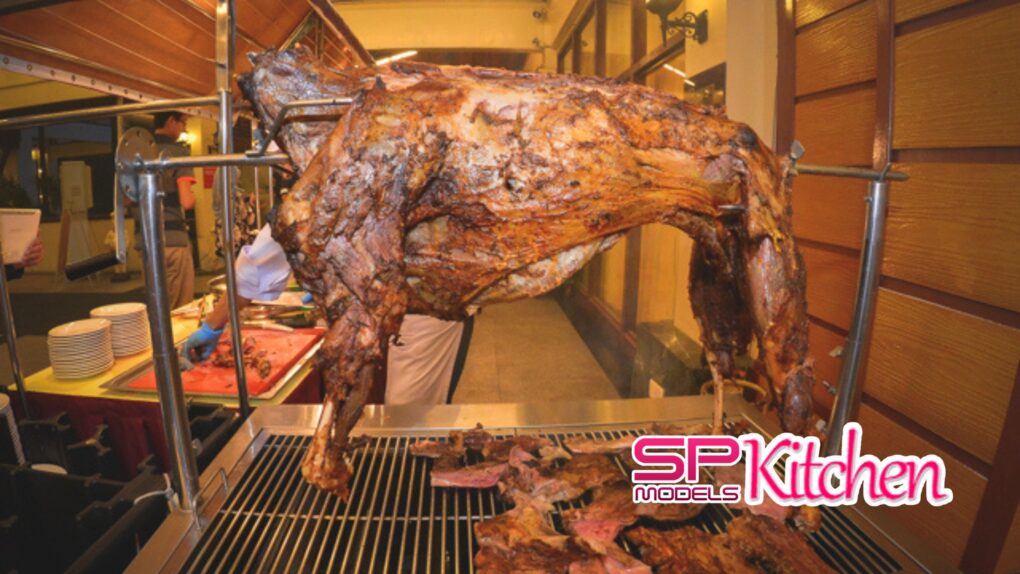
Kami menyediakan servis Kambing Golek Halal Premium di Kuala Lumpur, Selangor & Klang Valley untuk majlis perkahwinan, aqiqah, rumah terbuka, event korporat, institusi dan acara rasmi.

Kambing dipanggang secara live di lokasi majlis,
dihidangkan panas, berjus dan menjadi
tarikan utama yang menaikkan imej keseluruhan event.

Kambing Golek bukan sekadar hidangan —
ia adalah elemen prestij yang menjadikan majlis nampak lebih besar, eksklusif dan bernilai.

Aroma kambing yang dipanggang perlahan,
visual live roasting dan aliran servis terkawal menjadikan tetamu beratur, menunggu dan mengingati majlis anda.


Kenapa Kambing Golek Sentiasa Jadi Pilihan Event Besar

  • Dipanggang secara live – aroma & visual terus tarik perhatian
  • Hidangan premium – sesuai untuk majlis kahwin & corporate
  • Servis terkawal – elak berebut & pembaziran
  • Jarang ditolak tetamu – kambing golek sentiasa habis
  • Menaikkan imej penganjur – majlis nampak lebih mahal
  • Sesuai untuk event kecil hingga besar

Perkhidmatan Kambing Golek & BBQ Lengkap

  • Kambing golek dipanggang di lokasi oleh kru berpengalaman
  • Daging lembut, berjus & dipotong segar untuk tetamu
  • Sos & hidangan sampingan disediakan mencukupi
  • Peralatan lengkap, meja & setup kemas
  • Tenaga kerja profesional sepanjang event

Semua disusun supaya penganjur tidak perlu risau
tentang aliran makanan, servis atau kualiti.


Kawasan Liputan Kambing Golek

Kami meliputi seluruh Kuala Lumpur, Selangor & Klang Valley
termasuk Shah Alam, Subang Jaya, Petaling Jaya, Klang, Cheras, Ampang, Puchong, Bangi, Kajang, Damansara, Kepong, Rawang, Cyberjaya & Putrajaya.


Kenapa Ramai Pilih Kami Untuk Kambing Golek

Kami menguruskan setiap tempahan dengan
perancangan rapi, kru mencukupi dan kawalan servis ketat,
supaya majlis berjalan lancar dan tetamu puas hati.

Tempah Kambing Golek Untuk Event Anda Sekarang

Slot Kambing Golek Kuala Lumpur & Selangor
adalah terhad setiap minggu.
Hanya hantar detail event & anggaran pax,
kami akan cadangkan
setup paling sesuai & bernilai untuk majlis anda.

WhatsApp & Lock Slot Sekarang

SP Models Kitchen · Kambing Golek Kuala Lumpur & Selangor

Canopy Rental Setia Alam & Klang – Marquee Tent, Transparent Arabian Canopy & Event Setup

Canopy Rental Setia Alam & Klang – Premium Marquee Tent, Arabian Canopy & Transparent Canopy Specialist

Our canopy rental service in Setia Alam and Klang focuses on the most high-demand, most searched, and most profitable canopy types for weddings, corporate events, launches, festivals, community gatherings, and private celebrations.

We serve all major residential, commercial, and corporate zones across the Klang region — delivering premium canopy structures, fast setup, and clean, professional event presentation.

This upgraded version focuses on the top canopy types clients search for, ensuring maximum visibility and strong Google ranking.


Top 3 Most Popular Canopy Types in Setia Alam & Klang

1. Marquee Tent Setia Alam & Klang

The highest-demand canopy for:

  • Corporate events
  • Product launches
  • Government programs
  • University events
  • Exhibitions
  • Large weddings and festivals

Features:
Wide-span structure, elegant height, strong weather resistance, premium look suitable for modern Klang and Setia Alam venues.


2. Transparent Arabian Canopy Setia Alam & Klang

Perfect for:

  • Night weddings
  • Engagement ceremonies
  • VIP dinners
  • Outdoor luxury events
  • Lake-side or garden functions

The transparent roof creates a stunning open-sky ambience and is one of the most Googled canopy styles in Setia Alam and Klang.


3. Arabian Canopy Setia Alam & Klang

A stylish, pointed canopy ideal for:

  • Medium-size weddings
  • Corporate meetings
  • School and college events
  • Community gatherings
  • Office functions

Known for stability, clean presentation and suitability for any weather.


Essential Event Add-Ons (High Demand in Klang Region)

Clients frequently request these event essentials:

Stage & Platform

Suitable for speeches, ceremonies, launches and wedding programs.

Event Backdrop & Decorations

Clean, professional setups for branding, photo walls and weddings.

Lighting Package

Warm lights, decorative lights, chandeliers.

Air Coolers

Effective cooling for hot weather areas like Klang, Shah Alam and Setia Alam.


Why We Are the Preferred Canopy Provider in Setia Alam & Klang

Clients choose us because we deliver:

  • Premium canopy structures
  • Fast setup and dismantle
  • Clean equipment and professional manpower
  • Reliable service for weddings, corporate and government functions
  • All-area coverage across Setia Alam, Klang and nearby high-demand zones

We specialize in handling large crowd events and corporate-level requirements.


Coverage Areas – High-Demand Cities in Setia Alam & Klang

Setia Alam Coverage

Setia City Mall, Setia Eco Park, Setia Alam Mall, Setia Taipan, Setia Avenue, Jalan Setia Prima, Jalan Setia Nusantara, Jalan Setia Perdana, Jalan Setia Dagang, Setia Impian.

Klang Coverage

North Klang, South Klang, Bandar Bukit Tinggi, Bandar Botanic, Bandar Putera Klang, Bayu Perdana, Berkeley, Taman Sri Andalas, Taman Sentosa, Meru, Kapar, Klang Parade, Bukit Raja, Klang Utara, Bukit Tinggi 1 & 2.

Extended Coverage (High Search Volume Areas Near Klang)

Shah Alam, Meru, Kapar, Kota Kemuning, Bukit Rimau, Subang Bestari, Bukit Jelutong, Setia Eco Park, Bandar Baru Klang, Telok Gong, Port Klang.

Wherever your event is held, our team delivers professional, fast and clean canopy installation.


Secure Your Booking for Setia Alam & Klang

These locations are extremely active for weddings, corporate launches, government events and community celebrations.
Marquee and Transparent Arabian Canopies sell out fast.

Lock your date early to avoid full booking.

-> WhatsApp Us Now for a Free Quotation

Sewa Kanopi Lutsinar, Arabian, Pyramid & Marquee Tent KL Selangor


Sewa Kanopi Lutsinar, Arabian, Pyramid dan Marquee Tent Kuala Lumpur & Selangor

Transparent Canopy, Arabian Canopy, Pyramid Canopy dan Marquee Tent untuk Majlis Kahwin dan Event

SP Models Kitchen menyediakan kanopi premium untuk majlis di Kuala Lumpur, Selangor dan seluruh Lembah Klang. Semua kanopi dipasang oleh crew profesional, nampak kemas, stabil dan sesuai untuk semua jenis event.

Kami membantu menjadikan majlis anda kelihatan lebih moden, eksklusif dan tersusun.


Kanopi Paling Popular di KL dan Selangor

1. Kanopi Lutsinar (Transparent Canopy)

Pilihan utama untuk majlis mewah dan outdoor moden.

Kelebihan:

  • Struktur aluminium kukuh
  • PVC lutsinar premium
  • Lighting sangat cantik pada waktu malam
  • Sesuai untuk wedding, dinner, engagement dan private event

2. Arabian Canopy

Paling sesuai untuk:

  • Majlis kahwin rumah
  • Kenduri keluarga
  • Program komuniti
  • Event sekolah dan IPT

Stabil, kemas dan serbaguna.


3. Pyramid Canopy

Rekaan tinggi dan moden.
Sesuai untuk event korporat, product launch dan booth pameran.


4. Marquee Tent

Pilihan untuk event besar seperti:

  • Majlis kahwin berskala besar
  • Festival dan karnival
  • Showcase dan expo
  • VIP dinner

Tersedia dalam marquee canvas dan marquee transparent.


Kenapa Ramai Pilih Servis Kami

  • Kanopi berkualiti premium
  • Pemasangan cepat dan kemas
  • Crew berpengalaman
  • Lighting, dekorasi, meja, kerusi, aircond dan lantai lengkap
  • Sesuai untuk wedding, korporat dan outdoor event
  • Cover semua kawasan paling tinggi permintaan di KL dan Selangor

Majlis anda akan kelihatan kemas, mewah dan profesional.


Kawasan Servis Utama

Kuala Lumpur: KLCC, Bukit Bintang, Ampang, Cheras, Gombak, Setapak, Wangsa Maju, Sentul, Bangsar, Mont Kiara, Hartamas, Damansara, TTDI

Selangor: Shah Alam, Subang Jaya, Petaling Jaya, Puchong, Klang, Kajang, Semenyih, Serdang, Sepang

Servis sampai lokasi dengan pemasangan lengkap.


Pakej Lengkap Disediakan

  • Kanopi Lutsinar, Arabian, Pyramid, Marquee
  • LED Fairy Light, Chandelier, Spotlight
  • Aircond dan Kipas Industri
  • Stage, PA System, Lighting
  • Lantai kayu, carpet dan backdrop
  • Meja, kerusi, sarung dan dekorasi meja

Boleh disesuaikan mengikut tema dan bajet.


Tempah Awal

Permintaan untuk transparent canopy dan marquee tent sangat tinggi.
Penempahan awal membantu pastikan slot tersedia untuk tarikh anda.


-> Tempah Sekarang

Berikan lokasi, tarikh dan bajet. Kami cadangkan setup terbaik untuk majlis anda.

360 Photo Booth Rental Kuala Lumpur & Klang Valley | Unlimited Video

360 Photo Booth Rental Kuala Lumpur & Klang Valley – Unlimited Video & Instant Sharing

Professional 360 Video Booth for Corporate Events, Brand Activations & Premium Celebrations

Looking for a professional 360 photo booth rental in Kuala Lumpur that delivers
viral-quality videos, smooth guest experience, and instant social media sharing?

SP Models Kitchen provides 360 video booth rental services trusted by
corporate brands, event agencies, wedding planners, and marketing teams across
Kuala Lumpur, Klang Valley, and Selangor.

This is not just entertainment.
This is a high-impact event activation designed to make your event
look premium, engaging, and highly shareable.


Why 360 Photo Booth Is One of the Most In-Demand Event Services

A 360 spin booth is among the most searched and requested event experiences today because it:

  • Creates viral-ready videos guests love to share
  • Boosts social media visibility instantly
  • Engages guests without disrupting the programme
  • Works perfectly for corporate, brand and premium events
  • Adds excitement beyond standard photo booths

From corporate annual dinners to product launches and weddings,
a 360 photo booth is no longer optional — it is expected.


What Makes Our 360 Photo Booth Truly Professional

1. Large 360 Spin Platform (Group-Friendly)

  • Spacious 360 platform fits 3–4 guests comfortably
  • Stable, smooth spin for clean video output
  • Safe and suitable for corporate & formal events

2. Unlimited 360 Videos for Your Guests

  • Unlimited video sessions throughout your event
  • No restriction per guest
  • High engagement from start to end

3. High-Quality Video Recording

  • Recorded using iPhone 14 Pro Max
  • Sharp, smooth and vibrant video quality
  • Perfect for TikTok, Instagram Reels & social media

4. Instant Video Sharing (Most Requested Feature)

  • Instant sharing via QR code & iPad kiosk
  • Guests download videos on the spot
  • No waiting, no follow-up needed

5. Professional Lighting & Custom Video Design

  • Studio-style lighting for flattering results
  • Free custom overlay & background music
  • Match your brand colours, logo or event theme

6. Fully Managed On-Site Experience

  • Friendly, trained crew on site
  • Guest guidance & queue control
  • Clean, organised setup throughout the event

High-Demand Events That Book Our 360 Photo Booth

Corporate & Brand Events

  • Corporate annual dinners & staff events
  • Product launches & brand activations
  • Exhibitions, roadshows & marketing events
  • Corporate event entertainment & engagement

Weddings & Premium Celebrations

  • Wedding receptions
  • Engagements & anniversaries
  • Private premium parties

Public & Promotional Events

  • Mall activations
  • Community & promotional events
  • Interactive social media campaigns

Service Coverage – Kuala Lumpur & Klang Valley

We actively provide 360 photo booth rental across high-demand locations including:


Kuala Lumpur, Petaling Jaya, Bangsar, Damansara, Mont Kiara, Bandar Utama, Subang Jaya, Shah Alam,
Puchong, Cheras, Ampang, Setapak, Wangsa Maju, Kepong, Putrajaya, Cyberjaya, Kota Damansara,
Ara Damansara, Glenmarie, and surrounding Klang Valley areas.

This ensures punctual setup, smooth coordination, and consistent service quality.


Why Clients Choose SP Models Kitchen

  • Professional-grade 360 booth setup
  • Experience with corporate & branded events
  • Viral-focused video quality
  • Reliable crew & smooth execution
  • Event experience that reflects well on the host

We help your event stand out, get shared, and be remembered.


Book 360 Photo Booth Rental Kuala Lumpur

360 photo booth slots are often fully booked early, especially for:

  • Corporate annual dinners
  • Product launches
  • Weekends & peak event dates

Share your event date, location, and event type.
We will recommend the most suitable 360 photo booth setup for your event.

Contact SP Models Kitchen Now

SP Models Kitchen – Professional 360 Photo Booth Rental Kuala Lumpur & Klang Valley

Chopstick Benefits for Brain: Improve Focus & Mindfulness

  • Improves brain-hand coordination
  • Enhances focus and concentration
  • Supports mindful eating habits
  • Regulates emotional responses
  • Promotes patience and self-control

What looks like a simple eating habit is actually a powerful form of daily brain training.

Children in East Asian countries typically learn chopsticks between ages three and five — during critical brain development years. This strengthens fine motor control and the prefrontal cortex, which governs attention, patience, and emotional regulation.

These early habits contribute to long-term discipline, focus, and problem-solving skills that persist into adulthood.


Key Benefits of Using Chopsticks Daily

  • Improves brain-hand coordination
  • Enhances focus and concentration
  • Supports mindful eating habits
  • Regulates emotional responses
  • Promotes patience and self-control

What looks like a simple eating habit is actually a powerful form of daily brain training.

Children in East Asian countries typically learn chopsticks between ages three and five — during critical brain development years. This strengthens fine motor control and the prefrontal cortex, which governs attention, patience, and emotional regulation.

These early habits contribute to long-term discipline, focus, and problem-solving skills that persist into adulthood.


Key Benefits of Using Chopsticks Daily

  • Improves brain-hand coordination
  • Enhances focus and concentration
  • Supports mindful eating habits
  • Regulates emotional responses
  • Promotes patience and self-control

What looks like a simple eating habit is actually a powerful form of daily brain training.

The controlled hand movements required by chopsticks encourage calm, deliberate action. This lowers stress hormones and increases serotonin activity, supporting emotional balance and mental clarity.

Many people report feeling more relaxed and centered when they consistently eat with chopsticks — not because of culture, but because of how the brain responds to precision and rhythm.


Why Chopsticks Are Introduced Early in East Asia

Children in East Asian countries typically learn chopsticks between ages three and five — during critical brain development years. This strengthens fine motor control and the prefrontal cortex, which governs attention, patience, and emotional regulation.

These early habits contribute to long-term discipline, focus, and problem-solving skills that persist into adulthood.


Key Benefits of Using Chopsticks Daily

  • Improves brain-hand coordination
  • Enhances focus and concentration
  • Supports mindful eating habits
  • Regulates emotional responses
  • Promotes patience and self-control

What looks like a simple eating habit is actually a powerful form of daily brain training.

The controlled hand movements required by chopsticks encourage calm, deliberate action. This lowers stress hormones and increases serotonin activity, supporting emotional balance and mental clarity.

Many people report feeling more relaxed and centered when they consistently eat with chopsticks — not because of culture, but because of how the brain responds to precision and rhythm.


Why Chopsticks Are Introduced Early in East Asia

Children in East Asian countries typically learn chopsticks between ages three and five — during critical brain development years. This strengthens fine motor control and the prefrontal cortex, which governs attention, patience, and emotional regulation.

These early habits contribute to long-term discipline, focus, and problem-solving skills that persist into adulthood.


Key Benefits of Using Chopsticks Daily

  • Improves brain-hand coordination
  • Enhances focus and concentration
  • Supports mindful eating habits
  • Regulates emotional responses
  • Promotes patience and self-control

What looks like a simple eating habit is actually a powerful form of daily brain training.

Eating with chopsticks naturally slows eating speed. Research shows that slower eating allows satiety hormones to reach the brain in time, reducing overeating and improving digestion.

Studies comparing rice consumption show that eating with chopsticks results in lower glucose spikes compared to spoons. This helps maintain stable energy levels and reduces post-meal fatigue.


How Chopsticks Help Emotional Control and Calmness

The controlled hand movements required by chopsticks encourage calm, deliberate action. This lowers stress hormones and increases serotonin activity, supporting emotional balance and mental clarity.

Many people report feeling more relaxed and centered when they consistently eat with chopsticks — not because of culture, but because of how the brain responds to precision and rhythm.


Why Chopsticks Are Introduced Early in East Asia

Children in East Asian countries typically learn chopsticks between ages three and five — during critical brain development years. This strengthens fine motor control and the prefrontal cortex, which governs attention, patience, and emotional regulation.

These early habits contribute to long-term discipline, focus, and problem-solving skills that persist into adulthood.


Key Benefits of Using Chopsticks Daily

  • Improves brain-hand coordination
  • Enhances focus and concentration
  • Supports mindful eating habits
  • Regulates emotional responses
  • Promotes patience and self-control

What looks like a simple eating habit is actually a powerful form of daily brain training.

Eating with chopsticks naturally slows eating speed. Research shows that slower eating allows satiety hormones to reach the brain in time, reducing overeating and improving digestion.

Studies comparing rice consumption show that eating with chopsticks results in lower glucose spikes compared to spoons. This helps maintain stable energy levels and reduces post-meal fatigue.


How Chopsticks Help Emotional Control and Calmness

The controlled hand movements required by chopsticks encourage calm, deliberate action. This lowers stress hormones and increases serotonin activity, supporting emotional balance and mental clarity.

Many people report feeling more relaxed and centered when they consistently eat with chopsticks — not because of culture, but because of how the brain responds to precision and rhythm.


Why Chopsticks Are Introduced Early in East Asia

Children in East Asian countries typically learn chopsticks between ages three and five — during critical brain development years. This strengthens fine motor control and the prefrontal cortex, which governs attention, patience, and emotional regulation.

These early habits contribute to long-term discipline, focus, and problem-solving skills that persist into adulthood.


Key Benefits of Using Chopsticks Daily

  • Improves brain-hand coordination
  • Enhances focus and concentration
  • Supports mindful eating habits
  • Regulates emotional responses
  • Promotes patience and self-control

What looks like a simple eating habit is actually a powerful form of daily brain training.

Chopsticks require controlled movement, balance, and timing. Unlike spoons or forks, they demand active attention. This creates a form of natural mindfulness that trains sustained focus.

Psychologists refer to this as sensorimotor mindfulness — awareness through physical motion. Regular practice helps reduce mental distraction, improve task focus, and stabilize emotions.


Is Eating with Chopsticks Healthier?

Eating with chopsticks naturally slows eating speed. Research shows that slower eating allows satiety hormones to reach the brain in time, reducing overeating and improving digestion.

Studies comparing rice consumption show that eating with chopsticks results in lower glucose spikes compared to spoons. This helps maintain stable energy levels and reduces post-meal fatigue.


How Chopsticks Help Emotional Control and Calmness

The controlled hand movements required by chopsticks encourage calm, deliberate action. This lowers stress hormones and increases serotonin activity, supporting emotional balance and mental clarity.

Many people report feeling more relaxed and centered when they consistently eat with chopsticks — not because of culture, but because of how the brain responds to precision and rhythm.


Why Chopsticks Are Introduced Early in East Asia

Children in East Asian countries typically learn chopsticks between ages three and five — during critical brain development years. This strengthens fine motor control and the prefrontal cortex, which governs attention, patience, and emotional regulation.

These early habits contribute to long-term discipline, focus, and problem-solving skills that persist into adulthood.


Key Benefits of Using Chopsticks Daily

  • Improves brain-hand coordination
  • Enhances focus and concentration
  • Supports mindful eating habits
  • Regulates emotional responses
  • Promotes patience and self-control

What looks like a simple eating habit is actually a powerful form of daily brain training.

Chopsticks require controlled movement, balance, and timing. Unlike spoons or forks, they demand active attention. This creates a form of natural mindfulness that trains sustained focus.

Psychologists refer to this as sensorimotor mindfulness — awareness through physical motion. Regular practice helps reduce mental distraction, improve task focus, and stabilize emotions.


Is Eating with Chopsticks Healthier?

Eating with chopsticks naturally slows eating speed. Research shows that slower eating allows satiety hormones to reach the brain in time, reducing overeating and improving digestion.

Studies comparing rice consumption show that eating with chopsticks results in lower glucose spikes compared to spoons. This helps maintain stable energy levels and reduces post-meal fatigue.


How Chopsticks Help Emotional Control and Calmness

The controlled hand movements required by chopsticks encourage calm, deliberate action. This lowers stress hormones and increases serotonin activity, supporting emotional balance and mental clarity.

Many people report feeling more relaxed and centered when they consistently eat with chopsticks — not because of culture, but because of how the brain responds to precision and rhythm.


Why Chopsticks Are Introduced Early in East Asia

Children in East Asian countries typically learn chopsticks between ages three and five — during critical brain development years. This strengthens fine motor control and the prefrontal cortex, which governs attention, patience, and emotional regulation.

These early habits contribute to long-term discipline, focus, and problem-solving skills that persist into adulthood.


Key Benefits of Using Chopsticks Daily

  • Improves brain-hand coordination
  • Enhances focus and concentration
  • Supports mindful eating habits
  • Regulates emotional responses
  • Promotes patience and self-control

What looks like a simple eating habit is actually a powerful form of daily brain training.

Yes. Studies in neuroscience show that using chopsticks activates the motor cortex, sensory cortex, cerebellum, and prefrontal cortex at the same time. This multi-region stimulation strengthens neuroplasticity — the brain’s ability to form new connections.

Each meal using chopsticks engages more than 30 small muscles in the fingers, wrist, and forearm. These precise movements send thousands of signals to the brain, improving coordination, memory processing, and decision-making speed.


Why Eating with Chopsticks Improves Focus and Concentration

Chopsticks require controlled movement, balance, and timing. Unlike spoons or forks, they demand active attention. This creates a form of natural mindfulness that trains sustained focus.

Psychologists refer to this as sensorimotor mindfulness — awareness through physical motion. Regular practice helps reduce mental distraction, improve task focus, and stabilize emotions.


Is Eating with Chopsticks Healthier?

Eating with chopsticks naturally slows eating speed. Research shows that slower eating allows satiety hormones to reach the brain in time, reducing overeating and improving digestion.

Studies comparing rice consumption show that eating with chopsticks results in lower glucose spikes compared to spoons. This helps maintain stable energy levels and reduces post-meal fatigue.


How Chopsticks Help Emotional Control and Calmness

The controlled hand movements required by chopsticks encourage calm, deliberate action. This lowers stress hormones and increases serotonin activity, supporting emotional balance and mental clarity.

Many people report feeling more relaxed and centered when they consistently eat with chopsticks — not because of culture, but because of how the brain responds to precision and rhythm.


Why Chopsticks Are Introduced Early in East Asia

Children in East Asian countries typically learn chopsticks between ages three and five — during critical brain development years. This strengthens fine motor control and the prefrontal cortex, which governs attention, patience, and emotional regulation.

These early habits contribute to long-term discipline, focus, and problem-solving skills that persist into adulthood.


Key Benefits of Using Chopsticks Daily

  • Improves brain-hand coordination
  • Enhances focus and concentration
  • Supports mindful eating habits
  • Regulates emotional responses
  • Promotes patience and self-control

What looks like a simple eating habit is actually a powerful form of daily brain training.

Yes. Studies in neuroscience show that using chopsticks activates the motor cortex, sensory cortex, cerebellum, and prefrontal cortex at the same time. This multi-region stimulation strengthens neuroplasticity — the brain’s ability to form new connections.

Each meal using chopsticks engages more than 30 small muscles in the fingers, wrist, and forearm. These precise movements send thousands of signals to the brain, improving coordination, memory processing, and decision-making speed.


Why Eating with Chopsticks Improves Focus and Concentration

Chopsticks require controlled movement, balance, and timing. Unlike spoons or forks, they demand active attention. This creates a form of natural mindfulness that trains sustained focus.

Psychologists refer to this as sensorimotor mindfulness — awareness through physical motion. Regular practice helps reduce mental distraction, improve task focus, and stabilize emotions.


Is Eating with Chopsticks Healthier?

Eating with chopsticks naturally slows eating speed. Research shows that slower eating allows satiety hormones to reach the brain in time, reducing overeating and improving digestion.

Studies comparing rice consumption show that eating with chopsticks results in lower glucose spikes compared to spoons. This helps maintain stable energy levels and reduces post-meal fatigue.


How Chopsticks Help Emotional Control and Calmness

The controlled hand movements required by chopsticks encourage calm, deliberate action. This lowers stress hormones and increases serotonin activity, supporting emotional balance and mental clarity.

Many people report feeling more relaxed and centered when they consistently eat with chopsticks — not because of culture, but because of how the brain responds to precision and rhythm.


Why Chopsticks Are Introduced Early in East Asia

Children in East Asian countries typically learn chopsticks between ages three and five — during critical brain development years. This strengthens fine motor control and the prefrontal cortex, which governs attention, patience, and emotional regulation.

These early habits contribute to long-term discipline, focus, and problem-solving skills that persist into adulthood.


Key Benefits of Using Chopsticks Daily

  • Improves brain-hand coordination
  • Enhances focus and concentration
  • Supports mindful eating habits
  • Regulates emotional responses
  • Promotes patience and self-control

What looks like a simple eating habit is actually a powerful form of daily brain training.

Written by Hugo Qadri

Using chopsticks is more than a cultural habit. Research shows that eating with chopsticks can improve brain function, increase focus, support emotional balance, and promote mindful eating. This simple daily habit activates multiple brain regions and trains fine motor control in ways modern tools do not.


Does Using Chopsticks Improve Brain Function?

Yes. Studies in neuroscience show that using chopsticks activates the motor cortex, sensory cortex, cerebellum, and prefrontal cortex at the same time. This multi-region stimulation strengthens neuroplasticity — the brain’s ability to form new connections.

Each meal using chopsticks engages more than 30 small muscles in the fingers, wrist, and forearm. These precise movements send thousands of signals to the brain, improving coordination, memory processing, and decision-making speed.


Why Eating with Chopsticks Improves Focus and Concentration

Chopsticks require controlled movement, balance, and timing. Unlike spoons or forks, they demand active attention. This creates a form of natural mindfulness that trains sustained focus.

Psychologists refer to this as sensorimotor mindfulness — awareness through physical motion. Regular practice helps reduce mental distraction, improve task focus, and stabilize emotions.


Is Eating with Chopsticks Healthier?

Eating with chopsticks naturally slows eating speed. Research shows that slower eating allows satiety hormones to reach the brain in time, reducing overeating and improving digestion.

Studies comparing rice consumption show that eating with chopsticks results in lower glucose spikes compared to spoons. This helps maintain stable energy levels and reduces post-meal fatigue.


How Chopsticks Help Emotional Control and Calmness

The controlled hand movements required by chopsticks encourage calm, deliberate action. This lowers stress hormones and increases serotonin activity, supporting emotional balance and mental clarity.

Many people report feeling more relaxed and centered when they consistently eat with chopsticks — not because of culture, but because of how the brain responds to precision and rhythm.


Why Chopsticks Are Introduced Early in East Asia

Children in East Asian countries typically learn chopsticks between ages three and five — during critical brain development years. This strengthens fine motor control and the prefrontal cortex, which governs attention, patience, and emotional regulation.

These early habits contribute to long-term discipline, focus, and problem-solving skills that persist into adulthood.


Key Benefits of Using Chopsticks Daily

  • Improves brain-hand coordination
  • Enhances focus and concentration
  • Supports mindful eating habits
  • Regulates emotional responses
  • Promotes patience and self-control

What looks like a simple eating habit is actually a powerful form of daily brain training.

Written by Hugo Qadri

Using chopsticks is more than a cultural habit. Research shows that eating with chopsticks can improve brain function, increase focus, support emotional balance, and promote mindful eating. This simple daily habit activates multiple brain regions and trains fine motor control in ways modern tools do not.


Does Using Chopsticks Improve Brain Function?

Yes. Studies in neuroscience show that using chopsticks activates the motor cortex, sensory cortex, cerebellum, and prefrontal cortex at the same time. This multi-region stimulation strengthens neuroplasticity — the brain’s ability to form new connections.

Each meal using chopsticks engages more than 30 small muscles in the fingers, wrist, and forearm. These precise movements send thousands of signals to the brain, improving coordination, memory processing, and decision-making speed.


Why Eating with Chopsticks Improves Focus and Concentration

Chopsticks require controlled movement, balance, and timing. Unlike spoons or forks, they demand active attention. This creates a form of natural mindfulness that trains sustained focus.

Psychologists refer to this as sensorimotor mindfulness — awareness through physical motion. Regular practice helps reduce mental distraction, improve task focus, and stabilize emotions.


Is Eating with Chopsticks Healthier?

Eating with chopsticks naturally slows eating speed. Research shows that slower eating allows satiety hormones to reach the brain in time, reducing overeating and improving digestion.

Studies comparing rice consumption show that eating with chopsticks results in lower glucose spikes compared to spoons. This helps maintain stable energy levels and reduces post-meal fatigue.


How Chopsticks Help Emotional Control and Calmness

The controlled hand movements required by chopsticks encourage calm, deliberate action. This lowers stress hormones and increases serotonin activity, supporting emotional balance and mental clarity.

Many people report feeling more relaxed and centered when they consistently eat with chopsticks — not because of culture, but because of how the brain responds to precision and rhythm.


Why Chopsticks Are Introduced Early in East Asia

Children in East Asian countries typically learn chopsticks between ages three and five — during critical brain development years. This strengthens fine motor control and the prefrontal cortex, which governs attention, patience, and emotional regulation.

These early habits contribute to long-term discipline, focus, and problem-solving skills that persist into adulthood.


Key Benefits of Using Chopsticks Daily

  • Improves brain-hand coordination
  • Enhances focus and concentration
  • Supports mindful eating habits
  • Regulates emotional responses
  • Promotes patience and self-control

What looks like a simple eating habit is actually a powerful form of daily brain training.

Benefits of Using Chopsticks for Brain Function, Focus & Mental Health

Written by Hugo Qadri

Using chopsticks is more than a cultural habit. Research shows that eating with chopsticks can improve brain function, increase focus, support emotional balance, and promote mindful eating. This simple daily habit activates multiple brain regions and trains fine motor control in ways modern tools do not.


Does Using Chopsticks Improve Brain Function?

Yes. Studies in neuroscience show that using chopsticks activates the motor cortex, sensory cortex, cerebellum, and prefrontal cortex at the same time. This multi-region stimulation strengthens neuroplasticity — the brain’s ability to form new connections.

Each meal using chopsticks engages more than 30 small muscles in the fingers, wrist, and forearm. These precise movements send thousands of signals to the brain, improving coordination, memory processing, and decision-making speed.


Why Eating with Chopsticks Improves Focus and Concentration

Chopsticks require controlled movement, balance, and timing. Unlike spoons or forks, they demand active attention. This creates a form of natural mindfulness that trains sustained focus.

Psychologists refer to this as sensorimotor mindfulness — awareness through physical motion. Regular practice helps reduce mental distraction, improve task focus, and stabilize emotions.


Is Eating with Chopsticks Healthier?

Eating with chopsticks naturally slows eating speed. Research shows that slower eating allows satiety hormones to reach the brain in time, reducing overeating and improving digestion.

Studies comparing rice consumption show that eating with chopsticks results in lower glucose spikes compared to spoons. This helps maintain stable energy levels and reduces post-meal fatigue.


How Chopsticks Help Emotional Control and Calmness

The controlled hand movements required by chopsticks encourage calm, deliberate action. This lowers stress hormones and increases serotonin activity, supporting emotional balance and mental clarity.

Many people report feeling more relaxed and centered when they consistently eat with chopsticks — not because of culture, but because of how the brain responds to precision and rhythm.


Why Chopsticks Are Introduced Early in East Asia

Children in East Asian countries typically learn chopsticks between ages three and five — during critical brain development years. This strengthens fine motor control and the prefrontal cortex, which governs attention, patience, and emotional regulation.

These early habits contribute to long-term discipline, focus, and problem-solving skills that persist into adulthood.


Key Benefits of Using Chopsticks Daily

  • Improves brain-hand coordination
  • Enhances focus and concentration
  • Supports mindful eating habits
  • Regulates emotional responses
  • Promotes patience and self-control

What looks like a simple eating habit is actually a powerful form of daily brain training.

Children in East Asian countries typically learn chopsticks between ages three and five — during critical brain development years. This strengthens fine motor control and the prefrontal cortex, which governs attention, patience, and emotional regulation.

These early habits contribute to long-term discipline, focus, and problem-solving skills that persist into adulthood.


Key Benefits of Using Chopsticks Daily

  • Improves brain-hand coordination
  • Enhances focus and concentration
  • Supports mindful eating habits
  • Regulates emotional responses
  • Promotes patience and self-control

What looks like a simple eating habit is actually a powerful form of daily brain training.

Benefits of Using Chopsticks for Brain Function, Focus & Mental Health

Written by Hugo Qadri

Using chopsticks is more than a cultural habit. Research shows that eating with chopsticks can improve brain function, increase focus, support emotional balance, and promote mindful eating. This simple daily habit activates multiple brain regions and trains fine motor control in ways modern tools do not.


Does Using Chopsticks Improve Brain Function?

Yes. Studies in neuroscience show that using chopsticks activates the motor cortex, sensory cortex, cerebellum, and prefrontal cortex at the same time. This multi-region stimulation strengthens neuroplasticity — the brain’s ability to form new connections.

Each meal using chopsticks engages more than 30 small muscles in the fingers, wrist, and forearm. These precise movements send thousands of signals to the brain, improving coordination, memory processing, and decision-making speed.


Why Eating with Chopsticks Improves Focus and Concentration

Chopsticks require controlled movement, balance, and timing. Unlike spoons or forks, they demand active attention. This creates a form of natural mindfulness that trains sustained focus.

Psychologists refer to this as sensorimotor mindfulness — awareness through physical motion. Regular practice helps reduce mental distraction, improve task focus, and stabilize emotions.


Is Eating with Chopsticks Healthier?

Eating with chopsticks naturally slows eating speed. Research shows that slower eating allows satiety hormones to reach the brain in time, reducing overeating and improving digestion.

Studies comparing rice consumption show that eating with chopsticks results in lower glucose spikes compared to spoons. This helps maintain stable energy levels and reduces post-meal fatigue.


How Chopsticks Help Emotional Control and Calmness

The controlled hand movements required by chopsticks encourage calm, deliberate action. This lowers stress hormones and increases serotonin activity, supporting emotional balance and mental clarity.

Many people report feeling more relaxed and centered when they consistently eat with chopsticks — not because of culture, but because of how the brain responds to precision and rhythm.


Why Chopsticks Are Introduced Early in East Asia

Children in East Asian countries typically learn chopsticks between ages three and five — during critical brain development years. This strengthens fine motor control and the prefrontal cortex, which governs attention, patience, and emotional regulation.

These early habits contribute to long-term discipline, focus, and problem-solving skills that persist into adulthood.


Key Benefits of Using Chopsticks Daily

  • Improves brain-hand coordination
  • Enhances focus and concentration
  • Supports mindful eating habits
  • Regulates emotional responses
  • Promotes patience and self-control

What looks like a simple eating habit is actually a powerful form of daily brain training.

Children in East Asian countries typically learn chopsticks between ages three and five — during critical brain development years. This strengthens fine motor control and the prefrontal cortex, which governs attention, patience, and emotional regulation.

These early habits contribute to long-term discipline, focus, and problem-solving skills that persist into adulthood.


Key Benefits of Using Chopsticks Daily

  • Improves brain-hand coordination
  • Enhances focus and concentration
  • Supports mindful eating habits
  • Regulates emotional responses
  • Promotes patience and self-control

What looks like a simple eating habit is actually a powerful form of daily brain training.

Benefits of Using Chopsticks for Brain Function, Focus & Mental Health

Written by Hugo Qadri

Using chopsticks is more than a cultural habit. Research shows that eating with chopsticks can improve brain function, increase focus, support emotional balance, and promote mindful eating. This simple daily habit activates multiple brain regions and trains fine motor control in ways modern tools do not.


Does Using Chopsticks Improve Brain Function?

Yes. Studies in neuroscience show that using chopsticks activates the motor cortex, sensory cortex, cerebellum, and prefrontal cortex at the same time. This multi-region stimulation strengthens neuroplasticity — the brain’s ability to form new connections.

Each meal using chopsticks engages more than 30 small muscles in the fingers, wrist, and forearm. These precise movements send thousands of signals to the brain, improving coordination, memory processing, and decision-making speed.


Why Eating with Chopsticks Improves Focus and Concentration

Chopsticks require controlled movement, balance, and timing. Unlike spoons or forks, they demand active attention. This creates a form of natural mindfulness that trains sustained focus.

Psychologists refer to this as sensorimotor mindfulness — awareness through physical motion. Regular practice helps reduce mental distraction, improve task focus, and stabilize emotions.


Is Eating with Chopsticks Healthier?

Eating with chopsticks naturally slows eating speed. Research shows that slower eating allows satiety hormones to reach the brain in time, reducing overeating and improving digestion.

Studies comparing rice consumption show that eating with chopsticks results in lower glucose spikes compared to spoons. This helps maintain stable energy levels and reduces post-meal fatigue.


How Chopsticks Help Emotional Control and Calmness

The controlled hand movements required by chopsticks encourage calm, deliberate action. This lowers stress hormones and increases serotonin activity, supporting emotional balance and mental clarity.

Many people report feeling more relaxed and centered when they consistently eat with chopsticks — not because of culture, but because of how the brain responds to precision and rhythm.


Why Chopsticks Are Introduced Early in East Asia

Children in East Asian countries typically learn chopsticks between ages three and five — during critical brain development years. This strengthens fine motor control and the prefrontal cortex, which governs attention, patience, and emotional regulation.

These early habits contribute to long-term discipline, focus, and problem-solving skills that persist into adulthood.


Key Benefits of Using Chopsticks Daily

  • Improves brain-hand coordination
  • Enhances focus and concentration
  • Supports mindful eating habits
  • Regulates emotional responses
  • Promotes patience and self-control

What looks like a simple eating habit is actually a powerful form of daily brain training.

The controlled hand movements required by chopsticks encourage calm, deliberate action. This lowers stress hormones and increases serotonin activity, supporting emotional balance and mental clarity.

Many people report feeling more relaxed and centered when they consistently eat with chopsticks — not because of culture, but because of how the brain responds to precision and rhythm.


Why Chopsticks Are Introduced Early in East Asia

Children in East Asian countries typically learn chopsticks between ages three and five — during critical brain development years. This strengthens fine motor control and the prefrontal cortex, which governs attention, patience, and emotional regulation.

These early habits contribute to long-term discipline, focus, and problem-solving skills that persist into adulthood.


Key Benefits of Using Chopsticks Daily

  • Improves brain-hand coordination
  • Enhances focus and concentration
  • Supports mindful eating habits
  • Regulates emotional responses
  • Promotes patience and self-control

What looks like a simple eating habit is actually a powerful form of daily brain training.

Benefits of Using Chopsticks for Brain Function, Focus & Mental Health

Written by Hugo Qadri

Using chopsticks is more than a cultural habit. Research shows that eating with chopsticks can improve brain function, increase focus, support emotional balance, and promote mindful eating. This simple daily habit activates multiple brain regions and trains fine motor control in ways modern tools do not.


Does Using Chopsticks Improve Brain Function?

Yes. Studies in neuroscience show that using chopsticks activates the motor cortex, sensory cortex, cerebellum, and prefrontal cortex at the same time. This multi-region stimulation strengthens neuroplasticity — the brain’s ability to form new connections.

Each meal using chopsticks engages more than 30 small muscles in the fingers, wrist, and forearm. These precise movements send thousands of signals to the brain, improving coordination, memory processing, and decision-making speed.


Why Eating with Chopsticks Improves Focus and Concentration

Chopsticks require controlled movement, balance, and timing. Unlike spoons or forks, they demand active attention. This creates a form of natural mindfulness that trains sustained focus.

Psychologists refer to this as sensorimotor mindfulness — awareness through physical motion. Regular practice helps reduce mental distraction, improve task focus, and stabilize emotions.


Is Eating with Chopsticks Healthier?

Eating with chopsticks naturally slows eating speed. Research shows that slower eating allows satiety hormones to reach the brain in time, reducing overeating and improving digestion.

Studies comparing rice consumption show that eating with chopsticks results in lower glucose spikes compared to spoons. This helps maintain stable energy levels and reduces post-meal fatigue.


How Chopsticks Help Emotional Control and Calmness

The controlled hand movements required by chopsticks encourage calm, deliberate action. This lowers stress hormones and increases serotonin activity, supporting emotional balance and mental clarity.

Many people report feeling more relaxed and centered when they consistently eat with chopsticks — not because of culture, but because of how the brain responds to precision and rhythm.


Why Chopsticks Are Introduced Early in East Asia

Children in East Asian countries typically learn chopsticks between ages three and five — during critical brain development years. This strengthens fine motor control and the prefrontal cortex, which governs attention, patience, and emotional regulation.

These early habits contribute to long-term discipline, focus, and problem-solving skills that persist into adulthood.


Key Benefits of Using Chopsticks Daily

  • Improves brain-hand coordination
  • Enhances focus and concentration
  • Supports mindful eating habits
  • Regulates emotional responses
  • Promotes patience and self-control

What looks like a simple eating habit is actually a powerful form of daily brain training.

The controlled hand movements required by chopsticks encourage calm, deliberate action. This lowers stress hormones and increases serotonin activity, supporting emotional balance and mental clarity.

Many people report feeling more relaxed and centered when they consistently eat with chopsticks — not because of culture, but because of how the brain responds to precision and rhythm.


Why Chopsticks Are Introduced Early in East Asia

Children in East Asian countries typically learn chopsticks between ages three and five — during critical brain development years. This strengthens fine motor control and the prefrontal cortex, which governs attention, patience, and emotional regulation.

These early habits contribute to long-term discipline, focus, and problem-solving skills that persist into adulthood.


Key Benefits of Using Chopsticks Daily

  • Improves brain-hand coordination
  • Enhances focus and concentration
  • Supports mindful eating habits
  • Regulates emotional responses
  • Promotes patience and self-control

What looks like a simple eating habit is actually a powerful form of daily brain training.

Benefits of Using Chopsticks for Brain Function, Focus & Mental Health

Written by Hugo Qadri

Using chopsticks is more than a cultural habit. Research shows that eating with chopsticks can improve brain function, increase focus, support emotional balance, and promote mindful eating. This simple daily habit activates multiple brain regions and trains fine motor control in ways modern tools do not.


Does Using Chopsticks Improve Brain Function?

Yes. Studies in neuroscience show that using chopsticks activates the motor cortex, sensory cortex, cerebellum, and prefrontal cortex at the same time. This multi-region stimulation strengthens neuroplasticity — the brain’s ability to form new connections.

Each meal using chopsticks engages more than 30 small muscles in the fingers, wrist, and forearm. These precise movements send thousands of signals to the brain, improving coordination, memory processing, and decision-making speed.


Why Eating with Chopsticks Improves Focus and Concentration

Chopsticks require controlled movement, balance, and timing. Unlike spoons or forks, they demand active attention. This creates a form of natural mindfulness that trains sustained focus.

Psychologists refer to this as sensorimotor mindfulness — awareness through physical motion. Regular practice helps reduce mental distraction, improve task focus, and stabilize emotions.


Is Eating with Chopsticks Healthier?

Eating with chopsticks naturally slows eating speed. Research shows that slower eating allows satiety hormones to reach the brain in time, reducing overeating and improving digestion.

Studies comparing rice consumption show that eating with chopsticks results in lower glucose spikes compared to spoons. This helps maintain stable energy levels and reduces post-meal fatigue.


How Chopsticks Help Emotional Control and Calmness

The controlled hand movements required by chopsticks encourage calm, deliberate action. This lowers stress hormones and increases serotonin activity, supporting emotional balance and mental clarity.

Many people report feeling more relaxed and centered when they consistently eat with chopsticks — not because of culture, but because of how the brain responds to precision and rhythm.


Why Chopsticks Are Introduced Early in East Asia

Children in East Asian countries typically learn chopsticks between ages three and five — during critical brain development years. This strengthens fine motor control and the prefrontal cortex, which governs attention, patience, and emotional regulation.

These early habits contribute to long-term discipline, focus, and problem-solving skills that persist into adulthood.


Key Benefits of Using Chopsticks Daily

  • Improves brain-hand coordination
  • Enhances focus and concentration
  • Supports mindful eating habits
  • Regulates emotional responses
  • Promotes patience and self-control

What looks like a simple eating habit is actually a powerful form of daily brain training.

Eating with chopsticks naturally slows eating speed. Research shows that slower eating allows satiety hormones to reach the brain in time, reducing overeating and improving digestion.

Studies comparing rice consumption show that eating with chopsticks results in lower glucose spikes compared to spoons. This helps maintain stable energy levels and reduces post-meal fatigue.


How Chopsticks Help Emotional Control and Calmness

The controlled hand movements required by chopsticks encourage calm, deliberate action. This lowers stress hormones and increases serotonin activity, supporting emotional balance and mental clarity.

Many people report feeling more relaxed and centered when they consistently eat with chopsticks — not because of culture, but because of how the brain responds to precision and rhythm.


Why Chopsticks Are Introduced Early in East Asia

Children in East Asian countries typically learn chopsticks between ages three and five — during critical brain development years. This strengthens fine motor control and the prefrontal cortex, which governs attention, patience, and emotional regulation.

These early habits contribute to long-term discipline, focus, and problem-solving skills that persist into adulthood.


Key Benefits of Using Chopsticks Daily

  • Improves brain-hand coordination
  • Enhances focus and concentration
  • Supports mindful eating habits
  • Regulates emotional responses
  • Promotes patience and self-control

What looks like a simple eating habit is actually a powerful form of daily brain training.

Benefits of Using Chopsticks for Brain Function, Focus & Mental Health

Written by Hugo Qadri

Using chopsticks is more than a cultural habit. Research shows that eating with chopsticks can improve brain function, increase focus, support emotional balance, and promote mindful eating. This simple daily habit activates multiple brain regions and trains fine motor control in ways modern tools do not.


Does Using Chopsticks Improve Brain Function?

Yes. Studies in neuroscience show that using chopsticks activates the motor cortex, sensory cortex, cerebellum, and prefrontal cortex at the same time. This multi-region stimulation strengthens neuroplasticity — the brain’s ability to form new connections.

Each meal using chopsticks engages more than 30 small muscles in the fingers, wrist, and forearm. These precise movements send thousands of signals to the brain, improving coordination, memory processing, and decision-making speed.


Why Eating with Chopsticks Improves Focus and Concentration

Chopsticks require controlled movement, balance, and timing. Unlike spoons or forks, they demand active attention. This creates a form of natural mindfulness that trains sustained focus.

Psychologists refer to this as sensorimotor mindfulness — awareness through physical motion. Regular practice helps reduce mental distraction, improve task focus, and stabilize emotions.


Is Eating with Chopsticks Healthier?

Eating with chopsticks naturally slows eating speed. Research shows that slower eating allows satiety hormones to reach the brain in time, reducing overeating and improving digestion.

Studies comparing rice consumption show that eating with chopsticks results in lower glucose spikes compared to spoons. This helps maintain stable energy levels and reduces post-meal fatigue.


How Chopsticks Help Emotional Control and Calmness

The controlled hand movements required by chopsticks encourage calm, deliberate action. This lowers stress hormones and increases serotonin activity, supporting emotional balance and mental clarity.

Many people report feeling more relaxed and centered when they consistently eat with chopsticks — not because of culture, but because of how the brain responds to precision and rhythm.


Why Chopsticks Are Introduced Early in East Asia

Children in East Asian countries typically learn chopsticks between ages three and five — during critical brain development years. This strengthens fine motor control and the prefrontal cortex, which governs attention, patience, and emotional regulation.

These early habits contribute to long-term discipline, focus, and problem-solving skills that persist into adulthood.


Key Benefits of Using Chopsticks Daily

  • Improves brain-hand coordination
  • Enhances focus and concentration
  • Supports mindful eating habits
  • Regulates emotional responses
  • Promotes patience and self-control

What looks like a simple eating habit is actually a powerful form of daily brain training.

Eating with chopsticks naturally slows eating speed. Research shows that slower eating allows satiety hormones to reach the brain in time, reducing overeating and improving digestion.

Studies comparing rice consumption show that eating with chopsticks results in lower glucose spikes compared to spoons. This helps maintain stable energy levels and reduces post-meal fatigue.


How Chopsticks Help Emotional Control and Calmness

The controlled hand movements required by chopsticks encourage calm, deliberate action. This lowers stress hormones and increases serotonin activity, supporting emotional balance and mental clarity.

Many people report feeling more relaxed and centered when they consistently eat with chopsticks — not because of culture, but because of how the brain responds to precision and rhythm.


Why Chopsticks Are Introduced Early in East Asia

Children in East Asian countries typically learn chopsticks between ages three and five — during critical brain development years. This strengthens fine motor control and the prefrontal cortex, which governs attention, patience, and emotional regulation.

These early habits contribute to long-term discipline, focus, and problem-solving skills that persist into adulthood.


Key Benefits of Using Chopsticks Daily

  • Improves brain-hand coordination
  • Enhances focus and concentration
  • Supports mindful eating habits
  • Regulates emotional responses
  • Promotes patience and self-control

What looks like a simple eating habit is actually a powerful form of daily brain training.

Benefits of Using Chopsticks for Brain Function, Focus & Mental Health

Written by Hugo Qadri

Using chopsticks is more than a cultural habit. Research shows that eating with chopsticks can improve brain function, increase focus, support emotional balance, and promote mindful eating. This simple daily habit activates multiple brain regions and trains fine motor control in ways modern tools do not.


Does Using Chopsticks Improve Brain Function?

Yes. Studies in neuroscience show that using chopsticks activates the motor cortex, sensory cortex, cerebellum, and prefrontal cortex at the same time. This multi-region stimulation strengthens neuroplasticity — the brain’s ability to form new connections.

Each meal using chopsticks engages more than 30 small muscles in the fingers, wrist, and forearm. These precise movements send thousands of signals to the brain, improving coordination, memory processing, and decision-making speed.


Why Eating with Chopsticks Improves Focus and Concentration

Chopsticks require controlled movement, balance, and timing. Unlike spoons or forks, they demand active attention. This creates a form of natural mindfulness that trains sustained focus.

Psychologists refer to this as sensorimotor mindfulness — awareness through physical motion. Regular practice helps reduce mental distraction, improve task focus, and stabilize emotions.


Is Eating with Chopsticks Healthier?

Eating with chopsticks naturally slows eating speed. Research shows that slower eating allows satiety hormones to reach the brain in time, reducing overeating and improving digestion.

Studies comparing rice consumption show that eating with chopsticks results in lower glucose spikes compared to spoons. This helps maintain stable energy levels and reduces post-meal fatigue.


How Chopsticks Help Emotional Control and Calmness

The controlled hand movements required by chopsticks encourage calm, deliberate action. This lowers stress hormones and increases serotonin activity, supporting emotional balance and mental clarity.

Many people report feeling more relaxed and centered when they consistently eat with chopsticks — not because of culture, but because of how the brain responds to precision and rhythm.


Why Chopsticks Are Introduced Early in East Asia

Children in East Asian countries typically learn chopsticks between ages three and five — during critical brain development years. This strengthens fine motor control and the prefrontal cortex, which governs attention, patience, and emotional regulation.

These early habits contribute to long-term discipline, focus, and problem-solving skills that persist into adulthood.


Key Benefits of Using Chopsticks Daily

  • Improves brain-hand coordination
  • Enhances focus and concentration
  • Supports mindful eating habits
  • Regulates emotional responses
  • Promotes patience and self-control

What looks like a simple eating habit is actually a powerful form of daily brain training.

Chopsticks require controlled movement, balance, and timing. Unlike spoons or forks, they demand active attention. This creates a form of natural mindfulness that trains sustained focus.

Psychologists refer to this as sensorimotor mindfulness — awareness through physical motion. Regular practice helps reduce mental distraction, improve task focus, and stabilize emotions.


Is Eating with Chopsticks Healthier?

Eating with chopsticks naturally slows eating speed. Research shows that slower eating allows satiety hormones to reach the brain in time, reducing overeating and improving digestion.

Studies comparing rice consumption show that eating with chopsticks results in lower glucose spikes compared to spoons. This helps maintain stable energy levels and reduces post-meal fatigue.


How Chopsticks Help Emotional Control and Calmness

The controlled hand movements required by chopsticks encourage calm, deliberate action. This lowers stress hormones and increases serotonin activity, supporting emotional balance and mental clarity.

Many people report feeling more relaxed and centered when they consistently eat with chopsticks — not because of culture, but because of how the brain responds to precision and rhythm.


Why Chopsticks Are Introduced Early in East Asia

Children in East Asian countries typically learn chopsticks between ages three and five — during critical brain development years. This strengthens fine motor control and the prefrontal cortex, which governs attention, patience, and emotional regulation.

These early habits contribute to long-term discipline, focus, and problem-solving skills that persist into adulthood.


Key Benefits of Using Chopsticks Daily

  • Improves brain-hand coordination
  • Enhances focus and concentration
  • Supports mindful eating habits
  • Regulates emotional responses
  • Promotes patience and self-control

What looks like a simple eating habit is actually a powerful form of daily brain training.

Benefits of Using Chopsticks for Brain Function, Focus & Mental Health

Written by Hugo Qadri

Using chopsticks is more than a cultural habit. Research shows that eating with chopsticks can improve brain function, increase focus, support emotional balance, and promote mindful eating. This simple daily habit activates multiple brain regions and trains fine motor control in ways modern tools do not.


Does Using Chopsticks Improve Brain Function?

Yes. Studies in neuroscience show that using chopsticks activates the motor cortex, sensory cortex, cerebellum, and prefrontal cortex at the same time. This multi-region stimulation strengthens neuroplasticity — the brain’s ability to form new connections.

Each meal using chopsticks engages more than 30 small muscles in the fingers, wrist, and forearm. These precise movements send thousands of signals to the brain, improving coordination, memory processing, and decision-making speed.


Why Eating with Chopsticks Improves Focus and Concentration

Chopsticks require controlled movement, balance, and timing. Unlike spoons or forks, they demand active attention. This creates a form of natural mindfulness that trains sustained focus.

Psychologists refer to this as sensorimotor mindfulness — awareness through physical motion. Regular practice helps reduce mental distraction, improve task focus, and stabilize emotions.


Is Eating with Chopsticks Healthier?

Eating with chopsticks naturally slows eating speed. Research shows that slower eating allows satiety hormones to reach the brain in time, reducing overeating and improving digestion.

Studies comparing rice consumption show that eating with chopsticks results in lower glucose spikes compared to spoons. This helps maintain stable energy levels and reduces post-meal fatigue.


How Chopsticks Help Emotional Control and Calmness

The controlled hand movements required by chopsticks encourage calm, deliberate action. This lowers stress hormones and increases serotonin activity, supporting emotional balance and mental clarity.

Many people report feeling more relaxed and centered when they consistently eat with chopsticks — not because of culture, but because of how the brain responds to precision and rhythm.


Why Chopsticks Are Introduced Early in East Asia

Children in East Asian countries typically learn chopsticks between ages three and five — during critical brain development years. This strengthens fine motor control and the prefrontal cortex, which governs attention, patience, and emotional regulation.

These early habits contribute to long-term discipline, focus, and problem-solving skills that persist into adulthood.


Key Benefits of Using Chopsticks Daily

  • Improves brain-hand coordination
  • Enhances focus and concentration
  • Supports mindful eating habits
  • Regulates emotional responses
  • Promotes patience and self-control

What looks like a simple eating habit is actually a powerful form of daily brain training.

Chopsticks require controlled movement, balance, and timing. Unlike spoons or forks, they demand active attention. This creates a form of natural mindfulness that trains sustained focus.

Psychologists refer to this as sensorimotor mindfulness — awareness through physical motion. Regular practice helps reduce mental distraction, improve task focus, and stabilize emotions.


Is Eating with Chopsticks Healthier?

Eating with chopsticks naturally slows eating speed. Research shows that slower eating allows satiety hormones to reach the brain in time, reducing overeating and improving digestion.

Studies comparing rice consumption show that eating with chopsticks results in lower glucose spikes compared to spoons. This helps maintain stable energy levels and reduces post-meal fatigue.


How Chopsticks Help Emotional Control and Calmness

The controlled hand movements required by chopsticks encourage calm, deliberate action. This lowers stress hormones and increases serotonin activity, supporting emotional balance and mental clarity.

Many people report feeling more relaxed and centered when they consistently eat with chopsticks — not because of culture, but because of how the brain responds to precision and rhythm.


Why Chopsticks Are Introduced Early in East Asia

Children in East Asian countries typically learn chopsticks between ages three and five — during critical brain development years. This strengthens fine motor control and the prefrontal cortex, which governs attention, patience, and emotional regulation.

These early habits contribute to long-term discipline, focus, and problem-solving skills that persist into adulthood.


Key Benefits of Using Chopsticks Daily

  • Improves brain-hand coordination
  • Enhances focus and concentration
  • Supports mindful eating habits
  • Regulates emotional responses
  • Promotes patience and self-control

What looks like a simple eating habit is actually a powerful form of daily brain training.

Benefits of Using Chopsticks for Brain Function, Focus & Mental Health

Written by Hugo Qadri

Using chopsticks is more than a cultural habit. Research shows that eating with chopsticks can improve brain function, increase focus, support emotional balance, and promote mindful eating. This simple daily habit activates multiple brain regions and trains fine motor control in ways modern tools do not.


Does Using Chopsticks Improve Brain Function?

Yes. Studies in neuroscience show that using chopsticks activates the motor cortex, sensory cortex, cerebellum, and prefrontal cortex at the same time. This multi-region stimulation strengthens neuroplasticity — the brain’s ability to form new connections.

Each meal using chopsticks engages more than 30 small muscles in the fingers, wrist, and forearm. These precise movements send thousands of signals to the brain, improving coordination, memory processing, and decision-making speed.


Why Eating with Chopsticks Improves Focus and Concentration

Chopsticks require controlled movement, balance, and timing. Unlike spoons or forks, they demand active attention. This creates a form of natural mindfulness that trains sustained focus.

Psychologists refer to this as sensorimotor mindfulness — awareness through physical motion. Regular practice helps reduce mental distraction, improve task focus, and stabilize emotions.


Is Eating with Chopsticks Healthier?

Eating with chopsticks naturally slows eating speed. Research shows that slower eating allows satiety hormones to reach the brain in time, reducing overeating and improving digestion.

Studies comparing rice consumption show that eating with chopsticks results in lower glucose spikes compared to spoons. This helps maintain stable energy levels and reduces post-meal fatigue.


How Chopsticks Help Emotional Control and Calmness

The controlled hand movements required by chopsticks encourage calm, deliberate action. This lowers stress hormones and increases serotonin activity, supporting emotional balance and mental clarity.

Many people report feeling more relaxed and centered when they consistently eat with chopsticks — not because of culture, but because of how the brain responds to precision and rhythm.


Why Chopsticks Are Introduced Early in East Asia

Children in East Asian countries typically learn chopsticks between ages three and five — during critical brain development years. This strengthens fine motor control and the prefrontal cortex, which governs attention, patience, and emotional regulation.

These early habits contribute to long-term discipline, focus, and problem-solving skills that persist into adulthood.


Key Benefits of Using Chopsticks Daily

  • Improves brain-hand coordination
  • Enhances focus and concentration
  • Supports mindful eating habits
  • Regulates emotional responses
  • Promotes patience and self-control

What looks like a simple eating habit is actually a powerful form of daily brain training.

Yes. Studies in neuroscience show that using chopsticks activates the motor cortex, sensory cortex, cerebellum, and prefrontal cortex at the same time. This multi-region stimulation strengthens neuroplasticity — the brain’s ability to form new connections.

Each meal using chopsticks engages more than 30 small muscles in the fingers, wrist, and forearm. These precise movements send thousands of signals to the brain, improving coordination, memory processing, and decision-making speed.


Why Eating with Chopsticks Improves Focus and Concentration

Chopsticks require controlled movement, balance, and timing. Unlike spoons or forks, they demand active attention. This creates a form of natural mindfulness that trains sustained focus.

Psychologists refer to this as sensorimotor mindfulness — awareness through physical motion. Regular practice helps reduce mental distraction, improve task focus, and stabilize emotions.


Is Eating with Chopsticks Healthier?

Eating with chopsticks naturally slows eating speed. Research shows that slower eating allows satiety hormones to reach the brain in time, reducing overeating and improving digestion.

Studies comparing rice consumption show that eating with chopsticks results in lower glucose spikes compared to spoons. This helps maintain stable energy levels and reduces post-meal fatigue.


How Chopsticks Help Emotional Control and Calmness

The controlled hand movements required by chopsticks encourage calm, deliberate action. This lowers stress hormones and increases serotonin activity, supporting emotional balance and mental clarity.

Many people report feeling more relaxed and centered when they consistently eat with chopsticks — not because of culture, but because of how the brain responds to precision and rhythm.


Why Chopsticks Are Introduced Early in East Asia

Children in East Asian countries typically learn chopsticks between ages three and five — during critical brain development years. This strengthens fine motor control and the prefrontal cortex, which governs attention, patience, and emotional regulation.

These early habits contribute to long-term discipline, focus, and problem-solving skills that persist into adulthood.


Key Benefits of Using Chopsticks Daily

  • Improves brain-hand coordination
  • Enhances focus and concentration
  • Supports mindful eating habits
  • Regulates emotional responses
  • Promotes patience and self-control

What looks like a simple eating habit is actually a powerful form of daily brain training.

Benefits of Using Chopsticks for Brain Function, Focus & Mental Health

Written by Hugo Qadri

Using chopsticks is more than a cultural habit. Research shows that eating with chopsticks can improve brain function, increase focus, support emotional balance, and promote mindful eating. This simple daily habit activates multiple brain regions and trains fine motor control in ways modern tools do not.


Does Using Chopsticks Improve Brain Function?

Yes. Studies in neuroscience show that using chopsticks activates the motor cortex, sensory cortex, cerebellum, and prefrontal cortex at the same time. This multi-region stimulation strengthens neuroplasticity — the brain’s ability to form new connections.

Each meal using chopsticks engages more than 30 small muscles in the fingers, wrist, and forearm. These precise movements send thousands of signals to the brain, improving coordination, memory processing, and decision-making speed.


Why Eating with Chopsticks Improves Focus and Concentration

Chopsticks require controlled movement, balance, and timing. Unlike spoons or forks, they demand active attention. This creates a form of natural mindfulness that trains sustained focus.

Psychologists refer to this as sensorimotor mindfulness — awareness through physical motion. Regular practice helps reduce mental distraction, improve task focus, and stabilize emotions.


Is Eating with Chopsticks Healthier?

Eating with chopsticks naturally slows eating speed. Research shows that slower eating allows satiety hormones to reach the brain in time, reducing overeating and improving digestion.

Studies comparing rice consumption show that eating with chopsticks results in lower glucose spikes compared to spoons. This helps maintain stable energy levels and reduces post-meal fatigue.


How Chopsticks Help Emotional Control and Calmness

The controlled hand movements required by chopsticks encourage calm, deliberate action. This lowers stress hormones and increases serotonin activity, supporting emotional balance and mental clarity.

Many people report feeling more relaxed and centered when they consistently eat with chopsticks — not because of culture, but because of how the brain responds to precision and rhythm.


Why Chopsticks Are Introduced Early in East Asia

Children in East Asian countries typically learn chopsticks between ages three and five — during critical brain development years. This strengthens fine motor control and the prefrontal cortex, which governs attention, patience, and emotional regulation.

These early habits contribute to long-term discipline, focus, and problem-solving skills that persist into adulthood.


Key Benefits of Using Chopsticks Daily

  • Improves brain-hand coordination
  • Enhances focus and concentration
  • Supports mindful eating habits
  • Regulates emotional responses
  • Promotes patience and self-control

What looks like a simple eating habit is actually a powerful form of daily brain training.

Yes. Studies in neuroscience show that using chopsticks activates the motor cortex, sensory cortex, cerebellum, and prefrontal cortex at the same time. This multi-region stimulation strengthens neuroplasticity — the brain’s ability to form new connections.

Each meal using chopsticks engages more than 30 small muscles in the fingers, wrist, and forearm. These precise movements send thousands of signals to the brain, improving coordination, memory processing, and decision-making speed.


Why Eating with Chopsticks Improves Focus and Concentration

Chopsticks require controlled movement, balance, and timing. Unlike spoons or forks, they demand active attention. This creates a form of natural mindfulness that trains sustained focus.

Psychologists refer to this as sensorimotor mindfulness — awareness through physical motion. Regular practice helps reduce mental distraction, improve task focus, and stabilize emotions.


Is Eating with Chopsticks Healthier?

Eating with chopsticks naturally slows eating speed. Research shows that slower eating allows satiety hormones to reach the brain in time, reducing overeating and improving digestion.

Studies comparing rice consumption show that eating with chopsticks results in lower glucose spikes compared to spoons. This helps maintain stable energy levels and reduces post-meal fatigue.


How Chopsticks Help Emotional Control and Calmness

The controlled hand movements required by chopsticks encourage calm, deliberate action. This lowers stress hormones and increases serotonin activity, supporting emotional balance and mental clarity.

Many people report feeling more relaxed and centered when they consistently eat with chopsticks — not because of culture, but because of how the brain responds to precision and rhythm.


Why Chopsticks Are Introduced Early in East Asia

Children in East Asian countries typically learn chopsticks between ages three and five — during critical brain development years. This strengthens fine motor control and the prefrontal cortex, which governs attention, patience, and emotional regulation.

These early habits contribute to long-term discipline, focus, and problem-solving skills that persist into adulthood.


Key Benefits of Using Chopsticks Daily

  • Improves brain-hand coordination
  • Enhances focus and concentration
  • Supports mindful eating habits
  • Regulates emotional responses
  • Promotes patience and self-control

What looks like a simple eating habit is actually a powerful form of daily brain training.

Benefits of Using Chopsticks for Brain Function, Focus & Mental Health

Written by Hugo Qadri

Using chopsticks is more than a cultural habit. Research shows that eating with chopsticks can improve brain function, increase focus, support emotional balance, and promote mindful eating. This simple daily habit activates multiple brain regions and trains fine motor control in ways modern tools do not.


Does Using Chopsticks Improve Brain Function?

Yes. Studies in neuroscience show that using chopsticks activates the motor cortex, sensory cortex, cerebellum, and prefrontal cortex at the same time. This multi-region stimulation strengthens neuroplasticity — the brain’s ability to form new connections.

Each meal using chopsticks engages more than 30 small muscles in the fingers, wrist, and forearm. These precise movements send thousands of signals to the brain, improving coordination, memory processing, and decision-making speed.


Why Eating with Chopsticks Improves Focus and Concentration

Chopsticks require controlled movement, balance, and timing. Unlike spoons or forks, they demand active attention. This creates a form of natural mindfulness that trains sustained focus.

Psychologists refer to this as sensorimotor mindfulness — awareness through physical motion. Regular practice helps reduce mental distraction, improve task focus, and stabilize emotions.


Is Eating with Chopsticks Healthier?

Eating with chopsticks naturally slows eating speed. Research shows that slower eating allows satiety hormones to reach the brain in time, reducing overeating and improving digestion.

Studies comparing rice consumption show that eating with chopsticks results in lower glucose spikes compared to spoons. This helps maintain stable energy levels and reduces post-meal fatigue.


How Chopsticks Help Emotional Control and Calmness

The controlled hand movements required by chopsticks encourage calm, deliberate action. This lowers stress hormones and increases serotonin activity, supporting emotional balance and mental clarity.

Many people report feeling more relaxed and centered when they consistently eat with chopsticks — not because of culture, but because of how the brain responds to precision and rhythm.


Why Chopsticks Are Introduced Early in East Asia

Children in East Asian countries typically learn chopsticks between ages three and five — during critical brain development years. This strengthens fine motor control and the prefrontal cortex, which governs attention, patience, and emotional regulation.

These early habits contribute to long-term discipline, focus, and problem-solving skills that persist into adulthood.


Key Benefits of Using Chopsticks Daily

  • Improves brain-hand coordination
  • Enhances focus and concentration
  • Supports mindful eating habits
  • Regulates emotional responses
  • Promotes patience and self-control

What looks like a simple eating habit is actually a powerful form of daily brain training.

Written by Hugo Qadri

Using chopsticks is more than a cultural habit. Research shows that eating with chopsticks can improve brain function, increase focus, support emotional balance, and promote mindful eating. This simple daily habit activates multiple brain regions and trains fine motor control in ways modern tools do not.


Does Using Chopsticks Improve Brain Function?

Yes. Studies in neuroscience show that using chopsticks activates the motor cortex, sensory cortex, cerebellum, and prefrontal cortex at the same time. This multi-region stimulation strengthens neuroplasticity — the brain’s ability to form new connections.

Each meal using chopsticks engages more than 30 small muscles in the fingers, wrist, and forearm. These precise movements send thousands of signals to the brain, improving coordination, memory processing, and decision-making speed.


Why Eating with Chopsticks Improves Focus and Concentration

Chopsticks require controlled movement, balance, and timing. Unlike spoons or forks, they demand active attention. This creates a form of natural mindfulness that trains sustained focus.

Psychologists refer to this as sensorimotor mindfulness — awareness through physical motion. Regular practice helps reduce mental distraction, improve task focus, and stabilize emotions.


Is Eating with Chopsticks Healthier?

Eating with chopsticks naturally slows eating speed. Research shows that slower eating allows satiety hormones to reach the brain in time, reducing overeating and improving digestion.

Studies comparing rice consumption show that eating with chopsticks results in lower glucose spikes compared to spoons. This helps maintain stable energy levels and reduces post-meal fatigue.


How Chopsticks Help Emotional Control and Calmness

The controlled hand movements required by chopsticks encourage calm, deliberate action. This lowers stress hormones and increases serotonin activity, supporting emotional balance and mental clarity.

Many people report feeling more relaxed and centered when they consistently eat with chopsticks — not because of culture, but because of how the brain responds to precision and rhythm.


Why Chopsticks Are Introduced Early in East Asia

Children in East Asian countries typically learn chopsticks between ages three and five — during critical brain development years. This strengthens fine motor control and the prefrontal cortex, which governs attention, patience, and emotional regulation.

These early habits contribute to long-term discipline, focus, and problem-solving skills that persist into adulthood.


Key Benefits of Using Chopsticks Daily

  • Improves brain-hand coordination
  • Enhances focus and concentration
  • Supports mindful eating habits
  • Regulates emotional responses
  • Promotes patience and self-control

What looks like a simple eating habit is actually a powerful form of daily brain training.

Benefits of Using Chopsticks for Brain Function, Focus & Mental Health

Written by Hugo Qadri

Using chopsticks is more than a cultural habit. Research shows that eating with chopsticks can improve brain function, increase focus, support emotional balance, and promote mindful eating. This simple daily habit activates multiple brain regions and trains fine motor control in ways modern tools do not.


Does Using Chopsticks Improve Brain Function?

Yes. Studies in neuroscience show that using chopsticks activates the motor cortex, sensory cortex, cerebellum, and prefrontal cortex at the same time. This multi-region stimulation strengthens neuroplasticity — the brain’s ability to form new connections.

Each meal using chopsticks engages more than 30 small muscles in the fingers, wrist, and forearm. These precise movements send thousands of signals to the brain, improving coordination, memory processing, and decision-making speed.


Why Eating with Chopsticks Improves Focus and Concentration

Chopsticks require controlled movement, balance, and timing. Unlike spoons or forks, they demand active attention. This creates a form of natural mindfulness that trains sustained focus.

Psychologists refer to this as sensorimotor mindfulness — awareness through physical motion. Regular practice helps reduce mental distraction, improve task focus, and stabilize emotions.


Is Eating with Chopsticks Healthier?

Eating with chopsticks naturally slows eating speed. Research shows that slower eating allows satiety hormones to reach the brain in time, reducing overeating and improving digestion.

Studies comparing rice consumption show that eating with chopsticks results in lower glucose spikes compared to spoons. This helps maintain stable energy levels and reduces post-meal fatigue.


How Chopsticks Help Emotional Control and Calmness

The controlled hand movements required by chopsticks encourage calm, deliberate action. This lowers stress hormones and increases serotonin activity, supporting emotional balance and mental clarity.

Many people report feeling more relaxed and centered when they consistently eat with chopsticks — not because of culture, but because of how the brain responds to precision and rhythm.


Why Chopsticks Are Introduced Early in East Asia

Children in East Asian countries typically learn chopsticks between ages three and five — during critical brain development years. This strengthens fine motor control and the prefrontal cortex, which governs attention, patience, and emotional regulation.

These early habits contribute to long-term discipline, focus, and problem-solving skills that persist into adulthood.


Key Benefits of Using Chopsticks Daily

  • Improves brain-hand coordination
  • Enhances focus and concentration
  • Supports mindful eating habits
  • Regulates emotional responses
  • Promotes patience and self-control

What looks like a simple eating habit is actually a powerful form of daily brain training.

Written by Hugo Qadri

Using chopsticks is more than a cultural habit. Research shows that eating with chopsticks can improve brain function, increase focus, support emotional balance, and promote mindful eating. This simple daily habit activates multiple brain regions and trains fine motor control in ways modern tools do not.


Does Using Chopsticks Improve Brain Function?

Yes. Studies in neuroscience show that using chopsticks activates the motor cortex, sensory cortex, cerebellum, and prefrontal cortex at the same time. This multi-region stimulation strengthens neuroplasticity — the brain’s ability to form new connections.

Each meal using chopsticks engages more than 30 small muscles in the fingers, wrist, and forearm. These precise movements send thousands of signals to the brain, improving coordination, memory processing, and decision-making speed.


Why Eating with Chopsticks Improves Focus and Concentration

Chopsticks require controlled movement, balance, and timing. Unlike spoons or forks, they demand active attention. This creates a form of natural mindfulness that trains sustained focus.

Psychologists refer to this as sensorimotor mindfulness — awareness through physical motion. Regular practice helps reduce mental distraction, improve task focus, and stabilize emotions.


Is Eating with Chopsticks Healthier?

Eating with chopsticks naturally slows eating speed. Research shows that slower eating allows satiety hormones to reach the brain in time, reducing overeating and improving digestion.

Studies comparing rice consumption show that eating with chopsticks results in lower glucose spikes compared to spoons. This helps maintain stable energy levels and reduces post-meal fatigue.


How Chopsticks Help Emotional Control and Calmness

The controlled hand movements required by chopsticks encourage calm, deliberate action. This lowers stress hormones and increases serotonin activity, supporting emotional balance and mental clarity.

Many people report feeling more relaxed and centered when they consistently eat with chopsticks — not because of culture, but because of how the brain responds to precision and rhythm.


Why Chopsticks Are Introduced Early in East Asia

Children in East Asian countries typically learn chopsticks between ages three and five — during critical brain development years. This strengthens fine motor control and the prefrontal cortex, which governs attention, patience, and emotional regulation.

These early habits contribute to long-term discipline, focus, and problem-solving skills that persist into adulthood.


Key Benefits of Using Chopsticks Daily

  • Improves brain-hand coordination
  • Enhances focus and concentration
  • Supports mindful eating habits
  • Regulates emotional responses
  • Promotes patience and self-control

What looks like a simple eating habit is actually a powerful form of daily brain training.

Benefits of Using Chopsticks for Brain Function, Focus & Mental Health

Written by Hugo Qadri

Using chopsticks is more than a cultural habit. Research shows that eating with chopsticks can improve brain function, increase focus, support emotional balance, and promote mindful eating. This simple daily habit activates multiple brain regions and trains fine motor control in ways modern tools do not.


Does Using Chopsticks Improve Brain Function?

Yes. Studies in neuroscience show that using chopsticks activates the motor cortex, sensory cortex, cerebellum, and prefrontal cortex at the same time. This multi-region stimulation strengthens neuroplasticity — the brain’s ability to form new connections.

Each meal using chopsticks engages more than 30 small muscles in the fingers, wrist, and forearm. These precise movements send thousands of signals to the brain, improving coordination, memory processing, and decision-making speed.


Why Eating with Chopsticks Improves Focus and Concentration

Chopsticks require controlled movement, balance, and timing. Unlike spoons or forks, they demand active attention. This creates a form of natural mindfulness that trains sustained focus.

Psychologists refer to this as sensorimotor mindfulness — awareness through physical motion. Regular practice helps reduce mental distraction, improve task focus, and stabilize emotions.


Is Eating with Chopsticks Healthier?

Eating with chopsticks naturally slows eating speed. Research shows that slower eating allows satiety hormones to reach the brain in time, reducing overeating and improving digestion.

Studies comparing rice consumption show that eating with chopsticks results in lower glucose spikes compared to spoons. This helps maintain stable energy levels and reduces post-meal fatigue.


How Chopsticks Help Emotional Control and Calmness

The controlled hand movements required by chopsticks encourage calm, deliberate action. This lowers stress hormones and increases serotonin activity, supporting emotional balance and mental clarity.

Many people report feeling more relaxed and centered when they consistently eat with chopsticks — not because of culture, but because of how the brain responds to precision and rhythm.


Why Chopsticks Are Introduced Early in East Asia

Children in East Asian countries typically learn chopsticks between ages three and five — during critical brain development years. This strengthens fine motor control and the prefrontal cortex, which governs attention, patience, and emotional regulation.

These early habits contribute to long-term discipline, focus, and problem-solving skills that persist into adulthood.


Key Benefits of Using Chopsticks Daily

  • Improves brain-hand coordination
  • Enhances focus and concentration
  • Supports mindful eating habits
  • Regulates emotional responses
  • Promotes patience and self-control

What looks like a simple eating habit is actually a powerful form of daily brain training.

Children in East Asian countries typically learn chopsticks between ages three and five — during critical brain development years. This strengthens fine motor control and the prefrontal cortex, which governs attention, patience, and emotional regulation.

These early habits contribute to long-term discipline, focus, and problem-solving skills that persist into adulthood.


Key Benefits of Using Chopsticks Daily

  • Improves brain-hand coordination
  • Enhances focus and concentration
  • Supports mindful eating habits
  • Regulates emotional responses
  • Promotes patience and self-control

What looks like a simple eating habit is actually a powerful form of daily brain training.

Written by Hugo Qadri

Using chopsticks is more than a cultural habit. Research shows that eating with chopsticks can improve brain function, increase focus, support emotional balance, and promote mindful eating. This simple daily habit activates multiple brain regions and trains fine motor control in ways modern tools do not.


Does Using Chopsticks Improve Brain Function?

Yes. Studies in neuroscience show that using chopsticks activates the motor cortex, sensory cortex, cerebellum, and prefrontal cortex at the same time. This multi-region stimulation strengthens neuroplasticity — the brain’s ability to form new connections.

Each meal using chopsticks engages more than 30 small muscles in the fingers, wrist, and forearm. These precise movements send thousands of signals to the brain, improving coordination, memory processing, and decision-making speed.


Why Eating with Chopsticks Improves Focus and Concentration

Chopsticks require controlled movement, balance, and timing. Unlike spoons or forks, they demand active attention. This creates a form of natural mindfulness that trains sustained focus.

Psychologists refer to this as sensorimotor mindfulness — awareness through physical motion. Regular practice helps reduce mental distraction, improve task focus, and stabilize emotions.


Is Eating with Chopsticks Healthier?

Eating with chopsticks naturally slows eating speed. Research shows that slower eating allows satiety hormones to reach the brain in time, reducing overeating and improving digestion.

Studies comparing rice consumption show that eating with chopsticks results in lower glucose spikes compared to spoons. This helps maintain stable energy levels and reduces post-meal fatigue.


How Chopsticks Help Emotional Control and Calmness

The controlled hand movements required by chopsticks encourage calm, deliberate action. This lowers stress hormones and increases serotonin activity, supporting emotional balance and mental clarity.

Many people report feeling more relaxed and centered when they consistently eat with chopsticks — not because of culture, but because of how the brain responds to precision and rhythm.


Why Chopsticks Are Introduced Early in East Asia

Children in East Asian countries typically learn chopsticks between ages three and five — during critical brain development years. This strengthens fine motor control and the prefrontal cortex, which governs attention, patience, and emotional regulation.

These early habits contribute to long-term discipline, focus, and problem-solving skills that persist into adulthood.


Key Benefits of Using Chopsticks Daily

  • Improves brain-hand coordination
  • Enhances focus and concentration
  • Supports mindful eating habits
  • Regulates emotional responses
  • Promotes patience and self-control

What looks like a simple eating habit is actually a powerful form of daily brain training.

Benefits of Using Chopsticks for Brain Function, Focus & Mental Health

Written by Hugo Qadri

Using chopsticks is more than a cultural habit. Research shows that eating with chopsticks can improve brain function, increase focus, support emotional balance, and promote mindful eating. This simple daily habit activates multiple brain regions and trains fine motor control in ways modern tools do not.


Does Using Chopsticks Improve Brain Function?

Yes. Studies in neuroscience show that using chopsticks activates the motor cortex, sensory cortex, cerebellum, and prefrontal cortex at the same time. This multi-region stimulation strengthens neuroplasticity — the brain’s ability to form new connections.

Each meal using chopsticks engages more than 30 small muscles in the fingers, wrist, and forearm. These precise movements send thousands of signals to the brain, improving coordination, memory processing, and decision-making speed.


Why Eating with Chopsticks Improves Focus and Concentration

Chopsticks require controlled movement, balance, and timing. Unlike spoons or forks, they demand active attention. This creates a form of natural mindfulness that trains sustained focus.

Psychologists refer to this as sensorimotor mindfulness — awareness through physical motion. Regular practice helps reduce mental distraction, improve task focus, and stabilize emotions.


Is Eating with Chopsticks Healthier?

Eating with chopsticks naturally slows eating speed. Research shows that slower eating allows satiety hormones to reach the brain in time, reducing overeating and improving digestion.

Studies comparing rice consumption show that eating with chopsticks results in lower glucose spikes compared to spoons. This helps maintain stable energy levels and reduces post-meal fatigue.


How Chopsticks Help Emotional Control and Calmness

The controlled hand movements required by chopsticks encourage calm, deliberate action. This lowers stress hormones and increases serotonin activity, supporting emotional balance and mental clarity.

Many people report feeling more relaxed and centered when they consistently eat with chopsticks — not because of culture, but because of how the brain responds to precision and rhythm.


Why Chopsticks Are Introduced Early in East Asia

Children in East Asian countries typically learn chopsticks between ages three and five — during critical brain development years. This strengthens fine motor control and the prefrontal cortex, which governs attention, patience, and emotional regulation.

These early habits contribute to long-term discipline, focus, and problem-solving skills that persist into adulthood.


Key Benefits of Using Chopsticks Daily

  • Improves brain-hand coordination
  • Enhances focus and concentration
  • Supports mindful eating habits
  • Regulates emotional responses
  • Promotes patience and self-control

What looks like a simple eating habit is actually a powerful form of daily brain training.

Children in East Asian countries typically learn chopsticks between ages three and five — during critical brain development years. This strengthens fine motor control and the prefrontal cortex, which governs attention, patience, and emotional regulation.

These early habits contribute to long-term discipline, focus, and problem-solving skills that persist into adulthood.


Key Benefits of Using Chopsticks Daily

  • Improves brain-hand coordination
  • Enhances focus and concentration
  • Supports mindful eating habits
  • Regulates emotional responses
  • Promotes patience and self-control

What looks like a simple eating habit is actually a powerful form of daily brain training.

Written by Hugo Qadri

Using chopsticks is more than a cultural habit. Research shows that eating with chopsticks can improve brain function, increase focus, support emotional balance, and promote mindful eating. This simple daily habit activates multiple brain regions and trains fine motor control in ways modern tools do not.


Does Using Chopsticks Improve Brain Function?

Yes. Studies in neuroscience show that using chopsticks activates the motor cortex, sensory cortex, cerebellum, and prefrontal cortex at the same time. This multi-region stimulation strengthens neuroplasticity — the brain’s ability to form new connections.

Each meal using chopsticks engages more than 30 small muscles in the fingers, wrist, and forearm. These precise movements send thousands of signals to the brain, improving coordination, memory processing, and decision-making speed.


Why Eating with Chopsticks Improves Focus and Concentration

Chopsticks require controlled movement, balance, and timing. Unlike spoons or forks, they demand active attention. This creates a form of natural mindfulness that trains sustained focus.

Psychologists refer to this as sensorimotor mindfulness — awareness through physical motion. Regular practice helps reduce mental distraction, improve task focus, and stabilize emotions.


Is Eating with Chopsticks Healthier?

Eating with chopsticks naturally slows eating speed. Research shows that slower eating allows satiety hormones to reach the brain in time, reducing overeating and improving digestion.

Studies comparing rice consumption show that eating with chopsticks results in lower glucose spikes compared to spoons. This helps maintain stable energy levels and reduces post-meal fatigue.


How Chopsticks Help Emotional Control and Calmness

The controlled hand movements required by chopsticks encourage calm, deliberate action. This lowers stress hormones and increases serotonin activity, supporting emotional balance and mental clarity.

Many people report feeling more relaxed and centered when they consistently eat with chopsticks — not because of culture, but because of how the brain responds to precision and rhythm.


Why Chopsticks Are Introduced Early in East Asia

Children in East Asian countries typically learn chopsticks between ages three and five — during critical brain development years. This strengthens fine motor control and the prefrontal cortex, which governs attention, patience, and emotional regulation.

These early habits contribute to long-term discipline, focus, and problem-solving skills that persist into adulthood.


Key Benefits of Using Chopsticks Daily

  • Improves brain-hand coordination
  • Enhances focus and concentration
  • Supports mindful eating habits
  • Regulates emotional responses
  • Promotes patience and self-control

What looks like a simple eating habit is actually a powerful form of daily brain training.

Benefits of Using Chopsticks for Brain Function, Focus & Mental Health

Written by Hugo Qadri

Using chopsticks is more than a cultural habit. Research shows that eating with chopsticks can improve brain function, increase focus, support emotional balance, and promote mindful eating. This simple daily habit activates multiple brain regions and trains fine motor control in ways modern tools do not.


Does Using Chopsticks Improve Brain Function?

Yes. Studies in neuroscience show that using chopsticks activates the motor cortex, sensory cortex, cerebellum, and prefrontal cortex at the same time. This multi-region stimulation strengthens neuroplasticity — the brain’s ability to form new connections.

Each meal using chopsticks engages more than 30 small muscles in the fingers, wrist, and forearm. These precise movements send thousands of signals to the brain, improving coordination, memory processing, and decision-making speed.


Why Eating with Chopsticks Improves Focus and Concentration

Chopsticks require controlled movement, balance, and timing. Unlike spoons or forks, they demand active attention. This creates a form of natural mindfulness that trains sustained focus.

Psychologists refer to this as sensorimotor mindfulness — awareness through physical motion. Regular practice helps reduce mental distraction, improve task focus, and stabilize emotions.


Is Eating with Chopsticks Healthier?

Eating with chopsticks naturally slows eating speed. Research shows that slower eating allows satiety hormones to reach the brain in time, reducing overeating and improving digestion.

Studies comparing rice consumption show that eating with chopsticks results in lower glucose spikes compared to spoons. This helps maintain stable energy levels and reduces post-meal fatigue.


How Chopsticks Help Emotional Control and Calmness

The controlled hand movements required by chopsticks encourage calm, deliberate action. This lowers stress hormones and increases serotonin activity, supporting emotional balance and mental clarity.

Many people report feeling more relaxed and centered when they consistently eat with chopsticks — not because of culture, but because of how the brain responds to precision and rhythm.


Why Chopsticks Are Introduced Early in East Asia

Children in East Asian countries typically learn chopsticks between ages three and five — during critical brain development years. This strengthens fine motor control and the prefrontal cortex, which governs attention, patience, and emotional regulation.

These early habits contribute to long-term discipline, focus, and problem-solving skills that persist into adulthood.


Key Benefits of Using Chopsticks Daily

  • Improves brain-hand coordination
  • Enhances focus and concentration
  • Supports mindful eating habits
  • Regulates emotional responses
  • Promotes patience and self-control

What looks like a simple eating habit is actually a powerful form of daily brain training.

The controlled hand movements required by chopsticks encourage calm, deliberate action. This lowers stress hormones and increases serotonin activity, supporting emotional balance and mental clarity.

Many people report feeling more relaxed and centered when they consistently eat with chopsticks — not because of culture, but because of how the brain responds to precision and rhythm.


Why Chopsticks Are Introduced Early in East Asia

Children in East Asian countries typically learn chopsticks between ages three and five — during critical brain development years. This strengthens fine motor control and the prefrontal cortex, which governs attention, patience, and emotional regulation.

These early habits contribute to long-term discipline, focus, and problem-solving skills that persist into adulthood.


Key Benefits of Using Chopsticks Daily

  • Improves brain-hand coordination
  • Enhances focus and concentration
  • Supports mindful eating habits
  • Regulates emotional responses
  • Promotes patience and self-control

What looks like a simple eating habit is actually a powerful form of daily brain training.

Written by Hugo Qadri

Using chopsticks is more than a cultural habit. Research shows that eating with chopsticks can improve brain function, increase focus, support emotional balance, and promote mindful eating. This simple daily habit activates multiple brain regions and trains fine motor control in ways modern tools do not.


Does Using Chopsticks Improve Brain Function?

Yes. Studies in neuroscience show that using chopsticks activates the motor cortex, sensory cortex, cerebellum, and prefrontal cortex at the same time. This multi-region stimulation strengthens neuroplasticity — the brain’s ability to form new connections.

Each meal using chopsticks engages more than 30 small muscles in the fingers, wrist, and forearm. These precise movements send thousands of signals to the brain, improving coordination, memory processing, and decision-making speed.


Why Eating with Chopsticks Improves Focus and Concentration

Chopsticks require controlled movement, balance, and timing. Unlike spoons or forks, they demand active attention. This creates a form of natural mindfulness that trains sustained focus.

Psychologists refer to this as sensorimotor mindfulness — awareness through physical motion. Regular practice helps reduce mental distraction, improve task focus, and stabilize emotions.


Is Eating with Chopsticks Healthier?

Eating with chopsticks naturally slows eating speed. Research shows that slower eating allows satiety hormones to reach the brain in time, reducing overeating and improving digestion.

Studies comparing rice consumption show that eating with chopsticks results in lower glucose spikes compared to spoons. This helps maintain stable energy levels and reduces post-meal fatigue.


How Chopsticks Help Emotional Control and Calmness

The controlled hand movements required by chopsticks encourage calm, deliberate action. This lowers stress hormones and increases serotonin activity, supporting emotional balance and mental clarity.

Many people report feeling more relaxed and centered when they consistently eat with chopsticks — not because of culture, but because of how the brain responds to precision and rhythm.


Why Chopsticks Are Introduced Early in East Asia

Children in East Asian countries typically learn chopsticks between ages three and five — during critical brain development years. This strengthens fine motor control and the prefrontal cortex, which governs attention, patience, and emotional regulation.

These early habits contribute to long-term discipline, focus, and problem-solving skills that persist into adulthood.


Key Benefits of Using Chopsticks Daily

  • Improves brain-hand coordination
  • Enhances focus and concentration
  • Supports mindful eating habits
  • Regulates emotional responses
  • Promotes patience and self-control

What looks like a simple eating habit is actually a powerful form of daily brain training.

Benefits of Using Chopsticks for Brain Function, Focus & Mental Health

Written by Hugo Qadri

Using chopsticks is more than a cultural habit. Research shows that eating with chopsticks can improve brain function, increase focus, support emotional balance, and promote mindful eating. This simple daily habit activates multiple brain regions and trains fine motor control in ways modern tools do not.


Does Using Chopsticks Improve Brain Function?

Yes. Studies in neuroscience show that using chopsticks activates the motor cortex, sensory cortex, cerebellum, and prefrontal cortex at the same time. This multi-region stimulation strengthens neuroplasticity — the brain’s ability to form new connections.

Each meal using chopsticks engages more than 30 small muscles in the fingers, wrist, and forearm. These precise movements send thousands of signals to the brain, improving coordination, memory processing, and decision-making speed.


Why Eating with Chopsticks Improves Focus and Concentration

Chopsticks require controlled movement, balance, and timing. Unlike spoons or forks, they demand active attention. This creates a form of natural mindfulness that trains sustained focus.

Psychologists refer to this as sensorimotor mindfulness — awareness through physical motion. Regular practice helps reduce mental distraction, improve task focus, and stabilize emotions.


Is Eating with Chopsticks Healthier?

Eating with chopsticks naturally slows eating speed. Research shows that slower eating allows satiety hormones to reach the brain in time, reducing overeating and improving digestion.

Studies comparing rice consumption show that eating with chopsticks results in lower glucose spikes compared to spoons. This helps maintain stable energy levels and reduces post-meal fatigue.


How Chopsticks Help Emotional Control and Calmness

The controlled hand movements required by chopsticks encourage calm, deliberate action. This lowers stress hormones and increases serotonin activity, supporting emotional balance and mental clarity.

Many people report feeling more relaxed and centered when they consistently eat with chopsticks — not because of culture, but because of how the brain responds to precision and rhythm.


Why Chopsticks Are Introduced Early in East Asia

Children in East Asian countries typically learn chopsticks between ages three and five — during critical brain development years. This strengthens fine motor control and the prefrontal cortex, which governs attention, patience, and emotional regulation.

These early habits contribute to long-term discipline, focus, and problem-solving skills that persist into adulthood.


Key Benefits of Using Chopsticks Daily

  • Improves brain-hand coordination
  • Enhances focus and concentration
  • Supports mindful eating habits
  • Regulates emotional responses
  • Promotes patience and self-control

What looks like a simple eating habit is actually a powerful form of daily brain training.

The controlled hand movements required by chopsticks encourage calm, deliberate action. This lowers stress hormones and increases serotonin activity, supporting emotional balance and mental clarity.

Many people report feeling more relaxed and centered when they consistently eat with chopsticks — not because of culture, but because of how the brain responds to precision and rhythm.


Why Chopsticks Are Introduced Early in East Asia

Children in East Asian countries typically learn chopsticks between ages three and five — during critical brain development years. This strengthens fine motor control and the prefrontal cortex, which governs attention, patience, and emotional regulation.

These early habits contribute to long-term discipline, focus, and problem-solving skills that persist into adulthood.


Key Benefits of Using Chopsticks Daily

  • Improves brain-hand coordination
  • Enhances focus and concentration
  • Supports mindful eating habits
  • Regulates emotional responses
  • Promotes patience and self-control

What looks like a simple eating habit is actually a powerful form of daily brain training.

Written by Hugo Qadri

Using chopsticks is more than a cultural habit. Research shows that eating with chopsticks can improve brain function, increase focus, support emotional balance, and promote mindful eating. This simple daily habit activates multiple brain regions and trains fine motor control in ways modern tools do not.


Does Using Chopsticks Improve Brain Function?

Yes. Studies in neuroscience show that using chopsticks activates the motor cortex, sensory cortex, cerebellum, and prefrontal cortex at the same time. This multi-region stimulation strengthens neuroplasticity — the brain’s ability to form new connections.

Each meal using chopsticks engages more than 30 small muscles in the fingers, wrist, and forearm. These precise movements send thousands of signals to the brain, improving coordination, memory processing, and decision-making speed.


Why Eating with Chopsticks Improves Focus and Concentration

Chopsticks require controlled movement, balance, and timing. Unlike spoons or forks, they demand active attention. This creates a form of natural mindfulness that trains sustained focus.

Psychologists refer to this as sensorimotor mindfulness — awareness through physical motion. Regular practice helps reduce mental distraction, improve task focus, and stabilize emotions.


Is Eating with Chopsticks Healthier?

Eating with chopsticks naturally slows eating speed. Research shows that slower eating allows satiety hormones to reach the brain in time, reducing overeating and improving digestion.

Studies comparing rice consumption show that eating with chopsticks results in lower glucose spikes compared to spoons. This helps maintain stable energy levels and reduces post-meal fatigue.


How Chopsticks Help Emotional Control and Calmness

The controlled hand movements required by chopsticks encourage calm, deliberate action. This lowers stress hormones and increases serotonin activity, supporting emotional balance and mental clarity.

Many people report feeling more relaxed and centered when they consistently eat with chopsticks — not because of culture, but because of how the brain responds to precision and rhythm.


Why Chopsticks Are Introduced Early in East Asia

Children in East Asian countries typically learn chopsticks between ages three and five — during critical brain development years. This strengthens fine motor control and the prefrontal cortex, which governs attention, patience, and emotional regulation.

These early habits contribute to long-term discipline, focus, and problem-solving skills that persist into adulthood.


Key Benefits of Using Chopsticks Daily

  • Improves brain-hand coordination
  • Enhances focus and concentration
  • Supports mindful eating habits
  • Regulates emotional responses
  • Promotes patience and self-control

What looks like a simple eating habit is actually a powerful form of daily brain training.

Benefits of Using Chopsticks for Brain Function, Focus & Mental Health

Written by Hugo Qadri

Using chopsticks is more than a cultural habit. Research shows that eating with chopsticks can improve brain function, increase focus, support emotional balance, and promote mindful eating. This simple daily habit activates multiple brain regions and trains fine motor control in ways modern tools do not.


Does Using Chopsticks Improve Brain Function?

Yes. Studies in neuroscience show that using chopsticks activates the motor cortex, sensory cortex, cerebellum, and prefrontal cortex at the same time. This multi-region stimulation strengthens neuroplasticity — the brain’s ability to form new connections.

Each meal using chopsticks engages more than 30 small muscles in the fingers, wrist, and forearm. These precise movements send thousands of signals to the brain, improving coordination, memory processing, and decision-making speed.


Why Eating with Chopsticks Improves Focus and Concentration

Chopsticks require controlled movement, balance, and timing. Unlike spoons or forks, they demand active attention. This creates a form of natural mindfulness that trains sustained focus.

Psychologists refer to this as sensorimotor mindfulness — awareness through physical motion. Regular practice helps reduce mental distraction, improve task focus, and stabilize emotions.


Is Eating with Chopsticks Healthier?

Eating with chopsticks naturally slows eating speed. Research shows that slower eating allows satiety hormones to reach the brain in time, reducing overeating and improving digestion.

Studies comparing rice consumption show that eating with chopsticks results in lower glucose spikes compared to spoons. This helps maintain stable energy levels and reduces post-meal fatigue.


How Chopsticks Help Emotional Control and Calmness

The controlled hand movements required by chopsticks encourage calm, deliberate action. This lowers stress hormones and increases serotonin activity, supporting emotional balance and mental clarity.

Many people report feeling more relaxed and centered when they consistently eat with chopsticks — not because of culture, but because of how the brain responds to precision and rhythm.


Why Chopsticks Are Introduced Early in East Asia

Children in East Asian countries typically learn chopsticks between ages three and five — during critical brain development years. This strengthens fine motor control and the prefrontal cortex, which governs attention, patience, and emotional regulation.

These early habits contribute to long-term discipline, focus, and problem-solving skills that persist into adulthood.


Key Benefits of Using Chopsticks Daily

  • Improves brain-hand coordination
  • Enhances focus and concentration
  • Supports mindful eating habits
  • Regulates emotional responses
  • Promotes patience and self-control

What looks like a simple eating habit is actually a powerful form of daily brain training.

Eating with chopsticks naturally slows eating speed. Research shows that slower eating allows satiety hormones to reach the brain in time, reducing overeating and improving digestion.

Studies comparing rice consumption show that eating with chopsticks results in lower glucose spikes compared to spoons. This helps maintain stable energy levels and reduces post-meal fatigue.


How Chopsticks Help Emotional Control and Calmness

The controlled hand movements required by chopsticks encourage calm, deliberate action. This lowers stress hormones and increases serotonin activity, supporting emotional balance and mental clarity.

Many people report feeling more relaxed and centered when they consistently eat with chopsticks — not because of culture, but because of how the brain responds to precision and rhythm.


Why Chopsticks Are Introduced Early in East Asia

Children in East Asian countries typically learn chopsticks between ages three and five — during critical brain development years. This strengthens fine motor control and the prefrontal cortex, which governs attention, patience, and emotional regulation.

These early habits contribute to long-term discipline, focus, and problem-solving skills that persist into adulthood.


Key Benefits of Using Chopsticks Daily

  • Improves brain-hand coordination
  • Enhances focus and concentration
  • Supports mindful eating habits
  • Regulates emotional responses
  • Promotes patience and self-control

What looks like a simple eating habit is actually a powerful form of daily brain training.

Written by Hugo Qadri

Using chopsticks is more than a cultural habit. Research shows that eating with chopsticks can improve brain function, increase focus, support emotional balance, and promote mindful eating. This simple daily habit activates multiple brain regions and trains fine motor control in ways modern tools do not.


Does Using Chopsticks Improve Brain Function?

Yes. Studies in neuroscience show that using chopsticks activates the motor cortex, sensory cortex, cerebellum, and prefrontal cortex at the same time. This multi-region stimulation strengthens neuroplasticity — the brain’s ability to form new connections.

Each meal using chopsticks engages more than 30 small muscles in the fingers, wrist, and forearm. These precise movements send thousands of signals to the brain, improving coordination, memory processing, and decision-making speed.


Why Eating with Chopsticks Improves Focus and Concentration

Chopsticks require controlled movement, balance, and timing. Unlike spoons or forks, they demand active attention. This creates a form of natural mindfulness that trains sustained focus.

Psychologists refer to this as sensorimotor mindfulness — awareness through physical motion. Regular practice helps reduce mental distraction, improve task focus, and stabilize emotions.


Is Eating with Chopsticks Healthier?

Eating with chopsticks naturally slows eating speed. Research shows that slower eating allows satiety hormones to reach the brain in time, reducing overeating and improving digestion.

Studies comparing rice consumption show that eating with chopsticks results in lower glucose spikes compared to spoons. This helps maintain stable energy levels and reduces post-meal fatigue.


How Chopsticks Help Emotional Control and Calmness

The controlled hand movements required by chopsticks encourage calm, deliberate action. This lowers stress hormones and increases serotonin activity, supporting emotional balance and mental clarity.

Many people report feeling more relaxed and centered when they consistently eat with chopsticks — not because of culture, but because of how the brain responds to precision and rhythm.


Why Chopsticks Are Introduced Early in East Asia

Children in East Asian countries typically learn chopsticks between ages three and five — during critical brain development years. This strengthens fine motor control and the prefrontal cortex, which governs attention, patience, and emotional regulation.

These early habits contribute to long-term discipline, focus, and problem-solving skills that persist into adulthood.


Key Benefits of Using Chopsticks Daily

  • Improves brain-hand coordination
  • Enhances focus and concentration
  • Supports mindful eating habits
  • Regulates emotional responses
  • Promotes patience and self-control

What looks like a simple eating habit is actually a powerful form of daily brain training.

Benefits of Using Chopsticks for Brain Function, Focus & Mental Health

Written by Hugo Qadri

Using chopsticks is more than a cultural habit. Research shows that eating with chopsticks can improve brain function, increase focus, support emotional balance, and promote mindful eating. This simple daily habit activates multiple brain regions and trains fine motor control in ways modern tools do not.


Does Using Chopsticks Improve Brain Function?

Yes. Studies in neuroscience show that using chopsticks activates the motor cortex, sensory cortex, cerebellum, and prefrontal cortex at the same time. This multi-region stimulation strengthens neuroplasticity — the brain’s ability to form new connections.

Each meal using chopsticks engages more than 30 small muscles in the fingers, wrist, and forearm. These precise movements send thousands of signals to the brain, improving coordination, memory processing, and decision-making speed.


Why Eating with Chopsticks Improves Focus and Concentration

Chopsticks require controlled movement, balance, and timing. Unlike spoons or forks, they demand active attention. This creates a form of natural mindfulness that trains sustained focus.

Psychologists refer to this as sensorimotor mindfulness — awareness through physical motion. Regular practice helps reduce mental distraction, improve task focus, and stabilize emotions.


Is Eating with Chopsticks Healthier?

Eating with chopsticks naturally slows eating speed. Research shows that slower eating allows satiety hormones to reach the brain in time, reducing overeating and improving digestion.

Studies comparing rice consumption show that eating with chopsticks results in lower glucose spikes compared to spoons. This helps maintain stable energy levels and reduces post-meal fatigue.


How Chopsticks Help Emotional Control and Calmness

The controlled hand movements required by chopsticks encourage calm, deliberate action. This lowers stress hormones and increases serotonin activity, supporting emotional balance and mental clarity.

Many people report feeling more relaxed and centered when they consistently eat with chopsticks — not because of culture, but because of how the brain responds to precision and rhythm.


Why Chopsticks Are Introduced Early in East Asia

Children in East Asian countries typically learn chopsticks between ages three and five — during critical brain development years. This strengthens fine motor control and the prefrontal cortex, which governs attention, patience, and emotional regulation.

These early habits contribute to long-term discipline, focus, and problem-solving skills that persist into adulthood.


Key Benefits of Using Chopsticks Daily

  • Improves brain-hand coordination
  • Enhances focus and concentration
  • Supports mindful eating habits
  • Regulates emotional responses
  • Promotes patience and self-control

What looks like a simple eating habit is actually a powerful form of daily brain training.

Eating with chopsticks naturally slows eating speed. Research shows that slower eating allows satiety hormones to reach the brain in time, reducing overeating and improving digestion.

Studies comparing rice consumption show that eating with chopsticks results in lower glucose spikes compared to spoons. This helps maintain stable energy levels and reduces post-meal fatigue.


How Chopsticks Help Emotional Control and Calmness

The controlled hand movements required by chopsticks encourage calm, deliberate action. This lowers stress hormones and increases serotonin activity, supporting emotional balance and mental clarity.

Many people report feeling more relaxed and centered when they consistently eat with chopsticks — not because of culture, but because of how the brain responds to precision and rhythm.


Why Chopsticks Are Introduced Early in East Asia

Children in East Asian countries typically learn chopsticks between ages three and five — during critical brain development years. This strengthens fine motor control and the prefrontal cortex, which governs attention, patience, and emotional regulation.

These early habits contribute to long-term discipline, focus, and problem-solving skills that persist into adulthood.


Key Benefits of Using Chopsticks Daily

  • Improves brain-hand coordination
  • Enhances focus and concentration
  • Supports mindful eating habits
  • Regulates emotional responses
  • Promotes patience and self-control

What looks like a simple eating habit is actually a powerful form of daily brain training.

Written by Hugo Qadri

Using chopsticks is more than a cultural habit. Research shows that eating with chopsticks can improve brain function, increase focus, support emotional balance, and promote mindful eating. This simple daily habit activates multiple brain regions and trains fine motor control in ways modern tools do not.


Does Using Chopsticks Improve Brain Function?

Yes. Studies in neuroscience show that using chopsticks activates the motor cortex, sensory cortex, cerebellum, and prefrontal cortex at the same time. This multi-region stimulation strengthens neuroplasticity — the brain’s ability to form new connections.

Each meal using chopsticks engages more than 30 small muscles in the fingers, wrist, and forearm. These precise movements send thousands of signals to the brain, improving coordination, memory processing, and decision-making speed.


Why Eating with Chopsticks Improves Focus and Concentration

Chopsticks require controlled movement, balance, and timing. Unlike spoons or forks, they demand active attention. This creates a form of natural mindfulness that trains sustained focus.

Psychologists refer to this as sensorimotor mindfulness — awareness through physical motion. Regular practice helps reduce mental distraction, improve task focus, and stabilize emotions.


Is Eating with Chopsticks Healthier?

Eating with chopsticks naturally slows eating speed. Research shows that slower eating allows satiety hormones to reach the brain in time, reducing overeating and improving digestion.

Studies comparing rice consumption show that eating with chopsticks results in lower glucose spikes compared to spoons. This helps maintain stable energy levels and reduces post-meal fatigue.


How Chopsticks Help Emotional Control and Calmness

The controlled hand movements required by chopsticks encourage calm, deliberate action. This lowers stress hormones and increases serotonin activity, supporting emotional balance and mental clarity.

Many people report feeling more relaxed and centered when they consistently eat with chopsticks — not because of culture, but because of how the brain responds to precision and rhythm.


Why Chopsticks Are Introduced Early in East Asia

Children in East Asian countries typically learn chopsticks between ages three and five — during critical brain development years. This strengthens fine motor control and the prefrontal cortex, which governs attention, patience, and emotional regulation.

These early habits contribute to long-term discipline, focus, and problem-solving skills that persist into adulthood.


Key Benefits of Using Chopsticks Daily

  • Improves brain-hand coordination
  • Enhances focus and concentration
  • Supports mindful eating habits
  • Regulates emotional responses
  • Promotes patience and self-control

What looks like a simple eating habit is actually a powerful form of daily brain training.

Benefits of Using Chopsticks for Brain Function, Focus & Mental Health

Written by Hugo Qadri

Using chopsticks is more than a cultural habit. Research shows that eating with chopsticks can improve brain function, increase focus, support emotional balance, and promote mindful eating. This simple daily habit activates multiple brain regions and trains fine motor control in ways modern tools do not.


Does Using Chopsticks Improve Brain Function?

Yes. Studies in neuroscience show that using chopsticks activates the motor cortex, sensory cortex, cerebellum, and prefrontal cortex at the same time. This multi-region stimulation strengthens neuroplasticity — the brain’s ability to form new connections.

Each meal using chopsticks engages more than 30 small muscles in the fingers, wrist, and forearm. These precise movements send thousands of signals to the brain, improving coordination, memory processing, and decision-making speed.


Why Eating with Chopsticks Improves Focus and Concentration

Chopsticks require controlled movement, balance, and timing. Unlike spoons or forks, they demand active attention. This creates a form of natural mindfulness that trains sustained focus.

Psychologists refer to this as sensorimotor mindfulness — awareness through physical motion. Regular practice helps reduce mental distraction, improve task focus, and stabilize emotions.


Is Eating with Chopsticks Healthier?

Eating with chopsticks naturally slows eating speed. Research shows that slower eating allows satiety hormones to reach the brain in time, reducing overeating and improving digestion.

Studies comparing rice consumption show that eating with chopsticks results in lower glucose spikes compared to spoons. This helps maintain stable energy levels and reduces post-meal fatigue.


How Chopsticks Help Emotional Control and Calmness

The controlled hand movements required by chopsticks encourage calm, deliberate action. This lowers stress hormones and increases serotonin activity, supporting emotional balance and mental clarity.

Many people report feeling more relaxed and centered when they consistently eat with chopsticks — not because of culture, but because of how the brain responds to precision and rhythm.


Why Chopsticks Are Introduced Early in East Asia

Children in East Asian countries typically learn chopsticks between ages three and five — during critical brain development years. This strengthens fine motor control and the prefrontal cortex, which governs attention, patience, and emotional regulation.

These early habits contribute to long-term discipline, focus, and problem-solving skills that persist into adulthood.


Key Benefits of Using Chopsticks Daily

  • Improves brain-hand coordination
  • Enhances focus and concentration
  • Supports mindful eating habits
  • Regulates emotional responses
  • Promotes patience and self-control

What looks like a simple eating habit is actually a powerful form of daily brain training.

Chopsticks require controlled movement, balance, and timing. Unlike spoons or forks, they demand active attention. This creates a form of natural mindfulness that trains sustained focus.

Psychologists refer to this as sensorimotor mindfulness — awareness through physical motion. Regular practice helps reduce mental distraction, improve task focus, and stabilize emotions.


Is Eating with Chopsticks Healthier?

Eating with chopsticks naturally slows eating speed. Research shows that slower eating allows satiety hormones to reach the brain in time, reducing overeating and improving digestion.

Studies comparing rice consumption show that eating with chopsticks results in lower glucose spikes compared to spoons. This helps maintain stable energy levels and reduces post-meal fatigue.


How Chopsticks Help Emotional Control and Calmness

The controlled hand movements required by chopsticks encourage calm, deliberate action. This lowers stress hormones and increases serotonin activity, supporting emotional balance and mental clarity.

Many people report feeling more relaxed and centered when they consistently eat with chopsticks — not because of culture, but because of how the brain responds to precision and rhythm.


Why Chopsticks Are Introduced Early in East Asia

Children in East Asian countries typically learn chopsticks between ages three and five — during critical brain development years. This strengthens fine motor control and the prefrontal cortex, which governs attention, patience, and emotional regulation.

These early habits contribute to long-term discipline, focus, and problem-solving skills that persist into adulthood.


Key Benefits of Using Chopsticks Daily

  • Improves brain-hand coordination
  • Enhances focus and concentration
  • Supports mindful eating habits
  • Regulates emotional responses
  • Promotes patience and self-control

What looks like a simple eating habit is actually a powerful form of daily brain training.

Written by Hugo Qadri

Using chopsticks is more than a cultural habit. Research shows that eating with chopsticks can improve brain function, increase focus, support emotional balance, and promote mindful eating. This simple daily habit activates multiple brain regions and trains fine motor control in ways modern tools do not.


Does Using Chopsticks Improve Brain Function?

Yes. Studies in neuroscience show that using chopsticks activates the motor cortex, sensory cortex, cerebellum, and prefrontal cortex at the same time. This multi-region stimulation strengthens neuroplasticity — the brain’s ability to form new connections.

Each meal using chopsticks engages more than 30 small muscles in the fingers, wrist, and forearm. These precise movements send thousands of signals to the brain, improving coordination, memory processing, and decision-making speed.


Why Eating with Chopsticks Improves Focus and Concentration

Chopsticks require controlled movement, balance, and timing. Unlike spoons or forks, they demand active attention. This creates a form of natural mindfulness that trains sustained focus.

Psychologists refer to this as sensorimotor mindfulness — awareness through physical motion. Regular practice helps reduce mental distraction, improve task focus, and stabilize emotions.


Is Eating with Chopsticks Healthier?

Eating with chopsticks naturally slows eating speed. Research shows that slower eating allows satiety hormones to reach the brain in time, reducing overeating and improving digestion.

Studies comparing rice consumption show that eating with chopsticks results in lower glucose spikes compared to spoons. This helps maintain stable energy levels and reduces post-meal fatigue.


How Chopsticks Help Emotional Control and Calmness

The controlled hand movements required by chopsticks encourage calm, deliberate action. This lowers stress hormones and increases serotonin activity, supporting emotional balance and mental clarity.

Many people report feeling more relaxed and centered when they consistently eat with chopsticks — not because of culture, but because of how the brain responds to precision and rhythm.


Why Chopsticks Are Introduced Early in East Asia

Children in East Asian countries typically learn chopsticks between ages three and five — during critical brain development years. This strengthens fine motor control and the prefrontal cortex, which governs attention, patience, and emotional regulation.

These early habits contribute to long-term discipline, focus, and problem-solving skills that persist into adulthood.


Key Benefits of Using Chopsticks Daily

  • Improves brain-hand coordination
  • Enhances focus and concentration
  • Supports mindful eating habits
  • Regulates emotional responses
  • Promotes patience and self-control

What looks like a simple eating habit is actually a powerful form of daily brain training.

Benefits of Using Chopsticks for Brain Function, Focus & Mental Health

Written by Hugo Qadri

Using chopsticks is more than a cultural habit. Research shows that eating with chopsticks can improve brain function, increase focus, support emotional balance, and promote mindful eating. This simple daily habit activates multiple brain regions and trains fine motor control in ways modern tools do not.


Does Using Chopsticks Improve Brain Function?

Yes. Studies in neuroscience show that using chopsticks activates the motor cortex, sensory cortex, cerebellum, and prefrontal cortex at the same time. This multi-region stimulation strengthens neuroplasticity — the brain’s ability to form new connections.

Each meal using chopsticks engages more than 30 small muscles in the fingers, wrist, and forearm. These precise movements send thousands of signals to the brain, improving coordination, memory processing, and decision-making speed.


Why Eating with Chopsticks Improves Focus and Concentration

Chopsticks require controlled movement, balance, and timing. Unlike spoons or forks, they demand active attention. This creates a form of natural mindfulness that trains sustained focus.

Psychologists refer to this as sensorimotor mindfulness — awareness through physical motion. Regular practice helps reduce mental distraction, improve task focus, and stabilize emotions.


Is Eating with Chopsticks Healthier?

Eating with chopsticks naturally slows eating speed. Research shows that slower eating allows satiety hormones to reach the brain in time, reducing overeating and improving digestion.

Studies comparing rice consumption show that eating with chopsticks results in lower glucose spikes compared to spoons. This helps maintain stable energy levels and reduces post-meal fatigue.


How Chopsticks Help Emotional Control and Calmness

The controlled hand movements required by chopsticks encourage calm, deliberate action. This lowers stress hormones and increases serotonin activity, supporting emotional balance and mental clarity.

Many people report feeling more relaxed and centered when they consistently eat with chopsticks — not because of culture, but because of how the brain responds to precision and rhythm.


Why Chopsticks Are Introduced Early in East Asia

Children in East Asian countries typically learn chopsticks between ages three and five — during critical brain development years. This strengthens fine motor control and the prefrontal cortex, which governs attention, patience, and emotional regulation.

These early habits contribute to long-term discipline, focus, and problem-solving skills that persist into adulthood.


Key Benefits of Using Chopsticks Daily

  • Improves brain-hand coordination
  • Enhances focus and concentration
  • Supports mindful eating habits
  • Regulates emotional responses
  • Promotes patience and self-control

What looks like a simple eating habit is actually a powerful form of daily brain training.

Chopsticks require controlled movement, balance, and timing. Unlike spoons or forks, they demand active attention. This creates a form of natural mindfulness that trains sustained focus.

Psychologists refer to this as sensorimotor mindfulness — awareness through physical motion. Regular practice helps reduce mental distraction, improve task focus, and stabilize emotions.


Is Eating with Chopsticks Healthier?

Eating with chopsticks naturally slows eating speed. Research shows that slower eating allows satiety hormones to reach the brain in time, reducing overeating and improving digestion.

Studies comparing rice consumption show that eating with chopsticks results in lower glucose spikes compared to spoons. This helps maintain stable energy levels and reduces post-meal fatigue.


How Chopsticks Help Emotional Control and Calmness

The controlled hand movements required by chopsticks encourage calm, deliberate action. This lowers stress hormones and increases serotonin activity, supporting emotional balance and mental clarity.

Many people report feeling more relaxed and centered when they consistently eat with chopsticks — not because of culture, but because of how the brain responds to precision and rhythm.


Why Chopsticks Are Introduced Early in East Asia

Children in East Asian countries typically learn chopsticks between ages three and five — during critical brain development years. This strengthens fine motor control and the prefrontal cortex, which governs attention, patience, and emotional regulation.

These early habits contribute to long-term discipline, focus, and problem-solving skills that persist into adulthood.


Key Benefits of Using Chopsticks Daily

  • Improves brain-hand coordination
  • Enhances focus and concentration
  • Supports mindful eating habits
  • Regulates emotional responses
  • Promotes patience and self-control

What looks like a simple eating habit is actually a powerful form of daily brain training.

Written by Hugo Qadri

Using chopsticks is more than a cultural habit. Research shows that eating with chopsticks can improve brain function, increase focus, support emotional balance, and promote mindful eating. This simple daily habit activates multiple brain regions and trains fine motor control in ways modern tools do not.


Does Using Chopsticks Improve Brain Function?

Yes. Studies in neuroscience show that using chopsticks activates the motor cortex, sensory cortex, cerebellum, and prefrontal cortex at the same time. This multi-region stimulation strengthens neuroplasticity — the brain’s ability to form new connections.

Each meal using chopsticks engages more than 30 small muscles in the fingers, wrist, and forearm. These precise movements send thousands of signals to the brain, improving coordination, memory processing, and decision-making speed.


Why Eating with Chopsticks Improves Focus and Concentration

Chopsticks require controlled movement, balance, and timing. Unlike spoons or forks, they demand active attention. This creates a form of natural mindfulness that trains sustained focus.

Psychologists refer to this as sensorimotor mindfulness — awareness through physical motion. Regular practice helps reduce mental distraction, improve task focus, and stabilize emotions.


Is Eating with Chopsticks Healthier?

Eating with chopsticks naturally slows eating speed. Research shows that slower eating allows satiety hormones to reach the brain in time, reducing overeating and improving digestion.

Studies comparing rice consumption show that eating with chopsticks results in lower glucose spikes compared to spoons. This helps maintain stable energy levels and reduces post-meal fatigue.


How Chopsticks Help Emotional Control and Calmness

The controlled hand movements required by chopsticks encourage calm, deliberate action. This lowers stress hormones and increases serotonin activity, supporting emotional balance and mental clarity.

Many people report feeling more relaxed and centered when they consistently eat with chopsticks — not because of culture, but because of how the brain responds to precision and rhythm.


Why Chopsticks Are Introduced Early in East Asia

Children in East Asian countries typically learn chopsticks between ages three and five — during critical brain development years. This strengthens fine motor control and the prefrontal cortex, which governs attention, patience, and emotional regulation.

These early habits contribute to long-term discipline, focus, and problem-solving skills that persist into adulthood.


Key Benefits of Using Chopsticks Daily

  • Improves brain-hand coordination
  • Enhances focus and concentration
  • Supports mindful eating habits
  • Regulates emotional responses
  • Promotes patience and self-control

What looks like a simple eating habit is actually a powerful form of daily brain training.

Benefits of Using Chopsticks for Brain Function, Focus & Mental Health

Written by Hugo Qadri

Using chopsticks is more than a cultural habit. Research shows that eating with chopsticks can improve brain function, increase focus, support emotional balance, and promote mindful eating. This simple daily habit activates multiple brain regions and trains fine motor control in ways modern tools do not.


Does Using Chopsticks Improve Brain Function?

Yes. Studies in neuroscience show that using chopsticks activates the motor cortex, sensory cortex, cerebellum, and prefrontal cortex at the same time. This multi-region stimulation strengthens neuroplasticity — the brain’s ability to form new connections.

Each meal using chopsticks engages more than 30 small muscles in the fingers, wrist, and forearm. These precise movements send thousands of signals to the brain, improving coordination, memory processing, and decision-making speed.


Why Eating with Chopsticks Improves Focus and Concentration

Chopsticks require controlled movement, balance, and timing. Unlike spoons or forks, they demand active attention. This creates a form of natural mindfulness that trains sustained focus.

Psychologists refer to this as sensorimotor mindfulness — awareness through physical motion. Regular practice helps reduce mental distraction, improve task focus, and stabilize emotions.


Is Eating with Chopsticks Healthier?

Eating with chopsticks naturally slows eating speed. Research shows that slower eating allows satiety hormones to reach the brain in time, reducing overeating and improving digestion.

Studies comparing rice consumption show that eating with chopsticks results in lower glucose spikes compared to spoons. This helps maintain stable energy levels and reduces post-meal fatigue.


How Chopsticks Help Emotional Control and Calmness

The controlled hand movements required by chopsticks encourage calm, deliberate action. This lowers stress hormones and increases serotonin activity, supporting emotional balance and mental clarity.

Many people report feeling more relaxed and centered when they consistently eat with chopsticks — not because of culture, but because of how the brain responds to precision and rhythm.


Why Chopsticks Are Introduced Early in East Asia

Children in East Asian countries typically learn chopsticks between ages three and five — during critical brain development years. This strengthens fine motor control and the prefrontal cortex, which governs attention, patience, and emotional regulation.

These early habits contribute to long-term discipline, focus, and problem-solving skills that persist into adulthood.


Key Benefits of Using Chopsticks Daily

  • Improves brain-hand coordination
  • Enhances focus and concentration
  • Supports mindful eating habits
  • Regulates emotional responses
  • Promotes patience and self-control

What looks like a simple eating habit is actually a powerful form of daily brain training.

Yes. Studies in neuroscience show that using chopsticks activates the motor cortex, sensory cortex, cerebellum, and prefrontal cortex at the same time. This multi-region stimulation strengthens neuroplasticity — the brain’s ability to form new connections.

Each meal using chopsticks engages more than 30 small muscles in the fingers, wrist, and forearm. These precise movements send thousands of signals to the brain, improving coordination, memory processing, and decision-making speed.


Why Eating with Chopsticks Improves Focus and Concentration

Chopsticks require controlled movement, balance, and timing. Unlike spoons or forks, they demand active attention. This creates a form of natural mindfulness that trains sustained focus.

Psychologists refer to this as sensorimotor mindfulness — awareness through physical motion. Regular practice helps reduce mental distraction, improve task focus, and stabilize emotions.


Is Eating with Chopsticks Healthier?

Eating with chopsticks naturally slows eating speed. Research shows that slower eating allows satiety hormones to reach the brain in time, reducing overeating and improving digestion.

Studies comparing rice consumption show that eating with chopsticks results in lower glucose spikes compared to spoons. This helps maintain stable energy levels and reduces post-meal fatigue.


How Chopsticks Help Emotional Control and Calmness

The controlled hand movements required by chopsticks encourage calm, deliberate action. This lowers stress hormones and increases serotonin activity, supporting emotional balance and mental clarity.

Many people report feeling more relaxed and centered when they consistently eat with chopsticks — not because of culture, but because of how the brain responds to precision and rhythm.


Why Chopsticks Are Introduced Early in East Asia

Children in East Asian countries typically learn chopsticks between ages three and five — during critical brain development years. This strengthens fine motor control and the prefrontal cortex, which governs attention, patience, and emotional regulation.

These early habits contribute to long-term discipline, focus, and problem-solving skills that persist into adulthood.


Key Benefits of Using Chopsticks Daily

  • Improves brain-hand coordination
  • Enhances focus and concentration
  • Supports mindful eating habits
  • Regulates emotional responses
  • Promotes patience and self-control

What looks like a simple eating habit is actually a powerful form of daily brain training.

Written by Hugo Qadri

Using chopsticks is more than a cultural habit. Research shows that eating with chopsticks can improve brain function, increase focus, support emotional balance, and promote mindful eating. This simple daily habit activates multiple brain regions and trains fine motor control in ways modern tools do not.


Does Using Chopsticks Improve Brain Function?

Yes. Studies in neuroscience show that using chopsticks activates the motor cortex, sensory cortex, cerebellum, and prefrontal cortex at the same time. This multi-region stimulation strengthens neuroplasticity — the brain’s ability to form new connections.

Each meal using chopsticks engages more than 30 small muscles in the fingers, wrist, and forearm. These precise movements send thousands of signals to the brain, improving coordination, memory processing, and decision-making speed.


Why Eating with Chopsticks Improves Focus and Concentration

Chopsticks require controlled movement, balance, and timing. Unlike spoons or forks, they demand active attention. This creates a form of natural mindfulness that trains sustained focus.

Psychologists refer to this as sensorimotor mindfulness — awareness through physical motion. Regular practice helps reduce mental distraction, improve task focus, and stabilize emotions.


Is Eating with Chopsticks Healthier?

Eating with chopsticks naturally slows eating speed. Research shows that slower eating allows satiety hormones to reach the brain in time, reducing overeating and improving digestion.

Studies comparing rice consumption show that eating with chopsticks results in lower glucose spikes compared to spoons. This helps maintain stable energy levels and reduces post-meal fatigue.


How Chopsticks Help Emotional Control and Calmness

The controlled hand movements required by chopsticks encourage calm, deliberate action. This lowers stress hormones and increases serotonin activity, supporting emotional balance and mental clarity.

Many people report feeling more relaxed and centered when they consistently eat with chopsticks — not because of culture, but because of how the brain responds to precision and rhythm.


Why Chopsticks Are Introduced Early in East Asia

Children in East Asian countries typically learn chopsticks between ages three and five — during critical brain development years. This strengthens fine motor control and the prefrontal cortex, which governs attention, patience, and emotional regulation.

These early habits contribute to long-term discipline, focus, and problem-solving skills that persist into adulthood.


Key Benefits of Using Chopsticks Daily

  • Improves brain-hand coordination
  • Enhances focus and concentration
  • Supports mindful eating habits
  • Regulates emotional responses
  • Promotes patience and self-control

What looks like a simple eating habit is actually a powerful form of daily brain training.

Benefits of Using Chopsticks for Brain Function, Focus & Mental Health

Written by Hugo Qadri

Using chopsticks is more than a cultural habit. Research shows that eating with chopsticks can improve brain function, increase focus, support emotional balance, and promote mindful eating. This simple daily habit activates multiple brain regions and trains fine motor control in ways modern tools do not.


Does Using Chopsticks Improve Brain Function?

Yes. Studies in neuroscience show that using chopsticks activates the motor cortex, sensory cortex, cerebellum, and prefrontal cortex at the same time. This multi-region stimulation strengthens neuroplasticity — the brain’s ability to form new connections.

Each meal using chopsticks engages more than 30 small muscles in the fingers, wrist, and forearm. These precise movements send thousands of signals to the brain, improving coordination, memory processing, and decision-making speed.


Why Eating with Chopsticks Improves Focus and Concentration

Chopsticks require controlled movement, balance, and timing. Unlike spoons or forks, they demand active attention. This creates a form of natural mindfulness that trains sustained focus.

Psychologists refer to this as sensorimotor mindfulness — awareness through physical motion. Regular practice helps reduce mental distraction, improve task focus, and stabilize emotions.


Is Eating with Chopsticks Healthier?

Eating with chopsticks naturally slows eating speed. Research shows that slower eating allows satiety hormones to reach the brain in time, reducing overeating and improving digestion.

Studies comparing rice consumption show that eating with chopsticks results in lower glucose spikes compared to spoons. This helps maintain stable energy levels and reduces post-meal fatigue.


How Chopsticks Help Emotional Control and Calmness

The controlled hand movements required by chopsticks encourage calm, deliberate action. This lowers stress hormones and increases serotonin activity, supporting emotional balance and mental clarity.

Many people report feeling more relaxed and centered when they consistently eat with chopsticks — not because of culture, but because of how the brain responds to precision and rhythm.


Why Chopsticks Are Introduced Early in East Asia

Children in East Asian countries typically learn chopsticks between ages three and five — during critical brain development years. This strengthens fine motor control and the prefrontal cortex, which governs attention, patience, and emotional regulation.

These early habits contribute to long-term discipline, focus, and problem-solving skills that persist into adulthood.


Key Benefits of Using Chopsticks Daily

  • Improves brain-hand coordination
  • Enhances focus and concentration
  • Supports mindful eating habits
  • Regulates emotional responses
  • Promotes patience and self-control

What looks like a simple eating habit is actually a powerful form of daily brain training.

Yes. Studies in neuroscience show that using chopsticks activates the motor cortex, sensory cortex, cerebellum, and prefrontal cortex at the same time. This multi-region stimulation strengthens neuroplasticity — the brain’s ability to form new connections.

Each meal using chopsticks engages more than 30 small muscles in the fingers, wrist, and forearm. These precise movements send thousands of signals to the brain, improving coordination, memory processing, and decision-making speed.


Why Eating with Chopsticks Improves Focus and Concentration

Chopsticks require controlled movement, balance, and timing. Unlike spoons or forks, they demand active attention. This creates a form of natural mindfulness that trains sustained focus.

Psychologists refer to this as sensorimotor mindfulness — awareness through physical motion. Regular practice helps reduce mental distraction, improve task focus, and stabilize emotions.


Is Eating with Chopsticks Healthier?

Eating with chopsticks naturally slows eating speed. Research shows that slower eating allows satiety hormones to reach the brain in time, reducing overeating and improving digestion.

Studies comparing rice consumption show that eating with chopsticks results in lower glucose spikes compared to spoons. This helps maintain stable energy levels and reduces post-meal fatigue.


How Chopsticks Help Emotional Control and Calmness

The controlled hand movements required by chopsticks encourage calm, deliberate action. This lowers stress hormones and increases serotonin activity, supporting emotional balance and mental clarity.

Many people report feeling more relaxed and centered when they consistently eat with chopsticks — not because of culture, but because of how the brain responds to precision and rhythm.


Why Chopsticks Are Introduced Early in East Asia

Children in East Asian countries typically learn chopsticks between ages three and five — during critical brain development years. This strengthens fine motor control and the prefrontal cortex, which governs attention, patience, and emotional regulation.

These early habits contribute to long-term discipline, focus, and problem-solving skills that persist into adulthood.


Key Benefits of Using Chopsticks Daily

  • Improves brain-hand coordination
  • Enhances focus and concentration
  • Supports mindful eating habits
  • Regulates emotional responses
  • Promotes patience and self-control

What looks like a simple eating habit is actually a powerful form of daily brain training.

Written by Hugo Qadri

Using chopsticks is more than a cultural habit. Research shows that eating with chopsticks can improve brain function, increase focus, support emotional balance, and promote mindful eating. This simple daily habit activates multiple brain regions and trains fine motor control in ways modern tools do not.


Does Using Chopsticks Improve Brain Function?

Yes. Studies in neuroscience show that using chopsticks activates the motor cortex, sensory cortex, cerebellum, and prefrontal cortex at the same time. This multi-region stimulation strengthens neuroplasticity — the brain’s ability to form new connections.

Each meal using chopsticks engages more than 30 small muscles in the fingers, wrist, and forearm. These precise movements send thousands of signals to the brain, improving coordination, memory processing, and decision-making speed.


Why Eating with Chopsticks Improves Focus and Concentration

Chopsticks require controlled movement, balance, and timing. Unlike spoons or forks, they demand active attention. This creates a form of natural mindfulness that trains sustained focus.

Psychologists refer to this as sensorimotor mindfulness — awareness through physical motion. Regular practice helps reduce mental distraction, improve task focus, and stabilize emotions.


Is Eating with Chopsticks Healthier?

Eating with chopsticks naturally slows eating speed. Research shows that slower eating allows satiety hormones to reach the brain in time, reducing overeating and improving digestion.

Studies comparing rice consumption show that eating with chopsticks results in lower glucose spikes compared to spoons. This helps maintain stable energy levels and reduces post-meal fatigue.


How Chopsticks Help Emotional Control and Calmness

The controlled hand movements required by chopsticks encourage calm, deliberate action. This lowers stress hormones and increases serotonin activity, supporting emotional balance and mental clarity.

Many people report feeling more relaxed and centered when they consistently eat with chopsticks — not because of culture, but because of how the brain responds to precision and rhythm.


Why Chopsticks Are Introduced Early in East Asia

Children in East Asian countries typically learn chopsticks between ages three and five — during critical brain development years. This strengthens fine motor control and the prefrontal cortex, which governs attention, patience, and emotional regulation.

These early habits contribute to long-term discipline, focus, and problem-solving skills that persist into adulthood.


Key Benefits of Using Chopsticks Daily

  • Improves brain-hand coordination
  • Enhances focus and concentration
  • Supports mindful eating habits
  • Regulates emotional responses
  • Promotes patience and self-control

What looks like a simple eating habit is actually a powerful form of daily brain training.

Benefits of Using Chopsticks for Brain Function, Focus & Mental Health

Written by Hugo Qadri

Using chopsticks is more than a cultural habit. Research shows that eating with chopsticks can improve brain function, increase focus, support emotional balance, and promote mindful eating. This simple daily habit activates multiple brain regions and trains fine motor control in ways modern tools do not.


Does Using Chopsticks Improve Brain Function?

Yes. Studies in neuroscience show that using chopsticks activates the motor cortex, sensory cortex, cerebellum, and prefrontal cortex at the same time. This multi-region stimulation strengthens neuroplasticity — the brain’s ability to form new connections.

Each meal using chopsticks engages more than 30 small muscles in the fingers, wrist, and forearm. These precise movements send thousands of signals to the brain, improving coordination, memory processing, and decision-making speed.


Why Eating with Chopsticks Improves Focus and Concentration

Chopsticks require controlled movement, balance, and timing. Unlike spoons or forks, they demand active attention. This creates a form of natural mindfulness that trains sustained focus.

Psychologists refer to this as sensorimotor mindfulness — awareness through physical motion. Regular practice helps reduce mental distraction, improve task focus, and stabilize emotions.


Is Eating with Chopsticks Healthier?

Eating with chopsticks naturally slows eating speed. Research shows that slower eating allows satiety hormones to reach the brain in time, reducing overeating and improving digestion.

Studies comparing rice consumption show that eating with chopsticks results in lower glucose spikes compared to spoons. This helps maintain stable energy levels and reduces post-meal fatigue.


How Chopsticks Help Emotional Control and Calmness

The controlled hand movements required by chopsticks encourage calm, deliberate action. This lowers stress hormones and increases serotonin activity, supporting emotional balance and mental clarity.

Many people report feeling more relaxed and centered when they consistently eat with chopsticks — not because of culture, but because of how the brain responds to precision and rhythm.


Why Chopsticks Are Introduced Early in East Asia

Children in East Asian countries typically learn chopsticks between ages three and five — during critical brain development years. This strengthens fine motor control and the prefrontal cortex, which governs attention, patience, and emotional regulation.

These early habits contribute to long-term discipline, focus, and problem-solving skills that persist into adulthood.


Key Benefits of Using Chopsticks Daily

  • Improves brain-hand coordination
  • Enhances focus and concentration
  • Supports mindful eating habits
  • Regulates emotional responses
  • Promotes patience and self-control

What looks like a simple eating habit is actually a powerful form of daily brain training.

Written by Hugo Qadri

Using chopsticks is more than a cultural habit. Research shows that eating with chopsticks can improve brain function, increase focus, support emotional balance, and promote mindful eating. This simple daily habit activates multiple brain regions and trains fine motor control in ways modern tools do not.


Does Using Chopsticks Improve Brain Function?

Yes. Studies in neuroscience show that using chopsticks activates the motor cortex, sensory cortex, cerebellum, and prefrontal cortex at the same time. This multi-region stimulation strengthens neuroplasticity — the brain’s ability to form new connections.

Each meal using chopsticks engages more than 30 small muscles in the fingers, wrist, and forearm. These precise movements send thousands of signals to the brain, improving coordination, memory processing, and decision-making speed.


Why Eating with Chopsticks Improves Focus and Concentration

Chopsticks require controlled movement, balance, and timing. Unlike spoons or forks, they demand active attention. This creates a form of natural mindfulness that trains sustained focus.

Psychologists refer to this as sensorimotor mindfulness — awareness through physical motion. Regular practice helps reduce mental distraction, improve task focus, and stabilize emotions.


Is Eating with Chopsticks Healthier?

Eating with chopsticks naturally slows eating speed. Research shows that slower eating allows satiety hormones to reach the brain in time, reducing overeating and improving digestion.

Studies comparing rice consumption show that eating with chopsticks results in lower glucose spikes compared to spoons. This helps maintain stable energy levels and reduces post-meal fatigue.


How Chopsticks Help Emotional Control and Calmness

The controlled hand movements required by chopsticks encourage calm, deliberate action. This lowers stress hormones and increases serotonin activity, supporting emotional balance and mental clarity.

Many people report feeling more relaxed and centered when they consistently eat with chopsticks — not because of culture, but because of how the brain responds to precision and rhythm.


Why Chopsticks Are Introduced Early in East Asia

Children in East Asian countries typically learn chopsticks between ages three and five — during critical brain development years. This strengthens fine motor control and the prefrontal cortex, which governs attention, patience, and emotional regulation.

These early habits contribute to long-term discipline, focus, and problem-solving skills that persist into adulthood.


Key Benefits of Using Chopsticks Daily

  • Improves brain-hand coordination
  • Enhances focus and concentration
  • Supports mindful eating habits
  • Regulates emotional responses
  • Promotes patience and self-control

What looks like a simple eating habit is actually a powerful form of daily brain training.

Written by Hugo Qadri

Using chopsticks is more than a cultural habit. Research shows that eating with chopsticks can improve brain function, increase focus, support emotional balance, and promote mindful eating. This simple daily habit activates multiple brain regions and trains fine motor control in ways modern tools do not.


Does Using Chopsticks Improve Brain Function?

Yes. Studies in neuroscience show that using chopsticks activates the motor cortex, sensory cortex, cerebellum, and prefrontal cortex at the same time. This multi-region stimulation strengthens neuroplasticity — the brain’s ability to form new connections.

Each meal using chopsticks engages more than 30 small muscles in the fingers, wrist, and forearm. These precise movements send thousands of signals to the brain, improving coordination, memory processing, and decision-making speed.


Why Eating with Chopsticks Improves Focus and Concentration

Chopsticks require controlled movement, balance, and timing. Unlike spoons or forks, they demand active attention. This creates a form of natural mindfulness that trains sustained focus.

Psychologists refer to this as sensorimotor mindfulness — awareness through physical motion. Regular practice helps reduce mental distraction, improve task focus, and stabilize emotions.


Is Eating with Chopsticks Healthier?

Eating with chopsticks naturally slows eating speed. Research shows that slower eating allows satiety hormones to reach the brain in time, reducing overeating and improving digestion.

Studies comparing rice consumption show that eating with chopsticks results in lower glucose spikes compared to spoons. This helps maintain stable energy levels and reduces post-meal fatigue.


How Chopsticks Help Emotional Control and Calmness

The controlled hand movements required by chopsticks encourage calm, deliberate action. This lowers stress hormones and increases serotonin activity, supporting emotional balance and mental clarity.

Many people report feeling more relaxed and centered when they consistently eat with chopsticks — not because of culture, but because of how the brain responds to precision and rhythm.


Why Chopsticks Are Introduced Early in East Asia

Children in East Asian countries typically learn chopsticks between ages three and five — during critical brain development years. This strengthens fine motor control and the prefrontal cortex, which governs attention, patience, and emotional regulation.

These early habits contribute to long-term discipline, focus, and problem-solving skills that persist into adulthood.


Key Benefits of Using Chopsticks Daily

  • Improves brain-hand coordination
  • Enhances focus and concentration
  • Supports mindful eating habits
  • Regulates emotional responses
  • Promotes patience and self-control

What looks like a simple eating habit is actually a powerful form of daily brain training.

Benefits of Using Chopsticks for Brain Function, Focus & Mental Health

Written by Hugo Qadri

Using chopsticks is more than a cultural habit. Research shows that eating with chopsticks can improve brain function, increase focus, support emotional balance, and promote mindful eating. This simple daily habit activates multiple brain regions and trains fine motor control in ways modern tools do not.


Does Using Chopsticks Improve Brain Function?

Yes. Studies in neuroscience show that using chopsticks activates the motor cortex, sensory cortex, cerebellum, and prefrontal cortex at the same time. This multi-region stimulation strengthens neuroplasticity — the brain’s ability to form new connections.

Each meal using chopsticks engages more than 30 small muscles in the fingers, wrist, and forearm. These precise movements send thousands of signals to the brain, improving coordination, memory processing, and decision-making speed.


Why Eating with Chopsticks Improves Focus and Concentration

Chopsticks require controlled movement, balance, and timing. Unlike spoons or forks, they demand active attention. This creates a form of natural mindfulness that trains sustained focus.

Psychologists refer to this as sensorimotor mindfulness — awareness through physical motion. Regular practice helps reduce mental distraction, improve task focus, and stabilize emotions.


Is Eating with Chopsticks Healthier?

Eating with chopsticks naturally slows eating speed. Research shows that slower eating allows satiety hormones to reach the brain in time, reducing overeating and improving digestion.

Studies comparing rice consumption show that eating with chopsticks results in lower glucose spikes compared to spoons. This helps maintain stable energy levels and reduces post-meal fatigue.


How Chopsticks Help Emotional Control and Calmness

The controlled hand movements required by chopsticks encourage calm, deliberate action. This lowers stress hormones and increases serotonin activity, supporting emotional balance and mental clarity.

Many people report feeling more relaxed and centered when they consistently eat with chopsticks — not because of culture, but because of how the brain responds to precision and rhythm.


Why Chopsticks Are Introduced Early in East Asia

Children in East Asian countries typically learn chopsticks between ages three and five — during critical brain development years. This strengthens fine motor control and the prefrontal cortex, which governs attention, patience, and emotional regulation.

These early habits contribute to long-term discipline, focus, and problem-solving skills that persist into adulthood.


Key Benefits of Using Chopsticks Daily

  • Improves brain-hand coordination
  • Enhances focus and concentration
  • Supports mindful eating habits
  • Regulates emotional responses
  • Promotes patience and self-control

What looks like a simple eating habit is actually a powerful form of daily brain training.

Children in East Asian countries typically learn chopsticks between ages three and five — during critical brain development years. This strengthens fine motor control and the prefrontal cortex, which governs attention, patience, and emotional regulation.

These early habits contribute to long-term discipline, focus, and problem-solving skills that persist into adulthood.


Key Benefits of Using Chopsticks Daily

  • Improves brain-hand coordination
  • Enhances focus and concentration
  • Supports mindful eating habits
  • Regulates emotional responses
  • Promotes patience and self-control

What looks like a simple eating habit is actually a powerful form of daily brain training.

Written by Hugo Qadri

Using chopsticks is more than a cultural habit. Research shows that eating with chopsticks can improve brain function, increase focus, support emotional balance, and promote mindful eating. This simple daily habit activates multiple brain regions and trains fine motor control in ways modern tools do not.


Does Using Chopsticks Improve Brain Function?

Yes. Studies in neuroscience show that using chopsticks activates the motor cortex, sensory cortex, cerebellum, and prefrontal cortex at the same time. This multi-region stimulation strengthens neuroplasticity — the brain’s ability to form new connections.

Each meal using chopsticks engages more than 30 small muscles in the fingers, wrist, and forearm. These precise movements send thousands of signals to the brain, improving coordination, memory processing, and decision-making speed.


Why Eating with Chopsticks Improves Focus and Concentration

Chopsticks require controlled movement, balance, and timing. Unlike spoons or forks, they demand active attention. This creates a form of natural mindfulness that trains sustained focus.

Psychologists refer to this as sensorimotor mindfulness — awareness through physical motion. Regular practice helps reduce mental distraction, improve task focus, and stabilize emotions.


Is Eating with Chopsticks Healthier?

Eating with chopsticks naturally slows eating speed. Research shows that slower eating allows satiety hormones to reach the brain in time, reducing overeating and improving digestion.

Studies comparing rice consumption show that eating with chopsticks results in lower glucose spikes compared to spoons. This helps maintain stable energy levels and reduces post-meal fatigue.


How Chopsticks Help Emotional Control and Calmness

The controlled hand movements required by chopsticks encourage calm, deliberate action. This lowers stress hormones and increases serotonin activity, supporting emotional balance and mental clarity.

Many people report feeling more relaxed and centered when they consistently eat with chopsticks — not because of culture, but because of how the brain responds to precision and rhythm.


Why Chopsticks Are Introduced Early in East Asia

Children in East Asian countries typically learn chopsticks between ages three and five — during critical brain development years. This strengthens fine motor control and the prefrontal cortex, which governs attention, patience, and emotional regulation.

These early habits contribute to long-term discipline, focus, and problem-solving skills that persist into adulthood.


Key Benefits of Using Chopsticks Daily

  • Improves brain-hand coordination
  • Enhances focus and concentration
  • Supports mindful eating habits
  • Regulates emotional responses
  • Promotes patience and self-control

What looks like a simple eating habit is actually a powerful form of daily brain training.

Written by Hugo Qadri

Using chopsticks is more than a cultural habit. Research shows that eating with chopsticks can improve brain function, increase focus, support emotional balance, and promote mindful eating. This simple daily habit activates multiple brain regions and trains fine motor control in ways modern tools do not.


Does Using Chopsticks Improve Brain Function?

Yes. Studies in neuroscience show that using chopsticks activates the motor cortex, sensory cortex, cerebellum, and prefrontal cortex at the same time. This multi-region stimulation strengthens neuroplasticity — the brain’s ability to form new connections.

Each meal using chopsticks engages more than 30 small muscles in the fingers, wrist, and forearm. These precise movements send thousands of signals to the brain, improving coordination, memory processing, and decision-making speed.


Why Eating with Chopsticks Improves Focus and Concentration

Chopsticks require controlled movement, balance, and timing. Unlike spoons or forks, they demand active attention. This creates a form of natural mindfulness that trains sustained focus.

Psychologists refer to this as sensorimotor mindfulness — awareness through physical motion. Regular practice helps reduce mental distraction, improve task focus, and stabilize emotions.


Is Eating with Chopsticks Healthier?

Eating with chopsticks naturally slows eating speed. Research shows that slower eating allows satiety hormones to reach the brain in time, reducing overeating and improving digestion.

Studies comparing rice consumption show that eating with chopsticks results in lower glucose spikes compared to spoons. This helps maintain stable energy levels and reduces post-meal fatigue.


How Chopsticks Help Emotional Control and Calmness

The controlled hand movements required by chopsticks encourage calm, deliberate action. This lowers stress hormones and increases serotonin activity, supporting emotional balance and mental clarity.

Many people report feeling more relaxed and centered when they consistently eat with chopsticks — not because of culture, but because of how the brain responds to precision and rhythm.


Why Chopsticks Are Introduced Early in East Asia

Children in East Asian countries typically learn chopsticks between ages three and five — during critical brain development years. This strengthens fine motor control and the prefrontal cortex, which governs attention, patience, and emotional regulation.

These early habits contribute to long-term discipline, focus, and problem-solving skills that persist into adulthood.


Key Benefits of Using Chopsticks Daily

  • Improves brain-hand coordination
  • Enhances focus and concentration
  • Supports mindful eating habits
  • Regulates emotional responses
  • Promotes patience and self-control

What looks like a simple eating habit is actually a powerful form of daily brain training.

Benefits of Using Chopsticks for Brain Function, Focus & Mental Health

Written by Hugo Qadri

Using chopsticks is more than a cultural habit. Research shows that eating with chopsticks can improve brain function, increase focus, support emotional balance, and promote mindful eating. This simple daily habit activates multiple brain regions and trains fine motor control in ways modern tools do not.


Does Using Chopsticks Improve Brain Function?

Yes. Studies in neuroscience show that using chopsticks activates the motor cortex, sensory cortex, cerebellum, and prefrontal cortex at the same time. This multi-region stimulation strengthens neuroplasticity — the brain’s ability to form new connections.

Each meal using chopsticks engages more than 30 small muscles in the fingers, wrist, and forearm. These precise movements send thousands of signals to the brain, improving coordination, memory processing, and decision-making speed.


Why Eating with Chopsticks Improves Focus and Concentration

Chopsticks require controlled movement, balance, and timing. Unlike spoons or forks, they demand active attention. This creates a form of natural mindfulness that trains sustained focus.

Psychologists refer to this as sensorimotor mindfulness — awareness through physical motion. Regular practice helps reduce mental distraction, improve task focus, and stabilize emotions.


Is Eating with Chopsticks Healthier?

Eating with chopsticks naturally slows eating speed. Research shows that slower eating allows satiety hormones to reach the brain in time, reducing overeating and improving digestion.

Studies comparing rice consumption show that eating with chopsticks results in lower glucose spikes compared to spoons. This helps maintain stable energy levels and reduces post-meal fatigue.


How Chopsticks Help Emotional Control and Calmness

The controlled hand movements required by chopsticks encourage calm, deliberate action. This lowers stress hormones and increases serotonin activity, supporting emotional balance and mental clarity.

Many people report feeling more relaxed and centered when they consistently eat with chopsticks — not because of culture, but because of how the brain responds to precision and rhythm.


Why Chopsticks Are Introduced Early in East Asia

Children in East Asian countries typically learn chopsticks between ages three and five — during critical brain development years. This strengthens fine motor control and the prefrontal cortex, which governs attention, patience, and emotional regulation.

These early habits contribute to long-term discipline, focus, and problem-solving skills that persist into adulthood.


Key Benefits of Using Chopsticks Daily

  • Improves brain-hand coordination
  • Enhances focus and concentration
  • Supports mindful eating habits
  • Regulates emotional responses
  • Promotes patience and self-control

What looks like a simple eating habit is actually a powerful form of daily brain training.

Children in East Asian countries typically learn chopsticks between ages three and five — during critical brain development years. This strengthens fine motor control and the prefrontal cortex, which governs attention, patience, and emotional regulation.

These early habits contribute to long-term discipline, focus, and problem-solving skills that persist into adulthood.


Key Benefits of Using Chopsticks Daily

  • Improves brain-hand coordination
  • Enhances focus and concentration
  • Supports mindful eating habits
  • Regulates emotional responses
  • Promotes patience and self-control

What looks like a simple eating habit is actually a powerful form of daily brain training.

Written by Hugo Qadri

Using chopsticks is more than a cultural habit. Research shows that eating with chopsticks can improve brain function, increase focus, support emotional balance, and promote mindful eating. This simple daily habit activates multiple brain regions and trains fine motor control in ways modern tools do not.


Does Using Chopsticks Improve Brain Function?

Yes. Studies in neuroscience show that using chopsticks activates the motor cortex, sensory cortex, cerebellum, and prefrontal cortex at the same time. This multi-region stimulation strengthens neuroplasticity — the brain’s ability to form new connections.

Each meal using chopsticks engages more than 30 small muscles in the fingers, wrist, and forearm. These precise movements send thousands of signals to the brain, improving coordination, memory processing, and decision-making speed.


Why Eating with Chopsticks Improves Focus and Concentration

Chopsticks require controlled movement, balance, and timing. Unlike spoons or forks, they demand active attention. This creates a form of natural mindfulness that trains sustained focus.

Psychologists refer to this as sensorimotor mindfulness — awareness through physical motion. Regular practice helps reduce mental distraction, improve task focus, and stabilize emotions.


Is Eating with Chopsticks Healthier?

Eating with chopsticks naturally slows eating speed. Research shows that slower eating allows satiety hormones to reach the brain in time, reducing overeating and improving digestion.

Studies comparing rice consumption show that eating with chopsticks results in lower glucose spikes compared to spoons. This helps maintain stable energy levels and reduces post-meal fatigue.


How Chopsticks Help Emotional Control and Calmness

The controlled hand movements required by chopsticks encourage calm, deliberate action. This lowers stress hormones and increases serotonin activity, supporting emotional balance and mental clarity.

Many people report feeling more relaxed and centered when they consistently eat with chopsticks — not because of culture, but because of how the brain responds to precision and rhythm.


Why Chopsticks Are Introduced Early in East Asia

Children in East Asian countries typically learn chopsticks between ages three and five — during critical brain development years. This strengthens fine motor control and the prefrontal cortex, which governs attention, patience, and emotional regulation.

These early habits contribute to long-term discipline, focus, and problem-solving skills that persist into adulthood.


Key Benefits of Using Chopsticks Daily

  • Improves brain-hand coordination
  • Enhances focus and concentration
  • Supports mindful eating habits
  • Regulates emotional responses
  • Promotes patience and self-control

What looks like a simple eating habit is actually a powerful form of daily brain training.

Written by Hugo Qadri

Using chopsticks is more than a cultural habit. Research shows that eating with chopsticks can improve brain function, increase focus, support emotional balance, and promote mindful eating. This simple daily habit activates multiple brain regions and trains fine motor control in ways modern tools do not.


Does Using Chopsticks Improve Brain Function?

Yes. Studies in neuroscience show that using chopsticks activates the motor cortex, sensory cortex, cerebellum, and prefrontal cortex at the same time. This multi-region stimulation strengthens neuroplasticity — the brain’s ability to form new connections.

Each meal using chopsticks engages more than 30 small muscles in the fingers, wrist, and forearm. These precise movements send thousands of signals to the brain, improving coordination, memory processing, and decision-making speed.


Why Eating with Chopsticks Improves Focus and Concentration

Chopsticks require controlled movement, balance, and timing. Unlike spoons or forks, they demand active attention. This creates a form of natural mindfulness that trains sustained focus.

Psychologists refer to this as sensorimotor mindfulness — awareness through physical motion. Regular practice helps reduce mental distraction, improve task focus, and stabilize emotions.


Is Eating with Chopsticks Healthier?

Eating with chopsticks naturally slows eating speed. Research shows that slower eating allows satiety hormones to reach the brain in time, reducing overeating and improving digestion.

Studies comparing rice consumption show that eating with chopsticks results in lower glucose spikes compared to spoons. This helps maintain stable energy levels and reduces post-meal fatigue.


How Chopsticks Help Emotional Control and Calmness

The controlled hand movements required by chopsticks encourage calm, deliberate action. This lowers stress hormones and increases serotonin activity, supporting emotional balance and mental clarity.

Many people report feeling more relaxed and centered when they consistently eat with chopsticks — not because of culture, but because of how the brain responds to precision and rhythm.


Why Chopsticks Are Introduced Early in East Asia

Children in East Asian countries typically learn chopsticks between ages three and five — during critical brain development years. This strengthens fine motor control and the prefrontal cortex, which governs attention, patience, and emotional regulation.

These early habits contribute to long-term discipline, focus, and problem-solving skills that persist into adulthood.


Key Benefits of Using Chopsticks Daily

  • Improves brain-hand coordination
  • Enhances focus and concentration
  • Supports mindful eating habits
  • Regulates emotional responses
  • Promotes patience and self-control

What looks like a simple eating habit is actually a powerful form of daily brain training.

Benefits of Using Chopsticks for Brain Function, Focus & Mental Health

Written by Hugo Qadri

Using chopsticks is more than a cultural habit. Research shows that eating with chopsticks can improve brain function, increase focus, support emotional balance, and promote mindful eating. This simple daily habit activates multiple brain regions and trains fine motor control in ways modern tools do not.


Does Using Chopsticks Improve Brain Function?

Yes. Studies in neuroscience show that using chopsticks activates the motor cortex, sensory cortex, cerebellum, and prefrontal cortex at the same time. This multi-region stimulation strengthens neuroplasticity — the brain’s ability to form new connections.

Each meal using chopsticks engages more than 30 small muscles in the fingers, wrist, and forearm. These precise movements send thousands of signals to the brain, improving coordination, memory processing, and decision-making speed.


Why Eating with Chopsticks Improves Focus and Concentration

Chopsticks require controlled movement, balance, and timing. Unlike spoons or forks, they demand active attention. This creates a form of natural mindfulness that trains sustained focus.

Psychologists refer to this as sensorimotor mindfulness — awareness through physical motion. Regular practice helps reduce mental distraction, improve task focus, and stabilize emotions.


Is Eating with Chopsticks Healthier?

Eating with chopsticks naturally slows eating speed. Research shows that slower eating allows satiety hormones to reach the brain in time, reducing overeating and improving digestion.

Studies comparing rice consumption show that eating with chopsticks results in lower glucose spikes compared to spoons. This helps maintain stable energy levels and reduces post-meal fatigue.


How Chopsticks Help Emotional Control and Calmness

The controlled hand movements required by chopsticks encourage calm, deliberate action. This lowers stress hormones and increases serotonin activity, supporting emotional balance and mental clarity.

Many people report feeling more relaxed and centered when they consistently eat with chopsticks — not because of culture, but because of how the brain responds to precision and rhythm.


Why Chopsticks Are Introduced Early in East Asia

Children in East Asian countries typically learn chopsticks between ages three and five — during critical brain development years. This strengthens fine motor control and the prefrontal cortex, which governs attention, patience, and emotional regulation.

These early habits contribute to long-term discipline, focus, and problem-solving skills that persist into adulthood.


Key Benefits of Using Chopsticks Daily

  • Improves brain-hand coordination
  • Enhances focus and concentration
  • Supports mindful eating habits
  • Regulates emotional responses
  • Promotes patience and self-control

What looks like a simple eating habit is actually a powerful form of daily brain training.

The controlled hand movements required by chopsticks encourage calm, deliberate action. This lowers stress hormones and increases serotonin activity, supporting emotional balance and mental clarity.

Many people report feeling more relaxed and centered when they consistently eat with chopsticks — not because of culture, but because of how the brain responds to precision and rhythm.


Why Chopsticks Are Introduced Early in East Asia

Children in East Asian countries typically learn chopsticks between ages three and five — during critical brain development years. This strengthens fine motor control and the prefrontal cortex, which governs attention, patience, and emotional regulation.

These early habits contribute to long-term discipline, focus, and problem-solving skills that persist into adulthood.


Key Benefits of Using Chopsticks Daily

  • Improves brain-hand coordination
  • Enhances focus and concentration
  • Supports mindful eating habits
  • Regulates emotional responses
  • Promotes patience and self-control

What looks like a simple eating habit is actually a powerful form of daily brain training.

Written by Hugo Qadri

Using chopsticks is more than a cultural habit. Research shows that eating with chopsticks can improve brain function, increase focus, support emotional balance, and promote mindful eating. This simple daily habit activates multiple brain regions and trains fine motor control in ways modern tools do not.


Does Using Chopsticks Improve Brain Function?

Yes. Studies in neuroscience show that using chopsticks activates the motor cortex, sensory cortex, cerebellum, and prefrontal cortex at the same time. This multi-region stimulation strengthens neuroplasticity — the brain’s ability to form new connections.

Each meal using chopsticks engages more than 30 small muscles in the fingers, wrist, and forearm. These precise movements send thousands of signals to the brain, improving coordination, memory processing, and decision-making speed.


Why Eating with Chopsticks Improves Focus and Concentration

Chopsticks require controlled movement, balance, and timing. Unlike spoons or forks, they demand active attention. This creates a form of natural mindfulness that trains sustained focus.

Psychologists refer to this as sensorimotor mindfulness — awareness through physical motion. Regular practice helps reduce mental distraction, improve task focus, and stabilize emotions.


Is Eating with Chopsticks Healthier?

Eating with chopsticks naturally slows eating speed. Research shows that slower eating allows satiety hormones to reach the brain in time, reducing overeating and improving digestion.

Studies comparing rice consumption show that eating with chopsticks results in lower glucose spikes compared to spoons. This helps maintain stable energy levels and reduces post-meal fatigue.


How Chopsticks Help Emotional Control and Calmness

The controlled hand movements required by chopsticks encourage calm, deliberate action. This lowers stress hormones and increases serotonin activity, supporting emotional balance and mental clarity.

Many people report feeling more relaxed and centered when they consistently eat with chopsticks — not because of culture, but because of how the brain responds to precision and rhythm.


Why Chopsticks Are Introduced Early in East Asia

Children in East Asian countries typically learn chopsticks between ages three and five — during critical brain development years. This strengthens fine motor control and the prefrontal cortex, which governs attention, patience, and emotional regulation.

These early habits contribute to long-term discipline, focus, and problem-solving skills that persist into adulthood.


Key Benefits of Using Chopsticks Daily

  • Improves brain-hand coordination
  • Enhances focus and concentration
  • Supports mindful eating habits
  • Regulates emotional responses
  • Promotes patience and self-control

What looks like a simple eating habit is actually a powerful form of daily brain training.

Written by Hugo Qadri

Using chopsticks is more than a cultural habit. Research shows that eating with chopsticks can improve brain function, increase focus, support emotional balance, and promote mindful eating. This simple daily habit activates multiple brain regions and trains fine motor control in ways modern tools do not.


Does Using Chopsticks Improve Brain Function?

Yes. Studies in neuroscience show that using chopsticks activates the motor cortex, sensory cortex, cerebellum, and prefrontal cortex at the same time. This multi-region stimulation strengthens neuroplasticity — the brain’s ability to form new connections.

Each meal using chopsticks engages more than 30 small muscles in the fingers, wrist, and forearm. These precise movements send thousands of signals to the brain, improving coordination, memory processing, and decision-making speed.


Why Eating with Chopsticks Improves Focus and Concentration

Chopsticks require controlled movement, balance, and timing. Unlike spoons or forks, they demand active attention. This creates a form of natural mindfulness that trains sustained focus.

Psychologists refer to this as sensorimotor mindfulness — awareness through physical motion. Regular practice helps reduce mental distraction, improve task focus, and stabilize emotions.


Is Eating with Chopsticks Healthier?

Eating with chopsticks naturally slows eating speed. Research shows that slower eating allows satiety hormones to reach the brain in time, reducing overeating and improving digestion.

Studies comparing rice consumption show that eating with chopsticks results in lower glucose spikes compared to spoons. This helps maintain stable energy levels and reduces post-meal fatigue.


How Chopsticks Help Emotional Control and Calmness

The controlled hand movements required by chopsticks encourage calm, deliberate action. This lowers stress hormones and increases serotonin activity, supporting emotional balance and mental clarity.

Many people report feeling more relaxed and centered when they consistently eat with chopsticks — not because of culture, but because of how the brain responds to precision and rhythm.


Why Chopsticks Are Introduced Early in East Asia

Children in East Asian countries typically learn chopsticks between ages three and five — during critical brain development years. This strengthens fine motor control and the prefrontal cortex, which governs attention, patience, and emotional regulation.

These early habits contribute to long-term discipline, focus, and problem-solving skills that persist into adulthood.


Key Benefits of Using Chopsticks Daily

  • Improves brain-hand coordination
  • Enhances focus and concentration
  • Supports mindful eating habits
  • Regulates emotional responses
  • Promotes patience and self-control

What looks like a simple eating habit is actually a powerful form of daily brain training.

Benefits of Using Chopsticks for Brain Function, Focus & Mental Health

Written by Hugo Qadri

Using chopsticks is more than a cultural habit. Research shows that eating with chopsticks can improve brain function, increase focus, support emotional balance, and promote mindful eating. This simple daily habit activates multiple brain regions and trains fine motor control in ways modern tools do not.


Does Using Chopsticks Improve Brain Function?

Yes. Studies in neuroscience show that using chopsticks activates the motor cortex, sensory cortex, cerebellum, and prefrontal cortex at the same time. This multi-region stimulation strengthens neuroplasticity — the brain’s ability to form new connections.

Each meal using chopsticks engages more than 30 small muscles in the fingers, wrist, and forearm. These precise movements send thousands of signals to the brain, improving coordination, memory processing, and decision-making speed.


Why Eating with Chopsticks Improves Focus and Concentration

Chopsticks require controlled movement, balance, and timing. Unlike spoons or forks, they demand active attention. This creates a form of natural mindfulness that trains sustained focus.

Psychologists refer to this as sensorimotor mindfulness — awareness through physical motion. Regular practice helps reduce mental distraction, improve task focus, and stabilize emotions.


Is Eating with Chopsticks Healthier?

Eating with chopsticks naturally slows eating speed. Research shows that slower eating allows satiety hormones to reach the brain in time, reducing overeating and improving digestion.

Studies comparing rice consumption show that eating with chopsticks results in lower glucose spikes compared to spoons. This helps maintain stable energy levels and reduces post-meal fatigue.


How Chopsticks Help Emotional Control and Calmness

The controlled hand movements required by chopsticks encourage calm, deliberate action. This lowers stress hormones and increases serotonin activity, supporting emotional balance and mental clarity.

Many people report feeling more relaxed and centered when they consistently eat with chopsticks — not because of culture, but because of how the brain responds to precision and rhythm.


Why Chopsticks Are Introduced Early in East Asia

Children in East Asian countries typically learn chopsticks between ages three and five — during critical brain development years. This strengthens fine motor control and the prefrontal cortex, which governs attention, patience, and emotional regulation.

These early habits contribute to long-term discipline, focus, and problem-solving skills that persist into adulthood.


Key Benefits of Using Chopsticks Daily

  • Improves brain-hand coordination
  • Enhances focus and concentration
  • Supports mindful eating habits
  • Regulates emotional responses
  • Promotes patience and self-control

What looks like a simple eating habit is actually a powerful form of daily brain training.

The controlled hand movements required by chopsticks encourage calm, deliberate action. This lowers stress hormones and increases serotonin activity, supporting emotional balance and mental clarity.

Many people report feeling more relaxed and centered when they consistently eat with chopsticks — not because of culture, but because of how the brain responds to precision and rhythm.


Why Chopsticks Are Introduced Early in East Asia

Children in East Asian countries typically learn chopsticks between ages three and five — during critical brain development years. This strengthens fine motor control and the prefrontal cortex, which governs attention, patience, and emotional regulation.

These early habits contribute to long-term discipline, focus, and problem-solving skills that persist into adulthood.


Key Benefits of Using Chopsticks Daily

  • Improves brain-hand coordination
  • Enhances focus and concentration
  • Supports mindful eating habits
  • Regulates emotional responses
  • Promotes patience and self-control

What looks like a simple eating habit is actually a powerful form of daily brain training.

Written by Hugo Qadri

Using chopsticks is more than a cultural habit. Research shows that eating with chopsticks can improve brain function, increase focus, support emotional balance, and promote mindful eating. This simple daily habit activates multiple brain regions and trains fine motor control in ways modern tools do not.


Does Using Chopsticks Improve Brain Function?

Yes. Studies in neuroscience show that using chopsticks activates the motor cortex, sensory cortex, cerebellum, and prefrontal cortex at the same time. This multi-region stimulation strengthens neuroplasticity — the brain’s ability to form new connections.

Each meal using chopsticks engages more than 30 small muscles in the fingers, wrist, and forearm. These precise movements send thousands of signals to the brain, improving coordination, memory processing, and decision-making speed.


Why Eating with Chopsticks Improves Focus and Concentration

Chopsticks require controlled movement, balance, and timing. Unlike spoons or forks, they demand active attention. This creates a form of natural mindfulness that trains sustained focus.

Psychologists refer to this as sensorimotor mindfulness — awareness through physical motion. Regular practice helps reduce mental distraction, improve task focus, and stabilize emotions.


Is Eating with Chopsticks Healthier?

Eating with chopsticks naturally slows eating speed. Research shows that slower eating allows satiety hormones to reach the brain in time, reducing overeating and improving digestion.

Studies comparing rice consumption show that eating with chopsticks results in lower glucose spikes compared to spoons. This helps maintain stable energy levels and reduces post-meal fatigue.


How Chopsticks Help Emotional Control and Calmness

The controlled hand movements required by chopsticks encourage calm, deliberate action. This lowers stress hormones and increases serotonin activity, supporting emotional balance and mental clarity.

Many people report feeling more relaxed and centered when they consistently eat with chopsticks — not because of culture, but because of how the brain responds to precision and rhythm.


Why Chopsticks Are Introduced Early in East Asia

Children in East Asian countries typically learn chopsticks between ages three and five — during critical brain development years. This strengthens fine motor control and the prefrontal cortex, which governs attention, patience, and emotional regulation.

These early habits contribute to long-term discipline, focus, and problem-solving skills that persist into adulthood.


Key Benefits of Using Chopsticks Daily

  • Improves brain-hand coordination
  • Enhances focus and concentration
  • Supports mindful eating habits
  • Regulates emotional responses
  • Promotes patience and self-control

What looks like a simple eating habit is actually a powerful form of daily brain training.

Written by Hugo Qadri

Using chopsticks is more than a cultural habit. Research shows that eating with chopsticks can improve brain function, increase focus, support emotional balance, and promote mindful eating. This simple daily habit activates multiple brain regions and trains fine motor control in ways modern tools do not.


Does Using Chopsticks Improve Brain Function?

Yes. Studies in neuroscience show that using chopsticks activates the motor cortex, sensory cortex, cerebellum, and prefrontal cortex at the same time. This multi-region stimulation strengthens neuroplasticity — the brain’s ability to form new connections.

Each meal using chopsticks engages more than 30 small muscles in the fingers, wrist, and forearm. These precise movements send thousands of signals to the brain, improving coordination, memory processing, and decision-making speed.


Why Eating with Chopsticks Improves Focus and Concentration

Chopsticks require controlled movement, balance, and timing. Unlike spoons or forks, they demand active attention. This creates a form of natural mindfulness that trains sustained focus.

Psychologists refer to this as sensorimotor mindfulness — awareness through physical motion. Regular practice helps reduce mental distraction, improve task focus, and stabilize emotions.


Is Eating with Chopsticks Healthier?

Eating with chopsticks naturally slows eating speed. Research shows that slower eating allows satiety hormones to reach the brain in time, reducing overeating and improving digestion.

Studies comparing rice consumption show that eating with chopsticks results in lower glucose spikes compared to spoons. This helps maintain stable energy levels and reduces post-meal fatigue.


How Chopsticks Help Emotional Control and Calmness

The controlled hand movements required by chopsticks encourage calm, deliberate action. This lowers stress hormones and increases serotonin activity, supporting emotional balance and mental clarity.

Many people report feeling more relaxed and centered when they consistently eat with chopsticks — not because of culture, but because of how the brain responds to precision and rhythm.


Why Chopsticks Are Introduced Early in East Asia

Children in East Asian countries typically learn chopsticks between ages three and five — during critical brain development years. This strengthens fine motor control and the prefrontal cortex, which governs attention, patience, and emotional regulation.

These early habits contribute to long-term discipline, focus, and problem-solving skills that persist into adulthood.


Key Benefits of Using Chopsticks Daily

  • Improves brain-hand coordination
  • Enhances focus and concentration
  • Supports mindful eating habits
  • Regulates emotional responses
  • Promotes patience and self-control

What looks like a simple eating habit is actually a powerful form of daily brain training.

Benefits of Using Chopsticks for Brain Function, Focus & Mental Health

Written by Hugo Qadri

Using chopsticks is more than a cultural habit. Research shows that eating with chopsticks can improve brain function, increase focus, support emotional balance, and promote mindful eating. This simple daily habit activates multiple brain regions and trains fine motor control in ways modern tools do not.


Does Using Chopsticks Improve Brain Function?

Yes. Studies in neuroscience show that using chopsticks activates the motor cortex, sensory cortex, cerebellum, and prefrontal cortex at the same time. This multi-region stimulation strengthens neuroplasticity — the brain’s ability to form new connections.

Each meal using chopsticks engages more than 30 small muscles in the fingers, wrist, and forearm. These precise movements send thousands of signals to the brain, improving coordination, memory processing, and decision-making speed.


Why Eating with Chopsticks Improves Focus and Concentration

Chopsticks require controlled movement, balance, and timing. Unlike spoons or forks, they demand active attention. This creates a form of natural mindfulness that trains sustained focus.

Psychologists refer to this as sensorimotor mindfulness — awareness through physical motion. Regular practice helps reduce mental distraction, improve task focus, and stabilize emotions.


Is Eating with Chopsticks Healthier?

Eating with chopsticks naturally slows eating speed. Research shows that slower eating allows satiety hormones to reach the brain in time, reducing overeating and improving digestion.

Studies comparing rice consumption show that eating with chopsticks results in lower glucose spikes compared to spoons. This helps maintain stable energy levels and reduces post-meal fatigue.


How Chopsticks Help Emotional Control and Calmness

The controlled hand movements required by chopsticks encourage calm, deliberate action. This lowers stress hormones and increases serotonin activity, supporting emotional balance and mental clarity.

Many people report feeling more relaxed and centered when they consistently eat with chopsticks — not because of culture, but because of how the brain responds to precision and rhythm.


Why Chopsticks Are Introduced Early in East Asia

Children in East Asian countries typically learn chopsticks between ages three and five — during critical brain development years. This strengthens fine motor control and the prefrontal cortex, which governs attention, patience, and emotional regulation.

These early habits contribute to long-term discipline, focus, and problem-solving skills that persist into adulthood.


Key Benefits of Using Chopsticks Daily

  • Improves brain-hand coordination
  • Enhances focus and concentration
  • Supports mindful eating habits
  • Regulates emotional responses
  • Promotes patience and self-control

What looks like a simple eating habit is actually a powerful form of daily brain training.

Eating with chopsticks naturally slows eating speed. Research shows that slower eating allows satiety hormones to reach the brain in time, reducing overeating and improving digestion.

Studies comparing rice consumption show that eating with chopsticks results in lower glucose spikes compared to spoons. This helps maintain stable energy levels and reduces post-meal fatigue.


How Chopsticks Help Emotional Control and Calmness

The controlled hand movements required by chopsticks encourage calm, deliberate action. This lowers stress hormones and increases serotonin activity, supporting emotional balance and mental clarity.

Many people report feeling more relaxed and centered when they consistently eat with chopsticks — not because of culture, but because of how the brain responds to precision and rhythm.


Why Chopsticks Are Introduced Early in East Asia

Children in East Asian countries typically learn chopsticks between ages three and five — during critical brain development years. This strengthens fine motor control and the prefrontal cortex, which governs attention, patience, and emotional regulation.

These early habits contribute to long-term discipline, focus, and problem-solving skills that persist into adulthood.


Key Benefits of Using Chopsticks Daily

  • Improves brain-hand coordination
  • Enhances focus and concentration
  • Supports mindful eating habits
  • Regulates emotional responses
  • Promotes patience and self-control

What looks like a simple eating habit is actually a powerful form of daily brain training.

Written by Hugo Qadri

Using chopsticks is more than a cultural habit. Research shows that eating with chopsticks can improve brain function, increase focus, support emotional balance, and promote mindful eating. This simple daily habit activates multiple brain regions and trains fine motor control in ways modern tools do not.


Does Using Chopsticks Improve Brain Function?

Yes. Studies in neuroscience show that using chopsticks activates the motor cortex, sensory cortex, cerebellum, and prefrontal cortex at the same time. This multi-region stimulation strengthens neuroplasticity — the brain’s ability to form new connections.

Each meal using chopsticks engages more than 30 small muscles in the fingers, wrist, and forearm. These precise movements send thousands of signals to the brain, improving coordination, memory processing, and decision-making speed.


Why Eating with Chopsticks Improves Focus and Concentration

Chopsticks require controlled movement, balance, and timing. Unlike spoons or forks, they demand active attention. This creates a form of natural mindfulness that trains sustained focus.

Psychologists refer to this as sensorimotor mindfulness — awareness through physical motion. Regular practice helps reduce mental distraction, improve task focus, and stabilize emotions.


Is Eating with Chopsticks Healthier?

Eating with chopsticks naturally slows eating speed. Research shows that slower eating allows satiety hormones to reach the brain in time, reducing overeating and improving digestion.

Studies comparing rice consumption show that eating with chopsticks results in lower glucose spikes compared to spoons. This helps maintain stable energy levels and reduces post-meal fatigue.


How Chopsticks Help Emotional Control and Calmness

The controlled hand movements required by chopsticks encourage calm, deliberate action. This lowers stress hormones and increases serotonin activity, supporting emotional balance and mental clarity.

Many people report feeling more relaxed and centered when they consistently eat with chopsticks — not because of culture, but because of how the brain responds to precision and rhythm.


Why Chopsticks Are Introduced Early in East Asia

Children in East Asian countries typically learn chopsticks between ages three and five — during critical brain development years. This strengthens fine motor control and the prefrontal cortex, which governs attention, patience, and emotional regulation.

These early habits contribute to long-term discipline, focus, and problem-solving skills that persist into adulthood.


Key Benefits of Using Chopsticks Daily

  • Improves brain-hand coordination
  • Enhances focus and concentration
  • Supports mindful eating habits
  • Regulates emotional responses
  • Promotes patience and self-control

What looks like a simple eating habit is actually a powerful form of daily brain training.

Written by Hugo Qadri

Using chopsticks is more than a cultural habit. Research shows that eating with chopsticks can improve brain function, increase focus, support emotional balance, and promote mindful eating. This simple daily habit activates multiple brain regions and trains fine motor control in ways modern tools do not.


Does Using Chopsticks Improve Brain Function?

Yes. Studies in neuroscience show that using chopsticks activates the motor cortex, sensory cortex, cerebellum, and prefrontal cortex at the same time. This multi-region stimulation strengthens neuroplasticity — the brain’s ability to form new connections.

Each meal using chopsticks engages more than 30 small muscles in the fingers, wrist, and forearm. These precise movements send thousands of signals to the brain, improving coordination, memory processing, and decision-making speed.


Why Eating with Chopsticks Improves Focus and Concentration

Chopsticks require controlled movement, balance, and timing. Unlike spoons or forks, they demand active attention. This creates a form of natural mindfulness that trains sustained focus.

Psychologists refer to this as sensorimotor mindfulness — awareness through physical motion. Regular practice helps reduce mental distraction, improve task focus, and stabilize emotions.


Is Eating with Chopsticks Healthier?

Eating with chopsticks naturally slows eating speed. Research shows that slower eating allows satiety hormones to reach the brain in time, reducing overeating and improving digestion.

Studies comparing rice consumption show that eating with chopsticks results in lower glucose spikes compared to spoons. This helps maintain stable energy levels and reduces post-meal fatigue.


How Chopsticks Help Emotional Control and Calmness

The controlled hand movements required by chopsticks encourage calm, deliberate action. This lowers stress hormones and increases serotonin activity, supporting emotional balance and mental clarity.

Many people report feeling more relaxed and centered when they consistently eat with chopsticks — not because of culture, but because of how the brain responds to precision and rhythm.


Why Chopsticks Are Introduced Early in East Asia

Children in East Asian countries typically learn chopsticks between ages three and five — during critical brain development years. This strengthens fine motor control and the prefrontal cortex, which governs attention, patience, and emotional regulation.

These early habits contribute to long-term discipline, focus, and problem-solving skills that persist into adulthood.


Key Benefits of Using Chopsticks Daily

  • Improves brain-hand coordination
  • Enhances focus and concentration
  • Supports mindful eating habits
  • Regulates emotional responses
  • Promotes patience and self-control

What looks like a simple eating habit is actually a powerful form of daily brain training.

Benefits of Using Chopsticks for Brain Function, Focus & Mental Health

Written by Hugo Qadri

Using chopsticks is more than a cultural habit. Research shows that eating with chopsticks can improve brain function, increase focus, support emotional balance, and promote mindful eating. This simple daily habit activates multiple brain regions and trains fine motor control in ways modern tools do not.


Does Using Chopsticks Improve Brain Function?

Yes. Studies in neuroscience show that using chopsticks activates the motor cortex, sensory cortex, cerebellum, and prefrontal cortex at the same time. This multi-region stimulation strengthens neuroplasticity — the brain’s ability to form new connections.

Each meal using chopsticks engages more than 30 small muscles in the fingers, wrist, and forearm. These precise movements send thousands of signals to the brain, improving coordination, memory processing, and decision-making speed.


Why Eating with Chopsticks Improves Focus and Concentration

Chopsticks require controlled movement, balance, and timing. Unlike spoons or forks, they demand active attention. This creates a form of natural mindfulness that trains sustained focus.

Psychologists refer to this as sensorimotor mindfulness — awareness through physical motion. Regular practice helps reduce mental distraction, improve task focus, and stabilize emotions.


Is Eating with Chopsticks Healthier?

Eating with chopsticks naturally slows eating speed. Research shows that slower eating allows satiety hormones to reach the brain in time, reducing overeating and improving digestion.

Studies comparing rice consumption show that eating with chopsticks results in lower glucose spikes compared to spoons. This helps maintain stable energy levels and reduces post-meal fatigue.


How Chopsticks Help Emotional Control and Calmness

The controlled hand movements required by chopsticks encourage calm, deliberate action. This lowers stress hormones and increases serotonin activity, supporting emotional balance and mental clarity.

Many people report feeling more relaxed and centered when they consistently eat with chopsticks — not because of culture, but because of how the brain responds to precision and rhythm.


Why Chopsticks Are Introduced Early in East Asia

Children in East Asian countries typically learn chopsticks between ages three and five — during critical brain development years. This strengthens fine motor control and the prefrontal cortex, which governs attention, patience, and emotional regulation.

These early habits contribute to long-term discipline, focus, and problem-solving skills that persist into adulthood.


Key Benefits of Using Chopsticks Daily

  • Improves brain-hand coordination
  • Enhances focus and concentration
  • Supports mindful eating habits
  • Regulates emotional responses
  • Promotes patience and self-control

What looks like a simple eating habit is actually a powerful form of daily brain training.

Eating with chopsticks naturally slows eating speed. Research shows that slower eating allows satiety hormones to reach the brain in time, reducing overeating and improving digestion.

Studies comparing rice consumption show that eating with chopsticks results in lower glucose spikes compared to spoons. This helps maintain stable energy levels and reduces post-meal fatigue.


How Chopsticks Help Emotional Control and Calmness

The controlled hand movements required by chopsticks encourage calm, deliberate action. This lowers stress hormones and increases serotonin activity, supporting emotional balance and mental clarity.

Many people report feeling more relaxed and centered when they consistently eat with chopsticks — not because of culture, but because of how the brain responds to precision and rhythm.


Why Chopsticks Are Introduced Early in East Asia

Children in East Asian countries typically learn chopsticks between ages three and five — during critical brain development years. This strengthens fine motor control and the prefrontal cortex, which governs attention, patience, and emotional regulation.

These early habits contribute to long-term discipline, focus, and problem-solving skills that persist into adulthood.


Key Benefits of Using Chopsticks Daily

  • Improves brain-hand coordination
  • Enhances focus and concentration
  • Supports mindful eating habits
  • Regulates emotional responses
  • Promotes patience and self-control

What looks like a simple eating habit is actually a powerful form of daily brain training.

Written by Hugo Qadri

Using chopsticks is more than a cultural habit. Research shows that eating with chopsticks can improve brain function, increase focus, support emotional balance, and promote mindful eating. This simple daily habit activates multiple brain regions and trains fine motor control in ways modern tools do not.


Does Using Chopsticks Improve Brain Function?

Yes. Studies in neuroscience show that using chopsticks activates the motor cortex, sensory cortex, cerebellum, and prefrontal cortex at the same time. This multi-region stimulation strengthens neuroplasticity — the brain’s ability to form new connections.

Each meal using chopsticks engages more than 30 small muscles in the fingers, wrist, and forearm. These precise movements send thousands of signals to the brain, improving coordination, memory processing, and decision-making speed.


Why Eating with Chopsticks Improves Focus and Concentration

Chopsticks require controlled movement, balance, and timing. Unlike spoons or forks, they demand active attention. This creates a form of natural mindfulness that trains sustained focus.

Psychologists refer to this as sensorimotor mindfulness — awareness through physical motion. Regular practice helps reduce mental distraction, improve task focus, and stabilize emotions.


Is Eating with Chopsticks Healthier?

Eating with chopsticks naturally slows eating speed. Research shows that slower eating allows satiety hormones to reach the brain in time, reducing overeating and improving digestion.

Studies comparing rice consumption show that eating with chopsticks results in lower glucose spikes compared to spoons. This helps maintain stable energy levels and reduces post-meal fatigue.


How Chopsticks Help Emotional Control and Calmness

The controlled hand movements required by chopsticks encourage calm, deliberate action. This lowers stress hormones and increases serotonin activity, supporting emotional balance and mental clarity.

Many people report feeling more relaxed and centered when they consistently eat with chopsticks — not because of culture, but because of how the brain responds to precision and rhythm.


Why Chopsticks Are Introduced Early in East Asia

Children in East Asian countries typically learn chopsticks between ages three and five — during critical brain development years. This strengthens fine motor control and the prefrontal cortex, which governs attention, patience, and emotional regulation.

These early habits contribute to long-term discipline, focus, and problem-solving skills that persist into adulthood.


Key Benefits of Using Chopsticks Daily

  • Improves brain-hand coordination
  • Enhances focus and concentration
  • Supports mindful eating habits
  • Regulates emotional responses
  • Promotes patience and self-control

What looks like a simple eating habit is actually a powerful form of daily brain training.

Written by Hugo Qadri

Using chopsticks is more than a cultural habit. Research shows that eating with chopsticks can improve brain function, increase focus, support emotional balance, and promote mindful eating. This simple daily habit activates multiple brain regions and trains fine motor control in ways modern tools do not.


Does Using Chopsticks Improve Brain Function?

Yes. Studies in neuroscience show that using chopsticks activates the motor cortex, sensory cortex, cerebellum, and prefrontal cortex at the same time. This multi-region stimulation strengthens neuroplasticity — the brain’s ability to form new connections.

Each meal using chopsticks engages more than 30 small muscles in the fingers, wrist, and forearm. These precise movements send thousands of signals to the brain, improving coordination, memory processing, and decision-making speed.


Why Eating with Chopsticks Improves Focus and Concentration

Chopsticks require controlled movement, balance, and timing. Unlike spoons or forks, they demand active attention. This creates a form of natural mindfulness that trains sustained focus.

Psychologists refer to this as sensorimotor mindfulness — awareness through physical motion. Regular practice helps reduce mental distraction, improve task focus, and stabilize emotions.


Is Eating with Chopsticks Healthier?

Eating with chopsticks naturally slows eating speed. Research shows that slower eating allows satiety hormones to reach the brain in time, reducing overeating and improving digestion.

Studies comparing rice consumption show that eating with chopsticks results in lower glucose spikes compared to spoons. This helps maintain stable energy levels and reduces post-meal fatigue.


How Chopsticks Help Emotional Control and Calmness

The controlled hand movements required by chopsticks encourage calm, deliberate action. This lowers stress hormones and increases serotonin activity, supporting emotional balance and mental clarity.

Many people report feeling more relaxed and centered when they consistently eat with chopsticks — not because of culture, but because of how the brain responds to precision and rhythm.


Why Chopsticks Are Introduced Early in East Asia

Children in East Asian countries typically learn chopsticks between ages three and five — during critical brain development years. This strengthens fine motor control and the prefrontal cortex, which governs attention, patience, and emotional regulation.

These early habits contribute to long-term discipline, focus, and problem-solving skills that persist into adulthood.


Key Benefits of Using Chopsticks Daily

  • Improves brain-hand coordination
  • Enhances focus and concentration
  • Supports mindful eating habits
  • Regulates emotional responses
  • Promotes patience and self-control

What looks like a simple eating habit is actually a powerful form of daily brain training.

Benefits of Using Chopsticks for Brain Function, Focus & Mental Health

Written by Hugo Qadri

Using chopsticks is more than a cultural habit. Research shows that eating with chopsticks can improve brain function, increase focus, support emotional balance, and promote mindful eating. This simple daily habit activates multiple brain regions and trains fine motor control in ways modern tools do not.


Does Using Chopsticks Improve Brain Function?

Yes. Studies in neuroscience show that using chopsticks activates the motor cortex, sensory cortex, cerebellum, and prefrontal cortex at the same time. This multi-region stimulation strengthens neuroplasticity — the brain’s ability to form new connections.

Each meal using chopsticks engages more than 30 small muscles in the fingers, wrist, and forearm. These precise movements send thousands of signals to the brain, improving coordination, memory processing, and decision-making speed.


Why Eating with Chopsticks Improves Focus and Concentration

Chopsticks require controlled movement, balance, and timing. Unlike spoons or forks, they demand active attention. This creates a form of natural mindfulness that trains sustained focus.

Psychologists refer to this as sensorimotor mindfulness — awareness through physical motion. Regular practice helps reduce mental distraction, improve task focus, and stabilize emotions.


Is Eating with Chopsticks Healthier?

Eating with chopsticks naturally slows eating speed. Research shows that slower eating allows satiety hormones to reach the brain in time, reducing overeating and improving digestion.

Studies comparing rice consumption show that eating with chopsticks results in lower glucose spikes compared to spoons. This helps maintain stable energy levels and reduces post-meal fatigue.


How Chopsticks Help Emotional Control and Calmness

The controlled hand movements required by chopsticks encourage calm, deliberate action. This lowers stress hormones and increases serotonin activity, supporting emotional balance and mental clarity.

Many people report feeling more relaxed and centered when they consistently eat with chopsticks — not because of culture, but because of how the brain responds to precision and rhythm.


Why Chopsticks Are Introduced Early in East Asia

Children in East Asian countries typically learn chopsticks between ages three and five — during critical brain development years. This strengthens fine motor control and the prefrontal cortex, which governs attention, patience, and emotional regulation.

These early habits contribute to long-term discipline, focus, and problem-solving skills that persist into adulthood.


Key Benefits of Using Chopsticks Daily

  • Improves brain-hand coordination
  • Enhances focus and concentration
  • Supports mindful eating habits
  • Regulates emotional responses
  • Promotes patience and self-control

What looks like a simple eating habit is actually a powerful form of daily brain training.

Chopsticks require controlled movement, balance, and timing. Unlike spoons or forks, they demand active attention. This creates a form of natural mindfulness that trains sustained focus.

Psychologists refer to this as sensorimotor mindfulness — awareness through physical motion. Regular practice helps reduce mental distraction, improve task focus, and stabilize emotions.


Is Eating with Chopsticks Healthier?

Eating with chopsticks naturally slows eating speed. Research shows that slower eating allows satiety hormones to reach the brain in time, reducing overeating and improving digestion.

Studies comparing rice consumption show that eating with chopsticks results in lower glucose spikes compared to spoons. This helps maintain stable energy levels and reduces post-meal fatigue.


How Chopsticks Help Emotional Control and Calmness

The controlled hand movements required by chopsticks encourage calm, deliberate action. This lowers stress hormones and increases serotonin activity, supporting emotional balance and mental clarity.

Many people report feeling more relaxed and centered when they consistently eat with chopsticks — not because of culture, but because of how the brain responds to precision and rhythm.


Why Chopsticks Are Introduced Early in East Asia

Children in East Asian countries typically learn chopsticks between ages three and five — during critical brain development years. This strengthens fine motor control and the prefrontal cortex, which governs attention, patience, and emotional regulation.

These early habits contribute to long-term discipline, focus, and problem-solving skills that persist into adulthood.


Key Benefits of Using Chopsticks Daily

  • Improves brain-hand coordination
  • Enhances focus and concentration
  • Supports mindful eating habits
  • Regulates emotional responses
  • Promotes patience and self-control

What looks like a simple eating habit is actually a powerful form of daily brain training.

Written by Hugo Qadri

Using chopsticks is more than a cultural habit. Research shows that eating with chopsticks can improve brain function, increase focus, support emotional balance, and promote mindful eating. This simple daily habit activates multiple brain regions and trains fine motor control in ways modern tools do not.


Does Using Chopsticks Improve Brain Function?

Yes. Studies in neuroscience show that using chopsticks activates the motor cortex, sensory cortex, cerebellum, and prefrontal cortex at the same time. This multi-region stimulation strengthens neuroplasticity — the brain’s ability to form new connections.

Each meal using chopsticks engages more than 30 small muscles in the fingers, wrist, and forearm. These precise movements send thousands of signals to the brain, improving coordination, memory processing, and decision-making speed.


Why Eating with Chopsticks Improves Focus and Concentration

Chopsticks require controlled movement, balance, and timing. Unlike spoons or forks, they demand active attention. This creates a form of natural mindfulness that trains sustained focus.

Psychologists refer to this as sensorimotor mindfulness — awareness through physical motion. Regular practice helps reduce mental distraction, improve task focus, and stabilize emotions.


Is Eating with Chopsticks Healthier?

Eating with chopsticks naturally slows eating speed. Research shows that slower eating allows satiety hormones to reach the brain in time, reducing overeating and improving digestion.

Studies comparing rice consumption show that eating with chopsticks results in lower glucose spikes compared to spoons. This helps maintain stable energy levels and reduces post-meal fatigue.


How Chopsticks Help Emotional Control and Calmness

The controlled hand movements required by chopsticks encourage calm, deliberate action. This lowers stress hormones and increases serotonin activity, supporting emotional balance and mental clarity.

Many people report feeling more relaxed and centered when they consistently eat with chopsticks — not because of culture, but because of how the brain responds to precision and rhythm.


Why Chopsticks Are Introduced Early in East Asia

Children in East Asian countries typically learn chopsticks between ages three and five — during critical brain development years. This strengthens fine motor control and the prefrontal cortex, which governs attention, patience, and emotional regulation.

These early habits contribute to long-term discipline, focus, and problem-solving skills that persist into adulthood.


Key Benefits of Using Chopsticks Daily

  • Improves brain-hand coordination
  • Enhances focus and concentration
  • Supports mindful eating habits
  • Regulates emotional responses
  • Promotes patience and self-control

What looks like a simple eating habit is actually a powerful form of daily brain training.

Written by Hugo Qadri

Using chopsticks is more than a cultural habit. Research shows that eating with chopsticks can improve brain function, increase focus, support emotional balance, and promote mindful eating. This simple daily habit activates multiple brain regions and trains fine motor control in ways modern tools do not.


Does Using Chopsticks Improve Brain Function?

Yes. Studies in neuroscience show that using chopsticks activates the motor cortex, sensory cortex, cerebellum, and prefrontal cortex at the same time. This multi-region stimulation strengthens neuroplasticity — the brain’s ability to form new connections.

Each meal using chopsticks engages more than 30 small muscles in the fingers, wrist, and forearm. These precise movements send thousands of signals to the brain, improving coordination, memory processing, and decision-making speed.


Why Eating with Chopsticks Improves Focus and Concentration

Chopsticks require controlled movement, balance, and timing. Unlike spoons or forks, they demand active attention. This creates a form of natural mindfulness that trains sustained focus.

Psychologists refer to this as sensorimotor mindfulness — awareness through physical motion. Regular practice helps reduce mental distraction, improve task focus, and stabilize emotions.


Is Eating with Chopsticks Healthier?

Eating with chopsticks naturally slows eating speed. Research shows that slower eating allows satiety hormones to reach the brain in time, reducing overeating and improving digestion.

Studies comparing rice consumption show that eating with chopsticks results in lower glucose spikes compared to spoons. This helps maintain stable energy levels and reduces post-meal fatigue.


How Chopsticks Help Emotional Control and Calmness

The controlled hand movements required by chopsticks encourage calm, deliberate action. This lowers stress hormones and increases serotonin activity, supporting emotional balance and mental clarity.

Many people report feeling more relaxed and centered when they consistently eat with chopsticks — not because of culture, but because of how the brain responds to precision and rhythm.


Why Chopsticks Are Introduced Early in East Asia

Children in East Asian countries typically learn chopsticks between ages three and five — during critical brain development years. This strengthens fine motor control and the prefrontal cortex, which governs attention, patience, and emotional regulation.

These early habits contribute to long-term discipline, focus, and problem-solving skills that persist into adulthood.


Key Benefits of Using Chopsticks Daily

  • Improves brain-hand coordination
  • Enhances focus and concentration
  • Supports mindful eating habits
  • Regulates emotional responses
  • Promotes patience and self-control

What looks like a simple eating habit is actually a powerful form of daily brain training.

Benefits of Using Chopsticks for Brain Function, Focus & Mental Health

Written by Hugo Qadri

Using chopsticks is more than a cultural habit. Research shows that eating with chopsticks can improve brain function, increase focus, support emotional balance, and promote mindful eating. This simple daily habit activates multiple brain regions and trains fine motor control in ways modern tools do not.


Does Using Chopsticks Improve Brain Function?

Yes. Studies in neuroscience show that using chopsticks activates the motor cortex, sensory cortex, cerebellum, and prefrontal cortex at the same time. This multi-region stimulation strengthens neuroplasticity — the brain’s ability to form new connections.

Each meal using chopsticks engages more than 30 small muscles in the fingers, wrist, and forearm. These precise movements send thousands of signals to the brain, improving coordination, memory processing, and decision-making speed.


Why Eating with Chopsticks Improves Focus and Concentration

Chopsticks require controlled movement, balance, and timing. Unlike spoons or forks, they demand active attention. This creates a form of natural mindfulness that trains sustained focus.

Psychologists refer to this as sensorimotor mindfulness — awareness through physical motion. Regular practice helps reduce mental distraction, improve task focus, and stabilize emotions.


Is Eating with Chopsticks Healthier?

Eating with chopsticks naturally slows eating speed. Research shows that slower eating allows satiety hormones to reach the brain in time, reducing overeating and improving digestion.

Studies comparing rice consumption show that eating with chopsticks results in lower glucose spikes compared to spoons. This helps maintain stable energy levels and reduces post-meal fatigue.


How Chopsticks Help Emotional Control and Calmness

The controlled hand movements required by chopsticks encourage calm, deliberate action. This lowers stress hormones and increases serotonin activity, supporting emotional balance and mental clarity.

Many people report feeling more relaxed and centered when they consistently eat with chopsticks — not because of culture, but because of how the brain responds to precision and rhythm.


Why Chopsticks Are Introduced Early in East Asia

Children in East Asian countries typically learn chopsticks between ages three and five — during critical brain development years. This strengthens fine motor control and the prefrontal cortex, which governs attention, patience, and emotional regulation.

These early habits contribute to long-term discipline, focus, and problem-solving skills that persist into adulthood.


Key Benefits of Using Chopsticks Daily

  • Improves brain-hand coordination
  • Enhances focus and concentration
  • Supports mindful eating habits
  • Regulates emotional responses
  • Promotes patience and self-control

What looks like a simple eating habit is actually a powerful form of daily brain training.

Chopsticks require controlled movement, balance, and timing. Unlike spoons or forks, they demand active attention. This creates a form of natural mindfulness that trains sustained focus.

Psychologists refer to this as sensorimotor mindfulness — awareness through physical motion. Regular practice helps reduce mental distraction, improve task focus, and stabilize emotions.


Is Eating with Chopsticks Healthier?

Eating with chopsticks naturally slows eating speed. Research shows that slower eating allows satiety hormones to reach the brain in time, reducing overeating and improving digestion.

Studies comparing rice consumption show that eating with chopsticks results in lower glucose spikes compared to spoons. This helps maintain stable energy levels and reduces post-meal fatigue.


How Chopsticks Help Emotional Control and Calmness

The controlled hand movements required by chopsticks encourage calm, deliberate action. This lowers stress hormones and increases serotonin activity, supporting emotional balance and mental clarity.

Many people report feeling more relaxed and centered when they consistently eat with chopsticks — not because of culture, but because of how the brain responds to precision and rhythm.


Why Chopsticks Are Introduced Early in East Asia

Children in East Asian countries typically learn chopsticks between ages three and five — during critical brain development years. This strengthens fine motor control and the prefrontal cortex, which governs attention, patience, and emotional regulation.

These early habits contribute to long-term discipline, focus, and problem-solving skills that persist into adulthood.


Key Benefits of Using Chopsticks Daily

  • Improves brain-hand coordination
  • Enhances focus and concentration
  • Supports mindful eating habits
  • Regulates emotional responses
  • Promotes patience and self-control

What looks like a simple eating habit is actually a powerful form of daily brain training.

Written by Hugo Qadri

Using chopsticks is more than a cultural habit. Research shows that eating with chopsticks can improve brain function, increase focus, support emotional balance, and promote mindful eating. This simple daily habit activates multiple brain regions and trains fine motor control in ways modern tools do not.


Does Using Chopsticks Improve Brain Function?

Yes. Studies in neuroscience show that using chopsticks activates the motor cortex, sensory cortex, cerebellum, and prefrontal cortex at the same time. This multi-region stimulation strengthens neuroplasticity — the brain’s ability to form new connections.

Each meal using chopsticks engages more than 30 small muscles in the fingers, wrist, and forearm. These precise movements send thousands of signals to the brain, improving coordination, memory processing, and decision-making speed.


Why Eating with Chopsticks Improves Focus and Concentration

Chopsticks require controlled movement, balance, and timing. Unlike spoons or forks, they demand active attention. This creates a form of natural mindfulness that trains sustained focus.

Psychologists refer to this as sensorimotor mindfulness — awareness through physical motion. Regular practice helps reduce mental distraction, improve task focus, and stabilize emotions.


Is Eating with Chopsticks Healthier?

Eating with chopsticks naturally slows eating speed. Research shows that slower eating allows satiety hormones to reach the brain in time, reducing overeating and improving digestion.

Studies comparing rice consumption show that eating with chopsticks results in lower glucose spikes compared to spoons. This helps maintain stable energy levels and reduces post-meal fatigue.


How Chopsticks Help Emotional Control and Calmness

The controlled hand movements required by chopsticks encourage calm, deliberate action. This lowers stress hormones and increases serotonin activity, supporting emotional balance and mental clarity.

Many people report feeling more relaxed and centered when they consistently eat with chopsticks — not because of culture, but because of how the brain responds to precision and rhythm.


Why Chopsticks Are Introduced Early in East Asia

Children in East Asian countries typically learn chopsticks between ages three and five — during critical brain development years. This strengthens fine motor control and the prefrontal cortex, which governs attention, patience, and emotional regulation.

These early habits contribute to long-term discipline, focus, and problem-solving skills that persist into adulthood.


Key Benefits of Using Chopsticks Daily

  • Improves brain-hand coordination
  • Enhances focus and concentration
  • Supports mindful eating habits
  • Regulates emotional responses
  • Promotes patience and self-control

What looks like a simple eating habit is actually a powerful form of daily brain training.

Written by Hugo Qadri

Using chopsticks is more than a cultural habit. Research shows that eating with chopsticks can improve brain function, increase focus, support emotional balance, and promote mindful eating. This simple daily habit activates multiple brain regions and trains fine motor control in ways modern tools do not.


Does Using Chopsticks Improve Brain Function?

Yes. Studies in neuroscience show that using chopsticks activates the motor cortex, sensory cortex, cerebellum, and prefrontal cortex at the same time. This multi-region stimulation strengthens neuroplasticity — the brain’s ability to form new connections.

Each meal using chopsticks engages more than 30 small muscles in the fingers, wrist, and forearm. These precise movements send thousands of signals to the brain, improving coordination, memory processing, and decision-making speed.


Why Eating with Chopsticks Improves Focus and Concentration

Chopsticks require controlled movement, balance, and timing. Unlike spoons or forks, they demand active attention. This creates a form of natural mindfulness that trains sustained focus.

Psychologists refer to this as sensorimotor mindfulness — awareness through physical motion. Regular practice helps reduce mental distraction, improve task focus, and stabilize emotions.


Is Eating with Chopsticks Healthier?

Eating with chopsticks naturally slows eating speed. Research shows that slower eating allows satiety hormones to reach the brain in time, reducing overeating and improving digestion.

Studies comparing rice consumption show that eating with chopsticks results in lower glucose spikes compared to spoons. This helps maintain stable energy levels and reduces post-meal fatigue.


How Chopsticks Help Emotional Control and Calmness

The controlled hand movements required by chopsticks encourage calm, deliberate action. This lowers stress hormones and increases serotonin activity, supporting emotional balance and mental clarity.

Many people report feeling more relaxed and centered when they consistently eat with chopsticks — not because of culture, but because of how the brain responds to precision and rhythm.


Why Chopsticks Are Introduced Early in East Asia

Children in East Asian countries typically learn chopsticks between ages three and five — during critical brain development years. This strengthens fine motor control and the prefrontal cortex, which governs attention, patience, and emotional regulation.

These early habits contribute to long-term discipline, focus, and problem-solving skills that persist into adulthood.


Key Benefits of Using Chopsticks Daily

  • Improves brain-hand coordination
  • Enhances focus and concentration
  • Supports mindful eating habits
  • Regulates emotional responses
  • Promotes patience and self-control

What looks like a simple eating habit is actually a powerful form of daily brain training.

Benefits of Using Chopsticks for Brain Function, Focus & Mental Health

Written by Hugo Qadri

Using chopsticks is more than a cultural habit. Research shows that eating with chopsticks can improve brain function, increase focus, support emotional balance, and promote mindful eating. This simple daily habit activates multiple brain regions and trains fine motor control in ways modern tools do not.


Does Using Chopsticks Improve Brain Function?

Yes. Studies in neuroscience show that using chopsticks activates the motor cortex, sensory cortex, cerebellum, and prefrontal cortex at the same time. This multi-region stimulation strengthens neuroplasticity — the brain’s ability to form new connections.

Each meal using chopsticks engages more than 30 small muscles in the fingers, wrist, and forearm. These precise movements send thousands of signals to the brain, improving coordination, memory processing, and decision-making speed.


Why Eating with Chopsticks Improves Focus and Concentration

Chopsticks require controlled movement, balance, and timing. Unlike spoons or forks, they demand active attention. This creates a form of natural mindfulness that trains sustained focus.

Psychologists refer to this as sensorimotor mindfulness — awareness through physical motion. Regular practice helps reduce mental distraction, improve task focus, and stabilize emotions.


Is Eating with Chopsticks Healthier?

Eating with chopsticks naturally slows eating speed. Research shows that slower eating allows satiety hormones to reach the brain in time, reducing overeating and improving digestion.

Studies comparing rice consumption show that eating with chopsticks results in lower glucose spikes compared to spoons. This helps maintain stable energy levels and reduces post-meal fatigue.


How Chopsticks Help Emotional Control and Calmness

The controlled hand movements required by chopsticks encourage calm, deliberate action. This lowers stress hormones and increases serotonin activity, supporting emotional balance and mental clarity.

Many people report feeling more relaxed and centered when they consistently eat with chopsticks — not because of culture, but because of how the brain responds to precision and rhythm.


Why Chopsticks Are Introduced Early in East Asia

Children in East Asian countries typically learn chopsticks between ages three and five — during critical brain development years. This strengthens fine motor control and the prefrontal cortex, which governs attention, patience, and emotional regulation.

These early habits contribute to long-term discipline, focus, and problem-solving skills that persist into adulthood.


Key Benefits of Using Chopsticks Daily

  • Improves brain-hand coordination
  • Enhances focus and concentration
  • Supports mindful eating habits
  • Regulates emotional responses
  • Promotes patience and self-control

What looks like a simple eating habit is actually a powerful form of daily brain training.

Yes. Studies in neuroscience show that using chopsticks activates the motor cortex, sensory cortex, cerebellum, and prefrontal cortex at the same time. This multi-region stimulation strengthens neuroplasticity — the brain’s ability to form new connections.

Each meal using chopsticks engages more than 30 small muscles in the fingers, wrist, and forearm. These precise movements send thousands of signals to the brain, improving coordination, memory processing, and decision-making speed.


Why Eating with Chopsticks Improves Focus and Concentration

Chopsticks require controlled movement, balance, and timing. Unlike spoons or forks, they demand active attention. This creates a form of natural mindfulness that trains sustained focus.

Psychologists refer to this as sensorimotor mindfulness — awareness through physical motion. Regular practice helps reduce mental distraction, improve task focus, and stabilize emotions.


Is Eating with Chopsticks Healthier?

Eating with chopsticks naturally slows eating speed. Research shows that slower eating allows satiety hormones to reach the brain in time, reducing overeating and improving digestion.

Studies comparing rice consumption show that eating with chopsticks results in lower glucose spikes compared to spoons. This helps maintain stable energy levels and reduces post-meal fatigue.


How Chopsticks Help Emotional Control and Calmness

The controlled hand movements required by chopsticks encourage calm, deliberate action. This lowers stress hormones and increases serotonin activity, supporting emotional balance and mental clarity.

Many people report feeling more relaxed and centered when they consistently eat with chopsticks — not because of culture, but because of how the brain responds to precision and rhythm.


Why Chopsticks Are Introduced Early in East Asia

Children in East Asian countries typically learn chopsticks between ages three and five — during critical brain development years. This strengthens fine motor control and the prefrontal cortex, which governs attention, patience, and emotional regulation.

These early habits contribute to long-term discipline, focus, and problem-solving skills that persist into adulthood.


Key Benefits of Using Chopsticks Daily

  • Improves brain-hand coordination
  • Enhances focus and concentration
  • Supports mindful eating habits
  • Regulates emotional responses
  • Promotes patience and self-control

What looks like a simple eating habit is actually a powerful form of daily brain training.

Written by Hugo Qadri

Using chopsticks is more than a cultural habit. Research shows that eating with chopsticks can improve brain function, increase focus, support emotional balance, and promote mindful eating. This simple daily habit activates multiple brain regions and trains fine motor control in ways modern tools do not.


Does Using Chopsticks Improve Brain Function?

Yes. Studies in neuroscience show that using chopsticks activates the motor cortex, sensory cortex, cerebellum, and prefrontal cortex at the same time. This multi-region stimulation strengthens neuroplasticity — the brain’s ability to form new connections.

Each meal using chopsticks engages more than 30 small muscles in the fingers, wrist, and forearm. These precise movements send thousands of signals to the brain, improving coordination, memory processing, and decision-making speed.


Why Eating with Chopsticks Improves Focus and Concentration

Chopsticks require controlled movement, balance, and timing. Unlike spoons or forks, they demand active attention. This creates a form of natural mindfulness that trains sustained focus.

Psychologists refer to this as sensorimotor mindfulness — awareness through physical motion. Regular practice helps reduce mental distraction, improve task focus, and stabilize emotions.


Is Eating with Chopsticks Healthier?

Eating with chopsticks naturally slows eating speed. Research shows that slower eating allows satiety hormones to reach the brain in time, reducing overeating and improving digestion.

Studies comparing rice consumption show that eating with chopsticks results in lower glucose spikes compared to spoons. This helps maintain stable energy levels and reduces post-meal fatigue.


How Chopsticks Help Emotional Control and Calmness

The controlled hand movements required by chopsticks encourage calm, deliberate action. This lowers stress hormones and increases serotonin activity, supporting emotional balance and mental clarity.

Many people report feeling more relaxed and centered when they consistently eat with chopsticks — not because of culture, but because of how the brain responds to precision and rhythm.


Why Chopsticks Are Introduced Early in East Asia

Children in East Asian countries typically learn chopsticks between ages three and five — during critical brain development years. This strengthens fine motor control and the prefrontal cortex, which governs attention, patience, and emotional regulation.

These early habits contribute to long-term discipline, focus, and problem-solving skills that persist into adulthood.


Key Benefits of Using Chopsticks Daily

  • Improves brain-hand coordination
  • Enhances focus and concentration
  • Supports mindful eating habits
  • Regulates emotional responses
  • Promotes patience and self-control

What looks like a simple eating habit is actually a powerful form of daily brain training.

Written by Hugo Qadri

Using chopsticks is more than a cultural habit. Research shows that eating with chopsticks can improve brain function, increase focus, support emotional balance, and promote mindful eating. This simple daily habit activates multiple brain regions and trains fine motor control in ways modern tools do not.


Does Using Chopsticks Improve Brain Function?

Yes. Studies in neuroscience show that using chopsticks activates the motor cortex, sensory cortex, cerebellum, and prefrontal cortex at the same time. This multi-region stimulation strengthens neuroplasticity — the brain’s ability to form new connections.

Each meal using chopsticks engages more than 30 small muscles in the fingers, wrist, and forearm. These precise movements send thousands of signals to the brain, improving coordination, memory processing, and decision-making speed.


Why Eating with Chopsticks Improves Focus and Concentration

Chopsticks require controlled movement, balance, and timing. Unlike spoons or forks, they demand active attention. This creates a form of natural mindfulness that trains sustained focus.

Psychologists refer to this as sensorimotor mindfulness — awareness through physical motion. Regular practice helps reduce mental distraction, improve task focus, and stabilize emotions.


Is Eating with Chopsticks Healthier?

Eating with chopsticks naturally slows eating speed. Research shows that slower eating allows satiety hormones to reach the brain in time, reducing overeating and improving digestion.

Studies comparing rice consumption show that eating with chopsticks results in lower glucose spikes compared to spoons. This helps maintain stable energy levels and reduces post-meal fatigue.


How Chopsticks Help Emotional Control and Calmness

The controlled hand movements required by chopsticks encourage calm, deliberate action. This lowers stress hormones and increases serotonin activity, supporting emotional balance and mental clarity.

Many people report feeling more relaxed and centered when they consistently eat with chopsticks — not because of culture, but because of how the brain responds to precision and rhythm.


Why Chopsticks Are Introduced Early in East Asia

Children in East Asian countries typically learn chopsticks between ages three and five — during critical brain development years. This strengthens fine motor control and the prefrontal cortex, which governs attention, patience, and emotional regulation.

These early habits contribute to long-term discipline, focus, and problem-solving skills that persist into adulthood.


Key Benefits of Using Chopsticks Daily

  • Improves brain-hand coordination
  • Enhances focus and concentration
  • Supports mindful eating habits
  • Regulates emotional responses
  • Promotes patience and self-control

What looks like a simple eating habit is actually a powerful form of daily brain training.

Benefits of Using Chopsticks for Brain Function, Focus & Mental Health

Written by Hugo Qadri

Using chopsticks is more than a cultural habit. Research shows that eating with chopsticks can improve brain function, increase focus, support emotional balance, and promote mindful eating. This simple daily habit activates multiple brain regions and trains fine motor control in ways modern tools do not.


Does Using Chopsticks Improve Brain Function?

Yes. Studies in neuroscience show that using chopsticks activates the motor cortex, sensory cortex, cerebellum, and prefrontal cortex at the same time. This multi-region stimulation strengthens neuroplasticity — the brain’s ability to form new connections.

Each meal using chopsticks engages more than 30 small muscles in the fingers, wrist, and forearm. These precise movements send thousands of signals to the brain, improving coordination, memory processing, and decision-making speed.


Why Eating with Chopsticks Improves Focus and Concentration

Chopsticks require controlled movement, balance, and timing. Unlike spoons or forks, they demand active attention. This creates a form of natural mindfulness that trains sustained focus.

Psychologists refer to this as sensorimotor mindfulness — awareness through physical motion. Regular practice helps reduce mental distraction, improve task focus, and stabilize emotions.


Is Eating with Chopsticks Healthier?

Eating with chopsticks naturally slows eating speed. Research shows that slower eating allows satiety hormones to reach the brain in time, reducing overeating and improving digestion.

Studies comparing rice consumption show that eating with chopsticks results in lower glucose spikes compared to spoons. This helps maintain stable energy levels and reduces post-meal fatigue.


How Chopsticks Help Emotional Control and Calmness

The controlled hand movements required by chopsticks encourage calm, deliberate action. This lowers stress hormones and increases serotonin activity, supporting emotional balance and mental clarity.

Many people report feeling more relaxed and centered when they consistently eat with chopsticks — not because of culture, but because of how the brain responds to precision and rhythm.


Why Chopsticks Are Introduced Early in East Asia

Children in East Asian countries typically learn chopsticks between ages three and five — during critical brain development years. This strengthens fine motor control and the prefrontal cortex, which governs attention, patience, and emotional regulation.

These early habits contribute to long-term discipline, focus, and problem-solving skills that persist into adulthood.


Key Benefits of Using Chopsticks Daily

  • Improves brain-hand coordination
  • Enhances focus and concentration
  • Supports mindful eating habits
  • Regulates emotional responses
  • Promotes patience and self-control

What looks like a simple eating habit is actually a powerful form of daily brain training.

Yes. Studies in neuroscience show that using chopsticks activates the motor cortex, sensory cortex, cerebellum, and prefrontal cortex at the same time. This multi-region stimulation strengthens neuroplasticity — the brain’s ability to form new connections.

Each meal using chopsticks engages more than 30 small muscles in the fingers, wrist, and forearm. These precise movements send thousands of signals to the brain, improving coordination, memory processing, and decision-making speed.


Why Eating with Chopsticks Improves Focus and Concentration

Chopsticks require controlled movement, balance, and timing. Unlike spoons or forks, they demand active attention. This creates a form of natural mindfulness that trains sustained focus.

Psychologists refer to this as sensorimotor mindfulness — awareness through physical motion. Regular practice helps reduce mental distraction, improve task focus, and stabilize emotions.


Is Eating with Chopsticks Healthier?

Eating with chopsticks naturally slows eating speed. Research shows that slower eating allows satiety hormones to reach the brain in time, reducing overeating and improving digestion.

Studies comparing rice consumption show that eating with chopsticks results in lower glucose spikes compared to spoons. This helps maintain stable energy levels and reduces post-meal fatigue.


How Chopsticks Help Emotional Control and Calmness

The controlled hand movements required by chopsticks encourage calm, deliberate action. This lowers stress hormones and increases serotonin activity, supporting emotional balance and mental clarity.

Many people report feeling more relaxed and centered when they consistently eat with chopsticks — not because of culture, but because of how the brain responds to precision and rhythm.


Why Chopsticks Are Introduced Early in East Asia

Children in East Asian countries typically learn chopsticks between ages three and five — during critical brain development years. This strengthens fine motor control and the prefrontal cortex, which governs attention, patience, and emotional regulation.

These early habits contribute to long-term discipline, focus, and problem-solving skills that persist into adulthood.


Key Benefits of Using Chopsticks Daily

  • Improves brain-hand coordination
  • Enhances focus and concentration
  • Supports mindful eating habits
  • Regulates emotional responses
  • Promotes patience and self-control

What looks like a simple eating habit is actually a powerful form of daily brain training.

Written by Hugo Qadri

Using chopsticks is more than a cultural habit. Research shows that eating with chopsticks can improve brain function, increase focus, support emotional balance, and promote mindful eating. This simple daily habit activates multiple brain regions and trains fine motor control in ways modern tools do not.


Does Using Chopsticks Improve Brain Function?

Yes. Studies in neuroscience show that using chopsticks activates the motor cortex, sensory cortex, cerebellum, and prefrontal cortex at the same time. This multi-region stimulation strengthens neuroplasticity — the brain’s ability to form new connections.

Each meal using chopsticks engages more than 30 small muscles in the fingers, wrist, and forearm. These precise movements send thousands of signals to the brain, improving coordination, memory processing, and decision-making speed.


Why Eating with Chopsticks Improves Focus and Concentration

Chopsticks require controlled movement, balance, and timing. Unlike spoons or forks, they demand active attention. This creates a form of natural mindfulness that trains sustained focus.

Psychologists refer to this as sensorimotor mindfulness — awareness through physical motion. Regular practice helps reduce mental distraction, improve task focus, and stabilize emotions.


Is Eating with Chopsticks Healthier?

Eating with chopsticks naturally slows eating speed. Research shows that slower eating allows satiety hormones to reach the brain in time, reducing overeating and improving digestion.

Studies comparing rice consumption show that eating with chopsticks results in lower glucose spikes compared to spoons. This helps maintain stable energy levels and reduces post-meal fatigue.


How Chopsticks Help Emotional Control and Calmness

The controlled hand movements required by chopsticks encourage calm, deliberate action. This lowers stress hormones and increases serotonin activity, supporting emotional balance and mental clarity.

Many people report feeling more relaxed and centered when they consistently eat with chopsticks — not because of culture, but because of how the brain responds to precision and rhythm.


Why Chopsticks Are Introduced Early in East Asia

Children in East Asian countries typically learn chopsticks between ages three and five — during critical brain development years. This strengthens fine motor control and the prefrontal cortex, which governs attention, patience, and emotional regulation.

These early habits contribute to long-term discipline, focus, and problem-solving skills that persist into adulthood.


Key Benefits of Using Chopsticks Daily

  • Improves brain-hand coordination
  • Enhances focus and concentration
  • Supports mindful eating habits
  • Regulates emotional responses
  • Promotes patience and self-control

What looks like a simple eating habit is actually a powerful form of daily brain training.

Written by Hugo Qadri

Using chopsticks is more than a cultural habit. Research shows that eating with chopsticks can improve brain function, increase focus, support emotional balance, and promote mindful eating. This simple daily habit activates multiple brain regions and trains fine motor control in ways modern tools do not.


Does Using Chopsticks Improve Brain Function?

Yes. Studies in neuroscience show that using chopsticks activates the motor cortex, sensory cortex, cerebellum, and prefrontal cortex at the same time. This multi-region stimulation strengthens neuroplasticity — the brain’s ability to form new connections.

Each meal using chopsticks engages more than 30 small muscles in the fingers, wrist, and forearm. These precise movements send thousands of signals to the brain, improving coordination, memory processing, and decision-making speed.


Why Eating with Chopsticks Improves Focus and Concentration

Chopsticks require controlled movement, balance, and timing. Unlike spoons or forks, they demand active attention. This creates a form of natural mindfulness that trains sustained focus.

Psychologists refer to this as sensorimotor mindfulness — awareness through physical motion. Regular practice helps reduce mental distraction, improve task focus, and stabilize emotions.


Is Eating with Chopsticks Healthier?

Eating with chopsticks naturally slows eating speed. Research shows that slower eating allows satiety hormones to reach the brain in time, reducing overeating and improving digestion.

Studies comparing rice consumption show that eating with chopsticks results in lower glucose spikes compared to spoons. This helps maintain stable energy levels and reduces post-meal fatigue.


How Chopsticks Help Emotional Control and Calmness

The controlled hand movements required by chopsticks encourage calm, deliberate action. This lowers stress hormones and increases serotonin activity, supporting emotional balance and mental clarity.

Many people report feeling more relaxed and centered when they consistently eat with chopsticks — not because of culture, but because of how the brain responds to precision and rhythm.


Why Chopsticks Are Introduced Early in East Asia

Children in East Asian countries typically learn chopsticks between ages three and five — during critical brain development years. This strengthens fine motor control and the prefrontal cortex, which governs attention, patience, and emotional regulation.

These early habits contribute to long-term discipline, focus, and problem-solving skills that persist into adulthood.


Key Benefits of Using Chopsticks Daily

  • Improves brain-hand coordination
  • Enhances focus and concentration
  • Supports mindful eating habits
  • Regulates emotional responses
  • Promotes patience and self-control

What looks like a simple eating habit is actually a powerful form of daily brain training.

Benefits of Using Chopsticks for Brain Function, Focus & Mental Health

Written by Hugo Qadri

Using chopsticks is more than a cultural habit. Research shows that eating with chopsticks can improve brain function, increase focus, support emotional balance, and promote mindful eating. This simple daily habit activates multiple brain regions and trains fine motor control in ways modern tools do not.


Does Using Chopsticks Improve Brain Function?

Yes. Studies in neuroscience show that using chopsticks activates the motor cortex, sensory cortex, cerebellum, and prefrontal cortex at the same time. This multi-region stimulation strengthens neuroplasticity — the brain’s ability to form new connections.

Each meal using chopsticks engages more than 30 small muscles in the fingers, wrist, and forearm. These precise movements send thousands of signals to the brain, improving coordination, memory processing, and decision-making speed.


Why Eating with Chopsticks Improves Focus and Concentration

Chopsticks require controlled movement, balance, and timing. Unlike spoons or forks, they demand active attention. This creates a form of natural mindfulness that trains sustained focus.

Psychologists refer to this as sensorimotor mindfulness — awareness through physical motion. Regular practice helps reduce mental distraction, improve task focus, and stabilize emotions.


Is Eating with Chopsticks Healthier?

Eating with chopsticks naturally slows eating speed. Research shows that slower eating allows satiety hormones to reach the brain in time, reducing overeating and improving digestion.

Studies comparing rice consumption show that eating with chopsticks results in lower glucose spikes compared to spoons. This helps maintain stable energy levels and reduces post-meal fatigue.


How Chopsticks Help Emotional Control and Calmness

The controlled hand movements required by chopsticks encourage calm, deliberate action. This lowers stress hormones and increases serotonin activity, supporting emotional balance and mental clarity.

Many people report feeling more relaxed and centered when they consistently eat with chopsticks — not because of culture, but because of how the brain responds to precision and rhythm.


Why Chopsticks Are Introduced Early in East Asia

Children in East Asian countries typically learn chopsticks between ages three and five — during critical brain development years. This strengthens fine motor control and the prefrontal cortex, which governs attention, patience, and emotional regulation.

These early habits contribute to long-term discipline, focus, and problem-solving skills that persist into adulthood.


Key Benefits of Using Chopsticks Daily

  • Improves brain-hand coordination
  • Enhances focus and concentration
  • Supports mindful eating habits
  • Regulates emotional responses
  • Promotes patience and self-control

What looks like a simple eating habit is actually a powerful form of daily brain training.

Children in East Asian countries typically learn chopsticks between ages three and five — during critical brain development years. This strengthens fine motor control and the prefrontal cortex, which governs attention, patience, and emotional regulation.

These early habits contribute to long-term discipline, focus, and problem-solving skills that persist into adulthood.


Key Benefits of Using Chopsticks Daily

  • Improves brain-hand coordination
  • Enhances focus and concentration
  • Supports mindful eating habits
  • Regulates emotional responses
  • Promotes patience and self-control

What looks like a simple eating habit is actually a powerful form of daily brain training.

Yes. Studies in neuroscience show that using chopsticks activates the motor cortex, sensory cortex, cerebellum, and prefrontal cortex at the same time. This multi-region stimulation strengthens neuroplasticity — the brain’s ability to form new connections.

Each meal using chopsticks engages more than 30 small muscles in the fingers, wrist, and forearm. These precise movements send thousands of signals to the brain, improving coordination, memory processing, and decision-making speed.


Why Eating with Chopsticks Improves Focus and Concentration

Chopsticks require controlled movement, balance, and timing. Unlike spoons or forks, they demand active attention. This creates a form of natural mindfulness that trains sustained focus.

Psychologists refer to this as sensorimotor mindfulness — awareness through physical motion. Regular practice helps reduce mental distraction, improve task focus, and stabilize emotions.


Is Eating with Chopsticks Healthier?

Eating with chopsticks naturally slows eating speed. Research shows that slower eating allows satiety hormones to reach the brain in time, reducing overeating and improving digestion.

Studies comparing rice consumption show that eating with chopsticks results in lower glucose spikes compared to spoons. This helps maintain stable energy levels and reduces post-meal fatigue.


How Chopsticks Help Emotional Control and Calmness

The controlled hand movements required by chopsticks encourage calm, deliberate action. This lowers stress hormones and increases serotonin activity, supporting emotional balance and mental clarity.

Many people report feeling more relaxed and centered when they consistently eat with chopsticks — not because of culture, but because of how the brain responds to precision and rhythm.


Why Chopsticks Are Introduced Early in East Asia

Children in East Asian countries typically learn chopsticks between ages three and five — during critical brain development years. This strengthens fine motor control and the prefrontal cortex, which governs attention, patience, and emotional regulation.

These early habits contribute to long-term discipline, focus, and problem-solving skills that persist into adulthood.


Key Benefits of Using Chopsticks Daily

  • Improves brain-hand coordination
  • Enhances focus and concentration
  • Supports mindful eating habits
  • Regulates emotional responses
  • Promotes patience and self-control

What looks like a simple eating habit is actually a powerful form of daily brain training.

Written by Hugo Qadri

Using chopsticks is more than a cultural habit. Research shows that eating with chopsticks can improve brain function, increase focus, support emotional balance, and promote mindful eating. This simple daily habit activates multiple brain regions and trains fine motor control in ways modern tools do not.


Does Using Chopsticks Improve Brain Function?

Yes. Studies in neuroscience show that using chopsticks activates the motor cortex, sensory cortex, cerebellum, and prefrontal cortex at the same time. This multi-region stimulation strengthens neuroplasticity — the brain’s ability to form new connections.

Each meal using chopsticks engages more than 30 small muscles in the fingers, wrist, and forearm. These precise movements send thousands of signals to the brain, improving coordination, memory processing, and decision-making speed.


Why Eating with Chopsticks Improves Focus and Concentration

Chopsticks require controlled movement, balance, and timing. Unlike spoons or forks, they demand active attention. This creates a form of natural mindfulness that trains sustained focus.

Psychologists refer to this as sensorimotor mindfulness — awareness through physical motion. Regular practice helps reduce mental distraction, improve task focus, and stabilize emotions.


Is Eating with Chopsticks Healthier?

Eating with chopsticks naturally slows eating speed. Research shows that slower eating allows satiety hormones to reach the brain in time, reducing overeating and improving digestion.

Studies comparing rice consumption show that eating with chopsticks results in lower glucose spikes compared to spoons. This helps maintain stable energy levels and reduces post-meal fatigue.


How Chopsticks Help Emotional Control and Calmness

The controlled hand movements required by chopsticks encourage calm, deliberate action. This lowers stress hormones and increases serotonin activity, supporting emotional balance and mental clarity.

Many people report feeling more relaxed and centered when they consistently eat with chopsticks — not because of culture, but because of how the brain responds to precision and rhythm.


Why Chopsticks Are Introduced Early in East Asia

Children in East Asian countries typically learn chopsticks between ages three and five — during critical brain development years. This strengthens fine motor control and the prefrontal cortex, which governs attention, patience, and emotional regulation.

These early habits contribute to long-term discipline, focus, and problem-solving skills that persist into adulthood.


Key Benefits of Using Chopsticks Daily

  • Improves brain-hand coordination
  • Enhances focus and concentration
  • Supports mindful eating habits
  • Regulates emotional responses
  • Promotes patience and self-control

What looks like a simple eating habit is actually a powerful form of daily brain training.

Written by Hugo Qadri

Using chopsticks is more than a cultural habit. Research shows that eating with chopsticks can improve brain function, increase focus, support emotional balance, and promote mindful eating. This simple daily habit activates multiple brain regions and trains fine motor control in ways modern tools do not.


Does Using Chopsticks Improve Brain Function?

Yes. Studies in neuroscience show that using chopsticks activates the motor cortex, sensory cortex, cerebellum, and prefrontal cortex at the same time. This multi-region stimulation strengthens neuroplasticity — the brain’s ability to form new connections.

Each meal using chopsticks engages more than 30 small muscles in the fingers, wrist, and forearm. These precise movements send thousands of signals to the brain, improving coordination, memory processing, and decision-making speed.


Why Eating with Chopsticks Improves Focus and Concentration

Chopsticks require controlled movement, balance, and timing. Unlike spoons or forks, they demand active attention. This creates a form of natural mindfulness that trains sustained focus.

Psychologists refer to this as sensorimotor mindfulness — awareness through physical motion. Regular practice helps reduce mental distraction, improve task focus, and stabilize emotions.


Is Eating with Chopsticks Healthier?

Eating with chopsticks naturally slows eating speed. Research shows that slower eating allows satiety hormones to reach the brain in time, reducing overeating and improving digestion.

Studies comparing rice consumption show that eating with chopsticks results in lower glucose spikes compared to spoons. This helps maintain stable energy levels and reduces post-meal fatigue.


How Chopsticks Help Emotional Control and Calmness

The controlled hand movements required by chopsticks encourage calm, deliberate action. This lowers stress hormones and increases serotonin activity, supporting emotional balance and mental clarity.

Many people report feeling more relaxed and centered when they consistently eat with chopsticks — not because of culture, but because of how the brain responds to precision and rhythm.


Why Chopsticks Are Introduced Early in East Asia

Children in East Asian countries typically learn chopsticks between ages three and five — during critical brain development years. This strengthens fine motor control and the prefrontal cortex, which governs attention, patience, and emotional regulation.

These early habits contribute to long-term discipline, focus, and problem-solving skills that persist into adulthood.


Key Benefits of Using Chopsticks Daily

  • Improves brain-hand coordination
  • Enhances focus and concentration
  • Supports mindful eating habits
  • Regulates emotional responses
  • Promotes patience and self-control

What looks like a simple eating habit is actually a powerful form of daily brain training.

Benefits of Using Chopsticks for Brain Function, Focus & Mental Health

Written by Hugo Qadri

Using chopsticks is more than a cultural habit. Research shows that eating with chopsticks can improve brain function, increase focus, support emotional balance, and promote mindful eating. This simple daily habit activates multiple brain regions and trains fine motor control in ways modern tools do not.


Does Using Chopsticks Improve Brain Function?

Yes. Studies in neuroscience show that using chopsticks activates the motor cortex, sensory cortex, cerebellum, and prefrontal cortex at the same time. This multi-region stimulation strengthens neuroplasticity — the brain’s ability to form new connections.

Each meal using chopsticks engages more than 30 small muscles in the fingers, wrist, and forearm. These precise movements send thousands of signals to the brain, improving coordination, memory processing, and decision-making speed.


Why Eating with Chopsticks Improves Focus and Concentration

Chopsticks require controlled movement, balance, and timing. Unlike spoons or forks, they demand active attention. This creates a form of natural mindfulness that trains sustained focus.

Psychologists refer to this as sensorimotor mindfulness — awareness through physical motion. Regular practice helps reduce mental distraction, improve task focus, and stabilize emotions.


Is Eating with Chopsticks Healthier?

Eating with chopsticks naturally slows eating speed. Research shows that slower eating allows satiety hormones to reach the brain in time, reducing overeating and improving digestion.

Studies comparing rice consumption show that eating with chopsticks results in lower glucose spikes compared to spoons. This helps maintain stable energy levels and reduces post-meal fatigue.


How Chopsticks Help Emotional Control and Calmness

The controlled hand movements required by chopsticks encourage calm, deliberate action. This lowers stress hormones and increases serotonin activity, supporting emotional balance and mental clarity.

Many people report feeling more relaxed and centered when they consistently eat with chopsticks — not because of culture, but because of how the brain responds to precision and rhythm.


Why Chopsticks Are Introduced Early in East Asia

Children in East Asian countries typically learn chopsticks between ages three and five — during critical brain development years. This strengthens fine motor control and the prefrontal cortex, which governs attention, patience, and emotional regulation.

These early habits contribute to long-term discipline, focus, and problem-solving skills that persist into adulthood.


Key Benefits of Using Chopsticks Daily

  • Improves brain-hand coordination
  • Enhances focus and concentration
  • Supports mindful eating habits
  • Regulates emotional responses
  • Promotes patience and self-control

What looks like a simple eating habit is actually a powerful form of daily brain training.

Children in East Asian countries typically learn chopsticks between ages three and five — during critical brain development years. This strengthens fine motor control and the prefrontal cortex, which governs attention, patience, and emotional regulation.

These early habits contribute to long-term discipline, focus, and problem-solving skills that persist into adulthood.


Key Benefits of Using Chopsticks Daily

  • Improves brain-hand coordination
  • Enhances focus and concentration
  • Supports mindful eating habits
  • Regulates emotional responses
  • Promotes patience and self-control

What looks like a simple eating habit is actually a powerful form of daily brain training.

Yes. Studies in neuroscience show that using chopsticks activates the motor cortex, sensory cortex, cerebellum, and prefrontal cortex at the same time. This multi-region stimulation strengthens neuroplasticity — the brain’s ability to form new connections.

Each meal using chopsticks engages more than 30 small muscles in the fingers, wrist, and forearm. These precise movements send thousands of signals to the brain, improving coordination, memory processing, and decision-making speed.


Why Eating with Chopsticks Improves Focus and Concentration

Chopsticks require controlled movement, balance, and timing. Unlike spoons or forks, they demand active attention. This creates a form of natural mindfulness that trains sustained focus.

Psychologists refer to this as sensorimotor mindfulness — awareness through physical motion. Regular practice helps reduce mental distraction, improve task focus, and stabilize emotions.


Is Eating with Chopsticks Healthier?

Eating with chopsticks naturally slows eating speed. Research shows that slower eating allows satiety hormones to reach the brain in time, reducing overeating and improving digestion.

Studies comparing rice consumption show that eating with chopsticks results in lower glucose spikes compared to spoons. This helps maintain stable energy levels and reduces post-meal fatigue.


How Chopsticks Help Emotional Control and Calmness

The controlled hand movements required by chopsticks encourage calm, deliberate action. This lowers stress hormones and increases serotonin activity, supporting emotional balance and mental clarity.

Many people report feeling more relaxed and centered when they consistently eat with chopsticks — not because of culture, but because of how the brain responds to precision and rhythm.


Why Chopsticks Are Introduced Early in East Asia

Children in East Asian countries typically learn chopsticks between ages three and five — during critical brain development years. This strengthens fine motor control and the prefrontal cortex, which governs attention, patience, and emotional regulation.

These early habits contribute to long-term discipline, focus, and problem-solving skills that persist into adulthood.


Key Benefits of Using Chopsticks Daily

  • Improves brain-hand coordination
  • Enhances focus and concentration
  • Supports mindful eating habits
  • Regulates emotional responses
  • Promotes patience and self-control

What looks like a simple eating habit is actually a powerful form of daily brain training.

Written by Hugo Qadri

Using chopsticks is more than a cultural habit. Research shows that eating with chopsticks can improve brain function, increase focus, support emotional balance, and promote mindful eating. This simple daily habit activates multiple brain regions and trains fine motor control in ways modern tools do not.


Does Using Chopsticks Improve Brain Function?

Yes. Studies in neuroscience show that using chopsticks activates the motor cortex, sensory cortex, cerebellum, and prefrontal cortex at the same time. This multi-region stimulation strengthens neuroplasticity — the brain’s ability to form new connections.

Each meal using chopsticks engages more than 30 small muscles in the fingers, wrist, and forearm. These precise movements send thousands of signals to the brain, improving coordination, memory processing, and decision-making speed.


Why Eating with Chopsticks Improves Focus and Concentration

Chopsticks require controlled movement, balance, and timing. Unlike spoons or forks, they demand active attention. This creates a form of natural mindfulness that trains sustained focus.

Psychologists refer to this as sensorimotor mindfulness — awareness through physical motion. Regular practice helps reduce mental distraction, improve task focus, and stabilize emotions.


Is Eating with Chopsticks Healthier?

Eating with chopsticks naturally slows eating speed. Research shows that slower eating allows satiety hormones to reach the brain in time, reducing overeating and improving digestion.

Studies comparing rice consumption show that eating with chopsticks results in lower glucose spikes compared to spoons. This helps maintain stable energy levels and reduces post-meal fatigue.


How Chopsticks Help Emotional Control and Calmness

The controlled hand movements required by chopsticks encourage calm, deliberate action. This lowers stress hormones and increases serotonin activity, supporting emotional balance and mental clarity.

Many people report feeling more relaxed and centered when they consistently eat with chopsticks — not because of culture, but because of how the brain responds to precision and rhythm.


Why Chopsticks Are Introduced Early in East Asia

Children in East Asian countries typically learn chopsticks between ages three and five — during critical brain development years. This strengthens fine motor control and the prefrontal cortex, which governs attention, patience, and emotional regulation.

These early habits contribute to long-term discipline, focus, and problem-solving skills that persist into adulthood.


Key Benefits of Using Chopsticks Daily

  • Improves brain-hand coordination
  • Enhances focus and concentration
  • Supports mindful eating habits
  • Regulates emotional responses
  • Promotes patience and self-control

What looks like a simple eating habit is actually a powerful form of daily brain training.

Written by Hugo Qadri

Using chopsticks is more than a cultural habit. Research shows that eating with chopsticks can improve brain function, increase focus, support emotional balance, and promote mindful eating. This simple daily habit activates multiple brain regions and trains fine motor control in ways modern tools do not.


Does Using Chopsticks Improve Brain Function?

Yes. Studies in neuroscience show that using chopsticks activates the motor cortex, sensory cortex, cerebellum, and prefrontal cortex at the same time. This multi-region stimulation strengthens neuroplasticity — the brain’s ability to form new connections.

Each meal using chopsticks engages more than 30 small muscles in the fingers, wrist, and forearm. These precise movements send thousands of signals to the brain, improving coordination, memory processing, and decision-making speed.


Why Eating with Chopsticks Improves Focus and Concentration

Chopsticks require controlled movement, balance, and timing. Unlike spoons or forks, they demand active attention. This creates a form of natural mindfulness that trains sustained focus.

Psychologists refer to this as sensorimotor mindfulness — awareness through physical motion. Regular practice helps reduce mental distraction, improve task focus, and stabilize emotions.


Is Eating with Chopsticks Healthier?

Eating with chopsticks naturally slows eating speed. Research shows that slower eating allows satiety hormones to reach the brain in time, reducing overeating and improving digestion.

Studies comparing rice consumption show that eating with chopsticks results in lower glucose spikes compared to spoons. This helps maintain stable energy levels and reduces post-meal fatigue.


How Chopsticks Help Emotional Control and Calmness

The controlled hand movements required by chopsticks encourage calm, deliberate action. This lowers stress hormones and increases serotonin activity, supporting emotional balance and mental clarity.

Many people report feeling more relaxed and centered when they consistently eat with chopsticks — not because of culture, but because of how the brain responds to precision and rhythm.


Why Chopsticks Are Introduced Early in East Asia

Children in East Asian countries typically learn chopsticks between ages three and five — during critical brain development years. This strengthens fine motor control and the prefrontal cortex, which governs attention, patience, and emotional regulation.

These early habits contribute to long-term discipline, focus, and problem-solving skills that persist into adulthood.


Key Benefits of Using Chopsticks Daily

  • Improves brain-hand coordination
  • Enhances focus and concentration
  • Supports mindful eating habits
  • Regulates emotional responses
  • Promotes patience and self-control

What looks like a simple eating habit is actually a powerful form of daily brain training.

Benefits of Using Chopsticks for Brain Function, Focus & Mental Health

Written by Hugo Qadri

Using chopsticks is more than a cultural habit. Research shows that eating with chopsticks can improve brain function, increase focus, support emotional balance, and promote mindful eating. This simple daily habit activates multiple brain regions and trains fine motor control in ways modern tools do not.


Does Using Chopsticks Improve Brain Function?

Yes. Studies in neuroscience show that using chopsticks activates the motor cortex, sensory cortex, cerebellum, and prefrontal cortex at the same time. This multi-region stimulation strengthens neuroplasticity — the brain’s ability to form new connections.

Each meal using chopsticks engages more than 30 small muscles in the fingers, wrist, and forearm. These precise movements send thousands of signals to the brain, improving coordination, memory processing, and decision-making speed.


Why Eating with Chopsticks Improves Focus and Concentration

Chopsticks require controlled movement, balance, and timing. Unlike spoons or forks, they demand active attention. This creates a form of natural mindfulness that trains sustained focus.

Psychologists refer to this as sensorimotor mindfulness — awareness through physical motion. Regular practice helps reduce mental distraction, improve task focus, and stabilize emotions.


Is Eating with Chopsticks Healthier?

Eating with chopsticks naturally slows eating speed. Research shows that slower eating allows satiety hormones to reach the brain in time, reducing overeating and improving digestion.

Studies comparing rice consumption show that eating with chopsticks results in lower glucose spikes compared to spoons. This helps maintain stable energy levels and reduces post-meal fatigue.


How Chopsticks Help Emotional Control and Calmness

The controlled hand movements required by chopsticks encourage calm, deliberate action. This lowers stress hormones and increases serotonin activity, supporting emotional balance and mental clarity.

Many people report feeling more relaxed and centered when they consistently eat with chopsticks — not because of culture, but because of how the brain responds to precision and rhythm.


Why Chopsticks Are Introduced Early in East Asia

Children in East Asian countries typically learn chopsticks between ages three and five — during critical brain development years. This strengthens fine motor control and the prefrontal cortex, which governs attention, patience, and emotional regulation.

These early habits contribute to long-term discipline, focus, and problem-solving skills that persist into adulthood.


Key Benefits of Using Chopsticks Daily

  • Improves brain-hand coordination
  • Enhances focus and concentration
  • Supports mindful eating habits
  • Regulates emotional responses
  • Promotes patience and self-control

What looks like a simple eating habit is actually a powerful form of daily brain training.

The controlled hand movements required by chopsticks encourage calm, deliberate action. This lowers stress hormones and increases serotonin activity, supporting emotional balance and mental clarity.

Many people report feeling more relaxed and centered when they consistently eat with chopsticks — not because of culture, but because of how the brain responds to precision and rhythm.


Why Chopsticks Are Introduced Early in East Asia

Children in East Asian countries typically learn chopsticks between ages three and five — during critical brain development years. This strengthens fine motor control and the prefrontal cortex, which governs attention, patience, and emotional regulation.

These early habits contribute to long-term discipline, focus, and problem-solving skills that persist into adulthood.


Key Benefits of Using Chopsticks Daily

  • Improves brain-hand coordination
  • Enhances focus and concentration
  • Supports mindful eating habits
  • Regulates emotional responses
  • Promotes patience and self-control

What looks like a simple eating habit is actually a powerful form of daily brain training.

Yes. Studies in neuroscience show that using chopsticks activates the motor cortex, sensory cortex, cerebellum, and prefrontal cortex at the same time. This multi-region stimulation strengthens neuroplasticity — the brain’s ability to form new connections.

Each meal using chopsticks engages more than 30 small muscles in the fingers, wrist, and forearm. These precise movements send thousands of signals to the brain, improving coordination, memory processing, and decision-making speed.


Why Eating with Chopsticks Improves Focus and Concentration

Chopsticks require controlled movement, balance, and timing. Unlike spoons or forks, they demand active attention. This creates a form of natural mindfulness that trains sustained focus.

Psychologists refer to this as sensorimotor mindfulness — awareness through physical motion. Regular practice helps reduce mental distraction, improve task focus, and stabilize emotions.


Is Eating with Chopsticks Healthier?

Eating with chopsticks naturally slows eating speed. Research shows that slower eating allows satiety hormones to reach the brain in time, reducing overeating and improving digestion.

Studies comparing rice consumption show that eating with chopsticks results in lower glucose spikes compared to spoons. This helps maintain stable energy levels and reduces post-meal fatigue.


How Chopsticks Help Emotional Control and Calmness

The controlled hand movements required by chopsticks encourage calm, deliberate action. This lowers stress hormones and increases serotonin activity, supporting emotional balance and mental clarity.

Many people report feeling more relaxed and centered when they consistently eat with chopsticks — not because of culture, but because of how the brain responds to precision and rhythm.


Why Chopsticks Are Introduced Early in East Asia

Children in East Asian countries typically learn chopsticks between ages three and five — during critical brain development years. This strengthens fine motor control and the prefrontal cortex, which governs attention, patience, and emotional regulation.

These early habits contribute to long-term discipline, focus, and problem-solving skills that persist into adulthood.


Key Benefits of Using Chopsticks Daily

  • Improves brain-hand coordination
  • Enhances focus and concentration
  • Supports mindful eating habits
  • Regulates emotional responses
  • Promotes patience and self-control

What looks like a simple eating habit is actually a powerful form of daily brain training.

Written by Hugo Qadri

Using chopsticks is more than a cultural habit. Research shows that eating with chopsticks can improve brain function, increase focus, support emotional balance, and promote mindful eating. This simple daily habit activates multiple brain regions and trains fine motor control in ways modern tools do not.


Does Using Chopsticks Improve Brain Function?

Yes. Studies in neuroscience show that using chopsticks activates the motor cortex, sensory cortex, cerebellum, and prefrontal cortex at the same time. This multi-region stimulation strengthens neuroplasticity — the brain’s ability to form new connections.

Each meal using chopsticks engages more than 30 small muscles in the fingers, wrist, and forearm. These precise movements send thousands of signals to the brain, improving coordination, memory processing, and decision-making speed.


Why Eating with Chopsticks Improves Focus and Concentration

Chopsticks require controlled movement, balance, and timing. Unlike spoons or forks, they demand active attention. This creates a form of natural mindfulness that trains sustained focus.

Psychologists refer to this as sensorimotor mindfulness — awareness through physical motion. Regular practice helps reduce mental distraction, improve task focus, and stabilize emotions.


Is Eating with Chopsticks Healthier?

Eating with chopsticks naturally slows eating speed. Research shows that slower eating allows satiety hormones to reach the brain in time, reducing overeating and improving digestion.

Studies comparing rice consumption show that eating with chopsticks results in lower glucose spikes compared to spoons. This helps maintain stable energy levels and reduces post-meal fatigue.


How Chopsticks Help Emotional Control and Calmness

The controlled hand movements required by chopsticks encourage calm, deliberate action. This lowers stress hormones and increases serotonin activity, supporting emotional balance and mental clarity.

Many people report feeling more relaxed and centered when they consistently eat with chopsticks — not because of culture, but because of how the brain responds to precision and rhythm.


Why Chopsticks Are Introduced Early in East Asia

Children in East Asian countries typically learn chopsticks between ages three and five — during critical brain development years. This strengthens fine motor control and the prefrontal cortex, which governs attention, patience, and emotional regulation.

These early habits contribute to long-term discipline, focus, and problem-solving skills that persist into adulthood.


Key Benefits of Using Chopsticks Daily

  • Improves brain-hand coordination
  • Enhances focus and concentration
  • Supports mindful eating habits
  • Regulates emotional responses
  • Promotes patience and self-control

What looks like a simple eating habit is actually a powerful form of daily brain training.

Written by Hugo Qadri

Using chopsticks is more than a cultural habit. Research shows that eating with chopsticks can improve brain function, increase focus, support emotional balance, and promote mindful eating. This simple daily habit activates multiple brain regions and trains fine motor control in ways modern tools do not.


Does Using Chopsticks Improve Brain Function?

Yes. Studies in neuroscience show that using chopsticks activates the motor cortex, sensory cortex, cerebellum, and prefrontal cortex at the same time. This multi-region stimulation strengthens neuroplasticity — the brain’s ability to form new connections.

Each meal using chopsticks engages more than 30 small muscles in the fingers, wrist, and forearm. These precise movements send thousands of signals to the brain, improving coordination, memory processing, and decision-making speed.


Why Eating with Chopsticks Improves Focus and Concentration

Chopsticks require controlled movement, balance, and timing. Unlike spoons or forks, they demand active attention. This creates a form of natural mindfulness that trains sustained focus.

Psychologists refer to this as sensorimotor mindfulness — awareness through physical motion. Regular practice helps reduce mental distraction, improve task focus, and stabilize emotions.


Is Eating with Chopsticks Healthier?

Eating with chopsticks naturally slows eating speed. Research shows that slower eating allows satiety hormones to reach the brain in time, reducing overeating and improving digestion.

Studies comparing rice consumption show that eating with chopsticks results in lower glucose spikes compared to spoons. This helps maintain stable energy levels and reduces post-meal fatigue.


How Chopsticks Help Emotional Control and Calmness

The controlled hand movements required by chopsticks encourage calm, deliberate action. This lowers stress hormones and increases serotonin activity, supporting emotional balance and mental clarity.

Many people report feeling more relaxed and centered when they consistently eat with chopsticks — not because of culture, but because of how the brain responds to precision and rhythm.


Why Chopsticks Are Introduced Early in East Asia

Children in East Asian countries typically learn chopsticks between ages three and five — during critical brain development years. This strengthens fine motor control and the prefrontal cortex, which governs attention, patience, and emotional regulation.

These early habits contribute to long-term discipline, focus, and problem-solving skills that persist into adulthood.


Key Benefits of Using Chopsticks Daily

  • Improves brain-hand coordination
  • Enhances focus and concentration
  • Supports mindful eating habits
  • Regulates emotional responses
  • Promotes patience and self-control

What looks like a simple eating habit is actually a powerful form of daily brain training.

Benefits of Using Chopsticks for Brain Function, Focus & Mental Health

Written by Hugo Qadri

Using chopsticks is more than a cultural habit. Research shows that eating with chopsticks can improve brain function, increase focus, support emotional balance, and promote mindful eating. This simple daily habit activates multiple brain regions and trains fine motor control in ways modern tools do not.


Does Using Chopsticks Improve Brain Function?

Yes. Studies in neuroscience show that using chopsticks activates the motor cortex, sensory cortex, cerebellum, and prefrontal cortex at the same time. This multi-region stimulation strengthens neuroplasticity — the brain’s ability to form new connections.

Each meal using chopsticks engages more than 30 small muscles in the fingers, wrist, and forearm. These precise movements send thousands of signals to the brain, improving coordination, memory processing, and decision-making speed.


Why Eating with Chopsticks Improves Focus and Concentration

Chopsticks require controlled movement, balance, and timing. Unlike spoons or forks, they demand active attention. This creates a form of natural mindfulness that trains sustained focus.

Psychologists refer to this as sensorimotor mindfulness — awareness through physical motion. Regular practice helps reduce mental distraction, improve task focus, and stabilize emotions.


Is Eating with Chopsticks Healthier?

Eating with chopsticks naturally slows eating speed. Research shows that slower eating allows satiety hormones to reach the brain in time, reducing overeating and improving digestion.

Studies comparing rice consumption show that eating with chopsticks results in lower glucose spikes compared to spoons. This helps maintain stable energy levels and reduces post-meal fatigue.


How Chopsticks Help Emotional Control and Calmness

The controlled hand movements required by chopsticks encourage calm, deliberate action. This lowers stress hormones and increases serotonin activity, supporting emotional balance and mental clarity.

Many people report feeling more relaxed and centered when they consistently eat with chopsticks — not because of culture, but because of how the brain responds to precision and rhythm.


Why Chopsticks Are Introduced Early in East Asia

Children in East Asian countries typically learn chopsticks between ages three and five — during critical brain development years. This strengthens fine motor control and the prefrontal cortex, which governs attention, patience, and emotional regulation.

These early habits contribute to long-term discipline, focus, and problem-solving skills that persist into adulthood.


Key Benefits of Using Chopsticks Daily

  • Improves brain-hand coordination
  • Enhances focus and concentration
  • Supports mindful eating habits
  • Regulates emotional responses
  • Promotes patience and self-control

What looks like a simple eating habit is actually a powerful form of daily brain training.

The controlled hand movements required by chopsticks encourage calm, deliberate action. This lowers stress hormones and increases serotonin activity, supporting emotional balance and mental clarity.

Many people report feeling more relaxed and centered when they consistently eat with chopsticks — not because of culture, but because of how the brain responds to precision and rhythm.


Why Chopsticks Are Introduced Early in East Asia

Children in East Asian countries typically learn chopsticks between ages three and five — during critical brain development years. This strengthens fine motor control and the prefrontal cortex, which governs attention, patience, and emotional regulation.

These early habits contribute to long-term discipline, focus, and problem-solving skills that persist into adulthood.


Key Benefits of Using Chopsticks Daily

  • Improves brain-hand coordination
  • Enhances focus and concentration
  • Supports mindful eating habits
  • Regulates emotional responses
  • Promotes patience and self-control

What looks like a simple eating habit is actually a powerful form of daily brain training.

Yes. Studies in neuroscience show that using chopsticks activates the motor cortex, sensory cortex, cerebellum, and prefrontal cortex at the same time. This multi-region stimulation strengthens neuroplasticity — the brain’s ability to form new connections.

Each meal using chopsticks engages more than 30 small muscles in the fingers, wrist, and forearm. These precise movements send thousands of signals to the brain, improving coordination, memory processing, and decision-making speed.


Why Eating with Chopsticks Improves Focus and Concentration

Chopsticks require controlled movement, balance, and timing. Unlike spoons or forks, they demand active attention. This creates a form of natural mindfulness that trains sustained focus.

Psychologists refer to this as sensorimotor mindfulness — awareness through physical motion. Regular practice helps reduce mental distraction, improve task focus, and stabilize emotions.


Is Eating with Chopsticks Healthier?

Eating with chopsticks naturally slows eating speed. Research shows that slower eating allows satiety hormones to reach the brain in time, reducing overeating and improving digestion.

Studies comparing rice consumption show that eating with chopsticks results in lower glucose spikes compared to spoons. This helps maintain stable energy levels and reduces post-meal fatigue.


How Chopsticks Help Emotional Control and Calmness

The controlled hand movements required by chopsticks encourage calm, deliberate action. This lowers stress hormones and increases serotonin activity, supporting emotional balance and mental clarity.

Many people report feeling more relaxed and centered when they consistently eat with chopsticks — not because of culture, but because of how the brain responds to precision and rhythm.


Why Chopsticks Are Introduced Early in East Asia

Children in East Asian countries typically learn chopsticks between ages three and five — during critical brain development years. This strengthens fine motor control and the prefrontal cortex, which governs attention, patience, and emotional regulation.

These early habits contribute to long-term discipline, focus, and problem-solving skills that persist into adulthood.


Key Benefits of Using Chopsticks Daily

  • Improves brain-hand coordination
  • Enhances focus and concentration
  • Supports mindful eating habits
  • Regulates emotional responses
  • Promotes patience and self-control

What looks like a simple eating habit is actually a powerful form of daily brain training.

Written by Hugo Qadri

Using chopsticks is more than a cultural habit. Research shows that eating with chopsticks can improve brain function, increase focus, support emotional balance, and promote mindful eating. This simple daily habit activates multiple brain regions and trains fine motor control in ways modern tools do not.


Does Using Chopsticks Improve Brain Function?

Yes. Studies in neuroscience show that using chopsticks activates the motor cortex, sensory cortex, cerebellum, and prefrontal cortex at the same time. This multi-region stimulation strengthens neuroplasticity — the brain’s ability to form new connections.

Each meal using chopsticks engages more than 30 small muscles in the fingers, wrist, and forearm. These precise movements send thousands of signals to the brain, improving coordination, memory processing, and decision-making speed.


Why Eating with Chopsticks Improves Focus and Concentration

Chopsticks require controlled movement, balance, and timing. Unlike spoons or forks, they demand active attention. This creates a form of natural mindfulness that trains sustained focus.

Psychologists refer to this as sensorimotor mindfulness — awareness through physical motion. Regular practice helps reduce mental distraction, improve task focus, and stabilize emotions.


Is Eating with Chopsticks Healthier?

Eating with chopsticks naturally slows eating speed. Research shows that slower eating allows satiety hormones to reach the brain in time, reducing overeating and improving digestion.

Studies comparing rice consumption show that eating with chopsticks results in lower glucose spikes compared to spoons. This helps maintain stable energy levels and reduces post-meal fatigue.


How Chopsticks Help Emotional Control and Calmness

The controlled hand movements required by chopsticks encourage calm, deliberate action. This lowers stress hormones and increases serotonin activity, supporting emotional balance and mental clarity.

Many people report feeling more relaxed and centered when they consistently eat with chopsticks — not because of culture, but because of how the brain responds to precision and rhythm.


Why Chopsticks Are Introduced Early in East Asia

Children in East Asian countries typically learn chopsticks between ages three and five — during critical brain development years. This strengthens fine motor control and the prefrontal cortex, which governs attention, patience, and emotional regulation.

These early habits contribute to long-term discipline, focus, and problem-solving skills that persist into adulthood.


Key Benefits of Using Chopsticks Daily

  • Improves brain-hand coordination
  • Enhances focus and concentration
  • Supports mindful eating habits
  • Regulates emotional responses
  • Promotes patience and self-control

What looks like a simple eating habit is actually a powerful form of daily brain training.

Written by Hugo Qadri

Using chopsticks is more than a cultural habit. Research shows that eating with chopsticks can improve brain function, increase focus, support emotional balance, and promote mindful eating. This simple daily habit activates multiple brain regions and trains fine motor control in ways modern tools do not.


Does Using Chopsticks Improve Brain Function?

Yes. Studies in neuroscience show that using chopsticks activates the motor cortex, sensory cortex, cerebellum, and prefrontal cortex at the same time. This multi-region stimulation strengthens neuroplasticity — the brain’s ability to form new connections.

Each meal using chopsticks engages more than 30 small muscles in the fingers, wrist, and forearm. These precise movements send thousands of signals to the brain, improving coordination, memory processing, and decision-making speed.


Why Eating with Chopsticks Improves Focus and Concentration

Chopsticks require controlled movement, balance, and timing. Unlike spoons or forks, they demand active attention. This creates a form of natural mindfulness that trains sustained focus.

Psychologists refer to this as sensorimotor mindfulness — awareness through physical motion. Regular practice helps reduce mental distraction, improve task focus, and stabilize emotions.


Is Eating with Chopsticks Healthier?

Eating with chopsticks naturally slows eating speed. Research shows that slower eating allows satiety hormones to reach the brain in time, reducing overeating and improving digestion.

Studies comparing rice consumption show that eating with chopsticks results in lower glucose spikes compared to spoons. This helps maintain stable energy levels and reduces post-meal fatigue.


How Chopsticks Help Emotional Control and Calmness

The controlled hand movements required by chopsticks encourage calm, deliberate action. This lowers stress hormones and increases serotonin activity, supporting emotional balance and mental clarity.

Many people report feeling more relaxed and centered when they consistently eat with chopsticks — not because of culture, but because of how the brain responds to precision and rhythm.


Why Chopsticks Are Introduced Early in East Asia

Children in East Asian countries typically learn chopsticks between ages three and five — during critical brain development years. This strengthens fine motor control and the prefrontal cortex, which governs attention, patience, and emotional regulation.

These early habits contribute to long-term discipline, focus, and problem-solving skills that persist into adulthood.


Key Benefits of Using Chopsticks Daily

  • Improves brain-hand coordination
  • Enhances focus and concentration
  • Supports mindful eating habits
  • Regulates emotional responses
  • Promotes patience and self-control

What looks like a simple eating habit is actually a powerful form of daily brain training.

Benefits of Using Chopsticks for Brain Function, Focus & Mental Health

Written by Hugo Qadri

Using chopsticks is more than a cultural habit. Research shows that eating with chopsticks can improve brain function, increase focus, support emotional balance, and promote mindful eating. This simple daily habit activates multiple brain regions and trains fine motor control in ways modern tools do not.


Does Using Chopsticks Improve Brain Function?

Yes. Studies in neuroscience show that using chopsticks activates the motor cortex, sensory cortex, cerebellum, and prefrontal cortex at the same time. This multi-region stimulation strengthens neuroplasticity — the brain’s ability to form new connections.

Each meal using chopsticks engages more than 30 small muscles in the fingers, wrist, and forearm. These precise movements send thousands of signals to the brain, improving coordination, memory processing, and decision-making speed.


Why Eating with Chopsticks Improves Focus and Concentration

Chopsticks require controlled movement, balance, and timing. Unlike spoons or forks, they demand active attention. This creates a form of natural mindfulness that trains sustained focus.

Psychologists refer to this as sensorimotor mindfulness — awareness through physical motion. Regular practice helps reduce mental distraction, improve task focus, and stabilize emotions.


Is Eating with Chopsticks Healthier?

Eating with chopsticks naturally slows eating speed. Research shows that slower eating allows satiety hormones to reach the brain in time, reducing overeating and improving digestion.

Studies comparing rice consumption show that eating with chopsticks results in lower glucose spikes compared to spoons. This helps maintain stable energy levels and reduces post-meal fatigue.


How Chopsticks Help Emotional Control and Calmness

The controlled hand movements required by chopsticks encourage calm, deliberate action. This lowers stress hormones and increases serotonin activity, supporting emotional balance and mental clarity.

Many people report feeling more relaxed and centered when they consistently eat with chopsticks — not because of culture, but because of how the brain responds to precision and rhythm.


Why Chopsticks Are Introduced Early in East Asia

Children in East Asian countries typically learn chopsticks between ages three and five — during critical brain development years. This strengthens fine motor control and the prefrontal cortex, which governs attention, patience, and emotional regulation.

These early habits contribute to long-term discipline, focus, and problem-solving skills that persist into adulthood.


Key Benefits of Using Chopsticks Daily

  • Improves brain-hand coordination
  • Enhances focus and concentration
  • Supports mindful eating habits
  • Regulates emotional responses
  • Promotes patience and self-control

What looks like a simple eating habit is actually a powerful form of daily brain training.

Eating with chopsticks naturally slows eating speed. Research shows that slower eating allows satiety hormones to reach the brain in time, reducing overeating and improving digestion.

Studies comparing rice consumption show that eating with chopsticks results in lower glucose spikes compared to spoons. This helps maintain stable energy levels and reduces post-meal fatigue.


How Chopsticks Help Emotional Control and Calmness

The controlled hand movements required by chopsticks encourage calm, deliberate action. This lowers stress hormones and increases serotonin activity, supporting emotional balance and mental clarity.

Many people report feeling more relaxed and centered when they consistently eat with chopsticks — not because of culture, but because of how the brain responds to precision and rhythm.


Why Chopsticks Are Introduced Early in East Asia

Children in East Asian countries typically learn chopsticks between ages three and five — during critical brain development years. This strengthens fine motor control and the prefrontal cortex, which governs attention, patience, and emotional regulation.

These early habits contribute to long-term discipline, focus, and problem-solving skills that persist into adulthood.


Key Benefits of Using Chopsticks Daily

  • Improves brain-hand coordination
  • Enhances focus and concentration
  • Supports mindful eating habits
  • Regulates emotional responses
  • Promotes patience and self-control

What looks like a simple eating habit is actually a powerful form of daily brain training.

Yes. Studies in neuroscience show that using chopsticks activates the motor cortex, sensory cortex, cerebellum, and prefrontal cortex at the same time. This multi-region stimulation strengthens neuroplasticity — the brain’s ability to form new connections.

Each meal using chopsticks engages more than 30 small muscles in the fingers, wrist, and forearm. These precise movements send thousands of signals to the brain, improving coordination, memory processing, and decision-making speed.


Why Eating with Chopsticks Improves Focus and Concentration

Chopsticks require controlled movement, balance, and timing. Unlike spoons or forks, they demand active attention. This creates a form of natural mindfulness that trains sustained focus.

Psychologists refer to this as sensorimotor mindfulness — awareness through physical motion. Regular practice helps reduce mental distraction, improve task focus, and stabilize emotions.


Is Eating with Chopsticks Healthier?

Eating with chopsticks naturally slows eating speed. Research shows that slower eating allows satiety hormones to reach the brain in time, reducing overeating and improving digestion.

Studies comparing rice consumption show that eating with chopsticks results in lower glucose spikes compared to spoons. This helps maintain stable energy levels and reduces post-meal fatigue.


How Chopsticks Help Emotional Control and Calmness

The controlled hand movements required by chopsticks encourage calm, deliberate action. This lowers stress hormones and increases serotonin activity, supporting emotional balance and mental clarity.

Many people report feeling more relaxed and centered when they consistently eat with chopsticks — not because of culture, but because of how the brain responds to precision and rhythm.


Why Chopsticks Are Introduced Early in East Asia

Children in East Asian countries typically learn chopsticks between ages three and five — during critical brain development years. This strengthens fine motor control and the prefrontal cortex, which governs attention, patience, and emotional regulation.

These early habits contribute to long-term discipline, focus, and problem-solving skills that persist into adulthood.


Key Benefits of Using Chopsticks Daily

  • Improves brain-hand coordination
  • Enhances focus and concentration
  • Supports mindful eating habits
  • Regulates emotional responses
  • Promotes patience and self-control

What looks like a simple eating habit is actually a powerful form of daily brain training.

Written by Hugo Qadri

Using chopsticks is more than a cultural habit. Research shows that eating with chopsticks can improve brain function, increase focus, support emotional balance, and promote mindful eating. This simple daily habit activates multiple brain regions and trains fine motor control in ways modern tools do not.


Does Using Chopsticks Improve Brain Function?

Yes. Studies in neuroscience show that using chopsticks activates the motor cortex, sensory cortex, cerebellum, and prefrontal cortex at the same time. This multi-region stimulation strengthens neuroplasticity — the brain’s ability to form new connections.

Each meal using chopsticks engages more than 30 small muscles in the fingers, wrist, and forearm. These precise movements send thousands of signals to the brain, improving coordination, memory processing, and decision-making speed.


Why Eating with Chopsticks Improves Focus and Concentration

Chopsticks require controlled movement, balance, and timing. Unlike spoons or forks, they demand active attention. This creates a form of natural mindfulness that trains sustained focus.

Psychologists refer to this as sensorimotor mindfulness — awareness through physical motion. Regular practice helps reduce mental distraction, improve task focus, and stabilize emotions.


Is Eating with Chopsticks Healthier?

Eating with chopsticks naturally slows eating speed. Research shows that slower eating allows satiety hormones to reach the brain in time, reducing overeating and improving digestion.

Studies comparing rice consumption show that eating with chopsticks results in lower glucose spikes compared to spoons. This helps maintain stable energy levels and reduces post-meal fatigue.


How Chopsticks Help Emotional Control and Calmness

The controlled hand movements required by chopsticks encourage calm, deliberate action. This lowers stress hormones and increases serotonin activity, supporting emotional balance and mental clarity.

Many people report feeling more relaxed and centered when they consistently eat with chopsticks — not because of culture, but because of how the brain responds to precision and rhythm.


Why Chopsticks Are Introduced Early in East Asia

Children in East Asian countries typically learn chopsticks between ages three and five — during critical brain development years. This strengthens fine motor control and the prefrontal cortex, which governs attention, patience, and emotional regulation.

These early habits contribute to long-term discipline, focus, and problem-solving skills that persist into adulthood.


Key Benefits of Using Chopsticks Daily

  • Improves brain-hand coordination
  • Enhances focus and concentration
  • Supports mindful eating habits
  • Regulates emotional responses
  • Promotes patience and self-control

What looks like a simple eating habit is actually a powerful form of daily brain training.

Written by Hugo Qadri

Using chopsticks is more than a cultural habit. Research shows that eating with chopsticks can improve brain function, increase focus, support emotional balance, and promote mindful eating. This simple daily habit activates multiple brain regions and trains fine motor control in ways modern tools do not.


Does Using Chopsticks Improve Brain Function?

Yes. Studies in neuroscience show that using chopsticks activates the motor cortex, sensory cortex, cerebellum, and prefrontal cortex at the same time. This multi-region stimulation strengthens neuroplasticity — the brain’s ability to form new connections.

Each meal using chopsticks engages more than 30 small muscles in the fingers, wrist, and forearm. These precise movements send thousands of signals to the brain, improving coordination, memory processing, and decision-making speed.


Why Eating with Chopsticks Improves Focus and Concentration

Chopsticks require controlled movement, balance, and timing. Unlike spoons or forks, they demand active attention. This creates a form of natural mindfulness that trains sustained focus.

Psychologists refer to this as sensorimotor mindfulness — awareness through physical motion. Regular practice helps reduce mental distraction, improve task focus, and stabilize emotions.


Is Eating with Chopsticks Healthier?

Eating with chopsticks naturally slows eating speed. Research shows that slower eating allows satiety hormones to reach the brain in time, reducing overeating and improving digestion.

Studies comparing rice consumption show that eating with chopsticks results in lower glucose spikes compared to spoons. This helps maintain stable energy levels and reduces post-meal fatigue.


How Chopsticks Help Emotional Control and Calmness

The controlled hand movements required by chopsticks encourage calm, deliberate action. This lowers stress hormones and increases serotonin activity, supporting emotional balance and mental clarity.

Many people report feeling more relaxed and centered when they consistently eat with chopsticks — not because of culture, but because of how the brain responds to precision and rhythm.


Why Chopsticks Are Introduced Early in East Asia

Children in East Asian countries typically learn chopsticks between ages three and five — during critical brain development years. This strengthens fine motor control and the prefrontal cortex, which governs attention, patience, and emotional regulation.

These early habits contribute to long-term discipline, focus, and problem-solving skills that persist into adulthood.


Key Benefits of Using Chopsticks Daily

  • Improves brain-hand coordination
  • Enhances focus and concentration
  • Supports mindful eating habits
  • Regulates emotional responses
  • Promotes patience and self-control

What looks like a simple eating habit is actually a powerful form of daily brain training.

Benefits of Using Chopsticks for Brain Function, Focus & Mental Health

Written by Hugo Qadri

Using chopsticks is more than a cultural habit. Research shows that eating with chopsticks can improve brain function, increase focus, support emotional balance, and promote mindful eating. This simple daily habit activates multiple brain regions and trains fine motor control in ways modern tools do not.


Does Using Chopsticks Improve Brain Function?

Yes. Studies in neuroscience show that using chopsticks activates the motor cortex, sensory cortex, cerebellum, and prefrontal cortex at the same time. This multi-region stimulation strengthens neuroplasticity — the brain’s ability to form new connections.

Each meal using chopsticks engages more than 30 small muscles in the fingers, wrist, and forearm. These precise movements send thousands of signals to the brain, improving coordination, memory processing, and decision-making speed.


Why Eating with Chopsticks Improves Focus and Concentration

Chopsticks require controlled movement, balance, and timing. Unlike spoons or forks, they demand active attention. This creates a form of natural mindfulness that trains sustained focus.

Psychologists refer to this as sensorimotor mindfulness — awareness through physical motion. Regular practice helps reduce mental distraction, improve task focus, and stabilize emotions.


Is Eating with Chopsticks Healthier?

Eating with chopsticks naturally slows eating speed. Research shows that slower eating allows satiety hormones to reach the brain in time, reducing overeating and improving digestion.

Studies comparing rice consumption show that eating with chopsticks results in lower glucose spikes compared to spoons. This helps maintain stable energy levels and reduces post-meal fatigue.


How Chopsticks Help Emotional Control and Calmness

The controlled hand movements required by chopsticks encourage calm, deliberate action. This lowers stress hormones and increases serotonin activity, supporting emotional balance and mental clarity.

Many people report feeling more relaxed and centered when they consistently eat with chopsticks — not because of culture, but because of how the brain responds to precision and rhythm.


Why Chopsticks Are Introduced Early in East Asia

Children in East Asian countries typically learn chopsticks between ages three and five — during critical brain development years. This strengthens fine motor control and the prefrontal cortex, which governs attention, patience, and emotional regulation.

These early habits contribute to long-term discipline, focus, and problem-solving skills that persist into adulthood.


Key Benefits of Using Chopsticks Daily

  • Improves brain-hand coordination
  • Enhances focus and concentration
  • Supports mindful eating habits
  • Regulates emotional responses
  • Promotes patience and self-control

What looks like a simple eating habit is actually a powerful form of daily brain training.

Eating with chopsticks naturally slows eating speed. Research shows that slower eating allows satiety hormones to reach the brain in time, reducing overeating and improving digestion.

Studies comparing rice consumption show that eating with chopsticks results in lower glucose spikes compared to spoons. This helps maintain stable energy levels and reduces post-meal fatigue.


How Chopsticks Help Emotional Control and Calmness

The controlled hand movements required by chopsticks encourage calm, deliberate action. This lowers stress hormones and increases serotonin activity, supporting emotional balance and mental clarity.

Many people report feeling more relaxed and centered when they consistently eat with chopsticks — not because of culture, but because of how the brain responds to precision and rhythm.


Why Chopsticks Are Introduced Early in East Asia

Children in East Asian countries typically learn chopsticks between ages three and five — during critical brain development years. This strengthens fine motor control and the prefrontal cortex, which governs attention, patience, and emotional regulation.

These early habits contribute to long-term discipline, focus, and problem-solving skills that persist into adulthood.


Key Benefits of Using Chopsticks Daily

  • Improves brain-hand coordination
  • Enhances focus and concentration
  • Supports mindful eating habits
  • Regulates emotional responses
  • Promotes patience and self-control

What looks like a simple eating habit is actually a powerful form of daily brain training.

Yes. Studies in neuroscience show that using chopsticks activates the motor cortex, sensory cortex, cerebellum, and prefrontal cortex at the same time. This multi-region stimulation strengthens neuroplasticity — the brain’s ability to form new connections.

Each meal using chopsticks engages more than 30 small muscles in the fingers, wrist, and forearm. These precise movements send thousands of signals to the brain, improving coordination, memory processing, and decision-making speed.


Why Eating with Chopsticks Improves Focus and Concentration

Chopsticks require controlled movement, balance, and timing. Unlike spoons or forks, they demand active attention. This creates a form of natural mindfulness that trains sustained focus.

Psychologists refer to this as sensorimotor mindfulness — awareness through physical motion. Regular practice helps reduce mental distraction, improve task focus, and stabilize emotions.


Is Eating with Chopsticks Healthier?

Eating with chopsticks naturally slows eating speed. Research shows that slower eating allows satiety hormones to reach the brain in time, reducing overeating and improving digestion.

Studies comparing rice consumption show that eating with chopsticks results in lower glucose spikes compared to spoons. This helps maintain stable energy levels and reduces post-meal fatigue.


How Chopsticks Help Emotional Control and Calmness

The controlled hand movements required by chopsticks encourage calm, deliberate action. This lowers stress hormones and increases serotonin activity, supporting emotional balance and mental clarity.

Many people report feeling more relaxed and centered when they consistently eat with chopsticks — not because of culture, but because of how the brain responds to precision and rhythm.


Why Chopsticks Are Introduced Early in East Asia

Children in East Asian countries typically learn chopsticks between ages three and five — during critical brain development years. This strengthens fine motor control and the prefrontal cortex, which governs attention, patience, and emotional regulation.

These early habits contribute to long-term discipline, focus, and problem-solving skills that persist into adulthood.


Key Benefits of Using Chopsticks Daily

  • Improves brain-hand coordination
  • Enhances focus and concentration
  • Supports mindful eating habits
  • Regulates emotional responses
  • Promotes patience and self-control

What looks like a simple eating habit is actually a powerful form of daily brain training.

Written by Hugo Qadri

Using chopsticks is more than a cultural habit. Research shows that eating with chopsticks can improve brain function, increase focus, support emotional balance, and promote mindful eating. This simple daily habit activates multiple brain regions and trains fine motor control in ways modern tools do not.


Does Using Chopsticks Improve Brain Function?

Yes. Studies in neuroscience show that using chopsticks activates the motor cortex, sensory cortex, cerebellum, and prefrontal cortex at the same time. This multi-region stimulation strengthens neuroplasticity — the brain’s ability to form new connections.

Each meal using chopsticks engages more than 30 small muscles in the fingers, wrist, and forearm. These precise movements send thousands of signals to the brain, improving coordination, memory processing, and decision-making speed.


Why Eating with Chopsticks Improves Focus and Concentration

Chopsticks require controlled movement, balance, and timing. Unlike spoons or forks, they demand active attention. This creates a form of natural mindfulness that trains sustained focus.

Psychologists refer to this as sensorimotor mindfulness — awareness through physical motion. Regular practice helps reduce mental distraction, improve task focus, and stabilize emotions.


Is Eating with Chopsticks Healthier?

Eating with chopsticks naturally slows eating speed. Research shows that slower eating allows satiety hormones to reach the brain in time, reducing overeating and improving digestion.

Studies comparing rice consumption show that eating with chopsticks results in lower glucose spikes compared to spoons. This helps maintain stable energy levels and reduces post-meal fatigue.


How Chopsticks Help Emotional Control and Calmness

The controlled hand movements required by chopsticks encourage calm, deliberate action. This lowers stress hormones and increases serotonin activity, supporting emotional balance and mental clarity.

Many people report feeling more relaxed and centered when they consistently eat with chopsticks — not because of culture, but because of how the brain responds to precision and rhythm.


Why Chopsticks Are Introduced Early in East Asia

Children in East Asian countries typically learn chopsticks between ages three and five — during critical brain development years. This strengthens fine motor control and the prefrontal cortex, which governs attention, patience, and emotional regulation.

These early habits contribute to long-term discipline, focus, and problem-solving skills that persist into adulthood.


Key Benefits of Using Chopsticks Daily

  • Improves brain-hand coordination
  • Enhances focus and concentration
  • Supports mindful eating habits
  • Regulates emotional responses
  • Promotes patience and self-control

What looks like a simple eating habit is actually a powerful form of daily brain training.

Written by Hugo Qadri

Using chopsticks is more than a cultural habit. Research shows that eating with chopsticks can improve brain function, increase focus, support emotional balance, and promote mindful eating. This simple daily habit activates multiple brain regions and trains fine motor control in ways modern tools do not.


Does Using Chopsticks Improve Brain Function?

Yes. Studies in neuroscience show that using chopsticks activates the motor cortex, sensory cortex, cerebellum, and prefrontal cortex at the same time. This multi-region stimulation strengthens neuroplasticity — the brain’s ability to form new connections.

Each meal using chopsticks engages more than 30 small muscles in the fingers, wrist, and forearm. These precise movements send thousands of signals to the brain, improving coordination, memory processing, and decision-making speed.


Why Eating with Chopsticks Improves Focus and Concentration

Chopsticks require controlled movement, balance, and timing. Unlike spoons or forks, they demand active attention. This creates a form of natural mindfulness that trains sustained focus.

Psychologists refer to this as sensorimotor mindfulness — awareness through physical motion. Regular practice helps reduce mental distraction, improve task focus, and stabilize emotions.


Is Eating with Chopsticks Healthier?

Eating with chopsticks naturally slows eating speed. Research shows that slower eating allows satiety hormones to reach the brain in time, reducing overeating and improving digestion.

Studies comparing rice consumption show that eating with chopsticks results in lower glucose spikes compared to spoons. This helps maintain stable energy levels and reduces post-meal fatigue.


How Chopsticks Help Emotional Control and Calmness

The controlled hand movements required by chopsticks encourage calm, deliberate action. This lowers stress hormones and increases serotonin activity, supporting emotional balance and mental clarity.

Many people report feeling more relaxed and centered when they consistently eat with chopsticks — not because of culture, but because of how the brain responds to precision and rhythm.


Why Chopsticks Are Introduced Early in East Asia

Children in East Asian countries typically learn chopsticks between ages three and five — during critical brain development years. This strengthens fine motor control and the prefrontal cortex, which governs attention, patience, and emotional regulation.

These early habits contribute to long-term discipline, focus, and problem-solving skills that persist into adulthood.


Key Benefits of Using Chopsticks Daily

  • Improves brain-hand coordination
  • Enhances focus and concentration
  • Supports mindful eating habits
  • Regulates emotional responses
  • Promotes patience and self-control

What looks like a simple eating habit is actually a powerful form of daily brain training.

Benefits of Using Chopsticks for Brain Function, Focus & Mental Health

Written by Hugo Qadri

Using chopsticks is more than a cultural habit. Research shows that eating with chopsticks can improve brain function, increase focus, support emotional balance, and promote mindful eating. This simple daily habit activates multiple brain regions and trains fine motor control in ways modern tools do not.


Does Using Chopsticks Improve Brain Function?

Yes. Studies in neuroscience show that using chopsticks activates the motor cortex, sensory cortex, cerebellum, and prefrontal cortex at the same time. This multi-region stimulation strengthens neuroplasticity — the brain’s ability to form new connections.

Each meal using chopsticks engages more than 30 small muscles in the fingers, wrist, and forearm. These precise movements send thousands of signals to the brain, improving coordination, memory processing, and decision-making speed.


Why Eating with Chopsticks Improves Focus and Concentration

Chopsticks require controlled movement, balance, and timing. Unlike spoons or forks, they demand active attention. This creates a form of natural mindfulness that trains sustained focus.

Psychologists refer to this as sensorimotor mindfulness — awareness through physical motion. Regular practice helps reduce mental distraction, improve task focus, and stabilize emotions.


Is Eating with Chopsticks Healthier?

Eating with chopsticks naturally slows eating speed. Research shows that slower eating allows satiety hormones to reach the brain in time, reducing overeating and improving digestion.

Studies comparing rice consumption show that eating with chopsticks results in lower glucose spikes compared to spoons. This helps maintain stable energy levels and reduces post-meal fatigue.


How Chopsticks Help Emotional Control and Calmness

The controlled hand movements required by chopsticks encourage calm, deliberate action. This lowers stress hormones and increases serotonin activity, supporting emotional balance and mental clarity.

Many people report feeling more relaxed and centered when they consistently eat with chopsticks — not because of culture, but because of how the brain responds to precision and rhythm.


Why Chopsticks Are Introduced Early in East Asia

Children in East Asian countries typically learn chopsticks between ages three and five — during critical brain development years. This strengthens fine motor control and the prefrontal cortex, which governs attention, patience, and emotional regulation.

These early habits contribute to long-term discipline, focus, and problem-solving skills that persist into adulthood.


Key Benefits of Using Chopsticks Daily

  • Improves brain-hand coordination
  • Enhances focus and concentration
  • Supports mindful eating habits
  • Regulates emotional responses
  • Promotes patience and self-control

What looks like a simple eating habit is actually a powerful form of daily brain training.

Chopsticks require controlled movement, balance, and timing. Unlike spoons or forks, they demand active attention. This creates a form of natural mindfulness that trains sustained focus.

Psychologists refer to this as sensorimotor mindfulness — awareness through physical motion. Regular practice helps reduce mental distraction, improve task focus, and stabilize emotions.


Is Eating with Chopsticks Healthier?

Eating with chopsticks naturally slows eating speed. Research shows that slower eating allows satiety hormones to reach the brain in time, reducing overeating and improving digestion.

Studies comparing rice consumption show that eating with chopsticks results in lower glucose spikes compared to spoons. This helps maintain stable energy levels and reduces post-meal fatigue.


How Chopsticks Help Emotional Control and Calmness

The controlled hand movements required by chopsticks encourage calm, deliberate action. This lowers stress hormones and increases serotonin activity, supporting emotional balance and mental clarity.

Many people report feeling more relaxed and centered when they consistently eat with chopsticks — not because of culture, but because of how the brain responds to precision and rhythm.


Why Chopsticks Are Introduced Early in East Asia

Children in East Asian countries typically learn chopsticks between ages three and five — during critical brain development years. This strengthens fine motor control and the prefrontal cortex, which governs attention, patience, and emotional regulation.

These early habits contribute to long-term discipline, focus, and problem-solving skills that persist into adulthood.


Key Benefits of Using Chopsticks Daily

  • Improves brain-hand coordination
  • Enhances focus and concentration
  • Supports mindful eating habits
  • Regulates emotional responses
  • Promotes patience and self-control

What looks like a simple eating habit is actually a powerful form of daily brain training.

Yes. Studies in neuroscience show that using chopsticks activates the motor cortex, sensory cortex, cerebellum, and prefrontal cortex at the same time. This multi-region stimulation strengthens neuroplasticity — the brain’s ability to form new connections.

Each meal using chopsticks engages more than 30 small muscles in the fingers, wrist, and forearm. These precise movements send thousands of signals to the brain, improving coordination, memory processing, and decision-making speed.


Why Eating with Chopsticks Improves Focus and Concentration

Chopsticks require controlled movement, balance, and timing. Unlike spoons or forks, they demand active attention. This creates a form of natural mindfulness that trains sustained focus.

Psychologists refer to this as sensorimotor mindfulness — awareness through physical motion. Regular practice helps reduce mental distraction, improve task focus, and stabilize emotions.


Is Eating with Chopsticks Healthier?

Eating with chopsticks naturally slows eating speed. Research shows that slower eating allows satiety hormones to reach the brain in time, reducing overeating and improving digestion.

Studies comparing rice consumption show that eating with chopsticks results in lower glucose spikes compared to spoons. This helps maintain stable energy levels and reduces post-meal fatigue.


How Chopsticks Help Emotional Control and Calmness

The controlled hand movements required by chopsticks encourage calm, deliberate action. This lowers stress hormones and increases serotonin activity, supporting emotional balance and mental clarity.

Many people report feeling more relaxed and centered when they consistently eat with chopsticks — not because of culture, but because of how the brain responds to precision and rhythm.


Why Chopsticks Are Introduced Early in East Asia

Children in East Asian countries typically learn chopsticks between ages three and five — during critical brain development years. This strengthens fine motor control and the prefrontal cortex, which governs attention, patience, and emotional regulation.

These early habits contribute to long-term discipline, focus, and problem-solving skills that persist into adulthood.


Key Benefits of Using Chopsticks Daily

  • Improves brain-hand coordination
  • Enhances focus and concentration
  • Supports mindful eating habits
  • Regulates emotional responses
  • Promotes patience and self-control

What looks like a simple eating habit is actually a powerful form of daily brain training.

Written by Hugo Qadri

Using chopsticks is more than a cultural habit. Research shows that eating with chopsticks can improve brain function, increase focus, support emotional balance, and promote mindful eating. This simple daily habit activates multiple brain regions and trains fine motor control in ways modern tools do not.


Does Using Chopsticks Improve Brain Function?

Yes. Studies in neuroscience show that using chopsticks activates the motor cortex, sensory cortex, cerebellum, and prefrontal cortex at the same time. This multi-region stimulation strengthens neuroplasticity — the brain’s ability to form new connections.

Each meal using chopsticks engages more than 30 small muscles in the fingers, wrist, and forearm. These precise movements send thousands of signals to the brain, improving coordination, memory processing, and decision-making speed.


Why Eating with Chopsticks Improves Focus and Concentration

Chopsticks require controlled movement, balance, and timing. Unlike spoons or forks, they demand active attention. This creates a form of natural mindfulness that trains sustained focus.

Psychologists refer to this as sensorimotor mindfulness — awareness through physical motion. Regular practice helps reduce mental distraction, improve task focus, and stabilize emotions.


Is Eating with Chopsticks Healthier?

Eating with chopsticks naturally slows eating speed. Research shows that slower eating allows satiety hormones to reach the brain in time, reducing overeating and improving digestion.

Studies comparing rice consumption show that eating with chopsticks results in lower glucose spikes compared to spoons. This helps maintain stable energy levels and reduces post-meal fatigue.


How Chopsticks Help Emotional Control and Calmness

The controlled hand movements required by chopsticks encourage calm, deliberate action. This lowers stress hormones and increases serotonin activity, supporting emotional balance and mental clarity.

Many people report feeling more relaxed and centered when they consistently eat with chopsticks — not because of culture, but because of how the brain responds to precision and rhythm.


Why Chopsticks Are Introduced Early in East Asia

Children in East Asian countries typically learn chopsticks between ages three and five — during critical brain development years. This strengthens fine motor control and the prefrontal cortex, which governs attention, patience, and emotional regulation.

These early habits contribute to long-term discipline, focus, and problem-solving skills that persist into adulthood.


Key Benefits of Using Chopsticks Daily

  • Improves brain-hand coordination
  • Enhances focus and concentration
  • Supports mindful eating habits
  • Regulates emotional responses
  • Promotes patience and self-control

What looks like a simple eating habit is actually a powerful form of daily brain training.

Written by Hugo Qadri

Using chopsticks is more than a cultural habit. Research shows that eating with chopsticks can improve brain function, increase focus, support emotional balance, and promote mindful eating. This simple daily habit activates multiple brain regions and trains fine motor control in ways modern tools do not.


Does Using Chopsticks Improve Brain Function?

Yes. Studies in neuroscience show that using chopsticks activates the motor cortex, sensory cortex, cerebellum, and prefrontal cortex at the same time. This multi-region stimulation strengthens neuroplasticity — the brain’s ability to form new connections.

Each meal using chopsticks engages more than 30 small muscles in the fingers, wrist, and forearm. These precise movements send thousands of signals to the brain, improving coordination, memory processing, and decision-making speed.


Why Eating with Chopsticks Improves Focus and Concentration

Chopsticks require controlled movement, balance, and timing. Unlike spoons or forks, they demand active attention. This creates a form of natural mindfulness that trains sustained focus.

Psychologists refer to this as sensorimotor mindfulness — awareness through physical motion. Regular practice helps reduce mental distraction, improve task focus, and stabilize emotions.


Is Eating with Chopsticks Healthier?

Eating with chopsticks naturally slows eating speed. Research shows that slower eating allows satiety hormones to reach the brain in time, reducing overeating and improving digestion.

Studies comparing rice consumption show that eating with chopsticks results in lower glucose spikes compared to spoons. This helps maintain stable energy levels and reduces post-meal fatigue.


How Chopsticks Help Emotional Control and Calmness

The controlled hand movements required by chopsticks encourage calm, deliberate action. This lowers stress hormones and increases serotonin activity, supporting emotional balance and mental clarity.

Many people report feeling more relaxed and centered when they consistently eat with chopsticks — not because of culture, but because of how the brain responds to precision and rhythm.


Why Chopsticks Are Introduced Early in East Asia

Children in East Asian countries typically learn chopsticks between ages three and five — during critical brain development years. This strengthens fine motor control and the prefrontal cortex, which governs attention, patience, and emotional regulation.

These early habits contribute to long-term discipline, focus, and problem-solving skills that persist into adulthood.


Key Benefits of Using Chopsticks Daily

  • Improves brain-hand coordination
  • Enhances focus and concentration
  • Supports mindful eating habits
  • Regulates emotional responses
  • Promotes patience and self-control

What looks like a simple eating habit is actually a powerful form of daily brain training.

Benefits of Using Chopsticks for Brain Function, Focus & Mental Health

Written by Hugo Qadri

Using chopsticks is more than a cultural habit. Research shows that eating with chopsticks can improve brain function, increase focus, support emotional balance, and promote mindful eating. This simple daily habit activates multiple brain regions and trains fine motor control in ways modern tools do not.


Does Using Chopsticks Improve Brain Function?

Yes. Studies in neuroscience show that using chopsticks activates the motor cortex, sensory cortex, cerebellum, and prefrontal cortex at the same time. This multi-region stimulation strengthens neuroplasticity — the brain’s ability to form new connections.

Each meal using chopsticks engages more than 30 small muscles in the fingers, wrist, and forearm. These precise movements send thousands of signals to the brain, improving coordination, memory processing, and decision-making speed.


Why Eating with Chopsticks Improves Focus and Concentration

Chopsticks require controlled movement, balance, and timing. Unlike spoons or forks, they demand active attention. This creates a form of natural mindfulness that trains sustained focus.

Psychologists refer to this as sensorimotor mindfulness — awareness through physical motion. Regular practice helps reduce mental distraction, improve task focus, and stabilize emotions.


Is Eating with Chopsticks Healthier?

Eating with chopsticks naturally slows eating speed. Research shows that slower eating allows satiety hormones to reach the brain in time, reducing overeating and improving digestion.

Studies comparing rice consumption show that eating with chopsticks results in lower glucose spikes compared to spoons. This helps maintain stable energy levels and reduces post-meal fatigue.


How Chopsticks Help Emotional Control and Calmness

The controlled hand movements required by chopsticks encourage calm, deliberate action. This lowers stress hormones and increases serotonin activity, supporting emotional balance and mental clarity.

Many people report feeling more relaxed and centered when they consistently eat with chopsticks — not because of culture, but because of how the brain responds to precision and rhythm.


Why Chopsticks Are Introduced Early in East Asia

Children in East Asian countries typically learn chopsticks between ages three and five — during critical brain development years. This strengthens fine motor control and the prefrontal cortex, which governs attention, patience, and emotional regulation.

These early habits contribute to long-term discipline, focus, and problem-solving skills that persist into adulthood.


Key Benefits of Using Chopsticks Daily

  • Improves brain-hand coordination
  • Enhances focus and concentration
  • Supports mindful eating habits
  • Regulates emotional responses
  • Promotes patience and self-control

What looks like a simple eating habit is actually a powerful form of daily brain training.

Chopsticks require controlled movement, balance, and timing. Unlike spoons or forks, they demand active attention. This creates a form of natural mindfulness that trains sustained focus.

Psychologists refer to this as sensorimotor mindfulness — awareness through physical motion. Regular practice helps reduce mental distraction, improve task focus, and stabilize emotions.


Is Eating with Chopsticks Healthier?

Eating with chopsticks naturally slows eating speed. Research shows that slower eating allows satiety hormones to reach the brain in time, reducing overeating and improving digestion.

Studies comparing rice consumption show that eating with chopsticks results in lower glucose spikes compared to spoons. This helps maintain stable energy levels and reduces post-meal fatigue.


How Chopsticks Help Emotional Control and Calmness

The controlled hand movements required by chopsticks encourage calm, deliberate action. This lowers stress hormones and increases serotonin activity, supporting emotional balance and mental clarity.

Many people report feeling more relaxed and centered when they consistently eat with chopsticks — not because of culture, but because of how the brain responds to precision and rhythm.


Why Chopsticks Are Introduced Early in East Asia

Children in East Asian countries typically learn chopsticks between ages three and five — during critical brain development years. This strengthens fine motor control and the prefrontal cortex, which governs attention, patience, and emotional regulation.

These early habits contribute to long-term discipline, focus, and problem-solving skills that persist into adulthood.


Key Benefits of Using Chopsticks Daily

  • Improves brain-hand coordination
  • Enhances focus and concentration
  • Supports mindful eating habits
  • Regulates emotional responses
  • Promotes patience and self-control

What looks like a simple eating habit is actually a powerful form of daily brain training.

Yes. Studies in neuroscience show that using chopsticks activates the motor cortex, sensory cortex, cerebellum, and prefrontal cortex at the same time. This multi-region stimulation strengthens neuroplasticity — the brain’s ability to form new connections.

Each meal using chopsticks engages more than 30 small muscles in the fingers, wrist, and forearm. These precise movements send thousands of signals to the brain, improving coordination, memory processing, and decision-making speed.


Why Eating with Chopsticks Improves Focus and Concentration

Chopsticks require controlled movement, balance, and timing. Unlike spoons or forks, they demand active attention. This creates a form of natural mindfulness that trains sustained focus.

Psychologists refer to this as sensorimotor mindfulness — awareness through physical motion. Regular practice helps reduce mental distraction, improve task focus, and stabilize emotions.


Is Eating with Chopsticks Healthier?

Eating with chopsticks naturally slows eating speed. Research shows that slower eating allows satiety hormones to reach the brain in time, reducing overeating and improving digestion.

Studies comparing rice consumption show that eating with chopsticks results in lower glucose spikes compared to spoons. This helps maintain stable energy levels and reduces post-meal fatigue.


How Chopsticks Help Emotional Control and Calmness

The controlled hand movements required by chopsticks encourage calm, deliberate action. This lowers stress hormones and increases serotonin activity, supporting emotional balance and mental clarity.

Many people report feeling more relaxed and centered when they consistently eat with chopsticks — not because of culture, but because of how the brain responds to precision and rhythm.


Why Chopsticks Are Introduced Early in East Asia

Children in East Asian countries typically learn chopsticks between ages three and five — during critical brain development years. This strengthens fine motor control and the prefrontal cortex, which governs attention, patience, and emotional regulation.

These early habits contribute to long-term discipline, focus, and problem-solving skills that persist into adulthood.


Key Benefits of Using Chopsticks Daily

  • Improves brain-hand coordination
  • Enhances focus and concentration
  • Supports mindful eating habits
  • Regulates emotional responses
  • Promotes patience and self-control

What looks like a simple eating habit is actually a powerful form of daily brain training.

Written by Hugo Qadri

Using chopsticks is more than a cultural habit. Research shows that eating with chopsticks can improve brain function, increase focus, support emotional balance, and promote mindful eating. This simple daily habit activates multiple brain regions and trains fine motor control in ways modern tools do not.


Does Using Chopsticks Improve Brain Function?

Yes. Studies in neuroscience show that using chopsticks activates the motor cortex, sensory cortex, cerebellum, and prefrontal cortex at the same time. This multi-region stimulation strengthens neuroplasticity — the brain’s ability to form new connections.

Each meal using chopsticks engages more than 30 small muscles in the fingers, wrist, and forearm. These precise movements send thousands of signals to the brain, improving coordination, memory processing, and decision-making speed.


Why Eating with Chopsticks Improves Focus and Concentration

Chopsticks require controlled movement, balance, and timing. Unlike spoons or forks, they demand active attention. This creates a form of natural mindfulness that trains sustained focus.

Psychologists refer to this as sensorimotor mindfulness — awareness through physical motion. Regular practice helps reduce mental distraction, improve task focus, and stabilize emotions.


Is Eating with Chopsticks Healthier?

Eating with chopsticks naturally slows eating speed. Research shows that slower eating allows satiety hormones to reach the brain in time, reducing overeating and improving digestion.

Studies comparing rice consumption show that eating with chopsticks results in lower glucose spikes compared to spoons. This helps maintain stable energy levels and reduces post-meal fatigue.


How Chopsticks Help Emotional Control and Calmness

The controlled hand movements required by chopsticks encourage calm, deliberate action. This lowers stress hormones and increases serotonin activity, supporting emotional balance and mental clarity.

Many people report feeling more relaxed and centered when they consistently eat with chopsticks — not because of culture, but because of how the brain responds to precision and rhythm.


Why Chopsticks Are Introduced Early in East Asia

Children in East Asian countries typically learn chopsticks between ages three and five — during critical brain development years. This strengthens fine motor control and the prefrontal cortex, which governs attention, patience, and emotional regulation.

These early habits contribute to long-term discipline, focus, and problem-solving skills that persist into adulthood.


Key Benefits of Using Chopsticks Daily

  • Improves brain-hand coordination
  • Enhances focus and concentration
  • Supports mindful eating habits
  • Regulates emotional responses
  • Promotes patience and self-control

What looks like a simple eating habit is actually a powerful form of daily brain training.

Written by Hugo Qadri

Using chopsticks is more than a cultural habit. Research shows that eating with chopsticks can improve brain function, increase focus, support emotional balance, and promote mindful eating. This simple daily habit activates multiple brain regions and trains fine motor control in ways modern tools do not.


Does Using Chopsticks Improve Brain Function?

Yes. Studies in neuroscience show that using chopsticks activates the motor cortex, sensory cortex, cerebellum, and prefrontal cortex at the same time. This multi-region stimulation strengthens neuroplasticity — the brain’s ability to form new connections.

Each meal using chopsticks engages more than 30 small muscles in the fingers, wrist, and forearm. These precise movements send thousands of signals to the brain, improving coordination, memory processing, and decision-making speed.


Why Eating with Chopsticks Improves Focus and Concentration

Chopsticks require controlled movement, balance, and timing. Unlike spoons or forks, they demand active attention. This creates a form of natural mindfulness that trains sustained focus.

Psychologists refer to this as sensorimotor mindfulness — awareness through physical motion. Regular practice helps reduce mental distraction, improve task focus, and stabilize emotions.


Is Eating with Chopsticks Healthier?

Eating with chopsticks naturally slows eating speed. Research shows that slower eating allows satiety hormones to reach the brain in time, reducing overeating and improving digestion.

Studies comparing rice consumption show that eating with chopsticks results in lower glucose spikes compared to spoons. This helps maintain stable energy levels and reduces post-meal fatigue.


How Chopsticks Help Emotional Control and Calmness

The controlled hand movements required by chopsticks encourage calm, deliberate action. This lowers stress hormones and increases serotonin activity, supporting emotional balance and mental clarity.

Many people report feeling more relaxed and centered when they consistently eat with chopsticks — not because of culture, but because of how the brain responds to precision and rhythm.


Why Chopsticks Are Introduced Early in East Asia

Children in East Asian countries typically learn chopsticks between ages three and five — during critical brain development years. This strengthens fine motor control and the prefrontal cortex, which governs attention, patience, and emotional regulation.

These early habits contribute to long-term discipline, focus, and problem-solving skills that persist into adulthood.


Key Benefits of Using Chopsticks Daily

  • Improves brain-hand coordination
  • Enhances focus and concentration
  • Supports mindful eating habits
  • Regulates emotional responses
  • Promotes patience and self-control

What looks like a simple eating habit is actually a powerful form of daily brain training.

Benefits of Using Chopsticks for Brain Function, Focus & Mental Health

Written by Hugo Qadri

Using chopsticks is more than a cultural habit. Research shows that eating with chopsticks can improve brain function, increase focus, support emotional balance, and promote mindful eating. This simple daily habit activates multiple brain regions and trains fine motor control in ways modern tools do not.


Does Using Chopsticks Improve Brain Function?

Yes. Studies in neuroscience show that using chopsticks activates the motor cortex, sensory cortex, cerebellum, and prefrontal cortex at the same time. This multi-region stimulation strengthens neuroplasticity — the brain’s ability to form new connections.

Each meal using chopsticks engages more than 30 small muscles in the fingers, wrist, and forearm. These precise movements send thousands of signals to the brain, improving coordination, memory processing, and decision-making speed.


Why Eating with Chopsticks Improves Focus and Concentration

Chopsticks require controlled movement, balance, and timing. Unlike spoons or forks, they demand active attention. This creates a form of natural mindfulness that trains sustained focus.

Psychologists refer to this as sensorimotor mindfulness — awareness through physical motion. Regular practice helps reduce mental distraction, improve task focus, and stabilize emotions.


Is Eating with Chopsticks Healthier?

Eating with chopsticks naturally slows eating speed. Research shows that slower eating allows satiety hormones to reach the brain in time, reducing overeating and improving digestion.

Studies comparing rice consumption show that eating with chopsticks results in lower glucose spikes compared to spoons. This helps maintain stable energy levels and reduces post-meal fatigue.


How Chopsticks Help Emotional Control and Calmness

The controlled hand movements required by chopsticks encourage calm, deliberate action. This lowers stress hormones and increases serotonin activity, supporting emotional balance and mental clarity.

Many people report feeling more relaxed and centered when they consistently eat with chopsticks — not because of culture, but because of how the brain responds to precision and rhythm.


Why Chopsticks Are Introduced Early in East Asia

Children in East Asian countries typically learn chopsticks between ages three and five — during critical brain development years. This strengthens fine motor control and the prefrontal cortex, which governs attention, patience, and emotional regulation.

These early habits contribute to long-term discipline, focus, and problem-solving skills that persist into adulthood.


Key Benefits of Using Chopsticks Daily

  • Improves brain-hand coordination
  • Enhances focus and concentration
  • Supports mindful eating habits
  • Regulates emotional responses
  • Promotes patience and self-control

What looks like a simple eating habit is actually a powerful form of daily brain training.

Yes. Studies in neuroscience show that using chopsticks activates the motor cortex, sensory cortex, cerebellum, and prefrontal cortex at the same time. This multi-region stimulation strengthens neuroplasticity — the brain’s ability to form new connections.

Each meal using chopsticks engages more than 30 small muscles in the fingers, wrist, and forearm. These precise movements send thousands of signals to the brain, improving coordination, memory processing, and decision-making speed.


Why Eating with Chopsticks Improves Focus and Concentration

Chopsticks require controlled movement, balance, and timing. Unlike spoons or forks, they demand active attention. This creates a form of natural mindfulness that trains sustained focus.

Psychologists refer to this as sensorimotor mindfulness — awareness through physical motion. Regular practice helps reduce mental distraction, improve task focus, and stabilize emotions.


Is Eating with Chopsticks Healthier?

Eating with chopsticks naturally slows eating speed. Research shows that slower eating allows satiety hormones to reach the brain in time, reducing overeating and improving digestion.

Studies comparing rice consumption show that eating with chopsticks results in lower glucose spikes compared to spoons. This helps maintain stable energy levels and reduces post-meal fatigue.


How Chopsticks Help Emotional Control and Calmness

The controlled hand movements required by chopsticks encourage calm, deliberate action. This lowers stress hormones and increases serotonin activity, supporting emotional balance and mental clarity.

Many people report feeling more relaxed and centered when they consistently eat with chopsticks — not because of culture, but because of how the brain responds to precision and rhythm.


Why Chopsticks Are Introduced Early in East Asia

Children in East Asian countries typically learn chopsticks between ages three and five — during critical brain development years. This strengthens fine motor control and the prefrontal cortex, which governs attention, patience, and emotional regulation.

These early habits contribute to long-term discipline, focus, and problem-solving skills that persist into adulthood.


Key Benefits of Using Chopsticks Daily

  • Improves brain-hand coordination
  • Enhances focus and concentration
  • Supports mindful eating habits
  • Regulates emotional responses
  • Promotes patience and self-control

What looks like a simple eating habit is actually a powerful form of daily brain training.

Yes. Studies in neuroscience show that using chopsticks activates the motor cortex, sensory cortex, cerebellum, and prefrontal cortex at the same time. This multi-region stimulation strengthens neuroplasticity — the brain’s ability to form new connections.

Each meal using chopsticks engages more than 30 small muscles in the fingers, wrist, and forearm. These precise movements send thousands of signals to the brain, improving coordination, memory processing, and decision-making speed.


Why Eating with Chopsticks Improves Focus and Concentration

Chopsticks require controlled movement, balance, and timing. Unlike spoons or forks, they demand active attention. This creates a form of natural mindfulness that trains sustained focus.

Psychologists refer to this as sensorimotor mindfulness — awareness through physical motion. Regular practice helps reduce mental distraction, improve task focus, and stabilize emotions.


Is Eating with Chopsticks Healthier?

Eating with chopsticks naturally slows eating speed. Research shows that slower eating allows satiety hormones to reach the brain in time, reducing overeating and improving digestion.

Studies comparing rice consumption show that eating with chopsticks results in lower glucose spikes compared to spoons. This helps maintain stable energy levels and reduces post-meal fatigue.


How Chopsticks Help Emotional Control and Calmness

The controlled hand movements required by chopsticks encourage calm, deliberate action. This lowers stress hormones and increases serotonin activity, supporting emotional balance and mental clarity.

Many people report feeling more relaxed and centered when they consistently eat with chopsticks — not because of culture, but because of how the brain responds to precision and rhythm.


Why Chopsticks Are Introduced Early in East Asia

Children in East Asian countries typically learn chopsticks between ages three and five — during critical brain development years. This strengthens fine motor control and the prefrontal cortex, which governs attention, patience, and emotional regulation.

These early habits contribute to long-term discipline, focus, and problem-solving skills that persist into adulthood.


Key Benefits of Using Chopsticks Daily

  • Improves brain-hand coordination
  • Enhances focus and concentration
  • Supports mindful eating habits
  • Regulates emotional responses
  • Promotes patience and self-control

What looks like a simple eating habit is actually a powerful form of daily brain training.

Written by Hugo Qadri

Using chopsticks is more than a cultural habit. Research shows that eating with chopsticks can improve brain function, increase focus, support emotional balance, and promote mindful eating. This simple daily habit activates multiple brain regions and trains fine motor control in ways modern tools do not.


Does Using Chopsticks Improve Brain Function?

Yes. Studies in neuroscience show that using chopsticks activates the motor cortex, sensory cortex, cerebellum, and prefrontal cortex at the same time. This multi-region stimulation strengthens neuroplasticity — the brain’s ability to form new connections.

Each meal using chopsticks engages more than 30 small muscles in the fingers, wrist, and forearm. These precise movements send thousands of signals to the brain, improving coordination, memory processing, and decision-making speed.


Why Eating with Chopsticks Improves Focus and Concentration

Chopsticks require controlled movement, balance, and timing. Unlike spoons or forks, they demand active attention. This creates a form of natural mindfulness that trains sustained focus.

Psychologists refer to this as sensorimotor mindfulness — awareness through physical motion. Regular practice helps reduce mental distraction, improve task focus, and stabilize emotions.


Is Eating with Chopsticks Healthier?

Eating with chopsticks naturally slows eating speed. Research shows that slower eating allows satiety hormones to reach the brain in time, reducing overeating and improving digestion.

Studies comparing rice consumption show that eating with chopsticks results in lower glucose spikes compared to spoons. This helps maintain stable energy levels and reduces post-meal fatigue.


How Chopsticks Help Emotional Control and Calmness

The controlled hand movements required by chopsticks encourage calm, deliberate action. This lowers stress hormones and increases serotonin activity, supporting emotional balance and mental clarity.

Many people report feeling more relaxed and centered when they consistently eat with chopsticks — not because of culture, but because of how the brain responds to precision and rhythm.


Why Chopsticks Are Introduced Early in East Asia

Children in East Asian countries typically learn chopsticks between ages three and five — during critical brain development years. This strengthens fine motor control and the prefrontal cortex, which governs attention, patience, and emotional regulation.

These early habits contribute to long-term discipline, focus, and problem-solving skills that persist into adulthood.


Key Benefits of Using Chopsticks Daily

  • Improves brain-hand coordination
  • Enhances focus and concentration
  • Supports mindful eating habits
  • Regulates emotional responses
  • Promotes patience and self-control

What looks like a simple eating habit is actually a powerful form of daily brain training.

Written by Hugo Qadri

Using chopsticks is more than a cultural habit. Research shows that eating with chopsticks can improve brain function, increase focus, support emotional balance, and promote mindful eating. This simple daily habit activates multiple brain regions and trains fine motor control in ways modern tools do not.


Does Using Chopsticks Improve Brain Function?

Yes. Studies in neuroscience show that using chopsticks activates the motor cortex, sensory cortex, cerebellum, and prefrontal cortex at the same time. This multi-region stimulation strengthens neuroplasticity — the brain’s ability to form new connections.

Each meal using chopsticks engages more than 30 small muscles in the fingers, wrist, and forearm. These precise movements send thousands of signals to the brain, improving coordination, memory processing, and decision-making speed.


Why Eating with Chopsticks Improves Focus and Concentration

Chopsticks require controlled movement, balance, and timing. Unlike spoons or forks, they demand active attention. This creates a form of natural mindfulness that trains sustained focus.

Psychologists refer to this as sensorimotor mindfulness — awareness through physical motion. Regular practice helps reduce mental distraction, improve task focus, and stabilize emotions.


Is Eating with Chopsticks Healthier?

Eating with chopsticks naturally slows eating speed. Research shows that slower eating allows satiety hormones to reach the brain in time, reducing overeating and improving digestion.

Studies comparing rice consumption show that eating with chopsticks results in lower glucose spikes compared to spoons. This helps maintain stable energy levels and reduces post-meal fatigue.


How Chopsticks Help Emotional Control and Calmness

The controlled hand movements required by chopsticks encourage calm, deliberate action. This lowers stress hormones and increases serotonin activity, supporting emotional balance and mental clarity.

Many people report feeling more relaxed and centered when they consistently eat with chopsticks — not because of culture, but because of how the brain responds to precision and rhythm.


Why Chopsticks Are Introduced Early in East Asia

Children in East Asian countries typically learn chopsticks between ages three and five — during critical brain development years. This strengthens fine motor control and the prefrontal cortex, which governs attention, patience, and emotional regulation.

These early habits contribute to long-term discipline, focus, and problem-solving skills that persist into adulthood.


Key Benefits of Using Chopsticks Daily

  • Improves brain-hand coordination
  • Enhances focus and concentration
  • Supports mindful eating habits
  • Regulates emotional responses
  • Promotes patience and self-control

What looks like a simple eating habit is actually a powerful form of daily brain training.

Benefits of Using Chopsticks for Brain Function, Focus & Mental Health

Written by Hugo Qadri

Using chopsticks is more than a cultural habit. Research shows that eating with chopsticks can improve brain function, increase focus, support emotional balance, and promote mindful eating. This simple daily habit activates multiple brain regions and trains fine motor control in ways modern tools do not.


Does Using Chopsticks Improve Brain Function?

Yes. Studies in neuroscience show that using chopsticks activates the motor cortex, sensory cortex, cerebellum, and prefrontal cortex at the same time. This multi-region stimulation strengthens neuroplasticity — the brain’s ability to form new connections.

Each meal using chopsticks engages more than 30 small muscles in the fingers, wrist, and forearm. These precise movements send thousands of signals to the brain, improving coordination, memory processing, and decision-making speed.


Why Eating with Chopsticks Improves Focus and Concentration

Chopsticks require controlled movement, balance, and timing. Unlike spoons or forks, they demand active attention. This creates a form of natural mindfulness that trains sustained focus.

Psychologists refer to this as sensorimotor mindfulness — awareness through physical motion. Regular practice helps reduce mental distraction, improve task focus, and stabilize emotions.


Is Eating with Chopsticks Healthier?

Eating with chopsticks naturally slows eating speed. Research shows that slower eating allows satiety hormones to reach the brain in time, reducing overeating and improving digestion.

Studies comparing rice consumption show that eating with chopsticks results in lower glucose spikes compared to spoons. This helps maintain stable energy levels and reduces post-meal fatigue.


How Chopsticks Help Emotional Control and Calmness

The controlled hand movements required by chopsticks encourage calm, deliberate action. This lowers stress hormones and increases serotonin activity, supporting emotional balance and mental clarity.

Many people report feeling more relaxed and centered when they consistently eat with chopsticks — not because of culture, but because of how the brain responds to precision and rhythm.


Why Chopsticks Are Introduced Early in East Asia

Children in East Asian countries typically learn chopsticks between ages three and five — during critical brain development years. This strengthens fine motor control and the prefrontal cortex, which governs attention, patience, and emotional regulation.

These early habits contribute to long-term discipline, focus, and problem-solving skills that persist into adulthood.


Key Benefits of Using Chopsticks Daily

  • Improves brain-hand coordination
  • Enhances focus and concentration
  • Supports mindful eating habits
  • Regulates emotional responses
  • Promotes patience and self-control

What looks like a simple eating habit is actually a powerful form of daily brain training.

Children in East Asian countries typically learn chopsticks between ages three and five — during critical brain development years. This strengthens fine motor control and the prefrontal cortex, which governs attention, patience, and emotional regulation.

These early habits contribute to long-term discipline, focus, and problem-solving skills that persist into adulthood.


Key Benefits of Using Chopsticks Daily

  • Improves brain-hand coordination
  • Enhances focus and concentration
  • Supports mindful eating habits
  • Regulates emotional responses
  • Promotes patience and self-control

What looks like a simple eating habit is actually a powerful form of daily brain training.

Yes. Studies in neuroscience show that using chopsticks activates the motor cortex, sensory cortex, cerebellum, and prefrontal cortex at the same time. This multi-region stimulation strengthens neuroplasticity — the brain’s ability to form new connections.

Each meal using chopsticks engages more than 30 small muscles in the fingers, wrist, and forearm. These precise movements send thousands of signals to the brain, improving coordination, memory processing, and decision-making speed.


Why Eating with Chopsticks Improves Focus and Concentration

Chopsticks require controlled movement, balance, and timing. Unlike spoons or forks, they demand active attention. This creates a form of natural mindfulness that trains sustained focus.

Psychologists refer to this as sensorimotor mindfulness — awareness through physical motion. Regular practice helps reduce mental distraction, improve task focus, and stabilize emotions.


Is Eating with Chopsticks Healthier?

Eating with chopsticks naturally slows eating speed. Research shows that slower eating allows satiety hormones to reach the brain in time, reducing overeating and improving digestion.

Studies comparing rice consumption show that eating with chopsticks results in lower glucose spikes compared to spoons. This helps maintain stable energy levels and reduces post-meal fatigue.


How Chopsticks Help Emotional Control and Calmness

The controlled hand movements required by chopsticks encourage calm, deliberate action. This lowers stress hormones and increases serotonin activity, supporting emotional balance and mental clarity.

Many people report feeling more relaxed and centered when they consistently eat with chopsticks — not because of culture, but because of how the brain responds to precision and rhythm.


Why Chopsticks Are Introduced Early in East Asia

Children in East Asian countries typically learn chopsticks between ages three and five — during critical brain development years. This strengthens fine motor control and the prefrontal cortex, which governs attention, patience, and emotional regulation.

These early habits contribute to long-term discipline, focus, and problem-solving skills that persist into adulthood.


Key Benefits of Using Chopsticks Daily

  • Improves brain-hand coordination
  • Enhances focus and concentration
  • Supports mindful eating habits
  • Regulates emotional responses
  • Promotes patience and self-control

What looks like a simple eating habit is actually a powerful form of daily brain training.

Yes. Studies in neuroscience show that using chopsticks activates the motor cortex, sensory cortex, cerebellum, and prefrontal cortex at the same time. This multi-region stimulation strengthens neuroplasticity — the brain’s ability to form new connections.

Each meal using chopsticks engages more than 30 small muscles in the fingers, wrist, and forearm. These precise movements send thousands of signals to the brain, improving coordination, memory processing, and decision-making speed.


Why Eating with Chopsticks Improves Focus and Concentration

Chopsticks require controlled movement, balance, and timing. Unlike spoons or forks, they demand active attention. This creates a form of natural mindfulness that trains sustained focus.

Psychologists refer to this as sensorimotor mindfulness — awareness through physical motion. Regular practice helps reduce mental distraction, improve task focus, and stabilize emotions.


Is Eating with Chopsticks Healthier?

Eating with chopsticks naturally slows eating speed. Research shows that slower eating allows satiety hormones to reach the brain in time, reducing overeating and improving digestion.

Studies comparing rice consumption show that eating with chopsticks results in lower glucose spikes compared to spoons. This helps maintain stable energy levels and reduces post-meal fatigue.


How Chopsticks Help Emotional Control and Calmness

The controlled hand movements required by chopsticks encourage calm, deliberate action. This lowers stress hormones and increases serotonin activity, supporting emotional balance and mental clarity.

Many people report feeling more relaxed and centered when they consistently eat with chopsticks — not because of culture, but because of how the brain responds to precision and rhythm.


Why Chopsticks Are Introduced Early in East Asia

Children in East Asian countries typically learn chopsticks between ages three and five — during critical brain development years. This strengthens fine motor control and the prefrontal cortex, which governs attention, patience, and emotional regulation.

These early habits contribute to long-term discipline, focus, and problem-solving skills that persist into adulthood.


Key Benefits of Using Chopsticks Daily

  • Improves brain-hand coordination
  • Enhances focus and concentration
  • Supports mindful eating habits
  • Regulates emotional responses
  • Promotes patience and self-control

What looks like a simple eating habit is actually a powerful form of daily brain training.

Written by Hugo Qadri

Using chopsticks is more than a cultural habit. Research shows that eating with chopsticks can improve brain function, increase focus, support emotional balance, and promote mindful eating. This simple daily habit activates multiple brain regions and trains fine motor control in ways modern tools do not.


Does Using Chopsticks Improve Brain Function?

Yes. Studies in neuroscience show that using chopsticks activates the motor cortex, sensory cortex, cerebellum, and prefrontal cortex at the same time. This multi-region stimulation strengthens neuroplasticity — the brain’s ability to form new connections.

Each meal using chopsticks engages more than 30 small muscles in the fingers, wrist, and forearm. These precise movements send thousands of signals to the brain, improving coordination, memory processing, and decision-making speed.


Why Eating with Chopsticks Improves Focus and Concentration

Chopsticks require controlled movement, balance, and timing. Unlike spoons or forks, they demand active attention. This creates a form of natural mindfulness that trains sustained focus.

Psychologists refer to this as sensorimotor mindfulness — awareness through physical motion. Regular practice helps reduce mental distraction, improve task focus, and stabilize emotions.


Is Eating with Chopsticks Healthier?

Eating with chopsticks naturally slows eating speed. Research shows that slower eating allows satiety hormones to reach the brain in time, reducing overeating and improving digestion.

Studies comparing rice consumption show that eating with chopsticks results in lower glucose spikes compared to spoons. This helps maintain stable energy levels and reduces post-meal fatigue.


How Chopsticks Help Emotional Control and Calmness

The controlled hand movements required by chopsticks encourage calm, deliberate action. This lowers stress hormones and increases serotonin activity, supporting emotional balance and mental clarity.

Many people report feeling more relaxed and centered when they consistently eat with chopsticks — not because of culture, but because of how the brain responds to precision and rhythm.


Why Chopsticks Are Introduced Early in East Asia

Children in East Asian countries typically learn chopsticks between ages three and five — during critical brain development years. This strengthens fine motor control and the prefrontal cortex, which governs attention, patience, and emotional regulation.

These early habits contribute to long-term discipline, focus, and problem-solving skills that persist into adulthood.


Key Benefits of Using Chopsticks Daily

  • Improves brain-hand coordination
  • Enhances focus and concentration
  • Supports mindful eating habits
  • Regulates emotional responses
  • Promotes patience and self-control

What looks like a simple eating habit is actually a powerful form of daily brain training.

Written by Hugo Qadri

Using chopsticks is more than a cultural habit. Research shows that eating with chopsticks can improve brain function, increase focus, support emotional balance, and promote mindful eating. This simple daily habit activates multiple brain regions and trains fine motor control in ways modern tools do not.


Does Using Chopsticks Improve Brain Function?

Yes. Studies in neuroscience show that using chopsticks activates the motor cortex, sensory cortex, cerebellum, and prefrontal cortex at the same time. This multi-region stimulation strengthens neuroplasticity — the brain’s ability to form new connections.

Each meal using chopsticks engages more than 30 small muscles in the fingers, wrist, and forearm. These precise movements send thousands of signals to the brain, improving coordination, memory processing, and decision-making speed.


Why Eating with Chopsticks Improves Focus and Concentration

Chopsticks require controlled movement, balance, and timing. Unlike spoons or forks, they demand active attention. This creates a form of natural mindfulness that trains sustained focus.

Psychologists refer to this as sensorimotor mindfulness — awareness through physical motion. Regular practice helps reduce mental distraction, improve task focus, and stabilize emotions.


Is Eating with Chopsticks Healthier?

Eating with chopsticks naturally slows eating speed. Research shows that slower eating allows satiety hormones to reach the brain in time, reducing overeating and improving digestion.

Studies comparing rice consumption show that eating with chopsticks results in lower glucose spikes compared to spoons. This helps maintain stable energy levels and reduces post-meal fatigue.


How Chopsticks Help Emotional Control and Calmness

The controlled hand movements required by chopsticks encourage calm, deliberate action. This lowers stress hormones and increases serotonin activity, supporting emotional balance and mental clarity.

Many people report feeling more relaxed and centered when they consistently eat with chopsticks — not because of culture, but because of how the brain responds to precision and rhythm.


Why Chopsticks Are Introduced Early in East Asia

Children in East Asian countries typically learn chopsticks between ages three and five — during critical brain development years. This strengthens fine motor control and the prefrontal cortex, which governs attention, patience, and emotional regulation.

These early habits contribute to long-term discipline, focus, and problem-solving skills that persist into adulthood.


Key Benefits of Using Chopsticks Daily

  • Improves brain-hand coordination
  • Enhances focus and concentration
  • Supports mindful eating habits
  • Regulates emotional responses
  • Promotes patience and self-control

What looks like a simple eating habit is actually a powerful form of daily brain training.

Benefits of Using Chopsticks for Brain Function, Focus & Mental Health

Written by Hugo Qadri

Using chopsticks is more than a cultural habit. Research shows that eating with chopsticks can improve brain function, increase focus, support emotional balance, and promote mindful eating. This simple daily habit activates multiple brain regions and trains fine motor control in ways modern tools do not.


Does Using Chopsticks Improve Brain Function?

Yes. Studies in neuroscience show that using chopsticks activates the motor cortex, sensory cortex, cerebellum, and prefrontal cortex at the same time. This multi-region stimulation strengthens neuroplasticity — the brain’s ability to form new connections.

Each meal using chopsticks engages more than 30 small muscles in the fingers, wrist, and forearm. These precise movements send thousands of signals to the brain, improving coordination, memory processing, and decision-making speed.


Why Eating with Chopsticks Improves Focus and Concentration

Chopsticks require controlled movement, balance, and timing. Unlike spoons or forks, they demand active attention. This creates a form of natural mindfulness that trains sustained focus.

Psychologists refer to this as sensorimotor mindfulness — awareness through physical motion. Regular practice helps reduce mental distraction, improve task focus, and stabilize emotions.


Is Eating with Chopsticks Healthier?

Eating with chopsticks naturally slows eating speed. Research shows that slower eating allows satiety hormones to reach the brain in time, reducing overeating and improving digestion.

Studies comparing rice consumption show that eating with chopsticks results in lower glucose spikes compared to spoons. This helps maintain stable energy levels and reduces post-meal fatigue.


How Chopsticks Help Emotional Control and Calmness

The controlled hand movements required by chopsticks encourage calm, deliberate action. This lowers stress hormones and increases serotonin activity, supporting emotional balance and mental clarity.

Many people report feeling more relaxed and centered when they consistently eat with chopsticks — not because of culture, but because of how the brain responds to precision and rhythm.


Why Chopsticks Are Introduced Early in East Asia

Children in East Asian countries typically learn chopsticks between ages three and five — during critical brain development years. This strengthens fine motor control and the prefrontal cortex, which governs attention, patience, and emotional regulation.

These early habits contribute to long-term discipline, focus, and problem-solving skills that persist into adulthood.


Key Benefits of Using Chopsticks Daily

  • Improves brain-hand coordination
  • Enhances focus and concentration
  • Supports mindful eating habits
  • Regulates emotional responses
  • Promotes patience and self-control

What looks like a simple eating habit is actually a powerful form of daily brain training.

Children in East Asian countries typically learn chopsticks between ages three and five — during critical brain development years. This strengthens fine motor control and the prefrontal cortex, which governs attention, patience, and emotional regulation.

These early habits contribute to long-term discipline, focus, and problem-solving skills that persist into adulthood.


Key Benefits of Using Chopsticks Daily

  • Improves brain-hand coordination
  • Enhances focus and concentration
  • Supports mindful eating habits
  • Regulates emotional responses
  • Promotes patience and self-control

What looks like a simple eating habit is actually a powerful form of daily brain training.

Yes. Studies in neuroscience show that using chopsticks activates the motor cortex, sensory cortex, cerebellum, and prefrontal cortex at the same time. This multi-region stimulation strengthens neuroplasticity — the brain’s ability to form new connections.

Each meal using chopsticks engages more than 30 small muscles in the fingers, wrist, and forearm. These precise movements send thousands of signals to the brain, improving coordination, memory processing, and decision-making speed.


Why Eating with Chopsticks Improves Focus and Concentration

Chopsticks require controlled movement, balance, and timing. Unlike spoons or forks, they demand active attention. This creates a form of natural mindfulness that trains sustained focus.

Psychologists refer to this as sensorimotor mindfulness — awareness through physical motion. Regular practice helps reduce mental distraction, improve task focus, and stabilize emotions.


Is Eating with Chopsticks Healthier?

Eating with chopsticks naturally slows eating speed. Research shows that slower eating allows satiety hormones to reach the brain in time, reducing overeating and improving digestion.

Studies comparing rice consumption show that eating with chopsticks results in lower glucose spikes compared to spoons. This helps maintain stable energy levels and reduces post-meal fatigue.


How Chopsticks Help Emotional Control and Calmness

The controlled hand movements required by chopsticks encourage calm, deliberate action. This lowers stress hormones and increases serotonin activity, supporting emotional balance and mental clarity.

Many people report feeling more relaxed and centered when they consistently eat with chopsticks — not because of culture, but because of how the brain responds to precision and rhythm.


Why Chopsticks Are Introduced Early in East Asia

Children in East Asian countries typically learn chopsticks between ages three and five — during critical brain development years. This strengthens fine motor control and the prefrontal cortex, which governs attention, patience, and emotional regulation.

These early habits contribute to long-term discipline, focus, and problem-solving skills that persist into adulthood.


Key Benefits of Using Chopsticks Daily

  • Improves brain-hand coordination
  • Enhances focus and concentration
  • Supports mindful eating habits
  • Regulates emotional responses
  • Promotes patience and self-control

What looks like a simple eating habit is actually a powerful form of daily brain training.

Yes. Studies in neuroscience show that using chopsticks activates the motor cortex, sensory cortex, cerebellum, and prefrontal cortex at the same time. This multi-region stimulation strengthens neuroplasticity — the brain’s ability to form new connections.

Each meal using chopsticks engages more than 30 small muscles in the fingers, wrist, and forearm. These precise movements send thousands of signals to the brain, improving coordination, memory processing, and decision-making speed.


Why Eating with Chopsticks Improves Focus and Concentration

Chopsticks require controlled movement, balance, and timing. Unlike spoons or forks, they demand active attention. This creates a form of natural mindfulness that trains sustained focus.

Psychologists refer to this as sensorimotor mindfulness — awareness through physical motion. Regular practice helps reduce mental distraction, improve task focus, and stabilize emotions.


Is Eating with Chopsticks Healthier?

Eating with chopsticks naturally slows eating speed. Research shows that slower eating allows satiety hormones to reach the brain in time, reducing overeating and improving digestion.

Studies comparing rice consumption show that eating with chopsticks results in lower glucose spikes compared to spoons. This helps maintain stable energy levels and reduces post-meal fatigue.


How Chopsticks Help Emotional Control and Calmness

The controlled hand movements required by chopsticks encourage calm, deliberate action. This lowers stress hormones and increases serotonin activity, supporting emotional balance and mental clarity.

Many people report feeling more relaxed and centered when they consistently eat with chopsticks — not because of culture, but because of how the brain responds to precision and rhythm.


Why Chopsticks Are Introduced Early in East Asia

Children in East Asian countries typically learn chopsticks between ages three and five — during critical brain development years. This strengthens fine motor control and the prefrontal cortex, which governs attention, patience, and emotional regulation.

These early habits contribute to long-term discipline, focus, and problem-solving skills that persist into adulthood.


Key Benefits of Using Chopsticks Daily

  • Improves brain-hand coordination
  • Enhances focus and concentration
  • Supports mindful eating habits
  • Regulates emotional responses
  • Promotes patience and self-control

What looks like a simple eating habit is actually a powerful form of daily brain training.

Written by Hugo Qadri

Using chopsticks is more than a cultural habit. Research shows that eating with chopsticks can improve brain function, increase focus, support emotional balance, and promote mindful eating. This simple daily habit activates multiple brain regions and trains fine motor control in ways modern tools do not.


Does Using Chopsticks Improve Brain Function?

Yes. Studies in neuroscience show that using chopsticks activates the motor cortex, sensory cortex, cerebellum, and prefrontal cortex at the same time. This multi-region stimulation strengthens neuroplasticity — the brain’s ability to form new connections.

Each meal using chopsticks engages more than 30 small muscles in the fingers, wrist, and forearm. These precise movements send thousands of signals to the brain, improving coordination, memory processing, and decision-making speed.


Why Eating with Chopsticks Improves Focus and Concentration

Chopsticks require controlled movement, balance, and timing. Unlike spoons or forks, they demand active attention. This creates a form of natural mindfulness that trains sustained focus.

Psychologists refer to this as sensorimotor mindfulness — awareness through physical motion. Regular practice helps reduce mental distraction, improve task focus, and stabilize emotions.


Is Eating with Chopsticks Healthier?

Eating with chopsticks naturally slows eating speed. Research shows that slower eating allows satiety hormones to reach the brain in time, reducing overeating and improving digestion.

Studies comparing rice consumption show that eating with chopsticks results in lower glucose spikes compared to spoons. This helps maintain stable energy levels and reduces post-meal fatigue.


How Chopsticks Help Emotional Control and Calmness

The controlled hand movements required by chopsticks encourage calm, deliberate action. This lowers stress hormones and increases serotonin activity, supporting emotional balance and mental clarity.

Many people report feeling more relaxed and centered when they consistently eat with chopsticks — not because of culture, but because of how the brain responds to precision and rhythm.


Why Chopsticks Are Introduced Early in East Asia

Children in East Asian countries typically learn chopsticks between ages three and five — during critical brain development years. This strengthens fine motor control and the prefrontal cortex, which governs attention, patience, and emotional regulation.

These early habits contribute to long-term discipline, focus, and problem-solving skills that persist into adulthood.


Key Benefits of Using Chopsticks Daily

  • Improves brain-hand coordination
  • Enhances focus and concentration
  • Supports mindful eating habits
  • Regulates emotional responses
  • Promotes patience and self-control

What looks like a simple eating habit is actually a powerful form of daily brain training.

Written by Hugo Qadri

Using chopsticks is more than a cultural habit. Research shows that eating with chopsticks can improve brain function, increase focus, support emotional balance, and promote mindful eating. This simple daily habit activates multiple brain regions and trains fine motor control in ways modern tools do not.


Does Using Chopsticks Improve Brain Function?

Yes. Studies in neuroscience show that using chopsticks activates the motor cortex, sensory cortex, cerebellum, and prefrontal cortex at the same time. This multi-region stimulation strengthens neuroplasticity — the brain’s ability to form new connections.

Each meal using chopsticks engages more than 30 small muscles in the fingers, wrist, and forearm. These precise movements send thousands of signals to the brain, improving coordination, memory processing, and decision-making speed.


Why Eating with Chopsticks Improves Focus and Concentration

Chopsticks require controlled movement, balance, and timing. Unlike spoons or forks, they demand active attention. This creates a form of natural mindfulness that trains sustained focus.

Psychologists refer to this as sensorimotor mindfulness — awareness through physical motion. Regular practice helps reduce mental distraction, improve task focus, and stabilize emotions.


Is Eating with Chopsticks Healthier?

Eating with chopsticks naturally slows eating speed. Research shows that slower eating allows satiety hormones to reach the brain in time, reducing overeating and improving digestion.

Studies comparing rice consumption show that eating with chopsticks results in lower glucose spikes compared to spoons. This helps maintain stable energy levels and reduces post-meal fatigue.


How Chopsticks Help Emotional Control and Calmness

The controlled hand movements required by chopsticks encourage calm, deliberate action. This lowers stress hormones and increases serotonin activity, supporting emotional balance and mental clarity.

Many people report feeling more relaxed and centered when they consistently eat with chopsticks — not because of culture, but because of how the brain responds to precision and rhythm.


Why Chopsticks Are Introduced Early in East Asia

Children in East Asian countries typically learn chopsticks between ages three and five — during critical brain development years. This strengthens fine motor control and the prefrontal cortex, which governs attention, patience, and emotional regulation.

These early habits contribute to long-term discipline, focus, and problem-solving skills that persist into adulthood.


Key Benefits of Using Chopsticks Daily

  • Improves brain-hand coordination
  • Enhances focus and concentration
  • Supports mindful eating habits
  • Regulates emotional responses
  • Promotes patience and self-control

What looks like a simple eating habit is actually a powerful form of daily brain training.

Benefits of Using Chopsticks for Brain Function, Focus & Mental Health

Written by Hugo Qadri

Using chopsticks is more than a cultural habit. Research shows that eating with chopsticks can improve brain function, increase focus, support emotional balance, and promote mindful eating. This simple daily habit activates multiple brain regions and trains fine motor control in ways modern tools do not.


Does Using Chopsticks Improve Brain Function?

Yes. Studies in neuroscience show that using chopsticks activates the motor cortex, sensory cortex, cerebellum, and prefrontal cortex at the same time. This multi-region stimulation strengthens neuroplasticity — the brain’s ability to form new connections.

Each meal using chopsticks engages more than 30 small muscles in the fingers, wrist, and forearm. These precise movements send thousands of signals to the brain, improving coordination, memory processing, and decision-making speed.


Why Eating with Chopsticks Improves Focus and Concentration

Chopsticks require controlled movement, balance, and timing. Unlike spoons or forks, they demand active attention. This creates a form of natural mindfulness that trains sustained focus.

Psychologists refer to this as sensorimotor mindfulness — awareness through physical motion. Regular practice helps reduce mental distraction, improve task focus, and stabilize emotions.


Is Eating with Chopsticks Healthier?

Eating with chopsticks naturally slows eating speed. Research shows that slower eating allows satiety hormones to reach the brain in time, reducing overeating and improving digestion.

Studies comparing rice consumption show that eating with chopsticks results in lower glucose spikes compared to spoons. This helps maintain stable energy levels and reduces post-meal fatigue.


How Chopsticks Help Emotional Control and Calmness

The controlled hand movements required by chopsticks encourage calm, deliberate action. This lowers stress hormones and increases serotonin activity, supporting emotional balance and mental clarity.

Many people report feeling more relaxed and centered when they consistently eat with chopsticks — not because of culture, but because of how the brain responds to precision and rhythm.


Why Chopsticks Are Introduced Early in East Asia

Children in East Asian countries typically learn chopsticks between ages three and five — during critical brain development years. This strengthens fine motor control and the prefrontal cortex, which governs attention, patience, and emotional regulation.

These early habits contribute to long-term discipline, focus, and problem-solving skills that persist into adulthood.


Key Benefits of Using Chopsticks Daily

  • Improves brain-hand coordination
  • Enhances focus and concentration
  • Supports mindful eating habits
  • Regulates emotional responses
  • Promotes patience and self-control

What looks like a simple eating habit is actually a powerful form of daily brain training.

The controlled hand movements required by chopsticks encourage calm, deliberate action. This lowers stress hormones and increases serotonin activity, supporting emotional balance and mental clarity.

Many people report feeling more relaxed and centered when they consistently eat with chopsticks — not because of culture, but because of how the brain responds to precision and rhythm.


Why Chopsticks Are Introduced Early in East Asia

Children in East Asian countries typically learn chopsticks between ages three and five — during critical brain development years. This strengthens fine motor control and the prefrontal cortex, which governs attention, patience, and emotional regulation.

These early habits contribute to long-term discipline, focus, and problem-solving skills that persist into adulthood.


Key Benefits of Using Chopsticks Daily

  • Improves brain-hand coordination
  • Enhances focus and concentration
  • Supports mindful eating habits
  • Regulates emotional responses
  • Promotes patience and self-control

What looks like a simple eating habit is actually a powerful form of daily brain training.

Yes. Studies in neuroscience show that using chopsticks activates the motor cortex, sensory cortex, cerebellum, and prefrontal cortex at the same time. This multi-region stimulation strengthens neuroplasticity — the brain’s ability to form new connections.

Each meal using chopsticks engages more than 30 small muscles in the fingers, wrist, and forearm. These precise movements send thousands of signals to the brain, improving coordination, memory processing, and decision-making speed.


Why Eating with Chopsticks Improves Focus and Concentration

Chopsticks require controlled movement, balance, and timing. Unlike spoons or forks, they demand active attention. This creates a form of natural mindfulness that trains sustained focus.

Psychologists refer to this as sensorimotor mindfulness — awareness through physical motion. Regular practice helps reduce mental distraction, improve task focus, and stabilize emotions.


Is Eating with Chopsticks Healthier?

Eating with chopsticks naturally slows eating speed. Research shows that slower eating allows satiety hormones to reach the brain in time, reducing overeating and improving digestion.

Studies comparing rice consumption show that eating with chopsticks results in lower glucose spikes compared to spoons. This helps maintain stable energy levels and reduces post-meal fatigue.


How Chopsticks Help Emotional Control and Calmness

The controlled hand movements required by chopsticks encourage calm, deliberate action. This lowers stress hormones and increases serotonin activity, supporting emotional balance and mental clarity.

Many people report feeling more relaxed and centered when they consistently eat with chopsticks — not because of culture, but because of how the brain responds to precision and rhythm.


Why Chopsticks Are Introduced Early in East Asia

Children in East Asian countries typically learn chopsticks between ages three and five — during critical brain development years. This strengthens fine motor control and the prefrontal cortex, which governs attention, patience, and emotional regulation.

These early habits contribute to long-term discipline, focus, and problem-solving skills that persist into adulthood.


Key Benefits of Using Chopsticks Daily

  • Improves brain-hand coordination
  • Enhances focus and concentration
  • Supports mindful eating habits
  • Regulates emotional responses
  • Promotes patience and self-control

What looks like a simple eating habit is actually a powerful form of daily brain training.

Yes. Studies in neuroscience show that using chopsticks activates the motor cortex, sensory cortex, cerebellum, and prefrontal cortex at the same time. This multi-region stimulation strengthens neuroplasticity — the brain’s ability to form new connections.

Each meal using chopsticks engages more than 30 small muscles in the fingers, wrist, and forearm. These precise movements send thousands of signals to the brain, improving coordination, memory processing, and decision-making speed.


Why Eating with Chopsticks Improves Focus and Concentration

Chopsticks require controlled movement, balance, and timing. Unlike spoons or forks, they demand active attention. This creates a form of natural mindfulness that trains sustained focus.

Psychologists refer to this as sensorimotor mindfulness — awareness through physical motion. Regular practice helps reduce mental distraction, improve task focus, and stabilize emotions.


Is Eating with Chopsticks Healthier?

Eating with chopsticks naturally slows eating speed. Research shows that slower eating allows satiety hormones to reach the brain in time, reducing overeating and improving digestion.

Studies comparing rice consumption show that eating with chopsticks results in lower glucose spikes compared to spoons. This helps maintain stable energy levels and reduces post-meal fatigue.


How Chopsticks Help Emotional Control and Calmness

The controlled hand movements required by chopsticks encourage calm, deliberate action. This lowers stress hormones and increases serotonin activity, supporting emotional balance and mental clarity.

Many people report feeling more relaxed and centered when they consistently eat with chopsticks — not because of culture, but because of how the brain responds to precision and rhythm.


Why Chopsticks Are Introduced Early in East Asia

Children in East Asian countries typically learn chopsticks between ages three and five — during critical brain development years. This strengthens fine motor control and the prefrontal cortex, which governs attention, patience, and emotional regulation.

These early habits contribute to long-term discipline, focus, and problem-solving skills that persist into adulthood.


Key Benefits of Using Chopsticks Daily

  • Improves brain-hand coordination
  • Enhances focus and concentration
  • Supports mindful eating habits
  • Regulates emotional responses
  • Promotes patience and self-control

What looks like a simple eating habit is actually a powerful form of daily brain training.

Written by Hugo Qadri

Using chopsticks is more than a cultural habit. Research shows that eating with chopsticks can improve brain function, increase focus, support emotional balance, and promote mindful eating. This simple daily habit activates multiple brain regions and trains fine motor control in ways modern tools do not.


Does Using Chopsticks Improve Brain Function?

Yes. Studies in neuroscience show that using chopsticks activates the motor cortex, sensory cortex, cerebellum, and prefrontal cortex at the same time. This multi-region stimulation strengthens neuroplasticity — the brain’s ability to form new connections.

Each meal using chopsticks engages more than 30 small muscles in the fingers, wrist, and forearm. These precise movements send thousands of signals to the brain, improving coordination, memory processing, and decision-making speed.


Why Eating with Chopsticks Improves Focus and Concentration

Chopsticks require controlled movement, balance, and timing. Unlike spoons or forks, they demand active attention. This creates a form of natural mindfulness that trains sustained focus.

Psychologists refer to this as sensorimotor mindfulness — awareness through physical motion. Regular practice helps reduce mental distraction, improve task focus, and stabilize emotions.


Is Eating with Chopsticks Healthier?

Eating with chopsticks naturally slows eating speed. Research shows that slower eating allows satiety hormones to reach the brain in time, reducing overeating and improving digestion.

Studies comparing rice consumption show that eating with chopsticks results in lower glucose spikes compared to spoons. This helps maintain stable energy levels and reduces post-meal fatigue.


How Chopsticks Help Emotional Control and Calmness

The controlled hand movements required by chopsticks encourage calm, deliberate action. This lowers stress hormones and increases serotonin activity, supporting emotional balance and mental clarity.

Many people report feeling more relaxed and centered when they consistently eat with chopsticks — not because of culture, but because of how the brain responds to precision and rhythm.


Why Chopsticks Are Introduced Early in East Asia

Children in East Asian countries typically learn chopsticks between ages three and five — during critical brain development years. This strengthens fine motor control and the prefrontal cortex, which governs attention, patience, and emotional regulation.

These early habits contribute to long-term discipline, focus, and problem-solving skills that persist into adulthood.


Key Benefits of Using Chopsticks Daily

  • Improves brain-hand coordination
  • Enhances focus and concentration
  • Supports mindful eating habits
  • Regulates emotional responses
  • Promotes patience and self-control

What looks like a simple eating habit is actually a powerful form of daily brain training.

Written by Hugo Qadri

Using chopsticks is more than a cultural habit. Research shows that eating with chopsticks can improve brain function, increase focus, support emotional balance, and promote mindful eating. This simple daily habit activates multiple brain regions and trains fine motor control in ways modern tools do not.


Does Using Chopsticks Improve Brain Function?

Yes. Studies in neuroscience show that using chopsticks activates the motor cortex, sensory cortex, cerebellum, and prefrontal cortex at the same time. This multi-region stimulation strengthens neuroplasticity — the brain’s ability to form new connections.

Each meal using chopsticks engages more than 30 small muscles in the fingers, wrist, and forearm. These precise movements send thousands of signals to the brain, improving coordination, memory processing, and decision-making speed.


Why Eating with Chopsticks Improves Focus and Concentration

Chopsticks require controlled movement, balance, and timing. Unlike spoons or forks, they demand active attention. This creates a form of natural mindfulness that trains sustained focus.

Psychologists refer to this as sensorimotor mindfulness — awareness through physical motion. Regular practice helps reduce mental distraction, improve task focus, and stabilize emotions.


Is Eating with Chopsticks Healthier?

Eating with chopsticks naturally slows eating speed. Research shows that slower eating allows satiety hormones to reach the brain in time, reducing overeating and improving digestion.

Studies comparing rice consumption show that eating with chopsticks results in lower glucose spikes compared to spoons. This helps maintain stable energy levels and reduces post-meal fatigue.


How Chopsticks Help Emotional Control and Calmness

The controlled hand movements required by chopsticks encourage calm, deliberate action. This lowers stress hormones and increases serotonin activity, supporting emotional balance and mental clarity.

Many people report feeling more relaxed and centered when they consistently eat with chopsticks — not because of culture, but because of how the brain responds to precision and rhythm.


Why Chopsticks Are Introduced Early in East Asia

Children in East Asian countries typically learn chopsticks between ages three and five — during critical brain development years. This strengthens fine motor control and the prefrontal cortex, which governs attention, patience, and emotional regulation.

These early habits contribute to long-term discipline, focus, and problem-solving skills that persist into adulthood.


Key Benefits of Using Chopsticks Daily

  • Improves brain-hand coordination
  • Enhances focus and concentration
  • Supports mindful eating habits
  • Regulates emotional responses
  • Promotes patience and self-control

What looks like a simple eating habit is actually a powerful form of daily brain training.

Benefits of Using Chopsticks for Brain Function, Focus & Mental Health

Written by Hugo Qadri

Using chopsticks is more than a cultural habit. Research shows that eating with chopsticks can improve brain function, increase focus, support emotional balance, and promote mindful eating. This simple daily habit activates multiple brain regions and trains fine motor control in ways modern tools do not.


Does Using Chopsticks Improve Brain Function?

Yes. Studies in neuroscience show that using chopsticks activates the motor cortex, sensory cortex, cerebellum, and prefrontal cortex at the same time. This multi-region stimulation strengthens neuroplasticity — the brain’s ability to form new connections.

Each meal using chopsticks engages more than 30 small muscles in the fingers, wrist, and forearm. These precise movements send thousands of signals to the brain, improving coordination, memory processing, and decision-making speed.


Why Eating with Chopsticks Improves Focus and Concentration

Chopsticks require controlled movement, balance, and timing. Unlike spoons or forks, they demand active attention. This creates a form of natural mindfulness that trains sustained focus.

Psychologists refer to this as sensorimotor mindfulness — awareness through physical motion. Regular practice helps reduce mental distraction, improve task focus, and stabilize emotions.


Is Eating with Chopsticks Healthier?

Eating with chopsticks naturally slows eating speed. Research shows that slower eating allows satiety hormones to reach the brain in time, reducing overeating and improving digestion.

Studies comparing rice consumption show that eating with chopsticks results in lower glucose spikes compared to spoons. This helps maintain stable energy levels and reduces post-meal fatigue.


How Chopsticks Help Emotional Control and Calmness

The controlled hand movements required by chopsticks encourage calm, deliberate action. This lowers stress hormones and increases serotonin activity, supporting emotional balance and mental clarity.

Many people report feeling more relaxed and centered when they consistently eat with chopsticks — not because of culture, but because of how the brain responds to precision and rhythm.


Why Chopsticks Are Introduced Early in East Asia

Children in East Asian countries typically learn chopsticks between ages three and five — during critical brain development years. This strengthens fine motor control and the prefrontal cortex, which governs attention, patience, and emotional regulation.

These early habits contribute to long-term discipline, focus, and problem-solving skills that persist into adulthood.


Key Benefits of Using Chopsticks Daily

  • Improves brain-hand coordination
  • Enhances focus and concentration
  • Supports mindful eating habits
  • Regulates emotional responses
  • Promotes patience and self-control

What looks like a simple eating habit is actually a powerful form of daily brain training.

The controlled hand movements required by chopsticks encourage calm, deliberate action. This lowers stress hormones and increases serotonin activity, supporting emotional balance and mental clarity.

Many people report feeling more relaxed and centered when they consistently eat with chopsticks — not because of culture, but because of how the brain responds to precision and rhythm.


Why Chopsticks Are Introduced Early in East Asia

Children in East Asian countries typically learn chopsticks between ages three and five — during critical brain development years. This strengthens fine motor control and the prefrontal cortex, which governs attention, patience, and emotional regulation.

These early habits contribute to long-term discipline, focus, and problem-solving skills that persist into adulthood.


Key Benefits of Using Chopsticks Daily

  • Improves brain-hand coordination
  • Enhances focus and concentration
  • Supports mindful eating habits
  • Regulates emotional responses
  • Promotes patience and self-control

What looks like a simple eating habit is actually a powerful form of daily brain training.

Yes. Studies in neuroscience show that using chopsticks activates the motor cortex, sensory cortex, cerebellum, and prefrontal cortex at the same time. This multi-region stimulation strengthens neuroplasticity — the brain’s ability to form new connections.

Each meal using chopsticks engages more than 30 small muscles in the fingers, wrist, and forearm. These precise movements send thousands of signals to the brain, improving coordination, memory processing, and decision-making speed.


Why Eating with Chopsticks Improves Focus and Concentration

Chopsticks require controlled movement, balance, and timing. Unlike spoons or forks, they demand active attention. This creates a form of natural mindfulness that trains sustained focus.

Psychologists refer to this as sensorimotor mindfulness — awareness through physical motion. Regular practice helps reduce mental distraction, improve task focus, and stabilize emotions.


Is Eating with Chopsticks Healthier?

Eating with chopsticks naturally slows eating speed. Research shows that slower eating allows satiety hormones to reach the brain in time, reducing overeating and improving digestion.

Studies comparing rice consumption show that eating with chopsticks results in lower glucose spikes compared to spoons. This helps maintain stable energy levels and reduces post-meal fatigue.


How Chopsticks Help Emotional Control and Calmness

The controlled hand movements required by chopsticks encourage calm, deliberate action. This lowers stress hormones and increases serotonin activity, supporting emotional balance and mental clarity.

Many people report feeling more relaxed and centered when they consistently eat with chopsticks — not because of culture, but because of how the brain responds to precision and rhythm.


Why Chopsticks Are Introduced Early in East Asia

Children in East Asian countries typically learn chopsticks between ages three and five — during critical brain development years. This strengthens fine motor control and the prefrontal cortex, which governs attention, patience, and emotional regulation.

These early habits contribute to long-term discipline, focus, and problem-solving skills that persist into adulthood.


Key Benefits of Using Chopsticks Daily

  • Improves brain-hand coordination
  • Enhances focus and concentration
  • Supports mindful eating habits
  • Regulates emotional responses
  • Promotes patience and self-control

What looks like a simple eating habit is actually a powerful form of daily brain training.

Yes. Studies in neuroscience show that using chopsticks activates the motor cortex, sensory cortex, cerebellum, and prefrontal cortex at the same time. This multi-region stimulation strengthens neuroplasticity — the brain’s ability to form new connections.

Each meal using chopsticks engages more than 30 small muscles in the fingers, wrist, and forearm. These precise movements send thousands of signals to the brain, improving coordination, memory processing, and decision-making speed.


Why Eating with Chopsticks Improves Focus and Concentration

Chopsticks require controlled movement, balance, and timing. Unlike spoons or forks, they demand active attention. This creates a form of natural mindfulness that trains sustained focus.

Psychologists refer to this as sensorimotor mindfulness — awareness through physical motion. Regular practice helps reduce mental distraction, improve task focus, and stabilize emotions.


Is Eating with Chopsticks Healthier?

Eating with chopsticks naturally slows eating speed. Research shows that slower eating allows satiety hormones to reach the brain in time, reducing overeating and improving digestion.

Studies comparing rice consumption show that eating with chopsticks results in lower glucose spikes compared to spoons. This helps maintain stable energy levels and reduces post-meal fatigue.


How Chopsticks Help Emotional Control and Calmness

The controlled hand movements required by chopsticks encourage calm, deliberate action. This lowers stress hormones and increases serotonin activity, supporting emotional balance and mental clarity.

Many people report feeling more relaxed and centered when they consistently eat with chopsticks — not because of culture, but because of how the brain responds to precision and rhythm.


Why Chopsticks Are Introduced Early in East Asia

Children in East Asian countries typically learn chopsticks between ages three and five — during critical brain development years. This strengthens fine motor control and the prefrontal cortex, which governs attention, patience, and emotional regulation.

These early habits contribute to long-term discipline, focus, and problem-solving skills that persist into adulthood.


Key Benefits of Using Chopsticks Daily

  • Improves brain-hand coordination
  • Enhances focus and concentration
  • Supports mindful eating habits
  • Regulates emotional responses
  • Promotes patience and self-control

What looks like a simple eating habit is actually a powerful form of daily brain training.

Written by Hugo Qadri

Using chopsticks is more than a cultural habit. Research shows that eating with chopsticks can improve brain function, increase focus, support emotional balance, and promote mindful eating. This simple daily habit activates multiple brain regions and trains fine motor control in ways modern tools do not.


Does Using Chopsticks Improve Brain Function?

Yes. Studies in neuroscience show that using chopsticks activates the motor cortex, sensory cortex, cerebellum, and prefrontal cortex at the same time. This multi-region stimulation strengthens neuroplasticity — the brain’s ability to form new connections.

Each meal using chopsticks engages more than 30 small muscles in the fingers, wrist, and forearm. These precise movements send thousands of signals to the brain, improving coordination, memory processing, and decision-making speed.


Why Eating with Chopsticks Improves Focus and Concentration

Chopsticks require controlled movement, balance, and timing. Unlike spoons or forks, they demand active attention. This creates a form of natural mindfulness that trains sustained focus.

Psychologists refer to this as sensorimotor mindfulness — awareness through physical motion. Regular practice helps reduce mental distraction, improve task focus, and stabilize emotions.


Is Eating with Chopsticks Healthier?

Eating with chopsticks naturally slows eating speed. Research shows that slower eating allows satiety hormones to reach the brain in time, reducing overeating and improving digestion.

Studies comparing rice consumption show that eating with chopsticks results in lower glucose spikes compared to spoons. This helps maintain stable energy levels and reduces post-meal fatigue.


How Chopsticks Help Emotional Control and Calmness

The controlled hand movements required by chopsticks encourage calm, deliberate action. This lowers stress hormones and increases serotonin activity, supporting emotional balance and mental clarity.

Many people report feeling more relaxed and centered when they consistently eat with chopsticks — not because of culture, but because of how the brain responds to precision and rhythm.


Why Chopsticks Are Introduced Early in East Asia

Children in East Asian countries typically learn chopsticks between ages three and five — during critical brain development years. This strengthens fine motor control and the prefrontal cortex, which governs attention, patience, and emotional regulation.

These early habits contribute to long-term discipline, focus, and problem-solving skills that persist into adulthood.


Key Benefits of Using Chopsticks Daily

  • Improves brain-hand coordination
  • Enhances focus and concentration
  • Supports mindful eating habits
  • Regulates emotional responses
  • Promotes patience and self-control

What looks like a simple eating habit is actually a powerful form of daily brain training.

Written by Hugo Qadri

Using chopsticks is more than a cultural habit. Research shows that eating with chopsticks can improve brain function, increase focus, support emotional balance, and promote mindful eating. This simple daily habit activates multiple brain regions and trains fine motor control in ways modern tools do not.


Does Using Chopsticks Improve Brain Function?

Yes. Studies in neuroscience show that using chopsticks activates the motor cortex, sensory cortex, cerebellum, and prefrontal cortex at the same time. This multi-region stimulation strengthens neuroplasticity — the brain’s ability to form new connections.

Each meal using chopsticks engages more than 30 small muscles in the fingers, wrist, and forearm. These precise movements send thousands of signals to the brain, improving coordination, memory processing, and decision-making speed.


Why Eating with Chopsticks Improves Focus and Concentration

Chopsticks require controlled movement, balance, and timing. Unlike spoons or forks, they demand active attention. This creates a form of natural mindfulness that trains sustained focus.

Psychologists refer to this as sensorimotor mindfulness — awareness through physical motion. Regular practice helps reduce mental distraction, improve task focus, and stabilize emotions.


Is Eating with Chopsticks Healthier?

Eating with chopsticks naturally slows eating speed. Research shows that slower eating allows satiety hormones to reach the brain in time, reducing overeating and improving digestion.

Studies comparing rice consumption show that eating with chopsticks results in lower glucose spikes compared to spoons. This helps maintain stable energy levels and reduces post-meal fatigue.


How Chopsticks Help Emotional Control and Calmness

The controlled hand movements required by chopsticks encourage calm, deliberate action. This lowers stress hormones and increases serotonin activity, supporting emotional balance and mental clarity.

Many people report feeling more relaxed and centered when they consistently eat with chopsticks — not because of culture, but because of how the brain responds to precision and rhythm.


Why Chopsticks Are Introduced Early in East Asia

Children in East Asian countries typically learn chopsticks between ages three and five — during critical brain development years. This strengthens fine motor control and the prefrontal cortex, which governs attention, patience, and emotional regulation.

These early habits contribute to long-term discipline, focus, and problem-solving skills that persist into adulthood.


Key Benefits of Using Chopsticks Daily

  • Improves brain-hand coordination
  • Enhances focus and concentration
  • Supports mindful eating habits
  • Regulates emotional responses
  • Promotes patience and self-control

What looks like a simple eating habit is actually a powerful form of daily brain training.

Benefits of Using Chopsticks for Brain Function, Focus & Mental Health

Written by Hugo Qadri

Using chopsticks is more than a cultural habit. Research shows that eating with chopsticks can improve brain function, increase focus, support emotional balance, and promote mindful eating. This simple daily habit activates multiple brain regions and trains fine motor control in ways modern tools do not.


Does Using Chopsticks Improve Brain Function?

Yes. Studies in neuroscience show that using chopsticks activates the motor cortex, sensory cortex, cerebellum, and prefrontal cortex at the same time. This multi-region stimulation strengthens neuroplasticity — the brain’s ability to form new connections.

Each meal using chopsticks engages more than 30 small muscles in the fingers, wrist, and forearm. These precise movements send thousands of signals to the brain, improving coordination, memory processing, and decision-making speed.


Why Eating with Chopsticks Improves Focus and Concentration

Chopsticks require controlled movement, balance, and timing. Unlike spoons or forks, they demand active attention. This creates a form of natural mindfulness that trains sustained focus.

Psychologists refer to this as sensorimotor mindfulness — awareness through physical motion. Regular practice helps reduce mental distraction, improve task focus, and stabilize emotions.


Is Eating with Chopsticks Healthier?

Eating with chopsticks naturally slows eating speed. Research shows that slower eating allows satiety hormones to reach the brain in time, reducing overeating and improving digestion.

Studies comparing rice consumption show that eating with chopsticks results in lower glucose spikes compared to spoons. This helps maintain stable energy levels and reduces post-meal fatigue.


How Chopsticks Help Emotional Control and Calmness

The controlled hand movements required by chopsticks encourage calm, deliberate action. This lowers stress hormones and increases serotonin activity, supporting emotional balance and mental clarity.

Many people report feeling more relaxed and centered when they consistently eat with chopsticks — not because of culture, but because of how the brain responds to precision and rhythm.


Why Chopsticks Are Introduced Early in East Asia

Children in East Asian countries typically learn chopsticks between ages three and five — during critical brain development years. This strengthens fine motor control and the prefrontal cortex, which governs attention, patience, and emotional regulation.

These early habits contribute to long-term discipline, focus, and problem-solving skills that persist into adulthood.


Key Benefits of Using Chopsticks Daily

  • Improves brain-hand coordination
  • Enhances focus and concentration
  • Supports mindful eating habits
  • Regulates emotional responses
  • Promotes patience and self-control

What looks like a simple eating habit is actually a powerful form of daily brain training.

Eating with chopsticks naturally slows eating speed. Research shows that slower eating allows satiety hormones to reach the brain in time, reducing overeating and improving digestion.

Studies comparing rice consumption show that eating with chopsticks results in lower glucose spikes compared to spoons. This helps maintain stable energy levels and reduces post-meal fatigue.


How Chopsticks Help Emotional Control and Calmness

The controlled hand movements required by chopsticks encourage calm, deliberate action. This lowers stress hormones and increases serotonin activity, supporting emotional balance and mental clarity.

Many people report feeling more relaxed and centered when they consistently eat with chopsticks — not because of culture, but because of how the brain responds to precision and rhythm.


Why Chopsticks Are Introduced Early in East Asia

Children in East Asian countries typically learn chopsticks between ages three and five — during critical brain development years. This strengthens fine motor control and the prefrontal cortex, which governs attention, patience, and emotional regulation.

These early habits contribute to long-term discipline, focus, and problem-solving skills that persist into adulthood.


Key Benefits of Using Chopsticks Daily

  • Improves brain-hand coordination
  • Enhances focus and concentration
  • Supports mindful eating habits
  • Regulates emotional responses
  • Promotes patience and self-control

What looks like a simple eating habit is actually a powerful form of daily brain training.

Yes. Studies in neuroscience show that using chopsticks activates the motor cortex, sensory cortex, cerebellum, and prefrontal cortex at the same time. This multi-region stimulation strengthens neuroplasticity — the brain’s ability to form new connections.

Each meal using chopsticks engages more than 30 small muscles in the fingers, wrist, and forearm. These precise movements send thousands of signals to the brain, improving coordination, memory processing, and decision-making speed.


Why Eating with Chopsticks Improves Focus and Concentration

Chopsticks require controlled movement, balance, and timing. Unlike spoons or forks, they demand active attention. This creates a form of natural mindfulness that trains sustained focus.

Psychologists refer to this as sensorimotor mindfulness — awareness through physical motion. Regular practice helps reduce mental distraction, improve task focus, and stabilize emotions.


Is Eating with Chopsticks Healthier?

Eating with chopsticks naturally slows eating speed. Research shows that slower eating allows satiety hormones to reach the brain in time, reducing overeating and improving digestion.

Studies comparing rice consumption show that eating with chopsticks results in lower glucose spikes compared to spoons. This helps maintain stable energy levels and reduces post-meal fatigue.


How Chopsticks Help Emotional Control and Calmness

The controlled hand movements required by chopsticks encourage calm, deliberate action. This lowers stress hormones and increases serotonin activity, supporting emotional balance and mental clarity.

Many people report feeling more relaxed and centered when they consistently eat with chopsticks — not because of culture, but because of how the brain responds to precision and rhythm.


Why Chopsticks Are Introduced Early in East Asia

Children in East Asian countries typically learn chopsticks between ages three and five — during critical brain development years. This strengthens fine motor control and the prefrontal cortex, which governs attention, patience, and emotional regulation.

These early habits contribute to long-term discipline, focus, and problem-solving skills that persist into adulthood.


Key Benefits of Using Chopsticks Daily

  • Improves brain-hand coordination
  • Enhances focus and concentration
  • Supports mindful eating habits
  • Regulates emotional responses
  • Promotes patience and self-control

What looks like a simple eating habit is actually a powerful form of daily brain training.

Yes. Studies in neuroscience show that using chopsticks activates the motor cortex, sensory cortex, cerebellum, and prefrontal cortex at the same time. This multi-region stimulation strengthens neuroplasticity — the brain’s ability to form new connections.

Each meal using chopsticks engages more than 30 small muscles in the fingers, wrist, and forearm. These precise movements send thousands of signals to the brain, improving coordination, memory processing, and decision-making speed.


Why Eating with Chopsticks Improves Focus and Concentration

Chopsticks require controlled movement, balance, and timing. Unlike spoons or forks, they demand active attention. This creates a form of natural mindfulness that trains sustained focus.

Psychologists refer to this as sensorimotor mindfulness — awareness through physical motion. Regular practice helps reduce mental distraction, improve task focus, and stabilize emotions.


Is Eating with Chopsticks Healthier?

Eating with chopsticks naturally slows eating speed. Research shows that slower eating allows satiety hormones to reach the brain in time, reducing overeating and improving digestion.

Studies comparing rice consumption show that eating with chopsticks results in lower glucose spikes compared to spoons. This helps maintain stable energy levels and reduces post-meal fatigue.


How Chopsticks Help Emotional Control and Calmness

The controlled hand movements required by chopsticks encourage calm, deliberate action. This lowers stress hormones and increases serotonin activity, supporting emotional balance and mental clarity.

Many people report feeling more relaxed and centered when they consistently eat with chopsticks — not because of culture, but because of how the brain responds to precision and rhythm.


Why Chopsticks Are Introduced Early in East Asia

Children in East Asian countries typically learn chopsticks between ages three and five — during critical brain development years. This strengthens fine motor control and the prefrontal cortex, which governs attention, patience, and emotional regulation.

These early habits contribute to long-term discipline, focus, and problem-solving skills that persist into adulthood.


Key Benefits of Using Chopsticks Daily

  • Improves brain-hand coordination
  • Enhances focus and concentration
  • Supports mindful eating habits
  • Regulates emotional responses
  • Promotes patience and self-control

What looks like a simple eating habit is actually a powerful form of daily brain training.

Written by Hugo Qadri

Using chopsticks is more than a cultural habit. Research shows that eating with chopsticks can improve brain function, increase focus, support emotional balance, and promote mindful eating. This simple daily habit activates multiple brain regions and trains fine motor control in ways modern tools do not.


Does Using Chopsticks Improve Brain Function?

Yes. Studies in neuroscience show that using chopsticks activates the motor cortex, sensory cortex, cerebellum, and prefrontal cortex at the same time. This multi-region stimulation strengthens neuroplasticity — the brain’s ability to form new connections.

Each meal using chopsticks engages more than 30 small muscles in the fingers, wrist, and forearm. These precise movements send thousands of signals to the brain, improving coordination, memory processing, and decision-making speed.


Why Eating with Chopsticks Improves Focus and Concentration

Chopsticks require controlled movement, balance, and timing. Unlike spoons or forks, they demand active attention. This creates a form of natural mindfulness that trains sustained focus.

Psychologists refer to this as sensorimotor mindfulness — awareness through physical motion. Regular practice helps reduce mental distraction, improve task focus, and stabilize emotions.


Is Eating with Chopsticks Healthier?

Eating with chopsticks naturally slows eating speed. Research shows that slower eating allows satiety hormones to reach the brain in time, reducing overeating and improving digestion.

Studies comparing rice consumption show that eating with chopsticks results in lower glucose spikes compared to spoons. This helps maintain stable energy levels and reduces post-meal fatigue.


How Chopsticks Help Emotional Control and Calmness

The controlled hand movements required by chopsticks encourage calm, deliberate action. This lowers stress hormones and increases serotonin activity, supporting emotional balance and mental clarity.

Many people report feeling more relaxed and centered when they consistently eat with chopsticks — not because of culture, but because of how the brain responds to precision and rhythm.


Why Chopsticks Are Introduced Early in East Asia

Children in East Asian countries typically learn chopsticks between ages three and five — during critical brain development years. This strengthens fine motor control and the prefrontal cortex, which governs attention, patience, and emotional regulation.

These early habits contribute to long-term discipline, focus, and problem-solving skills that persist into adulthood.


Key Benefits of Using Chopsticks Daily

  • Improves brain-hand coordination
  • Enhances focus and concentration
  • Supports mindful eating habits
  • Regulates emotional responses
  • Promotes patience and self-control

What looks like a simple eating habit is actually a powerful form of daily brain training.

Written by Hugo Qadri

Using chopsticks is more than a cultural habit. Research shows that eating with chopsticks can improve brain function, increase focus, support emotional balance, and promote mindful eating. This simple daily habit activates multiple brain regions and trains fine motor control in ways modern tools do not.


Does Using Chopsticks Improve Brain Function?

Yes. Studies in neuroscience show that using chopsticks activates the motor cortex, sensory cortex, cerebellum, and prefrontal cortex at the same time. This multi-region stimulation strengthens neuroplasticity — the brain’s ability to form new connections.

Each meal using chopsticks engages more than 30 small muscles in the fingers, wrist, and forearm. These precise movements send thousands of signals to the brain, improving coordination, memory processing, and decision-making speed.


Why Eating with Chopsticks Improves Focus and Concentration

Chopsticks require controlled movement, balance, and timing. Unlike spoons or forks, they demand active attention. This creates a form of natural mindfulness that trains sustained focus.

Psychologists refer to this as sensorimotor mindfulness — awareness through physical motion. Regular practice helps reduce mental distraction, improve task focus, and stabilize emotions.


Is Eating with Chopsticks Healthier?

Eating with chopsticks naturally slows eating speed. Research shows that slower eating allows satiety hormones to reach the brain in time, reducing overeating and improving digestion.

Studies comparing rice consumption show that eating with chopsticks results in lower glucose spikes compared to spoons. This helps maintain stable energy levels and reduces post-meal fatigue.


How Chopsticks Help Emotional Control and Calmness

The controlled hand movements required by chopsticks encourage calm, deliberate action. This lowers stress hormones and increases serotonin activity, supporting emotional balance and mental clarity.

Many people report feeling more relaxed and centered when they consistently eat with chopsticks — not because of culture, but because of how the brain responds to precision and rhythm.


Why Chopsticks Are Introduced Early in East Asia

Children in East Asian countries typically learn chopsticks between ages three and five — during critical brain development years. This strengthens fine motor control and the prefrontal cortex, which governs attention, patience, and emotional regulation.

These early habits contribute to long-term discipline, focus, and problem-solving skills that persist into adulthood.


Key Benefits of Using Chopsticks Daily

  • Improves brain-hand coordination
  • Enhances focus and concentration
  • Supports mindful eating habits
  • Regulates emotional responses
  • Promotes patience and self-control

What looks like a simple eating habit is actually a powerful form of daily brain training.

Benefits of Using Chopsticks for Brain Function, Focus & Mental Health

Written by Hugo Qadri

Using chopsticks is more than a cultural habit. Research shows that eating with chopsticks can improve brain function, increase focus, support emotional balance, and promote mindful eating. This simple daily habit activates multiple brain regions and trains fine motor control in ways modern tools do not.


Does Using Chopsticks Improve Brain Function?

Yes. Studies in neuroscience show that using chopsticks activates the motor cortex, sensory cortex, cerebellum, and prefrontal cortex at the same time. This multi-region stimulation strengthens neuroplasticity — the brain’s ability to form new connections.

Each meal using chopsticks engages more than 30 small muscles in the fingers, wrist, and forearm. These precise movements send thousands of signals to the brain, improving coordination, memory processing, and decision-making speed.


Why Eating with Chopsticks Improves Focus and Concentration

Chopsticks require controlled movement, balance, and timing. Unlike spoons or forks, they demand active attention. This creates a form of natural mindfulness that trains sustained focus.

Psychologists refer to this as sensorimotor mindfulness — awareness through physical motion. Regular practice helps reduce mental distraction, improve task focus, and stabilize emotions.


Is Eating with Chopsticks Healthier?

Eating with chopsticks naturally slows eating speed. Research shows that slower eating allows satiety hormones to reach the brain in time, reducing overeating and improving digestion.

Studies comparing rice consumption show that eating with chopsticks results in lower glucose spikes compared to spoons. This helps maintain stable energy levels and reduces post-meal fatigue.


How Chopsticks Help Emotional Control and Calmness

The controlled hand movements required by chopsticks encourage calm, deliberate action. This lowers stress hormones and increases serotonin activity, supporting emotional balance and mental clarity.

Many people report feeling more relaxed and centered when they consistently eat with chopsticks — not because of culture, but because of how the brain responds to precision and rhythm.


Why Chopsticks Are Introduced Early in East Asia

Children in East Asian countries typically learn chopsticks between ages three and five — during critical brain development years. This strengthens fine motor control and the prefrontal cortex, which governs attention, patience, and emotional regulation.

These early habits contribute to long-term discipline, focus, and problem-solving skills that persist into adulthood.


Key Benefits of Using Chopsticks Daily

  • Improves brain-hand coordination
  • Enhances focus and concentration
  • Supports mindful eating habits
  • Regulates emotional responses
  • Promotes patience and self-control

What looks like a simple eating habit is actually a powerful form of daily brain training.

Eating with chopsticks naturally slows eating speed. Research shows that slower eating allows satiety hormones to reach the brain in time, reducing overeating and improving digestion.

Studies comparing rice consumption show that eating with chopsticks results in lower glucose spikes compared to spoons. This helps maintain stable energy levels and reduces post-meal fatigue.


How Chopsticks Help Emotional Control and Calmness

The controlled hand movements required by chopsticks encourage calm, deliberate action. This lowers stress hormones and increases serotonin activity, supporting emotional balance and mental clarity.

Many people report feeling more relaxed and centered when they consistently eat with chopsticks — not because of culture, but because of how the brain responds to precision and rhythm.


Why Chopsticks Are Introduced Early in East Asia

Children in East Asian countries typically learn chopsticks between ages three and five — during critical brain development years. This strengthens fine motor control and the prefrontal cortex, which governs attention, patience, and emotional regulation.

These early habits contribute to long-term discipline, focus, and problem-solving skills that persist into adulthood.


Key Benefits of Using Chopsticks Daily

  • Improves brain-hand coordination
  • Enhances focus and concentration
  • Supports mindful eating habits
  • Regulates emotional responses
  • Promotes patience and self-control

What looks like a simple eating habit is actually a powerful form of daily brain training.

Yes. Studies in neuroscience show that using chopsticks activates the motor cortex, sensory cortex, cerebellum, and prefrontal cortex at the same time. This multi-region stimulation strengthens neuroplasticity — the brain’s ability to form new connections.

Each meal using chopsticks engages more than 30 small muscles in the fingers, wrist, and forearm. These precise movements send thousands of signals to the brain, improving coordination, memory processing, and decision-making speed.


Why Eating with Chopsticks Improves Focus and Concentration

Chopsticks require controlled movement, balance, and timing. Unlike spoons or forks, they demand active attention. This creates a form of natural mindfulness that trains sustained focus.

Psychologists refer to this as sensorimotor mindfulness — awareness through physical motion. Regular practice helps reduce mental distraction, improve task focus, and stabilize emotions.


Is Eating with Chopsticks Healthier?

Eating with chopsticks naturally slows eating speed. Research shows that slower eating allows satiety hormones to reach the brain in time, reducing overeating and improving digestion.

Studies comparing rice consumption show that eating with chopsticks results in lower glucose spikes compared to spoons. This helps maintain stable energy levels and reduces post-meal fatigue.


How Chopsticks Help Emotional Control and Calmness

The controlled hand movements required by chopsticks encourage calm, deliberate action. This lowers stress hormones and increases serotonin activity, supporting emotional balance and mental clarity.

Many people report feeling more relaxed and centered when they consistently eat with chopsticks — not because of culture, but because of how the brain responds to precision and rhythm.


Why Chopsticks Are Introduced Early in East Asia

Children in East Asian countries typically learn chopsticks between ages three and five — during critical brain development years. This strengthens fine motor control and the prefrontal cortex, which governs attention, patience, and emotional regulation.

These early habits contribute to long-term discipline, focus, and problem-solving skills that persist into adulthood.


Key Benefits of Using Chopsticks Daily

  • Improves brain-hand coordination
  • Enhances focus and concentration
  • Supports mindful eating habits
  • Regulates emotional responses
  • Promotes patience and self-control

What looks like a simple eating habit is actually a powerful form of daily brain training.

Yes. Studies in neuroscience show that using chopsticks activates the motor cortex, sensory cortex, cerebellum, and prefrontal cortex at the same time. This multi-region stimulation strengthens neuroplasticity — the brain’s ability to form new connections.

Each meal using chopsticks engages more than 30 small muscles in the fingers, wrist, and forearm. These precise movements send thousands of signals to the brain, improving coordination, memory processing, and decision-making speed.


Why Eating with Chopsticks Improves Focus and Concentration

Chopsticks require controlled movement, balance, and timing. Unlike spoons or forks, they demand active attention. This creates a form of natural mindfulness that trains sustained focus.

Psychologists refer to this as sensorimotor mindfulness — awareness through physical motion. Regular practice helps reduce mental distraction, improve task focus, and stabilize emotions.


Is Eating with Chopsticks Healthier?

Eating with chopsticks naturally slows eating speed. Research shows that slower eating allows satiety hormones to reach the brain in time, reducing overeating and improving digestion.

Studies comparing rice consumption show that eating with chopsticks results in lower glucose spikes compared to spoons. This helps maintain stable energy levels and reduces post-meal fatigue.


How Chopsticks Help Emotional Control and Calmness

The controlled hand movements required by chopsticks encourage calm, deliberate action. This lowers stress hormones and increases serotonin activity, supporting emotional balance and mental clarity.

Many people report feeling more relaxed and centered when they consistently eat with chopsticks — not because of culture, but because of how the brain responds to precision and rhythm.


Why Chopsticks Are Introduced Early in East Asia

Children in East Asian countries typically learn chopsticks between ages three and five — during critical brain development years. This strengthens fine motor control and the prefrontal cortex, which governs attention, patience, and emotional regulation.

These early habits contribute to long-term discipline, focus, and problem-solving skills that persist into adulthood.


Key Benefits of Using Chopsticks Daily

  • Improves brain-hand coordination
  • Enhances focus and concentration
  • Supports mindful eating habits
  • Regulates emotional responses
  • Promotes patience and self-control

What looks like a simple eating habit is actually a powerful form of daily brain training.

Written by Hugo Qadri

Using chopsticks is more than a cultural habit. Research shows that eating with chopsticks can improve brain function, increase focus, support emotional balance, and promote mindful eating. This simple daily habit activates multiple brain regions and trains fine motor control in ways modern tools do not.


Does Using Chopsticks Improve Brain Function?

Yes. Studies in neuroscience show that using chopsticks activates the motor cortex, sensory cortex, cerebellum, and prefrontal cortex at the same time. This multi-region stimulation strengthens neuroplasticity — the brain’s ability to form new connections.

Each meal using chopsticks engages more than 30 small muscles in the fingers, wrist, and forearm. These precise movements send thousands of signals to the brain, improving coordination, memory processing, and decision-making speed.


Why Eating with Chopsticks Improves Focus and Concentration

Chopsticks require controlled movement, balance, and timing. Unlike spoons or forks, they demand active attention. This creates a form of natural mindfulness that trains sustained focus.

Psychologists refer to this as sensorimotor mindfulness — awareness through physical motion. Regular practice helps reduce mental distraction, improve task focus, and stabilize emotions.


Is Eating with Chopsticks Healthier?

Eating with chopsticks naturally slows eating speed. Research shows that slower eating allows satiety hormones to reach the brain in time, reducing overeating and improving digestion.

Studies comparing rice consumption show that eating with chopsticks results in lower glucose spikes compared to spoons. This helps maintain stable energy levels and reduces post-meal fatigue.


How Chopsticks Help Emotional Control and Calmness

The controlled hand movements required by chopsticks encourage calm, deliberate action. This lowers stress hormones and increases serotonin activity, supporting emotional balance and mental clarity.

Many people report feeling more relaxed and centered when they consistently eat with chopsticks — not because of culture, but because of how the brain responds to precision and rhythm.


Why Chopsticks Are Introduced Early in East Asia

Children in East Asian countries typically learn chopsticks between ages three and five — during critical brain development years. This strengthens fine motor control and the prefrontal cortex, which governs attention, patience, and emotional regulation.

These early habits contribute to long-term discipline, focus, and problem-solving skills that persist into adulthood.


Key Benefits of Using Chopsticks Daily

  • Improves brain-hand coordination
  • Enhances focus and concentration
  • Supports mindful eating habits
  • Regulates emotional responses
  • Promotes patience and self-control

What looks like a simple eating habit is actually a powerful form of daily brain training.

Written by Hugo Qadri

Using chopsticks is more than a cultural habit. Research shows that eating with chopsticks can improve brain function, increase focus, support emotional balance, and promote mindful eating. This simple daily habit activates multiple brain regions and trains fine motor control in ways modern tools do not.


Does Using Chopsticks Improve Brain Function?

Yes. Studies in neuroscience show that using chopsticks activates the motor cortex, sensory cortex, cerebellum, and prefrontal cortex at the same time. This multi-region stimulation strengthens neuroplasticity — the brain’s ability to form new connections.

Each meal using chopsticks engages more than 30 small muscles in the fingers, wrist, and forearm. These precise movements send thousands of signals to the brain, improving coordination, memory processing, and decision-making speed.


Why Eating with Chopsticks Improves Focus and Concentration

Chopsticks require controlled movement, balance, and timing. Unlike spoons or forks, they demand active attention. This creates a form of natural mindfulness that trains sustained focus.

Psychologists refer to this as sensorimotor mindfulness — awareness through physical motion. Regular practice helps reduce mental distraction, improve task focus, and stabilize emotions.


Is Eating with Chopsticks Healthier?

Eating with chopsticks naturally slows eating speed. Research shows that slower eating allows satiety hormones to reach the brain in time, reducing overeating and improving digestion.

Studies comparing rice consumption show that eating with chopsticks results in lower glucose spikes compared to spoons. This helps maintain stable energy levels and reduces post-meal fatigue.


How Chopsticks Help Emotional Control and Calmness

The controlled hand movements required by chopsticks encourage calm, deliberate action. This lowers stress hormones and increases serotonin activity, supporting emotional balance and mental clarity.

Many people report feeling more relaxed and centered when they consistently eat with chopsticks — not because of culture, but because of how the brain responds to precision and rhythm.


Why Chopsticks Are Introduced Early in East Asia

Children in East Asian countries typically learn chopsticks between ages three and five — during critical brain development years. This strengthens fine motor control and the prefrontal cortex, which governs attention, patience, and emotional regulation.

These early habits contribute to long-term discipline, focus, and problem-solving skills that persist into adulthood.


Key Benefits of Using Chopsticks Daily

  • Improves brain-hand coordination
  • Enhances focus and concentration
  • Supports mindful eating habits
  • Regulates emotional responses
  • Promotes patience and self-control

What looks like a simple eating habit is actually a powerful form of daily brain training.

Benefits of Using Chopsticks for Brain Function, Focus & Mental Health

Written by Hugo Qadri

Using chopsticks is more than a cultural habit. Research shows that eating with chopsticks can improve brain function, increase focus, support emotional balance, and promote mindful eating. This simple daily habit activates multiple brain regions and trains fine motor control in ways modern tools do not.


Does Using Chopsticks Improve Brain Function?

Yes. Studies in neuroscience show that using chopsticks activates the motor cortex, sensory cortex, cerebellum, and prefrontal cortex at the same time. This multi-region stimulation strengthens neuroplasticity — the brain’s ability to form new connections.

Each meal using chopsticks engages more than 30 small muscles in the fingers, wrist, and forearm. These precise movements send thousands of signals to the brain, improving coordination, memory processing, and decision-making speed.


Why Eating with Chopsticks Improves Focus and Concentration

Chopsticks require controlled movement, balance, and timing. Unlike spoons or forks, they demand active attention. This creates a form of natural mindfulness that trains sustained focus.

Psychologists refer to this as sensorimotor mindfulness — awareness through physical motion. Regular practice helps reduce mental distraction, improve task focus, and stabilize emotions.


Is Eating with Chopsticks Healthier?

Eating with chopsticks naturally slows eating speed. Research shows that slower eating allows satiety hormones to reach the brain in time, reducing overeating and improving digestion.

Studies comparing rice consumption show that eating with chopsticks results in lower glucose spikes compared to spoons. This helps maintain stable energy levels and reduces post-meal fatigue.


How Chopsticks Help Emotional Control and Calmness

The controlled hand movements required by chopsticks encourage calm, deliberate action. This lowers stress hormones and increases serotonin activity, supporting emotional balance and mental clarity.

Many people report feeling more relaxed and centered when they consistently eat with chopsticks — not because of culture, but because of how the brain responds to precision and rhythm.


Why Chopsticks Are Introduced Early in East Asia

Children in East Asian countries typically learn chopsticks between ages three and five — during critical brain development years. This strengthens fine motor control and the prefrontal cortex, which governs attention, patience, and emotional regulation.

These early habits contribute to long-term discipline, focus, and problem-solving skills that persist into adulthood.


Key Benefits of Using Chopsticks Daily

  • Improves brain-hand coordination
  • Enhances focus and concentration
  • Supports mindful eating habits
  • Regulates emotional responses
  • Promotes patience and self-control

What looks like a simple eating habit is actually a powerful form of daily brain training.

Chopsticks require controlled movement, balance, and timing. Unlike spoons or forks, they demand active attention. This creates a form of natural mindfulness that trains sustained focus.

Psychologists refer to this as sensorimotor mindfulness — awareness through physical motion. Regular practice helps reduce mental distraction, improve task focus, and stabilize emotions.


Is Eating with Chopsticks Healthier?

Eating with chopsticks naturally slows eating speed. Research shows that slower eating allows satiety hormones to reach the brain in time, reducing overeating and improving digestion.

Studies comparing rice consumption show that eating with chopsticks results in lower glucose spikes compared to spoons. This helps maintain stable energy levels and reduces post-meal fatigue.


How Chopsticks Help Emotional Control and Calmness

The controlled hand movements required by chopsticks encourage calm, deliberate action. This lowers stress hormones and increases serotonin activity, supporting emotional balance and mental clarity.

Many people report feeling more relaxed and centered when they consistently eat with chopsticks — not because of culture, but because of how the brain responds to precision and rhythm.


Why Chopsticks Are Introduced Early in East Asia

Children in East Asian countries typically learn chopsticks between ages three and five — during critical brain development years. This strengthens fine motor control and the prefrontal cortex, which governs attention, patience, and emotional regulation.

These early habits contribute to long-term discipline, focus, and problem-solving skills that persist into adulthood.


Key Benefits of Using Chopsticks Daily

  • Improves brain-hand coordination
  • Enhances focus and concentration
  • Supports mindful eating habits
  • Regulates emotional responses
  • Promotes patience and self-control

What looks like a simple eating habit is actually a powerful form of daily brain training.

Yes. Studies in neuroscience show that using chopsticks activates the motor cortex, sensory cortex, cerebellum, and prefrontal cortex at the same time. This multi-region stimulation strengthens neuroplasticity — the brain’s ability to form new connections.

Each meal using chopsticks engages more than 30 small muscles in the fingers, wrist, and forearm. These precise movements send thousands of signals to the brain, improving coordination, memory processing, and decision-making speed.


Why Eating with Chopsticks Improves Focus and Concentration

Chopsticks require controlled movement, balance, and timing. Unlike spoons or forks, they demand active attention. This creates a form of natural mindfulness that trains sustained focus.

Psychologists refer to this as sensorimotor mindfulness — awareness through physical motion. Regular practice helps reduce mental distraction, improve task focus, and stabilize emotions.


Is Eating with Chopsticks Healthier?

Eating with chopsticks naturally slows eating speed. Research shows that slower eating allows satiety hormones to reach the brain in time, reducing overeating and improving digestion.

Studies comparing rice consumption show that eating with chopsticks results in lower glucose spikes compared to spoons. This helps maintain stable energy levels and reduces post-meal fatigue.


How Chopsticks Help Emotional Control and Calmness

The controlled hand movements required by chopsticks encourage calm, deliberate action. This lowers stress hormones and increases serotonin activity, supporting emotional balance and mental clarity.

Many people report feeling more relaxed and centered when they consistently eat with chopsticks — not because of culture, but because of how the brain responds to precision and rhythm.


Why Chopsticks Are Introduced Early in East Asia

Children in East Asian countries typically learn chopsticks between ages three and five — during critical brain development years. This strengthens fine motor control and the prefrontal cortex, which governs attention, patience, and emotional regulation.

These early habits contribute to long-term discipline, focus, and problem-solving skills that persist into adulthood.


Key Benefits of Using Chopsticks Daily

  • Improves brain-hand coordination
  • Enhances focus and concentration
  • Supports mindful eating habits
  • Regulates emotional responses
  • Promotes patience and self-control

What looks like a simple eating habit is actually a powerful form of daily brain training.

Yes. Studies in neuroscience show that using chopsticks activates the motor cortex, sensory cortex, cerebellum, and prefrontal cortex at the same time. This multi-region stimulation strengthens neuroplasticity — the brain’s ability to form new connections.

Each meal using chopsticks engages more than 30 small muscles in the fingers, wrist, and forearm. These precise movements send thousands of signals to the brain, improving coordination, memory processing, and decision-making speed.


Why Eating with Chopsticks Improves Focus and Concentration

Chopsticks require controlled movement, balance, and timing. Unlike spoons or forks, they demand active attention. This creates a form of natural mindfulness that trains sustained focus.

Psychologists refer to this as sensorimotor mindfulness — awareness through physical motion. Regular practice helps reduce mental distraction, improve task focus, and stabilize emotions.


Is Eating with Chopsticks Healthier?

Eating with chopsticks naturally slows eating speed. Research shows that slower eating allows satiety hormones to reach the brain in time, reducing overeating and improving digestion.

Studies comparing rice consumption show that eating with chopsticks results in lower glucose spikes compared to spoons. This helps maintain stable energy levels and reduces post-meal fatigue.


How Chopsticks Help Emotional Control and Calmness

The controlled hand movements required by chopsticks encourage calm, deliberate action. This lowers stress hormones and increases serotonin activity, supporting emotional balance and mental clarity.

Many people report feeling more relaxed and centered when they consistently eat with chopsticks — not because of culture, but because of how the brain responds to precision and rhythm.


Why Chopsticks Are Introduced Early in East Asia

Children in East Asian countries typically learn chopsticks between ages three and five — during critical brain development years. This strengthens fine motor control and the prefrontal cortex, which governs attention, patience, and emotional regulation.

These early habits contribute to long-term discipline, focus, and problem-solving skills that persist into adulthood.


Key Benefits of Using Chopsticks Daily

  • Improves brain-hand coordination
  • Enhances focus and concentration
  • Supports mindful eating habits
  • Regulates emotional responses
  • Promotes patience and self-control

What looks like a simple eating habit is actually a powerful form of daily brain training.

Written by Hugo Qadri

Using chopsticks is more than a cultural habit. Research shows that eating with chopsticks can improve brain function, increase focus, support emotional balance, and promote mindful eating. This simple daily habit activates multiple brain regions and trains fine motor control in ways modern tools do not.


Does Using Chopsticks Improve Brain Function?

Yes. Studies in neuroscience show that using chopsticks activates the motor cortex, sensory cortex, cerebellum, and prefrontal cortex at the same time. This multi-region stimulation strengthens neuroplasticity — the brain’s ability to form new connections.

Each meal using chopsticks engages more than 30 small muscles in the fingers, wrist, and forearm. These precise movements send thousands of signals to the brain, improving coordination, memory processing, and decision-making speed.


Why Eating with Chopsticks Improves Focus and Concentration

Chopsticks require controlled movement, balance, and timing. Unlike spoons or forks, they demand active attention. This creates a form of natural mindfulness that trains sustained focus.

Psychologists refer to this as sensorimotor mindfulness — awareness through physical motion. Regular practice helps reduce mental distraction, improve task focus, and stabilize emotions.


Is Eating with Chopsticks Healthier?

Eating with chopsticks naturally slows eating speed. Research shows that slower eating allows satiety hormones to reach the brain in time, reducing overeating and improving digestion.

Studies comparing rice consumption show that eating with chopsticks results in lower glucose spikes compared to spoons. This helps maintain stable energy levels and reduces post-meal fatigue.


How Chopsticks Help Emotional Control and Calmness

The controlled hand movements required by chopsticks encourage calm, deliberate action. This lowers stress hormones and increases serotonin activity, supporting emotional balance and mental clarity.

Many people report feeling more relaxed and centered when they consistently eat with chopsticks — not because of culture, but because of how the brain responds to precision and rhythm.


Why Chopsticks Are Introduced Early in East Asia

Children in East Asian countries typically learn chopsticks between ages three and five — during critical brain development years. This strengthens fine motor control and the prefrontal cortex, which governs attention, patience, and emotional regulation.

These early habits contribute to long-term discipline, focus, and problem-solving skills that persist into adulthood.


Key Benefits of Using Chopsticks Daily

  • Improves brain-hand coordination
  • Enhances focus and concentration
  • Supports mindful eating habits
  • Regulates emotional responses
  • Promotes patience and self-control

What looks like a simple eating habit is actually a powerful form of daily brain training.

Written by Hugo Qadri

Using chopsticks is more than a cultural habit. Research shows that eating with chopsticks can improve brain function, increase focus, support emotional balance, and promote mindful eating. This simple daily habit activates multiple brain regions and trains fine motor control in ways modern tools do not.


Does Using Chopsticks Improve Brain Function?

Yes. Studies in neuroscience show that using chopsticks activates the motor cortex, sensory cortex, cerebellum, and prefrontal cortex at the same time. This multi-region stimulation strengthens neuroplasticity — the brain’s ability to form new connections.

Each meal using chopsticks engages more than 30 small muscles in the fingers, wrist, and forearm. These precise movements send thousands of signals to the brain, improving coordination, memory processing, and decision-making speed.


Why Eating with Chopsticks Improves Focus and Concentration

Chopsticks require controlled movement, balance, and timing. Unlike spoons or forks, they demand active attention. This creates a form of natural mindfulness that trains sustained focus.

Psychologists refer to this as sensorimotor mindfulness — awareness through physical motion. Regular practice helps reduce mental distraction, improve task focus, and stabilize emotions.


Is Eating with Chopsticks Healthier?

Eating with chopsticks naturally slows eating speed. Research shows that slower eating allows satiety hormones to reach the brain in time, reducing overeating and improving digestion.

Studies comparing rice consumption show that eating with chopsticks results in lower glucose spikes compared to spoons. This helps maintain stable energy levels and reduces post-meal fatigue.


How Chopsticks Help Emotional Control and Calmness

The controlled hand movements required by chopsticks encourage calm, deliberate action. This lowers stress hormones and increases serotonin activity, supporting emotional balance and mental clarity.

Many people report feeling more relaxed and centered when they consistently eat with chopsticks — not because of culture, but because of how the brain responds to precision and rhythm.


Why Chopsticks Are Introduced Early in East Asia

Children in East Asian countries typically learn chopsticks between ages three and five — during critical brain development years. This strengthens fine motor control and the prefrontal cortex, which governs attention, patience, and emotional regulation.

These early habits contribute to long-term discipline, focus, and problem-solving skills that persist into adulthood.


Key Benefits of Using Chopsticks Daily

  • Improves brain-hand coordination
  • Enhances focus and concentration
  • Supports mindful eating habits
  • Regulates emotional responses
  • Promotes patience and self-control

What looks like a simple eating habit is actually a powerful form of daily brain training.

Benefits of Using Chopsticks for Brain Function, Focus & Mental Health

Written by Hugo Qadri

Using chopsticks is more than a cultural habit. Research shows that eating with chopsticks can improve brain function, increase focus, support emotional balance, and promote mindful eating. This simple daily habit activates multiple brain regions and trains fine motor control in ways modern tools do not.


Does Using Chopsticks Improve Brain Function?

Yes. Studies in neuroscience show that using chopsticks activates the motor cortex, sensory cortex, cerebellum, and prefrontal cortex at the same time. This multi-region stimulation strengthens neuroplasticity — the brain’s ability to form new connections.

Each meal using chopsticks engages more than 30 small muscles in the fingers, wrist, and forearm. These precise movements send thousands of signals to the brain, improving coordination, memory processing, and decision-making speed.


Why Eating with Chopsticks Improves Focus and Concentration

Chopsticks require controlled movement, balance, and timing. Unlike spoons or forks, they demand active attention. This creates a form of natural mindfulness that trains sustained focus.

Psychologists refer to this as sensorimotor mindfulness — awareness through physical motion. Regular practice helps reduce mental distraction, improve task focus, and stabilize emotions.


Is Eating with Chopsticks Healthier?

Eating with chopsticks naturally slows eating speed. Research shows that slower eating allows satiety hormones to reach the brain in time, reducing overeating and improving digestion.

Studies comparing rice consumption show that eating with chopsticks results in lower glucose spikes compared to spoons. This helps maintain stable energy levels and reduces post-meal fatigue.


How Chopsticks Help Emotional Control and Calmness

The controlled hand movements required by chopsticks encourage calm, deliberate action. This lowers stress hormones and increases serotonin activity, supporting emotional balance and mental clarity.

Many people report feeling more relaxed and centered when they consistently eat with chopsticks — not because of culture, but because of how the brain responds to precision and rhythm.


Why Chopsticks Are Introduced Early in East Asia

Children in East Asian countries typically learn chopsticks between ages three and five — during critical brain development years. This strengthens fine motor control and the prefrontal cortex, which governs attention, patience, and emotional regulation.

These early habits contribute to long-term discipline, focus, and problem-solving skills that persist into adulthood.


Key Benefits of Using Chopsticks Daily

  • Improves brain-hand coordination
  • Enhances focus and concentration
  • Supports mindful eating habits
  • Regulates emotional responses
  • Promotes patience and self-control

What looks like a simple eating habit is actually a powerful form of daily brain training.

Chopsticks require controlled movement, balance, and timing. Unlike spoons or forks, they demand active attention. This creates a form of natural mindfulness that trains sustained focus.

Psychologists refer to this as sensorimotor mindfulness — awareness through physical motion. Regular practice helps reduce mental distraction, improve task focus, and stabilize emotions.


Is Eating with Chopsticks Healthier?

Eating with chopsticks naturally slows eating speed. Research shows that slower eating allows satiety hormones to reach the brain in time, reducing overeating and improving digestion.

Studies comparing rice consumption show that eating with chopsticks results in lower glucose spikes compared to spoons. This helps maintain stable energy levels and reduces post-meal fatigue.


How Chopsticks Help Emotional Control and Calmness

The controlled hand movements required by chopsticks encourage calm, deliberate action. This lowers stress hormones and increases serotonin activity, supporting emotional balance and mental clarity.

Many people report feeling more relaxed and centered when they consistently eat with chopsticks — not because of culture, but because of how the brain responds to precision and rhythm.


Why Chopsticks Are Introduced Early in East Asia

Children in East Asian countries typically learn chopsticks between ages three and five — during critical brain development years. This strengthens fine motor control and the prefrontal cortex, which governs attention, patience, and emotional regulation.

These early habits contribute to long-term discipline, focus, and problem-solving skills that persist into adulthood.


Key Benefits of Using Chopsticks Daily

  • Improves brain-hand coordination
  • Enhances focus and concentration
  • Supports mindful eating habits
  • Regulates emotional responses
  • Promotes patience and self-control

What looks like a simple eating habit is actually a powerful form of daily brain training.

Yes. Studies in neuroscience show that using chopsticks activates the motor cortex, sensory cortex, cerebellum, and prefrontal cortex at the same time. This multi-region stimulation strengthens neuroplasticity — the brain’s ability to form new connections.

Each meal using chopsticks engages more than 30 small muscles in the fingers, wrist, and forearm. These precise movements send thousands of signals to the brain, improving coordination, memory processing, and decision-making speed.


Why Eating with Chopsticks Improves Focus and Concentration

Chopsticks require controlled movement, balance, and timing. Unlike spoons or forks, they demand active attention. This creates a form of natural mindfulness that trains sustained focus.

Psychologists refer to this as sensorimotor mindfulness — awareness through physical motion. Regular practice helps reduce mental distraction, improve task focus, and stabilize emotions.


Is Eating with Chopsticks Healthier?

Eating with chopsticks naturally slows eating speed. Research shows that slower eating allows satiety hormones to reach the brain in time, reducing overeating and improving digestion.

Studies comparing rice consumption show that eating with chopsticks results in lower glucose spikes compared to spoons. This helps maintain stable energy levels and reduces post-meal fatigue.


How Chopsticks Help Emotional Control and Calmness

The controlled hand movements required by chopsticks encourage calm, deliberate action. This lowers stress hormones and increases serotonin activity, supporting emotional balance and mental clarity.

Many people report feeling more relaxed and centered when they consistently eat with chopsticks — not because of culture, but because of how the brain responds to precision and rhythm.


Why Chopsticks Are Introduced Early in East Asia

Children in East Asian countries typically learn chopsticks between ages three and five — during critical brain development years. This strengthens fine motor control and the prefrontal cortex, which governs attention, patience, and emotional regulation.

These early habits contribute to long-term discipline, focus, and problem-solving skills that persist into adulthood.


Key Benefits of Using Chopsticks Daily

  • Improves brain-hand coordination
  • Enhances focus and concentration
  • Supports mindful eating habits
  • Regulates emotional responses
  • Promotes patience and self-control

What looks like a simple eating habit is actually a powerful form of daily brain training.

Yes. Studies in neuroscience show that using chopsticks activates the motor cortex, sensory cortex, cerebellum, and prefrontal cortex at the same time. This multi-region stimulation strengthens neuroplasticity — the brain’s ability to form new connections.

Each meal using chopsticks engages more than 30 small muscles in the fingers, wrist, and forearm. These precise movements send thousands of signals to the brain, improving coordination, memory processing, and decision-making speed.


Why Eating with Chopsticks Improves Focus and Concentration

Chopsticks require controlled movement, balance, and timing. Unlike spoons or forks, they demand active attention. This creates a form of natural mindfulness that trains sustained focus.

Psychologists refer to this as sensorimotor mindfulness — awareness through physical motion. Regular practice helps reduce mental distraction, improve task focus, and stabilize emotions.


Is Eating with Chopsticks Healthier?

Eating with chopsticks naturally slows eating speed. Research shows that slower eating allows satiety hormones to reach the brain in time, reducing overeating and improving digestion.

Studies comparing rice consumption show that eating with chopsticks results in lower glucose spikes compared to spoons. This helps maintain stable energy levels and reduces post-meal fatigue.


How Chopsticks Help Emotional Control and Calmness

The controlled hand movements required by chopsticks encourage calm, deliberate action. This lowers stress hormones and increases serotonin activity, supporting emotional balance and mental clarity.

Many people report feeling more relaxed and centered when they consistently eat with chopsticks — not because of culture, but because of how the brain responds to precision and rhythm.


Why Chopsticks Are Introduced Early in East Asia

Children in East Asian countries typically learn chopsticks between ages three and five — during critical brain development years. This strengthens fine motor control and the prefrontal cortex, which governs attention, patience, and emotional regulation.

These early habits contribute to long-term discipline, focus, and problem-solving skills that persist into adulthood.


Key Benefits of Using Chopsticks Daily

  • Improves brain-hand coordination
  • Enhances focus and concentration
  • Supports mindful eating habits
  • Regulates emotional responses
  • Promotes patience and self-control

What looks like a simple eating habit is actually a powerful form of daily brain training.

Written by Hugo Qadri

Using chopsticks is more than a cultural habit. Research shows that eating with chopsticks can improve brain function, increase focus, support emotional balance, and promote mindful eating. This simple daily habit activates multiple brain regions and trains fine motor control in ways modern tools do not.


Does Using Chopsticks Improve Brain Function?

Yes. Studies in neuroscience show that using chopsticks activates the motor cortex, sensory cortex, cerebellum, and prefrontal cortex at the same time. This multi-region stimulation strengthens neuroplasticity — the brain’s ability to form new connections.

Each meal using chopsticks engages more than 30 small muscles in the fingers, wrist, and forearm. These precise movements send thousands of signals to the brain, improving coordination, memory processing, and decision-making speed.


Why Eating with Chopsticks Improves Focus and Concentration

Chopsticks require controlled movement, balance, and timing. Unlike spoons or forks, they demand active attention. This creates a form of natural mindfulness that trains sustained focus.

Psychologists refer to this as sensorimotor mindfulness — awareness through physical motion. Regular practice helps reduce mental distraction, improve task focus, and stabilize emotions.


Is Eating with Chopsticks Healthier?

Eating with chopsticks naturally slows eating speed. Research shows that slower eating allows satiety hormones to reach the brain in time, reducing overeating and improving digestion.

Studies comparing rice consumption show that eating with chopsticks results in lower glucose spikes compared to spoons. This helps maintain stable energy levels and reduces post-meal fatigue.


How Chopsticks Help Emotional Control and Calmness

The controlled hand movements required by chopsticks encourage calm, deliberate action. This lowers stress hormones and increases serotonin activity, supporting emotional balance and mental clarity.

Many people report feeling more relaxed and centered when they consistently eat with chopsticks — not because of culture, but because of how the brain responds to precision and rhythm.


Why Chopsticks Are Introduced Early in East Asia

Children in East Asian countries typically learn chopsticks between ages three and five — during critical brain development years. This strengthens fine motor control and the prefrontal cortex, which governs attention, patience, and emotional regulation.

These early habits contribute to long-term discipline, focus, and problem-solving skills that persist into adulthood.


Key Benefits of Using Chopsticks Daily

  • Improves brain-hand coordination
  • Enhances focus and concentration
  • Supports mindful eating habits
  • Regulates emotional responses
  • Promotes patience and self-control

What looks like a simple eating habit is actually a powerful form of daily brain training.

Written by Hugo Qadri

Using chopsticks is more than a cultural habit. Research shows that eating with chopsticks can improve brain function, increase focus, support emotional balance, and promote mindful eating. This simple daily habit activates multiple brain regions and trains fine motor control in ways modern tools do not.


Does Using Chopsticks Improve Brain Function?

Yes. Studies in neuroscience show that using chopsticks activates the motor cortex, sensory cortex, cerebellum, and prefrontal cortex at the same time. This multi-region stimulation strengthens neuroplasticity — the brain’s ability to form new connections.

Each meal using chopsticks engages more than 30 small muscles in the fingers, wrist, and forearm. These precise movements send thousands of signals to the brain, improving coordination, memory processing, and decision-making speed.


Why Eating with Chopsticks Improves Focus and Concentration

Chopsticks require controlled movement, balance, and timing. Unlike spoons or forks, they demand active attention. This creates a form of natural mindfulness that trains sustained focus.

Psychologists refer to this as sensorimotor mindfulness — awareness through physical motion. Regular practice helps reduce mental distraction, improve task focus, and stabilize emotions.


Is Eating with Chopsticks Healthier?

Eating with chopsticks naturally slows eating speed. Research shows that slower eating allows satiety hormones to reach the brain in time, reducing overeating and improving digestion.

Studies comparing rice consumption show that eating with chopsticks results in lower glucose spikes compared to spoons. This helps maintain stable energy levels and reduces post-meal fatigue.


How Chopsticks Help Emotional Control and Calmness

The controlled hand movements required by chopsticks encourage calm, deliberate action. This lowers stress hormones and increases serotonin activity, supporting emotional balance and mental clarity.

Many people report feeling more relaxed and centered when they consistently eat with chopsticks — not because of culture, but because of how the brain responds to precision and rhythm.


Why Chopsticks Are Introduced Early in East Asia

Children in East Asian countries typically learn chopsticks between ages three and five — during critical brain development years. This strengthens fine motor control and the prefrontal cortex, which governs attention, patience, and emotional regulation.

These early habits contribute to long-term discipline, focus, and problem-solving skills that persist into adulthood.


Key Benefits of Using Chopsticks Daily

  • Improves brain-hand coordination
  • Enhances focus and concentration
  • Supports mindful eating habits
  • Regulates emotional responses
  • Promotes patience and self-control

What looks like a simple eating habit is actually a powerful form of daily brain training.

Benefits of Using Chopsticks for Brain Function, Focus & Mental Health

Written by Hugo Qadri

Using chopsticks is more than a cultural habit. Research shows that eating with chopsticks can improve brain function, increase focus, support emotional balance, and promote mindful eating. This simple daily habit activates multiple brain regions and trains fine motor control in ways modern tools do not.


Does Using Chopsticks Improve Brain Function?

Yes. Studies in neuroscience show that using chopsticks activates the motor cortex, sensory cortex, cerebellum, and prefrontal cortex at the same time. This multi-region stimulation strengthens neuroplasticity — the brain’s ability to form new connections.

Each meal using chopsticks engages more than 30 small muscles in the fingers, wrist, and forearm. These precise movements send thousands of signals to the brain, improving coordination, memory processing, and decision-making speed.


Why Eating with Chopsticks Improves Focus and Concentration

Chopsticks require controlled movement, balance, and timing. Unlike spoons or forks, they demand active attention. This creates a form of natural mindfulness that trains sustained focus.

Psychologists refer to this as sensorimotor mindfulness — awareness through physical motion. Regular practice helps reduce mental distraction, improve task focus, and stabilize emotions.


Is Eating with Chopsticks Healthier?

Eating with chopsticks naturally slows eating speed. Research shows that slower eating allows satiety hormones to reach the brain in time, reducing overeating and improving digestion.

Studies comparing rice consumption show that eating with chopsticks results in lower glucose spikes compared to spoons. This helps maintain stable energy levels and reduces post-meal fatigue.


How Chopsticks Help Emotional Control and Calmness

The controlled hand movements required by chopsticks encourage calm, deliberate action. This lowers stress hormones and increases serotonin activity, supporting emotional balance and mental clarity.

Many people report feeling more relaxed and centered when they consistently eat with chopsticks — not because of culture, but because of how the brain responds to precision and rhythm.


Why Chopsticks Are Introduced Early in East Asia

Children in East Asian countries typically learn chopsticks between ages three and five — during critical brain development years. This strengthens fine motor control and the prefrontal cortex, which governs attention, patience, and emotional regulation.

These early habits contribute to long-term discipline, focus, and problem-solving skills that persist into adulthood.


Key Benefits of Using Chopsticks Daily

  • Improves brain-hand coordination
  • Enhances focus and concentration
  • Supports mindful eating habits
  • Regulates emotional responses
  • Promotes patience and self-control

What looks like a simple eating habit is actually a powerful form of daily brain training.

Children in East Asian countries typically learn chopsticks between ages three and five — during critical brain development years. This strengthens fine motor control and the prefrontal cortex, which governs attention, patience, and emotional regulation.

These early habits contribute to long-term discipline, focus, and problem-solving skills that persist into adulthood.


Key Benefits of Using Chopsticks Daily

  • Improves brain-hand coordination
  • Enhances focus and concentration
  • Supports mindful eating habits
  • Regulates emotional responses
  • Promotes patience and self-control

What looks like a simple eating habit is actually a powerful form of daily brain training.

Chopsticks require controlled movement, balance, and timing. Unlike spoons or forks, they demand active attention. This creates a form of natural mindfulness that trains sustained focus.

Psychologists refer to this as sensorimotor mindfulness — awareness through physical motion. Regular practice helps reduce mental distraction, improve task focus, and stabilize emotions.


Is Eating with Chopsticks Healthier?

Eating with chopsticks naturally slows eating speed. Research shows that slower eating allows satiety hormones to reach the brain in time, reducing overeating and improving digestion.

Studies comparing rice consumption show that eating with chopsticks results in lower glucose spikes compared to spoons. This helps maintain stable energy levels and reduces post-meal fatigue.


How Chopsticks Help Emotional Control and Calmness

The controlled hand movements required by chopsticks encourage calm, deliberate action. This lowers stress hormones and increases serotonin activity, supporting emotional balance and mental clarity.

Many people report feeling more relaxed and centered when they consistently eat with chopsticks — not because of culture, but because of how the brain responds to precision and rhythm.


Why Chopsticks Are Introduced Early in East Asia

Children in East Asian countries typically learn chopsticks between ages three and five — during critical brain development years. This strengthens fine motor control and the prefrontal cortex, which governs attention, patience, and emotional regulation.

These early habits contribute to long-term discipline, focus, and problem-solving skills that persist into adulthood.


Key Benefits of Using Chopsticks Daily

  • Improves brain-hand coordination
  • Enhances focus and concentration
  • Supports mindful eating habits
  • Regulates emotional responses
  • Promotes patience and self-control

What looks like a simple eating habit is actually a powerful form of daily brain training.

Yes. Studies in neuroscience show that using chopsticks activates the motor cortex, sensory cortex, cerebellum, and prefrontal cortex at the same time. This multi-region stimulation strengthens neuroplasticity — the brain’s ability to form new connections.

Each meal using chopsticks engages more than 30 small muscles in the fingers, wrist, and forearm. These precise movements send thousands of signals to the brain, improving coordination, memory processing, and decision-making speed.


Why Eating with Chopsticks Improves Focus and Concentration

Chopsticks require controlled movement, balance, and timing. Unlike spoons or forks, they demand active attention. This creates a form of natural mindfulness that trains sustained focus.

Psychologists refer to this as sensorimotor mindfulness — awareness through physical motion. Regular practice helps reduce mental distraction, improve task focus, and stabilize emotions.


Is Eating with Chopsticks Healthier?

Eating with chopsticks naturally slows eating speed. Research shows that slower eating allows satiety hormones to reach the brain in time, reducing overeating and improving digestion.

Studies comparing rice consumption show that eating with chopsticks results in lower glucose spikes compared to spoons. This helps maintain stable energy levels and reduces post-meal fatigue.


How Chopsticks Help Emotional Control and Calmness

The controlled hand movements required by chopsticks encourage calm, deliberate action. This lowers stress hormones and increases serotonin activity, supporting emotional balance and mental clarity.

Many people report feeling more relaxed and centered when they consistently eat with chopsticks — not because of culture, but because of how the brain responds to precision and rhythm.


Why Chopsticks Are Introduced Early in East Asia

Children in East Asian countries typically learn chopsticks between ages three and five — during critical brain development years. This strengthens fine motor control and the prefrontal cortex, which governs attention, patience, and emotional regulation.

These early habits contribute to long-term discipline, focus, and problem-solving skills that persist into adulthood.


Key Benefits of Using Chopsticks Daily

  • Improves brain-hand coordination
  • Enhances focus and concentration
  • Supports mindful eating habits
  • Regulates emotional responses
  • Promotes patience and self-control

What looks like a simple eating habit is actually a powerful form of daily brain training.

Yes. Studies in neuroscience show that using chopsticks activates the motor cortex, sensory cortex, cerebellum, and prefrontal cortex at the same time. This multi-region stimulation strengthens neuroplasticity — the brain’s ability to form new connections.

Each meal using chopsticks engages more than 30 small muscles in the fingers, wrist, and forearm. These precise movements send thousands of signals to the brain, improving coordination, memory processing, and decision-making speed.


Why Eating with Chopsticks Improves Focus and Concentration

Chopsticks require controlled movement, balance, and timing. Unlike spoons or forks, they demand active attention. This creates a form of natural mindfulness that trains sustained focus.

Psychologists refer to this as sensorimotor mindfulness — awareness through physical motion. Regular practice helps reduce mental distraction, improve task focus, and stabilize emotions.


Is Eating with Chopsticks Healthier?

Eating with chopsticks naturally slows eating speed. Research shows that slower eating allows satiety hormones to reach the brain in time, reducing overeating and improving digestion.

Studies comparing rice consumption show that eating with chopsticks results in lower glucose spikes compared to spoons. This helps maintain stable energy levels and reduces post-meal fatigue.


How Chopsticks Help Emotional Control and Calmness

The controlled hand movements required by chopsticks encourage calm, deliberate action. This lowers stress hormones and increases serotonin activity, supporting emotional balance and mental clarity.

Many people report feeling more relaxed and centered when they consistently eat with chopsticks — not because of culture, but because of how the brain responds to precision and rhythm.


Why Chopsticks Are Introduced Early in East Asia

Children in East Asian countries typically learn chopsticks between ages three and five — during critical brain development years. This strengthens fine motor control and the prefrontal cortex, which governs attention, patience, and emotional regulation.

These early habits contribute to long-term discipline, focus, and problem-solving skills that persist into adulthood.


Key Benefits of Using Chopsticks Daily

  • Improves brain-hand coordination
  • Enhances focus and concentration
  • Supports mindful eating habits
  • Regulates emotional responses
  • Promotes patience and self-control

What looks like a simple eating habit is actually a powerful form of daily brain training.

Written by Hugo Qadri

Using chopsticks is more than a cultural habit. Research shows that eating with chopsticks can improve brain function, increase focus, support emotional balance, and promote mindful eating. This simple daily habit activates multiple brain regions and trains fine motor control in ways modern tools do not.


Does Using Chopsticks Improve Brain Function?

Yes. Studies in neuroscience show that using chopsticks activates the motor cortex, sensory cortex, cerebellum, and prefrontal cortex at the same time. This multi-region stimulation strengthens neuroplasticity — the brain’s ability to form new connections.

Each meal using chopsticks engages more than 30 small muscles in the fingers, wrist, and forearm. These precise movements send thousands of signals to the brain, improving coordination, memory processing, and decision-making speed.


Why Eating with Chopsticks Improves Focus and Concentration

Chopsticks require controlled movement, balance, and timing. Unlike spoons or forks, they demand active attention. This creates a form of natural mindfulness that trains sustained focus.

Psychologists refer to this as sensorimotor mindfulness — awareness through physical motion. Regular practice helps reduce mental distraction, improve task focus, and stabilize emotions.


Is Eating with Chopsticks Healthier?

Eating with chopsticks naturally slows eating speed. Research shows that slower eating allows satiety hormones to reach the brain in time, reducing overeating and improving digestion.

Studies comparing rice consumption show that eating with chopsticks results in lower glucose spikes compared to spoons. This helps maintain stable energy levels and reduces post-meal fatigue.


How Chopsticks Help Emotional Control and Calmness

The controlled hand movements required by chopsticks encourage calm, deliberate action. This lowers stress hormones and increases serotonin activity, supporting emotional balance and mental clarity.

Many people report feeling more relaxed and centered when they consistently eat with chopsticks — not because of culture, but because of how the brain responds to precision and rhythm.


Why Chopsticks Are Introduced Early in East Asia

Children in East Asian countries typically learn chopsticks between ages three and five — during critical brain development years. This strengthens fine motor control and the prefrontal cortex, which governs attention, patience, and emotional regulation.

These early habits contribute to long-term discipline, focus, and problem-solving skills that persist into adulthood.


Key Benefits of Using Chopsticks Daily

  • Improves brain-hand coordination
  • Enhances focus and concentration
  • Supports mindful eating habits
  • Regulates emotional responses
  • Promotes patience and self-control

What looks like a simple eating habit is actually a powerful form of daily brain training.

Written by Hugo Qadri

Using chopsticks is more than a cultural habit. Research shows that eating with chopsticks can improve brain function, increase focus, support emotional balance, and promote mindful eating. This simple daily habit activates multiple brain regions and trains fine motor control in ways modern tools do not.


Does Using Chopsticks Improve Brain Function?

Yes. Studies in neuroscience show that using chopsticks activates the motor cortex, sensory cortex, cerebellum, and prefrontal cortex at the same time. This multi-region stimulation strengthens neuroplasticity — the brain’s ability to form new connections.

Each meal using chopsticks engages more than 30 small muscles in the fingers, wrist, and forearm. These precise movements send thousands of signals to the brain, improving coordination, memory processing, and decision-making speed.


Why Eating with Chopsticks Improves Focus and Concentration

Chopsticks require controlled movement, balance, and timing. Unlike spoons or forks, they demand active attention. This creates a form of natural mindfulness that trains sustained focus.

Psychologists refer to this as sensorimotor mindfulness — awareness through physical motion. Regular practice helps reduce mental distraction, improve task focus, and stabilize emotions.


Is Eating with Chopsticks Healthier?

Eating with chopsticks naturally slows eating speed. Research shows that slower eating allows satiety hormones to reach the brain in time, reducing overeating and improving digestion.

Studies comparing rice consumption show that eating with chopsticks results in lower glucose spikes compared to spoons. This helps maintain stable energy levels and reduces post-meal fatigue.


How Chopsticks Help Emotional Control and Calmness

The controlled hand movements required by chopsticks encourage calm, deliberate action. This lowers stress hormones and increases serotonin activity, supporting emotional balance and mental clarity.

Many people report feeling more relaxed and centered when they consistently eat with chopsticks — not because of culture, but because of how the brain responds to precision and rhythm.


Why Chopsticks Are Introduced Early in East Asia

Children in East Asian countries typically learn chopsticks between ages three and five — during critical brain development years. This strengthens fine motor control and the prefrontal cortex, which governs attention, patience, and emotional regulation.

These early habits contribute to long-term discipline, focus, and problem-solving skills that persist into adulthood.


Key Benefits of Using Chopsticks Daily

  • Improves brain-hand coordination
  • Enhances focus and concentration
  • Supports mindful eating habits
  • Regulates emotional responses
  • Promotes patience and self-control

What looks like a simple eating habit is actually a powerful form of daily brain training.

Benefits of Using Chopsticks for Brain Function, Focus & Mental Health

Written by Hugo Qadri

Using chopsticks is more than a cultural habit. Research shows that eating with chopsticks can improve brain function, increase focus, support emotional balance, and promote mindful eating. This simple daily habit activates multiple brain regions and trains fine motor control in ways modern tools do not.


Does Using Chopsticks Improve Brain Function?

Yes. Studies in neuroscience show that using chopsticks activates the motor cortex, sensory cortex, cerebellum, and prefrontal cortex at the same time. This multi-region stimulation strengthens neuroplasticity — the brain’s ability to form new connections.

Each meal using chopsticks engages more than 30 small muscles in the fingers, wrist, and forearm. These precise movements send thousands of signals to the brain, improving coordination, memory processing, and decision-making speed.


Why Eating with Chopsticks Improves Focus and Concentration

Chopsticks require controlled movement, balance, and timing. Unlike spoons or forks, they demand active attention. This creates a form of natural mindfulness that trains sustained focus.

Psychologists refer to this as sensorimotor mindfulness — awareness through physical motion. Regular practice helps reduce mental distraction, improve task focus, and stabilize emotions.


Is Eating with Chopsticks Healthier?

Eating with chopsticks naturally slows eating speed. Research shows that slower eating allows satiety hormones to reach the brain in time, reducing overeating and improving digestion.

Studies comparing rice consumption show that eating with chopsticks results in lower glucose spikes compared to spoons. This helps maintain stable energy levels and reduces post-meal fatigue.


How Chopsticks Help Emotional Control and Calmness

The controlled hand movements required by chopsticks encourage calm, deliberate action. This lowers stress hormones and increases serotonin activity, supporting emotional balance and mental clarity.

Many people report feeling more relaxed and centered when they consistently eat with chopsticks — not because of culture, but because of how the brain responds to precision and rhythm.


Why Chopsticks Are Introduced Early in East Asia

Children in East Asian countries typically learn chopsticks between ages three and five — during critical brain development years. This strengthens fine motor control and the prefrontal cortex, which governs attention, patience, and emotional regulation.

These early habits contribute to long-term discipline, focus, and problem-solving skills that persist into adulthood.


Key Benefits of Using Chopsticks Daily

  • Improves brain-hand coordination
  • Enhances focus and concentration
  • Supports mindful eating habits
  • Regulates emotional responses
  • Promotes patience and self-control

What looks like a simple eating habit is actually a powerful form of daily brain training.

Children in East Asian countries typically learn chopsticks between ages three and five — during critical brain development years. This strengthens fine motor control and the prefrontal cortex, which governs attention, patience, and emotional regulation.

These early habits contribute to long-term discipline, focus, and problem-solving skills that persist into adulthood.


Key Benefits of Using Chopsticks Daily

  • Improves brain-hand coordination
  • Enhances focus and concentration
  • Supports mindful eating habits
  • Regulates emotional responses
  • Promotes patience and self-control

What looks like a simple eating habit is actually a powerful form of daily brain training.

Chopsticks require controlled movement, balance, and timing. Unlike spoons or forks, they demand active attention. This creates a form of natural mindfulness that trains sustained focus.

Psychologists refer to this as sensorimotor mindfulness — awareness through physical motion. Regular practice helps reduce mental distraction, improve task focus, and stabilize emotions.


Is Eating with Chopsticks Healthier?

Eating with chopsticks naturally slows eating speed. Research shows that slower eating allows satiety hormones to reach the brain in time, reducing overeating and improving digestion.

Studies comparing rice consumption show that eating with chopsticks results in lower glucose spikes compared to spoons. This helps maintain stable energy levels and reduces post-meal fatigue.


How Chopsticks Help Emotional Control and Calmness

The controlled hand movements required by chopsticks encourage calm, deliberate action. This lowers stress hormones and increases serotonin activity, supporting emotional balance and mental clarity.

Many people report feeling more relaxed and centered when they consistently eat with chopsticks — not because of culture, but because of how the brain responds to precision and rhythm.


Why Chopsticks Are Introduced Early in East Asia

Children in East Asian countries typically learn chopsticks between ages three and five — during critical brain development years. This strengthens fine motor control and the prefrontal cortex, which governs attention, patience, and emotional regulation.

These early habits contribute to long-term discipline, focus, and problem-solving skills that persist into adulthood.


Key Benefits of Using Chopsticks Daily

  • Improves brain-hand coordination
  • Enhances focus and concentration
  • Supports mindful eating habits
  • Regulates emotional responses
  • Promotes patience and self-control

What looks like a simple eating habit is actually a powerful form of daily brain training.

Yes. Studies in neuroscience show that using chopsticks activates the motor cortex, sensory cortex, cerebellum, and prefrontal cortex at the same time. This multi-region stimulation strengthens neuroplasticity — the brain’s ability to form new connections.

Each meal using chopsticks engages more than 30 small muscles in the fingers, wrist, and forearm. These precise movements send thousands of signals to the brain, improving coordination, memory processing, and decision-making speed.


Why Eating with Chopsticks Improves Focus and Concentration

Chopsticks require controlled movement, balance, and timing. Unlike spoons or forks, they demand active attention. This creates a form of natural mindfulness that trains sustained focus.

Psychologists refer to this as sensorimotor mindfulness — awareness through physical motion. Regular practice helps reduce mental distraction, improve task focus, and stabilize emotions.


Is Eating with Chopsticks Healthier?

Eating with chopsticks naturally slows eating speed. Research shows that slower eating allows satiety hormones to reach the brain in time, reducing overeating and improving digestion.

Studies comparing rice consumption show that eating with chopsticks results in lower glucose spikes compared to spoons. This helps maintain stable energy levels and reduces post-meal fatigue.


How Chopsticks Help Emotional Control and Calmness

The controlled hand movements required by chopsticks encourage calm, deliberate action. This lowers stress hormones and increases serotonin activity, supporting emotional balance and mental clarity.

Many people report feeling more relaxed and centered when they consistently eat with chopsticks — not because of culture, but because of how the brain responds to precision and rhythm.


Why Chopsticks Are Introduced Early in East Asia

Children in East Asian countries typically learn chopsticks between ages three and five — during critical brain development years. This strengthens fine motor control and the prefrontal cortex, which governs attention, patience, and emotional regulation.

These early habits contribute to long-term discipline, focus, and problem-solving skills that persist into adulthood.


Key Benefits of Using Chopsticks Daily

  • Improves brain-hand coordination
  • Enhances focus and concentration
  • Supports mindful eating habits
  • Regulates emotional responses
  • Promotes patience and self-control

What looks like a simple eating habit is actually a powerful form of daily brain training.

Yes. Studies in neuroscience show that using chopsticks activates the motor cortex, sensory cortex, cerebellum, and prefrontal cortex at the same time. This multi-region stimulation strengthens neuroplasticity — the brain’s ability to form new connections.

Each meal using chopsticks engages more than 30 small muscles in the fingers, wrist, and forearm. These precise movements send thousands of signals to the brain, improving coordination, memory processing, and decision-making speed.


Why Eating with Chopsticks Improves Focus and Concentration

Chopsticks require controlled movement, balance, and timing. Unlike spoons or forks, they demand active attention. This creates a form of natural mindfulness that trains sustained focus.

Psychologists refer to this as sensorimotor mindfulness — awareness through physical motion. Regular practice helps reduce mental distraction, improve task focus, and stabilize emotions.


Is Eating with Chopsticks Healthier?

Eating with chopsticks naturally slows eating speed. Research shows that slower eating allows satiety hormones to reach the brain in time, reducing overeating and improving digestion.

Studies comparing rice consumption show that eating with chopsticks results in lower glucose spikes compared to spoons. This helps maintain stable energy levels and reduces post-meal fatigue.


How Chopsticks Help Emotional Control and Calmness

The controlled hand movements required by chopsticks encourage calm, deliberate action. This lowers stress hormones and increases serotonin activity, supporting emotional balance and mental clarity.

Many people report feeling more relaxed and centered when they consistently eat with chopsticks — not because of culture, but because of how the brain responds to precision and rhythm.


Why Chopsticks Are Introduced Early in East Asia

Children in East Asian countries typically learn chopsticks between ages three and five — during critical brain development years. This strengthens fine motor control and the prefrontal cortex, which governs attention, patience, and emotional regulation.

These early habits contribute to long-term discipline, focus, and problem-solving skills that persist into adulthood.


Key Benefits of Using Chopsticks Daily

  • Improves brain-hand coordination
  • Enhances focus and concentration
  • Supports mindful eating habits
  • Regulates emotional responses
  • Promotes patience and self-control

What looks like a simple eating habit is actually a powerful form of daily brain training.

Written by Hugo Qadri

Using chopsticks is more than a cultural habit. Research shows that eating with chopsticks can improve brain function, increase focus, support emotional balance, and promote mindful eating. This simple daily habit activates multiple brain regions and trains fine motor control in ways modern tools do not.


Does Using Chopsticks Improve Brain Function?

Yes. Studies in neuroscience show that using chopsticks activates the motor cortex, sensory cortex, cerebellum, and prefrontal cortex at the same time. This multi-region stimulation strengthens neuroplasticity — the brain’s ability to form new connections.

Each meal using chopsticks engages more than 30 small muscles in the fingers, wrist, and forearm. These precise movements send thousands of signals to the brain, improving coordination, memory processing, and decision-making speed.


Why Eating with Chopsticks Improves Focus and Concentration

Chopsticks require controlled movement, balance, and timing. Unlike spoons or forks, they demand active attention. This creates a form of natural mindfulness that trains sustained focus.

Psychologists refer to this as sensorimotor mindfulness — awareness through physical motion. Regular practice helps reduce mental distraction, improve task focus, and stabilize emotions.


Is Eating with Chopsticks Healthier?

Eating with chopsticks naturally slows eating speed. Research shows that slower eating allows satiety hormones to reach the brain in time, reducing overeating and improving digestion.

Studies comparing rice consumption show that eating with chopsticks results in lower glucose spikes compared to spoons. This helps maintain stable energy levels and reduces post-meal fatigue.


How Chopsticks Help Emotional Control and Calmness

The controlled hand movements required by chopsticks encourage calm, deliberate action. This lowers stress hormones and increases serotonin activity, supporting emotional balance and mental clarity.

Many people report feeling more relaxed and centered when they consistently eat with chopsticks — not because of culture, but because of how the brain responds to precision and rhythm.


Why Chopsticks Are Introduced Early in East Asia

Children in East Asian countries typically learn chopsticks between ages three and five — during critical brain development years. This strengthens fine motor control and the prefrontal cortex, which governs attention, patience, and emotional regulation.

These early habits contribute to long-term discipline, focus, and problem-solving skills that persist into adulthood.


Key Benefits of Using Chopsticks Daily

  • Improves brain-hand coordination
  • Enhances focus and concentration
  • Supports mindful eating habits
  • Regulates emotional responses
  • Promotes patience and self-control

What looks like a simple eating habit is actually a powerful form of daily brain training.

Written by Hugo Qadri

Using chopsticks is more than a cultural habit. Research shows that eating with chopsticks can improve brain function, increase focus, support emotional balance, and promote mindful eating. This simple daily habit activates multiple brain regions and trains fine motor control in ways modern tools do not.


Does Using Chopsticks Improve Brain Function?

Yes. Studies in neuroscience show that using chopsticks activates the motor cortex, sensory cortex, cerebellum, and prefrontal cortex at the same time. This multi-region stimulation strengthens neuroplasticity — the brain’s ability to form new connections.

Each meal using chopsticks engages more than 30 small muscles in the fingers, wrist, and forearm. These precise movements send thousands of signals to the brain, improving coordination, memory processing, and decision-making speed.


Why Eating with Chopsticks Improves Focus and Concentration

Chopsticks require controlled movement, balance, and timing. Unlike spoons or forks, they demand active attention. This creates a form of natural mindfulness that trains sustained focus.

Psychologists refer to this as sensorimotor mindfulness — awareness through physical motion. Regular practice helps reduce mental distraction, improve task focus, and stabilize emotions.


Is Eating with Chopsticks Healthier?

Eating with chopsticks naturally slows eating speed. Research shows that slower eating allows satiety hormones to reach the brain in time, reducing overeating and improving digestion.

Studies comparing rice consumption show that eating with chopsticks results in lower glucose spikes compared to spoons. This helps maintain stable energy levels and reduces post-meal fatigue.


How Chopsticks Help Emotional Control and Calmness

The controlled hand movements required by chopsticks encourage calm, deliberate action. This lowers stress hormones and increases serotonin activity, supporting emotional balance and mental clarity.

Many people report feeling more relaxed and centered when they consistently eat with chopsticks — not because of culture, but because of how the brain responds to precision and rhythm.


Why Chopsticks Are Introduced Early in East Asia

Children in East Asian countries typically learn chopsticks between ages three and five — during critical brain development years. This strengthens fine motor control and the prefrontal cortex, which governs attention, patience, and emotional regulation.

These early habits contribute to long-term discipline, focus, and problem-solving skills that persist into adulthood.


Key Benefits of Using Chopsticks Daily

  • Improves brain-hand coordination
  • Enhances focus and concentration
  • Supports mindful eating habits
  • Regulates emotional responses
  • Promotes patience and self-control

What looks like a simple eating habit is actually a powerful form of daily brain training.

Benefits of Using Chopsticks for Brain Function, Focus & Mental Health

Written by Hugo Qadri

Using chopsticks is more than a cultural habit. Research shows that eating with chopsticks can improve brain function, increase focus, support emotional balance, and promote mindful eating. This simple daily habit activates multiple brain regions and trains fine motor control in ways modern tools do not.


Does Using Chopsticks Improve Brain Function?

Yes. Studies in neuroscience show that using chopsticks activates the motor cortex, sensory cortex, cerebellum, and prefrontal cortex at the same time. This multi-region stimulation strengthens neuroplasticity — the brain’s ability to form new connections.

Each meal using chopsticks engages more than 30 small muscles in the fingers, wrist, and forearm. These precise movements send thousands of signals to the brain, improving coordination, memory processing, and decision-making speed.


Why Eating with Chopsticks Improves Focus and Concentration

Chopsticks require controlled movement, balance, and timing. Unlike spoons or forks, they demand active attention. This creates a form of natural mindfulness that trains sustained focus.

Psychologists refer to this as sensorimotor mindfulness — awareness through physical motion. Regular practice helps reduce mental distraction, improve task focus, and stabilize emotions.


Is Eating with Chopsticks Healthier?

Eating with chopsticks naturally slows eating speed. Research shows that slower eating allows satiety hormones to reach the brain in time, reducing overeating and improving digestion.

Studies comparing rice consumption show that eating with chopsticks results in lower glucose spikes compared to spoons. This helps maintain stable energy levels and reduces post-meal fatigue.


How Chopsticks Help Emotional Control and Calmness

The controlled hand movements required by chopsticks encourage calm, deliberate action. This lowers stress hormones and increases serotonin activity, supporting emotional balance and mental clarity.

Many people report feeling more relaxed and centered when they consistently eat with chopsticks — not because of culture, but because of how the brain responds to precision and rhythm.


Why Chopsticks Are Introduced Early in East Asia

Children in East Asian countries typically learn chopsticks between ages three and five — during critical brain development years. This strengthens fine motor control and the prefrontal cortex, which governs attention, patience, and emotional regulation.

These early habits contribute to long-term discipline, focus, and problem-solving skills that persist into adulthood.


Key Benefits of Using Chopsticks Daily

  • Improves brain-hand coordination
  • Enhances focus and concentration
  • Supports mindful eating habits
  • Regulates emotional responses
  • Promotes patience and self-control

What looks like a simple eating habit is actually a powerful form of daily brain training.

The controlled hand movements required by chopsticks encourage calm, deliberate action. This lowers stress hormones and increases serotonin activity, supporting emotional balance and mental clarity.

Many people report feeling more relaxed and centered when they consistently eat with chopsticks — not because of culture, but because of how the brain responds to precision and rhythm.


Why Chopsticks Are Introduced Early in East Asia

Children in East Asian countries typically learn chopsticks between ages three and five — during critical brain development years. This strengthens fine motor control and the prefrontal cortex, which governs attention, patience, and emotional regulation.

These early habits contribute to long-term discipline, focus, and problem-solving skills that persist into adulthood.


Key Benefits of Using Chopsticks Daily

  • Improves brain-hand coordination
  • Enhances focus and concentration
  • Supports mindful eating habits
  • Regulates emotional responses
  • Promotes patience and self-control

What looks like a simple eating habit is actually a powerful form of daily brain training.

Chopsticks require controlled movement, balance, and timing. Unlike spoons or forks, they demand active attention. This creates a form of natural mindfulness that trains sustained focus.

Psychologists refer to this as sensorimotor mindfulness — awareness through physical motion. Regular practice helps reduce mental distraction, improve task focus, and stabilize emotions.


Is Eating with Chopsticks Healthier?

Eating with chopsticks naturally slows eating speed. Research shows that slower eating allows satiety hormones to reach the brain in time, reducing overeating and improving digestion.

Studies comparing rice consumption show that eating with chopsticks results in lower glucose spikes compared to spoons. This helps maintain stable energy levels and reduces post-meal fatigue.


How Chopsticks Help Emotional Control and Calmness

The controlled hand movements required by chopsticks encourage calm, deliberate action. This lowers stress hormones and increases serotonin activity, supporting emotional balance and mental clarity.

Many people report feeling more relaxed and centered when they consistently eat with chopsticks — not because of culture, but because of how the brain responds to precision and rhythm.


Why Chopsticks Are Introduced Early in East Asia

Children in East Asian countries typically learn chopsticks between ages three and five — during critical brain development years. This strengthens fine motor control and the prefrontal cortex, which governs attention, patience, and emotional regulation.

These early habits contribute to long-term discipline, focus, and problem-solving skills that persist into adulthood.


Key Benefits of Using Chopsticks Daily

  • Improves brain-hand coordination
  • Enhances focus and concentration
  • Supports mindful eating habits
  • Regulates emotional responses
  • Promotes patience and self-control

What looks like a simple eating habit is actually a powerful form of daily brain training.

Yes. Studies in neuroscience show that using chopsticks activates the motor cortex, sensory cortex, cerebellum, and prefrontal cortex at the same time. This multi-region stimulation strengthens neuroplasticity — the brain’s ability to form new connections.

Each meal using chopsticks engages more than 30 small muscles in the fingers, wrist, and forearm. These precise movements send thousands of signals to the brain, improving coordination, memory processing, and decision-making speed.


Why Eating with Chopsticks Improves Focus and Concentration

Chopsticks require controlled movement, balance, and timing. Unlike spoons or forks, they demand active attention. This creates a form of natural mindfulness that trains sustained focus.

Psychologists refer to this as sensorimotor mindfulness — awareness through physical motion. Regular practice helps reduce mental distraction, improve task focus, and stabilize emotions.


Is Eating with Chopsticks Healthier?

Eating with chopsticks naturally slows eating speed. Research shows that slower eating allows satiety hormones to reach the brain in time, reducing overeating and improving digestion.

Studies comparing rice consumption show that eating with chopsticks results in lower glucose spikes compared to spoons. This helps maintain stable energy levels and reduces post-meal fatigue.


How Chopsticks Help Emotional Control and Calmness

The controlled hand movements required by chopsticks encourage calm, deliberate action. This lowers stress hormones and increases serotonin activity, supporting emotional balance and mental clarity.

Many people report feeling more relaxed and centered when they consistently eat with chopsticks — not because of culture, but because of how the brain responds to precision and rhythm.


Why Chopsticks Are Introduced Early in East Asia

Children in East Asian countries typically learn chopsticks between ages three and five — during critical brain development years. This strengthens fine motor control and the prefrontal cortex, which governs attention, patience, and emotional regulation.

These early habits contribute to long-term discipline, focus, and problem-solving skills that persist into adulthood.


Key Benefits of Using Chopsticks Daily

  • Improves brain-hand coordination
  • Enhances focus and concentration
  • Supports mindful eating habits
  • Regulates emotional responses
  • Promotes patience and self-control

What looks like a simple eating habit is actually a powerful form of daily brain training.

Yes. Studies in neuroscience show that using chopsticks activates the motor cortex, sensory cortex, cerebellum, and prefrontal cortex at the same time. This multi-region stimulation strengthens neuroplasticity — the brain’s ability to form new connections.

Each meal using chopsticks engages more than 30 small muscles in the fingers, wrist, and forearm. These precise movements send thousands of signals to the brain, improving coordination, memory processing, and decision-making speed.


Why Eating with Chopsticks Improves Focus and Concentration

Chopsticks require controlled movement, balance, and timing. Unlike spoons or forks, they demand active attention. This creates a form of natural mindfulness that trains sustained focus.

Psychologists refer to this as sensorimotor mindfulness — awareness through physical motion. Regular practice helps reduce mental distraction, improve task focus, and stabilize emotions.


Is Eating with Chopsticks Healthier?

Eating with chopsticks naturally slows eating speed. Research shows that slower eating allows satiety hormones to reach the brain in time, reducing overeating and improving digestion.

Studies comparing rice consumption show that eating with chopsticks results in lower glucose spikes compared to spoons. This helps maintain stable energy levels and reduces post-meal fatigue.


How Chopsticks Help Emotional Control and Calmness

The controlled hand movements required by chopsticks encourage calm, deliberate action. This lowers stress hormones and increases serotonin activity, supporting emotional balance and mental clarity.

Many people report feeling more relaxed and centered when they consistently eat with chopsticks — not because of culture, but because of how the brain responds to precision and rhythm.


Why Chopsticks Are Introduced Early in East Asia

Children in East Asian countries typically learn chopsticks between ages three and five — during critical brain development years. This strengthens fine motor control and the prefrontal cortex, which governs attention, patience, and emotional regulation.

These early habits contribute to long-term discipline, focus, and problem-solving skills that persist into adulthood.


Key Benefits of Using Chopsticks Daily

  • Improves brain-hand coordination
  • Enhances focus and concentration
  • Supports mindful eating habits
  • Regulates emotional responses
  • Promotes patience and self-control

What looks like a simple eating habit is actually a powerful form of daily brain training.

Written by Hugo Qadri

Using chopsticks is more than a cultural habit. Research shows that eating with chopsticks can improve brain function, increase focus, support emotional balance, and promote mindful eating. This simple daily habit activates multiple brain regions and trains fine motor control in ways modern tools do not.


Does Using Chopsticks Improve Brain Function?

Yes. Studies in neuroscience show that using chopsticks activates the motor cortex, sensory cortex, cerebellum, and prefrontal cortex at the same time. This multi-region stimulation strengthens neuroplasticity — the brain’s ability to form new connections.

Each meal using chopsticks engages more than 30 small muscles in the fingers, wrist, and forearm. These precise movements send thousands of signals to the brain, improving coordination, memory processing, and decision-making speed.


Why Eating with Chopsticks Improves Focus and Concentration

Chopsticks require controlled movement, balance, and timing. Unlike spoons or forks, they demand active attention. This creates a form of natural mindfulness that trains sustained focus.

Psychologists refer to this as sensorimotor mindfulness — awareness through physical motion. Regular practice helps reduce mental distraction, improve task focus, and stabilize emotions.


Is Eating with Chopsticks Healthier?

Eating with chopsticks naturally slows eating speed. Research shows that slower eating allows satiety hormones to reach the brain in time, reducing overeating and improving digestion.

Studies comparing rice consumption show that eating with chopsticks results in lower glucose spikes compared to spoons. This helps maintain stable energy levels and reduces post-meal fatigue.


How Chopsticks Help Emotional Control and Calmness

The controlled hand movements required by chopsticks encourage calm, deliberate action. This lowers stress hormones and increases serotonin activity, supporting emotional balance and mental clarity.

Many people report feeling more relaxed and centered when they consistently eat with chopsticks — not because of culture, but because of how the brain responds to precision and rhythm.


Why Chopsticks Are Introduced Early in East Asia

Children in East Asian countries typically learn chopsticks between ages three and five — during critical brain development years. This strengthens fine motor control and the prefrontal cortex, which governs attention, patience, and emotional regulation.

These early habits contribute to long-term discipline, focus, and problem-solving skills that persist into adulthood.


Key Benefits of Using Chopsticks Daily

  • Improves brain-hand coordination
  • Enhances focus and concentration
  • Supports mindful eating habits
  • Regulates emotional responses
  • Promotes patience and self-control

What looks like a simple eating habit is actually a powerful form of daily brain training.

Written by Hugo Qadri

Using chopsticks is more than a cultural habit. Research shows that eating with chopsticks can improve brain function, increase focus, support emotional balance, and promote mindful eating. This simple daily habit activates multiple brain regions and trains fine motor control in ways modern tools do not.


Does Using Chopsticks Improve Brain Function?

Yes. Studies in neuroscience show that using chopsticks activates the motor cortex, sensory cortex, cerebellum, and prefrontal cortex at the same time. This multi-region stimulation strengthens neuroplasticity — the brain’s ability to form new connections.

Each meal using chopsticks engages more than 30 small muscles in the fingers, wrist, and forearm. These precise movements send thousands of signals to the brain, improving coordination, memory processing, and decision-making speed.


Why Eating with Chopsticks Improves Focus and Concentration

Chopsticks require controlled movement, balance, and timing. Unlike spoons or forks, they demand active attention. This creates a form of natural mindfulness that trains sustained focus.

Psychologists refer to this as sensorimotor mindfulness — awareness through physical motion. Regular practice helps reduce mental distraction, improve task focus, and stabilize emotions.


Is Eating with Chopsticks Healthier?

Eating with chopsticks naturally slows eating speed. Research shows that slower eating allows satiety hormones to reach the brain in time, reducing overeating and improving digestion.

Studies comparing rice consumption show that eating with chopsticks results in lower glucose spikes compared to spoons. This helps maintain stable energy levels and reduces post-meal fatigue.


How Chopsticks Help Emotional Control and Calmness

The controlled hand movements required by chopsticks encourage calm, deliberate action. This lowers stress hormones and increases serotonin activity, supporting emotional balance and mental clarity.

Many people report feeling more relaxed and centered when they consistently eat with chopsticks — not because of culture, but because of how the brain responds to precision and rhythm.


Why Chopsticks Are Introduced Early in East Asia

Children in East Asian countries typically learn chopsticks between ages three and five — during critical brain development years. This strengthens fine motor control and the prefrontal cortex, which governs attention, patience, and emotional regulation.

These early habits contribute to long-term discipline, focus, and problem-solving skills that persist into adulthood.


Key Benefits of Using Chopsticks Daily

  • Improves brain-hand coordination
  • Enhances focus and concentration
  • Supports mindful eating habits
  • Regulates emotional responses
  • Promotes patience and self-control

What looks like a simple eating habit is actually a powerful form of daily brain training.

Benefits of Using Chopsticks for Brain Function, Focus & Mental Health

Written by Hugo Qadri

Using chopsticks is more than a cultural habit. Research shows that eating with chopsticks can improve brain function, increase focus, support emotional balance, and promote mindful eating. This simple daily habit activates multiple brain regions and trains fine motor control in ways modern tools do not.


Does Using Chopsticks Improve Brain Function?

Yes. Studies in neuroscience show that using chopsticks activates the motor cortex, sensory cortex, cerebellum, and prefrontal cortex at the same time. This multi-region stimulation strengthens neuroplasticity — the brain’s ability to form new connections.

Each meal using chopsticks engages more than 30 small muscles in the fingers, wrist, and forearm. These precise movements send thousands of signals to the brain, improving coordination, memory processing, and decision-making speed.


Why Eating with Chopsticks Improves Focus and Concentration

Chopsticks require controlled movement, balance, and timing. Unlike spoons or forks, they demand active attention. This creates a form of natural mindfulness that trains sustained focus.

Psychologists refer to this as sensorimotor mindfulness — awareness through physical motion. Regular practice helps reduce mental distraction, improve task focus, and stabilize emotions.


Is Eating with Chopsticks Healthier?

Eating with chopsticks naturally slows eating speed. Research shows that slower eating allows satiety hormones to reach the brain in time, reducing overeating and improving digestion.

Studies comparing rice consumption show that eating with chopsticks results in lower glucose spikes compared to spoons. This helps maintain stable energy levels and reduces post-meal fatigue.


How Chopsticks Help Emotional Control and Calmness

The controlled hand movements required by chopsticks encourage calm, deliberate action. This lowers stress hormones and increases serotonin activity, supporting emotional balance and mental clarity.

Many people report feeling more relaxed and centered when they consistently eat with chopsticks — not because of culture, but because of how the brain responds to precision and rhythm.


Why Chopsticks Are Introduced Early in East Asia

Children in East Asian countries typically learn chopsticks between ages three and five — during critical brain development years. This strengthens fine motor control and the prefrontal cortex, which governs attention, patience, and emotional regulation.

These early habits contribute to long-term discipline, focus, and problem-solving skills that persist into adulthood.


Key Benefits of Using Chopsticks Daily

  • Improves brain-hand coordination
  • Enhances focus and concentration
  • Supports mindful eating habits
  • Regulates emotional responses
  • Promotes patience and self-control

What looks like a simple eating habit is actually a powerful form of daily brain training.

The controlled hand movements required by chopsticks encourage calm, deliberate action. This lowers stress hormones and increases serotonin activity, supporting emotional balance and mental clarity.

Many people report feeling more relaxed and centered when they consistently eat with chopsticks — not because of culture, but because of how the brain responds to precision and rhythm.


Why Chopsticks Are Introduced Early in East Asia

Children in East Asian countries typically learn chopsticks between ages three and five — during critical brain development years. This strengthens fine motor control and the prefrontal cortex, which governs attention, patience, and emotional regulation.

These early habits contribute to long-term discipline, focus, and problem-solving skills that persist into adulthood.


Key Benefits of Using Chopsticks Daily

  • Improves brain-hand coordination
  • Enhances focus and concentration
  • Supports mindful eating habits
  • Regulates emotional responses
  • Promotes patience and self-control

What looks like a simple eating habit is actually a powerful form of daily brain training.

Chopsticks require controlled movement, balance, and timing. Unlike spoons or forks, they demand active attention. This creates a form of natural mindfulness that trains sustained focus.

Psychologists refer to this as sensorimotor mindfulness — awareness through physical motion. Regular practice helps reduce mental distraction, improve task focus, and stabilize emotions.


Is Eating with Chopsticks Healthier?

Eating with chopsticks naturally slows eating speed. Research shows that slower eating allows satiety hormones to reach the brain in time, reducing overeating and improving digestion.

Studies comparing rice consumption show that eating with chopsticks results in lower glucose spikes compared to spoons. This helps maintain stable energy levels and reduces post-meal fatigue.


How Chopsticks Help Emotional Control and Calmness

The controlled hand movements required by chopsticks encourage calm, deliberate action. This lowers stress hormones and increases serotonin activity, supporting emotional balance and mental clarity.

Many people report feeling more relaxed and centered when they consistently eat with chopsticks — not because of culture, but because of how the brain responds to precision and rhythm.


Why Chopsticks Are Introduced Early in East Asia

Children in East Asian countries typically learn chopsticks between ages three and five — during critical brain development years. This strengthens fine motor control and the prefrontal cortex, which governs attention, patience, and emotional regulation.

These early habits contribute to long-term discipline, focus, and problem-solving skills that persist into adulthood.


Key Benefits of Using Chopsticks Daily

  • Improves brain-hand coordination
  • Enhances focus and concentration
  • Supports mindful eating habits
  • Regulates emotional responses
  • Promotes patience and self-control

What looks like a simple eating habit is actually a powerful form of daily brain training.

Yes. Studies in neuroscience show that using chopsticks activates the motor cortex, sensory cortex, cerebellum, and prefrontal cortex at the same time. This multi-region stimulation strengthens neuroplasticity — the brain’s ability to form new connections.

Each meal using chopsticks engages more than 30 small muscles in the fingers, wrist, and forearm. These precise movements send thousands of signals to the brain, improving coordination, memory processing, and decision-making speed.


Why Eating with Chopsticks Improves Focus and Concentration

Chopsticks require controlled movement, balance, and timing. Unlike spoons or forks, they demand active attention. This creates a form of natural mindfulness that trains sustained focus.

Psychologists refer to this as sensorimotor mindfulness — awareness through physical motion. Regular practice helps reduce mental distraction, improve task focus, and stabilize emotions.


Is Eating with Chopsticks Healthier?

Eating with chopsticks naturally slows eating speed. Research shows that slower eating allows satiety hormones to reach the brain in time, reducing overeating and improving digestion.

Studies comparing rice consumption show that eating with chopsticks results in lower glucose spikes compared to spoons. This helps maintain stable energy levels and reduces post-meal fatigue.


How Chopsticks Help Emotional Control and Calmness

The controlled hand movements required by chopsticks encourage calm, deliberate action. This lowers stress hormones and increases serotonin activity, supporting emotional balance and mental clarity.

Many people report feeling more relaxed and centered when they consistently eat with chopsticks — not because of culture, but because of how the brain responds to precision and rhythm.


Why Chopsticks Are Introduced Early in East Asia

Children in East Asian countries typically learn chopsticks between ages three and five — during critical brain development years. This strengthens fine motor control and the prefrontal cortex, which governs attention, patience, and emotional regulation.

These early habits contribute to long-term discipline, focus, and problem-solving skills that persist into adulthood.


Key Benefits of Using Chopsticks Daily

  • Improves brain-hand coordination
  • Enhances focus and concentration
  • Supports mindful eating habits
  • Regulates emotional responses
  • Promotes patience and self-control

What looks like a simple eating habit is actually a powerful form of daily brain training.

Yes. Studies in neuroscience show that using chopsticks activates the motor cortex, sensory cortex, cerebellum, and prefrontal cortex at the same time. This multi-region stimulation strengthens neuroplasticity — the brain’s ability to form new connections.

Each meal using chopsticks engages more than 30 small muscles in the fingers, wrist, and forearm. These precise movements send thousands of signals to the brain, improving coordination, memory processing, and decision-making speed.


Why Eating with Chopsticks Improves Focus and Concentration

Chopsticks require controlled movement, balance, and timing. Unlike spoons or forks, they demand active attention. This creates a form of natural mindfulness that trains sustained focus.

Psychologists refer to this as sensorimotor mindfulness — awareness through physical motion. Regular practice helps reduce mental distraction, improve task focus, and stabilize emotions.


Is Eating with Chopsticks Healthier?

Eating with chopsticks naturally slows eating speed. Research shows that slower eating allows satiety hormones to reach the brain in time, reducing overeating and improving digestion.

Studies comparing rice consumption show that eating with chopsticks results in lower glucose spikes compared to spoons. This helps maintain stable energy levels and reduces post-meal fatigue.


How Chopsticks Help Emotional Control and Calmness

The controlled hand movements required by chopsticks encourage calm, deliberate action. This lowers stress hormones and increases serotonin activity, supporting emotional balance and mental clarity.

Many people report feeling more relaxed and centered when they consistently eat with chopsticks — not because of culture, but because of how the brain responds to precision and rhythm.


Why Chopsticks Are Introduced Early in East Asia

Children in East Asian countries typically learn chopsticks between ages three and five — during critical brain development years. This strengthens fine motor control and the prefrontal cortex, which governs attention, patience, and emotional regulation.

These early habits contribute to long-term discipline, focus, and problem-solving skills that persist into adulthood.


Key Benefits of Using Chopsticks Daily

  • Improves brain-hand coordination
  • Enhances focus and concentration
  • Supports mindful eating habits
  • Regulates emotional responses
  • Promotes patience and self-control

What looks like a simple eating habit is actually a powerful form of daily brain training.

Written by Hugo Qadri

Using chopsticks is more than a cultural habit. Research shows that eating with chopsticks can improve brain function, increase focus, support emotional balance, and promote mindful eating. This simple daily habit activates multiple brain regions and trains fine motor control in ways modern tools do not.


Does Using Chopsticks Improve Brain Function?

Yes. Studies in neuroscience show that using chopsticks activates the motor cortex, sensory cortex, cerebellum, and prefrontal cortex at the same time. This multi-region stimulation strengthens neuroplasticity — the brain’s ability to form new connections.

Each meal using chopsticks engages more than 30 small muscles in the fingers, wrist, and forearm. These precise movements send thousands of signals to the brain, improving coordination, memory processing, and decision-making speed.


Why Eating with Chopsticks Improves Focus and Concentration

Chopsticks require controlled movement, balance, and timing. Unlike spoons or forks, they demand active attention. This creates a form of natural mindfulness that trains sustained focus.

Psychologists refer to this as sensorimotor mindfulness — awareness through physical motion. Regular practice helps reduce mental distraction, improve task focus, and stabilize emotions.


Is Eating with Chopsticks Healthier?

Eating with chopsticks naturally slows eating speed. Research shows that slower eating allows satiety hormones to reach the brain in time, reducing overeating and improving digestion.

Studies comparing rice consumption show that eating with chopsticks results in lower glucose spikes compared to spoons. This helps maintain stable energy levels and reduces post-meal fatigue.


How Chopsticks Help Emotional Control and Calmness

The controlled hand movements required by chopsticks encourage calm, deliberate action. This lowers stress hormones and increases serotonin activity, supporting emotional balance and mental clarity.

Many people report feeling more relaxed and centered when they consistently eat with chopsticks — not because of culture, but because of how the brain responds to precision and rhythm.


Why Chopsticks Are Introduced Early in East Asia

Children in East Asian countries typically learn chopsticks between ages three and five — during critical brain development years. This strengthens fine motor control and the prefrontal cortex, which governs attention, patience, and emotional regulation.

These early habits contribute to long-term discipline, focus, and problem-solving skills that persist into adulthood.


Key Benefits of Using Chopsticks Daily

  • Improves brain-hand coordination
  • Enhances focus and concentration
  • Supports mindful eating habits
  • Regulates emotional responses
  • Promotes patience and self-control

What looks like a simple eating habit is actually a powerful form of daily brain training.

Written by Hugo Qadri

Using chopsticks is more than a cultural habit. Research shows that eating with chopsticks can improve brain function, increase focus, support emotional balance, and promote mindful eating. This simple daily habit activates multiple brain regions and trains fine motor control in ways modern tools do not.


Does Using Chopsticks Improve Brain Function?

Yes. Studies in neuroscience show that using chopsticks activates the motor cortex, sensory cortex, cerebellum, and prefrontal cortex at the same time. This multi-region stimulation strengthens neuroplasticity — the brain’s ability to form new connections.

Each meal using chopsticks engages more than 30 small muscles in the fingers, wrist, and forearm. These precise movements send thousands of signals to the brain, improving coordination, memory processing, and decision-making speed.


Why Eating with Chopsticks Improves Focus and Concentration

Chopsticks require controlled movement, balance, and timing. Unlike spoons or forks, they demand active attention. This creates a form of natural mindfulness that trains sustained focus.

Psychologists refer to this as sensorimotor mindfulness — awareness through physical motion. Regular practice helps reduce mental distraction, improve task focus, and stabilize emotions.


Is Eating with Chopsticks Healthier?

Eating with chopsticks naturally slows eating speed. Research shows that slower eating allows satiety hormones to reach the brain in time, reducing overeating and improving digestion.

Studies comparing rice consumption show that eating with chopsticks results in lower glucose spikes compared to spoons. This helps maintain stable energy levels and reduces post-meal fatigue.


How Chopsticks Help Emotional Control and Calmness

The controlled hand movements required by chopsticks encourage calm, deliberate action. This lowers stress hormones and increases serotonin activity, supporting emotional balance and mental clarity.

Many people report feeling more relaxed and centered when they consistently eat with chopsticks — not because of culture, but because of how the brain responds to precision and rhythm.


Why Chopsticks Are Introduced Early in East Asia

Children in East Asian countries typically learn chopsticks between ages three and five — during critical brain development years. This strengthens fine motor control and the prefrontal cortex, which governs attention, patience, and emotional regulation.

These early habits contribute to long-term discipline, focus, and problem-solving skills that persist into adulthood.


Key Benefits of Using Chopsticks Daily

  • Improves brain-hand coordination
  • Enhances focus and concentration
  • Supports mindful eating habits
  • Regulates emotional responses
  • Promotes patience and self-control

What looks like a simple eating habit is actually a powerful form of daily brain training.

Benefits of Using Chopsticks for Brain Function, Focus & Mental Health

Written by Hugo Qadri

Using chopsticks is more than a cultural habit. Research shows that eating with chopsticks can improve brain function, increase focus, support emotional balance, and promote mindful eating. This simple daily habit activates multiple brain regions and trains fine motor control in ways modern tools do not.


Does Using Chopsticks Improve Brain Function?

Yes. Studies in neuroscience show that using chopsticks activates the motor cortex, sensory cortex, cerebellum, and prefrontal cortex at the same time. This multi-region stimulation strengthens neuroplasticity — the brain’s ability to form new connections.

Each meal using chopsticks engages more than 30 small muscles in the fingers, wrist, and forearm. These precise movements send thousands of signals to the brain, improving coordination, memory processing, and decision-making speed.


Why Eating with Chopsticks Improves Focus and Concentration

Chopsticks require controlled movement, balance, and timing. Unlike spoons or forks, they demand active attention. This creates a form of natural mindfulness that trains sustained focus.

Psychologists refer to this as sensorimotor mindfulness — awareness through physical motion. Regular practice helps reduce mental distraction, improve task focus, and stabilize emotions.


Is Eating with Chopsticks Healthier?

Eating with chopsticks naturally slows eating speed. Research shows that slower eating allows satiety hormones to reach the brain in time, reducing overeating and improving digestion.

Studies comparing rice consumption show that eating with chopsticks results in lower glucose spikes compared to spoons. This helps maintain stable energy levels and reduces post-meal fatigue.


How Chopsticks Help Emotional Control and Calmness

The controlled hand movements required by chopsticks encourage calm, deliberate action. This lowers stress hormones and increases serotonin activity, supporting emotional balance and mental clarity.

Many people report feeling more relaxed and centered when they consistently eat with chopsticks — not because of culture, but because of how the brain responds to precision and rhythm.


Why Chopsticks Are Introduced Early in East Asia

Children in East Asian countries typically learn chopsticks between ages three and five — during critical brain development years. This strengthens fine motor control and the prefrontal cortex, which governs attention, patience, and emotional regulation.

These early habits contribute to long-term discipline, focus, and problem-solving skills that persist into adulthood.


Key Benefits of Using Chopsticks Daily

  • Improves brain-hand coordination
  • Enhances focus and concentration
  • Supports mindful eating habits
  • Regulates emotional responses
  • Promotes patience and self-control

What looks like a simple eating habit is actually a powerful form of daily brain training.

Eating with chopsticks naturally slows eating speed. Research shows that slower eating allows satiety hormones to reach the brain in time, reducing overeating and improving digestion.

Studies comparing rice consumption show that eating with chopsticks results in lower glucose spikes compared to spoons. This helps maintain stable energy levels and reduces post-meal fatigue.


How Chopsticks Help Emotional Control and Calmness

The controlled hand movements required by chopsticks encourage calm, deliberate action. This lowers stress hormones and increases serotonin activity, supporting emotional balance and mental clarity.

Many people report feeling more relaxed and centered when they consistently eat with chopsticks — not because of culture, but because of how the brain responds to precision and rhythm.


Why Chopsticks Are Introduced Early in East Asia

Children in East Asian countries typically learn chopsticks between ages three and five — during critical brain development years. This strengthens fine motor control and the prefrontal cortex, which governs attention, patience, and emotional regulation.

These early habits contribute to long-term discipline, focus, and problem-solving skills that persist into adulthood.


Key Benefits of Using Chopsticks Daily

  • Improves brain-hand coordination
  • Enhances focus and concentration
  • Supports mindful eating habits
  • Regulates emotional responses
  • Promotes patience and self-control

What looks like a simple eating habit is actually a powerful form of daily brain training.

Chopsticks require controlled movement, balance, and timing. Unlike spoons or forks, they demand active attention. This creates a form of natural mindfulness that trains sustained focus.

Psychologists refer to this as sensorimotor mindfulness — awareness through physical motion. Regular practice helps reduce mental distraction, improve task focus, and stabilize emotions.


Is Eating with Chopsticks Healthier?

Eating with chopsticks naturally slows eating speed. Research shows that slower eating allows satiety hormones to reach the brain in time, reducing overeating and improving digestion.

Studies comparing rice consumption show that eating with chopsticks results in lower glucose spikes compared to spoons. This helps maintain stable energy levels and reduces post-meal fatigue.


How Chopsticks Help Emotional Control and Calmness

The controlled hand movements required by chopsticks encourage calm, deliberate action. This lowers stress hormones and increases serotonin activity, supporting emotional balance and mental clarity.

Many people report feeling more relaxed and centered when they consistently eat with chopsticks — not because of culture, but because of how the brain responds to precision and rhythm.


Why Chopsticks Are Introduced Early in East Asia

Children in East Asian countries typically learn chopsticks between ages three and five — during critical brain development years. This strengthens fine motor control and the prefrontal cortex, which governs attention, patience, and emotional regulation.

These early habits contribute to long-term discipline, focus, and problem-solving skills that persist into adulthood.


Key Benefits of Using Chopsticks Daily

  • Improves brain-hand coordination
  • Enhances focus and concentration
  • Supports mindful eating habits
  • Regulates emotional responses
  • Promotes patience and self-control

What looks like a simple eating habit is actually a powerful form of daily brain training.

Yes. Studies in neuroscience show that using chopsticks activates the motor cortex, sensory cortex, cerebellum, and prefrontal cortex at the same time. This multi-region stimulation strengthens neuroplasticity — the brain’s ability to form new connections.

Each meal using chopsticks engages more than 30 small muscles in the fingers, wrist, and forearm. These precise movements send thousands of signals to the brain, improving coordination, memory processing, and decision-making speed.


Why Eating with Chopsticks Improves Focus and Concentration

Chopsticks require controlled movement, balance, and timing. Unlike spoons or forks, they demand active attention. This creates a form of natural mindfulness that trains sustained focus.

Psychologists refer to this as sensorimotor mindfulness — awareness through physical motion. Regular practice helps reduce mental distraction, improve task focus, and stabilize emotions.


Is Eating with Chopsticks Healthier?

Eating with chopsticks naturally slows eating speed. Research shows that slower eating allows satiety hormones to reach the brain in time, reducing overeating and improving digestion.

Studies comparing rice consumption show that eating with chopsticks results in lower glucose spikes compared to spoons. This helps maintain stable energy levels and reduces post-meal fatigue.


How Chopsticks Help Emotional Control and Calmness

The controlled hand movements required by chopsticks encourage calm, deliberate action. This lowers stress hormones and increases serotonin activity, supporting emotional balance and mental clarity.

Many people report feeling more relaxed and centered when they consistently eat with chopsticks — not because of culture, but because of how the brain responds to precision and rhythm.


Why Chopsticks Are Introduced Early in East Asia

Children in East Asian countries typically learn chopsticks between ages three and five — during critical brain development years. This strengthens fine motor control and the prefrontal cortex, which governs attention, patience, and emotional regulation.

These early habits contribute to long-term discipline, focus, and problem-solving skills that persist into adulthood.


Key Benefits of Using Chopsticks Daily

  • Improves brain-hand coordination
  • Enhances focus and concentration
  • Supports mindful eating habits
  • Regulates emotional responses
  • Promotes patience and self-control

What looks like a simple eating habit is actually a powerful form of daily brain training.

Yes. Studies in neuroscience show that using chopsticks activates the motor cortex, sensory cortex, cerebellum, and prefrontal cortex at the same time. This multi-region stimulation strengthens neuroplasticity — the brain’s ability to form new connections.

Each meal using chopsticks engages more than 30 small muscles in the fingers, wrist, and forearm. These precise movements send thousands of signals to the brain, improving coordination, memory processing, and decision-making speed.


Why Eating with Chopsticks Improves Focus and Concentration

Chopsticks require controlled movement, balance, and timing. Unlike spoons or forks, they demand active attention. This creates a form of natural mindfulness that trains sustained focus.

Psychologists refer to this as sensorimotor mindfulness — awareness through physical motion. Regular practice helps reduce mental distraction, improve task focus, and stabilize emotions.


Is Eating with Chopsticks Healthier?

Eating with chopsticks naturally slows eating speed. Research shows that slower eating allows satiety hormones to reach the brain in time, reducing overeating and improving digestion.

Studies comparing rice consumption show that eating with chopsticks results in lower glucose spikes compared to spoons. This helps maintain stable energy levels and reduces post-meal fatigue.


How Chopsticks Help Emotional Control and Calmness

The controlled hand movements required by chopsticks encourage calm, deliberate action. This lowers stress hormones and increases serotonin activity, supporting emotional balance and mental clarity.

Many people report feeling more relaxed and centered when they consistently eat with chopsticks — not because of culture, but because of how the brain responds to precision and rhythm.


Why Chopsticks Are Introduced Early in East Asia

Children in East Asian countries typically learn chopsticks between ages three and five — during critical brain development years. This strengthens fine motor control and the prefrontal cortex, which governs attention, patience, and emotional regulation.

These early habits contribute to long-term discipline, focus, and problem-solving skills that persist into adulthood.


Key Benefits of Using Chopsticks Daily

  • Improves brain-hand coordination
  • Enhances focus and concentration
  • Supports mindful eating habits
  • Regulates emotional responses
  • Promotes patience and self-control

What looks like a simple eating habit is actually a powerful form of daily brain training.

Written by Hugo Qadri

Using chopsticks is more than a cultural habit. Research shows that eating with chopsticks can improve brain function, increase focus, support emotional balance, and promote mindful eating. This simple daily habit activates multiple brain regions and trains fine motor control in ways modern tools do not.


Does Using Chopsticks Improve Brain Function?

Yes. Studies in neuroscience show that using chopsticks activates the motor cortex, sensory cortex, cerebellum, and prefrontal cortex at the same time. This multi-region stimulation strengthens neuroplasticity — the brain’s ability to form new connections.

Each meal using chopsticks engages more than 30 small muscles in the fingers, wrist, and forearm. These precise movements send thousands of signals to the brain, improving coordination, memory processing, and decision-making speed.


Why Eating with Chopsticks Improves Focus and Concentration

Chopsticks require controlled movement, balance, and timing. Unlike spoons or forks, they demand active attention. This creates a form of natural mindfulness that trains sustained focus.

Psychologists refer to this as sensorimotor mindfulness — awareness through physical motion. Regular practice helps reduce mental distraction, improve task focus, and stabilize emotions.


Is Eating with Chopsticks Healthier?

Eating with chopsticks naturally slows eating speed. Research shows that slower eating allows satiety hormones to reach the brain in time, reducing overeating and improving digestion.

Studies comparing rice consumption show that eating with chopsticks results in lower glucose spikes compared to spoons. This helps maintain stable energy levels and reduces post-meal fatigue.


How Chopsticks Help Emotional Control and Calmness

The controlled hand movements required by chopsticks encourage calm, deliberate action. This lowers stress hormones and increases serotonin activity, supporting emotional balance and mental clarity.

Many people report feeling more relaxed and centered when they consistently eat with chopsticks — not because of culture, but because of how the brain responds to precision and rhythm.


Why Chopsticks Are Introduced Early in East Asia

Children in East Asian countries typically learn chopsticks between ages three and five — during critical brain development years. This strengthens fine motor control and the prefrontal cortex, which governs attention, patience, and emotional regulation.

These early habits contribute to long-term discipline, focus, and problem-solving skills that persist into adulthood.


Key Benefits of Using Chopsticks Daily

  • Improves brain-hand coordination
  • Enhances focus and concentration
  • Supports mindful eating habits
  • Regulates emotional responses
  • Promotes patience and self-control

What looks like a simple eating habit is actually a powerful form of daily brain training.

Written by Hugo Qadri

Using chopsticks is more than a cultural habit. Research shows that eating with chopsticks can improve brain function, increase focus, support emotional balance, and promote mindful eating. This simple daily habit activates multiple brain regions and trains fine motor control in ways modern tools do not.


Does Using Chopsticks Improve Brain Function?

Yes. Studies in neuroscience show that using chopsticks activates the motor cortex, sensory cortex, cerebellum, and prefrontal cortex at the same time. This multi-region stimulation strengthens neuroplasticity — the brain’s ability to form new connections.

Each meal using chopsticks engages more than 30 small muscles in the fingers, wrist, and forearm. These precise movements send thousands of signals to the brain, improving coordination, memory processing, and decision-making speed.


Why Eating with Chopsticks Improves Focus and Concentration

Chopsticks require controlled movement, balance, and timing. Unlike spoons or forks, they demand active attention. This creates a form of natural mindfulness that trains sustained focus.

Psychologists refer to this as sensorimotor mindfulness — awareness through physical motion. Regular practice helps reduce mental distraction, improve task focus, and stabilize emotions.


Is Eating with Chopsticks Healthier?

Eating with chopsticks naturally slows eating speed. Research shows that slower eating allows satiety hormones to reach the brain in time, reducing overeating and improving digestion.

Studies comparing rice consumption show that eating with chopsticks results in lower glucose spikes compared to spoons. This helps maintain stable energy levels and reduces post-meal fatigue.


How Chopsticks Help Emotional Control and Calmness

The controlled hand movements required by chopsticks encourage calm, deliberate action. This lowers stress hormones and increases serotonin activity, supporting emotional balance and mental clarity.

Many people report feeling more relaxed and centered when they consistently eat with chopsticks — not because of culture, but because of how the brain responds to precision and rhythm.


Why Chopsticks Are Introduced Early in East Asia

Children in East Asian countries typically learn chopsticks between ages three and five — during critical brain development years. This strengthens fine motor control and the prefrontal cortex, which governs attention, patience, and emotional regulation.

These early habits contribute to long-term discipline, focus, and problem-solving skills that persist into adulthood.


Key Benefits of Using Chopsticks Daily

  • Improves brain-hand coordination
  • Enhances focus and concentration
  • Supports mindful eating habits
  • Regulates emotional responses
  • Promotes patience and self-control

What looks like a simple eating habit is actually a powerful form of daily brain training.

Benefits of Using Chopsticks for Brain Function, Focus & Mental Health

Written by Hugo Qadri

Using chopsticks is more than a cultural habit. Research shows that eating with chopsticks can improve brain function, increase focus, support emotional balance, and promote mindful eating. This simple daily habit activates multiple brain regions and trains fine motor control in ways modern tools do not.


Does Using Chopsticks Improve Brain Function?

Yes. Studies in neuroscience show that using chopsticks activates the motor cortex, sensory cortex, cerebellum, and prefrontal cortex at the same time. This multi-region stimulation strengthens neuroplasticity — the brain’s ability to form new connections.

Each meal using chopsticks engages more than 30 small muscles in the fingers, wrist, and forearm. These precise movements send thousands of signals to the brain, improving coordination, memory processing, and decision-making speed.


Why Eating with Chopsticks Improves Focus and Concentration

Chopsticks require controlled movement, balance, and timing. Unlike spoons or forks, they demand active attention. This creates a form of natural mindfulness that trains sustained focus.

Psychologists refer to this as sensorimotor mindfulness — awareness through physical motion. Regular practice helps reduce mental distraction, improve task focus, and stabilize emotions.


Is Eating with Chopsticks Healthier?

Eating with chopsticks naturally slows eating speed. Research shows that slower eating allows satiety hormones to reach the brain in time, reducing overeating and improving digestion.

Studies comparing rice consumption show that eating with chopsticks results in lower glucose spikes compared to spoons. This helps maintain stable energy levels and reduces post-meal fatigue.


How Chopsticks Help Emotional Control and Calmness

The controlled hand movements required by chopsticks encourage calm, deliberate action. This lowers stress hormones and increases serotonin activity, supporting emotional balance and mental clarity.

Many people report feeling more relaxed and centered when they consistently eat with chopsticks — not because of culture, but because of how the brain responds to precision and rhythm.


Why Chopsticks Are Introduced Early in East Asia

Children in East Asian countries typically learn chopsticks between ages three and five — during critical brain development years. This strengthens fine motor control and the prefrontal cortex, which governs attention, patience, and emotional regulation.

These early habits contribute to long-term discipline, focus, and problem-solving skills that persist into adulthood.


Key Benefits of Using Chopsticks Daily

  • Improves brain-hand coordination
  • Enhances focus and concentration
  • Supports mindful eating habits
  • Regulates emotional responses
  • Promotes patience and self-control

What looks like a simple eating habit is actually a powerful form of daily brain training.

Eating with chopsticks naturally slows eating speed. Research shows that slower eating allows satiety hormones to reach the brain in time, reducing overeating and improving digestion.

Studies comparing rice consumption show that eating with chopsticks results in lower glucose spikes compared to spoons. This helps maintain stable energy levels and reduces post-meal fatigue.


How Chopsticks Help Emotional Control and Calmness

The controlled hand movements required by chopsticks encourage calm, deliberate action. This lowers stress hormones and increases serotonin activity, supporting emotional balance and mental clarity.

Many people report feeling more relaxed and centered when they consistently eat with chopsticks — not because of culture, but because of how the brain responds to precision and rhythm.


Why Chopsticks Are Introduced Early in East Asia

Children in East Asian countries typically learn chopsticks between ages three and five — during critical brain development years. This strengthens fine motor control and the prefrontal cortex, which governs attention, patience, and emotional regulation.

These early habits contribute to long-term discipline, focus, and problem-solving skills that persist into adulthood.


Key Benefits of Using Chopsticks Daily

  • Improves brain-hand coordination
  • Enhances focus and concentration
  • Supports mindful eating habits
  • Regulates emotional responses
  • Promotes patience and self-control

What looks like a simple eating habit is actually a powerful form of daily brain training.

Chopsticks require controlled movement, balance, and timing. Unlike spoons or forks, they demand active attention. This creates a form of natural mindfulness that trains sustained focus.

Psychologists refer to this as sensorimotor mindfulness — awareness through physical motion. Regular practice helps reduce mental distraction, improve task focus, and stabilize emotions.


Is Eating with Chopsticks Healthier?

Eating with chopsticks naturally slows eating speed. Research shows that slower eating allows satiety hormones to reach the brain in time, reducing overeating and improving digestion.

Studies comparing rice consumption show that eating with chopsticks results in lower glucose spikes compared to spoons. This helps maintain stable energy levels and reduces post-meal fatigue.


How Chopsticks Help Emotional Control and Calmness

The controlled hand movements required by chopsticks encourage calm, deliberate action. This lowers stress hormones and increases serotonin activity, supporting emotional balance and mental clarity.

Many people report feeling more relaxed and centered when they consistently eat with chopsticks — not because of culture, but because of how the brain responds to precision and rhythm.


Why Chopsticks Are Introduced Early in East Asia

Children in East Asian countries typically learn chopsticks between ages three and five — during critical brain development years. This strengthens fine motor control and the prefrontal cortex, which governs attention, patience, and emotional regulation.

These early habits contribute to long-term discipline, focus, and problem-solving skills that persist into adulthood.


Key Benefits of Using Chopsticks Daily

  • Improves brain-hand coordination
  • Enhances focus and concentration
  • Supports mindful eating habits
  • Regulates emotional responses
  • Promotes patience and self-control

What looks like a simple eating habit is actually a powerful form of daily brain training.

Yes. Studies in neuroscience show that using chopsticks activates the motor cortex, sensory cortex, cerebellum, and prefrontal cortex at the same time. This multi-region stimulation strengthens neuroplasticity — the brain’s ability to form new connections.

Each meal using chopsticks engages more than 30 small muscles in the fingers, wrist, and forearm. These precise movements send thousands of signals to the brain, improving coordination, memory processing, and decision-making speed.


Why Eating with Chopsticks Improves Focus and Concentration

Chopsticks require controlled movement, balance, and timing. Unlike spoons or forks, they demand active attention. This creates a form of natural mindfulness that trains sustained focus.

Psychologists refer to this as sensorimotor mindfulness — awareness through physical motion. Regular practice helps reduce mental distraction, improve task focus, and stabilize emotions.


Is Eating with Chopsticks Healthier?

Eating with chopsticks naturally slows eating speed. Research shows that slower eating allows satiety hormones to reach the brain in time, reducing overeating and improving digestion.

Studies comparing rice consumption show that eating with chopsticks results in lower glucose spikes compared to spoons. This helps maintain stable energy levels and reduces post-meal fatigue.


How Chopsticks Help Emotional Control and Calmness

The controlled hand movements required by chopsticks encourage calm, deliberate action. This lowers stress hormones and increases serotonin activity, supporting emotional balance and mental clarity.

Many people report feeling more relaxed and centered when they consistently eat with chopsticks — not because of culture, but because of how the brain responds to precision and rhythm.


Why Chopsticks Are Introduced Early in East Asia

Children in East Asian countries typically learn chopsticks between ages three and five — during critical brain development years. This strengthens fine motor control and the prefrontal cortex, which governs attention, patience, and emotional regulation.

These early habits contribute to long-term discipline, focus, and problem-solving skills that persist into adulthood.


Key Benefits of Using Chopsticks Daily

  • Improves brain-hand coordination
  • Enhances focus and concentration
  • Supports mindful eating habits
  • Regulates emotional responses
  • Promotes patience and self-control

What looks like a simple eating habit is actually a powerful form of daily brain training.

Yes. Studies in neuroscience show that using chopsticks activates the motor cortex, sensory cortex, cerebellum, and prefrontal cortex at the same time. This multi-region stimulation strengthens neuroplasticity — the brain’s ability to form new connections.

Each meal using chopsticks engages more than 30 small muscles in the fingers, wrist, and forearm. These precise movements send thousands of signals to the brain, improving coordination, memory processing, and decision-making speed.


Why Eating with Chopsticks Improves Focus and Concentration

Chopsticks require controlled movement, balance, and timing. Unlike spoons or forks, they demand active attention. This creates a form of natural mindfulness that trains sustained focus.

Psychologists refer to this as sensorimotor mindfulness — awareness through physical motion. Regular practice helps reduce mental distraction, improve task focus, and stabilize emotions.


Is Eating with Chopsticks Healthier?

Eating with chopsticks naturally slows eating speed. Research shows that slower eating allows satiety hormones to reach the brain in time, reducing overeating and improving digestion.

Studies comparing rice consumption show that eating with chopsticks results in lower glucose spikes compared to spoons. This helps maintain stable energy levels and reduces post-meal fatigue.


How Chopsticks Help Emotional Control and Calmness

The controlled hand movements required by chopsticks encourage calm, deliberate action. This lowers stress hormones and increases serotonin activity, supporting emotional balance and mental clarity.

Many people report feeling more relaxed and centered when they consistently eat with chopsticks — not because of culture, but because of how the brain responds to precision and rhythm.


Why Chopsticks Are Introduced Early in East Asia

Children in East Asian countries typically learn chopsticks between ages three and five — during critical brain development years. This strengthens fine motor control and the prefrontal cortex, which governs attention, patience, and emotional regulation.

These early habits contribute to long-term discipline, focus, and problem-solving skills that persist into adulthood.


Key Benefits of Using Chopsticks Daily

  • Improves brain-hand coordination
  • Enhances focus and concentration
  • Supports mindful eating habits
  • Regulates emotional responses
  • Promotes patience and self-control

What looks like a simple eating habit is actually a powerful form of daily brain training.

Written by Hugo Qadri

Using chopsticks is more than a cultural habit. Research shows that eating with chopsticks can improve brain function, increase focus, support emotional balance, and promote mindful eating. This simple daily habit activates multiple brain regions and trains fine motor control in ways modern tools do not.


Does Using Chopsticks Improve Brain Function?

Yes. Studies in neuroscience show that using chopsticks activates the motor cortex, sensory cortex, cerebellum, and prefrontal cortex at the same time. This multi-region stimulation strengthens neuroplasticity — the brain’s ability to form new connections.

Each meal using chopsticks engages more than 30 small muscles in the fingers, wrist, and forearm. These precise movements send thousands of signals to the brain, improving coordination, memory processing, and decision-making speed.


Why Eating with Chopsticks Improves Focus and Concentration

Chopsticks require controlled movement, balance, and timing. Unlike spoons or forks, they demand active attention. This creates a form of natural mindfulness that trains sustained focus.

Psychologists refer to this as sensorimotor mindfulness — awareness through physical motion. Regular practice helps reduce mental distraction, improve task focus, and stabilize emotions.


Is Eating with Chopsticks Healthier?

Eating with chopsticks naturally slows eating speed. Research shows that slower eating allows satiety hormones to reach the brain in time, reducing overeating and improving digestion.

Studies comparing rice consumption show that eating with chopsticks results in lower glucose spikes compared to spoons. This helps maintain stable energy levels and reduces post-meal fatigue.


How Chopsticks Help Emotional Control and Calmness

The controlled hand movements required by chopsticks encourage calm, deliberate action. This lowers stress hormones and increases serotonin activity, supporting emotional balance and mental clarity.

Many people report feeling more relaxed and centered when they consistently eat with chopsticks — not because of culture, but because of how the brain responds to precision and rhythm.


Why Chopsticks Are Introduced Early in East Asia

Children in East Asian countries typically learn chopsticks between ages three and five — during critical brain development years. This strengthens fine motor control and the prefrontal cortex, which governs attention, patience, and emotional regulation.

These early habits contribute to long-term discipline, focus, and problem-solving skills that persist into adulthood.


Key Benefits of Using Chopsticks Daily

  • Improves brain-hand coordination
  • Enhances focus and concentration
  • Supports mindful eating habits
  • Regulates emotional responses
  • Promotes patience and self-control

What looks like a simple eating habit is actually a powerful form of daily brain training.

Written by Hugo Qadri

Using chopsticks is more than a cultural habit. Research shows that eating with chopsticks can improve brain function, increase focus, support emotional balance, and promote mindful eating. This simple daily habit activates multiple brain regions and trains fine motor control in ways modern tools do not.


Does Using Chopsticks Improve Brain Function?

Yes. Studies in neuroscience show that using chopsticks activates the motor cortex, sensory cortex, cerebellum, and prefrontal cortex at the same time. This multi-region stimulation strengthens neuroplasticity — the brain’s ability to form new connections.

Each meal using chopsticks engages more than 30 small muscles in the fingers, wrist, and forearm. These precise movements send thousands of signals to the brain, improving coordination, memory processing, and decision-making speed.


Why Eating with Chopsticks Improves Focus and Concentration

Chopsticks require controlled movement, balance, and timing. Unlike spoons or forks, they demand active attention. This creates a form of natural mindfulness that trains sustained focus.

Psychologists refer to this as sensorimotor mindfulness — awareness through physical motion. Regular practice helps reduce mental distraction, improve task focus, and stabilize emotions.


Is Eating with Chopsticks Healthier?

Eating with chopsticks naturally slows eating speed. Research shows that slower eating allows satiety hormones to reach the brain in time, reducing overeating and improving digestion.

Studies comparing rice consumption show that eating with chopsticks results in lower glucose spikes compared to spoons. This helps maintain stable energy levels and reduces post-meal fatigue.


How Chopsticks Help Emotional Control and Calmness

The controlled hand movements required by chopsticks encourage calm, deliberate action. This lowers stress hormones and increases serotonin activity, supporting emotional balance and mental clarity.

Many people report feeling more relaxed and centered when they consistently eat with chopsticks — not because of culture, but because of how the brain responds to precision and rhythm.


Why Chopsticks Are Introduced Early in East Asia

Children in East Asian countries typically learn chopsticks between ages three and five — during critical brain development years. This strengthens fine motor control and the prefrontal cortex, which governs attention, patience, and emotional regulation.

These early habits contribute to long-term discipline, focus, and problem-solving skills that persist into adulthood.


Key Benefits of Using Chopsticks Daily

  • Improves brain-hand coordination
  • Enhances focus and concentration
  • Supports mindful eating habits
  • Regulates emotional responses
  • Promotes patience and self-control

What looks like a simple eating habit is actually a powerful form of daily brain training.

Benefits of Using Chopsticks for Brain Function, Focus & Mental Health

Written by Hugo Qadri

Using chopsticks is more than a cultural habit. Research shows that eating with chopsticks can improve brain function, increase focus, support emotional balance, and promote mindful eating. This simple daily habit activates multiple brain regions and trains fine motor control in ways modern tools do not.


Does Using Chopsticks Improve Brain Function?

Yes. Studies in neuroscience show that using chopsticks activates the motor cortex, sensory cortex, cerebellum, and prefrontal cortex at the same time. This multi-region stimulation strengthens neuroplasticity — the brain’s ability to form new connections.

Each meal using chopsticks engages more than 30 small muscles in the fingers, wrist, and forearm. These precise movements send thousands of signals to the brain, improving coordination, memory processing, and decision-making speed.


Why Eating with Chopsticks Improves Focus and Concentration

Chopsticks require controlled movement, balance, and timing. Unlike spoons or forks, they demand active attention. This creates a form of natural mindfulness that trains sustained focus.

Psychologists refer to this as sensorimotor mindfulness — awareness through physical motion. Regular practice helps reduce mental distraction, improve task focus, and stabilize emotions.


Is Eating with Chopsticks Healthier?

Eating with chopsticks naturally slows eating speed. Research shows that slower eating allows satiety hormones to reach the brain in time, reducing overeating and improving digestion.

Studies comparing rice consumption show that eating with chopsticks results in lower glucose spikes compared to spoons. This helps maintain stable energy levels and reduces post-meal fatigue.


How Chopsticks Help Emotional Control and Calmness

The controlled hand movements required by chopsticks encourage calm, deliberate action. This lowers stress hormones and increases serotonin activity, supporting emotional balance and mental clarity.

Many people report feeling more relaxed and centered when they consistently eat with chopsticks — not because of culture, but because of how the brain responds to precision and rhythm.


Why Chopsticks Are Introduced Early in East Asia

Children in East Asian countries typically learn chopsticks between ages three and five — during critical brain development years. This strengthens fine motor control and the prefrontal cortex, which governs attention, patience, and emotional regulation.

These early habits contribute to long-term discipline, focus, and problem-solving skills that persist into adulthood.


Key Benefits of Using Chopsticks Daily

  • Improves brain-hand coordination
  • Enhances focus and concentration
  • Supports mindful eating habits
  • Regulates emotional responses
  • Promotes patience and self-control

What looks like a simple eating habit is actually a powerful form of daily brain training.

Chopsticks require controlled movement, balance, and timing. Unlike spoons or forks, they demand active attention. This creates a form of natural mindfulness that trains sustained focus.

Psychologists refer to this as sensorimotor mindfulness — awareness through physical motion. Regular practice helps reduce mental distraction, improve task focus, and stabilize emotions.


Is Eating with Chopsticks Healthier?

Eating with chopsticks naturally slows eating speed. Research shows that slower eating allows satiety hormones to reach the brain in time, reducing overeating and improving digestion.

Studies comparing rice consumption show that eating with chopsticks results in lower glucose spikes compared to spoons. This helps maintain stable energy levels and reduces post-meal fatigue.


How Chopsticks Help Emotional Control and Calmness

The controlled hand movements required by chopsticks encourage calm, deliberate action. This lowers stress hormones and increases serotonin activity, supporting emotional balance and mental clarity.

Many people report feeling more relaxed and centered when they consistently eat with chopsticks — not because of culture, but because of how the brain responds to precision and rhythm.


Why Chopsticks Are Introduced Early in East Asia

Children in East Asian countries typically learn chopsticks between ages three and five — during critical brain development years. This strengthens fine motor control and the prefrontal cortex, which governs attention, patience, and emotional regulation.

These early habits contribute to long-term discipline, focus, and problem-solving skills that persist into adulthood.


Key Benefits of Using Chopsticks Daily

  • Improves brain-hand coordination
  • Enhances focus and concentration
  • Supports mindful eating habits
  • Regulates emotional responses
  • Promotes patience and self-control

What looks like a simple eating habit is actually a powerful form of daily brain training.

Chopsticks require controlled movement, balance, and timing. Unlike spoons or forks, they demand active attention. This creates a form of natural mindfulness that trains sustained focus.

Psychologists refer to this as sensorimotor mindfulness — awareness through physical motion. Regular practice helps reduce mental distraction, improve task focus, and stabilize emotions.


Is Eating with Chopsticks Healthier?

Eating with chopsticks naturally slows eating speed. Research shows that slower eating allows satiety hormones to reach the brain in time, reducing overeating and improving digestion.

Studies comparing rice consumption show that eating with chopsticks results in lower glucose spikes compared to spoons. This helps maintain stable energy levels and reduces post-meal fatigue.


How Chopsticks Help Emotional Control and Calmness

The controlled hand movements required by chopsticks encourage calm, deliberate action. This lowers stress hormones and increases serotonin activity, supporting emotional balance and mental clarity.

Many people report feeling more relaxed and centered when they consistently eat with chopsticks — not because of culture, but because of how the brain responds to precision and rhythm.


Why Chopsticks Are Introduced Early in East Asia

Children in East Asian countries typically learn chopsticks between ages three and five — during critical brain development years. This strengthens fine motor control and the prefrontal cortex, which governs attention, patience, and emotional regulation.

These early habits contribute to long-term discipline, focus, and problem-solving skills that persist into adulthood.


Key Benefits of Using Chopsticks Daily

  • Improves brain-hand coordination
  • Enhances focus and concentration
  • Supports mindful eating habits
  • Regulates emotional responses
  • Promotes patience and self-control

What looks like a simple eating habit is actually a powerful form of daily brain training.

Yes. Studies in neuroscience show that using chopsticks activates the motor cortex, sensory cortex, cerebellum, and prefrontal cortex at the same time. This multi-region stimulation strengthens neuroplasticity — the brain’s ability to form new connections.

Each meal using chopsticks engages more than 30 small muscles in the fingers, wrist, and forearm. These precise movements send thousands of signals to the brain, improving coordination, memory processing, and decision-making speed.


Why Eating with Chopsticks Improves Focus and Concentration

Chopsticks require controlled movement, balance, and timing. Unlike spoons or forks, they demand active attention. This creates a form of natural mindfulness that trains sustained focus.

Psychologists refer to this as sensorimotor mindfulness — awareness through physical motion. Regular practice helps reduce mental distraction, improve task focus, and stabilize emotions.


Is Eating with Chopsticks Healthier?

Eating with chopsticks naturally slows eating speed. Research shows that slower eating allows satiety hormones to reach the brain in time, reducing overeating and improving digestion.

Studies comparing rice consumption show that eating with chopsticks results in lower glucose spikes compared to spoons. This helps maintain stable energy levels and reduces post-meal fatigue.


How Chopsticks Help Emotional Control and Calmness

The controlled hand movements required by chopsticks encourage calm, deliberate action. This lowers stress hormones and increases serotonin activity, supporting emotional balance and mental clarity.

Many people report feeling more relaxed and centered when they consistently eat with chopsticks — not because of culture, but because of how the brain responds to precision and rhythm.


Why Chopsticks Are Introduced Early in East Asia

Children in East Asian countries typically learn chopsticks between ages three and five — during critical brain development years. This strengthens fine motor control and the prefrontal cortex, which governs attention, patience, and emotional regulation.

These early habits contribute to long-term discipline, focus, and problem-solving skills that persist into adulthood.


Key Benefits of Using Chopsticks Daily

  • Improves brain-hand coordination
  • Enhances focus and concentration
  • Supports mindful eating habits
  • Regulates emotional responses
  • Promotes patience and self-control

What looks like a simple eating habit is actually a powerful form of daily brain training.

Yes. Studies in neuroscience show that using chopsticks activates the motor cortex, sensory cortex, cerebellum, and prefrontal cortex at the same time. This multi-region stimulation strengthens neuroplasticity — the brain’s ability to form new connections.

Each meal using chopsticks engages more than 30 small muscles in the fingers, wrist, and forearm. These precise movements send thousands of signals to the brain, improving coordination, memory processing, and decision-making speed.


Why Eating with Chopsticks Improves Focus and Concentration

Chopsticks require controlled movement, balance, and timing. Unlike spoons or forks, they demand active attention. This creates a form of natural mindfulness that trains sustained focus.

Psychologists refer to this as sensorimotor mindfulness — awareness through physical motion. Regular practice helps reduce mental distraction, improve task focus, and stabilize emotions.


Is Eating with Chopsticks Healthier?

Eating with chopsticks naturally slows eating speed. Research shows that slower eating allows satiety hormones to reach the brain in time, reducing overeating and improving digestion.

Studies comparing rice consumption show that eating with chopsticks results in lower glucose spikes compared to spoons. This helps maintain stable energy levels and reduces post-meal fatigue.


How Chopsticks Help Emotional Control and Calmness

The controlled hand movements required by chopsticks encourage calm, deliberate action. This lowers stress hormones and increases serotonin activity, supporting emotional balance and mental clarity.

Many people report feeling more relaxed and centered when they consistently eat with chopsticks — not because of culture, but because of how the brain responds to precision and rhythm.


Why Chopsticks Are Introduced Early in East Asia

Children in East Asian countries typically learn chopsticks between ages three and five — during critical brain development years. This strengthens fine motor control and the prefrontal cortex, which governs attention, patience, and emotional regulation.

These early habits contribute to long-term discipline, focus, and problem-solving skills that persist into adulthood.


Key Benefits of Using Chopsticks Daily

  • Improves brain-hand coordination
  • Enhances focus and concentration
  • Supports mindful eating habits
  • Regulates emotional responses
  • Promotes patience and self-control

What looks like a simple eating habit is actually a powerful form of daily brain training.

Written by Hugo Qadri

Using chopsticks is more than a cultural habit. Research shows that eating with chopsticks can improve brain function, increase focus, support emotional balance, and promote mindful eating. This simple daily habit activates multiple brain regions and trains fine motor control in ways modern tools do not.


Does Using Chopsticks Improve Brain Function?

Yes. Studies in neuroscience show that using chopsticks activates the motor cortex, sensory cortex, cerebellum, and prefrontal cortex at the same time. This multi-region stimulation strengthens neuroplasticity — the brain’s ability to form new connections.

Each meal using chopsticks engages more than 30 small muscles in the fingers, wrist, and forearm. These precise movements send thousands of signals to the brain, improving coordination, memory processing, and decision-making speed.


Why Eating with Chopsticks Improves Focus and Concentration

Chopsticks require controlled movement, balance, and timing. Unlike spoons or forks, they demand active attention. This creates a form of natural mindfulness that trains sustained focus.

Psychologists refer to this as sensorimotor mindfulness — awareness through physical motion. Regular practice helps reduce mental distraction, improve task focus, and stabilize emotions.


Is Eating with Chopsticks Healthier?

Eating with chopsticks naturally slows eating speed. Research shows that slower eating allows satiety hormones to reach the brain in time, reducing overeating and improving digestion.

Studies comparing rice consumption show that eating with chopsticks results in lower glucose spikes compared to spoons. This helps maintain stable energy levels and reduces post-meal fatigue.


How Chopsticks Help Emotional Control and Calmness

The controlled hand movements required by chopsticks encourage calm, deliberate action. This lowers stress hormones and increases serotonin activity, supporting emotional balance and mental clarity.

Many people report feeling more relaxed and centered when they consistently eat with chopsticks — not because of culture, but because of how the brain responds to precision and rhythm.


Why Chopsticks Are Introduced Early in East Asia

Children in East Asian countries typically learn chopsticks between ages three and five — during critical brain development years. This strengthens fine motor control and the prefrontal cortex, which governs attention, patience, and emotional regulation.

These early habits contribute to long-term discipline, focus, and problem-solving skills that persist into adulthood.


Key Benefits of Using Chopsticks Daily

  • Improves brain-hand coordination
  • Enhances focus and concentration
  • Supports mindful eating habits
  • Regulates emotional responses
  • Promotes patience and self-control

What looks like a simple eating habit is actually a powerful form of daily brain training.

Written by Hugo Qadri

Using chopsticks is more than a cultural habit. Research shows that eating with chopsticks can improve brain function, increase focus, support emotional balance, and promote mindful eating. This simple daily habit activates multiple brain regions and trains fine motor control in ways modern tools do not.


Does Using Chopsticks Improve Brain Function?

Yes. Studies in neuroscience show that using chopsticks activates the motor cortex, sensory cortex, cerebellum, and prefrontal cortex at the same time. This multi-region stimulation strengthens neuroplasticity — the brain’s ability to form new connections.

Each meal using chopsticks engages more than 30 small muscles in the fingers, wrist, and forearm. These precise movements send thousands of signals to the brain, improving coordination, memory processing, and decision-making speed.


Why Eating with Chopsticks Improves Focus and Concentration

Chopsticks require controlled movement, balance, and timing. Unlike spoons or forks, they demand active attention. This creates a form of natural mindfulness that trains sustained focus.

Psychologists refer to this as sensorimotor mindfulness — awareness through physical motion. Regular practice helps reduce mental distraction, improve task focus, and stabilize emotions.


Is Eating with Chopsticks Healthier?

Eating with chopsticks naturally slows eating speed. Research shows that slower eating allows satiety hormones to reach the brain in time, reducing overeating and improving digestion.

Studies comparing rice consumption show that eating with chopsticks results in lower glucose spikes compared to spoons. This helps maintain stable energy levels and reduces post-meal fatigue.


How Chopsticks Help Emotional Control and Calmness

The controlled hand movements required by chopsticks encourage calm, deliberate action. This lowers stress hormones and increases serotonin activity, supporting emotional balance and mental clarity.

Many people report feeling more relaxed and centered when they consistently eat with chopsticks — not because of culture, but because of how the brain responds to precision and rhythm.


Why Chopsticks Are Introduced Early in East Asia

Children in East Asian countries typically learn chopsticks between ages three and five — during critical brain development years. This strengthens fine motor control and the prefrontal cortex, which governs attention, patience, and emotional regulation.

These early habits contribute to long-term discipline, focus, and problem-solving skills that persist into adulthood.


Key Benefits of Using Chopsticks Daily

  • Improves brain-hand coordination
  • Enhances focus and concentration
  • Supports mindful eating habits
  • Regulates emotional responses
  • Promotes patience and self-control

What looks like a simple eating habit is actually a powerful form of daily brain training.

Benefits of Using Chopsticks for Brain Function, Focus & Mental Health

Written by Hugo Qadri

Using chopsticks is more than a cultural habit. Research shows that eating with chopsticks can improve brain function, increase focus, support emotional balance, and promote mindful eating. This simple daily habit activates multiple brain regions and trains fine motor control in ways modern tools do not.


Does Using Chopsticks Improve Brain Function?

Yes. Studies in neuroscience show that using chopsticks activates the motor cortex, sensory cortex, cerebellum, and prefrontal cortex at the same time. This multi-region stimulation strengthens neuroplasticity — the brain’s ability to form new connections.

Each meal using chopsticks engages more than 30 small muscles in the fingers, wrist, and forearm. These precise movements send thousands of signals to the brain, improving coordination, memory processing, and decision-making speed.


Why Eating with Chopsticks Improves Focus and Concentration

Chopsticks require controlled movement, balance, and timing. Unlike spoons or forks, they demand active attention. This creates a form of natural mindfulness that trains sustained focus.

Psychologists refer to this as sensorimotor mindfulness — awareness through physical motion. Regular practice helps reduce mental distraction, improve task focus, and stabilize emotions.


Is Eating with Chopsticks Healthier?

Eating with chopsticks naturally slows eating speed. Research shows that slower eating allows satiety hormones to reach the brain in time, reducing overeating and improving digestion.

Studies comparing rice consumption show that eating with chopsticks results in lower glucose spikes compared to spoons. This helps maintain stable energy levels and reduces post-meal fatigue.


How Chopsticks Help Emotional Control and Calmness

The controlled hand movements required by chopsticks encourage calm, deliberate action. This lowers stress hormones and increases serotonin activity, supporting emotional balance and mental clarity.

Many people report feeling more relaxed and centered when they consistently eat with chopsticks — not because of culture, but because of how the brain responds to precision and rhythm.


Why Chopsticks Are Introduced Early in East Asia

Children in East Asian countries typically learn chopsticks between ages three and five — during critical brain development years. This strengthens fine motor control and the prefrontal cortex, which governs attention, patience, and emotional regulation.

These early habits contribute to long-term discipline, focus, and problem-solving skills that persist into adulthood.


Key Benefits of Using Chopsticks Daily

  • Improves brain-hand coordination
  • Enhances focus and concentration
  • Supports mindful eating habits
  • Regulates emotional responses
  • Promotes patience and self-control

What looks like a simple eating habit is actually a powerful form of daily brain training.

Children in East Asian countries typically learn chopsticks between ages three and five — during critical brain development years. This strengthens fine motor control and the prefrontal cortex, which governs attention, patience, and emotional regulation.

These early habits contribute to long-term discipline, focus, and problem-solving skills that persist into adulthood.


Key Benefits of Using Chopsticks Daily

  • Improves brain-hand coordination
  • Enhances focus and concentration
  • Supports mindful eating habits
  • Regulates emotional responses
  • Promotes patience and self-control

What looks like a simple eating habit is actually a powerful form of daily brain training.

Chopsticks require controlled movement, balance, and timing. Unlike spoons or forks, they demand active attention. This creates a form of natural mindfulness that trains sustained focus.

Psychologists refer to this as sensorimotor mindfulness — awareness through physical motion. Regular practice helps reduce mental distraction, improve task focus, and stabilize emotions.


Is Eating with Chopsticks Healthier?

Eating with chopsticks naturally slows eating speed. Research shows that slower eating allows satiety hormones to reach the brain in time, reducing overeating and improving digestion.

Studies comparing rice consumption show that eating with chopsticks results in lower glucose spikes compared to spoons. This helps maintain stable energy levels and reduces post-meal fatigue.


How Chopsticks Help Emotional Control and Calmness

The controlled hand movements required by chopsticks encourage calm, deliberate action. This lowers stress hormones and increases serotonin activity, supporting emotional balance and mental clarity.

Many people report feeling more relaxed and centered when they consistently eat with chopsticks — not because of culture, but because of how the brain responds to precision and rhythm.


Why Chopsticks Are Introduced Early in East Asia

Children in East Asian countries typically learn chopsticks between ages three and five — during critical brain development years. This strengthens fine motor control and the prefrontal cortex, which governs attention, patience, and emotional regulation.

These early habits contribute to long-term discipline, focus, and problem-solving skills that persist into adulthood.


Key Benefits of Using Chopsticks Daily

  • Improves brain-hand coordination
  • Enhances focus and concentration
  • Supports mindful eating habits
  • Regulates emotional responses
  • Promotes patience and self-control

What looks like a simple eating habit is actually a powerful form of daily brain training.

Chopsticks require controlled movement, balance, and timing. Unlike spoons or forks, they demand active attention. This creates a form of natural mindfulness that trains sustained focus.

Psychologists refer to this as sensorimotor mindfulness — awareness through physical motion. Regular practice helps reduce mental distraction, improve task focus, and stabilize emotions.


Is Eating with Chopsticks Healthier?

Eating with chopsticks naturally slows eating speed. Research shows that slower eating allows satiety hormones to reach the brain in time, reducing overeating and improving digestion.

Studies comparing rice consumption show that eating with chopsticks results in lower glucose spikes compared to spoons. This helps maintain stable energy levels and reduces post-meal fatigue.


How Chopsticks Help Emotional Control and Calmness

The controlled hand movements required by chopsticks encourage calm, deliberate action. This lowers stress hormones and increases serotonin activity, supporting emotional balance and mental clarity.

Many people report feeling more relaxed and centered when they consistently eat with chopsticks — not because of culture, but because of how the brain responds to precision and rhythm.


Why Chopsticks Are Introduced Early in East Asia

Children in East Asian countries typically learn chopsticks between ages three and five — during critical brain development years. This strengthens fine motor control and the prefrontal cortex, which governs attention, patience, and emotional regulation.

These early habits contribute to long-term discipline, focus, and problem-solving skills that persist into adulthood.


Key Benefits of Using Chopsticks Daily

  • Improves brain-hand coordination
  • Enhances focus and concentration
  • Supports mindful eating habits
  • Regulates emotional responses
  • Promotes patience and self-control

What looks like a simple eating habit is actually a powerful form of daily brain training.

Yes. Studies in neuroscience show that using chopsticks activates the motor cortex, sensory cortex, cerebellum, and prefrontal cortex at the same time. This multi-region stimulation strengthens neuroplasticity — the brain’s ability to form new connections.

Each meal using chopsticks engages more than 30 small muscles in the fingers, wrist, and forearm. These precise movements send thousands of signals to the brain, improving coordination, memory processing, and decision-making speed.


Why Eating with Chopsticks Improves Focus and Concentration

Chopsticks require controlled movement, balance, and timing. Unlike spoons or forks, they demand active attention. This creates a form of natural mindfulness that trains sustained focus.

Psychologists refer to this as sensorimotor mindfulness — awareness through physical motion. Regular practice helps reduce mental distraction, improve task focus, and stabilize emotions.


Is Eating with Chopsticks Healthier?

Eating with chopsticks naturally slows eating speed. Research shows that slower eating allows satiety hormones to reach the brain in time, reducing overeating and improving digestion.

Studies comparing rice consumption show that eating with chopsticks results in lower glucose spikes compared to spoons. This helps maintain stable energy levels and reduces post-meal fatigue.


How Chopsticks Help Emotional Control and Calmness

The controlled hand movements required by chopsticks encourage calm, deliberate action. This lowers stress hormones and increases serotonin activity, supporting emotional balance and mental clarity.

Many people report feeling more relaxed and centered when they consistently eat with chopsticks — not because of culture, but because of how the brain responds to precision and rhythm.


Why Chopsticks Are Introduced Early in East Asia

Children in East Asian countries typically learn chopsticks between ages three and five — during critical brain development years. This strengthens fine motor control and the prefrontal cortex, which governs attention, patience, and emotional regulation.

These early habits contribute to long-term discipline, focus, and problem-solving skills that persist into adulthood.


Key Benefits of Using Chopsticks Daily

  • Improves brain-hand coordination
  • Enhances focus and concentration
  • Supports mindful eating habits
  • Regulates emotional responses
  • Promotes patience and self-control

What looks like a simple eating habit is actually a powerful form of daily brain training.

Yes. Studies in neuroscience show that using chopsticks activates the motor cortex, sensory cortex, cerebellum, and prefrontal cortex at the same time. This multi-region stimulation strengthens neuroplasticity — the brain’s ability to form new connections.

Each meal using chopsticks engages more than 30 small muscles in the fingers, wrist, and forearm. These precise movements send thousands of signals to the brain, improving coordination, memory processing, and decision-making speed.


Why Eating with Chopsticks Improves Focus and Concentration

Chopsticks require controlled movement, balance, and timing. Unlike spoons or forks, they demand active attention. This creates a form of natural mindfulness that trains sustained focus.

Psychologists refer to this as sensorimotor mindfulness — awareness through physical motion. Regular practice helps reduce mental distraction, improve task focus, and stabilize emotions.


Is Eating with Chopsticks Healthier?

Eating with chopsticks naturally slows eating speed. Research shows that slower eating allows satiety hormones to reach the brain in time, reducing overeating and improving digestion.

Studies comparing rice consumption show that eating with chopsticks results in lower glucose spikes compared to spoons. This helps maintain stable energy levels and reduces post-meal fatigue.


How Chopsticks Help Emotional Control and Calmness

The controlled hand movements required by chopsticks encourage calm, deliberate action. This lowers stress hormones and increases serotonin activity, supporting emotional balance and mental clarity.

Many people report feeling more relaxed and centered when they consistently eat with chopsticks — not because of culture, but because of how the brain responds to precision and rhythm.


Why Chopsticks Are Introduced Early in East Asia

Children in East Asian countries typically learn chopsticks between ages three and five — during critical brain development years. This strengthens fine motor control and the prefrontal cortex, which governs attention, patience, and emotional regulation.

These early habits contribute to long-term discipline, focus, and problem-solving skills that persist into adulthood.


Key Benefits of Using Chopsticks Daily

  • Improves brain-hand coordination
  • Enhances focus and concentration
  • Supports mindful eating habits
  • Regulates emotional responses
  • Promotes patience and self-control

What looks like a simple eating habit is actually a powerful form of daily brain training.

Written by Hugo Qadri

Using chopsticks is more than a cultural habit. Research shows that eating with chopsticks can improve brain function, increase focus, support emotional balance, and promote mindful eating. This simple daily habit activates multiple brain regions and trains fine motor control in ways modern tools do not.


Does Using Chopsticks Improve Brain Function?

Yes. Studies in neuroscience show that using chopsticks activates the motor cortex, sensory cortex, cerebellum, and prefrontal cortex at the same time. This multi-region stimulation strengthens neuroplasticity — the brain’s ability to form new connections.

Each meal using chopsticks engages more than 30 small muscles in the fingers, wrist, and forearm. These precise movements send thousands of signals to the brain, improving coordination, memory processing, and decision-making speed.


Why Eating with Chopsticks Improves Focus and Concentration

Chopsticks require controlled movement, balance, and timing. Unlike spoons or forks, they demand active attention. This creates a form of natural mindfulness that trains sustained focus.

Psychologists refer to this as sensorimotor mindfulness — awareness through physical motion. Regular practice helps reduce mental distraction, improve task focus, and stabilize emotions.


Is Eating with Chopsticks Healthier?

Eating with chopsticks naturally slows eating speed. Research shows that slower eating allows satiety hormones to reach the brain in time, reducing overeating and improving digestion.

Studies comparing rice consumption show that eating with chopsticks results in lower glucose spikes compared to spoons. This helps maintain stable energy levels and reduces post-meal fatigue.


How Chopsticks Help Emotional Control and Calmness

The controlled hand movements required by chopsticks encourage calm, deliberate action. This lowers stress hormones and increases serotonin activity, supporting emotional balance and mental clarity.

Many people report feeling more relaxed and centered when they consistently eat with chopsticks — not because of culture, but because of how the brain responds to precision and rhythm.


Why Chopsticks Are Introduced Early in East Asia

Children in East Asian countries typically learn chopsticks between ages three and five — during critical brain development years. This strengthens fine motor control and the prefrontal cortex, which governs attention, patience, and emotional regulation.

These early habits contribute to long-term discipline, focus, and problem-solving skills that persist into adulthood.


Key Benefits of Using Chopsticks Daily

  • Improves brain-hand coordination
  • Enhances focus and concentration
  • Supports mindful eating habits
  • Regulates emotional responses
  • Promotes patience and self-control

What looks like a simple eating habit is actually a powerful form of daily brain training.

Written by Hugo Qadri

Using chopsticks is more than a cultural habit. Research shows that eating with chopsticks can improve brain function, increase focus, support emotional balance, and promote mindful eating. This simple daily habit activates multiple brain regions and trains fine motor control in ways modern tools do not.


Does Using Chopsticks Improve Brain Function?

Yes. Studies in neuroscience show that using chopsticks activates the motor cortex, sensory cortex, cerebellum, and prefrontal cortex at the same time. This multi-region stimulation strengthens neuroplasticity — the brain’s ability to form new connections.

Each meal using chopsticks engages more than 30 small muscles in the fingers, wrist, and forearm. These precise movements send thousands of signals to the brain, improving coordination, memory processing, and decision-making speed.


Why Eating with Chopsticks Improves Focus and Concentration

Chopsticks require controlled movement, balance, and timing. Unlike spoons or forks, they demand active attention. This creates a form of natural mindfulness that trains sustained focus.

Psychologists refer to this as sensorimotor mindfulness — awareness through physical motion. Regular practice helps reduce mental distraction, improve task focus, and stabilize emotions.


Is Eating with Chopsticks Healthier?

Eating with chopsticks naturally slows eating speed. Research shows that slower eating allows satiety hormones to reach the brain in time, reducing overeating and improving digestion.

Studies comparing rice consumption show that eating with chopsticks results in lower glucose spikes compared to spoons. This helps maintain stable energy levels and reduces post-meal fatigue.


How Chopsticks Help Emotional Control and Calmness

The controlled hand movements required by chopsticks encourage calm, deliberate action. This lowers stress hormones and increases serotonin activity, supporting emotional balance and mental clarity.

Many people report feeling more relaxed and centered when they consistently eat with chopsticks — not because of culture, but because of how the brain responds to precision and rhythm.


Why Chopsticks Are Introduced Early in East Asia

Children in East Asian countries typically learn chopsticks between ages three and five — during critical brain development years. This strengthens fine motor control and the prefrontal cortex, which governs attention, patience, and emotional regulation.

These early habits contribute to long-term discipline, focus, and problem-solving skills that persist into adulthood.


Key Benefits of Using Chopsticks Daily

  • Improves brain-hand coordination
  • Enhances focus and concentration
  • Supports mindful eating habits
  • Regulates emotional responses
  • Promotes patience and self-control

What looks like a simple eating habit is actually a powerful form of daily brain training.

Benefits of Using Chopsticks for Brain Function, Focus & Mental Health

Written by Hugo Qadri

Using chopsticks is more than a cultural habit. Research shows that eating with chopsticks can improve brain function, increase focus, support emotional balance, and promote mindful eating. This simple daily habit activates multiple brain regions and trains fine motor control in ways modern tools do not.


Does Using Chopsticks Improve Brain Function?

Yes. Studies in neuroscience show that using chopsticks activates the motor cortex, sensory cortex, cerebellum, and prefrontal cortex at the same time. This multi-region stimulation strengthens neuroplasticity — the brain’s ability to form new connections.

Each meal using chopsticks engages more than 30 small muscles in the fingers, wrist, and forearm. These precise movements send thousands of signals to the brain, improving coordination, memory processing, and decision-making speed.


Why Eating with Chopsticks Improves Focus and Concentration

Chopsticks require controlled movement, balance, and timing. Unlike spoons or forks, they demand active attention. This creates a form of natural mindfulness that trains sustained focus.

Psychologists refer to this as sensorimotor mindfulness — awareness through physical motion. Regular practice helps reduce mental distraction, improve task focus, and stabilize emotions.


Is Eating with Chopsticks Healthier?

Eating with chopsticks naturally slows eating speed. Research shows that slower eating allows satiety hormones to reach the brain in time, reducing overeating and improving digestion.

Studies comparing rice consumption show that eating with chopsticks results in lower glucose spikes compared to spoons. This helps maintain stable energy levels and reduces post-meal fatigue.


How Chopsticks Help Emotional Control and Calmness

The controlled hand movements required by chopsticks encourage calm, deliberate action. This lowers stress hormones and increases serotonin activity, supporting emotional balance and mental clarity.

Many people report feeling more relaxed and centered when they consistently eat with chopsticks — not because of culture, but because of how the brain responds to precision and rhythm.


Why Chopsticks Are Introduced Early in East Asia

Children in East Asian countries typically learn chopsticks between ages three and five — during critical brain development years. This strengthens fine motor control and the prefrontal cortex, which governs attention, patience, and emotional regulation.

These early habits contribute to long-term discipline, focus, and problem-solving skills that persist into adulthood.


Key Benefits of Using Chopsticks Daily

  • Improves brain-hand coordination
  • Enhances focus and concentration
  • Supports mindful eating habits
  • Regulates emotional responses
  • Promotes patience and self-control

What looks like a simple eating habit is actually a powerful form of daily brain training.

Children in East Asian countries typically learn chopsticks between ages three and five — during critical brain development years. This strengthens fine motor control and the prefrontal cortex, which governs attention, patience, and emotional regulation.

These early habits contribute to long-term discipline, focus, and problem-solving skills that persist into adulthood.


Key Benefits of Using Chopsticks Daily

  • Improves brain-hand coordination
  • Enhances focus and concentration
  • Supports mindful eating habits
  • Regulates emotional responses
  • Promotes patience and self-control

What looks like a simple eating habit is actually a powerful form of daily brain training.

Chopsticks require controlled movement, balance, and timing. Unlike spoons or forks, they demand active attention. This creates a form of natural mindfulness that trains sustained focus.

Psychologists refer to this as sensorimotor mindfulness — awareness through physical motion. Regular practice helps reduce mental distraction, improve task focus, and stabilize emotions.


Is Eating with Chopsticks Healthier?

Eating with chopsticks naturally slows eating speed. Research shows that slower eating allows satiety hormones to reach the brain in time, reducing overeating and improving digestion.

Studies comparing rice consumption show that eating with chopsticks results in lower glucose spikes compared to spoons. This helps maintain stable energy levels and reduces post-meal fatigue.


How Chopsticks Help Emotional Control and Calmness

The controlled hand movements required by chopsticks encourage calm, deliberate action. This lowers stress hormones and increases serotonin activity, supporting emotional balance and mental clarity.

Many people report feeling more relaxed and centered when they consistently eat with chopsticks — not because of culture, but because of how the brain responds to precision and rhythm.


Why Chopsticks Are Introduced Early in East Asia

Children in East Asian countries typically learn chopsticks between ages three and five — during critical brain development years. This strengthens fine motor control and the prefrontal cortex, which governs attention, patience, and emotional regulation.

These early habits contribute to long-term discipline, focus, and problem-solving skills that persist into adulthood.


Key Benefits of Using Chopsticks Daily

  • Improves brain-hand coordination
  • Enhances focus and concentration
  • Supports mindful eating habits
  • Regulates emotional responses
  • Promotes patience and self-control

What looks like a simple eating habit is actually a powerful form of daily brain training.

Chopsticks require controlled movement, balance, and timing. Unlike spoons or forks, they demand active attention. This creates a form of natural mindfulness that trains sustained focus.

Psychologists refer to this as sensorimotor mindfulness — awareness through physical motion. Regular practice helps reduce mental distraction, improve task focus, and stabilize emotions.


Is Eating with Chopsticks Healthier?

Eating with chopsticks naturally slows eating speed. Research shows that slower eating allows satiety hormones to reach the brain in time, reducing overeating and improving digestion.

Studies comparing rice consumption show that eating with chopsticks results in lower glucose spikes compared to spoons. This helps maintain stable energy levels and reduces post-meal fatigue.


How Chopsticks Help Emotional Control and Calmness

The controlled hand movements required by chopsticks encourage calm, deliberate action. This lowers stress hormones and increases serotonin activity, supporting emotional balance and mental clarity.

Many people report feeling more relaxed and centered when they consistently eat with chopsticks — not because of culture, but because of how the brain responds to precision and rhythm.


Why Chopsticks Are Introduced Early in East Asia

Children in East Asian countries typically learn chopsticks between ages three and five — during critical brain development years. This strengthens fine motor control and the prefrontal cortex, which governs attention, patience, and emotional regulation.

These early habits contribute to long-term discipline, focus, and problem-solving skills that persist into adulthood.


Key Benefits of Using Chopsticks Daily

  • Improves brain-hand coordination
  • Enhances focus and concentration
  • Supports mindful eating habits
  • Regulates emotional responses
  • Promotes patience and self-control

What looks like a simple eating habit is actually a powerful form of daily brain training.

Yes. Studies in neuroscience show that using chopsticks activates the motor cortex, sensory cortex, cerebellum, and prefrontal cortex at the same time. This multi-region stimulation strengthens neuroplasticity — the brain’s ability to form new connections.

Each meal using chopsticks engages more than 30 small muscles in the fingers, wrist, and forearm. These precise movements send thousands of signals to the brain, improving coordination, memory processing, and decision-making speed.


Why Eating with Chopsticks Improves Focus and Concentration

Chopsticks require controlled movement, balance, and timing. Unlike spoons or forks, they demand active attention. This creates a form of natural mindfulness that trains sustained focus.

Psychologists refer to this as sensorimotor mindfulness — awareness through physical motion. Regular practice helps reduce mental distraction, improve task focus, and stabilize emotions.


Is Eating with Chopsticks Healthier?

Eating with chopsticks naturally slows eating speed. Research shows that slower eating allows satiety hormones to reach the brain in time, reducing overeating and improving digestion.

Studies comparing rice consumption show that eating with chopsticks results in lower glucose spikes compared to spoons. This helps maintain stable energy levels and reduces post-meal fatigue.


How Chopsticks Help Emotional Control and Calmness

The controlled hand movements required by chopsticks encourage calm, deliberate action. This lowers stress hormones and increases serotonin activity, supporting emotional balance and mental clarity.

Many people report feeling more relaxed and centered when they consistently eat with chopsticks — not because of culture, but because of how the brain responds to precision and rhythm.


Why Chopsticks Are Introduced Early in East Asia

Children in East Asian countries typically learn chopsticks between ages three and five — during critical brain development years. This strengthens fine motor control and the prefrontal cortex, which governs attention, patience, and emotional regulation.

These early habits contribute to long-term discipline, focus, and problem-solving skills that persist into adulthood.


Key Benefits of Using Chopsticks Daily

  • Improves brain-hand coordination
  • Enhances focus and concentration
  • Supports mindful eating habits
  • Regulates emotional responses
  • Promotes patience and self-control

What looks like a simple eating habit is actually a powerful form of daily brain training.

Yes. Studies in neuroscience show that using chopsticks activates the motor cortex, sensory cortex, cerebellum, and prefrontal cortex at the same time. This multi-region stimulation strengthens neuroplasticity — the brain’s ability to form new connections.

Each meal using chopsticks engages more than 30 small muscles in the fingers, wrist, and forearm. These precise movements send thousands of signals to the brain, improving coordination, memory processing, and decision-making speed.


Why Eating with Chopsticks Improves Focus and Concentration

Chopsticks require controlled movement, balance, and timing. Unlike spoons or forks, they demand active attention. This creates a form of natural mindfulness that trains sustained focus.

Psychologists refer to this as sensorimotor mindfulness — awareness through physical motion. Regular practice helps reduce mental distraction, improve task focus, and stabilize emotions.


Is Eating with Chopsticks Healthier?

Eating with chopsticks naturally slows eating speed. Research shows that slower eating allows satiety hormones to reach the brain in time, reducing overeating and improving digestion.

Studies comparing rice consumption show that eating with chopsticks results in lower glucose spikes compared to spoons. This helps maintain stable energy levels and reduces post-meal fatigue.


How Chopsticks Help Emotional Control and Calmness

The controlled hand movements required by chopsticks encourage calm, deliberate action. This lowers stress hormones and increases serotonin activity, supporting emotional balance and mental clarity.

Many people report feeling more relaxed and centered when they consistently eat with chopsticks — not because of culture, but because of how the brain responds to precision and rhythm.


Why Chopsticks Are Introduced Early in East Asia

Children in East Asian countries typically learn chopsticks between ages three and five — during critical brain development years. This strengthens fine motor control and the prefrontal cortex, which governs attention, patience, and emotional regulation.

These early habits contribute to long-term discipline, focus, and problem-solving skills that persist into adulthood.


Key Benefits of Using Chopsticks Daily

  • Improves brain-hand coordination
  • Enhances focus and concentration
  • Supports mindful eating habits
  • Regulates emotional responses
  • Promotes patience and self-control

What looks like a simple eating habit is actually a powerful form of daily brain training.

Written by Hugo Qadri

Using chopsticks is more than a cultural habit. Research shows that eating with chopsticks can improve brain function, increase focus, support emotional balance, and promote mindful eating. This simple daily habit activates multiple brain regions and trains fine motor control in ways modern tools do not.


Does Using Chopsticks Improve Brain Function?

Yes. Studies in neuroscience show that using chopsticks activates the motor cortex, sensory cortex, cerebellum, and prefrontal cortex at the same time. This multi-region stimulation strengthens neuroplasticity — the brain’s ability to form new connections.

Each meal using chopsticks engages more than 30 small muscles in the fingers, wrist, and forearm. These precise movements send thousands of signals to the brain, improving coordination, memory processing, and decision-making speed.


Why Eating with Chopsticks Improves Focus and Concentration

Chopsticks require controlled movement, balance, and timing. Unlike spoons or forks, they demand active attention. This creates a form of natural mindfulness that trains sustained focus.

Psychologists refer to this as sensorimotor mindfulness — awareness through physical motion. Regular practice helps reduce mental distraction, improve task focus, and stabilize emotions.


Is Eating with Chopsticks Healthier?

Eating with chopsticks naturally slows eating speed. Research shows that slower eating allows satiety hormones to reach the brain in time, reducing overeating and improving digestion.

Studies comparing rice consumption show that eating with chopsticks results in lower glucose spikes compared to spoons. This helps maintain stable energy levels and reduces post-meal fatigue.


How Chopsticks Help Emotional Control and Calmness

The controlled hand movements required by chopsticks encourage calm, deliberate action. This lowers stress hormones and increases serotonin activity, supporting emotional balance and mental clarity.

Many people report feeling more relaxed and centered when they consistently eat with chopsticks — not because of culture, but because of how the brain responds to precision and rhythm.


Why Chopsticks Are Introduced Early in East Asia

Children in East Asian countries typically learn chopsticks between ages three and five — during critical brain development years. This strengthens fine motor control and the prefrontal cortex, which governs attention, patience, and emotional regulation.

These early habits contribute to long-term discipline, focus, and problem-solving skills that persist into adulthood.


Key Benefits of Using Chopsticks Daily

  • Improves brain-hand coordination
  • Enhances focus and concentration
  • Supports mindful eating habits
  • Regulates emotional responses
  • Promotes patience and self-control

What looks like a simple eating habit is actually a powerful form of daily brain training.

Written by Hugo Qadri

Using chopsticks is more than a cultural habit. Research shows that eating with chopsticks can improve brain function, increase focus, support emotional balance, and promote mindful eating. This simple daily habit activates multiple brain regions and trains fine motor control in ways modern tools do not.


Does Using Chopsticks Improve Brain Function?

Yes. Studies in neuroscience show that using chopsticks activates the motor cortex, sensory cortex, cerebellum, and prefrontal cortex at the same time. This multi-region stimulation strengthens neuroplasticity — the brain’s ability to form new connections.

Each meal using chopsticks engages more than 30 small muscles in the fingers, wrist, and forearm. These precise movements send thousands of signals to the brain, improving coordination, memory processing, and decision-making speed.


Why Eating with Chopsticks Improves Focus and Concentration

Chopsticks require controlled movement, balance, and timing. Unlike spoons or forks, they demand active attention. This creates a form of natural mindfulness that trains sustained focus.

Psychologists refer to this as sensorimotor mindfulness — awareness through physical motion. Regular practice helps reduce mental distraction, improve task focus, and stabilize emotions.


Is Eating with Chopsticks Healthier?

Eating with chopsticks naturally slows eating speed. Research shows that slower eating allows satiety hormones to reach the brain in time, reducing overeating and improving digestion.

Studies comparing rice consumption show that eating with chopsticks results in lower glucose spikes compared to spoons. This helps maintain stable energy levels and reduces post-meal fatigue.


How Chopsticks Help Emotional Control and Calmness

The controlled hand movements required by chopsticks encourage calm, deliberate action. This lowers stress hormones and increases serotonin activity, supporting emotional balance and mental clarity.

Many people report feeling more relaxed and centered when they consistently eat with chopsticks — not because of culture, but because of how the brain responds to precision and rhythm.


Why Chopsticks Are Introduced Early in East Asia

Children in East Asian countries typically learn chopsticks between ages three and five — during critical brain development years. This strengthens fine motor control and the prefrontal cortex, which governs attention, patience, and emotional regulation.

These early habits contribute to long-term discipline, focus, and problem-solving skills that persist into adulthood.


Key Benefits of Using Chopsticks Daily

  • Improves brain-hand coordination
  • Enhances focus and concentration
  • Supports mindful eating habits
  • Regulates emotional responses
  • Promotes patience and self-control

What looks like a simple eating habit is actually a powerful form of daily brain training.

Benefits of Using Chopsticks for Brain Function, Focus & Mental Health

Written by Hugo Qadri

Using chopsticks is more than a cultural habit. Research shows that eating with chopsticks can improve brain function, increase focus, support emotional balance, and promote mindful eating. This simple daily habit activates multiple brain regions and trains fine motor control in ways modern tools do not.


Does Using Chopsticks Improve Brain Function?

Yes. Studies in neuroscience show that using chopsticks activates the motor cortex, sensory cortex, cerebellum, and prefrontal cortex at the same time. This multi-region stimulation strengthens neuroplasticity — the brain’s ability to form new connections.

Each meal using chopsticks engages more than 30 small muscles in the fingers, wrist, and forearm. These precise movements send thousands of signals to the brain, improving coordination, memory processing, and decision-making speed.


Why Eating with Chopsticks Improves Focus and Concentration

Chopsticks require controlled movement, balance, and timing. Unlike spoons or forks, they demand active attention. This creates a form of natural mindfulness that trains sustained focus.

Psychologists refer to this as sensorimotor mindfulness — awareness through physical motion. Regular practice helps reduce mental distraction, improve task focus, and stabilize emotions.


Is Eating with Chopsticks Healthier?

Eating with chopsticks naturally slows eating speed. Research shows that slower eating allows satiety hormones to reach the brain in time, reducing overeating and improving digestion.

Studies comparing rice consumption show that eating with chopsticks results in lower glucose spikes compared to spoons. This helps maintain stable energy levels and reduces post-meal fatigue.


How Chopsticks Help Emotional Control and Calmness

The controlled hand movements required by chopsticks encourage calm, deliberate action. This lowers stress hormones and increases serotonin activity, supporting emotional balance and mental clarity.

Many people report feeling more relaxed and centered when they consistently eat with chopsticks — not because of culture, but because of how the brain responds to precision and rhythm.


Why Chopsticks Are Introduced Early in East Asia

Children in East Asian countries typically learn chopsticks between ages three and five — during critical brain development years. This strengthens fine motor control and the prefrontal cortex, which governs attention, patience, and emotional regulation.

These early habits contribute to long-term discipline, focus, and problem-solving skills that persist into adulthood.


Key Benefits of Using Chopsticks Daily

  • Improves brain-hand coordination
  • Enhances focus and concentration
  • Supports mindful eating habits
  • Regulates emotional responses
  • Promotes patience and self-control

What looks like a simple eating habit is actually a powerful form of daily brain training.

The controlled hand movements required by chopsticks encourage calm, deliberate action. This lowers stress hormones and increases serotonin activity, supporting emotional balance and mental clarity.

Many people report feeling more relaxed and centered when they consistently eat with chopsticks — not because of culture, but because of how the brain responds to precision and rhythm.


Why Chopsticks Are Introduced Early in East Asia

Children in East Asian countries typically learn chopsticks between ages three and five — during critical brain development years. This strengthens fine motor control and the prefrontal cortex, which governs attention, patience, and emotional regulation.

These early habits contribute to long-term discipline, focus, and problem-solving skills that persist into adulthood.


Key Benefits of Using Chopsticks Daily

  • Improves brain-hand coordination
  • Enhances focus and concentration
  • Supports mindful eating habits
  • Regulates emotional responses
  • Promotes patience and self-control

What looks like a simple eating habit is actually a powerful form of daily brain training.

Chopsticks require controlled movement, balance, and timing. Unlike spoons or forks, they demand active attention. This creates a form of natural mindfulness that trains sustained focus.

Psychologists refer to this as sensorimotor mindfulness — awareness through physical motion. Regular practice helps reduce mental distraction, improve task focus, and stabilize emotions.


Is Eating with Chopsticks Healthier?

Eating with chopsticks naturally slows eating speed. Research shows that slower eating allows satiety hormones to reach the brain in time, reducing overeating and improving digestion.

Studies comparing rice consumption show that eating with chopsticks results in lower glucose spikes compared to spoons. This helps maintain stable energy levels and reduces post-meal fatigue.


How Chopsticks Help Emotional Control and Calmness

The controlled hand movements required by chopsticks encourage calm, deliberate action. This lowers stress hormones and increases serotonin activity, supporting emotional balance and mental clarity.

Many people report feeling more relaxed and centered when they consistently eat with chopsticks — not because of culture, but because of how the brain responds to precision and rhythm.


Why Chopsticks Are Introduced Early in East Asia

Children in East Asian countries typically learn chopsticks between ages three and five — during critical brain development years. This strengthens fine motor control and the prefrontal cortex, which governs attention, patience, and emotional regulation.

These early habits contribute to long-term discipline, focus, and problem-solving skills that persist into adulthood.


Key Benefits of Using Chopsticks Daily

  • Improves brain-hand coordination
  • Enhances focus and concentration
  • Supports mindful eating habits
  • Regulates emotional responses
  • Promotes patience and self-control

What looks like a simple eating habit is actually a powerful form of daily brain training.

Chopsticks require controlled movement, balance, and timing. Unlike spoons or forks, they demand active attention. This creates a form of natural mindfulness that trains sustained focus.

Psychologists refer to this as sensorimotor mindfulness — awareness through physical motion. Regular practice helps reduce mental distraction, improve task focus, and stabilize emotions.


Is Eating with Chopsticks Healthier?

Eating with chopsticks naturally slows eating speed. Research shows that slower eating allows satiety hormones to reach the brain in time, reducing overeating and improving digestion.

Studies comparing rice consumption show that eating with chopsticks results in lower glucose spikes compared to spoons. This helps maintain stable energy levels and reduces post-meal fatigue.


How Chopsticks Help Emotional Control and Calmness

The controlled hand movements required by chopsticks encourage calm, deliberate action. This lowers stress hormones and increases serotonin activity, supporting emotional balance and mental clarity.

Many people report feeling more relaxed and centered when they consistently eat with chopsticks — not because of culture, but because of how the brain responds to precision and rhythm.


Why Chopsticks Are Introduced Early in East Asia

Children in East Asian countries typically learn chopsticks between ages three and five — during critical brain development years. This strengthens fine motor control and the prefrontal cortex, which governs attention, patience, and emotional regulation.

These early habits contribute to long-term discipline, focus, and problem-solving skills that persist into adulthood.


Key Benefits of Using Chopsticks Daily

  • Improves brain-hand coordination
  • Enhances focus and concentration
  • Supports mindful eating habits
  • Regulates emotional responses
  • Promotes patience and self-control

What looks like a simple eating habit is actually a powerful form of daily brain training.

Yes. Studies in neuroscience show that using chopsticks activates the motor cortex, sensory cortex, cerebellum, and prefrontal cortex at the same time. This multi-region stimulation strengthens neuroplasticity — the brain’s ability to form new connections.

Each meal using chopsticks engages more than 30 small muscles in the fingers, wrist, and forearm. These precise movements send thousands of signals to the brain, improving coordination, memory processing, and decision-making speed.


Why Eating with Chopsticks Improves Focus and Concentration

Chopsticks require controlled movement, balance, and timing. Unlike spoons or forks, they demand active attention. This creates a form of natural mindfulness that trains sustained focus.

Psychologists refer to this as sensorimotor mindfulness — awareness through physical motion. Regular practice helps reduce mental distraction, improve task focus, and stabilize emotions.


Is Eating with Chopsticks Healthier?

Eating with chopsticks naturally slows eating speed. Research shows that slower eating allows satiety hormones to reach the brain in time, reducing overeating and improving digestion.

Studies comparing rice consumption show that eating with chopsticks results in lower glucose spikes compared to spoons. This helps maintain stable energy levels and reduces post-meal fatigue.


How Chopsticks Help Emotional Control and Calmness

The controlled hand movements required by chopsticks encourage calm, deliberate action. This lowers stress hormones and increases serotonin activity, supporting emotional balance and mental clarity.

Many people report feeling more relaxed and centered when they consistently eat with chopsticks — not because of culture, but because of how the brain responds to precision and rhythm.


Why Chopsticks Are Introduced Early in East Asia

Children in East Asian countries typically learn chopsticks between ages three and five — during critical brain development years. This strengthens fine motor control and the prefrontal cortex, which governs attention, patience, and emotional regulation.

These early habits contribute to long-term discipline, focus, and problem-solving skills that persist into adulthood.


Key Benefits of Using Chopsticks Daily

  • Improves brain-hand coordination
  • Enhances focus and concentration
  • Supports mindful eating habits
  • Regulates emotional responses
  • Promotes patience and self-control

What looks like a simple eating habit is actually a powerful form of daily brain training.

Yes. Studies in neuroscience show that using chopsticks activates the motor cortex, sensory cortex, cerebellum, and prefrontal cortex at the same time. This multi-region stimulation strengthens neuroplasticity — the brain’s ability to form new connections.

Each meal using chopsticks engages more than 30 small muscles in the fingers, wrist, and forearm. These precise movements send thousands of signals to the brain, improving coordination, memory processing, and decision-making speed.


Why Eating with Chopsticks Improves Focus and Concentration

Chopsticks require controlled movement, balance, and timing. Unlike spoons or forks, they demand active attention. This creates a form of natural mindfulness that trains sustained focus.

Psychologists refer to this as sensorimotor mindfulness — awareness through physical motion. Regular practice helps reduce mental distraction, improve task focus, and stabilize emotions.


Is Eating with Chopsticks Healthier?

Eating with chopsticks naturally slows eating speed. Research shows that slower eating allows satiety hormones to reach the brain in time, reducing overeating and improving digestion.

Studies comparing rice consumption show that eating with chopsticks results in lower glucose spikes compared to spoons. This helps maintain stable energy levels and reduces post-meal fatigue.


How Chopsticks Help Emotional Control and Calmness

The controlled hand movements required by chopsticks encourage calm, deliberate action. This lowers stress hormones and increases serotonin activity, supporting emotional balance and mental clarity.

Many people report feeling more relaxed and centered when they consistently eat with chopsticks — not because of culture, but because of how the brain responds to precision and rhythm.


Why Chopsticks Are Introduced Early in East Asia

Children in East Asian countries typically learn chopsticks between ages three and five — during critical brain development years. This strengthens fine motor control and the prefrontal cortex, which governs attention, patience, and emotional regulation.

These early habits contribute to long-term discipline, focus, and problem-solving skills that persist into adulthood.


Key Benefits of Using Chopsticks Daily

  • Improves brain-hand coordination
  • Enhances focus and concentration
  • Supports mindful eating habits
  • Regulates emotional responses
  • Promotes patience and self-control

What looks like a simple eating habit is actually a powerful form of daily brain training.

Written by Hugo Qadri

Using chopsticks is more than a cultural habit. Research shows that eating with chopsticks can improve brain function, increase focus, support emotional balance, and promote mindful eating. This simple daily habit activates multiple brain regions and trains fine motor control in ways modern tools do not.


Does Using Chopsticks Improve Brain Function?

Yes. Studies in neuroscience show that using chopsticks activates the motor cortex, sensory cortex, cerebellum, and prefrontal cortex at the same time. This multi-region stimulation strengthens neuroplasticity — the brain’s ability to form new connections.

Each meal using chopsticks engages more than 30 small muscles in the fingers, wrist, and forearm. These precise movements send thousands of signals to the brain, improving coordination, memory processing, and decision-making speed.


Why Eating with Chopsticks Improves Focus and Concentration

Chopsticks require controlled movement, balance, and timing. Unlike spoons or forks, they demand active attention. This creates a form of natural mindfulness that trains sustained focus.

Psychologists refer to this as sensorimotor mindfulness — awareness through physical motion. Regular practice helps reduce mental distraction, improve task focus, and stabilize emotions.


Is Eating with Chopsticks Healthier?

Eating with chopsticks naturally slows eating speed. Research shows that slower eating allows satiety hormones to reach the brain in time, reducing overeating and improving digestion.

Studies comparing rice consumption show that eating with chopsticks results in lower glucose spikes compared to spoons. This helps maintain stable energy levels and reduces post-meal fatigue.


How Chopsticks Help Emotional Control and Calmness

The controlled hand movements required by chopsticks encourage calm, deliberate action. This lowers stress hormones and increases serotonin activity, supporting emotional balance and mental clarity.

Many people report feeling more relaxed and centered when they consistently eat with chopsticks — not because of culture, but because of how the brain responds to precision and rhythm.


Why Chopsticks Are Introduced Early in East Asia

Children in East Asian countries typically learn chopsticks between ages three and five — during critical brain development years. This strengthens fine motor control and the prefrontal cortex, which governs attention, patience, and emotional regulation.

These early habits contribute to long-term discipline, focus, and problem-solving skills that persist into adulthood.


Key Benefits of Using Chopsticks Daily

  • Improves brain-hand coordination
  • Enhances focus and concentration
  • Supports mindful eating habits
  • Regulates emotional responses
  • Promotes patience and self-control

What looks like a simple eating habit is actually a powerful form of daily brain training.

Written by Hugo Qadri

Using chopsticks is more than a cultural habit. Research shows that eating with chopsticks can improve brain function, increase focus, support emotional balance, and promote mindful eating. This simple daily habit activates multiple brain regions and trains fine motor control in ways modern tools do not.


Does Using Chopsticks Improve Brain Function?

Yes. Studies in neuroscience show that using chopsticks activates the motor cortex, sensory cortex, cerebellum, and prefrontal cortex at the same time. This multi-region stimulation strengthens neuroplasticity — the brain’s ability to form new connections.

Each meal using chopsticks engages more than 30 small muscles in the fingers, wrist, and forearm. These precise movements send thousands of signals to the brain, improving coordination, memory processing, and decision-making speed.


Why Eating with Chopsticks Improves Focus and Concentration

Chopsticks require controlled movement, balance, and timing. Unlike spoons or forks, they demand active attention. This creates a form of natural mindfulness that trains sustained focus.

Psychologists refer to this as sensorimotor mindfulness — awareness through physical motion. Regular practice helps reduce mental distraction, improve task focus, and stabilize emotions.


Is Eating with Chopsticks Healthier?

Eating with chopsticks naturally slows eating speed. Research shows that slower eating allows satiety hormones to reach the brain in time, reducing overeating and improving digestion.

Studies comparing rice consumption show that eating with chopsticks results in lower glucose spikes compared to spoons. This helps maintain stable energy levels and reduces post-meal fatigue.


How Chopsticks Help Emotional Control and Calmness

The controlled hand movements required by chopsticks encourage calm, deliberate action. This lowers stress hormones and increases serotonin activity, supporting emotional balance and mental clarity.

Many people report feeling more relaxed and centered when they consistently eat with chopsticks — not because of culture, but because of how the brain responds to precision and rhythm.


Why Chopsticks Are Introduced Early in East Asia

Children in East Asian countries typically learn chopsticks between ages three and five — during critical brain development years. This strengthens fine motor control and the prefrontal cortex, which governs attention, patience, and emotional regulation.

These early habits contribute to long-term discipline, focus, and problem-solving skills that persist into adulthood.


Key Benefits of Using Chopsticks Daily

  • Improves brain-hand coordination
  • Enhances focus and concentration
  • Supports mindful eating habits
  • Regulates emotional responses
  • Promotes patience and self-control

What looks like a simple eating habit is actually a powerful form of daily brain training.

Benefits of Using Chopsticks for Brain Function, Focus & Mental Health

Written by Hugo Qadri

Using chopsticks is more than a cultural habit. Research shows that eating with chopsticks can improve brain function, increase focus, support emotional balance, and promote mindful eating. This simple daily habit activates multiple brain regions and trains fine motor control in ways modern tools do not.


Does Using Chopsticks Improve Brain Function?

Yes. Studies in neuroscience show that using chopsticks activates the motor cortex, sensory cortex, cerebellum, and prefrontal cortex at the same time. This multi-region stimulation strengthens neuroplasticity — the brain’s ability to form new connections.

Each meal using chopsticks engages more than 30 small muscles in the fingers, wrist, and forearm. These precise movements send thousands of signals to the brain, improving coordination, memory processing, and decision-making speed.


Why Eating with Chopsticks Improves Focus and Concentration

Chopsticks require controlled movement, balance, and timing. Unlike spoons or forks, they demand active attention. This creates a form of natural mindfulness that trains sustained focus.

Psychologists refer to this as sensorimotor mindfulness — awareness through physical motion. Regular practice helps reduce mental distraction, improve task focus, and stabilize emotions.


Is Eating with Chopsticks Healthier?

Eating with chopsticks naturally slows eating speed. Research shows that slower eating allows satiety hormones to reach the brain in time, reducing overeating and improving digestion.

Studies comparing rice consumption show that eating with chopsticks results in lower glucose spikes compared to spoons. This helps maintain stable energy levels and reduces post-meal fatigue.


How Chopsticks Help Emotional Control and Calmness

The controlled hand movements required by chopsticks encourage calm, deliberate action. This lowers stress hormones and increases serotonin activity, supporting emotional balance and mental clarity.

Many people report feeling more relaxed and centered when they consistently eat with chopsticks — not because of culture, but because of how the brain responds to precision and rhythm.


Why Chopsticks Are Introduced Early in East Asia

Children in East Asian countries typically learn chopsticks between ages three and five — during critical brain development years. This strengthens fine motor control and the prefrontal cortex, which governs attention, patience, and emotional regulation.

These early habits contribute to long-term discipline, focus, and problem-solving skills that persist into adulthood.


Key Benefits of Using Chopsticks Daily

  • Improves brain-hand coordination
  • Enhances focus and concentration
  • Supports mindful eating habits
  • Regulates emotional responses
  • Promotes patience and self-control

What looks like a simple eating habit is actually a powerful form of daily brain training.

The controlled hand movements required by chopsticks encourage calm, deliberate action. This lowers stress hormones and increases serotonin activity, supporting emotional balance and mental clarity.

Many people report feeling more relaxed and centered when they consistently eat with chopsticks — not because of culture, but because of how the brain responds to precision and rhythm.


Why Chopsticks Are Introduced Early in East Asia

Children in East Asian countries typically learn chopsticks between ages three and five — during critical brain development years. This strengthens fine motor control and the prefrontal cortex, which governs attention, patience, and emotional regulation.

These early habits contribute to long-term discipline, focus, and problem-solving skills that persist into adulthood.


Key Benefits of Using Chopsticks Daily

  • Improves brain-hand coordination
  • Enhances focus and concentration
  • Supports mindful eating habits
  • Regulates emotional responses
  • Promotes patience and self-control

What looks like a simple eating habit is actually a powerful form of daily brain training.

Chopsticks require controlled movement, balance, and timing. Unlike spoons or forks, they demand active attention. This creates a form of natural mindfulness that trains sustained focus.

Psychologists refer to this as sensorimotor mindfulness — awareness through physical motion. Regular practice helps reduce mental distraction, improve task focus, and stabilize emotions.


Is Eating with Chopsticks Healthier?

Eating with chopsticks naturally slows eating speed. Research shows that slower eating allows satiety hormones to reach the brain in time, reducing overeating and improving digestion.

Studies comparing rice consumption show that eating with chopsticks results in lower glucose spikes compared to spoons. This helps maintain stable energy levels and reduces post-meal fatigue.


How Chopsticks Help Emotional Control and Calmness

The controlled hand movements required by chopsticks encourage calm, deliberate action. This lowers stress hormones and increases serotonin activity, supporting emotional balance and mental clarity.

Many people report feeling more relaxed and centered when they consistently eat with chopsticks — not because of culture, but because of how the brain responds to precision and rhythm.


Why Chopsticks Are Introduced Early in East Asia

Children in East Asian countries typically learn chopsticks between ages three and five — during critical brain development years. This strengthens fine motor control and the prefrontal cortex, which governs attention, patience, and emotional regulation.

These early habits contribute to long-term discipline, focus, and problem-solving skills that persist into adulthood.


Key Benefits of Using Chopsticks Daily

  • Improves brain-hand coordination
  • Enhances focus and concentration
  • Supports mindful eating habits
  • Regulates emotional responses
  • Promotes patience and self-control

What looks like a simple eating habit is actually a powerful form of daily brain training.

Chopsticks require controlled movement, balance, and timing. Unlike spoons or forks, they demand active attention. This creates a form of natural mindfulness that trains sustained focus.

Psychologists refer to this as sensorimotor mindfulness — awareness through physical motion. Regular practice helps reduce mental distraction, improve task focus, and stabilize emotions.


Is Eating with Chopsticks Healthier?

Eating with chopsticks naturally slows eating speed. Research shows that slower eating allows satiety hormones to reach the brain in time, reducing overeating and improving digestion.

Studies comparing rice consumption show that eating with chopsticks results in lower glucose spikes compared to spoons. This helps maintain stable energy levels and reduces post-meal fatigue.


How Chopsticks Help Emotional Control and Calmness

The controlled hand movements required by chopsticks encourage calm, deliberate action. This lowers stress hormones and increases serotonin activity, supporting emotional balance and mental clarity.

Many people report feeling more relaxed and centered when they consistently eat with chopsticks — not because of culture, but because of how the brain responds to precision and rhythm.


Why Chopsticks Are Introduced Early in East Asia

Children in East Asian countries typically learn chopsticks between ages three and five — during critical brain development years. This strengthens fine motor control and the prefrontal cortex, which governs attention, patience, and emotional regulation.

These early habits contribute to long-term discipline, focus, and problem-solving skills that persist into adulthood.


Key Benefits of Using Chopsticks Daily

  • Improves brain-hand coordination
  • Enhances focus and concentration
  • Supports mindful eating habits
  • Regulates emotional responses
  • Promotes patience and self-control

What looks like a simple eating habit is actually a powerful form of daily brain training.

Yes. Studies in neuroscience show that using chopsticks activates the motor cortex, sensory cortex, cerebellum, and prefrontal cortex at the same time. This multi-region stimulation strengthens neuroplasticity — the brain’s ability to form new connections.

Each meal using chopsticks engages more than 30 small muscles in the fingers, wrist, and forearm. These precise movements send thousands of signals to the brain, improving coordination, memory processing, and decision-making speed.


Why Eating with Chopsticks Improves Focus and Concentration

Chopsticks require controlled movement, balance, and timing. Unlike spoons or forks, they demand active attention. This creates a form of natural mindfulness that trains sustained focus.

Psychologists refer to this as sensorimotor mindfulness — awareness through physical motion. Regular practice helps reduce mental distraction, improve task focus, and stabilize emotions.


Is Eating with Chopsticks Healthier?

Eating with chopsticks naturally slows eating speed. Research shows that slower eating allows satiety hormones to reach the brain in time, reducing overeating and improving digestion.

Studies comparing rice consumption show that eating with chopsticks results in lower glucose spikes compared to spoons. This helps maintain stable energy levels and reduces post-meal fatigue.


How Chopsticks Help Emotional Control and Calmness

The controlled hand movements required by chopsticks encourage calm, deliberate action. This lowers stress hormones and increases serotonin activity, supporting emotional balance and mental clarity.

Many people report feeling more relaxed and centered when they consistently eat with chopsticks — not because of culture, but because of how the brain responds to precision and rhythm.


Why Chopsticks Are Introduced Early in East Asia

Children in East Asian countries typically learn chopsticks between ages three and five — during critical brain development years. This strengthens fine motor control and the prefrontal cortex, which governs attention, patience, and emotional regulation.

These early habits contribute to long-term discipline, focus, and problem-solving skills that persist into adulthood.


Key Benefits of Using Chopsticks Daily

  • Improves brain-hand coordination
  • Enhances focus and concentration
  • Supports mindful eating habits
  • Regulates emotional responses
  • Promotes patience and self-control

What looks like a simple eating habit is actually a powerful form of daily brain training.

Yes. Studies in neuroscience show that using chopsticks activates the motor cortex, sensory cortex, cerebellum, and prefrontal cortex at the same time. This multi-region stimulation strengthens neuroplasticity — the brain’s ability to form new connections.

Each meal using chopsticks engages more than 30 small muscles in the fingers, wrist, and forearm. These precise movements send thousands of signals to the brain, improving coordination, memory processing, and decision-making speed.


Why Eating with Chopsticks Improves Focus and Concentration

Chopsticks require controlled movement, balance, and timing. Unlike spoons or forks, they demand active attention. This creates a form of natural mindfulness that trains sustained focus.

Psychologists refer to this as sensorimotor mindfulness — awareness through physical motion. Regular practice helps reduce mental distraction, improve task focus, and stabilize emotions.


Is Eating with Chopsticks Healthier?

Eating with chopsticks naturally slows eating speed. Research shows that slower eating allows satiety hormones to reach the brain in time, reducing overeating and improving digestion.

Studies comparing rice consumption show that eating with chopsticks results in lower glucose spikes compared to spoons. This helps maintain stable energy levels and reduces post-meal fatigue.


How Chopsticks Help Emotional Control and Calmness

The controlled hand movements required by chopsticks encourage calm, deliberate action. This lowers stress hormones and increases serotonin activity, supporting emotional balance and mental clarity.

Many people report feeling more relaxed and centered when they consistently eat with chopsticks — not because of culture, but because of how the brain responds to precision and rhythm.


Why Chopsticks Are Introduced Early in East Asia

Children in East Asian countries typically learn chopsticks between ages three and five — during critical brain development years. This strengthens fine motor control and the prefrontal cortex, which governs attention, patience, and emotional regulation.

These early habits contribute to long-term discipline, focus, and problem-solving skills that persist into adulthood.


Key Benefits of Using Chopsticks Daily

  • Improves brain-hand coordination
  • Enhances focus and concentration
  • Supports mindful eating habits
  • Regulates emotional responses
  • Promotes patience and self-control

What looks like a simple eating habit is actually a powerful form of daily brain training.

Written by Hugo Qadri

Using chopsticks is more than a cultural habit. Research shows that eating with chopsticks can improve brain function, increase focus, support emotional balance, and promote mindful eating. This simple daily habit activates multiple brain regions and trains fine motor control in ways modern tools do not.


Does Using Chopsticks Improve Brain Function?

Yes. Studies in neuroscience show that using chopsticks activates the motor cortex, sensory cortex, cerebellum, and prefrontal cortex at the same time. This multi-region stimulation strengthens neuroplasticity — the brain’s ability to form new connections.

Each meal using chopsticks engages more than 30 small muscles in the fingers, wrist, and forearm. These precise movements send thousands of signals to the brain, improving coordination, memory processing, and decision-making speed.


Why Eating with Chopsticks Improves Focus and Concentration

Chopsticks require controlled movement, balance, and timing. Unlike spoons or forks, they demand active attention. This creates a form of natural mindfulness that trains sustained focus.

Psychologists refer to this as sensorimotor mindfulness — awareness through physical motion. Regular practice helps reduce mental distraction, improve task focus, and stabilize emotions.


Is Eating with Chopsticks Healthier?

Eating with chopsticks naturally slows eating speed. Research shows that slower eating allows satiety hormones to reach the brain in time, reducing overeating and improving digestion.

Studies comparing rice consumption show that eating with chopsticks results in lower glucose spikes compared to spoons. This helps maintain stable energy levels and reduces post-meal fatigue.


How Chopsticks Help Emotional Control and Calmness

The controlled hand movements required by chopsticks encourage calm, deliberate action. This lowers stress hormones and increases serotonin activity, supporting emotional balance and mental clarity.

Many people report feeling more relaxed and centered when they consistently eat with chopsticks — not because of culture, but because of how the brain responds to precision and rhythm.


Why Chopsticks Are Introduced Early in East Asia

Children in East Asian countries typically learn chopsticks between ages three and five — during critical brain development years. This strengthens fine motor control and the prefrontal cortex, which governs attention, patience, and emotional regulation.

These early habits contribute to long-term discipline, focus, and problem-solving skills that persist into adulthood.


Key Benefits of Using Chopsticks Daily

  • Improves brain-hand coordination
  • Enhances focus and concentration
  • Supports mindful eating habits
  • Regulates emotional responses
  • Promotes patience and self-control

What looks like a simple eating habit is actually a powerful form of daily brain training.

Written by Hugo Qadri

Using chopsticks is more than a cultural habit. Research shows that eating with chopsticks can improve brain function, increase focus, support emotional balance, and promote mindful eating. This simple daily habit activates multiple brain regions and trains fine motor control in ways modern tools do not.


Does Using Chopsticks Improve Brain Function?

Yes. Studies in neuroscience show that using chopsticks activates the motor cortex, sensory cortex, cerebellum, and prefrontal cortex at the same time. This multi-region stimulation strengthens neuroplasticity — the brain’s ability to form new connections.

Each meal using chopsticks engages more than 30 small muscles in the fingers, wrist, and forearm. These precise movements send thousands of signals to the brain, improving coordination, memory processing, and decision-making speed.


Why Eating with Chopsticks Improves Focus and Concentration

Chopsticks require controlled movement, balance, and timing. Unlike spoons or forks, they demand active attention. This creates a form of natural mindfulness that trains sustained focus.

Psychologists refer to this as sensorimotor mindfulness — awareness through physical motion. Regular practice helps reduce mental distraction, improve task focus, and stabilize emotions.


Is Eating with Chopsticks Healthier?

Eating with chopsticks naturally slows eating speed. Research shows that slower eating allows satiety hormones to reach the brain in time, reducing overeating and improving digestion.

Studies comparing rice consumption show that eating with chopsticks results in lower glucose spikes compared to spoons. This helps maintain stable energy levels and reduces post-meal fatigue.


How Chopsticks Help Emotional Control and Calmness

The controlled hand movements required by chopsticks encourage calm, deliberate action. This lowers stress hormones and increases serotonin activity, supporting emotional balance and mental clarity.

Many people report feeling more relaxed and centered when they consistently eat with chopsticks — not because of culture, but because of how the brain responds to precision and rhythm.


Why Chopsticks Are Introduced Early in East Asia

Children in East Asian countries typically learn chopsticks between ages three and five — during critical brain development years. This strengthens fine motor control and the prefrontal cortex, which governs attention, patience, and emotional regulation.

These early habits contribute to long-term discipline, focus, and problem-solving skills that persist into adulthood.


Key Benefits of Using Chopsticks Daily

  • Improves brain-hand coordination
  • Enhances focus and concentration
  • Supports mindful eating habits
  • Regulates emotional responses
  • Promotes patience and self-control

What looks like a simple eating habit is actually a powerful form of daily brain training.

Benefits of Using Chopsticks for Brain Function, Focus & Mental Health

Written by Hugo Qadri

Using chopsticks is more than a cultural habit. Research shows that eating with chopsticks can improve brain function, increase focus, support emotional balance, and promote mindful eating. This simple daily habit activates multiple brain regions and trains fine motor control in ways modern tools do not.


Does Using Chopsticks Improve Brain Function?

Yes. Studies in neuroscience show that using chopsticks activates the motor cortex, sensory cortex, cerebellum, and prefrontal cortex at the same time. This multi-region stimulation strengthens neuroplasticity — the brain’s ability to form new connections.

Each meal using chopsticks engages more than 30 small muscles in the fingers, wrist, and forearm. These precise movements send thousands of signals to the brain, improving coordination, memory processing, and decision-making speed.


Why Eating with Chopsticks Improves Focus and Concentration

Chopsticks require controlled movement, balance, and timing. Unlike spoons or forks, they demand active attention. This creates a form of natural mindfulness that trains sustained focus.

Psychologists refer to this as sensorimotor mindfulness — awareness through physical motion. Regular practice helps reduce mental distraction, improve task focus, and stabilize emotions.


Is Eating with Chopsticks Healthier?

Eating with chopsticks naturally slows eating speed. Research shows that slower eating allows satiety hormones to reach the brain in time, reducing overeating and improving digestion.

Studies comparing rice consumption show that eating with chopsticks results in lower glucose spikes compared to spoons. This helps maintain stable energy levels and reduces post-meal fatigue.


How Chopsticks Help Emotional Control and Calmness

The controlled hand movements required by chopsticks encourage calm, deliberate action. This lowers stress hormones and increases serotonin activity, supporting emotional balance and mental clarity.

Many people report feeling more relaxed and centered when they consistently eat with chopsticks — not because of culture, but because of how the brain responds to precision and rhythm.


Why Chopsticks Are Introduced Early in East Asia

Children in East Asian countries typically learn chopsticks between ages three and five — during critical brain development years. This strengthens fine motor control and the prefrontal cortex, which governs attention, patience, and emotional regulation.

These early habits contribute to long-term discipline, focus, and problem-solving skills that persist into adulthood.


Key Benefits of Using Chopsticks Daily

  • Improves brain-hand coordination
  • Enhances focus and concentration
  • Supports mindful eating habits
  • Regulates emotional responses
  • Promotes patience and self-control

What looks like a simple eating habit is actually a powerful form of daily brain training.

Eating with chopsticks naturally slows eating speed. Research shows that slower eating allows satiety hormones to reach the brain in time, reducing overeating and improving digestion.

Studies comparing rice consumption show that eating with chopsticks results in lower glucose spikes compared to spoons. This helps maintain stable energy levels and reduces post-meal fatigue.


How Chopsticks Help Emotional Control and Calmness

The controlled hand movements required by chopsticks encourage calm, deliberate action. This lowers stress hormones and increases serotonin activity, supporting emotional balance and mental clarity.

Many people report feeling more relaxed and centered when they consistently eat with chopsticks — not because of culture, but because of how the brain responds to precision and rhythm.


Why Chopsticks Are Introduced Early in East Asia

Children in East Asian countries typically learn chopsticks between ages three and five — during critical brain development years. This strengthens fine motor control and the prefrontal cortex, which governs attention, patience, and emotional regulation.

These early habits contribute to long-term discipline, focus, and problem-solving skills that persist into adulthood.


Key Benefits of Using Chopsticks Daily

  • Improves brain-hand coordination
  • Enhances focus and concentration
  • Supports mindful eating habits
  • Regulates emotional responses
  • Promotes patience and self-control

What looks like a simple eating habit is actually a powerful form of daily brain training.

Chopsticks require controlled movement, balance, and timing. Unlike spoons or forks, they demand active attention. This creates a form of natural mindfulness that trains sustained focus.

Psychologists refer to this as sensorimotor mindfulness — awareness through physical motion. Regular practice helps reduce mental distraction, improve task focus, and stabilize emotions.


Is Eating with Chopsticks Healthier?

Eating with chopsticks naturally slows eating speed. Research shows that slower eating allows satiety hormones to reach the brain in time, reducing overeating and improving digestion.

Studies comparing rice consumption show that eating with chopsticks results in lower glucose spikes compared to spoons. This helps maintain stable energy levels and reduces post-meal fatigue.


How Chopsticks Help Emotional Control and Calmness

The controlled hand movements required by chopsticks encourage calm, deliberate action. This lowers stress hormones and increases serotonin activity, supporting emotional balance and mental clarity.

Many people report feeling more relaxed and centered when they consistently eat with chopsticks — not because of culture, but because of how the brain responds to precision and rhythm.


Why Chopsticks Are Introduced Early in East Asia

Children in East Asian countries typically learn chopsticks between ages three and five — during critical brain development years. This strengthens fine motor control and the prefrontal cortex, which governs attention, patience, and emotional regulation.

These early habits contribute to long-term discipline, focus, and problem-solving skills that persist into adulthood.


Key Benefits of Using Chopsticks Daily

  • Improves brain-hand coordination
  • Enhances focus and concentration
  • Supports mindful eating habits
  • Regulates emotional responses
  • Promotes patience and self-control

What looks like a simple eating habit is actually a powerful form of daily brain training.

Chopsticks require controlled movement, balance, and timing. Unlike spoons or forks, they demand active attention. This creates a form of natural mindfulness that trains sustained focus.

Psychologists refer to this as sensorimotor mindfulness — awareness through physical motion. Regular practice helps reduce mental distraction, improve task focus, and stabilize emotions.


Is Eating with Chopsticks Healthier?

Eating with chopsticks naturally slows eating speed. Research shows that slower eating allows satiety hormones to reach the brain in time, reducing overeating and improving digestion.

Studies comparing rice consumption show that eating with chopsticks results in lower glucose spikes compared to spoons. This helps maintain stable energy levels and reduces post-meal fatigue.


How Chopsticks Help Emotional Control and Calmness

The controlled hand movements required by chopsticks encourage calm, deliberate action. This lowers stress hormones and increases serotonin activity, supporting emotional balance and mental clarity.

Many people report feeling more relaxed and centered when they consistently eat with chopsticks — not because of culture, but because of how the brain responds to precision and rhythm.


Why Chopsticks Are Introduced Early in East Asia

Children in East Asian countries typically learn chopsticks between ages three and five — during critical brain development years. This strengthens fine motor control and the prefrontal cortex, which governs attention, patience, and emotional regulation.

These early habits contribute to long-term discipline, focus, and problem-solving skills that persist into adulthood.


Key Benefits of Using Chopsticks Daily

  • Improves brain-hand coordination
  • Enhances focus and concentration
  • Supports mindful eating habits
  • Regulates emotional responses
  • Promotes patience and self-control

What looks like a simple eating habit is actually a powerful form of daily brain training.

Yes. Studies in neuroscience show that using chopsticks activates the motor cortex, sensory cortex, cerebellum, and prefrontal cortex at the same time. This multi-region stimulation strengthens neuroplasticity — the brain’s ability to form new connections.

Each meal using chopsticks engages more than 30 small muscles in the fingers, wrist, and forearm. These precise movements send thousands of signals to the brain, improving coordination, memory processing, and decision-making speed.


Why Eating with Chopsticks Improves Focus and Concentration

Chopsticks require controlled movement, balance, and timing. Unlike spoons or forks, they demand active attention. This creates a form of natural mindfulness that trains sustained focus.

Psychologists refer to this as sensorimotor mindfulness — awareness through physical motion. Regular practice helps reduce mental distraction, improve task focus, and stabilize emotions.


Is Eating with Chopsticks Healthier?

Eating with chopsticks naturally slows eating speed. Research shows that slower eating allows satiety hormones to reach the brain in time, reducing overeating and improving digestion.

Studies comparing rice consumption show that eating with chopsticks results in lower glucose spikes compared to spoons. This helps maintain stable energy levels and reduces post-meal fatigue.


How Chopsticks Help Emotional Control and Calmness

The controlled hand movements required by chopsticks encourage calm, deliberate action. This lowers stress hormones and increases serotonin activity, supporting emotional balance and mental clarity.

Many people report feeling more relaxed and centered when they consistently eat with chopsticks — not because of culture, but because of how the brain responds to precision and rhythm.


Why Chopsticks Are Introduced Early in East Asia

Children in East Asian countries typically learn chopsticks between ages three and five — during critical brain development years. This strengthens fine motor control and the prefrontal cortex, which governs attention, patience, and emotional regulation.

These early habits contribute to long-term discipline, focus, and problem-solving skills that persist into adulthood.


Key Benefits of Using Chopsticks Daily

  • Improves brain-hand coordination
  • Enhances focus and concentration
  • Supports mindful eating habits
  • Regulates emotional responses
  • Promotes patience and self-control

What looks like a simple eating habit is actually a powerful form of daily brain training.

Yes. Studies in neuroscience show that using chopsticks activates the motor cortex, sensory cortex, cerebellum, and prefrontal cortex at the same time. This multi-region stimulation strengthens neuroplasticity — the brain’s ability to form new connections.

Each meal using chopsticks engages more than 30 small muscles in the fingers, wrist, and forearm. These precise movements send thousands of signals to the brain, improving coordination, memory processing, and decision-making speed.


Why Eating with Chopsticks Improves Focus and Concentration

Chopsticks require controlled movement, balance, and timing. Unlike spoons or forks, they demand active attention. This creates a form of natural mindfulness that trains sustained focus.

Psychologists refer to this as sensorimotor mindfulness — awareness through physical motion. Regular practice helps reduce mental distraction, improve task focus, and stabilize emotions.


Is Eating with Chopsticks Healthier?

Eating with chopsticks naturally slows eating speed. Research shows that slower eating allows satiety hormones to reach the brain in time, reducing overeating and improving digestion.

Studies comparing rice consumption show that eating with chopsticks results in lower glucose spikes compared to spoons. This helps maintain stable energy levels and reduces post-meal fatigue.


How Chopsticks Help Emotional Control and Calmness

The controlled hand movements required by chopsticks encourage calm, deliberate action. This lowers stress hormones and increases serotonin activity, supporting emotional balance and mental clarity.

Many people report feeling more relaxed and centered when they consistently eat with chopsticks — not because of culture, but because of how the brain responds to precision and rhythm.


Why Chopsticks Are Introduced Early in East Asia

Children in East Asian countries typically learn chopsticks between ages three and five — during critical brain development years. This strengthens fine motor control and the prefrontal cortex, which governs attention, patience, and emotional regulation.

These early habits contribute to long-term discipline, focus, and problem-solving skills that persist into adulthood.


Key Benefits of Using Chopsticks Daily

  • Improves brain-hand coordination
  • Enhances focus and concentration
  • Supports mindful eating habits
  • Regulates emotional responses
  • Promotes patience and self-control

What looks like a simple eating habit is actually a powerful form of daily brain training.

Written by Hugo Qadri

Using chopsticks is more than a cultural habit. Research shows that eating with chopsticks can improve brain function, increase focus, support emotional balance, and promote mindful eating. This simple daily habit activates multiple brain regions and trains fine motor control in ways modern tools do not.


Does Using Chopsticks Improve Brain Function?

Yes. Studies in neuroscience show that using chopsticks activates the motor cortex, sensory cortex, cerebellum, and prefrontal cortex at the same time. This multi-region stimulation strengthens neuroplasticity — the brain’s ability to form new connections.

Each meal using chopsticks engages more than 30 small muscles in the fingers, wrist, and forearm. These precise movements send thousands of signals to the brain, improving coordination, memory processing, and decision-making speed.


Why Eating with Chopsticks Improves Focus and Concentration

Chopsticks require controlled movement, balance, and timing. Unlike spoons or forks, they demand active attention. This creates a form of natural mindfulness that trains sustained focus.

Psychologists refer to this as sensorimotor mindfulness — awareness through physical motion. Regular practice helps reduce mental distraction, improve task focus, and stabilize emotions.


Is Eating with Chopsticks Healthier?

Eating with chopsticks naturally slows eating speed. Research shows that slower eating allows satiety hormones to reach the brain in time, reducing overeating and improving digestion.

Studies comparing rice consumption show that eating with chopsticks results in lower glucose spikes compared to spoons. This helps maintain stable energy levels and reduces post-meal fatigue.


How Chopsticks Help Emotional Control and Calmness

The controlled hand movements required by chopsticks encourage calm, deliberate action. This lowers stress hormones and increases serotonin activity, supporting emotional balance and mental clarity.

Many people report feeling more relaxed and centered when they consistently eat with chopsticks — not because of culture, but because of how the brain responds to precision and rhythm.


Why Chopsticks Are Introduced Early in East Asia

Children in East Asian countries typically learn chopsticks between ages three and five — during critical brain development years. This strengthens fine motor control and the prefrontal cortex, which governs attention, patience, and emotional regulation.

These early habits contribute to long-term discipline, focus, and problem-solving skills that persist into adulthood.


Key Benefits of Using Chopsticks Daily

  • Improves brain-hand coordination
  • Enhances focus and concentration
  • Supports mindful eating habits
  • Regulates emotional responses
  • Promotes patience and self-control

What looks like a simple eating habit is actually a powerful form of daily brain training.

Written by Hugo Qadri

Using chopsticks is more than a cultural habit. Research shows that eating with chopsticks can improve brain function, increase focus, support emotional balance, and promote mindful eating. This simple daily habit activates multiple brain regions and trains fine motor control in ways modern tools do not.


Does Using Chopsticks Improve Brain Function?

Yes. Studies in neuroscience show that using chopsticks activates the motor cortex, sensory cortex, cerebellum, and prefrontal cortex at the same time. This multi-region stimulation strengthens neuroplasticity — the brain’s ability to form new connections.

Each meal using chopsticks engages more than 30 small muscles in the fingers, wrist, and forearm. These precise movements send thousands of signals to the brain, improving coordination, memory processing, and decision-making speed.


Why Eating with Chopsticks Improves Focus and Concentration

Chopsticks require controlled movement, balance, and timing. Unlike spoons or forks, they demand active attention. This creates a form of natural mindfulness that trains sustained focus.

Psychologists refer to this as sensorimotor mindfulness — awareness through physical motion. Regular practice helps reduce mental distraction, improve task focus, and stabilize emotions.


Is Eating with Chopsticks Healthier?

Eating with chopsticks naturally slows eating speed. Research shows that slower eating allows satiety hormones to reach the brain in time, reducing overeating and improving digestion.

Studies comparing rice consumption show that eating with chopsticks results in lower glucose spikes compared to spoons. This helps maintain stable energy levels and reduces post-meal fatigue.


How Chopsticks Help Emotional Control and Calmness

The controlled hand movements required by chopsticks encourage calm, deliberate action. This lowers stress hormones and increases serotonin activity, supporting emotional balance and mental clarity.

Many people report feeling more relaxed and centered when they consistently eat with chopsticks — not because of culture, but because of how the brain responds to precision and rhythm.


Why Chopsticks Are Introduced Early in East Asia

Children in East Asian countries typically learn chopsticks between ages three and five — during critical brain development years. This strengthens fine motor control and the prefrontal cortex, which governs attention, patience, and emotional regulation.

These early habits contribute to long-term discipline, focus, and problem-solving skills that persist into adulthood.


Key Benefits of Using Chopsticks Daily

  • Improves brain-hand coordination
  • Enhances focus and concentration
  • Supports mindful eating habits
  • Regulates emotional responses
  • Promotes patience and self-control

What looks like a simple eating habit is actually a powerful form of daily brain training.

Benefits of Using Chopsticks for Brain Function, Focus & Mental Health

Written by Hugo Qadri

Using chopsticks is more than a cultural habit. Research shows that eating with chopsticks can improve brain function, increase focus, support emotional balance, and promote mindful eating. This simple daily habit activates multiple brain regions and trains fine motor control in ways modern tools do not.


Does Using Chopsticks Improve Brain Function?

Yes. Studies in neuroscience show that using chopsticks activates the motor cortex, sensory cortex, cerebellum, and prefrontal cortex at the same time. This multi-region stimulation strengthens neuroplasticity — the brain’s ability to form new connections.

Each meal using chopsticks engages more than 30 small muscles in the fingers, wrist, and forearm. These precise movements send thousands of signals to the brain, improving coordination, memory processing, and decision-making speed.


Why Eating with Chopsticks Improves Focus and Concentration

Chopsticks require controlled movement, balance, and timing. Unlike spoons or forks, they demand active attention. This creates a form of natural mindfulness that trains sustained focus.

Psychologists refer to this as sensorimotor mindfulness — awareness through physical motion. Regular practice helps reduce mental distraction, improve task focus, and stabilize emotions.


Is Eating with Chopsticks Healthier?

Eating with chopsticks naturally slows eating speed. Research shows that slower eating allows satiety hormones to reach the brain in time, reducing overeating and improving digestion.

Studies comparing rice consumption show that eating with chopsticks results in lower glucose spikes compared to spoons. This helps maintain stable energy levels and reduces post-meal fatigue.


How Chopsticks Help Emotional Control and Calmness

The controlled hand movements required by chopsticks encourage calm, deliberate action. This lowers stress hormones and increases serotonin activity, supporting emotional balance and mental clarity.

Many people report feeling more relaxed and centered when they consistently eat with chopsticks — not because of culture, but because of how the brain responds to precision and rhythm.


Why Chopsticks Are Introduced Early in East Asia

Children in East Asian countries typically learn chopsticks between ages three and five — during critical brain development years. This strengthens fine motor control and the prefrontal cortex, which governs attention, patience, and emotional regulation.

These early habits contribute to long-term discipline, focus, and problem-solving skills that persist into adulthood.


Key Benefits of Using Chopsticks Daily

  • Improves brain-hand coordination
  • Enhances focus and concentration
  • Supports mindful eating habits
  • Regulates emotional responses
  • Promotes patience and self-control

What looks like a simple eating habit is actually a powerful form of daily brain training.

Eating with chopsticks naturally slows eating speed. Research shows that slower eating allows satiety hormones to reach the brain in time, reducing overeating and improving digestion.

Studies comparing rice consumption show that eating with chopsticks results in lower glucose spikes compared to spoons. This helps maintain stable energy levels and reduces post-meal fatigue.


How Chopsticks Help Emotional Control and Calmness

The controlled hand movements required by chopsticks encourage calm, deliberate action. This lowers stress hormones and increases serotonin activity, supporting emotional balance and mental clarity.

Many people report feeling more relaxed and centered when they consistently eat with chopsticks — not because of culture, but because of how the brain responds to precision and rhythm.


Why Chopsticks Are Introduced Early in East Asia

Children in East Asian countries typically learn chopsticks between ages three and five — during critical brain development years. This strengthens fine motor control and the prefrontal cortex, which governs attention, patience, and emotional regulation.

These early habits contribute to long-term discipline, focus, and problem-solving skills that persist into adulthood.


Key Benefits of Using Chopsticks Daily

  • Improves brain-hand coordination
  • Enhances focus and concentration
  • Supports mindful eating habits
  • Regulates emotional responses
  • Promotes patience and self-control

What looks like a simple eating habit is actually a powerful form of daily brain training.

Chopsticks require controlled movement, balance, and timing. Unlike spoons or forks, they demand active attention. This creates a form of natural mindfulness that trains sustained focus.

Psychologists refer to this as sensorimotor mindfulness — awareness through physical motion. Regular practice helps reduce mental distraction, improve task focus, and stabilize emotions.


Is Eating with Chopsticks Healthier?

Eating with chopsticks naturally slows eating speed. Research shows that slower eating allows satiety hormones to reach the brain in time, reducing overeating and improving digestion.

Studies comparing rice consumption show that eating with chopsticks results in lower glucose spikes compared to spoons. This helps maintain stable energy levels and reduces post-meal fatigue.


How Chopsticks Help Emotional Control and Calmness

The controlled hand movements required by chopsticks encourage calm, deliberate action. This lowers stress hormones and increases serotonin activity, supporting emotional balance and mental clarity.

Many people report feeling more relaxed and centered when they consistently eat with chopsticks — not because of culture, but because of how the brain responds to precision and rhythm.


Why Chopsticks Are Introduced Early in East Asia

Children in East Asian countries typically learn chopsticks between ages three and five — during critical brain development years. This strengthens fine motor control and the prefrontal cortex, which governs attention, patience, and emotional regulation.

These early habits contribute to long-term discipline, focus, and problem-solving skills that persist into adulthood.


Key Benefits of Using Chopsticks Daily

  • Improves brain-hand coordination
  • Enhances focus and concentration
  • Supports mindful eating habits
  • Regulates emotional responses
  • Promotes patience and self-control

What looks like a simple eating habit is actually a powerful form of daily brain training.

Chopsticks require controlled movement, balance, and timing. Unlike spoons or forks, they demand active attention. This creates a form of natural mindfulness that trains sustained focus.

Psychologists refer to this as sensorimotor mindfulness — awareness through physical motion. Regular practice helps reduce mental distraction, improve task focus, and stabilize emotions.


Is Eating with Chopsticks Healthier?

Eating with chopsticks naturally slows eating speed. Research shows that slower eating allows satiety hormones to reach the brain in time, reducing overeating and improving digestion.

Studies comparing rice consumption show that eating with chopsticks results in lower glucose spikes compared to spoons. This helps maintain stable energy levels and reduces post-meal fatigue.


How Chopsticks Help Emotional Control and Calmness

The controlled hand movements required by chopsticks encourage calm, deliberate action. This lowers stress hormones and increases serotonin activity, supporting emotional balance and mental clarity.

Many people report feeling more relaxed and centered when they consistently eat with chopsticks — not because of culture, but because of how the brain responds to precision and rhythm.


Why Chopsticks Are Introduced Early in East Asia

Children in East Asian countries typically learn chopsticks between ages three and five — during critical brain development years. This strengthens fine motor control and the prefrontal cortex, which governs attention, patience, and emotional regulation.

These early habits contribute to long-term discipline, focus, and problem-solving skills that persist into adulthood.


Key Benefits of Using Chopsticks Daily

  • Improves brain-hand coordination
  • Enhances focus and concentration
  • Supports mindful eating habits
  • Regulates emotional responses
  • Promotes patience and self-control

What looks like a simple eating habit is actually a powerful form of daily brain training.

Yes. Studies in neuroscience show that using chopsticks activates the motor cortex, sensory cortex, cerebellum, and prefrontal cortex at the same time. This multi-region stimulation strengthens neuroplasticity — the brain’s ability to form new connections.

Each meal using chopsticks engages more than 30 small muscles in the fingers, wrist, and forearm. These precise movements send thousands of signals to the brain, improving coordination, memory processing, and decision-making speed.


Why Eating with Chopsticks Improves Focus and Concentration

Chopsticks require controlled movement, balance, and timing. Unlike spoons or forks, they demand active attention. This creates a form of natural mindfulness that trains sustained focus.

Psychologists refer to this as sensorimotor mindfulness — awareness through physical motion. Regular practice helps reduce mental distraction, improve task focus, and stabilize emotions.


Is Eating with Chopsticks Healthier?

Eating with chopsticks naturally slows eating speed. Research shows that slower eating allows satiety hormones to reach the brain in time, reducing overeating and improving digestion.

Studies comparing rice consumption show that eating with chopsticks results in lower glucose spikes compared to spoons. This helps maintain stable energy levels and reduces post-meal fatigue.


How Chopsticks Help Emotional Control and Calmness

The controlled hand movements required by chopsticks encourage calm, deliberate action. This lowers stress hormones and increases serotonin activity, supporting emotional balance and mental clarity.

Many people report feeling more relaxed and centered when they consistently eat with chopsticks — not because of culture, but because of how the brain responds to precision and rhythm.


Why Chopsticks Are Introduced Early in East Asia

Children in East Asian countries typically learn chopsticks between ages three and five — during critical brain development years. This strengthens fine motor control and the prefrontal cortex, which governs attention, patience, and emotional regulation.

These early habits contribute to long-term discipline, focus, and problem-solving skills that persist into adulthood.


Key Benefits of Using Chopsticks Daily

  • Improves brain-hand coordination
  • Enhances focus and concentration
  • Supports mindful eating habits
  • Regulates emotional responses
  • Promotes patience and self-control

What looks like a simple eating habit is actually a powerful form of daily brain training.

Yes. Studies in neuroscience show that using chopsticks activates the motor cortex, sensory cortex, cerebellum, and prefrontal cortex at the same time. This multi-region stimulation strengthens neuroplasticity — the brain’s ability to form new connections.

Each meal using chopsticks engages more than 30 small muscles in the fingers, wrist, and forearm. These precise movements send thousands of signals to the brain, improving coordination, memory processing, and decision-making speed.


Why Eating with Chopsticks Improves Focus and Concentration

Chopsticks require controlled movement, balance, and timing. Unlike spoons or forks, they demand active attention. This creates a form of natural mindfulness that trains sustained focus.

Psychologists refer to this as sensorimotor mindfulness — awareness through physical motion. Regular practice helps reduce mental distraction, improve task focus, and stabilize emotions.


Is Eating with Chopsticks Healthier?

Eating with chopsticks naturally slows eating speed. Research shows that slower eating allows satiety hormones to reach the brain in time, reducing overeating and improving digestion.

Studies comparing rice consumption show that eating with chopsticks results in lower glucose spikes compared to spoons. This helps maintain stable energy levels and reduces post-meal fatigue.


How Chopsticks Help Emotional Control and Calmness

The controlled hand movements required by chopsticks encourage calm, deliberate action. This lowers stress hormones and increases serotonin activity, supporting emotional balance and mental clarity.

Many people report feeling more relaxed and centered when they consistently eat with chopsticks — not because of culture, but because of how the brain responds to precision and rhythm.


Why Chopsticks Are Introduced Early in East Asia

Children in East Asian countries typically learn chopsticks between ages three and five — during critical brain development years. This strengthens fine motor control and the prefrontal cortex, which governs attention, patience, and emotional regulation.

These early habits contribute to long-term discipline, focus, and problem-solving skills that persist into adulthood.


Key Benefits of Using Chopsticks Daily

  • Improves brain-hand coordination
  • Enhances focus and concentration
  • Supports mindful eating habits
  • Regulates emotional responses
  • Promotes patience and self-control

What looks like a simple eating habit is actually a powerful form of daily brain training.

Written by Hugo Qadri

Using chopsticks is more than a cultural habit. Research shows that eating with chopsticks can improve brain function, increase focus, support emotional balance, and promote mindful eating. This simple daily habit activates multiple brain regions and trains fine motor control in ways modern tools do not.


Does Using Chopsticks Improve Brain Function?

Yes. Studies in neuroscience show that using chopsticks activates the motor cortex, sensory cortex, cerebellum, and prefrontal cortex at the same time. This multi-region stimulation strengthens neuroplasticity — the brain’s ability to form new connections.

Each meal using chopsticks engages more than 30 small muscles in the fingers, wrist, and forearm. These precise movements send thousands of signals to the brain, improving coordination, memory processing, and decision-making speed.


Why Eating with Chopsticks Improves Focus and Concentration

Chopsticks require controlled movement, balance, and timing. Unlike spoons or forks, they demand active attention. This creates a form of natural mindfulness that trains sustained focus.

Psychologists refer to this as sensorimotor mindfulness — awareness through physical motion. Regular practice helps reduce mental distraction, improve task focus, and stabilize emotions.


Is Eating with Chopsticks Healthier?

Eating with chopsticks naturally slows eating speed. Research shows that slower eating allows satiety hormones to reach the brain in time, reducing overeating and improving digestion.

Studies comparing rice consumption show that eating with chopsticks results in lower glucose spikes compared to spoons. This helps maintain stable energy levels and reduces post-meal fatigue.


How Chopsticks Help Emotional Control and Calmness

The controlled hand movements required by chopsticks encourage calm, deliberate action. This lowers stress hormones and increases serotonin activity, supporting emotional balance and mental clarity.

Many people report feeling more relaxed and centered when they consistently eat with chopsticks — not because of culture, but because of how the brain responds to precision and rhythm.


Why Chopsticks Are Introduced Early in East Asia

Children in East Asian countries typically learn chopsticks between ages three and five — during critical brain development years. This strengthens fine motor control and the prefrontal cortex, which governs attention, patience, and emotional regulation.

These early habits contribute to long-term discipline, focus, and problem-solving skills that persist into adulthood.


Key Benefits of Using Chopsticks Daily

  • Improves brain-hand coordination
  • Enhances focus and concentration
  • Supports mindful eating habits
  • Regulates emotional responses
  • Promotes patience and self-control

What looks like a simple eating habit is actually a powerful form of daily brain training.

Written by Hugo Qadri

Using chopsticks is more than a cultural habit. Research shows that eating with chopsticks can improve brain function, increase focus, support emotional balance, and promote mindful eating. This simple daily habit activates multiple brain regions and trains fine motor control in ways modern tools do not.


Does Using Chopsticks Improve Brain Function?

Yes. Studies in neuroscience show that using chopsticks activates the motor cortex, sensory cortex, cerebellum, and prefrontal cortex at the same time. This multi-region stimulation strengthens neuroplasticity — the brain’s ability to form new connections.

Each meal using chopsticks engages more than 30 small muscles in the fingers, wrist, and forearm. These precise movements send thousands of signals to the brain, improving coordination, memory processing, and decision-making speed.


Why Eating with Chopsticks Improves Focus and Concentration

Chopsticks require controlled movement, balance, and timing. Unlike spoons or forks, they demand active attention. This creates a form of natural mindfulness that trains sustained focus.

Psychologists refer to this as sensorimotor mindfulness — awareness through physical motion. Regular practice helps reduce mental distraction, improve task focus, and stabilize emotions.


Is Eating with Chopsticks Healthier?

Eating with chopsticks naturally slows eating speed. Research shows that slower eating allows satiety hormones to reach the brain in time, reducing overeating and improving digestion.

Studies comparing rice consumption show that eating with chopsticks results in lower glucose spikes compared to spoons. This helps maintain stable energy levels and reduces post-meal fatigue.


How Chopsticks Help Emotional Control and Calmness

The controlled hand movements required by chopsticks encourage calm, deliberate action. This lowers stress hormones and increases serotonin activity, supporting emotional balance and mental clarity.

Many people report feeling more relaxed and centered when they consistently eat with chopsticks — not because of culture, but because of how the brain responds to precision and rhythm.


Why Chopsticks Are Introduced Early in East Asia

Children in East Asian countries typically learn chopsticks between ages three and five — during critical brain development years. This strengthens fine motor control and the prefrontal cortex, which governs attention, patience, and emotional regulation.

These early habits contribute to long-term discipline, focus, and problem-solving skills that persist into adulthood.


Key Benefits of Using Chopsticks Daily

  • Improves brain-hand coordination
  • Enhances focus and concentration
  • Supports mindful eating habits
  • Regulates emotional responses
  • Promotes patience and self-control

What looks like a simple eating habit is actually a powerful form of daily brain training.

Benefits of Using Chopsticks for Brain Function, Focus & Mental Health

Written by Hugo Qadri

Using chopsticks is more than a cultural habit. Research shows that eating with chopsticks can improve brain function, increase focus, support emotional balance, and promote mindful eating. This simple daily habit activates multiple brain regions and trains fine motor control in ways modern tools do not.


Does Using Chopsticks Improve Brain Function?

Yes. Studies in neuroscience show that using chopsticks activates the motor cortex, sensory cortex, cerebellum, and prefrontal cortex at the same time. This multi-region stimulation strengthens neuroplasticity — the brain’s ability to form new connections.

Each meal using chopsticks engages more than 30 small muscles in the fingers, wrist, and forearm. These precise movements send thousands of signals to the brain, improving coordination, memory processing, and decision-making speed.


Why Eating with Chopsticks Improves Focus and Concentration

Chopsticks require controlled movement, balance, and timing. Unlike spoons or forks, they demand active attention. This creates a form of natural mindfulness that trains sustained focus.

Psychologists refer to this as sensorimotor mindfulness — awareness through physical motion. Regular practice helps reduce mental distraction, improve task focus, and stabilize emotions.


Is Eating with Chopsticks Healthier?

Eating with chopsticks naturally slows eating speed. Research shows that slower eating allows satiety hormones to reach the brain in time, reducing overeating and improving digestion.

Studies comparing rice consumption show that eating with chopsticks results in lower glucose spikes compared to spoons. This helps maintain stable energy levels and reduces post-meal fatigue.


How Chopsticks Help Emotional Control and Calmness

The controlled hand movements required by chopsticks encourage calm, deliberate action. This lowers stress hormones and increases serotonin activity, supporting emotional balance and mental clarity.

Many people report feeling more relaxed and centered when they consistently eat with chopsticks — not because of culture, but because of how the brain responds to precision and rhythm.


Why Chopsticks Are Introduced Early in East Asia

Children in East Asian countries typically learn chopsticks between ages three and five — during critical brain development years. This strengthens fine motor control and the prefrontal cortex, which governs attention, patience, and emotional regulation.

These early habits contribute to long-term discipline, focus, and problem-solving skills that persist into adulthood.


Key Benefits of Using Chopsticks Daily

  • Improves brain-hand coordination
  • Enhances focus and concentration
  • Supports mindful eating habits
  • Regulates emotional responses
  • Promotes patience and self-control

What looks like a simple eating habit is actually a powerful form of daily brain training.

Children in East Asian countries typically learn chopsticks between ages three and five — during critical brain development years. This strengthens fine motor control and the prefrontal cortex, which governs attention, patience, and emotional regulation.

These early habits contribute to long-term discipline, focus, and problem-solving skills that persist into adulthood.


Key Benefits of Using Chopsticks Daily

  • Improves brain-hand coordination
  • Enhances focus and concentration
  • Supports mindful eating habits
  • Regulates emotional responses
  • Promotes patience and self-control

What looks like a simple eating habit is actually a powerful form of daily brain training.

Eating with chopsticks naturally slows eating speed. Research shows that slower eating allows satiety hormones to reach the brain in time, reducing overeating and improving digestion.

Studies comparing rice consumption show that eating with chopsticks results in lower glucose spikes compared to spoons. This helps maintain stable energy levels and reduces post-meal fatigue.


How Chopsticks Help Emotional Control and Calmness

The controlled hand movements required by chopsticks encourage calm, deliberate action. This lowers stress hormones and increases serotonin activity, supporting emotional balance and mental clarity.

Many people report feeling more relaxed and centered when they consistently eat with chopsticks — not because of culture, but because of how the brain responds to precision and rhythm.


Why Chopsticks Are Introduced Early in East Asia

Children in East Asian countries typically learn chopsticks between ages three and five — during critical brain development years. This strengthens fine motor control and the prefrontal cortex, which governs attention, patience, and emotional regulation.

These early habits contribute to long-term discipline, focus, and problem-solving skills that persist into adulthood.


Key Benefits of Using Chopsticks Daily

  • Improves brain-hand coordination
  • Enhances focus and concentration
  • Supports mindful eating habits
  • Regulates emotional responses
  • Promotes patience and self-control

What looks like a simple eating habit is actually a powerful form of daily brain training.

Chopsticks require controlled movement, balance, and timing. Unlike spoons or forks, they demand active attention. This creates a form of natural mindfulness that trains sustained focus.

Psychologists refer to this as sensorimotor mindfulness — awareness through physical motion. Regular practice helps reduce mental distraction, improve task focus, and stabilize emotions.


Is Eating with Chopsticks Healthier?

Eating with chopsticks naturally slows eating speed. Research shows that slower eating allows satiety hormones to reach the brain in time, reducing overeating and improving digestion.

Studies comparing rice consumption show that eating with chopsticks results in lower glucose spikes compared to spoons. This helps maintain stable energy levels and reduces post-meal fatigue.


How Chopsticks Help Emotional Control and Calmness

The controlled hand movements required by chopsticks encourage calm, deliberate action. This lowers stress hormones and increases serotonin activity, supporting emotional balance and mental clarity.

Many people report feeling more relaxed and centered when they consistently eat with chopsticks — not because of culture, but because of how the brain responds to precision and rhythm.


Why Chopsticks Are Introduced Early in East Asia

Children in East Asian countries typically learn chopsticks between ages three and five — during critical brain development years. This strengthens fine motor control and the prefrontal cortex, which governs attention, patience, and emotional regulation.

These early habits contribute to long-term discipline, focus, and problem-solving skills that persist into adulthood.


Key Benefits of Using Chopsticks Daily

  • Improves brain-hand coordination
  • Enhances focus and concentration
  • Supports mindful eating habits
  • Regulates emotional responses
  • Promotes patience and self-control

What looks like a simple eating habit is actually a powerful form of daily brain training.

Chopsticks require controlled movement, balance, and timing. Unlike spoons or forks, they demand active attention. This creates a form of natural mindfulness that trains sustained focus.

Psychologists refer to this as sensorimotor mindfulness — awareness through physical motion. Regular practice helps reduce mental distraction, improve task focus, and stabilize emotions.


Is Eating with Chopsticks Healthier?

Eating with chopsticks naturally slows eating speed. Research shows that slower eating allows satiety hormones to reach the brain in time, reducing overeating and improving digestion.

Studies comparing rice consumption show that eating with chopsticks results in lower glucose spikes compared to spoons. This helps maintain stable energy levels and reduces post-meal fatigue.


How Chopsticks Help Emotional Control and Calmness

The controlled hand movements required by chopsticks encourage calm, deliberate action. This lowers stress hormones and increases serotonin activity, supporting emotional balance and mental clarity.

Many people report feeling more relaxed and centered when they consistently eat with chopsticks — not because of culture, but because of how the brain responds to precision and rhythm.


Why Chopsticks Are Introduced Early in East Asia

Children in East Asian countries typically learn chopsticks between ages three and five — during critical brain development years. This strengthens fine motor control and the prefrontal cortex, which governs attention, patience, and emotional regulation.

These early habits contribute to long-term discipline, focus, and problem-solving skills that persist into adulthood.


Key Benefits of Using Chopsticks Daily

  • Improves brain-hand coordination
  • Enhances focus and concentration
  • Supports mindful eating habits
  • Regulates emotional responses
  • Promotes patience and self-control

What looks like a simple eating habit is actually a powerful form of daily brain training.

Yes. Studies in neuroscience show that using chopsticks activates the motor cortex, sensory cortex, cerebellum, and prefrontal cortex at the same time. This multi-region stimulation strengthens neuroplasticity — the brain’s ability to form new connections.

Each meal using chopsticks engages more than 30 small muscles in the fingers, wrist, and forearm. These precise movements send thousands of signals to the brain, improving coordination, memory processing, and decision-making speed.


Why Eating with Chopsticks Improves Focus and Concentration

Chopsticks require controlled movement, balance, and timing. Unlike spoons or forks, they demand active attention. This creates a form of natural mindfulness that trains sustained focus.

Psychologists refer to this as sensorimotor mindfulness — awareness through physical motion. Regular practice helps reduce mental distraction, improve task focus, and stabilize emotions.


Is Eating with Chopsticks Healthier?

Eating with chopsticks naturally slows eating speed. Research shows that slower eating allows satiety hormones to reach the brain in time, reducing overeating and improving digestion.

Studies comparing rice consumption show that eating with chopsticks results in lower glucose spikes compared to spoons. This helps maintain stable energy levels and reduces post-meal fatigue.


How Chopsticks Help Emotional Control and Calmness

The controlled hand movements required by chopsticks encourage calm, deliberate action. This lowers stress hormones and increases serotonin activity, supporting emotional balance and mental clarity.

Many people report feeling more relaxed and centered when they consistently eat with chopsticks — not because of culture, but because of how the brain responds to precision and rhythm.


Why Chopsticks Are Introduced Early in East Asia

Children in East Asian countries typically learn chopsticks between ages three and five — during critical brain development years. This strengthens fine motor control and the prefrontal cortex, which governs attention, patience, and emotional regulation.

These early habits contribute to long-term discipline, focus, and problem-solving skills that persist into adulthood.


Key Benefits of Using Chopsticks Daily

  • Improves brain-hand coordination
  • Enhances focus and concentration
  • Supports mindful eating habits
  • Regulates emotional responses
  • Promotes patience and self-control

What looks like a simple eating habit is actually a powerful form of daily brain training.

Yes. Studies in neuroscience show that using chopsticks activates the motor cortex, sensory cortex, cerebellum, and prefrontal cortex at the same time. This multi-region stimulation strengthens neuroplasticity — the brain’s ability to form new connections.

Each meal using chopsticks engages more than 30 small muscles in the fingers, wrist, and forearm. These precise movements send thousands of signals to the brain, improving coordination, memory processing, and decision-making speed.


Why Eating with Chopsticks Improves Focus and Concentration

Chopsticks require controlled movement, balance, and timing. Unlike spoons or forks, they demand active attention. This creates a form of natural mindfulness that trains sustained focus.

Psychologists refer to this as sensorimotor mindfulness — awareness through physical motion. Regular practice helps reduce mental distraction, improve task focus, and stabilize emotions.


Is Eating with Chopsticks Healthier?

Eating with chopsticks naturally slows eating speed. Research shows that slower eating allows satiety hormones to reach the brain in time, reducing overeating and improving digestion.

Studies comparing rice consumption show that eating with chopsticks results in lower glucose spikes compared to spoons. This helps maintain stable energy levels and reduces post-meal fatigue.


How Chopsticks Help Emotional Control and Calmness

The controlled hand movements required by chopsticks encourage calm, deliberate action. This lowers stress hormones and increases serotonin activity, supporting emotional balance and mental clarity.

Many people report feeling more relaxed and centered when they consistently eat with chopsticks — not because of culture, but because of how the brain responds to precision and rhythm.


Why Chopsticks Are Introduced Early in East Asia

Children in East Asian countries typically learn chopsticks between ages three and five — during critical brain development years. This strengthens fine motor control and the prefrontal cortex, which governs attention, patience, and emotional regulation.

These early habits contribute to long-term discipline, focus, and problem-solving skills that persist into adulthood.


Key Benefits of Using Chopsticks Daily

  • Improves brain-hand coordination
  • Enhances focus and concentration
  • Supports mindful eating habits
  • Regulates emotional responses
  • Promotes patience and self-control

What looks like a simple eating habit is actually a powerful form of daily brain training.

Written by Hugo Qadri

Using chopsticks is more than a cultural habit. Research shows that eating with chopsticks can improve brain function, increase focus, support emotional balance, and promote mindful eating. This simple daily habit activates multiple brain regions and trains fine motor control in ways modern tools do not.


Does Using Chopsticks Improve Brain Function?

Yes. Studies in neuroscience show that using chopsticks activates the motor cortex, sensory cortex, cerebellum, and prefrontal cortex at the same time. This multi-region stimulation strengthens neuroplasticity — the brain’s ability to form new connections.

Each meal using chopsticks engages more than 30 small muscles in the fingers, wrist, and forearm. These precise movements send thousands of signals to the brain, improving coordination, memory processing, and decision-making speed.


Why Eating with Chopsticks Improves Focus and Concentration

Chopsticks require controlled movement, balance, and timing. Unlike spoons or forks, they demand active attention. This creates a form of natural mindfulness that trains sustained focus.

Psychologists refer to this as sensorimotor mindfulness — awareness through physical motion. Regular practice helps reduce mental distraction, improve task focus, and stabilize emotions.


Is Eating with Chopsticks Healthier?

Eating with chopsticks naturally slows eating speed. Research shows that slower eating allows satiety hormones to reach the brain in time, reducing overeating and improving digestion.

Studies comparing rice consumption show that eating with chopsticks results in lower glucose spikes compared to spoons. This helps maintain stable energy levels and reduces post-meal fatigue.


How Chopsticks Help Emotional Control and Calmness

The controlled hand movements required by chopsticks encourage calm, deliberate action. This lowers stress hormones and increases serotonin activity, supporting emotional balance and mental clarity.

Many people report feeling more relaxed and centered when they consistently eat with chopsticks — not because of culture, but because of how the brain responds to precision and rhythm.


Why Chopsticks Are Introduced Early in East Asia

Children in East Asian countries typically learn chopsticks between ages three and five — during critical brain development years. This strengthens fine motor control and the prefrontal cortex, which governs attention, patience, and emotional regulation.

These early habits contribute to long-term discipline, focus, and problem-solving skills that persist into adulthood.


Key Benefits of Using Chopsticks Daily

  • Improves brain-hand coordination
  • Enhances focus and concentration
  • Supports mindful eating habits
  • Regulates emotional responses
  • Promotes patience and self-control

What looks like a simple eating habit is actually a powerful form of daily brain training.

Written by Hugo Qadri

Using chopsticks is more than a cultural habit. Research shows that eating with chopsticks can improve brain function, increase focus, support emotional balance, and promote mindful eating. This simple daily habit activates multiple brain regions and trains fine motor control in ways modern tools do not.


Does Using Chopsticks Improve Brain Function?

Yes. Studies in neuroscience show that using chopsticks activates the motor cortex, sensory cortex, cerebellum, and prefrontal cortex at the same time. This multi-region stimulation strengthens neuroplasticity — the brain’s ability to form new connections.

Each meal using chopsticks engages more than 30 small muscles in the fingers, wrist, and forearm. These precise movements send thousands of signals to the brain, improving coordination, memory processing, and decision-making speed.


Why Eating with Chopsticks Improves Focus and Concentration

Chopsticks require controlled movement, balance, and timing. Unlike spoons or forks, they demand active attention. This creates a form of natural mindfulness that trains sustained focus.

Psychologists refer to this as sensorimotor mindfulness — awareness through physical motion. Regular practice helps reduce mental distraction, improve task focus, and stabilize emotions.


Is Eating with Chopsticks Healthier?

Eating with chopsticks naturally slows eating speed. Research shows that slower eating allows satiety hormones to reach the brain in time, reducing overeating and improving digestion.

Studies comparing rice consumption show that eating with chopsticks results in lower glucose spikes compared to spoons. This helps maintain stable energy levels and reduces post-meal fatigue.


How Chopsticks Help Emotional Control and Calmness

The controlled hand movements required by chopsticks encourage calm, deliberate action. This lowers stress hormones and increases serotonin activity, supporting emotional balance and mental clarity.

Many people report feeling more relaxed and centered when they consistently eat with chopsticks — not because of culture, but because of how the brain responds to precision and rhythm.


Why Chopsticks Are Introduced Early in East Asia

Children in East Asian countries typically learn chopsticks between ages three and five — during critical brain development years. This strengthens fine motor control and the prefrontal cortex, which governs attention, patience, and emotional regulation.

These early habits contribute to long-term discipline, focus, and problem-solving skills that persist into adulthood.


Key Benefits of Using Chopsticks Daily

  • Improves brain-hand coordination
  • Enhances focus and concentration
  • Supports mindful eating habits
  • Regulates emotional responses
  • Promotes patience and self-control

What looks like a simple eating habit is actually a powerful form of daily brain training.

Benefits of Using Chopsticks for Brain Function, Focus & Mental Health

Written by Hugo Qadri

Using chopsticks is more than a cultural habit. Research shows that eating with chopsticks can improve brain function, increase focus, support emotional balance, and promote mindful eating. This simple daily habit activates multiple brain regions and trains fine motor control in ways modern tools do not.


Does Using Chopsticks Improve Brain Function?

Yes. Studies in neuroscience show that using chopsticks activates the motor cortex, sensory cortex, cerebellum, and prefrontal cortex at the same time. This multi-region stimulation strengthens neuroplasticity — the brain’s ability to form new connections.

Each meal using chopsticks engages more than 30 small muscles in the fingers, wrist, and forearm. These precise movements send thousands of signals to the brain, improving coordination, memory processing, and decision-making speed.


Why Eating with Chopsticks Improves Focus and Concentration

Chopsticks require controlled movement, balance, and timing. Unlike spoons or forks, they demand active attention. This creates a form of natural mindfulness that trains sustained focus.

Psychologists refer to this as sensorimotor mindfulness — awareness through physical motion. Regular practice helps reduce mental distraction, improve task focus, and stabilize emotions.


Is Eating with Chopsticks Healthier?

Eating with chopsticks naturally slows eating speed. Research shows that slower eating allows satiety hormones to reach the brain in time, reducing overeating and improving digestion.

Studies comparing rice consumption show that eating with chopsticks results in lower glucose spikes compared to spoons. This helps maintain stable energy levels and reduces post-meal fatigue.


How Chopsticks Help Emotional Control and Calmness

The controlled hand movements required by chopsticks encourage calm, deliberate action. This lowers stress hormones and increases serotonin activity, supporting emotional balance and mental clarity.

Many people report feeling more relaxed and centered when they consistently eat with chopsticks — not because of culture, but because of how the brain responds to precision and rhythm.


Why Chopsticks Are Introduced Early in East Asia

Children in East Asian countries typically learn chopsticks between ages three and five — during critical brain development years. This strengthens fine motor control and the prefrontal cortex, which governs attention, patience, and emotional regulation.

These early habits contribute to long-term discipline, focus, and problem-solving skills that persist into adulthood.


Key Benefits of Using Chopsticks Daily

  • Improves brain-hand coordination
  • Enhances focus and concentration
  • Supports mindful eating habits
  • Regulates emotional responses
  • Promotes patience and self-control

What looks like a simple eating habit is actually a powerful form of daily brain training.

Children in East Asian countries typically learn chopsticks between ages three and five — during critical brain development years. This strengthens fine motor control and the prefrontal cortex, which governs attention, patience, and emotional regulation.

These early habits contribute to long-term discipline, focus, and problem-solving skills that persist into adulthood.


Key Benefits of Using Chopsticks Daily

  • Improves brain-hand coordination
  • Enhances focus and concentration
  • Supports mindful eating habits
  • Regulates emotional responses
  • Promotes patience and self-control

What looks like a simple eating habit is actually a powerful form of daily brain training.

Eating with chopsticks naturally slows eating speed. Research shows that slower eating allows satiety hormones to reach the brain in time, reducing overeating and improving digestion.

Studies comparing rice consumption show that eating with chopsticks results in lower glucose spikes compared to spoons. This helps maintain stable energy levels and reduces post-meal fatigue.


How Chopsticks Help Emotional Control and Calmness

The controlled hand movements required by chopsticks encourage calm, deliberate action. This lowers stress hormones and increases serotonin activity, supporting emotional balance and mental clarity.

Many people report feeling more relaxed and centered when they consistently eat with chopsticks — not because of culture, but because of how the brain responds to precision and rhythm.


Why Chopsticks Are Introduced Early in East Asia

Children in East Asian countries typically learn chopsticks between ages three and five — during critical brain development years. This strengthens fine motor control and the prefrontal cortex, which governs attention, patience, and emotional regulation.

These early habits contribute to long-term discipline, focus, and problem-solving skills that persist into adulthood.


Key Benefits of Using Chopsticks Daily

  • Improves brain-hand coordination
  • Enhances focus and concentration
  • Supports mindful eating habits
  • Regulates emotional responses
  • Promotes patience and self-control

What looks like a simple eating habit is actually a powerful form of daily brain training.

Chopsticks require controlled movement, balance, and timing. Unlike spoons or forks, they demand active attention. This creates a form of natural mindfulness that trains sustained focus.

Psychologists refer to this as sensorimotor mindfulness — awareness through physical motion. Regular practice helps reduce mental distraction, improve task focus, and stabilize emotions.


Is Eating with Chopsticks Healthier?

Eating with chopsticks naturally slows eating speed. Research shows that slower eating allows satiety hormones to reach the brain in time, reducing overeating and improving digestion.

Studies comparing rice consumption show that eating with chopsticks results in lower glucose spikes compared to spoons. This helps maintain stable energy levels and reduces post-meal fatigue.


How Chopsticks Help Emotional Control and Calmness

The controlled hand movements required by chopsticks encourage calm, deliberate action. This lowers stress hormones and increases serotonin activity, supporting emotional balance and mental clarity.

Many people report feeling more relaxed and centered when they consistently eat with chopsticks — not because of culture, but because of how the brain responds to precision and rhythm.


Why Chopsticks Are Introduced Early in East Asia

Children in East Asian countries typically learn chopsticks between ages three and five — during critical brain development years. This strengthens fine motor control and the prefrontal cortex, which governs attention, patience, and emotional regulation.

These early habits contribute to long-term discipline, focus, and problem-solving skills that persist into adulthood.


Key Benefits of Using Chopsticks Daily

  • Improves brain-hand coordination
  • Enhances focus and concentration
  • Supports mindful eating habits
  • Regulates emotional responses
  • Promotes patience and self-control

What looks like a simple eating habit is actually a powerful form of daily brain training.

Chopsticks require controlled movement, balance, and timing. Unlike spoons or forks, they demand active attention. This creates a form of natural mindfulness that trains sustained focus.

Psychologists refer to this as sensorimotor mindfulness — awareness through physical motion. Regular practice helps reduce mental distraction, improve task focus, and stabilize emotions.


Is Eating with Chopsticks Healthier?

Eating with chopsticks naturally slows eating speed. Research shows that slower eating allows satiety hormones to reach the brain in time, reducing overeating and improving digestion.

Studies comparing rice consumption show that eating with chopsticks results in lower glucose spikes compared to spoons. This helps maintain stable energy levels and reduces post-meal fatigue.


How Chopsticks Help Emotional Control and Calmness

The controlled hand movements required by chopsticks encourage calm, deliberate action. This lowers stress hormones and increases serotonin activity, supporting emotional balance and mental clarity.

Many people report feeling more relaxed and centered when they consistently eat with chopsticks — not because of culture, but because of how the brain responds to precision and rhythm.


Why Chopsticks Are Introduced Early in East Asia

Children in East Asian countries typically learn chopsticks between ages three and five — during critical brain development years. This strengthens fine motor control and the prefrontal cortex, which governs attention, patience, and emotional regulation.

These early habits contribute to long-term discipline, focus, and problem-solving skills that persist into adulthood.


Key Benefits of Using Chopsticks Daily

  • Improves brain-hand coordination
  • Enhances focus and concentration
  • Supports mindful eating habits
  • Regulates emotional responses
  • Promotes patience and self-control

What looks like a simple eating habit is actually a powerful form of daily brain training.

Yes. Studies in neuroscience show that using chopsticks activates the motor cortex, sensory cortex, cerebellum, and prefrontal cortex at the same time. This multi-region stimulation strengthens neuroplasticity — the brain’s ability to form new connections.

Each meal using chopsticks engages more than 30 small muscles in the fingers, wrist, and forearm. These precise movements send thousands of signals to the brain, improving coordination, memory processing, and decision-making speed.


Why Eating with Chopsticks Improves Focus and Concentration

Chopsticks require controlled movement, balance, and timing. Unlike spoons or forks, they demand active attention. This creates a form of natural mindfulness that trains sustained focus.

Psychologists refer to this as sensorimotor mindfulness — awareness through physical motion. Regular practice helps reduce mental distraction, improve task focus, and stabilize emotions.


Is Eating with Chopsticks Healthier?

Eating with chopsticks naturally slows eating speed. Research shows that slower eating allows satiety hormones to reach the brain in time, reducing overeating and improving digestion.

Studies comparing rice consumption show that eating with chopsticks results in lower glucose spikes compared to spoons. This helps maintain stable energy levels and reduces post-meal fatigue.


How Chopsticks Help Emotional Control and Calmness

The controlled hand movements required by chopsticks encourage calm, deliberate action. This lowers stress hormones and increases serotonin activity, supporting emotional balance and mental clarity.

Many people report feeling more relaxed and centered when they consistently eat with chopsticks — not because of culture, but because of how the brain responds to precision and rhythm.


Why Chopsticks Are Introduced Early in East Asia

Children in East Asian countries typically learn chopsticks between ages three and five — during critical brain development years. This strengthens fine motor control and the prefrontal cortex, which governs attention, patience, and emotional regulation.

These early habits contribute to long-term discipline, focus, and problem-solving skills that persist into adulthood.


Key Benefits of Using Chopsticks Daily

  • Improves brain-hand coordination
  • Enhances focus and concentration
  • Supports mindful eating habits
  • Regulates emotional responses
  • Promotes patience and self-control

What looks like a simple eating habit is actually a powerful form of daily brain training.

Yes. Studies in neuroscience show that using chopsticks activates the motor cortex, sensory cortex, cerebellum, and prefrontal cortex at the same time. This multi-region stimulation strengthens neuroplasticity — the brain’s ability to form new connections.

Each meal using chopsticks engages more than 30 small muscles in the fingers, wrist, and forearm. These precise movements send thousands of signals to the brain, improving coordination, memory processing, and decision-making speed.


Why Eating with Chopsticks Improves Focus and Concentration

Chopsticks require controlled movement, balance, and timing. Unlike spoons or forks, they demand active attention. This creates a form of natural mindfulness that trains sustained focus.

Psychologists refer to this as sensorimotor mindfulness — awareness through physical motion. Regular practice helps reduce mental distraction, improve task focus, and stabilize emotions.


Is Eating with Chopsticks Healthier?

Eating with chopsticks naturally slows eating speed. Research shows that slower eating allows satiety hormones to reach the brain in time, reducing overeating and improving digestion.

Studies comparing rice consumption show that eating with chopsticks results in lower glucose spikes compared to spoons. This helps maintain stable energy levels and reduces post-meal fatigue.


How Chopsticks Help Emotional Control and Calmness

The controlled hand movements required by chopsticks encourage calm, deliberate action. This lowers stress hormones and increases serotonin activity, supporting emotional balance and mental clarity.

Many people report feeling more relaxed and centered when they consistently eat with chopsticks — not because of culture, but because of how the brain responds to precision and rhythm.


Why Chopsticks Are Introduced Early in East Asia

Children in East Asian countries typically learn chopsticks between ages three and five — during critical brain development years. This strengthens fine motor control and the prefrontal cortex, which governs attention, patience, and emotional regulation.

These early habits contribute to long-term discipline, focus, and problem-solving skills that persist into adulthood.


Key Benefits of Using Chopsticks Daily

  • Improves brain-hand coordination
  • Enhances focus and concentration
  • Supports mindful eating habits
  • Regulates emotional responses
  • Promotes patience and self-control

What looks like a simple eating habit is actually a powerful form of daily brain training.

Written by Hugo Qadri

Using chopsticks is more than a cultural habit. Research shows that eating with chopsticks can improve brain function, increase focus, support emotional balance, and promote mindful eating. This simple daily habit activates multiple brain regions and trains fine motor control in ways modern tools do not.


Does Using Chopsticks Improve Brain Function?

Yes. Studies in neuroscience show that using chopsticks activates the motor cortex, sensory cortex, cerebellum, and prefrontal cortex at the same time. This multi-region stimulation strengthens neuroplasticity — the brain’s ability to form new connections.

Each meal using chopsticks engages more than 30 small muscles in the fingers, wrist, and forearm. These precise movements send thousands of signals to the brain, improving coordination, memory processing, and decision-making speed.


Why Eating with Chopsticks Improves Focus and Concentration

Chopsticks require controlled movement, balance, and timing. Unlike spoons or forks, they demand active attention. This creates a form of natural mindfulness that trains sustained focus.

Psychologists refer to this as sensorimotor mindfulness — awareness through physical motion. Regular practice helps reduce mental distraction, improve task focus, and stabilize emotions.


Is Eating with Chopsticks Healthier?

Eating with chopsticks naturally slows eating speed. Research shows that slower eating allows satiety hormones to reach the brain in time, reducing overeating and improving digestion.

Studies comparing rice consumption show that eating with chopsticks results in lower glucose spikes compared to spoons. This helps maintain stable energy levels and reduces post-meal fatigue.


How Chopsticks Help Emotional Control and Calmness

The controlled hand movements required by chopsticks encourage calm, deliberate action. This lowers stress hormones and increases serotonin activity, supporting emotional balance and mental clarity.

Many people report feeling more relaxed and centered when they consistently eat with chopsticks — not because of culture, but because of how the brain responds to precision and rhythm.


Why Chopsticks Are Introduced Early in East Asia

Children in East Asian countries typically learn chopsticks between ages three and five — during critical brain development years. This strengthens fine motor control and the prefrontal cortex, which governs attention, patience, and emotional regulation.

These early habits contribute to long-term discipline, focus, and problem-solving skills that persist into adulthood.


Key Benefits of Using Chopsticks Daily

  • Improves brain-hand coordination
  • Enhances focus and concentration
  • Supports mindful eating habits
  • Regulates emotional responses
  • Promotes patience and self-control

What looks like a simple eating habit is actually a powerful form of daily brain training.

Written by Hugo Qadri

Using chopsticks is more than a cultural habit. Research shows that eating with chopsticks can improve brain function, increase focus, support emotional balance, and promote mindful eating. This simple daily habit activates multiple brain regions and trains fine motor control in ways modern tools do not.


Does Using Chopsticks Improve Brain Function?

Yes. Studies in neuroscience show that using chopsticks activates the motor cortex, sensory cortex, cerebellum, and prefrontal cortex at the same time. This multi-region stimulation strengthens neuroplasticity — the brain’s ability to form new connections.

Each meal using chopsticks engages more than 30 small muscles in the fingers, wrist, and forearm. These precise movements send thousands of signals to the brain, improving coordination, memory processing, and decision-making speed.


Why Eating with Chopsticks Improves Focus and Concentration

Chopsticks require controlled movement, balance, and timing. Unlike spoons or forks, they demand active attention. This creates a form of natural mindfulness that trains sustained focus.

Psychologists refer to this as sensorimotor mindfulness — awareness through physical motion. Regular practice helps reduce mental distraction, improve task focus, and stabilize emotions.


Is Eating with Chopsticks Healthier?

Eating with chopsticks naturally slows eating speed. Research shows that slower eating allows satiety hormones to reach the brain in time, reducing overeating and improving digestion.

Studies comparing rice consumption show that eating with chopsticks results in lower glucose spikes compared to spoons. This helps maintain stable energy levels and reduces post-meal fatigue.


How Chopsticks Help Emotional Control and Calmness

The controlled hand movements required by chopsticks encourage calm, deliberate action. This lowers stress hormones and increases serotonin activity, supporting emotional balance and mental clarity.

Many people report feeling more relaxed and centered when they consistently eat with chopsticks — not because of culture, but because of how the brain responds to precision and rhythm.


Why Chopsticks Are Introduced Early in East Asia

Children in East Asian countries typically learn chopsticks between ages three and five — during critical brain development years. This strengthens fine motor control and the prefrontal cortex, which governs attention, patience, and emotional regulation.

These early habits contribute to long-term discipline, focus, and problem-solving skills that persist into adulthood.


Key Benefits of Using Chopsticks Daily

  • Improves brain-hand coordination
  • Enhances focus and concentration
  • Supports mindful eating habits
  • Regulates emotional responses
  • Promotes patience and self-control

What looks like a simple eating habit is actually a powerful form of daily brain training.

Benefits of Using Chopsticks for Brain Function, Focus & Mental Health

Written by Hugo Qadri

Using chopsticks is more than a cultural habit. Research shows that eating with chopsticks can improve brain function, increase focus, support emotional balance, and promote mindful eating. This simple daily habit activates multiple brain regions and trains fine motor control in ways modern tools do not.


Does Using Chopsticks Improve Brain Function?

Yes. Studies in neuroscience show that using chopsticks activates the motor cortex, sensory cortex, cerebellum, and prefrontal cortex at the same time. This multi-region stimulation strengthens neuroplasticity — the brain’s ability to form new connections.

Each meal using chopsticks engages more than 30 small muscles in the fingers, wrist, and forearm. These precise movements send thousands of signals to the brain, improving coordination, memory processing, and decision-making speed.


Why Eating with Chopsticks Improves Focus and Concentration

Chopsticks require controlled movement, balance, and timing. Unlike spoons or forks, they demand active attention. This creates a form of natural mindfulness that trains sustained focus.

Psychologists refer to this as sensorimotor mindfulness — awareness through physical motion. Regular practice helps reduce mental distraction, improve task focus, and stabilize emotions.


Is Eating with Chopsticks Healthier?

Eating with chopsticks naturally slows eating speed. Research shows that slower eating allows satiety hormones to reach the brain in time, reducing overeating and improving digestion.

Studies comparing rice consumption show that eating with chopsticks results in lower glucose spikes compared to spoons. This helps maintain stable energy levels and reduces post-meal fatigue.


How Chopsticks Help Emotional Control and Calmness

The controlled hand movements required by chopsticks encourage calm, deliberate action. This lowers stress hormones and increases serotonin activity, supporting emotional balance and mental clarity.

Many people report feeling more relaxed and centered when they consistently eat with chopsticks — not because of culture, but because of how the brain responds to precision and rhythm.


Why Chopsticks Are Introduced Early in East Asia

Children in East Asian countries typically learn chopsticks between ages three and five — during critical brain development years. This strengthens fine motor control and the prefrontal cortex, which governs attention, patience, and emotional regulation.

These early habits contribute to long-term discipline, focus, and problem-solving skills that persist into adulthood.


Key Benefits of Using Chopsticks Daily

  • Improves brain-hand coordination
  • Enhances focus and concentration
  • Supports mindful eating habits
  • Regulates emotional responses
  • Promotes patience and self-control

What looks like a simple eating habit is actually a powerful form of daily brain training.

The controlled hand movements required by chopsticks encourage calm, deliberate action. This lowers stress hormones and increases serotonin activity, supporting emotional balance and mental clarity.

Many people report feeling more relaxed and centered when they consistently eat with chopsticks — not because of culture, but because of how the brain responds to precision and rhythm.


Why Chopsticks Are Introduced Early in East Asia

Children in East Asian countries typically learn chopsticks between ages three and five — during critical brain development years. This strengthens fine motor control and the prefrontal cortex, which governs attention, patience, and emotional regulation.

These early habits contribute to long-term discipline, focus, and problem-solving skills that persist into adulthood.


Key Benefits of Using Chopsticks Daily

  • Improves brain-hand coordination
  • Enhances focus and concentration
  • Supports mindful eating habits
  • Regulates emotional responses
  • Promotes patience and self-control

What looks like a simple eating habit is actually a powerful form of daily brain training.

Eating with chopsticks naturally slows eating speed. Research shows that slower eating allows satiety hormones to reach the brain in time, reducing overeating and improving digestion.

Studies comparing rice consumption show that eating with chopsticks results in lower glucose spikes compared to spoons. This helps maintain stable energy levels and reduces post-meal fatigue.


How Chopsticks Help Emotional Control and Calmness

The controlled hand movements required by chopsticks encourage calm, deliberate action. This lowers stress hormones and increases serotonin activity, supporting emotional balance and mental clarity.

Many people report feeling more relaxed and centered when they consistently eat with chopsticks — not because of culture, but because of how the brain responds to precision and rhythm.


Why Chopsticks Are Introduced Early in East Asia

Children in East Asian countries typically learn chopsticks between ages three and five — during critical brain development years. This strengthens fine motor control and the prefrontal cortex, which governs attention, patience, and emotional regulation.

These early habits contribute to long-term discipline, focus, and problem-solving skills that persist into adulthood.


Key Benefits of Using Chopsticks Daily

  • Improves brain-hand coordination
  • Enhances focus and concentration
  • Supports mindful eating habits
  • Regulates emotional responses
  • Promotes patience and self-control

What looks like a simple eating habit is actually a powerful form of daily brain training.

Chopsticks require controlled movement, balance, and timing. Unlike spoons or forks, they demand active attention. This creates a form of natural mindfulness that trains sustained focus.

Psychologists refer to this as sensorimotor mindfulness — awareness through physical motion. Regular practice helps reduce mental distraction, improve task focus, and stabilize emotions.


Is Eating with Chopsticks Healthier?

Eating with chopsticks naturally slows eating speed. Research shows that slower eating allows satiety hormones to reach the brain in time, reducing overeating and improving digestion.

Studies comparing rice consumption show that eating with chopsticks results in lower glucose spikes compared to spoons. This helps maintain stable energy levels and reduces post-meal fatigue.


How Chopsticks Help Emotional Control and Calmness

The controlled hand movements required by chopsticks encourage calm, deliberate action. This lowers stress hormones and increases serotonin activity, supporting emotional balance and mental clarity.

Many people report feeling more relaxed and centered when they consistently eat with chopsticks — not because of culture, but because of how the brain responds to precision and rhythm.


Why Chopsticks Are Introduced Early in East Asia

Children in East Asian countries typically learn chopsticks between ages three and five — during critical brain development years. This strengthens fine motor control and the prefrontal cortex, which governs attention, patience, and emotional regulation.

These early habits contribute to long-term discipline, focus, and problem-solving skills that persist into adulthood.


Key Benefits of Using Chopsticks Daily

  • Improves brain-hand coordination
  • Enhances focus and concentration
  • Supports mindful eating habits
  • Regulates emotional responses
  • Promotes patience and self-control

What looks like a simple eating habit is actually a powerful form of daily brain training.

Chopsticks require controlled movement, balance, and timing. Unlike spoons or forks, they demand active attention. This creates a form of natural mindfulness that trains sustained focus.

Psychologists refer to this as sensorimotor mindfulness — awareness through physical motion. Regular practice helps reduce mental distraction, improve task focus, and stabilize emotions.


Is Eating with Chopsticks Healthier?

Eating with chopsticks naturally slows eating speed. Research shows that slower eating allows satiety hormones to reach the brain in time, reducing overeating and improving digestion.

Studies comparing rice consumption show that eating with chopsticks results in lower glucose spikes compared to spoons. This helps maintain stable energy levels and reduces post-meal fatigue.


How Chopsticks Help Emotional Control and Calmness

The controlled hand movements required by chopsticks encourage calm, deliberate action. This lowers stress hormones and increases serotonin activity, supporting emotional balance and mental clarity.

Many people report feeling more relaxed and centered when they consistently eat with chopsticks — not because of culture, but because of how the brain responds to precision and rhythm.


Why Chopsticks Are Introduced Early in East Asia

Children in East Asian countries typically learn chopsticks between ages three and five — during critical brain development years. This strengthens fine motor control and the prefrontal cortex, which governs attention, patience, and emotional regulation.

These early habits contribute to long-term discipline, focus, and problem-solving skills that persist into adulthood.


Key Benefits of Using Chopsticks Daily

  • Improves brain-hand coordination
  • Enhances focus and concentration
  • Supports mindful eating habits
  • Regulates emotional responses
  • Promotes patience and self-control

What looks like a simple eating habit is actually a powerful form of daily brain training.

Yes. Studies in neuroscience show that using chopsticks activates the motor cortex, sensory cortex, cerebellum, and prefrontal cortex at the same time. This multi-region stimulation strengthens neuroplasticity — the brain’s ability to form new connections.

Each meal using chopsticks engages more than 30 small muscles in the fingers, wrist, and forearm. These precise movements send thousands of signals to the brain, improving coordination, memory processing, and decision-making speed.


Why Eating with Chopsticks Improves Focus and Concentration

Chopsticks require controlled movement, balance, and timing. Unlike spoons or forks, they demand active attention. This creates a form of natural mindfulness that trains sustained focus.

Psychologists refer to this as sensorimotor mindfulness — awareness through physical motion. Regular practice helps reduce mental distraction, improve task focus, and stabilize emotions.


Is Eating with Chopsticks Healthier?

Eating with chopsticks naturally slows eating speed. Research shows that slower eating allows satiety hormones to reach the brain in time, reducing overeating and improving digestion.

Studies comparing rice consumption show that eating with chopsticks results in lower glucose spikes compared to spoons. This helps maintain stable energy levels and reduces post-meal fatigue.


How Chopsticks Help Emotional Control and Calmness

The controlled hand movements required by chopsticks encourage calm, deliberate action. This lowers stress hormones and increases serotonin activity, supporting emotional balance and mental clarity.

Many people report feeling more relaxed and centered when they consistently eat with chopsticks — not because of culture, but because of how the brain responds to precision and rhythm.


Why Chopsticks Are Introduced Early in East Asia

Children in East Asian countries typically learn chopsticks between ages three and five — during critical brain development years. This strengthens fine motor control and the prefrontal cortex, which governs attention, patience, and emotional regulation.

These early habits contribute to long-term discipline, focus, and problem-solving skills that persist into adulthood.


Key Benefits of Using Chopsticks Daily

  • Improves brain-hand coordination
  • Enhances focus and concentration
  • Supports mindful eating habits
  • Regulates emotional responses
  • Promotes patience and self-control

What looks like a simple eating habit is actually a powerful form of daily brain training.

Yes. Studies in neuroscience show that using chopsticks activates the motor cortex, sensory cortex, cerebellum, and prefrontal cortex at the same time. This multi-region stimulation strengthens neuroplasticity — the brain’s ability to form new connections.

Each meal using chopsticks engages more than 30 small muscles in the fingers, wrist, and forearm. These precise movements send thousands of signals to the brain, improving coordination, memory processing, and decision-making speed.


Why Eating with Chopsticks Improves Focus and Concentration

Chopsticks require controlled movement, balance, and timing. Unlike spoons or forks, they demand active attention. This creates a form of natural mindfulness that trains sustained focus.

Psychologists refer to this as sensorimotor mindfulness — awareness through physical motion. Regular practice helps reduce mental distraction, improve task focus, and stabilize emotions.


Is Eating with Chopsticks Healthier?

Eating with chopsticks naturally slows eating speed. Research shows that slower eating allows satiety hormones to reach the brain in time, reducing overeating and improving digestion.

Studies comparing rice consumption show that eating with chopsticks results in lower glucose spikes compared to spoons. This helps maintain stable energy levels and reduces post-meal fatigue.


How Chopsticks Help Emotional Control and Calmness

The controlled hand movements required by chopsticks encourage calm, deliberate action. This lowers stress hormones and increases serotonin activity, supporting emotional balance and mental clarity.

Many people report feeling more relaxed and centered when they consistently eat with chopsticks — not because of culture, but because of how the brain responds to precision and rhythm.


Why Chopsticks Are Introduced Early in East Asia

Children in East Asian countries typically learn chopsticks between ages three and five — during critical brain development years. This strengthens fine motor control and the prefrontal cortex, which governs attention, patience, and emotional regulation.

These early habits contribute to long-term discipline, focus, and problem-solving skills that persist into adulthood.


Key Benefits of Using Chopsticks Daily

  • Improves brain-hand coordination
  • Enhances focus and concentration
  • Supports mindful eating habits
  • Regulates emotional responses
  • Promotes patience and self-control

What looks like a simple eating habit is actually a powerful form of daily brain training.

Written by Hugo Qadri

Using chopsticks is more than a cultural habit. Research shows that eating with chopsticks can improve brain function, increase focus, support emotional balance, and promote mindful eating. This simple daily habit activates multiple brain regions and trains fine motor control in ways modern tools do not.


Does Using Chopsticks Improve Brain Function?

Yes. Studies in neuroscience show that using chopsticks activates the motor cortex, sensory cortex, cerebellum, and prefrontal cortex at the same time. This multi-region stimulation strengthens neuroplasticity — the brain’s ability to form new connections.

Each meal using chopsticks engages more than 30 small muscles in the fingers, wrist, and forearm. These precise movements send thousands of signals to the brain, improving coordination, memory processing, and decision-making speed.


Why Eating with Chopsticks Improves Focus and Concentration

Chopsticks require controlled movement, balance, and timing. Unlike spoons or forks, they demand active attention. This creates a form of natural mindfulness that trains sustained focus.

Psychologists refer to this as sensorimotor mindfulness — awareness through physical motion. Regular practice helps reduce mental distraction, improve task focus, and stabilize emotions.


Is Eating with Chopsticks Healthier?

Eating with chopsticks naturally slows eating speed. Research shows that slower eating allows satiety hormones to reach the brain in time, reducing overeating and improving digestion.

Studies comparing rice consumption show that eating with chopsticks results in lower glucose spikes compared to spoons. This helps maintain stable energy levels and reduces post-meal fatigue.


How Chopsticks Help Emotional Control and Calmness

The controlled hand movements required by chopsticks encourage calm, deliberate action. This lowers stress hormones and increases serotonin activity, supporting emotional balance and mental clarity.

Many people report feeling more relaxed and centered when they consistently eat with chopsticks — not because of culture, but because of how the brain responds to precision and rhythm.


Why Chopsticks Are Introduced Early in East Asia

Children in East Asian countries typically learn chopsticks between ages three and five — during critical brain development years. This strengthens fine motor control and the prefrontal cortex, which governs attention, patience, and emotional regulation.

These early habits contribute to long-term discipline, focus, and problem-solving skills that persist into adulthood.


Key Benefits of Using Chopsticks Daily

  • Improves brain-hand coordination
  • Enhances focus and concentration
  • Supports mindful eating habits
  • Regulates emotional responses
  • Promotes patience and self-control

What looks like a simple eating habit is actually a powerful form of daily brain training.

Written by Hugo Qadri

Using chopsticks is more than a cultural habit. Research shows that eating with chopsticks can improve brain function, increase focus, support emotional balance, and promote mindful eating. This simple daily habit activates multiple brain regions and trains fine motor control in ways modern tools do not.


Does Using Chopsticks Improve Brain Function?

Yes. Studies in neuroscience show that using chopsticks activates the motor cortex, sensory cortex, cerebellum, and prefrontal cortex at the same time. This multi-region stimulation strengthens neuroplasticity — the brain’s ability to form new connections.

Each meal using chopsticks engages more than 30 small muscles in the fingers, wrist, and forearm. These precise movements send thousands of signals to the brain, improving coordination, memory processing, and decision-making speed.


Why Eating with Chopsticks Improves Focus and Concentration

Chopsticks require controlled movement, balance, and timing. Unlike spoons or forks, they demand active attention. This creates a form of natural mindfulness that trains sustained focus.

Psychologists refer to this as sensorimotor mindfulness — awareness through physical motion. Regular practice helps reduce mental distraction, improve task focus, and stabilize emotions.


Is Eating with Chopsticks Healthier?

Eating with chopsticks naturally slows eating speed. Research shows that slower eating allows satiety hormones to reach the brain in time, reducing overeating and improving digestion.

Studies comparing rice consumption show that eating with chopsticks results in lower glucose spikes compared to spoons. This helps maintain stable energy levels and reduces post-meal fatigue.


How Chopsticks Help Emotional Control and Calmness

The controlled hand movements required by chopsticks encourage calm, deliberate action. This lowers stress hormones and increases serotonin activity, supporting emotional balance and mental clarity.

Many people report feeling more relaxed and centered when they consistently eat with chopsticks — not because of culture, but because of how the brain responds to precision and rhythm.


Why Chopsticks Are Introduced Early in East Asia

Children in East Asian countries typically learn chopsticks between ages three and five — during critical brain development years. This strengthens fine motor control and the prefrontal cortex, which governs attention, patience, and emotional regulation.

These early habits contribute to long-term discipline, focus, and problem-solving skills that persist into adulthood.


Key Benefits of Using Chopsticks Daily

  • Improves brain-hand coordination
  • Enhances focus and concentration
  • Supports mindful eating habits
  • Regulates emotional responses
  • Promotes patience and self-control

What looks like a simple eating habit is actually a powerful form of daily brain training.

Benefits of Using Chopsticks for Brain Function, Focus & Mental Health

Written by Hugo Qadri

Using chopsticks is more than a cultural habit. Research shows that eating with chopsticks can improve brain function, increase focus, support emotional balance, and promote mindful eating. This simple daily habit activates multiple brain regions and trains fine motor control in ways modern tools do not.


Does Using Chopsticks Improve Brain Function?

Yes. Studies in neuroscience show that using chopsticks activates the motor cortex, sensory cortex, cerebellum, and prefrontal cortex at the same time. This multi-region stimulation strengthens neuroplasticity — the brain’s ability to form new connections.

Each meal using chopsticks engages more than 30 small muscles in the fingers, wrist, and forearm. These precise movements send thousands of signals to the brain, improving coordination, memory processing, and decision-making speed.


Why Eating with Chopsticks Improves Focus and Concentration

Chopsticks require controlled movement, balance, and timing. Unlike spoons or forks, they demand active attention. This creates a form of natural mindfulness that trains sustained focus.

Psychologists refer to this as sensorimotor mindfulness — awareness through physical motion. Regular practice helps reduce mental distraction, improve task focus, and stabilize emotions.


Is Eating with Chopsticks Healthier?

Eating with chopsticks naturally slows eating speed. Research shows that slower eating allows satiety hormones to reach the brain in time, reducing overeating and improving digestion.

Studies comparing rice consumption show that eating with chopsticks results in lower glucose spikes compared to spoons. This helps maintain stable energy levels and reduces post-meal fatigue.


How Chopsticks Help Emotional Control and Calmness

The controlled hand movements required by chopsticks encourage calm, deliberate action. This lowers stress hormones and increases serotonin activity, supporting emotional balance and mental clarity.

Many people report feeling more relaxed and centered when they consistently eat with chopsticks — not because of culture, but because of how the brain responds to precision and rhythm.


Why Chopsticks Are Introduced Early in East Asia

Children in East Asian countries typically learn chopsticks between ages three and five — during critical brain development years. This strengthens fine motor control and the prefrontal cortex, which governs attention, patience, and emotional regulation.

These early habits contribute to long-term discipline, focus, and problem-solving skills that persist into adulthood.


Key Benefits of Using Chopsticks Daily

  • Improves brain-hand coordination
  • Enhances focus and concentration
  • Supports mindful eating habits
  • Regulates emotional responses
  • Promotes patience and self-control

What looks like a simple eating habit is actually a powerful form of daily brain training.

The controlled hand movements required by chopsticks encourage calm, deliberate action. This lowers stress hormones and increases serotonin activity, supporting emotional balance and mental clarity.

Many people report feeling more relaxed and centered when they consistently eat with chopsticks — not because of culture, but because of how the brain responds to precision and rhythm.


Why Chopsticks Are Introduced Early in East Asia

Children in East Asian countries typically learn chopsticks between ages three and five — during critical brain development years. This strengthens fine motor control and the prefrontal cortex, which governs attention, patience, and emotional regulation.

These early habits contribute to long-term discipline, focus, and problem-solving skills that persist into adulthood.


Key Benefits of Using Chopsticks Daily

  • Improves brain-hand coordination
  • Enhances focus and concentration
  • Supports mindful eating habits
  • Regulates emotional responses
  • Promotes patience and self-control

What looks like a simple eating habit is actually a powerful form of daily brain training.

Eating with chopsticks naturally slows eating speed. Research shows that slower eating allows satiety hormones to reach the brain in time, reducing overeating and improving digestion.

Studies comparing rice consumption show that eating with chopsticks results in lower glucose spikes compared to spoons. This helps maintain stable energy levels and reduces post-meal fatigue.


How Chopsticks Help Emotional Control and Calmness

The controlled hand movements required by chopsticks encourage calm, deliberate action. This lowers stress hormones and increases serotonin activity, supporting emotional balance and mental clarity.

Many people report feeling more relaxed and centered when they consistently eat with chopsticks — not because of culture, but because of how the brain responds to precision and rhythm.


Why Chopsticks Are Introduced Early in East Asia

Children in East Asian countries typically learn chopsticks between ages three and five — during critical brain development years. This strengthens fine motor control and the prefrontal cortex, which governs attention, patience, and emotional regulation.

These early habits contribute to long-term discipline, focus, and problem-solving skills that persist into adulthood.


Key Benefits of Using Chopsticks Daily

  • Improves brain-hand coordination
  • Enhances focus and concentration
  • Supports mindful eating habits
  • Regulates emotional responses
  • Promotes patience and self-control

What looks like a simple eating habit is actually a powerful form of daily brain training.

Chopsticks require controlled movement, balance, and timing. Unlike spoons or forks, they demand active attention. This creates a form of natural mindfulness that trains sustained focus.

Psychologists refer to this as sensorimotor mindfulness — awareness through physical motion. Regular practice helps reduce mental distraction, improve task focus, and stabilize emotions.


Is Eating with Chopsticks Healthier?

Eating with chopsticks naturally slows eating speed. Research shows that slower eating allows satiety hormones to reach the brain in time, reducing overeating and improving digestion.

Studies comparing rice consumption show that eating with chopsticks results in lower glucose spikes compared to spoons. This helps maintain stable energy levels and reduces post-meal fatigue.


How Chopsticks Help Emotional Control and Calmness

The controlled hand movements required by chopsticks encourage calm, deliberate action. This lowers stress hormones and increases serotonin activity, supporting emotional balance and mental clarity.

Many people report feeling more relaxed and centered when they consistently eat with chopsticks — not because of culture, but because of how the brain responds to precision and rhythm.


Why Chopsticks Are Introduced Early in East Asia

Children in East Asian countries typically learn chopsticks between ages three and five — during critical brain development years. This strengthens fine motor control and the prefrontal cortex, which governs attention, patience, and emotional regulation.

These early habits contribute to long-term discipline, focus, and problem-solving skills that persist into adulthood.


Key Benefits of Using Chopsticks Daily

  • Improves brain-hand coordination
  • Enhances focus and concentration
  • Supports mindful eating habits
  • Regulates emotional responses
  • Promotes patience and self-control

What looks like a simple eating habit is actually a powerful form of daily brain training.

Chopsticks require controlled movement, balance, and timing. Unlike spoons or forks, they demand active attention. This creates a form of natural mindfulness that trains sustained focus.

Psychologists refer to this as sensorimotor mindfulness — awareness through physical motion. Regular practice helps reduce mental distraction, improve task focus, and stabilize emotions.


Is Eating with Chopsticks Healthier?

Eating with chopsticks naturally slows eating speed. Research shows that slower eating allows satiety hormones to reach the brain in time, reducing overeating and improving digestion.

Studies comparing rice consumption show that eating with chopsticks results in lower glucose spikes compared to spoons. This helps maintain stable energy levels and reduces post-meal fatigue.


How Chopsticks Help Emotional Control and Calmness

The controlled hand movements required by chopsticks encourage calm, deliberate action. This lowers stress hormones and increases serotonin activity, supporting emotional balance and mental clarity.

Many people report feeling more relaxed and centered when they consistently eat with chopsticks — not because of culture, but because of how the brain responds to precision and rhythm.


Why Chopsticks Are Introduced Early in East Asia

Children in East Asian countries typically learn chopsticks between ages three and five — during critical brain development years. This strengthens fine motor control and the prefrontal cortex, which governs attention, patience, and emotional regulation.

These early habits contribute to long-term discipline, focus, and problem-solving skills that persist into adulthood.


Key Benefits of Using Chopsticks Daily

  • Improves brain-hand coordination
  • Enhances focus and concentration
  • Supports mindful eating habits
  • Regulates emotional responses
  • Promotes patience and self-control

What looks like a simple eating habit is actually a powerful form of daily brain training.

Yes. Studies in neuroscience show that using chopsticks activates the motor cortex, sensory cortex, cerebellum, and prefrontal cortex at the same time. This multi-region stimulation strengthens neuroplasticity — the brain’s ability to form new connections.

Each meal using chopsticks engages more than 30 small muscles in the fingers, wrist, and forearm. These precise movements send thousands of signals to the brain, improving coordination, memory processing, and decision-making speed.


Why Eating with Chopsticks Improves Focus and Concentration

Chopsticks require controlled movement, balance, and timing. Unlike spoons or forks, they demand active attention. This creates a form of natural mindfulness that trains sustained focus.

Psychologists refer to this as sensorimotor mindfulness — awareness through physical motion. Regular practice helps reduce mental distraction, improve task focus, and stabilize emotions.


Is Eating with Chopsticks Healthier?

Eating with chopsticks naturally slows eating speed. Research shows that slower eating allows satiety hormones to reach the brain in time, reducing overeating and improving digestion.

Studies comparing rice consumption show that eating with chopsticks results in lower glucose spikes compared to spoons. This helps maintain stable energy levels and reduces post-meal fatigue.


How Chopsticks Help Emotional Control and Calmness

The controlled hand movements required by chopsticks encourage calm, deliberate action. This lowers stress hormones and increases serotonin activity, supporting emotional balance and mental clarity.

Many people report feeling more relaxed and centered when they consistently eat with chopsticks — not because of culture, but because of how the brain responds to precision and rhythm.


Why Chopsticks Are Introduced Early in East Asia

Children in East Asian countries typically learn chopsticks between ages three and five — during critical brain development years. This strengthens fine motor control and the prefrontal cortex, which governs attention, patience, and emotional regulation.

These early habits contribute to long-term discipline, focus, and problem-solving skills that persist into adulthood.


Key Benefits of Using Chopsticks Daily

  • Improves brain-hand coordination
  • Enhances focus and concentration
  • Supports mindful eating habits
  • Regulates emotional responses
  • Promotes patience and self-control

What looks like a simple eating habit is actually a powerful form of daily brain training.

Yes. Studies in neuroscience show that using chopsticks activates the motor cortex, sensory cortex, cerebellum, and prefrontal cortex at the same time. This multi-region stimulation strengthens neuroplasticity — the brain’s ability to form new connections.

Each meal using chopsticks engages more than 30 small muscles in the fingers, wrist, and forearm. These precise movements send thousands of signals to the brain, improving coordination, memory processing, and decision-making speed.


Why Eating with Chopsticks Improves Focus and Concentration

Chopsticks require controlled movement, balance, and timing. Unlike spoons or forks, they demand active attention. This creates a form of natural mindfulness that trains sustained focus.

Psychologists refer to this as sensorimotor mindfulness — awareness through physical motion. Regular practice helps reduce mental distraction, improve task focus, and stabilize emotions.


Is Eating with Chopsticks Healthier?

Eating with chopsticks naturally slows eating speed. Research shows that slower eating allows satiety hormones to reach the brain in time, reducing overeating and improving digestion.

Studies comparing rice consumption show that eating with chopsticks results in lower glucose spikes compared to spoons. This helps maintain stable energy levels and reduces post-meal fatigue.


How Chopsticks Help Emotional Control and Calmness

The controlled hand movements required by chopsticks encourage calm, deliberate action. This lowers stress hormones and increases serotonin activity, supporting emotional balance and mental clarity.

Many people report feeling more relaxed and centered when they consistently eat with chopsticks — not because of culture, but because of how the brain responds to precision and rhythm.


Why Chopsticks Are Introduced Early in East Asia

Children in East Asian countries typically learn chopsticks between ages three and five — during critical brain development years. This strengthens fine motor control and the prefrontal cortex, which governs attention, patience, and emotional regulation.

These early habits contribute to long-term discipline, focus, and problem-solving skills that persist into adulthood.


Key Benefits of Using Chopsticks Daily

  • Improves brain-hand coordination
  • Enhances focus and concentration
  • Supports mindful eating habits
  • Regulates emotional responses
  • Promotes patience and self-control

What looks like a simple eating habit is actually a powerful form of daily brain training.

Written by Hugo Qadri

Using chopsticks is more than a cultural habit. Research shows that eating with chopsticks can improve brain function, increase focus, support emotional balance, and promote mindful eating. This simple daily habit activates multiple brain regions and trains fine motor control in ways modern tools do not.


Does Using Chopsticks Improve Brain Function?

Yes. Studies in neuroscience show that using chopsticks activates the motor cortex, sensory cortex, cerebellum, and prefrontal cortex at the same time. This multi-region stimulation strengthens neuroplasticity — the brain’s ability to form new connections.

Each meal using chopsticks engages more than 30 small muscles in the fingers, wrist, and forearm. These precise movements send thousands of signals to the brain, improving coordination, memory processing, and decision-making speed.


Why Eating with Chopsticks Improves Focus and Concentration

Chopsticks require controlled movement, balance, and timing. Unlike spoons or forks, they demand active attention. This creates a form of natural mindfulness that trains sustained focus.

Psychologists refer to this as sensorimotor mindfulness — awareness through physical motion. Regular practice helps reduce mental distraction, improve task focus, and stabilize emotions.


Is Eating with Chopsticks Healthier?

Eating with chopsticks naturally slows eating speed. Research shows that slower eating allows satiety hormones to reach the brain in time, reducing overeating and improving digestion.

Studies comparing rice consumption show that eating with chopsticks results in lower glucose spikes compared to spoons. This helps maintain stable energy levels and reduces post-meal fatigue.


How Chopsticks Help Emotional Control and Calmness

The controlled hand movements required by chopsticks encourage calm, deliberate action. This lowers stress hormones and increases serotonin activity, supporting emotional balance and mental clarity.

Many people report feeling more relaxed and centered when they consistently eat with chopsticks — not because of culture, but because of how the brain responds to precision and rhythm.


Why Chopsticks Are Introduced Early in East Asia

Children in East Asian countries typically learn chopsticks between ages three and five — during critical brain development years. This strengthens fine motor control and the prefrontal cortex, which governs attention, patience, and emotional regulation.

These early habits contribute to long-term discipline, focus, and problem-solving skills that persist into adulthood.


Key Benefits of Using Chopsticks Daily

  • Improves brain-hand coordination
  • Enhances focus and concentration
  • Supports mindful eating habits
  • Regulates emotional responses
  • Promotes patience and self-control

What looks like a simple eating habit is actually a powerful form of daily brain training.

Written by Hugo Qadri

Using chopsticks is more than a cultural habit. Research shows that eating with chopsticks can improve brain function, increase focus, support emotional balance, and promote mindful eating. This simple daily habit activates multiple brain regions and trains fine motor control in ways modern tools do not.


Does Using Chopsticks Improve Brain Function?

Yes. Studies in neuroscience show that using chopsticks activates the motor cortex, sensory cortex, cerebellum, and prefrontal cortex at the same time. This multi-region stimulation strengthens neuroplasticity — the brain’s ability to form new connections.

Each meal using chopsticks engages more than 30 small muscles in the fingers, wrist, and forearm. These precise movements send thousands of signals to the brain, improving coordination, memory processing, and decision-making speed.


Why Eating with Chopsticks Improves Focus and Concentration

Chopsticks require controlled movement, balance, and timing. Unlike spoons or forks, they demand active attention. This creates a form of natural mindfulness that trains sustained focus.

Psychologists refer to this as sensorimotor mindfulness — awareness through physical motion. Regular practice helps reduce mental distraction, improve task focus, and stabilize emotions.


Is Eating with Chopsticks Healthier?

Eating with chopsticks naturally slows eating speed. Research shows that slower eating allows satiety hormones to reach the brain in time, reducing overeating and improving digestion.

Studies comparing rice consumption show that eating with chopsticks results in lower glucose spikes compared to spoons. This helps maintain stable energy levels and reduces post-meal fatigue.


How Chopsticks Help Emotional Control and Calmness

The controlled hand movements required by chopsticks encourage calm, deliberate action. This lowers stress hormones and increases serotonin activity, supporting emotional balance and mental clarity.

Many people report feeling more relaxed and centered when they consistently eat with chopsticks — not because of culture, but because of how the brain responds to precision and rhythm.


Why Chopsticks Are Introduced Early in East Asia

Children in East Asian countries typically learn chopsticks between ages three and five — during critical brain development years. This strengthens fine motor control and the prefrontal cortex, which governs attention, patience, and emotional regulation.

These early habits contribute to long-term discipline, focus, and problem-solving skills that persist into adulthood.


Key Benefits of Using Chopsticks Daily

  • Improves brain-hand coordination
  • Enhances focus and concentration
  • Supports mindful eating habits
  • Regulates emotional responses
  • Promotes patience and self-control

What looks like a simple eating habit is actually a powerful form of daily brain training.

Benefits of Using Chopsticks for Brain Function, Focus & Mental Health

Written by Hugo Qadri

Using chopsticks is more than a cultural habit. Research shows that eating with chopsticks can improve brain function, increase focus, support emotional balance, and promote mindful eating. This simple daily habit activates multiple brain regions and trains fine motor control in ways modern tools do not.


Does Using Chopsticks Improve Brain Function?

Yes. Studies in neuroscience show that using chopsticks activates the motor cortex, sensory cortex, cerebellum, and prefrontal cortex at the same time. This multi-region stimulation strengthens neuroplasticity — the brain’s ability to form new connections.

Each meal using chopsticks engages more than 30 small muscles in the fingers, wrist, and forearm. These precise movements send thousands of signals to the brain, improving coordination, memory processing, and decision-making speed.


Why Eating with Chopsticks Improves Focus and Concentration

Chopsticks require controlled movement, balance, and timing. Unlike spoons or forks, they demand active attention. This creates a form of natural mindfulness that trains sustained focus.

Psychologists refer to this as sensorimotor mindfulness — awareness through physical motion. Regular practice helps reduce mental distraction, improve task focus, and stabilize emotions.


Is Eating with Chopsticks Healthier?

Eating with chopsticks naturally slows eating speed. Research shows that slower eating allows satiety hormones to reach the brain in time, reducing overeating and improving digestion.

Studies comparing rice consumption show that eating with chopsticks results in lower glucose spikes compared to spoons. This helps maintain stable energy levels and reduces post-meal fatigue.


How Chopsticks Help Emotional Control and Calmness

The controlled hand movements required by chopsticks encourage calm, deliberate action. This lowers stress hormones and increases serotonin activity, supporting emotional balance and mental clarity.

Many people report feeling more relaxed and centered when they consistently eat with chopsticks — not because of culture, but because of how the brain responds to precision and rhythm.


Why Chopsticks Are Introduced Early in East Asia

Children in East Asian countries typically learn chopsticks between ages three and five — during critical brain development years. This strengthens fine motor control and the prefrontal cortex, which governs attention, patience, and emotional regulation.

These early habits contribute to long-term discipline, focus, and problem-solving skills that persist into adulthood.


Key Benefits of Using Chopsticks Daily

  • Improves brain-hand coordination
  • Enhances focus and concentration
  • Supports mindful eating habits
  • Regulates emotional responses
  • Promotes patience and self-control

What looks like a simple eating habit is actually a powerful form of daily brain training.

Eating with chopsticks naturally slows eating speed. Research shows that slower eating allows satiety hormones to reach the brain in time, reducing overeating and improving digestion.

Studies comparing rice consumption show that eating with chopsticks results in lower glucose spikes compared to spoons. This helps maintain stable energy levels and reduces post-meal fatigue.


How Chopsticks Help Emotional Control and Calmness

The controlled hand movements required by chopsticks encourage calm, deliberate action. This lowers stress hormones and increases serotonin activity, supporting emotional balance and mental clarity.

Many people report feeling more relaxed and centered when they consistently eat with chopsticks — not because of culture, but because of how the brain responds to precision and rhythm.


Why Chopsticks Are Introduced Early in East Asia

Children in East Asian countries typically learn chopsticks between ages three and five — during critical brain development years. This strengthens fine motor control and the prefrontal cortex, which governs attention, patience, and emotional regulation.

These early habits contribute to long-term discipline, focus, and problem-solving skills that persist into adulthood.


Key Benefits of Using Chopsticks Daily

  • Improves brain-hand coordination
  • Enhances focus and concentration
  • Supports mindful eating habits
  • Regulates emotional responses
  • Promotes patience and self-control

What looks like a simple eating habit is actually a powerful form of daily brain training.

Eating with chopsticks naturally slows eating speed. Research shows that slower eating allows satiety hormones to reach the brain in time, reducing overeating and improving digestion.

Studies comparing rice consumption show that eating with chopsticks results in lower glucose spikes compared to spoons. This helps maintain stable energy levels and reduces post-meal fatigue.


How Chopsticks Help Emotional Control and Calmness

The controlled hand movements required by chopsticks encourage calm, deliberate action. This lowers stress hormones and increases serotonin activity, supporting emotional balance and mental clarity.

Many people report feeling more relaxed and centered when they consistently eat with chopsticks — not because of culture, but because of how the brain responds to precision and rhythm.


Why Chopsticks Are Introduced Early in East Asia

Children in East Asian countries typically learn chopsticks between ages three and five — during critical brain development years. This strengthens fine motor control and the prefrontal cortex, which governs attention, patience, and emotional regulation.

These early habits contribute to long-term discipline, focus, and problem-solving skills that persist into adulthood.


Key Benefits of Using Chopsticks Daily

  • Improves brain-hand coordination
  • Enhances focus and concentration
  • Supports mindful eating habits
  • Regulates emotional responses
  • Promotes patience and self-control

What looks like a simple eating habit is actually a powerful form of daily brain training.

Chopsticks require controlled movement, balance, and timing. Unlike spoons or forks, they demand active attention. This creates a form of natural mindfulness that trains sustained focus.

Psychologists refer to this as sensorimotor mindfulness — awareness through physical motion. Regular practice helps reduce mental distraction, improve task focus, and stabilize emotions.


Is Eating with Chopsticks Healthier?

Eating with chopsticks naturally slows eating speed. Research shows that slower eating allows satiety hormones to reach the brain in time, reducing overeating and improving digestion.

Studies comparing rice consumption show that eating with chopsticks results in lower glucose spikes compared to spoons. This helps maintain stable energy levels and reduces post-meal fatigue.


How Chopsticks Help Emotional Control and Calmness

The controlled hand movements required by chopsticks encourage calm, deliberate action. This lowers stress hormones and increases serotonin activity, supporting emotional balance and mental clarity.

Many people report feeling more relaxed and centered when they consistently eat with chopsticks — not because of culture, but because of how the brain responds to precision and rhythm.


Why Chopsticks Are Introduced Early in East Asia

Children in East Asian countries typically learn chopsticks between ages three and five — during critical brain development years. This strengthens fine motor control and the prefrontal cortex, which governs attention, patience, and emotional regulation.

These early habits contribute to long-term discipline, focus, and problem-solving skills that persist into adulthood.


Key Benefits of Using Chopsticks Daily

  • Improves brain-hand coordination
  • Enhances focus and concentration
  • Supports mindful eating habits
  • Regulates emotional responses
  • Promotes patience and self-control

What looks like a simple eating habit is actually a powerful form of daily brain training.

Chopsticks require controlled movement, balance, and timing. Unlike spoons or forks, they demand active attention. This creates a form of natural mindfulness that trains sustained focus.

Psychologists refer to this as sensorimotor mindfulness — awareness through physical motion. Regular practice helps reduce mental distraction, improve task focus, and stabilize emotions.


Is Eating with Chopsticks Healthier?

Eating with chopsticks naturally slows eating speed. Research shows that slower eating allows satiety hormones to reach the brain in time, reducing overeating and improving digestion.

Studies comparing rice consumption show that eating with chopsticks results in lower glucose spikes compared to spoons. This helps maintain stable energy levels and reduces post-meal fatigue.


How Chopsticks Help Emotional Control and Calmness

The controlled hand movements required by chopsticks encourage calm, deliberate action. This lowers stress hormones and increases serotonin activity, supporting emotional balance and mental clarity.

Many people report feeling more relaxed and centered when they consistently eat with chopsticks — not because of culture, but because of how the brain responds to precision and rhythm.


Why Chopsticks Are Introduced Early in East Asia

Children in East Asian countries typically learn chopsticks between ages three and five — during critical brain development years. This strengthens fine motor control and the prefrontal cortex, which governs attention, patience, and emotional regulation.

These early habits contribute to long-term discipline, focus, and problem-solving skills that persist into adulthood.


Key Benefits of Using Chopsticks Daily

  • Improves brain-hand coordination
  • Enhances focus and concentration
  • Supports mindful eating habits
  • Regulates emotional responses
  • Promotes patience and self-control

What looks like a simple eating habit is actually a powerful form of daily brain training.

Yes. Studies in neuroscience show that using chopsticks activates the motor cortex, sensory cortex, cerebellum, and prefrontal cortex at the same time. This multi-region stimulation strengthens neuroplasticity — the brain’s ability to form new connections.

Each meal using chopsticks engages more than 30 small muscles in the fingers, wrist, and forearm. These precise movements send thousands of signals to the brain, improving coordination, memory processing, and decision-making speed.


Why Eating with Chopsticks Improves Focus and Concentration

Chopsticks require controlled movement, balance, and timing. Unlike spoons or forks, they demand active attention. This creates a form of natural mindfulness that trains sustained focus.

Psychologists refer to this as sensorimotor mindfulness — awareness through physical motion. Regular practice helps reduce mental distraction, improve task focus, and stabilize emotions.


Is Eating with Chopsticks Healthier?

Eating with chopsticks naturally slows eating speed. Research shows that slower eating allows satiety hormones to reach the brain in time, reducing overeating and improving digestion.

Studies comparing rice consumption show that eating with chopsticks results in lower glucose spikes compared to spoons. This helps maintain stable energy levels and reduces post-meal fatigue.


How Chopsticks Help Emotional Control and Calmness

The controlled hand movements required by chopsticks encourage calm, deliberate action. This lowers stress hormones and increases serotonin activity, supporting emotional balance and mental clarity.

Many people report feeling more relaxed and centered when they consistently eat with chopsticks — not because of culture, but because of how the brain responds to precision and rhythm.


Why Chopsticks Are Introduced Early in East Asia

Children in East Asian countries typically learn chopsticks between ages three and five — during critical brain development years. This strengthens fine motor control and the prefrontal cortex, which governs attention, patience, and emotional regulation.

These early habits contribute to long-term discipline, focus, and problem-solving skills that persist into adulthood.


Key Benefits of Using Chopsticks Daily

  • Improves brain-hand coordination
  • Enhances focus and concentration
  • Supports mindful eating habits
  • Regulates emotional responses
  • Promotes patience and self-control

What looks like a simple eating habit is actually a powerful form of daily brain training.

Yes. Studies in neuroscience show that using chopsticks activates the motor cortex, sensory cortex, cerebellum, and prefrontal cortex at the same time. This multi-region stimulation strengthens neuroplasticity — the brain’s ability to form new connections.

Each meal using chopsticks engages more than 30 small muscles in the fingers, wrist, and forearm. These precise movements send thousands of signals to the brain, improving coordination, memory processing, and decision-making speed.


Why Eating with Chopsticks Improves Focus and Concentration

Chopsticks require controlled movement, balance, and timing. Unlike spoons or forks, they demand active attention. This creates a form of natural mindfulness that trains sustained focus.

Psychologists refer to this as sensorimotor mindfulness — awareness through physical motion. Regular practice helps reduce mental distraction, improve task focus, and stabilize emotions.


Is Eating with Chopsticks Healthier?

Eating with chopsticks naturally slows eating speed. Research shows that slower eating allows satiety hormones to reach the brain in time, reducing overeating and improving digestion.

Studies comparing rice consumption show that eating with chopsticks results in lower glucose spikes compared to spoons. This helps maintain stable energy levels and reduces post-meal fatigue.


How Chopsticks Help Emotional Control and Calmness

The controlled hand movements required by chopsticks encourage calm, deliberate action. This lowers stress hormones and increases serotonin activity, supporting emotional balance and mental clarity.

Many people report feeling more relaxed and centered when they consistently eat with chopsticks — not because of culture, but because of how the brain responds to precision and rhythm.


Why Chopsticks Are Introduced Early in East Asia

Children in East Asian countries typically learn chopsticks between ages three and five — during critical brain development years. This strengthens fine motor control and the prefrontal cortex, which governs attention, patience, and emotional regulation.

These early habits contribute to long-term discipline, focus, and problem-solving skills that persist into adulthood.


Key Benefits of Using Chopsticks Daily

  • Improves brain-hand coordination
  • Enhances focus and concentration
  • Supports mindful eating habits
  • Regulates emotional responses
  • Promotes patience and self-control

What looks like a simple eating habit is actually a powerful form of daily brain training.

Written by Hugo Qadri

Using chopsticks is more than a cultural habit. Research shows that eating with chopsticks can improve brain function, increase focus, support emotional balance, and promote mindful eating. This simple daily habit activates multiple brain regions and trains fine motor control in ways modern tools do not.


Does Using Chopsticks Improve Brain Function?

Yes. Studies in neuroscience show that using chopsticks activates the motor cortex, sensory cortex, cerebellum, and prefrontal cortex at the same time. This multi-region stimulation strengthens neuroplasticity — the brain’s ability to form new connections.

Each meal using chopsticks engages more than 30 small muscles in the fingers, wrist, and forearm. These precise movements send thousands of signals to the brain, improving coordination, memory processing, and decision-making speed.


Why Eating with Chopsticks Improves Focus and Concentration

Chopsticks require controlled movement, balance, and timing. Unlike spoons or forks, they demand active attention. This creates a form of natural mindfulness that trains sustained focus.

Psychologists refer to this as sensorimotor mindfulness — awareness through physical motion. Regular practice helps reduce mental distraction, improve task focus, and stabilize emotions.


Is Eating with Chopsticks Healthier?

Eating with chopsticks naturally slows eating speed. Research shows that slower eating allows satiety hormones to reach the brain in time, reducing overeating and improving digestion.

Studies comparing rice consumption show that eating with chopsticks results in lower glucose spikes compared to spoons. This helps maintain stable energy levels and reduces post-meal fatigue.


How Chopsticks Help Emotional Control and Calmness

The controlled hand movements required by chopsticks encourage calm, deliberate action. This lowers stress hormones and increases serotonin activity, supporting emotional balance and mental clarity.

Many people report feeling more relaxed and centered when they consistently eat with chopsticks — not because of culture, but because of how the brain responds to precision and rhythm.


Why Chopsticks Are Introduced Early in East Asia

Children in East Asian countries typically learn chopsticks between ages three and five — during critical brain development years. This strengthens fine motor control and the prefrontal cortex, which governs attention, patience, and emotional regulation.

These early habits contribute to long-term discipline, focus, and problem-solving skills that persist into adulthood.


Key Benefits of Using Chopsticks Daily

  • Improves brain-hand coordination
  • Enhances focus and concentration
  • Supports mindful eating habits
  • Regulates emotional responses
  • Promotes patience and self-control

What looks like a simple eating habit is actually a powerful form of daily brain training.

Written by Hugo Qadri

Using chopsticks is more than a cultural habit. Research shows that eating with chopsticks can improve brain function, increase focus, support emotional balance, and promote mindful eating. This simple daily habit activates multiple brain regions and trains fine motor control in ways modern tools do not.


Does Using Chopsticks Improve Brain Function?

Yes. Studies in neuroscience show that using chopsticks activates the motor cortex, sensory cortex, cerebellum, and prefrontal cortex at the same time. This multi-region stimulation strengthens neuroplasticity — the brain’s ability to form new connections.

Each meal using chopsticks engages more than 30 small muscles in the fingers, wrist, and forearm. These precise movements send thousands of signals to the brain, improving coordination, memory processing, and decision-making speed.


Why Eating with Chopsticks Improves Focus and Concentration

Chopsticks require controlled movement, balance, and timing. Unlike spoons or forks, they demand active attention. This creates a form of natural mindfulness that trains sustained focus.

Psychologists refer to this as sensorimotor mindfulness — awareness through physical motion. Regular practice helps reduce mental distraction, improve task focus, and stabilize emotions.


Is Eating with Chopsticks Healthier?

Eating with chopsticks naturally slows eating speed. Research shows that slower eating allows satiety hormones to reach the brain in time, reducing overeating and improving digestion.

Studies comparing rice consumption show that eating with chopsticks results in lower glucose spikes compared to spoons. This helps maintain stable energy levels and reduces post-meal fatigue.


How Chopsticks Help Emotional Control and Calmness

The controlled hand movements required by chopsticks encourage calm, deliberate action. This lowers stress hormones and increases serotonin activity, supporting emotional balance and mental clarity.

Many people report feeling more relaxed and centered when they consistently eat with chopsticks — not because of culture, but because of how the brain responds to precision and rhythm.


Why Chopsticks Are Introduced Early in East Asia

Children in East Asian countries typically learn chopsticks between ages three and five — during critical brain development years. This strengthens fine motor control and the prefrontal cortex, which governs attention, patience, and emotional regulation.

These early habits contribute to long-term discipline, focus, and problem-solving skills that persist into adulthood.


Key Benefits of Using Chopsticks Daily

  • Improves brain-hand coordination
  • Enhances focus and concentration
  • Supports mindful eating habits
  • Regulates emotional responses
  • Promotes patience and self-control

What looks like a simple eating habit is actually a powerful form of daily brain training.

Benefits of Using Chopsticks for Brain Function, Focus & Mental Health

Written by Hugo Qadri

Using chopsticks is more than a cultural habit. Research shows that eating with chopsticks can improve brain function, increase focus, support emotional balance, and promote mindful eating. This simple daily habit activates multiple brain regions and trains fine motor control in ways modern tools do not.


Does Using Chopsticks Improve Brain Function?

Yes. Studies in neuroscience show that using chopsticks activates the motor cortex, sensory cortex, cerebellum, and prefrontal cortex at the same time. This multi-region stimulation strengthens neuroplasticity — the brain’s ability to form new connections.

Each meal using chopsticks engages more than 30 small muscles in the fingers, wrist, and forearm. These precise movements send thousands of signals to the brain, improving coordination, memory processing, and decision-making speed.


Why Eating with Chopsticks Improves Focus and Concentration

Chopsticks require controlled movement, balance, and timing. Unlike spoons or forks, they demand active attention. This creates a form of natural mindfulness that trains sustained focus.

Psychologists refer to this as sensorimotor mindfulness — awareness through physical motion. Regular practice helps reduce mental distraction, improve task focus, and stabilize emotions.


Is Eating with Chopsticks Healthier?

Eating with chopsticks naturally slows eating speed. Research shows that slower eating allows satiety hormones to reach the brain in time, reducing overeating and improving digestion.

Studies comparing rice consumption show that eating with chopsticks results in lower glucose spikes compared to spoons. This helps maintain stable energy levels and reduces post-meal fatigue.


How Chopsticks Help Emotional Control and Calmness

The controlled hand movements required by chopsticks encourage calm, deliberate action. This lowers stress hormones and increases serotonin activity, supporting emotional balance and mental clarity.

Many people report feeling more relaxed and centered when they consistently eat with chopsticks — not because of culture, but because of how the brain responds to precision and rhythm.


Why Chopsticks Are Introduced Early in East Asia

Children in East Asian countries typically learn chopsticks between ages three and five — during critical brain development years. This strengthens fine motor control and the prefrontal cortex, which governs attention, patience, and emotional regulation.

These early habits contribute to long-term discipline, focus, and problem-solving skills that persist into adulthood.


Key Benefits of Using Chopsticks Daily

  • Improves brain-hand coordination
  • Enhances focus and concentration
  • Supports mindful eating habits
  • Regulates emotional responses
  • Promotes patience and self-control

What looks like a simple eating habit is actually a powerful form of daily brain training.

Children in East Asian countries typically learn chopsticks between ages three and five — during critical brain development years. This strengthens fine motor control and the prefrontal cortex, which governs attention, patience, and emotional regulation.

These early habits contribute to long-term discipline, focus, and problem-solving skills that persist into adulthood.


Key Benefits of Using Chopsticks Daily

  • Improves brain-hand coordination
  • Enhances focus and concentration
  • Supports mindful eating habits
  • Regulates emotional responses
  • Promotes patience and self-control

What looks like a simple eating habit is actually a powerful form of daily brain training.

Eating with chopsticks naturally slows eating speed. Research shows that slower eating allows satiety hormones to reach the brain in time, reducing overeating and improving digestion.

Studies comparing rice consumption show that eating with chopsticks results in lower glucose spikes compared to spoons. This helps maintain stable energy levels and reduces post-meal fatigue.


How Chopsticks Help Emotional Control and Calmness

The controlled hand movements required by chopsticks encourage calm, deliberate action. This lowers stress hormones and increases serotonin activity, supporting emotional balance and mental clarity.

Many people report feeling more relaxed and centered when they consistently eat with chopsticks — not because of culture, but because of how the brain responds to precision and rhythm.


Why Chopsticks Are Introduced Early in East Asia

Children in East Asian countries typically learn chopsticks between ages three and five — during critical brain development years. This strengthens fine motor control and the prefrontal cortex, which governs attention, patience, and emotional regulation.

These early habits contribute to long-term discipline, focus, and problem-solving skills that persist into adulthood.


Key Benefits of Using Chopsticks Daily

  • Improves brain-hand coordination
  • Enhances focus and concentration
  • Supports mindful eating habits
  • Regulates emotional responses
  • Promotes patience and self-control

What looks like a simple eating habit is actually a powerful form of daily brain training.

Eating with chopsticks naturally slows eating speed. Research shows that slower eating allows satiety hormones to reach the brain in time, reducing overeating and improving digestion.

Studies comparing rice consumption show that eating with chopsticks results in lower glucose spikes compared to spoons. This helps maintain stable energy levels and reduces post-meal fatigue.


How Chopsticks Help Emotional Control and Calmness

The controlled hand movements required by chopsticks encourage calm, deliberate action. This lowers stress hormones and increases serotonin activity, supporting emotional balance and mental clarity.

Many people report feeling more relaxed and centered when they consistently eat with chopsticks — not because of culture, but because of how the brain responds to precision and rhythm.


Why Chopsticks Are Introduced Early in East Asia

Children in East Asian countries typically learn chopsticks between ages three and five — during critical brain development years. This strengthens fine motor control and the prefrontal cortex, which governs attention, patience, and emotional regulation.

These early habits contribute to long-term discipline, focus, and problem-solving skills that persist into adulthood.


Key Benefits of Using Chopsticks Daily

  • Improves brain-hand coordination
  • Enhances focus and concentration
  • Supports mindful eating habits
  • Regulates emotional responses
  • Promotes patience and self-control

What looks like a simple eating habit is actually a powerful form of daily brain training.

Chopsticks require controlled movement, balance, and timing. Unlike spoons or forks, they demand active attention. This creates a form of natural mindfulness that trains sustained focus.

Psychologists refer to this as sensorimotor mindfulness — awareness through physical motion. Regular practice helps reduce mental distraction, improve task focus, and stabilize emotions.


Is Eating with Chopsticks Healthier?

Eating with chopsticks naturally slows eating speed. Research shows that slower eating allows satiety hormones to reach the brain in time, reducing overeating and improving digestion.

Studies comparing rice consumption show that eating with chopsticks results in lower glucose spikes compared to spoons. This helps maintain stable energy levels and reduces post-meal fatigue.


How Chopsticks Help Emotional Control and Calmness

The controlled hand movements required by chopsticks encourage calm, deliberate action. This lowers stress hormones and increases serotonin activity, supporting emotional balance and mental clarity.

Many people report feeling more relaxed and centered when they consistently eat with chopsticks — not because of culture, but because of how the brain responds to precision and rhythm.


Why Chopsticks Are Introduced Early in East Asia

Children in East Asian countries typically learn chopsticks between ages three and five — during critical brain development years. This strengthens fine motor control and the prefrontal cortex, which governs attention, patience, and emotional regulation.

These early habits contribute to long-term discipline, focus, and problem-solving skills that persist into adulthood.


Key Benefits of Using Chopsticks Daily

  • Improves brain-hand coordination
  • Enhances focus and concentration
  • Supports mindful eating habits
  • Regulates emotional responses
  • Promotes patience and self-control

What looks like a simple eating habit is actually a powerful form of daily brain training.

Chopsticks require controlled movement, balance, and timing. Unlike spoons or forks, they demand active attention. This creates a form of natural mindfulness that trains sustained focus.

Psychologists refer to this as sensorimotor mindfulness — awareness through physical motion. Regular practice helps reduce mental distraction, improve task focus, and stabilize emotions.


Is Eating with Chopsticks Healthier?

Eating with chopsticks naturally slows eating speed. Research shows that slower eating allows satiety hormones to reach the brain in time, reducing overeating and improving digestion.

Studies comparing rice consumption show that eating with chopsticks results in lower glucose spikes compared to spoons. This helps maintain stable energy levels and reduces post-meal fatigue.


How Chopsticks Help Emotional Control and Calmness

The controlled hand movements required by chopsticks encourage calm, deliberate action. This lowers stress hormones and increases serotonin activity, supporting emotional balance and mental clarity.

Many people report feeling more relaxed and centered when they consistently eat with chopsticks — not because of culture, but because of how the brain responds to precision and rhythm.


Why Chopsticks Are Introduced Early in East Asia

Children in East Asian countries typically learn chopsticks between ages three and five — during critical brain development years. This strengthens fine motor control and the prefrontal cortex, which governs attention, patience, and emotional regulation.

These early habits contribute to long-term discipline, focus, and problem-solving skills that persist into adulthood.


Key Benefits of Using Chopsticks Daily

  • Improves brain-hand coordination
  • Enhances focus and concentration
  • Supports mindful eating habits
  • Regulates emotional responses
  • Promotes patience and self-control

What looks like a simple eating habit is actually a powerful form of daily brain training.

Yes. Studies in neuroscience show that using chopsticks activates the motor cortex, sensory cortex, cerebellum, and prefrontal cortex at the same time. This multi-region stimulation strengthens neuroplasticity — the brain’s ability to form new connections.

Each meal using chopsticks engages more than 30 small muscles in the fingers, wrist, and forearm. These precise movements send thousands of signals to the brain, improving coordination, memory processing, and decision-making speed.


Why Eating with Chopsticks Improves Focus and Concentration

Chopsticks require controlled movement, balance, and timing. Unlike spoons or forks, they demand active attention. This creates a form of natural mindfulness that trains sustained focus.

Psychologists refer to this as sensorimotor mindfulness — awareness through physical motion. Regular practice helps reduce mental distraction, improve task focus, and stabilize emotions.


Is Eating with Chopsticks Healthier?

Eating with chopsticks naturally slows eating speed. Research shows that slower eating allows satiety hormones to reach the brain in time, reducing overeating and improving digestion.

Studies comparing rice consumption show that eating with chopsticks results in lower glucose spikes compared to spoons. This helps maintain stable energy levels and reduces post-meal fatigue.


How Chopsticks Help Emotional Control and Calmness

The controlled hand movements required by chopsticks encourage calm, deliberate action. This lowers stress hormones and increases serotonin activity, supporting emotional balance and mental clarity.

Many people report feeling more relaxed and centered when they consistently eat with chopsticks — not because of culture, but because of how the brain responds to precision and rhythm.


Why Chopsticks Are Introduced Early in East Asia

Children in East Asian countries typically learn chopsticks between ages three and five — during critical brain development years. This strengthens fine motor control and the prefrontal cortex, which governs attention, patience, and emotional regulation.

These early habits contribute to long-term discipline, focus, and problem-solving skills that persist into adulthood.


Key Benefits of Using Chopsticks Daily

  • Improves brain-hand coordination
  • Enhances focus and concentration
  • Supports mindful eating habits
  • Regulates emotional responses
  • Promotes patience and self-control

What looks like a simple eating habit is actually a powerful form of daily brain training.

Yes. Studies in neuroscience show that using chopsticks activates the motor cortex, sensory cortex, cerebellum, and prefrontal cortex at the same time. This multi-region stimulation strengthens neuroplasticity — the brain’s ability to form new connections.

Each meal using chopsticks engages more than 30 small muscles in the fingers, wrist, and forearm. These precise movements send thousands of signals to the brain, improving coordination, memory processing, and decision-making speed.


Why Eating with Chopsticks Improves Focus and Concentration

Chopsticks require controlled movement, balance, and timing. Unlike spoons or forks, they demand active attention. This creates a form of natural mindfulness that trains sustained focus.

Psychologists refer to this as sensorimotor mindfulness — awareness through physical motion. Regular practice helps reduce mental distraction, improve task focus, and stabilize emotions.


Is Eating with Chopsticks Healthier?

Eating with chopsticks naturally slows eating speed. Research shows that slower eating allows satiety hormones to reach the brain in time, reducing overeating and improving digestion.

Studies comparing rice consumption show that eating with chopsticks results in lower glucose spikes compared to spoons. This helps maintain stable energy levels and reduces post-meal fatigue.


How Chopsticks Help Emotional Control and Calmness

The controlled hand movements required by chopsticks encourage calm, deliberate action. This lowers stress hormones and increases serotonin activity, supporting emotional balance and mental clarity.

Many people report feeling more relaxed and centered when they consistently eat with chopsticks — not because of culture, but because of how the brain responds to precision and rhythm.


Why Chopsticks Are Introduced Early in East Asia

Children in East Asian countries typically learn chopsticks between ages three and five — during critical brain development years. This strengthens fine motor control and the prefrontal cortex, which governs attention, patience, and emotional regulation.

These early habits contribute to long-term discipline, focus, and problem-solving skills that persist into adulthood.


Key Benefits of Using Chopsticks Daily

  • Improves brain-hand coordination
  • Enhances focus and concentration
  • Supports mindful eating habits
  • Regulates emotional responses
  • Promotes patience and self-control

What looks like a simple eating habit is actually a powerful form of daily brain training.

Written by Hugo Qadri

Using chopsticks is more than a cultural habit. Research shows that eating with chopsticks can improve brain function, increase focus, support emotional balance, and promote mindful eating. This simple daily habit activates multiple brain regions and trains fine motor control in ways modern tools do not.


Does Using Chopsticks Improve Brain Function?

Yes. Studies in neuroscience show that using chopsticks activates the motor cortex, sensory cortex, cerebellum, and prefrontal cortex at the same time. This multi-region stimulation strengthens neuroplasticity — the brain’s ability to form new connections.

Each meal using chopsticks engages more than 30 small muscles in the fingers, wrist, and forearm. These precise movements send thousands of signals to the brain, improving coordination, memory processing, and decision-making speed.


Why Eating with Chopsticks Improves Focus and Concentration

Chopsticks require controlled movement, balance, and timing. Unlike spoons or forks, they demand active attention. This creates a form of natural mindfulness that trains sustained focus.

Psychologists refer to this as sensorimotor mindfulness — awareness through physical motion. Regular practice helps reduce mental distraction, improve task focus, and stabilize emotions.


Is Eating with Chopsticks Healthier?

Eating with chopsticks naturally slows eating speed. Research shows that slower eating allows satiety hormones to reach the brain in time, reducing overeating and improving digestion.

Studies comparing rice consumption show that eating with chopsticks results in lower glucose spikes compared to spoons. This helps maintain stable energy levels and reduces post-meal fatigue.


How Chopsticks Help Emotional Control and Calmness

The controlled hand movements required by chopsticks encourage calm, deliberate action. This lowers stress hormones and increases serotonin activity, supporting emotional balance and mental clarity.

Many people report feeling more relaxed and centered when they consistently eat with chopsticks — not because of culture, but because of how the brain responds to precision and rhythm.


Why Chopsticks Are Introduced Early in East Asia

Children in East Asian countries typically learn chopsticks between ages three and five — during critical brain development years. This strengthens fine motor control and the prefrontal cortex, which governs attention, patience, and emotional regulation.

These early habits contribute to long-term discipline, focus, and problem-solving skills that persist into adulthood.


Key Benefits of Using Chopsticks Daily

  • Improves brain-hand coordination
  • Enhances focus and concentration
  • Supports mindful eating habits
  • Regulates emotional responses
  • Promotes patience and self-control

What looks like a simple eating habit is actually a powerful form of daily brain training.

Written by Hugo Qadri

Using chopsticks is more than a cultural habit. Research shows that eating with chopsticks can improve brain function, increase focus, support emotional balance, and promote mindful eating. This simple daily habit activates multiple brain regions and trains fine motor control in ways modern tools do not.


Does Using Chopsticks Improve Brain Function?

Yes. Studies in neuroscience show that using chopsticks activates the motor cortex, sensory cortex, cerebellum, and prefrontal cortex at the same time. This multi-region stimulation strengthens neuroplasticity — the brain’s ability to form new connections.

Each meal using chopsticks engages more than 30 small muscles in the fingers, wrist, and forearm. These precise movements send thousands of signals to the brain, improving coordination, memory processing, and decision-making speed.


Why Eating with Chopsticks Improves Focus and Concentration

Chopsticks require controlled movement, balance, and timing. Unlike spoons or forks, they demand active attention. This creates a form of natural mindfulness that trains sustained focus.

Psychologists refer to this as sensorimotor mindfulness — awareness through physical motion. Regular practice helps reduce mental distraction, improve task focus, and stabilize emotions.


Is Eating with Chopsticks Healthier?

Eating with chopsticks naturally slows eating speed. Research shows that slower eating allows satiety hormones to reach the brain in time, reducing overeating and improving digestion.

Studies comparing rice consumption show that eating with chopsticks results in lower glucose spikes compared to spoons. This helps maintain stable energy levels and reduces post-meal fatigue.


How Chopsticks Help Emotional Control and Calmness

The controlled hand movements required by chopsticks encourage calm, deliberate action. This lowers stress hormones and increases serotonin activity, supporting emotional balance and mental clarity.

Many people report feeling more relaxed and centered when they consistently eat with chopsticks — not because of culture, but because of how the brain responds to precision and rhythm.


Why Chopsticks Are Introduced Early in East Asia

Children in East Asian countries typically learn chopsticks between ages three and five — during critical brain development years. This strengthens fine motor control and the prefrontal cortex, which governs attention, patience, and emotional regulation.

These early habits contribute to long-term discipline, focus, and problem-solving skills that persist into adulthood.


Key Benefits of Using Chopsticks Daily

  • Improves brain-hand coordination
  • Enhances focus and concentration
  • Supports mindful eating habits
  • Regulates emotional responses
  • Promotes patience and self-control

What looks like a simple eating habit is actually a powerful form of daily brain training.

Benefits of Using Chopsticks for Brain Function, Focus & Mental Health

Written by Hugo Qadri

Using chopsticks is more than a cultural habit. Research shows that eating with chopsticks can improve brain function, increase focus, support emotional balance, and promote mindful eating. This simple daily habit activates multiple brain regions and trains fine motor control in ways modern tools do not.


Does Using Chopsticks Improve Brain Function?

Yes. Studies in neuroscience show that using chopsticks activates the motor cortex, sensory cortex, cerebellum, and prefrontal cortex at the same time. This multi-region stimulation strengthens neuroplasticity — the brain’s ability to form new connections.

Each meal using chopsticks engages more than 30 small muscles in the fingers, wrist, and forearm. These precise movements send thousands of signals to the brain, improving coordination, memory processing, and decision-making speed.


Why Eating with Chopsticks Improves Focus and Concentration

Chopsticks require controlled movement, balance, and timing. Unlike spoons or forks, they demand active attention. This creates a form of natural mindfulness that trains sustained focus.

Psychologists refer to this as sensorimotor mindfulness — awareness through physical motion. Regular practice helps reduce mental distraction, improve task focus, and stabilize emotions.


Is Eating with Chopsticks Healthier?

Eating with chopsticks naturally slows eating speed. Research shows that slower eating allows satiety hormones to reach the brain in time, reducing overeating and improving digestion.

Studies comparing rice consumption show that eating with chopsticks results in lower glucose spikes compared to spoons. This helps maintain stable energy levels and reduces post-meal fatigue.


How Chopsticks Help Emotional Control and Calmness

The controlled hand movements required by chopsticks encourage calm, deliberate action. This lowers stress hormones and increases serotonin activity, supporting emotional balance and mental clarity.

Many people report feeling more relaxed and centered when they consistently eat with chopsticks — not because of culture, but because of how the brain responds to precision and rhythm.


Why Chopsticks Are Introduced Early in East Asia

Children in East Asian countries typically learn chopsticks between ages three and five — during critical brain development years. This strengthens fine motor control and the prefrontal cortex, which governs attention, patience, and emotional regulation.

These early habits contribute to long-term discipline, focus, and problem-solving skills that persist into adulthood.


Key Benefits of Using Chopsticks Daily

  • Improves brain-hand coordination
  • Enhances focus and concentration
  • Supports mindful eating habits
  • Regulates emotional responses
  • Promotes patience and self-control

What looks like a simple eating habit is actually a powerful form of daily brain training.

Children in East Asian countries typically learn chopsticks between ages three and five — during critical brain development years. This strengthens fine motor control and the prefrontal cortex, which governs attention, patience, and emotional regulation.

These early habits contribute to long-term discipline, focus, and problem-solving skills that persist into adulthood.


Key Benefits of Using Chopsticks Daily

  • Improves brain-hand coordination
  • Enhances focus and concentration
  • Supports mindful eating habits
  • Regulates emotional responses
  • Promotes patience and self-control

What looks like a simple eating habit is actually a powerful form of daily brain training.

Eating with chopsticks naturally slows eating speed. Research shows that slower eating allows satiety hormones to reach the brain in time, reducing overeating and improving digestion.

Studies comparing rice consumption show that eating with chopsticks results in lower glucose spikes compared to spoons. This helps maintain stable energy levels and reduces post-meal fatigue.


How Chopsticks Help Emotional Control and Calmness

The controlled hand movements required by chopsticks encourage calm, deliberate action. This lowers stress hormones and increases serotonin activity, supporting emotional balance and mental clarity.

Many people report feeling more relaxed and centered when they consistently eat with chopsticks — not because of culture, but because of how the brain responds to precision and rhythm.


Why Chopsticks Are Introduced Early in East Asia

Children in East Asian countries typically learn chopsticks between ages three and five — during critical brain development years. This strengthens fine motor control and the prefrontal cortex, which governs attention, patience, and emotional regulation.

These early habits contribute to long-term discipline, focus, and problem-solving skills that persist into adulthood.


Key Benefits of Using Chopsticks Daily

  • Improves brain-hand coordination
  • Enhances focus and concentration
  • Supports mindful eating habits
  • Regulates emotional responses
  • Promotes patience and self-control

What looks like a simple eating habit is actually a powerful form of daily brain training.

Eating with chopsticks naturally slows eating speed. Research shows that slower eating allows satiety hormones to reach the brain in time, reducing overeating and improving digestion.

Studies comparing rice consumption show that eating with chopsticks results in lower glucose spikes compared to spoons. This helps maintain stable energy levels and reduces post-meal fatigue.


How Chopsticks Help Emotional Control and Calmness

The controlled hand movements required by chopsticks encourage calm, deliberate action. This lowers stress hormones and increases serotonin activity, supporting emotional balance and mental clarity.

Many people report feeling more relaxed and centered when they consistently eat with chopsticks — not because of culture, but because of how the brain responds to precision and rhythm.


Why Chopsticks Are Introduced Early in East Asia

Children in East Asian countries typically learn chopsticks between ages three and five — during critical brain development years. This strengthens fine motor control and the prefrontal cortex, which governs attention, patience, and emotional regulation.

These early habits contribute to long-term discipline, focus, and problem-solving skills that persist into adulthood.


Key Benefits of Using Chopsticks Daily

  • Improves brain-hand coordination
  • Enhances focus and concentration
  • Supports mindful eating habits
  • Regulates emotional responses
  • Promotes patience and self-control

What looks like a simple eating habit is actually a powerful form of daily brain training.

Chopsticks require controlled movement, balance, and timing. Unlike spoons or forks, they demand active attention. This creates a form of natural mindfulness that trains sustained focus.

Psychologists refer to this as sensorimotor mindfulness — awareness through physical motion. Regular practice helps reduce mental distraction, improve task focus, and stabilize emotions.


Is Eating with Chopsticks Healthier?

Eating with chopsticks naturally slows eating speed. Research shows that slower eating allows satiety hormones to reach the brain in time, reducing overeating and improving digestion.

Studies comparing rice consumption show that eating with chopsticks results in lower glucose spikes compared to spoons. This helps maintain stable energy levels and reduces post-meal fatigue.


How Chopsticks Help Emotional Control and Calmness

The controlled hand movements required by chopsticks encourage calm, deliberate action. This lowers stress hormones and increases serotonin activity, supporting emotional balance and mental clarity.

Many people report feeling more relaxed and centered when they consistently eat with chopsticks — not because of culture, but because of how the brain responds to precision and rhythm.


Why Chopsticks Are Introduced Early in East Asia

Children in East Asian countries typically learn chopsticks between ages three and five — during critical brain development years. This strengthens fine motor control and the prefrontal cortex, which governs attention, patience, and emotional regulation.

These early habits contribute to long-term discipline, focus, and problem-solving skills that persist into adulthood.


Key Benefits of Using Chopsticks Daily

  • Improves brain-hand coordination
  • Enhances focus and concentration
  • Supports mindful eating habits
  • Regulates emotional responses
  • Promotes patience and self-control

What looks like a simple eating habit is actually a powerful form of daily brain training.

Chopsticks require controlled movement, balance, and timing. Unlike spoons or forks, they demand active attention. This creates a form of natural mindfulness that trains sustained focus.

Psychologists refer to this as sensorimotor mindfulness — awareness through physical motion. Regular practice helps reduce mental distraction, improve task focus, and stabilize emotions.


Is Eating with Chopsticks Healthier?

Eating with chopsticks naturally slows eating speed. Research shows that slower eating allows satiety hormones to reach the brain in time, reducing overeating and improving digestion.

Studies comparing rice consumption show that eating with chopsticks results in lower glucose spikes compared to spoons. This helps maintain stable energy levels and reduces post-meal fatigue.


How Chopsticks Help Emotional Control and Calmness

The controlled hand movements required by chopsticks encourage calm, deliberate action. This lowers stress hormones and increases serotonin activity, supporting emotional balance and mental clarity.

Many people report feeling more relaxed and centered when they consistently eat with chopsticks — not because of culture, but because of how the brain responds to precision and rhythm.


Why Chopsticks Are Introduced Early in East Asia

Children in East Asian countries typically learn chopsticks between ages three and five — during critical brain development years. This strengthens fine motor control and the prefrontal cortex, which governs attention, patience, and emotional regulation.

These early habits contribute to long-term discipline, focus, and problem-solving skills that persist into adulthood.


Key Benefits of Using Chopsticks Daily

  • Improves brain-hand coordination
  • Enhances focus and concentration
  • Supports mindful eating habits
  • Regulates emotional responses
  • Promotes patience and self-control

What looks like a simple eating habit is actually a powerful form of daily brain training.

Yes. Studies in neuroscience show that using chopsticks activates the motor cortex, sensory cortex, cerebellum, and prefrontal cortex at the same time. This multi-region stimulation strengthens neuroplasticity — the brain’s ability to form new connections.

Each meal using chopsticks engages more than 30 small muscles in the fingers, wrist, and forearm. These precise movements send thousands of signals to the brain, improving coordination, memory processing, and decision-making speed.


Why Eating with Chopsticks Improves Focus and Concentration

Chopsticks require controlled movement, balance, and timing. Unlike spoons or forks, they demand active attention. This creates a form of natural mindfulness that trains sustained focus.

Psychologists refer to this as sensorimotor mindfulness — awareness through physical motion. Regular practice helps reduce mental distraction, improve task focus, and stabilize emotions.


Is Eating with Chopsticks Healthier?

Eating with chopsticks naturally slows eating speed. Research shows that slower eating allows satiety hormones to reach the brain in time, reducing overeating and improving digestion.

Studies comparing rice consumption show that eating with chopsticks results in lower glucose spikes compared to spoons. This helps maintain stable energy levels and reduces post-meal fatigue.


How Chopsticks Help Emotional Control and Calmness

The controlled hand movements required by chopsticks encourage calm, deliberate action. This lowers stress hormones and increases serotonin activity, supporting emotional balance and mental clarity.

Many people report feeling more relaxed and centered when they consistently eat with chopsticks — not because of culture, but because of how the brain responds to precision and rhythm.


Why Chopsticks Are Introduced Early in East Asia

Children in East Asian countries typically learn chopsticks between ages three and five — during critical brain development years. This strengthens fine motor control and the prefrontal cortex, which governs attention, patience, and emotional regulation.

These early habits contribute to long-term discipline, focus, and problem-solving skills that persist into adulthood.


Key Benefits of Using Chopsticks Daily

  • Improves brain-hand coordination
  • Enhances focus and concentration
  • Supports mindful eating habits
  • Regulates emotional responses
  • Promotes patience and self-control

What looks like a simple eating habit is actually a powerful form of daily brain training.

Yes. Studies in neuroscience show that using chopsticks activates the motor cortex, sensory cortex, cerebellum, and prefrontal cortex at the same time. This multi-region stimulation strengthens neuroplasticity — the brain’s ability to form new connections.

Each meal using chopsticks engages more than 30 small muscles in the fingers, wrist, and forearm. These precise movements send thousands of signals to the brain, improving coordination, memory processing, and decision-making speed.


Why Eating with Chopsticks Improves Focus and Concentration

Chopsticks require controlled movement, balance, and timing. Unlike spoons or forks, they demand active attention. This creates a form of natural mindfulness that trains sustained focus.

Psychologists refer to this as sensorimotor mindfulness — awareness through physical motion. Regular practice helps reduce mental distraction, improve task focus, and stabilize emotions.


Is Eating with Chopsticks Healthier?

Eating with chopsticks naturally slows eating speed. Research shows that slower eating allows satiety hormones to reach the brain in time, reducing overeating and improving digestion.

Studies comparing rice consumption show that eating with chopsticks results in lower glucose spikes compared to spoons. This helps maintain stable energy levels and reduces post-meal fatigue.


How Chopsticks Help Emotional Control and Calmness

The controlled hand movements required by chopsticks encourage calm, deliberate action. This lowers stress hormones and increases serotonin activity, supporting emotional balance and mental clarity.

Many people report feeling more relaxed and centered when they consistently eat with chopsticks — not because of culture, but because of how the brain responds to precision and rhythm.


Why Chopsticks Are Introduced Early in East Asia

Children in East Asian countries typically learn chopsticks between ages three and five — during critical brain development years. This strengthens fine motor control and the prefrontal cortex, which governs attention, patience, and emotional regulation.

These early habits contribute to long-term discipline, focus, and problem-solving skills that persist into adulthood.


Key Benefits of Using Chopsticks Daily

  • Improves brain-hand coordination
  • Enhances focus and concentration
  • Supports mindful eating habits
  • Regulates emotional responses
  • Promotes patience and self-control

What looks like a simple eating habit is actually a powerful form of daily brain training.

Written by Hugo Qadri

Using chopsticks is more than a cultural habit. Research shows that eating with chopsticks can improve brain function, increase focus, support emotional balance, and promote mindful eating. This simple daily habit activates multiple brain regions and trains fine motor control in ways modern tools do not.


Does Using Chopsticks Improve Brain Function?

Yes. Studies in neuroscience show that using chopsticks activates the motor cortex, sensory cortex, cerebellum, and prefrontal cortex at the same time. This multi-region stimulation strengthens neuroplasticity — the brain’s ability to form new connections.

Each meal using chopsticks engages more than 30 small muscles in the fingers, wrist, and forearm. These precise movements send thousands of signals to the brain, improving coordination, memory processing, and decision-making speed.


Why Eating with Chopsticks Improves Focus and Concentration

Chopsticks require controlled movement, balance, and timing. Unlike spoons or forks, they demand active attention. This creates a form of natural mindfulness that trains sustained focus.

Psychologists refer to this as sensorimotor mindfulness — awareness through physical motion. Regular practice helps reduce mental distraction, improve task focus, and stabilize emotions.


Is Eating with Chopsticks Healthier?

Eating with chopsticks naturally slows eating speed. Research shows that slower eating allows satiety hormones to reach the brain in time, reducing overeating and improving digestion.

Studies comparing rice consumption show that eating with chopsticks results in lower glucose spikes compared to spoons. This helps maintain stable energy levels and reduces post-meal fatigue.


How Chopsticks Help Emotional Control and Calmness

The controlled hand movements required by chopsticks encourage calm, deliberate action. This lowers stress hormones and increases serotonin activity, supporting emotional balance and mental clarity.

Many people report feeling more relaxed and centered when they consistently eat with chopsticks — not because of culture, but because of how the brain responds to precision and rhythm.


Why Chopsticks Are Introduced Early in East Asia

Children in East Asian countries typically learn chopsticks between ages three and five — during critical brain development years. This strengthens fine motor control and the prefrontal cortex, which governs attention, patience, and emotional regulation.

These early habits contribute to long-term discipline, focus, and problem-solving skills that persist into adulthood.


Key Benefits of Using Chopsticks Daily

  • Improves brain-hand coordination
  • Enhances focus and concentration
  • Supports mindful eating habits
  • Regulates emotional responses
  • Promotes patience and self-control

What looks like a simple eating habit is actually a powerful form of daily brain training.

Written by Hugo Qadri

Using chopsticks is more than a cultural habit. Research shows that eating with chopsticks can improve brain function, increase focus, support emotional balance, and promote mindful eating. This simple daily habit activates multiple brain regions and trains fine motor control in ways modern tools do not.


Does Using Chopsticks Improve Brain Function?

Yes. Studies in neuroscience show that using chopsticks activates the motor cortex, sensory cortex, cerebellum, and prefrontal cortex at the same time. This multi-region stimulation strengthens neuroplasticity — the brain’s ability to form new connections.

Each meal using chopsticks engages more than 30 small muscles in the fingers, wrist, and forearm. These precise movements send thousands of signals to the brain, improving coordination, memory processing, and decision-making speed.


Why Eating with Chopsticks Improves Focus and Concentration

Chopsticks require controlled movement, balance, and timing. Unlike spoons or forks, they demand active attention. This creates a form of natural mindfulness that trains sustained focus.

Psychologists refer to this as sensorimotor mindfulness — awareness through physical motion. Regular practice helps reduce mental distraction, improve task focus, and stabilize emotions.


Is Eating with Chopsticks Healthier?

Eating with chopsticks naturally slows eating speed. Research shows that slower eating allows satiety hormones to reach the brain in time, reducing overeating and improving digestion.

Studies comparing rice consumption show that eating with chopsticks results in lower glucose spikes compared to spoons. This helps maintain stable energy levels and reduces post-meal fatigue.


How Chopsticks Help Emotional Control and Calmness

The controlled hand movements required by chopsticks encourage calm, deliberate action. This lowers stress hormones and increases serotonin activity, supporting emotional balance and mental clarity.

Many people report feeling more relaxed and centered when they consistently eat with chopsticks — not because of culture, but because of how the brain responds to precision and rhythm.


Why Chopsticks Are Introduced Early in East Asia

Children in East Asian countries typically learn chopsticks between ages three and five — during critical brain development years. This strengthens fine motor control and the prefrontal cortex, which governs attention, patience, and emotional regulation.

These early habits contribute to long-term discipline, focus, and problem-solving skills that persist into adulthood.


Key Benefits of Using Chopsticks Daily

  • Improves brain-hand coordination
  • Enhances focus and concentration
  • Supports mindful eating habits
  • Regulates emotional responses
  • Promotes patience and self-control

What looks like a simple eating habit is actually a powerful form of daily brain training.

Benefits of Using Chopsticks for Brain Function, Focus & Mental Health

Written by Hugo Qadri

Using chopsticks is more than a cultural habit. Research shows that eating with chopsticks can improve brain function, increase focus, support emotional balance, and promote mindful eating. This simple daily habit activates multiple brain regions and trains fine motor control in ways modern tools do not.


Does Using Chopsticks Improve Brain Function?

Yes. Studies in neuroscience show that using chopsticks activates the motor cortex, sensory cortex, cerebellum, and prefrontal cortex at the same time. This multi-region stimulation strengthens neuroplasticity — the brain’s ability to form new connections.

Each meal using chopsticks engages more than 30 small muscles in the fingers, wrist, and forearm. These precise movements send thousands of signals to the brain, improving coordination, memory processing, and decision-making speed.


Why Eating with Chopsticks Improves Focus and Concentration

Chopsticks require controlled movement, balance, and timing. Unlike spoons or forks, they demand active attention. This creates a form of natural mindfulness that trains sustained focus.

Psychologists refer to this as sensorimotor mindfulness — awareness through physical motion. Regular practice helps reduce mental distraction, improve task focus, and stabilize emotions.


Is Eating with Chopsticks Healthier?

Eating with chopsticks naturally slows eating speed. Research shows that slower eating allows satiety hormones to reach the brain in time, reducing overeating and improving digestion.

Studies comparing rice consumption show that eating with chopsticks results in lower glucose spikes compared to spoons. This helps maintain stable energy levels and reduces post-meal fatigue.


How Chopsticks Help Emotional Control and Calmness

The controlled hand movements required by chopsticks encourage calm, deliberate action. This lowers stress hormones and increases serotonin activity, supporting emotional balance and mental clarity.

Many people report feeling more relaxed and centered when they consistently eat with chopsticks — not because of culture, but because of how the brain responds to precision and rhythm.


Why Chopsticks Are Introduced Early in East Asia

Children in East Asian countries typically learn chopsticks between ages three and five — during critical brain development years. This strengthens fine motor control and the prefrontal cortex, which governs attention, patience, and emotional regulation.

These early habits contribute to long-term discipline, focus, and problem-solving skills that persist into adulthood.


Key Benefits of Using Chopsticks Daily

  • Improves brain-hand coordination
  • Enhances focus and concentration
  • Supports mindful eating habits
  • Regulates emotional responses
  • Promotes patience and self-control

What looks like a simple eating habit is actually a powerful form of daily brain training.

The controlled hand movements required by chopsticks encourage calm, deliberate action. This lowers stress hormones and increases serotonin activity, supporting emotional balance and mental clarity.

Many people report feeling more relaxed and centered when they consistently eat with chopsticks — not because of culture, but because of how the brain responds to precision and rhythm.


Why Chopsticks Are Introduced Early in East Asia

Children in East Asian countries typically learn chopsticks between ages three and five — during critical brain development years. This strengthens fine motor control and the prefrontal cortex, which governs attention, patience, and emotional regulation.

These early habits contribute to long-term discipline, focus, and problem-solving skills that persist into adulthood.


Key Benefits of Using Chopsticks Daily

  • Improves brain-hand coordination
  • Enhances focus and concentration
  • Supports mindful eating habits
  • Regulates emotional responses
  • Promotes patience and self-control

What looks like a simple eating habit is actually a powerful form of daily brain training.

Eating with chopsticks naturally slows eating speed. Research shows that slower eating allows satiety hormones to reach the brain in time, reducing overeating and improving digestion.

Studies comparing rice consumption show that eating with chopsticks results in lower glucose spikes compared to spoons. This helps maintain stable energy levels and reduces post-meal fatigue.


How Chopsticks Help Emotional Control and Calmness

The controlled hand movements required by chopsticks encourage calm, deliberate action. This lowers stress hormones and increases serotonin activity, supporting emotional balance and mental clarity.

Many people report feeling more relaxed and centered when they consistently eat with chopsticks — not because of culture, but because of how the brain responds to precision and rhythm.


Why Chopsticks Are Introduced Early in East Asia

Children in East Asian countries typically learn chopsticks between ages three and five — during critical brain development years. This strengthens fine motor control and the prefrontal cortex, which governs attention, patience, and emotional regulation.

These early habits contribute to long-term discipline, focus, and problem-solving skills that persist into adulthood.


Key Benefits of Using Chopsticks Daily

  • Improves brain-hand coordination
  • Enhances focus and concentration
  • Supports mindful eating habits
  • Regulates emotional responses
  • Promotes patience and self-control

What looks like a simple eating habit is actually a powerful form of daily brain training.

Eating with chopsticks naturally slows eating speed. Research shows that slower eating allows satiety hormones to reach the brain in time, reducing overeating and improving digestion.

Studies comparing rice consumption show that eating with chopsticks results in lower glucose spikes compared to spoons. This helps maintain stable energy levels and reduces post-meal fatigue.


How Chopsticks Help Emotional Control and Calmness

The controlled hand movements required by chopsticks encourage calm, deliberate action. This lowers stress hormones and increases serotonin activity, supporting emotional balance and mental clarity.

Many people report feeling more relaxed and centered when they consistently eat with chopsticks — not because of culture, but because of how the brain responds to precision and rhythm.


Why Chopsticks Are Introduced Early in East Asia

Children in East Asian countries typically learn chopsticks between ages three and five — during critical brain development years. This strengthens fine motor control and the prefrontal cortex, which governs attention, patience, and emotional regulation.

These early habits contribute to long-term discipline, focus, and problem-solving skills that persist into adulthood.


Key Benefits of Using Chopsticks Daily

  • Improves brain-hand coordination
  • Enhances focus and concentration
  • Supports mindful eating habits
  • Regulates emotional responses
  • Promotes patience and self-control

What looks like a simple eating habit is actually a powerful form of daily brain training.

Chopsticks require controlled movement, balance, and timing. Unlike spoons or forks, they demand active attention. This creates a form of natural mindfulness that trains sustained focus.

Psychologists refer to this as sensorimotor mindfulness — awareness through physical motion. Regular practice helps reduce mental distraction, improve task focus, and stabilize emotions.


Is Eating with Chopsticks Healthier?

Eating with chopsticks naturally slows eating speed. Research shows that slower eating allows satiety hormones to reach the brain in time, reducing overeating and improving digestion.

Studies comparing rice consumption show that eating with chopsticks results in lower glucose spikes compared to spoons. This helps maintain stable energy levels and reduces post-meal fatigue.


How Chopsticks Help Emotional Control and Calmness

The controlled hand movements required by chopsticks encourage calm, deliberate action. This lowers stress hormones and increases serotonin activity, supporting emotional balance and mental clarity.

Many people report feeling more relaxed and centered when they consistently eat with chopsticks — not because of culture, but because of how the brain responds to precision and rhythm.


Why Chopsticks Are Introduced Early in East Asia

Children in East Asian countries typically learn chopsticks between ages three and five — during critical brain development years. This strengthens fine motor control and the prefrontal cortex, which governs attention, patience, and emotional regulation.

These early habits contribute to long-term discipline, focus, and problem-solving skills that persist into adulthood.


Key Benefits of Using Chopsticks Daily

  • Improves brain-hand coordination
  • Enhances focus and concentration
  • Supports mindful eating habits
  • Regulates emotional responses
  • Promotes patience and self-control

What looks like a simple eating habit is actually a powerful form of daily brain training.

Chopsticks require controlled movement, balance, and timing. Unlike spoons or forks, they demand active attention. This creates a form of natural mindfulness that trains sustained focus.

Psychologists refer to this as sensorimotor mindfulness — awareness through physical motion. Regular practice helps reduce mental distraction, improve task focus, and stabilize emotions.


Is Eating with Chopsticks Healthier?

Eating with chopsticks naturally slows eating speed. Research shows that slower eating allows satiety hormones to reach the brain in time, reducing overeating and improving digestion.

Studies comparing rice consumption show that eating with chopsticks results in lower glucose spikes compared to spoons. This helps maintain stable energy levels and reduces post-meal fatigue.


How Chopsticks Help Emotional Control and Calmness

The controlled hand movements required by chopsticks encourage calm, deliberate action. This lowers stress hormones and increases serotonin activity, supporting emotional balance and mental clarity.

Many people report feeling more relaxed and centered when they consistently eat with chopsticks — not because of culture, but because of how the brain responds to precision and rhythm.


Why Chopsticks Are Introduced Early in East Asia

Children in East Asian countries typically learn chopsticks between ages three and five — during critical brain development years. This strengthens fine motor control and the prefrontal cortex, which governs attention, patience, and emotional regulation.

These early habits contribute to long-term discipline, focus, and problem-solving skills that persist into adulthood.


Key Benefits of Using Chopsticks Daily

  • Improves brain-hand coordination
  • Enhances focus and concentration
  • Supports mindful eating habits
  • Regulates emotional responses
  • Promotes patience and self-control

What looks like a simple eating habit is actually a powerful form of daily brain training.

Yes. Studies in neuroscience show that using chopsticks activates the motor cortex, sensory cortex, cerebellum, and prefrontal cortex at the same time. This multi-region stimulation strengthens neuroplasticity — the brain’s ability to form new connections.

Each meal using chopsticks engages more than 30 small muscles in the fingers, wrist, and forearm. These precise movements send thousands of signals to the brain, improving coordination, memory processing, and decision-making speed.


Why Eating with Chopsticks Improves Focus and Concentration

Chopsticks require controlled movement, balance, and timing. Unlike spoons or forks, they demand active attention. This creates a form of natural mindfulness that trains sustained focus.

Psychologists refer to this as sensorimotor mindfulness — awareness through physical motion. Regular practice helps reduce mental distraction, improve task focus, and stabilize emotions.


Is Eating with Chopsticks Healthier?

Eating with chopsticks naturally slows eating speed. Research shows that slower eating allows satiety hormones to reach the brain in time, reducing overeating and improving digestion.

Studies comparing rice consumption show that eating with chopsticks results in lower glucose spikes compared to spoons. This helps maintain stable energy levels and reduces post-meal fatigue.


How Chopsticks Help Emotional Control and Calmness

The controlled hand movements required by chopsticks encourage calm, deliberate action. This lowers stress hormones and increases serotonin activity, supporting emotional balance and mental clarity.

Many people report feeling more relaxed and centered when they consistently eat with chopsticks — not because of culture, but because of how the brain responds to precision and rhythm.


Why Chopsticks Are Introduced Early in East Asia

Children in East Asian countries typically learn chopsticks between ages three and five — during critical brain development years. This strengthens fine motor control and the prefrontal cortex, which governs attention, patience, and emotional regulation.

These early habits contribute to long-term discipline, focus, and problem-solving skills that persist into adulthood.


Key Benefits of Using Chopsticks Daily

  • Improves brain-hand coordination
  • Enhances focus and concentration
  • Supports mindful eating habits
  • Regulates emotional responses
  • Promotes patience and self-control

What looks like a simple eating habit is actually a powerful form of daily brain training.

Yes. Studies in neuroscience show that using chopsticks activates the motor cortex, sensory cortex, cerebellum, and prefrontal cortex at the same time. This multi-region stimulation strengthens neuroplasticity — the brain’s ability to form new connections.

Each meal using chopsticks engages more than 30 small muscles in the fingers, wrist, and forearm. These precise movements send thousands of signals to the brain, improving coordination, memory processing, and decision-making speed.


Why Eating with Chopsticks Improves Focus and Concentration

Chopsticks require controlled movement, balance, and timing. Unlike spoons or forks, they demand active attention. This creates a form of natural mindfulness that trains sustained focus.

Psychologists refer to this as sensorimotor mindfulness — awareness through physical motion. Regular practice helps reduce mental distraction, improve task focus, and stabilize emotions.


Is Eating with Chopsticks Healthier?

Eating with chopsticks naturally slows eating speed. Research shows that slower eating allows satiety hormones to reach the brain in time, reducing overeating and improving digestion.

Studies comparing rice consumption show that eating with chopsticks results in lower glucose spikes compared to spoons. This helps maintain stable energy levels and reduces post-meal fatigue.


How Chopsticks Help Emotional Control and Calmness

The controlled hand movements required by chopsticks encourage calm, deliberate action. This lowers stress hormones and increases serotonin activity, supporting emotional balance and mental clarity.

Many people report feeling more relaxed and centered when they consistently eat with chopsticks — not because of culture, but because of how the brain responds to precision and rhythm.


Why Chopsticks Are Introduced Early in East Asia

Children in East Asian countries typically learn chopsticks between ages three and five — during critical brain development years. This strengthens fine motor control and the prefrontal cortex, which governs attention, patience, and emotional regulation.

These early habits contribute to long-term discipline, focus, and problem-solving skills that persist into adulthood.


Key Benefits of Using Chopsticks Daily

  • Improves brain-hand coordination
  • Enhances focus and concentration
  • Supports mindful eating habits
  • Regulates emotional responses
  • Promotes patience and self-control

What looks like a simple eating habit is actually a powerful form of daily brain training.

Written by Hugo Qadri

Using chopsticks is more than a cultural habit. Research shows that eating with chopsticks can improve brain function, increase focus, support emotional balance, and promote mindful eating. This simple daily habit activates multiple brain regions and trains fine motor control in ways modern tools do not.


Does Using Chopsticks Improve Brain Function?

Yes. Studies in neuroscience show that using chopsticks activates the motor cortex, sensory cortex, cerebellum, and prefrontal cortex at the same time. This multi-region stimulation strengthens neuroplasticity — the brain’s ability to form new connections.

Each meal using chopsticks engages more than 30 small muscles in the fingers, wrist, and forearm. These precise movements send thousands of signals to the brain, improving coordination, memory processing, and decision-making speed.


Why Eating with Chopsticks Improves Focus and Concentration

Chopsticks require controlled movement, balance, and timing. Unlike spoons or forks, they demand active attention. This creates a form of natural mindfulness that trains sustained focus.

Psychologists refer to this as sensorimotor mindfulness — awareness through physical motion. Regular practice helps reduce mental distraction, improve task focus, and stabilize emotions.


Is Eating with Chopsticks Healthier?

Eating with chopsticks naturally slows eating speed. Research shows that slower eating allows satiety hormones to reach the brain in time, reducing overeating and improving digestion.

Studies comparing rice consumption show that eating with chopsticks results in lower glucose spikes compared to spoons. This helps maintain stable energy levels and reduces post-meal fatigue.


How Chopsticks Help Emotional Control and Calmness

The controlled hand movements required by chopsticks encourage calm, deliberate action. This lowers stress hormones and increases serotonin activity, supporting emotional balance and mental clarity.

Many people report feeling more relaxed and centered when they consistently eat with chopsticks — not because of culture, but because of how the brain responds to precision and rhythm.


Why Chopsticks Are Introduced Early in East Asia

Children in East Asian countries typically learn chopsticks between ages three and five — during critical brain development years. This strengthens fine motor control and the prefrontal cortex, which governs attention, patience, and emotional regulation.

These early habits contribute to long-term discipline, focus, and problem-solving skills that persist into adulthood.


Key Benefits of Using Chopsticks Daily

  • Improves brain-hand coordination
  • Enhances focus and concentration
  • Supports mindful eating habits
  • Regulates emotional responses
  • Promotes patience and self-control

What looks like a simple eating habit is actually a powerful form of daily brain training.

Written by Hugo Qadri

Using chopsticks is more than a cultural habit. Research shows that eating with chopsticks can improve brain function, increase focus, support emotional balance, and promote mindful eating. This simple daily habit activates multiple brain regions and trains fine motor control in ways modern tools do not.


Does Using Chopsticks Improve Brain Function?

Yes. Studies in neuroscience show that using chopsticks activates the motor cortex, sensory cortex, cerebellum, and prefrontal cortex at the same time. This multi-region stimulation strengthens neuroplasticity — the brain’s ability to form new connections.

Each meal using chopsticks engages more than 30 small muscles in the fingers, wrist, and forearm. These precise movements send thousands of signals to the brain, improving coordination, memory processing, and decision-making speed.


Why Eating with Chopsticks Improves Focus and Concentration

Chopsticks require controlled movement, balance, and timing. Unlike spoons or forks, they demand active attention. This creates a form of natural mindfulness that trains sustained focus.

Psychologists refer to this as sensorimotor mindfulness — awareness through physical motion. Regular practice helps reduce mental distraction, improve task focus, and stabilize emotions.


Is Eating with Chopsticks Healthier?

Eating with chopsticks naturally slows eating speed. Research shows that slower eating allows satiety hormones to reach the brain in time, reducing overeating and improving digestion.

Studies comparing rice consumption show that eating with chopsticks results in lower glucose spikes compared to spoons. This helps maintain stable energy levels and reduces post-meal fatigue.


How Chopsticks Help Emotional Control and Calmness

The controlled hand movements required by chopsticks encourage calm, deliberate action. This lowers stress hormones and increases serotonin activity, supporting emotional balance and mental clarity.

Many people report feeling more relaxed and centered when they consistently eat with chopsticks — not because of culture, but because of how the brain responds to precision and rhythm.


Why Chopsticks Are Introduced Early in East Asia

Children in East Asian countries typically learn chopsticks between ages three and five — during critical brain development years. This strengthens fine motor control and the prefrontal cortex, which governs attention, patience, and emotional regulation.

These early habits contribute to long-term discipline, focus, and problem-solving skills that persist into adulthood.


Key Benefits of Using Chopsticks Daily

  • Improves brain-hand coordination
  • Enhances focus and concentration
  • Supports mindful eating habits
  • Regulates emotional responses
  • Promotes patience and self-control

What looks like a simple eating habit is actually a powerful form of daily brain training.

Benefits of Using Chopsticks for Brain Function, Focus & Mental Health

Written by Hugo Qadri

Using chopsticks is more than a cultural habit. Research shows that eating with chopsticks can improve brain function, increase focus, support emotional balance, and promote mindful eating. This simple daily habit activates multiple brain regions and trains fine motor control in ways modern tools do not.


Does Using Chopsticks Improve Brain Function?

Yes. Studies in neuroscience show that using chopsticks activates the motor cortex, sensory cortex, cerebellum, and prefrontal cortex at the same time. This multi-region stimulation strengthens neuroplasticity — the brain’s ability to form new connections.

Each meal using chopsticks engages more than 30 small muscles in the fingers, wrist, and forearm. These precise movements send thousands of signals to the brain, improving coordination, memory processing, and decision-making speed.


Why Eating with Chopsticks Improves Focus and Concentration

Chopsticks require controlled movement, balance, and timing. Unlike spoons or forks, they demand active attention. This creates a form of natural mindfulness that trains sustained focus.

Psychologists refer to this as sensorimotor mindfulness — awareness through physical motion. Regular practice helps reduce mental distraction, improve task focus, and stabilize emotions.


Is Eating with Chopsticks Healthier?

Eating with chopsticks naturally slows eating speed. Research shows that slower eating allows satiety hormones to reach the brain in time, reducing overeating and improving digestion.

Studies comparing rice consumption show that eating with chopsticks results in lower glucose spikes compared to spoons. This helps maintain stable energy levels and reduces post-meal fatigue.


How Chopsticks Help Emotional Control and Calmness

The controlled hand movements required by chopsticks encourage calm, deliberate action. This lowers stress hormones and increases serotonin activity, supporting emotional balance and mental clarity.

Many people report feeling more relaxed and centered when they consistently eat with chopsticks — not because of culture, but because of how the brain responds to precision and rhythm.


Why Chopsticks Are Introduced Early in East Asia

Children in East Asian countries typically learn chopsticks between ages three and five — during critical brain development years. This strengthens fine motor control and the prefrontal cortex, which governs attention, patience, and emotional regulation.

These early habits contribute to long-term discipline, focus, and problem-solving skills that persist into adulthood.


Key Benefits of Using Chopsticks Daily

  • Improves brain-hand coordination
  • Enhances focus and concentration
  • Supports mindful eating habits
  • Regulates emotional responses
  • Promotes patience and self-control

What looks like a simple eating habit is actually a powerful form of daily brain training.

The controlled hand movements required by chopsticks encourage calm, deliberate action. This lowers stress hormones and increases serotonin activity, supporting emotional balance and mental clarity.

Many people report feeling more relaxed and centered when they consistently eat with chopsticks — not because of culture, but because of how the brain responds to precision and rhythm.


Why Chopsticks Are Introduced Early in East Asia

Children in East Asian countries typically learn chopsticks between ages three and five — during critical brain development years. This strengthens fine motor control and the prefrontal cortex, which governs attention, patience, and emotional regulation.

These early habits contribute to long-term discipline, focus, and problem-solving skills that persist into adulthood.


Key Benefits of Using Chopsticks Daily

  • Improves brain-hand coordination
  • Enhances focus and concentration
  • Supports mindful eating habits
  • Regulates emotional responses
  • Promotes patience and self-control

What looks like a simple eating habit is actually a powerful form of daily brain training.

Eating with chopsticks naturally slows eating speed. Research shows that slower eating allows satiety hormones to reach the brain in time, reducing overeating and improving digestion.

Studies comparing rice consumption show that eating with chopsticks results in lower glucose spikes compared to spoons. This helps maintain stable energy levels and reduces post-meal fatigue.


How Chopsticks Help Emotional Control and Calmness

The controlled hand movements required by chopsticks encourage calm, deliberate action. This lowers stress hormones and increases serotonin activity, supporting emotional balance and mental clarity.

Many people report feeling more relaxed and centered when they consistently eat with chopsticks — not because of culture, but because of how the brain responds to precision and rhythm.


Why Chopsticks Are Introduced Early in East Asia

Children in East Asian countries typically learn chopsticks between ages three and five — during critical brain development years. This strengthens fine motor control and the prefrontal cortex, which governs attention, patience, and emotional regulation.

These early habits contribute to long-term discipline, focus, and problem-solving skills that persist into adulthood.


Key Benefits of Using Chopsticks Daily

  • Improves brain-hand coordination
  • Enhances focus and concentration
  • Supports mindful eating habits
  • Regulates emotional responses
  • Promotes patience and self-control

What looks like a simple eating habit is actually a powerful form of daily brain training.

Eating with chopsticks naturally slows eating speed. Research shows that slower eating allows satiety hormones to reach the brain in time, reducing overeating and improving digestion.

Studies comparing rice consumption show that eating with chopsticks results in lower glucose spikes compared to spoons. This helps maintain stable energy levels and reduces post-meal fatigue.


How Chopsticks Help Emotional Control and Calmness

The controlled hand movements required by chopsticks encourage calm, deliberate action. This lowers stress hormones and increases serotonin activity, supporting emotional balance and mental clarity.

Many people report feeling more relaxed and centered when they consistently eat with chopsticks — not because of culture, but because of how the brain responds to precision and rhythm.


Why Chopsticks Are Introduced Early in East Asia

Children in East Asian countries typically learn chopsticks between ages three and five — during critical brain development years. This strengthens fine motor control and the prefrontal cortex, which governs attention, patience, and emotional regulation.

These early habits contribute to long-term discipline, focus, and problem-solving skills that persist into adulthood.


Key Benefits of Using Chopsticks Daily

  • Improves brain-hand coordination
  • Enhances focus and concentration
  • Supports mindful eating habits
  • Regulates emotional responses
  • Promotes patience and self-control

What looks like a simple eating habit is actually a powerful form of daily brain training.

Chopsticks require controlled movement, balance, and timing. Unlike spoons or forks, they demand active attention. This creates a form of natural mindfulness that trains sustained focus.

Psychologists refer to this as sensorimotor mindfulness — awareness through physical motion. Regular practice helps reduce mental distraction, improve task focus, and stabilize emotions.


Is Eating with Chopsticks Healthier?

Eating with chopsticks naturally slows eating speed. Research shows that slower eating allows satiety hormones to reach the brain in time, reducing overeating and improving digestion.

Studies comparing rice consumption show that eating with chopsticks results in lower glucose spikes compared to spoons. This helps maintain stable energy levels and reduces post-meal fatigue.


How Chopsticks Help Emotional Control and Calmness

The controlled hand movements required by chopsticks encourage calm, deliberate action. This lowers stress hormones and increases serotonin activity, supporting emotional balance and mental clarity.

Many people report feeling more relaxed and centered when they consistently eat with chopsticks — not because of culture, but because of how the brain responds to precision and rhythm.


Why Chopsticks Are Introduced Early in East Asia

Children in East Asian countries typically learn chopsticks between ages three and five — during critical brain development years. This strengthens fine motor control and the prefrontal cortex, which governs attention, patience, and emotional regulation.

These early habits contribute to long-term discipline, focus, and problem-solving skills that persist into adulthood.


Key Benefits of Using Chopsticks Daily

  • Improves brain-hand coordination
  • Enhances focus and concentration
  • Supports mindful eating habits
  • Regulates emotional responses
  • Promotes patience and self-control

What looks like a simple eating habit is actually a powerful form of daily brain training.

Chopsticks require controlled movement, balance, and timing. Unlike spoons or forks, they demand active attention. This creates a form of natural mindfulness that trains sustained focus.

Psychologists refer to this as sensorimotor mindfulness — awareness through physical motion. Regular practice helps reduce mental distraction, improve task focus, and stabilize emotions.


Is Eating with Chopsticks Healthier?

Eating with chopsticks naturally slows eating speed. Research shows that slower eating allows satiety hormones to reach the brain in time, reducing overeating and improving digestion.

Studies comparing rice consumption show that eating with chopsticks results in lower glucose spikes compared to spoons. This helps maintain stable energy levels and reduces post-meal fatigue.


How Chopsticks Help Emotional Control and Calmness

The controlled hand movements required by chopsticks encourage calm, deliberate action. This lowers stress hormones and increases serotonin activity, supporting emotional balance and mental clarity.

Many people report feeling more relaxed and centered when they consistently eat with chopsticks — not because of culture, but because of how the brain responds to precision and rhythm.


Why Chopsticks Are Introduced Early in East Asia

Children in East Asian countries typically learn chopsticks between ages three and five — during critical brain development years. This strengthens fine motor control and the prefrontal cortex, which governs attention, patience, and emotional regulation.

These early habits contribute to long-term discipline, focus, and problem-solving skills that persist into adulthood.


Key Benefits of Using Chopsticks Daily

  • Improves brain-hand coordination
  • Enhances focus and concentration
  • Supports mindful eating habits
  • Regulates emotional responses
  • Promotes patience and self-control

What looks like a simple eating habit is actually a powerful form of daily brain training.

Yes. Studies in neuroscience show that using chopsticks activates the motor cortex, sensory cortex, cerebellum, and prefrontal cortex at the same time. This multi-region stimulation strengthens neuroplasticity — the brain’s ability to form new connections.

Each meal using chopsticks engages more than 30 small muscles in the fingers, wrist, and forearm. These precise movements send thousands of signals to the brain, improving coordination, memory processing, and decision-making speed.


Why Eating with Chopsticks Improves Focus and Concentration

Chopsticks require controlled movement, balance, and timing. Unlike spoons or forks, they demand active attention. This creates a form of natural mindfulness that trains sustained focus.

Psychologists refer to this as sensorimotor mindfulness — awareness through physical motion. Regular practice helps reduce mental distraction, improve task focus, and stabilize emotions.


Is Eating with Chopsticks Healthier?

Eating with chopsticks naturally slows eating speed. Research shows that slower eating allows satiety hormones to reach the brain in time, reducing overeating and improving digestion.

Studies comparing rice consumption show that eating with chopsticks results in lower glucose spikes compared to spoons. This helps maintain stable energy levels and reduces post-meal fatigue.


How Chopsticks Help Emotional Control and Calmness

The controlled hand movements required by chopsticks encourage calm, deliberate action. This lowers stress hormones and increases serotonin activity, supporting emotional balance and mental clarity.

Many people report feeling more relaxed and centered when they consistently eat with chopsticks — not because of culture, but because of how the brain responds to precision and rhythm.


Why Chopsticks Are Introduced Early in East Asia

Children in East Asian countries typically learn chopsticks between ages three and five — during critical brain development years. This strengthens fine motor control and the prefrontal cortex, which governs attention, patience, and emotional regulation.

These early habits contribute to long-term discipline, focus, and problem-solving skills that persist into adulthood.


Key Benefits of Using Chopsticks Daily

  • Improves brain-hand coordination
  • Enhances focus and concentration
  • Supports mindful eating habits
  • Regulates emotional responses
  • Promotes patience and self-control

What looks like a simple eating habit is actually a powerful form of daily brain training.

Yes. Studies in neuroscience show that using chopsticks activates the motor cortex, sensory cortex, cerebellum, and prefrontal cortex at the same time. This multi-region stimulation strengthens neuroplasticity — the brain’s ability to form new connections.

Each meal using chopsticks engages more than 30 small muscles in the fingers, wrist, and forearm. These precise movements send thousands of signals to the brain, improving coordination, memory processing, and decision-making speed.


Why Eating with Chopsticks Improves Focus and Concentration

Chopsticks require controlled movement, balance, and timing. Unlike spoons or forks, they demand active attention. This creates a form of natural mindfulness that trains sustained focus.

Psychologists refer to this as sensorimotor mindfulness — awareness through physical motion. Regular practice helps reduce mental distraction, improve task focus, and stabilize emotions.


Is Eating with Chopsticks Healthier?

Eating with chopsticks naturally slows eating speed. Research shows that slower eating allows satiety hormones to reach the brain in time, reducing overeating and improving digestion.

Studies comparing rice consumption show that eating with chopsticks results in lower glucose spikes compared to spoons. This helps maintain stable energy levels and reduces post-meal fatigue.


How Chopsticks Help Emotional Control and Calmness

The controlled hand movements required by chopsticks encourage calm, deliberate action. This lowers stress hormones and increases serotonin activity, supporting emotional balance and mental clarity.

Many people report feeling more relaxed and centered when they consistently eat with chopsticks — not because of culture, but because of how the brain responds to precision and rhythm.


Why Chopsticks Are Introduced Early in East Asia

Children in East Asian countries typically learn chopsticks between ages three and five — during critical brain development years. This strengthens fine motor control and the prefrontal cortex, which governs attention, patience, and emotional regulation.

These early habits contribute to long-term discipline, focus, and problem-solving skills that persist into adulthood.


Key Benefits of Using Chopsticks Daily

  • Improves brain-hand coordination
  • Enhances focus and concentration
  • Supports mindful eating habits
  • Regulates emotional responses
  • Promotes patience and self-control

What looks like a simple eating habit is actually a powerful form of daily brain training.

Written by Hugo Qadri

Using chopsticks is more than a cultural habit. Research shows that eating with chopsticks can improve brain function, increase focus, support emotional balance, and promote mindful eating. This simple daily habit activates multiple brain regions and trains fine motor control in ways modern tools do not.


Does Using Chopsticks Improve Brain Function?

Yes. Studies in neuroscience show that using chopsticks activates the motor cortex, sensory cortex, cerebellum, and prefrontal cortex at the same time. This multi-region stimulation strengthens neuroplasticity — the brain’s ability to form new connections.

Each meal using chopsticks engages more than 30 small muscles in the fingers, wrist, and forearm. These precise movements send thousands of signals to the brain, improving coordination, memory processing, and decision-making speed.


Why Eating with Chopsticks Improves Focus and Concentration

Chopsticks require controlled movement, balance, and timing. Unlike spoons or forks, they demand active attention. This creates a form of natural mindfulness that trains sustained focus.

Psychologists refer to this as sensorimotor mindfulness — awareness through physical motion. Regular practice helps reduce mental distraction, improve task focus, and stabilize emotions.


Is Eating with Chopsticks Healthier?

Eating with chopsticks naturally slows eating speed. Research shows that slower eating allows satiety hormones to reach the brain in time, reducing overeating and improving digestion.

Studies comparing rice consumption show that eating with chopsticks results in lower glucose spikes compared to spoons. This helps maintain stable energy levels and reduces post-meal fatigue.


How Chopsticks Help Emotional Control and Calmness

The controlled hand movements required by chopsticks encourage calm, deliberate action. This lowers stress hormones and increases serotonin activity, supporting emotional balance and mental clarity.

Many people report feeling more relaxed and centered when they consistently eat with chopsticks — not because of culture, but because of how the brain responds to precision and rhythm.


Why Chopsticks Are Introduced Early in East Asia

Children in East Asian countries typically learn chopsticks between ages three and five — during critical brain development years. This strengthens fine motor control and the prefrontal cortex, which governs attention, patience, and emotional regulation.

These early habits contribute to long-term discipline, focus, and problem-solving skills that persist into adulthood.


Key Benefits of Using Chopsticks Daily

  • Improves brain-hand coordination
  • Enhances focus and concentration
  • Supports mindful eating habits
  • Regulates emotional responses
  • Promotes patience and self-control

What looks like a simple eating habit is actually a powerful form of daily brain training.

Written by Hugo Qadri

Using chopsticks is more than a cultural habit. Research shows that eating with chopsticks can improve brain function, increase focus, support emotional balance, and promote mindful eating. This simple daily habit activates multiple brain regions and trains fine motor control in ways modern tools do not.


Does Using Chopsticks Improve Brain Function?

Yes. Studies in neuroscience show that using chopsticks activates the motor cortex, sensory cortex, cerebellum, and prefrontal cortex at the same time. This multi-region stimulation strengthens neuroplasticity — the brain’s ability to form new connections.

Each meal using chopsticks engages more than 30 small muscles in the fingers, wrist, and forearm. These precise movements send thousands of signals to the brain, improving coordination, memory processing, and decision-making speed.


Why Eating with Chopsticks Improves Focus and Concentration

Chopsticks require controlled movement, balance, and timing. Unlike spoons or forks, they demand active attention. This creates a form of natural mindfulness that trains sustained focus.

Psychologists refer to this as sensorimotor mindfulness — awareness through physical motion. Regular practice helps reduce mental distraction, improve task focus, and stabilize emotions.


Is Eating with Chopsticks Healthier?

Eating with chopsticks naturally slows eating speed. Research shows that slower eating allows satiety hormones to reach the brain in time, reducing overeating and improving digestion.

Studies comparing rice consumption show that eating with chopsticks results in lower glucose spikes compared to spoons. This helps maintain stable energy levels and reduces post-meal fatigue.


How Chopsticks Help Emotional Control and Calmness

The controlled hand movements required by chopsticks encourage calm, deliberate action. This lowers stress hormones and increases serotonin activity, supporting emotional balance and mental clarity.

Many people report feeling more relaxed and centered when they consistently eat with chopsticks — not because of culture, but because of how the brain responds to precision and rhythm.


Why Chopsticks Are Introduced Early in East Asia

Children in East Asian countries typically learn chopsticks between ages three and five — during critical brain development years. This strengthens fine motor control and the prefrontal cortex, which governs attention, patience, and emotional regulation.

These early habits contribute to long-term discipline, focus, and problem-solving skills that persist into adulthood.


Key Benefits of Using Chopsticks Daily

  • Improves brain-hand coordination
  • Enhances focus and concentration
  • Supports mindful eating habits
  • Regulates emotional responses
  • Promotes patience and self-control

What looks like a simple eating habit is actually a powerful form of daily brain training.

Benefits of Using Chopsticks for Brain Function, Focus & Mental Health

Written by Hugo Qadri

Using chopsticks is more than a cultural habit. Research shows that eating with chopsticks can improve brain function, increase focus, support emotional balance, and promote mindful eating. This simple daily habit activates multiple brain regions and trains fine motor control in ways modern tools do not.


Does Using Chopsticks Improve Brain Function?

Yes. Studies in neuroscience show that using chopsticks activates the motor cortex, sensory cortex, cerebellum, and prefrontal cortex at the same time. This multi-region stimulation strengthens neuroplasticity — the brain’s ability to form new connections.

Each meal using chopsticks engages more than 30 small muscles in the fingers, wrist, and forearm. These precise movements send thousands of signals to the brain, improving coordination, memory processing, and decision-making speed.


Why Eating with Chopsticks Improves Focus and Concentration

Chopsticks require controlled movement, balance, and timing. Unlike spoons or forks, they demand active attention. This creates a form of natural mindfulness that trains sustained focus.

Psychologists refer to this as sensorimotor mindfulness — awareness through physical motion. Regular practice helps reduce mental distraction, improve task focus, and stabilize emotions.


Is Eating with Chopsticks Healthier?

Eating with chopsticks naturally slows eating speed. Research shows that slower eating allows satiety hormones to reach the brain in time, reducing overeating and improving digestion.

Studies comparing rice consumption show that eating with chopsticks results in lower glucose spikes compared to spoons. This helps maintain stable energy levels and reduces post-meal fatigue.


How Chopsticks Help Emotional Control and Calmness

The controlled hand movements required by chopsticks encourage calm, deliberate action. This lowers stress hormones and increases serotonin activity, supporting emotional balance and mental clarity.

Many people report feeling more relaxed and centered when they consistently eat with chopsticks — not because of culture, but because of how the brain responds to precision and rhythm.


Why Chopsticks Are Introduced Early in East Asia

Children in East Asian countries typically learn chopsticks between ages three and five — during critical brain development years. This strengthens fine motor control and the prefrontal cortex, which governs attention, patience, and emotional regulation.

These early habits contribute to long-term discipline, focus, and problem-solving skills that persist into adulthood.


Key Benefits of Using Chopsticks Daily

  • Improves brain-hand coordination
  • Enhances focus and concentration
  • Supports mindful eating habits
  • Regulates emotional responses
  • Promotes patience and self-control

What looks like a simple eating habit is actually a powerful form of daily brain training.

Children in East Asian countries typically learn chopsticks between ages three and five — during critical brain development years. This strengthens fine motor control and the prefrontal cortex, which governs attention, patience, and emotional regulation.

These early habits contribute to long-term discipline, focus, and problem-solving skills that persist into adulthood.


Key Benefits of Using Chopsticks Daily

  • Improves brain-hand coordination
  • Enhances focus and concentration
  • Supports mindful eating habits
  • Regulates emotional responses
  • Promotes patience and self-control

What looks like a simple eating habit is actually a powerful form of daily brain training.

The controlled hand movements required by chopsticks encourage calm, deliberate action. This lowers stress hormones and increases serotonin activity, supporting emotional balance and mental clarity.

Many people report feeling more relaxed and centered when they consistently eat with chopsticks — not because of culture, but because of how the brain responds to precision and rhythm.


Why Chopsticks Are Introduced Early in East Asia

Children in East Asian countries typically learn chopsticks between ages three and five — during critical brain development years. This strengthens fine motor control and the prefrontal cortex, which governs attention, patience, and emotional regulation.

These early habits contribute to long-term discipline, focus, and problem-solving skills that persist into adulthood.


Key Benefits of Using Chopsticks Daily

  • Improves brain-hand coordination
  • Enhances focus and concentration
  • Supports mindful eating habits
  • Regulates emotional responses
  • Promotes patience and self-control

What looks like a simple eating habit is actually a powerful form of daily brain training.

Eating with chopsticks naturally slows eating speed. Research shows that slower eating allows satiety hormones to reach the brain in time, reducing overeating and improving digestion.

Studies comparing rice consumption show that eating with chopsticks results in lower glucose spikes compared to spoons. This helps maintain stable energy levels and reduces post-meal fatigue.


How Chopsticks Help Emotional Control and Calmness

The controlled hand movements required by chopsticks encourage calm, deliberate action. This lowers stress hormones and increases serotonin activity, supporting emotional balance and mental clarity.

Many people report feeling more relaxed and centered when they consistently eat with chopsticks — not because of culture, but because of how the brain responds to precision and rhythm.


Why Chopsticks Are Introduced Early in East Asia

Children in East Asian countries typically learn chopsticks between ages three and five — during critical brain development years. This strengthens fine motor control and the prefrontal cortex, which governs attention, patience, and emotional regulation.

These early habits contribute to long-term discipline, focus, and problem-solving skills that persist into adulthood.


Key Benefits of Using Chopsticks Daily

  • Improves brain-hand coordination
  • Enhances focus and concentration
  • Supports mindful eating habits
  • Regulates emotional responses
  • Promotes patience and self-control

What looks like a simple eating habit is actually a powerful form of daily brain training.

Eating with chopsticks naturally slows eating speed. Research shows that slower eating allows satiety hormones to reach the brain in time, reducing overeating and improving digestion.

Studies comparing rice consumption show that eating with chopsticks results in lower glucose spikes compared to spoons. This helps maintain stable energy levels and reduces post-meal fatigue.


How Chopsticks Help Emotional Control and Calmness

The controlled hand movements required by chopsticks encourage calm, deliberate action. This lowers stress hormones and increases serotonin activity, supporting emotional balance and mental clarity.

Many people report feeling more relaxed and centered when they consistently eat with chopsticks — not because of culture, but because of how the brain responds to precision and rhythm.


Why Chopsticks Are Introduced Early in East Asia

Children in East Asian countries typically learn chopsticks between ages three and five — during critical brain development years. This strengthens fine motor control and the prefrontal cortex, which governs attention, patience, and emotional regulation.

These early habits contribute to long-term discipline, focus, and problem-solving skills that persist into adulthood.


Key Benefits of Using Chopsticks Daily

  • Improves brain-hand coordination
  • Enhances focus and concentration
  • Supports mindful eating habits
  • Regulates emotional responses
  • Promotes patience and self-control

What looks like a simple eating habit is actually a powerful form of daily brain training.

Chopsticks require controlled movement, balance, and timing. Unlike spoons or forks, they demand active attention. This creates a form of natural mindfulness that trains sustained focus.

Psychologists refer to this as sensorimotor mindfulness — awareness through physical motion. Regular practice helps reduce mental distraction, improve task focus, and stabilize emotions.


Is Eating with Chopsticks Healthier?

Eating with chopsticks naturally slows eating speed. Research shows that slower eating allows satiety hormones to reach the brain in time, reducing overeating and improving digestion.

Studies comparing rice consumption show that eating with chopsticks results in lower glucose spikes compared to spoons. This helps maintain stable energy levels and reduces post-meal fatigue.


How Chopsticks Help Emotional Control and Calmness

The controlled hand movements required by chopsticks encourage calm, deliberate action. This lowers stress hormones and increases serotonin activity, supporting emotional balance and mental clarity.

Many people report feeling more relaxed and centered when they consistently eat with chopsticks — not because of culture, but because of how the brain responds to precision and rhythm.


Why Chopsticks Are Introduced Early in East Asia

Children in East Asian countries typically learn chopsticks between ages three and five — during critical brain development years. This strengthens fine motor control and the prefrontal cortex, which governs attention, patience, and emotional regulation.

These early habits contribute to long-term discipline, focus, and problem-solving skills that persist into adulthood.


Key Benefits of Using Chopsticks Daily

  • Improves brain-hand coordination
  • Enhances focus and concentration
  • Supports mindful eating habits
  • Regulates emotional responses
  • Promotes patience and self-control

What looks like a simple eating habit is actually a powerful form of daily brain training.

Chopsticks require controlled movement, balance, and timing. Unlike spoons or forks, they demand active attention. This creates a form of natural mindfulness that trains sustained focus.

Psychologists refer to this as sensorimotor mindfulness — awareness through physical motion. Regular practice helps reduce mental distraction, improve task focus, and stabilize emotions.


Is Eating with Chopsticks Healthier?

Eating with chopsticks naturally slows eating speed. Research shows that slower eating allows satiety hormones to reach the brain in time, reducing overeating and improving digestion.

Studies comparing rice consumption show that eating with chopsticks results in lower glucose spikes compared to spoons. This helps maintain stable energy levels and reduces post-meal fatigue.


How Chopsticks Help Emotional Control and Calmness

The controlled hand movements required by chopsticks encourage calm, deliberate action. This lowers stress hormones and increases serotonin activity, supporting emotional balance and mental clarity.

Many people report feeling more relaxed and centered when they consistently eat with chopsticks — not because of culture, but because of how the brain responds to precision and rhythm.


Why Chopsticks Are Introduced Early in East Asia

Children in East Asian countries typically learn chopsticks between ages three and five — during critical brain development years. This strengthens fine motor control and the prefrontal cortex, which governs attention, patience, and emotional regulation.

These early habits contribute to long-term discipline, focus, and problem-solving skills that persist into adulthood.


Key Benefits of Using Chopsticks Daily

  • Improves brain-hand coordination
  • Enhances focus and concentration
  • Supports mindful eating habits
  • Regulates emotional responses
  • Promotes patience and self-control

What looks like a simple eating habit is actually a powerful form of daily brain training.

Yes. Studies in neuroscience show that using chopsticks activates the motor cortex, sensory cortex, cerebellum, and prefrontal cortex at the same time. This multi-region stimulation strengthens neuroplasticity — the brain’s ability to form new connections.

Each meal using chopsticks engages more than 30 small muscles in the fingers, wrist, and forearm. These precise movements send thousands of signals to the brain, improving coordination, memory processing, and decision-making speed.


Why Eating with Chopsticks Improves Focus and Concentration

Chopsticks require controlled movement, balance, and timing. Unlike spoons or forks, they demand active attention. This creates a form of natural mindfulness that trains sustained focus.

Psychologists refer to this as sensorimotor mindfulness — awareness through physical motion. Regular practice helps reduce mental distraction, improve task focus, and stabilize emotions.


Is Eating with Chopsticks Healthier?

Eating with chopsticks naturally slows eating speed. Research shows that slower eating allows satiety hormones to reach the brain in time, reducing overeating and improving digestion.

Studies comparing rice consumption show that eating with chopsticks results in lower glucose spikes compared to spoons. This helps maintain stable energy levels and reduces post-meal fatigue.


How Chopsticks Help Emotional Control and Calmness

The controlled hand movements required by chopsticks encourage calm, deliberate action. This lowers stress hormones and increases serotonin activity, supporting emotional balance and mental clarity.

Many people report feeling more relaxed and centered when they consistently eat with chopsticks — not because of culture, but because of how the brain responds to precision and rhythm.


Why Chopsticks Are Introduced Early in East Asia

Children in East Asian countries typically learn chopsticks between ages three and five — during critical brain development years. This strengthens fine motor control and the prefrontal cortex, which governs attention, patience, and emotional regulation.

These early habits contribute to long-term discipline, focus, and problem-solving skills that persist into adulthood.


Key Benefits of Using Chopsticks Daily

  • Improves brain-hand coordination
  • Enhances focus and concentration
  • Supports mindful eating habits
  • Regulates emotional responses
  • Promotes patience and self-control

What looks like a simple eating habit is actually a powerful form of daily brain training.

Yes. Studies in neuroscience show that using chopsticks activates the motor cortex, sensory cortex, cerebellum, and prefrontal cortex at the same time. This multi-region stimulation strengthens neuroplasticity — the brain’s ability to form new connections.

Each meal using chopsticks engages more than 30 small muscles in the fingers, wrist, and forearm. These precise movements send thousands of signals to the brain, improving coordination, memory processing, and decision-making speed.


Why Eating with Chopsticks Improves Focus and Concentration

Chopsticks require controlled movement, balance, and timing. Unlike spoons or forks, they demand active attention. This creates a form of natural mindfulness that trains sustained focus.

Psychologists refer to this as sensorimotor mindfulness — awareness through physical motion. Regular practice helps reduce mental distraction, improve task focus, and stabilize emotions.


Is Eating with Chopsticks Healthier?

Eating with chopsticks naturally slows eating speed. Research shows that slower eating allows satiety hormones to reach the brain in time, reducing overeating and improving digestion.

Studies comparing rice consumption show that eating with chopsticks results in lower glucose spikes compared to spoons. This helps maintain stable energy levels and reduces post-meal fatigue.


How Chopsticks Help Emotional Control and Calmness

The controlled hand movements required by chopsticks encourage calm, deliberate action. This lowers stress hormones and increases serotonin activity, supporting emotional balance and mental clarity.

Many people report feeling more relaxed and centered when they consistently eat with chopsticks — not because of culture, but because of how the brain responds to precision and rhythm.


Why Chopsticks Are Introduced Early in East Asia

Children in East Asian countries typically learn chopsticks between ages three and five — during critical brain development years. This strengthens fine motor control and the prefrontal cortex, which governs attention, patience, and emotional regulation.

These early habits contribute to long-term discipline, focus, and problem-solving skills that persist into adulthood.


Key Benefits of Using Chopsticks Daily

  • Improves brain-hand coordination
  • Enhances focus and concentration
  • Supports mindful eating habits
  • Regulates emotional responses
  • Promotes patience and self-control

What looks like a simple eating habit is actually a powerful form of daily brain training.

Written by Hugo Qadri

Using chopsticks is more than a cultural habit. Research shows that eating with chopsticks can improve brain function, increase focus, support emotional balance, and promote mindful eating. This simple daily habit activates multiple brain regions and trains fine motor control in ways modern tools do not.


Does Using Chopsticks Improve Brain Function?

Yes. Studies in neuroscience show that using chopsticks activates the motor cortex, sensory cortex, cerebellum, and prefrontal cortex at the same time. This multi-region stimulation strengthens neuroplasticity — the brain’s ability to form new connections.

Each meal using chopsticks engages more than 30 small muscles in the fingers, wrist, and forearm. These precise movements send thousands of signals to the brain, improving coordination, memory processing, and decision-making speed.


Why Eating with Chopsticks Improves Focus and Concentration

Chopsticks require controlled movement, balance, and timing. Unlike spoons or forks, they demand active attention. This creates a form of natural mindfulness that trains sustained focus.

Psychologists refer to this as sensorimotor mindfulness — awareness through physical motion. Regular practice helps reduce mental distraction, improve task focus, and stabilize emotions.


Is Eating with Chopsticks Healthier?

Eating with chopsticks naturally slows eating speed. Research shows that slower eating allows satiety hormones to reach the brain in time, reducing overeating and improving digestion.

Studies comparing rice consumption show that eating with chopsticks results in lower glucose spikes compared to spoons. This helps maintain stable energy levels and reduces post-meal fatigue.


How Chopsticks Help Emotional Control and Calmness

The controlled hand movements required by chopsticks encourage calm, deliberate action. This lowers stress hormones and increases serotonin activity, supporting emotional balance and mental clarity.

Many people report feeling more relaxed and centered when they consistently eat with chopsticks — not because of culture, but because of how the brain responds to precision and rhythm.


Why Chopsticks Are Introduced Early in East Asia

Children in East Asian countries typically learn chopsticks between ages three and five — during critical brain development years. This strengthens fine motor control and the prefrontal cortex, which governs attention, patience, and emotional regulation.

These early habits contribute to long-term discipline, focus, and problem-solving skills that persist into adulthood.


Key Benefits of Using Chopsticks Daily

  • Improves brain-hand coordination
  • Enhances focus and concentration
  • Supports mindful eating habits
  • Regulates emotional responses
  • Promotes patience and self-control

What looks like a simple eating habit is actually a powerful form of daily brain training.

Written by Hugo Qadri

Using chopsticks is more than a cultural habit. Research shows that eating with chopsticks can improve brain function, increase focus, support emotional balance, and promote mindful eating. This simple daily habit activates multiple brain regions and trains fine motor control in ways modern tools do not.


Does Using Chopsticks Improve Brain Function?

Yes. Studies in neuroscience show that using chopsticks activates the motor cortex, sensory cortex, cerebellum, and prefrontal cortex at the same time. This multi-region stimulation strengthens neuroplasticity — the brain’s ability to form new connections.

Each meal using chopsticks engages more than 30 small muscles in the fingers, wrist, and forearm. These precise movements send thousands of signals to the brain, improving coordination, memory processing, and decision-making speed.


Why Eating with Chopsticks Improves Focus and Concentration

Chopsticks require controlled movement, balance, and timing. Unlike spoons or forks, they demand active attention. This creates a form of natural mindfulness that trains sustained focus.

Psychologists refer to this as sensorimotor mindfulness — awareness through physical motion. Regular practice helps reduce mental distraction, improve task focus, and stabilize emotions.


Is Eating with Chopsticks Healthier?

Eating with chopsticks naturally slows eating speed. Research shows that slower eating allows satiety hormones to reach the brain in time, reducing overeating and improving digestion.

Studies comparing rice consumption show that eating with chopsticks results in lower glucose spikes compared to spoons. This helps maintain stable energy levels and reduces post-meal fatigue.


How Chopsticks Help Emotional Control and Calmness

The controlled hand movements required by chopsticks encourage calm, deliberate action. This lowers stress hormones and increases serotonin activity, supporting emotional balance and mental clarity.

Many people report feeling more relaxed and centered when they consistently eat with chopsticks — not because of culture, but because of how the brain responds to precision and rhythm.


Why Chopsticks Are Introduced Early in East Asia

Children in East Asian countries typically learn chopsticks between ages three and five — during critical brain development years. This strengthens fine motor control and the prefrontal cortex, which governs attention, patience, and emotional regulation.

These early habits contribute to long-term discipline, focus, and problem-solving skills that persist into adulthood.


Key Benefits of Using Chopsticks Daily

  • Improves brain-hand coordination
  • Enhances focus and concentration
  • Supports mindful eating habits
  • Regulates emotional responses
  • Promotes patience and self-control

What looks like a simple eating habit is actually a powerful form of daily brain training.

Benefits of Using Chopsticks for Brain Function, Focus & Mental Health

Written by Hugo Qadri

Using chopsticks is more than a cultural habit. Research shows that eating with chopsticks can improve brain function, increase focus, support emotional balance, and promote mindful eating. This simple daily habit activates multiple brain regions and trains fine motor control in ways modern tools do not.


Does Using Chopsticks Improve Brain Function?

Yes. Studies in neuroscience show that using chopsticks activates the motor cortex, sensory cortex, cerebellum, and prefrontal cortex at the same time. This multi-region stimulation strengthens neuroplasticity — the brain’s ability to form new connections.

Each meal using chopsticks engages more than 30 small muscles in the fingers, wrist, and forearm. These precise movements send thousands of signals to the brain, improving coordination, memory processing, and decision-making speed.


Why Eating with Chopsticks Improves Focus and Concentration

Chopsticks require controlled movement, balance, and timing. Unlike spoons or forks, they demand active attention. This creates a form of natural mindfulness that trains sustained focus.

Psychologists refer to this as sensorimotor mindfulness — awareness through physical motion. Regular practice helps reduce mental distraction, improve task focus, and stabilize emotions.


Is Eating with Chopsticks Healthier?

Eating with chopsticks naturally slows eating speed. Research shows that slower eating allows satiety hormones to reach the brain in time, reducing overeating and improving digestion.

Studies comparing rice consumption show that eating with chopsticks results in lower glucose spikes compared to spoons. This helps maintain stable energy levels and reduces post-meal fatigue.


How Chopsticks Help Emotional Control and Calmness

The controlled hand movements required by chopsticks encourage calm, deliberate action. This lowers stress hormones and increases serotonin activity, supporting emotional balance and mental clarity.

Many people report feeling more relaxed and centered when they consistently eat with chopsticks — not because of culture, but because of how the brain responds to precision and rhythm.


Why Chopsticks Are Introduced Early in East Asia

Children in East Asian countries typically learn chopsticks between ages three and five — during critical brain development years. This strengthens fine motor control and the prefrontal cortex, which governs attention, patience, and emotional regulation.

These early habits contribute to long-term discipline, focus, and problem-solving skills that persist into adulthood.


Key Benefits of Using Chopsticks Daily

  • Improves brain-hand coordination
  • Enhances focus and concentration
  • Supports mindful eating habits
  • Regulates emotional responses
  • Promotes patience and self-control

What looks like a simple eating habit is actually a powerful form of daily brain training.

Children in East Asian countries typically learn chopsticks between ages three and five — during critical brain development years. This strengthens fine motor control and the prefrontal cortex, which governs attention, patience, and emotional regulation.

These early habits contribute to long-term discipline, focus, and problem-solving skills that persist into adulthood.


Key Benefits of Using Chopsticks Daily

  • Improves brain-hand coordination
  • Enhances focus and concentration
  • Supports mindful eating habits
  • Regulates emotional responses
  • Promotes patience and self-control

What looks like a simple eating habit is actually a powerful form of daily brain training.

The controlled hand movements required by chopsticks encourage calm, deliberate action. This lowers stress hormones and increases serotonin activity, supporting emotional balance and mental clarity.

Many people report feeling more relaxed and centered when they consistently eat with chopsticks — not because of culture, but because of how the brain responds to precision and rhythm.


Why Chopsticks Are Introduced Early in East Asia

Children in East Asian countries typically learn chopsticks between ages three and five — during critical brain development years. This strengthens fine motor control and the prefrontal cortex, which governs attention, patience, and emotional regulation.

These early habits contribute to long-term discipline, focus, and problem-solving skills that persist into adulthood.


Key Benefits of Using Chopsticks Daily

  • Improves brain-hand coordination
  • Enhances focus and concentration
  • Supports mindful eating habits
  • Regulates emotional responses
  • Promotes patience and self-control

What looks like a simple eating habit is actually a powerful form of daily brain training.

Eating with chopsticks naturally slows eating speed. Research shows that slower eating allows satiety hormones to reach the brain in time, reducing overeating and improving digestion.

Studies comparing rice consumption show that eating with chopsticks results in lower glucose spikes compared to spoons. This helps maintain stable energy levels and reduces post-meal fatigue.


How Chopsticks Help Emotional Control and Calmness

The controlled hand movements required by chopsticks encourage calm, deliberate action. This lowers stress hormones and increases serotonin activity, supporting emotional balance and mental clarity.

Many people report feeling more relaxed and centered when they consistently eat with chopsticks — not because of culture, but because of how the brain responds to precision and rhythm.


Why Chopsticks Are Introduced Early in East Asia

Children in East Asian countries typically learn chopsticks between ages three and five — during critical brain development years. This strengthens fine motor control and the prefrontal cortex, which governs attention, patience, and emotional regulation.

These early habits contribute to long-term discipline, focus, and problem-solving skills that persist into adulthood.


Key Benefits of Using Chopsticks Daily

  • Improves brain-hand coordination
  • Enhances focus and concentration
  • Supports mindful eating habits
  • Regulates emotional responses
  • Promotes patience and self-control

What looks like a simple eating habit is actually a powerful form of daily brain training.

Eating with chopsticks naturally slows eating speed. Research shows that slower eating allows satiety hormones to reach the brain in time, reducing overeating and improving digestion.

Studies comparing rice consumption show that eating with chopsticks results in lower glucose spikes compared to spoons. This helps maintain stable energy levels and reduces post-meal fatigue.


How Chopsticks Help Emotional Control and Calmness

The controlled hand movements required by chopsticks encourage calm, deliberate action. This lowers stress hormones and increases serotonin activity, supporting emotional balance and mental clarity.

Many people report feeling more relaxed and centered when they consistently eat with chopsticks — not because of culture, but because of how the brain responds to precision and rhythm.


Why Chopsticks Are Introduced Early in East Asia

Children in East Asian countries typically learn chopsticks between ages three and five — during critical brain development years. This strengthens fine motor control and the prefrontal cortex, which governs attention, patience, and emotional regulation.

These early habits contribute to long-term discipline, focus, and problem-solving skills that persist into adulthood.


Key Benefits of Using Chopsticks Daily

  • Improves brain-hand coordination
  • Enhances focus and concentration
  • Supports mindful eating habits
  • Regulates emotional responses
  • Promotes patience and self-control

What looks like a simple eating habit is actually a powerful form of daily brain training.

Chopsticks require controlled movement, balance, and timing. Unlike spoons or forks, they demand active attention. This creates a form of natural mindfulness that trains sustained focus.

Psychologists refer to this as sensorimotor mindfulness — awareness through physical motion. Regular practice helps reduce mental distraction, improve task focus, and stabilize emotions.


Is Eating with Chopsticks Healthier?

Eating with chopsticks naturally slows eating speed. Research shows that slower eating allows satiety hormones to reach the brain in time, reducing overeating and improving digestion.

Studies comparing rice consumption show that eating with chopsticks results in lower glucose spikes compared to spoons. This helps maintain stable energy levels and reduces post-meal fatigue.


How Chopsticks Help Emotional Control and Calmness

The controlled hand movements required by chopsticks encourage calm, deliberate action. This lowers stress hormones and increases serotonin activity, supporting emotional balance and mental clarity.

Many people report feeling more relaxed and centered when they consistently eat with chopsticks — not because of culture, but because of how the brain responds to precision and rhythm.


Why Chopsticks Are Introduced Early in East Asia

Children in East Asian countries typically learn chopsticks between ages three and five — during critical brain development years. This strengthens fine motor control and the prefrontal cortex, which governs attention, patience, and emotional regulation.

These early habits contribute to long-term discipline, focus, and problem-solving skills that persist into adulthood.


Key Benefits of Using Chopsticks Daily

  • Improves brain-hand coordination
  • Enhances focus and concentration
  • Supports mindful eating habits
  • Regulates emotional responses
  • Promotes patience and self-control

What looks like a simple eating habit is actually a powerful form of daily brain training.

Chopsticks require controlled movement, balance, and timing. Unlike spoons or forks, they demand active attention. This creates a form of natural mindfulness that trains sustained focus.

Psychologists refer to this as sensorimotor mindfulness — awareness through physical motion. Regular practice helps reduce mental distraction, improve task focus, and stabilize emotions.


Is Eating with Chopsticks Healthier?

Eating with chopsticks naturally slows eating speed. Research shows that slower eating allows satiety hormones to reach the brain in time, reducing overeating and improving digestion.

Studies comparing rice consumption show that eating with chopsticks results in lower glucose spikes compared to spoons. This helps maintain stable energy levels and reduces post-meal fatigue.


How Chopsticks Help Emotional Control and Calmness

The controlled hand movements required by chopsticks encourage calm, deliberate action. This lowers stress hormones and increases serotonin activity, supporting emotional balance and mental clarity.

Many people report feeling more relaxed and centered when they consistently eat with chopsticks — not because of culture, but because of how the brain responds to precision and rhythm.


Why Chopsticks Are Introduced Early in East Asia

Children in East Asian countries typically learn chopsticks between ages three and five — during critical brain development years. This strengthens fine motor control and the prefrontal cortex, which governs attention, patience, and emotional regulation.

These early habits contribute to long-term discipline, focus, and problem-solving skills that persist into adulthood.


Key Benefits of Using Chopsticks Daily

  • Improves brain-hand coordination
  • Enhances focus and concentration
  • Supports mindful eating habits
  • Regulates emotional responses
  • Promotes patience and self-control

What looks like a simple eating habit is actually a powerful form of daily brain training.

Yes. Studies in neuroscience show that using chopsticks activates the motor cortex, sensory cortex, cerebellum, and prefrontal cortex at the same time. This multi-region stimulation strengthens neuroplasticity — the brain’s ability to form new connections.

Each meal using chopsticks engages more than 30 small muscles in the fingers, wrist, and forearm. These precise movements send thousands of signals to the brain, improving coordination, memory processing, and decision-making speed.


Why Eating with Chopsticks Improves Focus and Concentration

Chopsticks require controlled movement, balance, and timing. Unlike spoons or forks, they demand active attention. This creates a form of natural mindfulness that trains sustained focus.

Psychologists refer to this as sensorimotor mindfulness — awareness through physical motion. Regular practice helps reduce mental distraction, improve task focus, and stabilize emotions.


Is Eating with Chopsticks Healthier?

Eating with chopsticks naturally slows eating speed. Research shows that slower eating allows satiety hormones to reach the brain in time, reducing overeating and improving digestion.

Studies comparing rice consumption show that eating with chopsticks results in lower glucose spikes compared to spoons. This helps maintain stable energy levels and reduces post-meal fatigue.


How Chopsticks Help Emotional Control and Calmness

The controlled hand movements required by chopsticks encourage calm, deliberate action. This lowers stress hormones and increases serotonin activity, supporting emotional balance and mental clarity.

Many people report feeling more relaxed and centered when they consistently eat with chopsticks — not because of culture, but because of how the brain responds to precision and rhythm.


Why Chopsticks Are Introduced Early in East Asia

Children in East Asian countries typically learn chopsticks between ages three and five — during critical brain development years. This strengthens fine motor control and the prefrontal cortex, which governs attention, patience, and emotional regulation.

These early habits contribute to long-term discipline, focus, and problem-solving skills that persist into adulthood.


Key Benefits of Using Chopsticks Daily

  • Improves brain-hand coordination
  • Enhances focus and concentration
  • Supports mindful eating habits
  • Regulates emotional responses
  • Promotes patience and self-control

What looks like a simple eating habit is actually a powerful form of daily brain training.

Yes. Studies in neuroscience show that using chopsticks activates the motor cortex, sensory cortex, cerebellum, and prefrontal cortex at the same time. This multi-region stimulation strengthens neuroplasticity — the brain’s ability to form new connections.

Each meal using chopsticks engages more than 30 small muscles in the fingers, wrist, and forearm. These precise movements send thousands of signals to the brain, improving coordination, memory processing, and decision-making speed.


Why Eating with Chopsticks Improves Focus and Concentration

Chopsticks require controlled movement, balance, and timing. Unlike spoons or forks, they demand active attention. This creates a form of natural mindfulness that trains sustained focus.

Psychologists refer to this as sensorimotor mindfulness — awareness through physical motion. Regular practice helps reduce mental distraction, improve task focus, and stabilize emotions.


Is Eating with Chopsticks Healthier?

Eating with chopsticks naturally slows eating speed. Research shows that slower eating allows satiety hormones to reach the brain in time, reducing overeating and improving digestion.

Studies comparing rice consumption show that eating with chopsticks results in lower glucose spikes compared to spoons. This helps maintain stable energy levels and reduces post-meal fatigue.


How Chopsticks Help Emotional Control and Calmness

The controlled hand movements required by chopsticks encourage calm, deliberate action. This lowers stress hormones and increases serotonin activity, supporting emotional balance and mental clarity.

Many people report feeling more relaxed and centered when they consistently eat with chopsticks — not because of culture, but because of how the brain responds to precision and rhythm.


Why Chopsticks Are Introduced Early in East Asia

Children in East Asian countries typically learn chopsticks between ages three and five — during critical brain development years. This strengthens fine motor control and the prefrontal cortex, which governs attention, patience, and emotional regulation.

These early habits contribute to long-term discipline, focus, and problem-solving skills that persist into adulthood.


Key Benefits of Using Chopsticks Daily

  • Improves brain-hand coordination
  • Enhances focus and concentration
  • Supports mindful eating habits
  • Regulates emotional responses
  • Promotes patience and self-control

What looks like a simple eating habit is actually a powerful form of daily brain training.

Written by Hugo Qadri

Using chopsticks is more than a cultural habit. Research shows that eating with chopsticks can improve brain function, increase focus, support emotional balance, and promote mindful eating. This simple daily habit activates multiple brain regions and trains fine motor control in ways modern tools do not.


Does Using Chopsticks Improve Brain Function?

Yes. Studies in neuroscience show that using chopsticks activates the motor cortex, sensory cortex, cerebellum, and prefrontal cortex at the same time. This multi-region stimulation strengthens neuroplasticity — the brain’s ability to form new connections.

Each meal using chopsticks engages more than 30 small muscles in the fingers, wrist, and forearm. These precise movements send thousands of signals to the brain, improving coordination, memory processing, and decision-making speed.


Why Eating with Chopsticks Improves Focus and Concentration

Chopsticks require controlled movement, balance, and timing. Unlike spoons or forks, they demand active attention. This creates a form of natural mindfulness that trains sustained focus.

Psychologists refer to this as sensorimotor mindfulness — awareness through physical motion. Regular practice helps reduce mental distraction, improve task focus, and stabilize emotions.


Is Eating with Chopsticks Healthier?

Eating with chopsticks naturally slows eating speed. Research shows that slower eating allows satiety hormones to reach the brain in time, reducing overeating and improving digestion.

Studies comparing rice consumption show that eating with chopsticks results in lower glucose spikes compared to spoons. This helps maintain stable energy levels and reduces post-meal fatigue.


How Chopsticks Help Emotional Control and Calmness

The controlled hand movements required by chopsticks encourage calm, deliberate action. This lowers stress hormones and increases serotonin activity, supporting emotional balance and mental clarity.

Many people report feeling more relaxed and centered when they consistently eat with chopsticks — not because of culture, but because of how the brain responds to precision and rhythm.


Why Chopsticks Are Introduced Early in East Asia

Children in East Asian countries typically learn chopsticks between ages three and five — during critical brain development years. This strengthens fine motor control and the prefrontal cortex, which governs attention, patience, and emotional regulation.

These early habits contribute to long-term discipline, focus, and problem-solving skills that persist into adulthood.


Key Benefits of Using Chopsticks Daily

  • Improves brain-hand coordination
  • Enhances focus and concentration
  • Supports mindful eating habits
  • Regulates emotional responses
  • Promotes patience and self-control

What looks like a simple eating habit is actually a powerful form of daily brain training.

Written by Hugo Qadri

Using chopsticks is more than a cultural habit. Research shows that eating with chopsticks can improve brain function, increase focus, support emotional balance, and promote mindful eating. This simple daily habit activates multiple brain regions and trains fine motor control in ways modern tools do not.


Does Using Chopsticks Improve Brain Function?

Yes. Studies in neuroscience show that using chopsticks activates the motor cortex, sensory cortex, cerebellum, and prefrontal cortex at the same time. This multi-region stimulation strengthens neuroplasticity — the brain’s ability to form new connections.

Each meal using chopsticks engages more than 30 small muscles in the fingers, wrist, and forearm. These precise movements send thousands of signals to the brain, improving coordination, memory processing, and decision-making speed.


Why Eating with Chopsticks Improves Focus and Concentration

Chopsticks require controlled movement, balance, and timing. Unlike spoons or forks, they demand active attention. This creates a form of natural mindfulness that trains sustained focus.

Psychologists refer to this as sensorimotor mindfulness — awareness through physical motion. Regular practice helps reduce mental distraction, improve task focus, and stabilize emotions.


Is Eating with Chopsticks Healthier?

Eating with chopsticks naturally slows eating speed. Research shows that slower eating allows satiety hormones to reach the brain in time, reducing overeating and improving digestion.

Studies comparing rice consumption show that eating with chopsticks results in lower glucose spikes compared to spoons. This helps maintain stable energy levels and reduces post-meal fatigue.


How Chopsticks Help Emotional Control and Calmness

The controlled hand movements required by chopsticks encourage calm, deliberate action. This lowers stress hormones and increases serotonin activity, supporting emotional balance and mental clarity.

Many people report feeling more relaxed and centered when they consistently eat with chopsticks — not because of culture, but because of how the brain responds to precision and rhythm.


Why Chopsticks Are Introduced Early in East Asia

Children in East Asian countries typically learn chopsticks between ages three and five — during critical brain development years. This strengthens fine motor control and the prefrontal cortex, which governs attention, patience, and emotional regulation.

These early habits contribute to long-term discipline, focus, and problem-solving skills that persist into adulthood.


Key Benefits of Using Chopsticks Daily

  • Improves brain-hand coordination
  • Enhances focus and concentration
  • Supports mindful eating habits
  • Regulates emotional responses
  • Promotes patience and self-control

What looks like a simple eating habit is actually a powerful form of daily brain training.

Benefits of Using Chopsticks for Brain Function, Focus & Mental Health

Written by Hugo Qadri

Using chopsticks is more than a cultural habit. Research shows that eating with chopsticks can improve brain function, increase focus, support emotional balance, and promote mindful eating. This simple daily habit activates multiple brain regions and trains fine motor control in ways modern tools do not.


Does Using Chopsticks Improve Brain Function?

Yes. Studies in neuroscience show that using chopsticks activates the motor cortex, sensory cortex, cerebellum, and prefrontal cortex at the same time. This multi-region stimulation strengthens neuroplasticity — the brain’s ability to form new connections.

Each meal using chopsticks engages more than 30 small muscles in the fingers, wrist, and forearm. These precise movements send thousands of signals to the brain, improving coordination, memory processing, and decision-making speed.


Why Eating with Chopsticks Improves Focus and Concentration

Chopsticks require controlled movement, balance, and timing. Unlike spoons or forks, they demand active attention. This creates a form of natural mindfulness that trains sustained focus.

Psychologists refer to this as sensorimotor mindfulness — awareness through physical motion. Regular practice helps reduce mental distraction, improve task focus, and stabilize emotions.


Is Eating with Chopsticks Healthier?

Eating with chopsticks naturally slows eating speed. Research shows that slower eating allows satiety hormones to reach the brain in time, reducing overeating and improving digestion.

Studies comparing rice consumption show that eating with chopsticks results in lower glucose spikes compared to spoons. This helps maintain stable energy levels and reduces post-meal fatigue.


How Chopsticks Help Emotional Control and Calmness

The controlled hand movements required by chopsticks encourage calm, deliberate action. This lowers stress hormones and increases serotonin activity, supporting emotional balance and mental clarity.

Many people report feeling more relaxed and centered when they consistently eat with chopsticks — not because of culture, but because of how the brain responds to precision and rhythm.


Why Chopsticks Are Introduced Early in East Asia

Children in East Asian countries typically learn chopsticks between ages three and five — during critical brain development years. This strengthens fine motor control and the prefrontal cortex, which governs attention, patience, and emotional regulation.

These early habits contribute to long-term discipline, focus, and problem-solving skills that persist into adulthood.


Key Benefits of Using Chopsticks Daily

  • Improves brain-hand coordination
  • Enhances focus and concentration
  • Supports mindful eating habits
  • Regulates emotional responses
  • Promotes patience and self-control

What looks like a simple eating habit is actually a powerful form of daily brain training.

The controlled hand movements required by chopsticks encourage calm, deliberate action. This lowers stress hormones and increases serotonin activity, supporting emotional balance and mental clarity.

Many people report feeling more relaxed and centered when they consistently eat with chopsticks — not because of culture, but because of how the brain responds to precision and rhythm.


Why Chopsticks Are Introduced Early in East Asia

Children in East Asian countries typically learn chopsticks between ages three and five — during critical brain development years. This strengthens fine motor control and the prefrontal cortex, which governs attention, patience, and emotional regulation.

These early habits contribute to long-term discipline, focus, and problem-solving skills that persist into adulthood.


Key Benefits of Using Chopsticks Daily

  • Improves brain-hand coordination
  • Enhances focus and concentration
  • Supports mindful eating habits
  • Regulates emotional responses
  • Promotes patience and self-control

What looks like a simple eating habit is actually a powerful form of daily brain training.

The controlled hand movements required by chopsticks encourage calm, deliberate action. This lowers stress hormones and increases serotonin activity, supporting emotional balance and mental clarity.

Many people report feeling more relaxed and centered when they consistently eat with chopsticks — not because of culture, but because of how the brain responds to precision and rhythm.


Why Chopsticks Are Introduced Early in East Asia

Children in East Asian countries typically learn chopsticks between ages three and five — during critical brain development years. This strengthens fine motor control and the prefrontal cortex, which governs attention, patience, and emotional regulation.

These early habits contribute to long-term discipline, focus, and problem-solving skills that persist into adulthood.


Key Benefits of Using Chopsticks Daily

  • Improves brain-hand coordination
  • Enhances focus and concentration
  • Supports mindful eating habits
  • Regulates emotional responses
  • Promotes patience and self-control

What looks like a simple eating habit is actually a powerful form of daily brain training.

Eating with chopsticks naturally slows eating speed. Research shows that slower eating allows satiety hormones to reach the brain in time, reducing overeating and improving digestion.

Studies comparing rice consumption show that eating with chopsticks results in lower glucose spikes compared to spoons. This helps maintain stable energy levels and reduces post-meal fatigue.


How Chopsticks Help Emotional Control and Calmness

The controlled hand movements required by chopsticks encourage calm, deliberate action. This lowers stress hormones and increases serotonin activity, supporting emotional balance and mental clarity.

Many people report feeling more relaxed and centered when they consistently eat with chopsticks — not because of culture, but because of how the brain responds to precision and rhythm.


Why Chopsticks Are Introduced Early in East Asia

Children in East Asian countries typically learn chopsticks between ages three and five — during critical brain development years. This strengthens fine motor control and the prefrontal cortex, which governs attention, patience, and emotional regulation.

These early habits contribute to long-term discipline, focus, and problem-solving skills that persist into adulthood.


Key Benefits of Using Chopsticks Daily

  • Improves brain-hand coordination
  • Enhances focus and concentration
  • Supports mindful eating habits
  • Regulates emotional responses
  • Promotes patience and self-control

What looks like a simple eating habit is actually a powerful form of daily brain training.

Eating with chopsticks naturally slows eating speed. Research shows that slower eating allows satiety hormones to reach the brain in time, reducing overeating and improving digestion.

Studies comparing rice consumption show that eating with chopsticks results in lower glucose spikes compared to spoons. This helps maintain stable energy levels and reduces post-meal fatigue.


How Chopsticks Help Emotional Control and Calmness

The controlled hand movements required by chopsticks encourage calm, deliberate action. This lowers stress hormones and increases serotonin activity, supporting emotional balance and mental clarity.

Many people report feeling more relaxed and centered when they consistently eat with chopsticks — not because of culture, but because of how the brain responds to precision and rhythm.


Why Chopsticks Are Introduced Early in East Asia

Children in East Asian countries typically learn chopsticks between ages three and five — during critical brain development years. This strengthens fine motor control and the prefrontal cortex, which governs attention, patience, and emotional regulation.

These early habits contribute to long-term discipline, focus, and problem-solving skills that persist into adulthood.


Key Benefits of Using Chopsticks Daily

  • Improves brain-hand coordination
  • Enhances focus and concentration
  • Supports mindful eating habits
  • Regulates emotional responses
  • Promotes patience and self-control

What looks like a simple eating habit is actually a powerful form of daily brain training.

Chopsticks require controlled movement, balance, and timing. Unlike spoons or forks, they demand active attention. This creates a form of natural mindfulness that trains sustained focus.

Psychologists refer to this as sensorimotor mindfulness — awareness through physical motion. Regular practice helps reduce mental distraction, improve task focus, and stabilize emotions.


Is Eating with Chopsticks Healthier?

Eating with chopsticks naturally slows eating speed. Research shows that slower eating allows satiety hormones to reach the brain in time, reducing overeating and improving digestion.

Studies comparing rice consumption show that eating with chopsticks results in lower glucose spikes compared to spoons. This helps maintain stable energy levels and reduces post-meal fatigue.


How Chopsticks Help Emotional Control and Calmness

The controlled hand movements required by chopsticks encourage calm, deliberate action. This lowers stress hormones and increases serotonin activity, supporting emotional balance and mental clarity.

Many people report feeling more relaxed and centered when they consistently eat with chopsticks — not because of culture, but because of how the brain responds to precision and rhythm.


Why Chopsticks Are Introduced Early in East Asia

Children in East Asian countries typically learn chopsticks between ages three and five — during critical brain development years. This strengthens fine motor control and the prefrontal cortex, which governs attention, patience, and emotional regulation.

These early habits contribute to long-term discipline, focus, and problem-solving skills that persist into adulthood.


Key Benefits of Using Chopsticks Daily

  • Improves brain-hand coordination
  • Enhances focus and concentration
  • Supports mindful eating habits
  • Regulates emotional responses
  • Promotes patience and self-control

What looks like a simple eating habit is actually a powerful form of daily brain training.

Chopsticks require controlled movement, balance, and timing. Unlike spoons or forks, they demand active attention. This creates a form of natural mindfulness that trains sustained focus.

Psychologists refer to this as sensorimotor mindfulness — awareness through physical motion. Regular practice helps reduce mental distraction, improve task focus, and stabilize emotions.


Is Eating with Chopsticks Healthier?

Eating with chopsticks naturally slows eating speed. Research shows that slower eating allows satiety hormones to reach the brain in time, reducing overeating and improving digestion.

Studies comparing rice consumption show that eating with chopsticks results in lower glucose spikes compared to spoons. This helps maintain stable energy levels and reduces post-meal fatigue.


How Chopsticks Help Emotional Control and Calmness

The controlled hand movements required by chopsticks encourage calm, deliberate action. This lowers stress hormones and increases serotonin activity, supporting emotional balance and mental clarity.

Many people report feeling more relaxed and centered when they consistently eat with chopsticks — not because of culture, but because of how the brain responds to precision and rhythm.


Why Chopsticks Are Introduced Early in East Asia

Children in East Asian countries typically learn chopsticks between ages three and five — during critical brain development years. This strengthens fine motor control and the prefrontal cortex, which governs attention, patience, and emotional regulation.

These early habits contribute to long-term discipline, focus, and problem-solving skills that persist into adulthood.


Key Benefits of Using Chopsticks Daily

  • Improves brain-hand coordination
  • Enhances focus and concentration
  • Supports mindful eating habits
  • Regulates emotional responses
  • Promotes patience and self-control

What looks like a simple eating habit is actually a powerful form of daily brain training.

Yes. Studies in neuroscience show that using chopsticks activates the motor cortex, sensory cortex, cerebellum, and prefrontal cortex at the same time. This multi-region stimulation strengthens neuroplasticity — the brain’s ability to form new connections.

Each meal using chopsticks engages more than 30 small muscles in the fingers, wrist, and forearm. These precise movements send thousands of signals to the brain, improving coordination, memory processing, and decision-making speed.


Why Eating with Chopsticks Improves Focus and Concentration

Chopsticks require controlled movement, balance, and timing. Unlike spoons or forks, they demand active attention. This creates a form of natural mindfulness that trains sustained focus.

Psychologists refer to this as sensorimotor mindfulness — awareness through physical motion. Regular practice helps reduce mental distraction, improve task focus, and stabilize emotions.


Is Eating with Chopsticks Healthier?

Eating with chopsticks naturally slows eating speed. Research shows that slower eating allows satiety hormones to reach the brain in time, reducing overeating and improving digestion.

Studies comparing rice consumption show that eating with chopsticks results in lower glucose spikes compared to spoons. This helps maintain stable energy levels and reduces post-meal fatigue.


How Chopsticks Help Emotional Control and Calmness

The controlled hand movements required by chopsticks encourage calm, deliberate action. This lowers stress hormones and increases serotonin activity, supporting emotional balance and mental clarity.

Many people report feeling more relaxed and centered when they consistently eat with chopsticks — not because of culture, but because of how the brain responds to precision and rhythm.


Why Chopsticks Are Introduced Early in East Asia

Children in East Asian countries typically learn chopsticks between ages three and five — during critical brain development years. This strengthens fine motor control and the prefrontal cortex, which governs attention, patience, and emotional regulation.

These early habits contribute to long-term discipline, focus, and problem-solving skills that persist into adulthood.


Key Benefits of Using Chopsticks Daily

  • Improves brain-hand coordination
  • Enhances focus and concentration
  • Supports mindful eating habits
  • Regulates emotional responses
  • Promotes patience and self-control

What looks like a simple eating habit is actually a powerful form of daily brain training.

Yes. Studies in neuroscience show that using chopsticks activates the motor cortex, sensory cortex, cerebellum, and prefrontal cortex at the same time. This multi-region stimulation strengthens neuroplasticity — the brain’s ability to form new connections.

Each meal using chopsticks engages more than 30 small muscles in the fingers, wrist, and forearm. These precise movements send thousands of signals to the brain, improving coordination, memory processing, and decision-making speed.


Why Eating with Chopsticks Improves Focus and Concentration

Chopsticks require controlled movement, balance, and timing. Unlike spoons or forks, they demand active attention. This creates a form of natural mindfulness that trains sustained focus.

Psychologists refer to this as sensorimotor mindfulness — awareness through physical motion. Regular practice helps reduce mental distraction, improve task focus, and stabilize emotions.


Is Eating with Chopsticks Healthier?

Eating with chopsticks naturally slows eating speed. Research shows that slower eating allows satiety hormones to reach the brain in time, reducing overeating and improving digestion.

Studies comparing rice consumption show that eating with chopsticks results in lower glucose spikes compared to spoons. This helps maintain stable energy levels and reduces post-meal fatigue.


How Chopsticks Help Emotional Control and Calmness

The controlled hand movements required by chopsticks encourage calm, deliberate action. This lowers stress hormones and increases serotonin activity, supporting emotional balance and mental clarity.

Many people report feeling more relaxed and centered when they consistently eat with chopsticks — not because of culture, but because of how the brain responds to precision and rhythm.


Why Chopsticks Are Introduced Early in East Asia

Children in East Asian countries typically learn chopsticks between ages three and five — during critical brain development years. This strengthens fine motor control and the prefrontal cortex, which governs attention, patience, and emotional regulation.

These early habits contribute to long-term discipline, focus, and problem-solving skills that persist into adulthood.


Key Benefits of Using Chopsticks Daily

  • Improves brain-hand coordination
  • Enhances focus and concentration
  • Supports mindful eating habits
  • Regulates emotional responses
  • Promotes patience and self-control

What looks like a simple eating habit is actually a powerful form of daily brain training.

Written by Hugo Qadri

Using chopsticks is more than a cultural habit. Research shows that eating with chopsticks can improve brain function, increase focus, support emotional balance, and promote mindful eating. This simple daily habit activates multiple brain regions and trains fine motor control in ways modern tools do not.


Does Using Chopsticks Improve Brain Function?

Yes. Studies in neuroscience show that using chopsticks activates the motor cortex, sensory cortex, cerebellum, and prefrontal cortex at the same time. This multi-region stimulation strengthens neuroplasticity — the brain’s ability to form new connections.

Each meal using chopsticks engages more than 30 small muscles in the fingers, wrist, and forearm. These precise movements send thousands of signals to the brain, improving coordination, memory processing, and decision-making speed.


Why Eating with Chopsticks Improves Focus and Concentration

Chopsticks require controlled movement, balance, and timing. Unlike spoons or forks, they demand active attention. This creates a form of natural mindfulness that trains sustained focus.

Psychologists refer to this as sensorimotor mindfulness — awareness through physical motion. Regular practice helps reduce mental distraction, improve task focus, and stabilize emotions.


Is Eating with Chopsticks Healthier?

Eating with chopsticks naturally slows eating speed. Research shows that slower eating allows satiety hormones to reach the brain in time, reducing overeating and improving digestion.

Studies comparing rice consumption show that eating with chopsticks results in lower glucose spikes compared to spoons. This helps maintain stable energy levels and reduces post-meal fatigue.


How Chopsticks Help Emotional Control and Calmness

The controlled hand movements required by chopsticks encourage calm, deliberate action. This lowers stress hormones and increases serotonin activity, supporting emotional balance and mental clarity.

Many people report feeling more relaxed and centered when they consistently eat with chopsticks — not because of culture, but because of how the brain responds to precision and rhythm.


Why Chopsticks Are Introduced Early in East Asia

Children in East Asian countries typically learn chopsticks between ages three and five — during critical brain development years. This strengthens fine motor control and the prefrontal cortex, which governs attention, patience, and emotional regulation.

These early habits contribute to long-term discipline, focus, and problem-solving skills that persist into adulthood.


Key Benefits of Using Chopsticks Daily

  • Improves brain-hand coordination
  • Enhances focus and concentration
  • Supports mindful eating habits
  • Regulates emotional responses
  • Promotes patience and self-control

What looks like a simple eating habit is actually a powerful form of daily brain training.

Written by Hugo Qadri

Using chopsticks is more than a cultural habit. Research shows that eating with chopsticks can improve brain function, increase focus, support emotional balance, and promote mindful eating. This simple daily habit activates multiple brain regions and trains fine motor control in ways modern tools do not.


Does Using Chopsticks Improve Brain Function?

Yes. Studies in neuroscience show that using chopsticks activates the motor cortex, sensory cortex, cerebellum, and prefrontal cortex at the same time. This multi-region stimulation strengthens neuroplasticity — the brain’s ability to form new connections.

Each meal using chopsticks engages more than 30 small muscles in the fingers, wrist, and forearm. These precise movements send thousands of signals to the brain, improving coordination, memory processing, and decision-making speed.


Why Eating with Chopsticks Improves Focus and Concentration

Chopsticks require controlled movement, balance, and timing. Unlike spoons or forks, they demand active attention. This creates a form of natural mindfulness that trains sustained focus.

Psychologists refer to this as sensorimotor mindfulness — awareness through physical motion. Regular practice helps reduce mental distraction, improve task focus, and stabilize emotions.


Is Eating with Chopsticks Healthier?

Eating with chopsticks naturally slows eating speed. Research shows that slower eating allows satiety hormones to reach the brain in time, reducing overeating and improving digestion.

Studies comparing rice consumption show that eating with chopsticks results in lower glucose spikes compared to spoons. This helps maintain stable energy levels and reduces post-meal fatigue.


How Chopsticks Help Emotional Control and Calmness

The controlled hand movements required by chopsticks encourage calm, deliberate action. This lowers stress hormones and increases serotonin activity, supporting emotional balance and mental clarity.

Many people report feeling more relaxed and centered when they consistently eat with chopsticks — not because of culture, but because of how the brain responds to precision and rhythm.


Why Chopsticks Are Introduced Early in East Asia

Children in East Asian countries typically learn chopsticks between ages three and five — during critical brain development years. This strengthens fine motor control and the prefrontal cortex, which governs attention, patience, and emotional regulation.

These early habits contribute to long-term discipline, focus, and problem-solving skills that persist into adulthood.


Key Benefits of Using Chopsticks Daily

  • Improves brain-hand coordination
  • Enhances focus and concentration
  • Supports mindful eating habits
  • Regulates emotional responses
  • Promotes patience and self-control

What looks like a simple eating habit is actually a powerful form of daily brain training.

Benefits of Using Chopsticks for Brain Function, Focus & Mental Health

Written by Hugo Qadri

Using chopsticks is more than a cultural habit. Research shows that eating with chopsticks can improve brain function, increase focus, support emotional balance, and promote mindful eating. This simple daily habit activates multiple brain regions and trains fine motor control in ways modern tools do not.


Does Using Chopsticks Improve Brain Function?

Yes. Studies in neuroscience show that using chopsticks activates the motor cortex, sensory cortex, cerebellum, and prefrontal cortex at the same time. This multi-region stimulation strengthens neuroplasticity — the brain’s ability to form new connections.

Each meal using chopsticks engages more than 30 small muscles in the fingers, wrist, and forearm. These precise movements send thousands of signals to the brain, improving coordination, memory processing, and decision-making speed.


Why Eating with Chopsticks Improves Focus and Concentration

Chopsticks require controlled movement, balance, and timing. Unlike spoons or forks, they demand active attention. This creates a form of natural mindfulness that trains sustained focus.

Psychologists refer to this as sensorimotor mindfulness — awareness through physical motion. Regular practice helps reduce mental distraction, improve task focus, and stabilize emotions.


Is Eating with Chopsticks Healthier?

Eating with chopsticks naturally slows eating speed. Research shows that slower eating allows satiety hormones to reach the brain in time, reducing overeating and improving digestion.

Studies comparing rice consumption show that eating with chopsticks results in lower glucose spikes compared to spoons. This helps maintain stable energy levels and reduces post-meal fatigue.


How Chopsticks Help Emotional Control and Calmness

The controlled hand movements required by chopsticks encourage calm, deliberate action. This lowers stress hormones and increases serotonin activity, supporting emotional balance and mental clarity.

Many people report feeling more relaxed and centered when they consistently eat with chopsticks — not because of culture, but because of how the brain responds to precision and rhythm.


Why Chopsticks Are Introduced Early in East Asia

Children in East Asian countries typically learn chopsticks between ages three and five — during critical brain development years. This strengthens fine motor control and the prefrontal cortex, which governs attention, patience, and emotional regulation.

These early habits contribute to long-term discipline, focus, and problem-solving skills that persist into adulthood.


Key Benefits of Using Chopsticks Daily

  • Improves brain-hand coordination
  • Enhances focus and concentration
  • Supports mindful eating habits
  • Regulates emotional responses
  • Promotes patience and self-control

What looks like a simple eating habit is actually a powerful form of daily brain training.

Children in East Asian countries typically learn chopsticks between ages three and five — during critical brain development years. This strengthens fine motor control and the prefrontal cortex, which governs attention, patience, and emotional regulation.

These early habits contribute to long-term discipline, focus, and problem-solving skills that persist into adulthood.


Key Benefits of Using Chopsticks Daily

  • Improves brain-hand coordination
  • Enhances focus and concentration
  • Supports mindful eating habits
  • Regulates emotional responses
  • Promotes patience and self-control

What looks like a simple eating habit is actually a powerful form of daily brain training.

The controlled hand movements required by chopsticks encourage calm, deliberate action. This lowers stress hormones and increases serotonin activity, supporting emotional balance and mental clarity.

Many people report feeling more relaxed and centered when they consistently eat with chopsticks — not because of culture, but because of how the brain responds to precision and rhythm.


Why Chopsticks Are Introduced Early in East Asia

Children in East Asian countries typically learn chopsticks between ages three and five — during critical brain development years. This strengthens fine motor control and the prefrontal cortex, which governs attention, patience, and emotional regulation.

These early habits contribute to long-term discipline, focus, and problem-solving skills that persist into adulthood.


Key Benefits of Using Chopsticks Daily

  • Improves brain-hand coordination
  • Enhances focus and concentration
  • Supports mindful eating habits
  • Regulates emotional responses
  • Promotes patience and self-control

What looks like a simple eating habit is actually a powerful form of daily brain training.

The controlled hand movements required by chopsticks encourage calm, deliberate action. This lowers stress hormones and increases serotonin activity, supporting emotional balance and mental clarity.

Many people report feeling more relaxed and centered when they consistently eat with chopsticks — not because of culture, but because of how the brain responds to precision and rhythm.


Why Chopsticks Are Introduced Early in East Asia

Children in East Asian countries typically learn chopsticks between ages three and five — during critical brain development years. This strengthens fine motor control and the prefrontal cortex, which governs attention, patience, and emotional regulation.

These early habits contribute to long-term discipline, focus, and problem-solving skills that persist into adulthood.


Key Benefits of Using Chopsticks Daily

  • Improves brain-hand coordination
  • Enhances focus and concentration
  • Supports mindful eating habits
  • Regulates emotional responses
  • Promotes patience and self-control

What looks like a simple eating habit is actually a powerful form of daily brain training.

Eating with chopsticks naturally slows eating speed. Research shows that slower eating allows satiety hormones to reach the brain in time, reducing overeating and improving digestion.

Studies comparing rice consumption show that eating with chopsticks results in lower glucose spikes compared to spoons. This helps maintain stable energy levels and reduces post-meal fatigue.


How Chopsticks Help Emotional Control and Calmness

The controlled hand movements required by chopsticks encourage calm, deliberate action. This lowers stress hormones and increases serotonin activity, supporting emotional balance and mental clarity.

Many people report feeling more relaxed and centered when they consistently eat with chopsticks — not because of culture, but because of how the brain responds to precision and rhythm.


Why Chopsticks Are Introduced Early in East Asia

Children in East Asian countries typically learn chopsticks between ages three and five — during critical brain development years. This strengthens fine motor control and the prefrontal cortex, which governs attention, patience, and emotional regulation.

These early habits contribute to long-term discipline, focus, and problem-solving skills that persist into adulthood.


Key Benefits of Using Chopsticks Daily

  • Improves brain-hand coordination
  • Enhances focus and concentration
  • Supports mindful eating habits
  • Regulates emotional responses
  • Promotes patience and self-control

What looks like a simple eating habit is actually a powerful form of daily brain training.

Eating with chopsticks naturally slows eating speed. Research shows that slower eating allows satiety hormones to reach the brain in time, reducing overeating and improving digestion.

Studies comparing rice consumption show that eating with chopsticks results in lower glucose spikes compared to spoons. This helps maintain stable energy levels and reduces post-meal fatigue.


How Chopsticks Help Emotional Control and Calmness

The controlled hand movements required by chopsticks encourage calm, deliberate action. This lowers stress hormones and increases serotonin activity, supporting emotional balance and mental clarity.

Many people report feeling more relaxed and centered when they consistently eat with chopsticks — not because of culture, but because of how the brain responds to precision and rhythm.


Why Chopsticks Are Introduced Early in East Asia

Children in East Asian countries typically learn chopsticks between ages three and five — during critical brain development years. This strengthens fine motor control and the prefrontal cortex, which governs attention, patience, and emotional regulation.

These early habits contribute to long-term discipline, focus, and problem-solving skills that persist into adulthood.


Key Benefits of Using Chopsticks Daily

  • Improves brain-hand coordination
  • Enhances focus and concentration
  • Supports mindful eating habits
  • Regulates emotional responses
  • Promotes patience and self-control

What looks like a simple eating habit is actually a powerful form of daily brain training.

Chopsticks require controlled movement, balance, and timing. Unlike spoons or forks, they demand active attention. This creates a form of natural mindfulness that trains sustained focus.

Psychologists refer to this as sensorimotor mindfulness — awareness through physical motion. Regular practice helps reduce mental distraction, improve task focus, and stabilize emotions.


Is Eating with Chopsticks Healthier?

Eating with chopsticks naturally slows eating speed. Research shows that slower eating allows satiety hormones to reach the brain in time, reducing overeating and improving digestion.

Studies comparing rice consumption show that eating with chopsticks results in lower glucose spikes compared to spoons. This helps maintain stable energy levels and reduces post-meal fatigue.


How Chopsticks Help Emotional Control and Calmness

The controlled hand movements required by chopsticks encourage calm, deliberate action. This lowers stress hormones and increases serotonin activity, supporting emotional balance and mental clarity.

Many people report feeling more relaxed and centered when they consistently eat with chopsticks — not because of culture, but because of how the brain responds to precision and rhythm.


Why Chopsticks Are Introduced Early in East Asia

Children in East Asian countries typically learn chopsticks between ages three and five — during critical brain development years. This strengthens fine motor control and the prefrontal cortex, which governs attention, patience, and emotional regulation.

These early habits contribute to long-term discipline, focus, and problem-solving skills that persist into adulthood.


Key Benefits of Using Chopsticks Daily

  • Improves brain-hand coordination
  • Enhances focus and concentration
  • Supports mindful eating habits
  • Regulates emotional responses
  • Promotes patience and self-control

What looks like a simple eating habit is actually a powerful form of daily brain training.

Chopsticks require controlled movement, balance, and timing. Unlike spoons or forks, they demand active attention. This creates a form of natural mindfulness that trains sustained focus.

Psychologists refer to this as sensorimotor mindfulness — awareness through physical motion. Regular practice helps reduce mental distraction, improve task focus, and stabilize emotions.


Is Eating with Chopsticks Healthier?

Eating with chopsticks naturally slows eating speed. Research shows that slower eating allows satiety hormones to reach the brain in time, reducing overeating and improving digestion.

Studies comparing rice consumption show that eating with chopsticks results in lower glucose spikes compared to spoons. This helps maintain stable energy levels and reduces post-meal fatigue.


How Chopsticks Help Emotional Control and Calmness

The controlled hand movements required by chopsticks encourage calm, deliberate action. This lowers stress hormones and increases serotonin activity, supporting emotional balance and mental clarity.

Many people report feeling more relaxed and centered when they consistently eat with chopsticks — not because of culture, but because of how the brain responds to precision and rhythm.


Why Chopsticks Are Introduced Early in East Asia

Children in East Asian countries typically learn chopsticks between ages three and five — during critical brain development years. This strengthens fine motor control and the prefrontal cortex, which governs attention, patience, and emotional regulation.

These early habits contribute to long-term discipline, focus, and problem-solving skills that persist into adulthood.


Key Benefits of Using Chopsticks Daily

  • Improves brain-hand coordination
  • Enhances focus and concentration
  • Supports mindful eating habits
  • Regulates emotional responses
  • Promotes patience and self-control

What looks like a simple eating habit is actually a powerful form of daily brain training.

Yes. Studies in neuroscience show that using chopsticks activates the motor cortex, sensory cortex, cerebellum, and prefrontal cortex at the same time. This multi-region stimulation strengthens neuroplasticity — the brain’s ability to form new connections.

Each meal using chopsticks engages more than 30 small muscles in the fingers, wrist, and forearm. These precise movements send thousands of signals to the brain, improving coordination, memory processing, and decision-making speed.


Why Eating with Chopsticks Improves Focus and Concentration

Chopsticks require controlled movement, balance, and timing. Unlike spoons or forks, they demand active attention. This creates a form of natural mindfulness that trains sustained focus.

Psychologists refer to this as sensorimotor mindfulness — awareness through physical motion. Regular practice helps reduce mental distraction, improve task focus, and stabilize emotions.


Is Eating with Chopsticks Healthier?

Eating with chopsticks naturally slows eating speed. Research shows that slower eating allows satiety hormones to reach the brain in time, reducing overeating and improving digestion.

Studies comparing rice consumption show that eating with chopsticks results in lower glucose spikes compared to spoons. This helps maintain stable energy levels and reduces post-meal fatigue.


How Chopsticks Help Emotional Control and Calmness

The controlled hand movements required by chopsticks encourage calm, deliberate action. This lowers stress hormones and increases serotonin activity, supporting emotional balance and mental clarity.

Many people report feeling more relaxed and centered when they consistently eat with chopsticks — not because of culture, but because of how the brain responds to precision and rhythm.


Why Chopsticks Are Introduced Early in East Asia

Children in East Asian countries typically learn chopsticks between ages three and five — during critical brain development years. This strengthens fine motor control and the prefrontal cortex, which governs attention, patience, and emotional regulation.

These early habits contribute to long-term discipline, focus, and problem-solving skills that persist into adulthood.


Key Benefits of Using Chopsticks Daily

  • Improves brain-hand coordination
  • Enhances focus and concentration
  • Supports mindful eating habits
  • Regulates emotional responses
  • Promotes patience and self-control

What looks like a simple eating habit is actually a powerful form of daily brain training.

Yes. Studies in neuroscience show that using chopsticks activates the motor cortex, sensory cortex, cerebellum, and prefrontal cortex at the same time. This multi-region stimulation strengthens neuroplasticity — the brain’s ability to form new connections.

Each meal using chopsticks engages more than 30 small muscles in the fingers, wrist, and forearm. These precise movements send thousands of signals to the brain, improving coordination, memory processing, and decision-making speed.


Why Eating with Chopsticks Improves Focus and Concentration

Chopsticks require controlled movement, balance, and timing. Unlike spoons or forks, they demand active attention. This creates a form of natural mindfulness that trains sustained focus.

Psychologists refer to this as sensorimotor mindfulness — awareness through physical motion. Regular practice helps reduce mental distraction, improve task focus, and stabilize emotions.


Is Eating with Chopsticks Healthier?

Eating with chopsticks naturally slows eating speed. Research shows that slower eating allows satiety hormones to reach the brain in time, reducing overeating and improving digestion.

Studies comparing rice consumption show that eating with chopsticks results in lower glucose spikes compared to spoons. This helps maintain stable energy levels and reduces post-meal fatigue.


How Chopsticks Help Emotional Control and Calmness

The controlled hand movements required by chopsticks encourage calm, deliberate action. This lowers stress hormones and increases serotonin activity, supporting emotional balance and mental clarity.

Many people report feeling more relaxed and centered when they consistently eat with chopsticks — not because of culture, but because of how the brain responds to precision and rhythm.


Why Chopsticks Are Introduced Early in East Asia

Children in East Asian countries typically learn chopsticks between ages three and five — during critical brain development years. This strengthens fine motor control and the prefrontal cortex, which governs attention, patience, and emotional regulation.

These early habits contribute to long-term discipline, focus, and problem-solving skills that persist into adulthood.


Key Benefits of Using Chopsticks Daily

  • Improves brain-hand coordination
  • Enhances focus and concentration
  • Supports mindful eating habits
  • Regulates emotional responses
  • Promotes patience and self-control

What looks like a simple eating habit is actually a powerful form of daily brain training.

Written by Hugo Qadri

Using chopsticks is more than a cultural habit. Research shows that eating with chopsticks can improve brain function, increase focus, support emotional balance, and promote mindful eating. This simple daily habit activates multiple brain regions and trains fine motor control in ways modern tools do not.


Does Using Chopsticks Improve Brain Function?

Yes. Studies in neuroscience show that using chopsticks activates the motor cortex, sensory cortex, cerebellum, and prefrontal cortex at the same time. This multi-region stimulation strengthens neuroplasticity — the brain’s ability to form new connections.

Each meal using chopsticks engages more than 30 small muscles in the fingers, wrist, and forearm. These precise movements send thousands of signals to the brain, improving coordination, memory processing, and decision-making speed.


Why Eating with Chopsticks Improves Focus and Concentration

Chopsticks require controlled movement, balance, and timing. Unlike spoons or forks, they demand active attention. This creates a form of natural mindfulness that trains sustained focus.

Psychologists refer to this as sensorimotor mindfulness — awareness through physical motion. Regular practice helps reduce mental distraction, improve task focus, and stabilize emotions.


Is Eating with Chopsticks Healthier?

Eating with chopsticks naturally slows eating speed. Research shows that slower eating allows satiety hormones to reach the brain in time, reducing overeating and improving digestion.

Studies comparing rice consumption show that eating with chopsticks results in lower glucose spikes compared to spoons. This helps maintain stable energy levels and reduces post-meal fatigue.


How Chopsticks Help Emotional Control and Calmness

The controlled hand movements required by chopsticks encourage calm, deliberate action. This lowers stress hormones and increases serotonin activity, supporting emotional balance and mental clarity.

Many people report feeling more relaxed and centered when they consistently eat with chopsticks — not because of culture, but because of how the brain responds to precision and rhythm.


Why Chopsticks Are Introduced Early in East Asia

Children in East Asian countries typically learn chopsticks between ages three and five — during critical brain development years. This strengthens fine motor control and the prefrontal cortex, which governs attention, patience, and emotional regulation.

These early habits contribute to long-term discipline, focus, and problem-solving skills that persist into adulthood.


Key Benefits of Using Chopsticks Daily

  • Improves brain-hand coordination
  • Enhances focus and concentration
  • Supports mindful eating habits
  • Regulates emotional responses
  • Promotes patience and self-control

What looks like a simple eating habit is actually a powerful form of daily brain training.

Written by Hugo Qadri

Using chopsticks is more than a cultural habit. Research shows that eating with chopsticks can improve brain function, increase focus, support emotional balance, and promote mindful eating. This simple daily habit activates multiple brain regions and trains fine motor control in ways modern tools do not.


Does Using Chopsticks Improve Brain Function?

Yes. Studies in neuroscience show that using chopsticks activates the motor cortex, sensory cortex, cerebellum, and prefrontal cortex at the same time. This multi-region stimulation strengthens neuroplasticity — the brain’s ability to form new connections.

Each meal using chopsticks engages more than 30 small muscles in the fingers, wrist, and forearm. These precise movements send thousands of signals to the brain, improving coordination, memory processing, and decision-making speed.


Why Eating with Chopsticks Improves Focus and Concentration

Chopsticks require controlled movement, balance, and timing. Unlike spoons or forks, they demand active attention. This creates a form of natural mindfulness that trains sustained focus.

Psychologists refer to this as sensorimotor mindfulness — awareness through physical motion. Regular practice helps reduce mental distraction, improve task focus, and stabilize emotions.


Is Eating with Chopsticks Healthier?

Eating with chopsticks naturally slows eating speed. Research shows that slower eating allows satiety hormones to reach the brain in time, reducing overeating and improving digestion.

Studies comparing rice consumption show that eating with chopsticks results in lower glucose spikes compared to spoons. This helps maintain stable energy levels and reduces post-meal fatigue.


How Chopsticks Help Emotional Control and Calmness

The controlled hand movements required by chopsticks encourage calm, deliberate action. This lowers stress hormones and increases serotonin activity, supporting emotional balance and mental clarity.

Many people report feeling more relaxed and centered when they consistently eat with chopsticks — not because of culture, but because of how the brain responds to precision and rhythm.


Why Chopsticks Are Introduced Early in East Asia

Children in East Asian countries typically learn chopsticks between ages three and five — during critical brain development years. This strengthens fine motor control and the prefrontal cortex, which governs attention, patience, and emotional regulation.

These early habits contribute to long-term discipline, focus, and problem-solving skills that persist into adulthood.


Key Benefits of Using Chopsticks Daily

  • Improves brain-hand coordination
  • Enhances focus and concentration
  • Supports mindful eating habits
  • Regulates emotional responses
  • Promotes patience and self-control

What looks like a simple eating habit is actually a powerful form of daily brain training.

Benefits of Using Chopsticks for Brain Function, Focus & Mental Health

Written by Hugo Qadri

Using chopsticks is more than a cultural habit. Research shows that eating with chopsticks can improve brain function, increase focus, support emotional balance, and promote mindful eating. This simple daily habit activates multiple brain regions and trains fine motor control in ways modern tools do not.


Does Using Chopsticks Improve Brain Function?

Yes. Studies in neuroscience show that using chopsticks activates the motor cortex, sensory cortex, cerebellum, and prefrontal cortex at the same time. This multi-region stimulation strengthens neuroplasticity — the brain’s ability to form new connections.

Each meal using chopsticks engages more than 30 small muscles in the fingers, wrist, and forearm. These precise movements send thousands of signals to the brain, improving coordination, memory processing, and decision-making speed.


Why Eating with Chopsticks Improves Focus and Concentration

Chopsticks require controlled movement, balance, and timing. Unlike spoons or forks, they demand active attention. This creates a form of natural mindfulness that trains sustained focus.

Psychologists refer to this as sensorimotor mindfulness — awareness through physical motion. Regular practice helps reduce mental distraction, improve task focus, and stabilize emotions.


Is Eating with Chopsticks Healthier?

Eating with chopsticks naturally slows eating speed. Research shows that slower eating allows satiety hormones to reach the brain in time, reducing overeating and improving digestion.

Studies comparing rice consumption show that eating with chopsticks results in lower glucose spikes compared to spoons. This helps maintain stable energy levels and reduces post-meal fatigue.


How Chopsticks Help Emotional Control and Calmness

The controlled hand movements required by chopsticks encourage calm, deliberate action. This lowers stress hormones and increases serotonin activity, supporting emotional balance and mental clarity.

Many people report feeling more relaxed and centered when they consistently eat with chopsticks — not because of culture, but because of how the brain responds to precision and rhythm.


Why Chopsticks Are Introduced Early in East Asia

Children in East Asian countries typically learn chopsticks between ages three and five — during critical brain development years. This strengthens fine motor control and the prefrontal cortex, which governs attention, patience, and emotional regulation.

These early habits contribute to long-term discipline, focus, and problem-solving skills that persist into adulthood.


Key Benefits of Using Chopsticks Daily

  • Improves brain-hand coordination
  • Enhances focus and concentration
  • Supports mindful eating habits
  • Regulates emotional responses
  • Promotes patience and self-control

What looks like a simple eating habit is actually a powerful form of daily brain training.

Children in East Asian countries typically learn chopsticks between ages three and five — during critical brain development years. This strengthens fine motor control and the prefrontal cortex, which governs attention, patience, and emotional regulation.

These early habits contribute to long-term discipline, focus, and problem-solving skills that persist into adulthood.


Key Benefits of Using Chopsticks Daily

  • Improves brain-hand coordination
  • Enhances focus and concentration
  • Supports mindful eating habits
  • Regulates emotional responses
  • Promotes patience and self-control

What looks like a simple eating habit is actually a powerful form of daily brain training.

The controlled hand movements required by chopsticks encourage calm, deliberate action. This lowers stress hormones and increases serotonin activity, supporting emotional balance and mental clarity.

Many people report feeling more relaxed and centered when they consistently eat with chopsticks — not because of culture, but because of how the brain responds to precision and rhythm.


Why Chopsticks Are Introduced Early in East Asia

Children in East Asian countries typically learn chopsticks between ages three and five — during critical brain development years. This strengthens fine motor control and the prefrontal cortex, which governs attention, patience, and emotional regulation.

These early habits contribute to long-term discipline, focus, and problem-solving skills that persist into adulthood.


Key Benefits of Using Chopsticks Daily

  • Improves brain-hand coordination
  • Enhances focus and concentration
  • Supports mindful eating habits
  • Regulates emotional responses
  • Promotes patience and self-control

What looks like a simple eating habit is actually a powerful form of daily brain training.

The controlled hand movements required by chopsticks encourage calm, deliberate action. This lowers stress hormones and increases serotonin activity, supporting emotional balance and mental clarity.

Many people report feeling more relaxed and centered when they consistently eat with chopsticks — not because of culture, but because of how the brain responds to precision and rhythm.


Why Chopsticks Are Introduced Early in East Asia

Children in East Asian countries typically learn chopsticks between ages three and five — during critical brain development years. This strengthens fine motor control and the prefrontal cortex, which governs attention, patience, and emotional regulation.

These early habits contribute to long-term discipline, focus, and problem-solving skills that persist into adulthood.


Key Benefits of Using Chopsticks Daily

  • Improves brain-hand coordination
  • Enhances focus and concentration
  • Supports mindful eating habits
  • Regulates emotional responses
  • Promotes patience and self-control

What looks like a simple eating habit is actually a powerful form of daily brain training.

Eating with chopsticks naturally slows eating speed. Research shows that slower eating allows satiety hormones to reach the brain in time, reducing overeating and improving digestion.

Studies comparing rice consumption show that eating with chopsticks results in lower glucose spikes compared to spoons. This helps maintain stable energy levels and reduces post-meal fatigue.


How Chopsticks Help Emotional Control and Calmness

The controlled hand movements required by chopsticks encourage calm, deliberate action. This lowers stress hormones and increases serotonin activity, supporting emotional balance and mental clarity.

Many people report feeling more relaxed and centered when they consistently eat with chopsticks — not because of culture, but because of how the brain responds to precision and rhythm.


Why Chopsticks Are Introduced Early in East Asia

Children in East Asian countries typically learn chopsticks between ages three and five — during critical brain development years. This strengthens fine motor control and the prefrontal cortex, which governs attention, patience, and emotional regulation.

These early habits contribute to long-term discipline, focus, and problem-solving skills that persist into adulthood.


Key Benefits of Using Chopsticks Daily

  • Improves brain-hand coordination
  • Enhances focus and concentration
  • Supports mindful eating habits
  • Regulates emotional responses
  • Promotes patience and self-control

What looks like a simple eating habit is actually a powerful form of daily brain training.

Eating with chopsticks naturally slows eating speed. Research shows that slower eating allows satiety hormones to reach the brain in time, reducing overeating and improving digestion.

Studies comparing rice consumption show that eating with chopsticks results in lower glucose spikes compared to spoons. This helps maintain stable energy levels and reduces post-meal fatigue.


How Chopsticks Help Emotional Control and Calmness

The controlled hand movements required by chopsticks encourage calm, deliberate action. This lowers stress hormones and increases serotonin activity, supporting emotional balance and mental clarity.

Many people report feeling more relaxed and centered when they consistently eat with chopsticks — not because of culture, but because of how the brain responds to precision and rhythm.


Why Chopsticks Are Introduced Early in East Asia

Children in East Asian countries typically learn chopsticks between ages three and five — during critical brain development years. This strengthens fine motor control and the prefrontal cortex, which governs attention, patience, and emotional regulation.

These early habits contribute to long-term discipline, focus, and problem-solving skills that persist into adulthood.


Key Benefits of Using Chopsticks Daily

  • Improves brain-hand coordination
  • Enhances focus and concentration
  • Supports mindful eating habits
  • Regulates emotional responses
  • Promotes patience and self-control

What looks like a simple eating habit is actually a powerful form of daily brain training.

Chopsticks require controlled movement, balance, and timing. Unlike spoons or forks, they demand active attention. This creates a form of natural mindfulness that trains sustained focus.

Psychologists refer to this as sensorimotor mindfulness — awareness through physical motion. Regular practice helps reduce mental distraction, improve task focus, and stabilize emotions.


Is Eating with Chopsticks Healthier?

Eating with chopsticks naturally slows eating speed. Research shows that slower eating allows satiety hormones to reach the brain in time, reducing overeating and improving digestion.

Studies comparing rice consumption show that eating with chopsticks results in lower glucose spikes compared to spoons. This helps maintain stable energy levels and reduces post-meal fatigue.


How Chopsticks Help Emotional Control and Calmness

The controlled hand movements required by chopsticks encourage calm, deliberate action. This lowers stress hormones and increases serotonin activity, supporting emotional balance and mental clarity.

Many people report feeling more relaxed and centered when they consistently eat with chopsticks — not because of culture, but because of how the brain responds to precision and rhythm.


Why Chopsticks Are Introduced Early in East Asia

Children in East Asian countries typically learn chopsticks between ages three and five — during critical brain development years. This strengthens fine motor control and the prefrontal cortex, which governs attention, patience, and emotional regulation.

These early habits contribute to long-term discipline, focus, and problem-solving skills that persist into adulthood.


Key Benefits of Using Chopsticks Daily

  • Improves brain-hand coordination
  • Enhances focus and concentration
  • Supports mindful eating habits
  • Regulates emotional responses
  • Promotes patience and self-control

What looks like a simple eating habit is actually a powerful form of daily brain training.

Chopsticks require controlled movement, balance, and timing. Unlike spoons or forks, they demand active attention. This creates a form of natural mindfulness that trains sustained focus.

Psychologists refer to this as sensorimotor mindfulness — awareness through physical motion. Regular practice helps reduce mental distraction, improve task focus, and stabilize emotions.


Is Eating with Chopsticks Healthier?

Eating with chopsticks naturally slows eating speed. Research shows that slower eating allows satiety hormones to reach the brain in time, reducing overeating and improving digestion.

Studies comparing rice consumption show that eating with chopsticks results in lower glucose spikes compared to spoons. This helps maintain stable energy levels and reduces post-meal fatigue.


How Chopsticks Help Emotional Control and Calmness

The controlled hand movements required by chopsticks encourage calm, deliberate action. This lowers stress hormones and increases serotonin activity, supporting emotional balance and mental clarity.

Many people report feeling more relaxed and centered when they consistently eat with chopsticks — not because of culture, but because of how the brain responds to precision and rhythm.


Why Chopsticks Are Introduced Early in East Asia

Children in East Asian countries typically learn chopsticks between ages three and five — during critical brain development years. This strengthens fine motor control and the prefrontal cortex, which governs attention, patience, and emotional regulation.

These early habits contribute to long-term discipline, focus, and problem-solving skills that persist into adulthood.


Key Benefits of Using Chopsticks Daily

  • Improves brain-hand coordination
  • Enhances focus and concentration
  • Supports mindful eating habits
  • Regulates emotional responses
  • Promotes patience and self-control

What looks like a simple eating habit is actually a powerful form of daily brain training.

Yes. Studies in neuroscience show that using chopsticks activates the motor cortex, sensory cortex, cerebellum, and prefrontal cortex at the same time. This multi-region stimulation strengthens neuroplasticity — the brain’s ability to form new connections.

Each meal using chopsticks engages more than 30 small muscles in the fingers, wrist, and forearm. These precise movements send thousands of signals to the brain, improving coordination, memory processing, and decision-making speed.


Why Eating with Chopsticks Improves Focus and Concentration

Chopsticks require controlled movement, balance, and timing. Unlike spoons or forks, they demand active attention. This creates a form of natural mindfulness that trains sustained focus.

Psychologists refer to this as sensorimotor mindfulness — awareness through physical motion. Regular practice helps reduce mental distraction, improve task focus, and stabilize emotions.


Is Eating with Chopsticks Healthier?

Eating with chopsticks naturally slows eating speed. Research shows that slower eating allows satiety hormones to reach the brain in time, reducing overeating and improving digestion.

Studies comparing rice consumption show that eating with chopsticks results in lower glucose spikes compared to spoons. This helps maintain stable energy levels and reduces post-meal fatigue.


How Chopsticks Help Emotional Control and Calmness

The controlled hand movements required by chopsticks encourage calm, deliberate action. This lowers stress hormones and increases serotonin activity, supporting emotional balance and mental clarity.

Many people report feeling more relaxed and centered when they consistently eat with chopsticks — not because of culture, but because of how the brain responds to precision and rhythm.


Why Chopsticks Are Introduced Early in East Asia

Children in East Asian countries typically learn chopsticks between ages three and five — during critical brain development years. This strengthens fine motor control and the prefrontal cortex, which governs attention, patience, and emotional regulation.

These early habits contribute to long-term discipline, focus, and problem-solving skills that persist into adulthood.


Key Benefits of Using Chopsticks Daily

  • Improves brain-hand coordination
  • Enhances focus and concentration
  • Supports mindful eating habits
  • Regulates emotional responses
  • Promotes patience and self-control

What looks like a simple eating habit is actually a powerful form of daily brain training.

Yes. Studies in neuroscience show that using chopsticks activates the motor cortex, sensory cortex, cerebellum, and prefrontal cortex at the same time. This multi-region stimulation strengthens neuroplasticity — the brain’s ability to form new connections.

Each meal using chopsticks engages more than 30 small muscles in the fingers, wrist, and forearm. These precise movements send thousands of signals to the brain, improving coordination, memory processing, and decision-making speed.


Why Eating with Chopsticks Improves Focus and Concentration

Chopsticks require controlled movement, balance, and timing. Unlike spoons or forks, they demand active attention. This creates a form of natural mindfulness that trains sustained focus.

Psychologists refer to this as sensorimotor mindfulness — awareness through physical motion. Regular practice helps reduce mental distraction, improve task focus, and stabilize emotions.


Is Eating with Chopsticks Healthier?

Eating with chopsticks naturally slows eating speed. Research shows that slower eating allows satiety hormones to reach the brain in time, reducing overeating and improving digestion.

Studies comparing rice consumption show that eating with chopsticks results in lower glucose spikes compared to spoons. This helps maintain stable energy levels and reduces post-meal fatigue.


How Chopsticks Help Emotional Control and Calmness

The controlled hand movements required by chopsticks encourage calm, deliberate action. This lowers stress hormones and increases serotonin activity, supporting emotional balance and mental clarity.

Many people report feeling more relaxed and centered when they consistently eat with chopsticks — not because of culture, but because of how the brain responds to precision and rhythm.


Why Chopsticks Are Introduced Early in East Asia

Children in East Asian countries typically learn chopsticks between ages three and five — during critical brain development years. This strengthens fine motor control and the prefrontal cortex, which governs attention, patience, and emotional regulation.

These early habits contribute to long-term discipline, focus, and problem-solving skills that persist into adulthood.


Key Benefits of Using Chopsticks Daily

  • Improves brain-hand coordination
  • Enhances focus and concentration
  • Supports mindful eating habits
  • Regulates emotional responses
  • Promotes patience and self-control

What looks like a simple eating habit is actually a powerful form of daily brain training.

Written by Hugo Qadri

Using chopsticks is more than a cultural habit. Research shows that eating with chopsticks can improve brain function, increase focus, support emotional balance, and promote mindful eating. This simple daily habit activates multiple brain regions and trains fine motor control in ways modern tools do not.


Does Using Chopsticks Improve Brain Function?

Yes. Studies in neuroscience show that using chopsticks activates the motor cortex, sensory cortex, cerebellum, and prefrontal cortex at the same time. This multi-region stimulation strengthens neuroplasticity — the brain’s ability to form new connections.

Each meal using chopsticks engages more than 30 small muscles in the fingers, wrist, and forearm. These precise movements send thousands of signals to the brain, improving coordination, memory processing, and decision-making speed.


Why Eating with Chopsticks Improves Focus and Concentration

Chopsticks require controlled movement, balance, and timing. Unlike spoons or forks, they demand active attention. This creates a form of natural mindfulness that trains sustained focus.

Psychologists refer to this as sensorimotor mindfulness — awareness through physical motion. Regular practice helps reduce mental distraction, improve task focus, and stabilize emotions.


Is Eating with Chopsticks Healthier?

Eating with chopsticks naturally slows eating speed. Research shows that slower eating allows satiety hormones to reach the brain in time, reducing overeating and improving digestion.

Studies comparing rice consumption show that eating with chopsticks results in lower glucose spikes compared to spoons. This helps maintain stable energy levels and reduces post-meal fatigue.


How Chopsticks Help Emotional Control and Calmness

The controlled hand movements required by chopsticks encourage calm, deliberate action. This lowers stress hormones and increases serotonin activity, supporting emotional balance and mental clarity.

Many people report feeling more relaxed and centered when they consistently eat with chopsticks — not because of culture, but because of how the brain responds to precision and rhythm.


Why Chopsticks Are Introduced Early in East Asia

Children in East Asian countries typically learn chopsticks between ages three and five — during critical brain development years. This strengthens fine motor control and the prefrontal cortex, which governs attention, patience, and emotional regulation.

These early habits contribute to long-term discipline, focus, and problem-solving skills that persist into adulthood.


Key Benefits of Using Chopsticks Daily

  • Improves brain-hand coordination
  • Enhances focus and concentration
  • Supports mindful eating habits
  • Regulates emotional responses
  • Promotes patience and self-control

What looks like a simple eating habit is actually a powerful form of daily brain training.

Written by Hugo Qadri

Using chopsticks is more than a cultural habit. Research shows that eating with chopsticks can improve brain function, increase focus, support emotional balance, and promote mindful eating. This simple daily habit activates multiple brain regions and trains fine motor control in ways modern tools do not.


Does Using Chopsticks Improve Brain Function?

Yes. Studies in neuroscience show that using chopsticks activates the motor cortex, sensory cortex, cerebellum, and prefrontal cortex at the same time. This multi-region stimulation strengthens neuroplasticity — the brain’s ability to form new connections.

Each meal using chopsticks engages more than 30 small muscles in the fingers, wrist, and forearm. These precise movements send thousands of signals to the brain, improving coordination, memory processing, and decision-making speed.


Why Eating with Chopsticks Improves Focus and Concentration

Chopsticks require controlled movement, balance, and timing. Unlike spoons or forks, they demand active attention. This creates a form of natural mindfulness that trains sustained focus.

Psychologists refer to this as sensorimotor mindfulness — awareness through physical motion. Regular practice helps reduce mental distraction, improve task focus, and stabilize emotions.


Is Eating with Chopsticks Healthier?

Eating with chopsticks naturally slows eating speed. Research shows that slower eating allows satiety hormones to reach the brain in time, reducing overeating and improving digestion.

Studies comparing rice consumption show that eating with chopsticks results in lower glucose spikes compared to spoons. This helps maintain stable energy levels and reduces post-meal fatigue.


How Chopsticks Help Emotional Control and Calmness

The controlled hand movements required by chopsticks encourage calm, deliberate action. This lowers stress hormones and increases serotonin activity, supporting emotional balance and mental clarity.

Many people report feeling more relaxed and centered when they consistently eat with chopsticks — not because of culture, but because of how the brain responds to precision and rhythm.


Why Chopsticks Are Introduced Early in East Asia

Children in East Asian countries typically learn chopsticks between ages three and five — during critical brain development years. This strengthens fine motor control and the prefrontal cortex, which governs attention, patience, and emotional regulation.

These early habits contribute to long-term discipline, focus, and problem-solving skills that persist into adulthood.


Key Benefits of Using Chopsticks Daily

  • Improves brain-hand coordination
  • Enhances focus and concentration
  • Supports mindful eating habits
  • Regulates emotional responses
  • Promotes patience and self-control

What looks like a simple eating habit is actually a powerful form of daily brain training.

Benefits of Using Chopsticks for Brain Function, Focus & Mental Health

Written by Hugo Qadri

Using chopsticks is more than a cultural habit. Research shows that eating with chopsticks can improve brain function, increase focus, support emotional balance, and promote mindful eating. This simple daily habit activates multiple brain regions and trains fine motor control in ways modern tools do not.


Does Using Chopsticks Improve Brain Function?

Yes. Studies in neuroscience show that using chopsticks activates the motor cortex, sensory cortex, cerebellum, and prefrontal cortex at the same time. This multi-region stimulation strengthens neuroplasticity — the brain’s ability to form new connections.

Each meal using chopsticks engages more than 30 small muscles in the fingers, wrist, and forearm. These precise movements send thousands of signals to the brain, improving coordination, memory processing, and decision-making speed.


Why Eating with Chopsticks Improves Focus and Concentration

Chopsticks require controlled movement, balance, and timing. Unlike spoons or forks, they demand active attention. This creates a form of natural mindfulness that trains sustained focus.

Psychologists refer to this as sensorimotor mindfulness — awareness through physical motion. Regular practice helps reduce mental distraction, improve task focus, and stabilize emotions.


Is Eating with Chopsticks Healthier?

Eating with chopsticks naturally slows eating speed. Research shows that slower eating allows satiety hormones to reach the brain in time, reducing overeating and improving digestion.

Studies comparing rice consumption show that eating with chopsticks results in lower glucose spikes compared to spoons. This helps maintain stable energy levels and reduces post-meal fatigue.


How Chopsticks Help Emotional Control and Calmness

The controlled hand movements required by chopsticks encourage calm, deliberate action. This lowers stress hormones and increases serotonin activity, supporting emotional balance and mental clarity.

Many people report feeling more relaxed and centered when they consistently eat with chopsticks — not because of culture, but because of how the brain responds to precision and rhythm.


Why Chopsticks Are Introduced Early in East Asia

Children in East Asian countries typically learn chopsticks between ages three and five — during critical brain development years. This strengthens fine motor control and the prefrontal cortex, which governs attention, patience, and emotional regulation.

These early habits contribute to long-term discipline, focus, and problem-solving skills that persist into adulthood.


Key Benefits of Using Chopsticks Daily

  • Improves brain-hand coordination
  • Enhances focus and concentration
  • Supports mindful eating habits
  • Regulates emotional responses
  • Promotes patience and self-control

What looks like a simple eating habit is actually a powerful form of daily brain training.

Children in East Asian countries typically learn chopsticks between ages three and five — during critical brain development years. This strengthens fine motor control and the prefrontal cortex, which governs attention, patience, and emotional regulation.

These early habits contribute to long-term discipline, focus, and problem-solving skills that persist into adulthood.


Key Benefits of Using Chopsticks Daily

  • Improves brain-hand coordination
  • Enhances focus and concentration
  • Supports mindful eating habits
  • Regulates emotional responses
  • Promotes patience and self-control

What looks like a simple eating habit is actually a powerful form of daily brain training.

Children in East Asian countries typically learn chopsticks between ages three and five — during critical brain development years. This strengthens fine motor control and the prefrontal cortex, which governs attention, patience, and emotional regulation.

These early habits contribute to long-term discipline, focus, and problem-solving skills that persist into adulthood.


Key Benefits of Using Chopsticks Daily

  • Improves brain-hand coordination
  • Enhances focus and concentration
  • Supports mindful eating habits
  • Regulates emotional responses
  • Promotes patience and self-control

What looks like a simple eating habit is actually a powerful form of daily brain training.

The controlled hand movements required by chopsticks encourage calm, deliberate action. This lowers stress hormones and increases serotonin activity, supporting emotional balance and mental clarity.

Many people report feeling more relaxed and centered when they consistently eat with chopsticks — not because of culture, but because of how the brain responds to precision and rhythm.


Why Chopsticks Are Introduced Early in East Asia

Children in East Asian countries typically learn chopsticks between ages three and five — during critical brain development years. This strengthens fine motor control and the prefrontal cortex, which governs attention, patience, and emotional regulation.

These early habits contribute to long-term discipline, focus, and problem-solving skills that persist into adulthood.


Key Benefits of Using Chopsticks Daily

  • Improves brain-hand coordination
  • Enhances focus and concentration
  • Supports mindful eating habits
  • Regulates emotional responses
  • Promotes patience and self-control

What looks like a simple eating habit is actually a powerful form of daily brain training.

The controlled hand movements required by chopsticks encourage calm, deliberate action. This lowers stress hormones and increases serotonin activity, supporting emotional balance and mental clarity.

Many people report feeling more relaxed and centered when they consistently eat with chopsticks — not because of culture, but because of how the brain responds to precision and rhythm.


Why Chopsticks Are Introduced Early in East Asia

Children in East Asian countries typically learn chopsticks between ages three and five — during critical brain development years. This strengthens fine motor control and the prefrontal cortex, which governs attention, patience, and emotional regulation.

These early habits contribute to long-term discipline, focus, and problem-solving skills that persist into adulthood.


Key Benefits of Using Chopsticks Daily

  • Improves brain-hand coordination
  • Enhances focus and concentration
  • Supports mindful eating habits
  • Regulates emotional responses
  • Promotes patience and self-control

What looks like a simple eating habit is actually a powerful form of daily brain training.

Eating with chopsticks naturally slows eating speed. Research shows that slower eating allows satiety hormones to reach the brain in time, reducing overeating and improving digestion.

Studies comparing rice consumption show that eating with chopsticks results in lower glucose spikes compared to spoons. This helps maintain stable energy levels and reduces post-meal fatigue.


How Chopsticks Help Emotional Control and Calmness

The controlled hand movements required by chopsticks encourage calm, deliberate action. This lowers stress hormones and increases serotonin activity, supporting emotional balance and mental clarity.

Many people report feeling more relaxed and centered when they consistently eat with chopsticks — not because of culture, but because of how the brain responds to precision and rhythm.


Why Chopsticks Are Introduced Early in East Asia

Children in East Asian countries typically learn chopsticks between ages three and five — during critical brain development years. This strengthens fine motor control and the prefrontal cortex, which governs attention, patience, and emotional regulation.

These early habits contribute to long-term discipline, focus, and problem-solving skills that persist into adulthood.


Key Benefits of Using Chopsticks Daily

  • Improves brain-hand coordination
  • Enhances focus and concentration
  • Supports mindful eating habits
  • Regulates emotional responses
  • Promotes patience and self-control

What looks like a simple eating habit is actually a powerful form of daily brain training.

Eating with chopsticks naturally slows eating speed. Research shows that slower eating allows satiety hormones to reach the brain in time, reducing overeating and improving digestion.

Studies comparing rice consumption show that eating with chopsticks results in lower glucose spikes compared to spoons. This helps maintain stable energy levels and reduces post-meal fatigue.


How Chopsticks Help Emotional Control and Calmness

The controlled hand movements required by chopsticks encourage calm, deliberate action. This lowers stress hormones and increases serotonin activity, supporting emotional balance and mental clarity.

Many people report feeling more relaxed and centered when they consistently eat with chopsticks — not because of culture, but because of how the brain responds to precision and rhythm.


Why Chopsticks Are Introduced Early in East Asia

Children in East Asian countries typically learn chopsticks between ages three and five — during critical brain development years. This strengthens fine motor control and the prefrontal cortex, which governs attention, patience, and emotional regulation.

These early habits contribute to long-term discipline, focus, and problem-solving skills that persist into adulthood.


Key Benefits of Using Chopsticks Daily

  • Improves brain-hand coordination
  • Enhances focus and concentration
  • Supports mindful eating habits
  • Regulates emotional responses
  • Promotes patience and self-control

What looks like a simple eating habit is actually a powerful form of daily brain training.

Chopsticks require controlled movement, balance, and timing. Unlike spoons or forks, they demand active attention. This creates a form of natural mindfulness that trains sustained focus.

Psychologists refer to this as sensorimotor mindfulness — awareness through physical motion. Regular practice helps reduce mental distraction, improve task focus, and stabilize emotions.


Is Eating with Chopsticks Healthier?

Eating with chopsticks naturally slows eating speed. Research shows that slower eating allows satiety hormones to reach the brain in time, reducing overeating and improving digestion.

Studies comparing rice consumption show that eating with chopsticks results in lower glucose spikes compared to spoons. This helps maintain stable energy levels and reduces post-meal fatigue.


How Chopsticks Help Emotional Control and Calmness

The controlled hand movements required by chopsticks encourage calm, deliberate action. This lowers stress hormones and increases serotonin activity, supporting emotional balance and mental clarity.

Many people report feeling more relaxed and centered when they consistently eat with chopsticks — not because of culture, but because of how the brain responds to precision and rhythm.


Why Chopsticks Are Introduced Early in East Asia

Children in East Asian countries typically learn chopsticks between ages three and five — during critical brain development years. This strengthens fine motor control and the prefrontal cortex, which governs attention, patience, and emotional regulation.

These early habits contribute to long-term discipline, focus, and problem-solving skills that persist into adulthood.


Key Benefits of Using Chopsticks Daily

  • Improves brain-hand coordination
  • Enhances focus and concentration
  • Supports mindful eating habits
  • Regulates emotional responses
  • Promotes patience and self-control

What looks like a simple eating habit is actually a powerful form of daily brain training.

Chopsticks require controlled movement, balance, and timing. Unlike spoons or forks, they demand active attention. This creates a form of natural mindfulness that trains sustained focus.

Psychologists refer to this as sensorimotor mindfulness — awareness through physical motion. Regular practice helps reduce mental distraction, improve task focus, and stabilize emotions.


Is Eating with Chopsticks Healthier?

Eating with chopsticks naturally slows eating speed. Research shows that slower eating allows satiety hormones to reach the brain in time, reducing overeating and improving digestion.

Studies comparing rice consumption show that eating with chopsticks results in lower glucose spikes compared to spoons. This helps maintain stable energy levels and reduces post-meal fatigue.


How Chopsticks Help Emotional Control and Calmness

The controlled hand movements required by chopsticks encourage calm, deliberate action. This lowers stress hormones and increases serotonin activity, supporting emotional balance and mental clarity.

Many people report feeling more relaxed and centered when they consistently eat with chopsticks — not because of culture, but because of how the brain responds to precision and rhythm.


Why Chopsticks Are Introduced Early in East Asia

Children in East Asian countries typically learn chopsticks between ages three and five — during critical brain development years. This strengthens fine motor control and the prefrontal cortex, which governs attention, patience, and emotional regulation.

These early habits contribute to long-term discipline, focus, and problem-solving skills that persist into adulthood.


Key Benefits of Using Chopsticks Daily

  • Improves brain-hand coordination
  • Enhances focus and concentration
  • Supports mindful eating habits
  • Regulates emotional responses
  • Promotes patience and self-control

What looks like a simple eating habit is actually a powerful form of daily brain training.

Yes. Studies in neuroscience show that using chopsticks activates the motor cortex, sensory cortex, cerebellum, and prefrontal cortex at the same time. This multi-region stimulation strengthens neuroplasticity — the brain’s ability to form new connections.

Each meal using chopsticks engages more than 30 small muscles in the fingers, wrist, and forearm. These precise movements send thousands of signals to the brain, improving coordination, memory processing, and decision-making speed.


Why Eating with Chopsticks Improves Focus and Concentration

Chopsticks require controlled movement, balance, and timing. Unlike spoons or forks, they demand active attention. This creates a form of natural mindfulness that trains sustained focus.

Psychologists refer to this as sensorimotor mindfulness — awareness through physical motion. Regular practice helps reduce mental distraction, improve task focus, and stabilize emotions.


Is Eating with Chopsticks Healthier?

Eating with chopsticks naturally slows eating speed. Research shows that slower eating allows satiety hormones to reach the brain in time, reducing overeating and improving digestion.

Studies comparing rice consumption show that eating with chopsticks results in lower glucose spikes compared to spoons. This helps maintain stable energy levels and reduces post-meal fatigue.


How Chopsticks Help Emotional Control and Calmness

The controlled hand movements required by chopsticks encourage calm, deliberate action. This lowers stress hormones and increases serotonin activity, supporting emotional balance and mental clarity.

Many people report feeling more relaxed and centered when they consistently eat with chopsticks — not because of culture, but because of how the brain responds to precision and rhythm.


Why Chopsticks Are Introduced Early in East Asia

Children in East Asian countries typically learn chopsticks between ages three and five — during critical brain development years. This strengthens fine motor control and the prefrontal cortex, which governs attention, patience, and emotional regulation.

These early habits contribute to long-term discipline, focus, and problem-solving skills that persist into adulthood.


Key Benefits of Using Chopsticks Daily

  • Improves brain-hand coordination
  • Enhances focus and concentration
  • Supports mindful eating habits
  • Regulates emotional responses
  • Promotes patience and self-control

What looks like a simple eating habit is actually a powerful form of daily brain training.

Yes. Studies in neuroscience show that using chopsticks activates the motor cortex, sensory cortex, cerebellum, and prefrontal cortex at the same time. This multi-region stimulation strengthens neuroplasticity — the brain’s ability to form new connections.

Each meal using chopsticks engages more than 30 small muscles in the fingers, wrist, and forearm. These precise movements send thousands of signals to the brain, improving coordination, memory processing, and decision-making speed.


Why Eating with Chopsticks Improves Focus and Concentration

Chopsticks require controlled movement, balance, and timing. Unlike spoons or forks, they demand active attention. This creates a form of natural mindfulness that trains sustained focus.

Psychologists refer to this as sensorimotor mindfulness — awareness through physical motion. Regular practice helps reduce mental distraction, improve task focus, and stabilize emotions.


Is Eating with Chopsticks Healthier?

Eating with chopsticks naturally slows eating speed. Research shows that slower eating allows satiety hormones to reach the brain in time, reducing overeating and improving digestion.

Studies comparing rice consumption show that eating with chopsticks results in lower glucose spikes compared to spoons. This helps maintain stable energy levels and reduces post-meal fatigue.


How Chopsticks Help Emotional Control and Calmness

The controlled hand movements required by chopsticks encourage calm, deliberate action. This lowers stress hormones and increases serotonin activity, supporting emotional balance and mental clarity.

Many people report feeling more relaxed and centered when they consistently eat with chopsticks — not because of culture, but because of how the brain responds to precision and rhythm.


Why Chopsticks Are Introduced Early in East Asia

Children in East Asian countries typically learn chopsticks between ages three and five — during critical brain development years. This strengthens fine motor control and the prefrontal cortex, which governs attention, patience, and emotional regulation.

These early habits contribute to long-term discipline, focus, and problem-solving skills that persist into adulthood.


Key Benefits of Using Chopsticks Daily

  • Improves brain-hand coordination
  • Enhances focus and concentration
  • Supports mindful eating habits
  • Regulates emotional responses
  • Promotes patience and self-control

What looks like a simple eating habit is actually a powerful form of daily brain training.

Written by Hugo Qadri

Using chopsticks is more than a cultural habit. Research shows that eating with chopsticks can improve brain function, increase focus, support emotional balance, and promote mindful eating. This simple daily habit activates multiple brain regions and trains fine motor control in ways modern tools do not.


Does Using Chopsticks Improve Brain Function?

Yes. Studies in neuroscience show that using chopsticks activates the motor cortex, sensory cortex, cerebellum, and prefrontal cortex at the same time. This multi-region stimulation strengthens neuroplasticity — the brain’s ability to form new connections.

Each meal using chopsticks engages more than 30 small muscles in the fingers, wrist, and forearm. These precise movements send thousands of signals to the brain, improving coordination, memory processing, and decision-making speed.


Why Eating with Chopsticks Improves Focus and Concentration

Chopsticks require controlled movement, balance, and timing. Unlike spoons or forks, they demand active attention. This creates a form of natural mindfulness that trains sustained focus.

Psychologists refer to this as sensorimotor mindfulness — awareness through physical motion. Regular practice helps reduce mental distraction, improve task focus, and stabilize emotions.


Is Eating with Chopsticks Healthier?

Eating with chopsticks naturally slows eating speed. Research shows that slower eating allows satiety hormones to reach the brain in time, reducing overeating and improving digestion.

Studies comparing rice consumption show that eating with chopsticks results in lower glucose spikes compared to spoons. This helps maintain stable energy levels and reduces post-meal fatigue.


How Chopsticks Help Emotional Control and Calmness

The controlled hand movements required by chopsticks encourage calm, deliberate action. This lowers stress hormones and increases serotonin activity, supporting emotional balance and mental clarity.

Many people report feeling more relaxed and centered when they consistently eat with chopsticks — not because of culture, but because of how the brain responds to precision and rhythm.


Why Chopsticks Are Introduced Early in East Asia

Children in East Asian countries typically learn chopsticks between ages three and five — during critical brain development years. This strengthens fine motor control and the prefrontal cortex, which governs attention, patience, and emotional regulation.

These early habits contribute to long-term discipline, focus, and problem-solving skills that persist into adulthood.


Key Benefits of Using Chopsticks Daily

  • Improves brain-hand coordination
  • Enhances focus and concentration
  • Supports mindful eating habits
  • Regulates emotional responses
  • Promotes patience and self-control

What looks like a simple eating habit is actually a powerful form of daily brain training.

Written by Hugo Qadri

Using chopsticks is more than a cultural habit. Research shows that eating with chopsticks can improve brain function, increase focus, support emotional balance, and promote mindful eating. This simple daily habit activates multiple brain regions and trains fine motor control in ways modern tools do not.


Does Using Chopsticks Improve Brain Function?

Yes. Studies in neuroscience show that using chopsticks activates the motor cortex, sensory cortex, cerebellum, and prefrontal cortex at the same time. This multi-region stimulation strengthens neuroplasticity — the brain’s ability to form new connections.

Each meal using chopsticks engages more than 30 small muscles in the fingers, wrist, and forearm. These precise movements send thousands of signals to the brain, improving coordination, memory processing, and decision-making speed.


Why Eating with Chopsticks Improves Focus and Concentration

Chopsticks require controlled movement, balance, and timing. Unlike spoons or forks, they demand active attention. This creates a form of natural mindfulness that trains sustained focus.

Psychologists refer to this as sensorimotor mindfulness — awareness through physical motion. Regular practice helps reduce mental distraction, improve task focus, and stabilize emotions.


Is Eating with Chopsticks Healthier?

Eating with chopsticks naturally slows eating speed. Research shows that slower eating allows satiety hormones to reach the brain in time, reducing overeating and improving digestion.

Studies comparing rice consumption show that eating with chopsticks results in lower glucose spikes compared to spoons. This helps maintain stable energy levels and reduces post-meal fatigue.


How Chopsticks Help Emotional Control and Calmness

The controlled hand movements required by chopsticks encourage calm, deliberate action. This lowers stress hormones and increases serotonin activity, supporting emotional balance and mental clarity.

Many people report feeling more relaxed and centered when they consistently eat with chopsticks — not because of culture, but because of how the brain responds to precision and rhythm.


Why Chopsticks Are Introduced Early in East Asia

Children in East Asian countries typically learn chopsticks between ages three and five — during critical brain development years. This strengthens fine motor control and the prefrontal cortex, which governs attention, patience, and emotional regulation.

These early habits contribute to long-term discipline, focus, and problem-solving skills that persist into adulthood.


Key Benefits of Using Chopsticks Daily

  • Improves brain-hand coordination
  • Enhances focus and concentration
  • Supports mindful eating habits
  • Regulates emotional responses
  • Promotes patience and self-control

What looks like a simple eating habit is actually a powerful form of daily brain training.

Benefits of Using Chopsticks for Brain Function, Focus & Mental Health

Written by Hugo Qadri

Using chopsticks is more than a cultural habit. Research shows that eating with chopsticks can improve brain function, increase focus, support emotional balance, and promote mindful eating. This simple daily habit activates multiple brain regions and trains fine motor control in ways modern tools do not.


Does Using Chopsticks Improve Brain Function?

Yes. Studies in neuroscience show that using chopsticks activates the motor cortex, sensory cortex, cerebellum, and prefrontal cortex at the same time. This multi-region stimulation strengthens neuroplasticity — the brain’s ability to form new connections.

Each meal using chopsticks engages more than 30 small muscles in the fingers, wrist, and forearm. These precise movements send thousands of signals to the brain, improving coordination, memory processing, and decision-making speed.


Why Eating with Chopsticks Improves Focus and Concentration

Chopsticks require controlled movement, balance, and timing. Unlike spoons or forks, they demand active attention. This creates a form of natural mindfulness that trains sustained focus.

Psychologists refer to this as sensorimotor mindfulness — awareness through physical motion. Regular practice helps reduce mental distraction, improve task focus, and stabilize emotions.


Is Eating with Chopsticks Healthier?

Eating with chopsticks naturally slows eating speed. Research shows that slower eating allows satiety hormones to reach the brain in time, reducing overeating and improving digestion.

Studies comparing rice consumption show that eating with chopsticks results in lower glucose spikes compared to spoons. This helps maintain stable energy levels and reduces post-meal fatigue.


How Chopsticks Help Emotional Control and Calmness

The controlled hand movements required by chopsticks encourage calm, deliberate action. This lowers stress hormones and increases serotonin activity, supporting emotional balance and mental clarity.

Many people report feeling more relaxed and centered when they consistently eat with chopsticks — not because of culture, but because of how the brain responds to precision and rhythm.


Why Chopsticks Are Introduced Early in East Asia

Children in East Asian countries typically learn chopsticks between ages three and five — during critical brain development years. This strengthens fine motor control and the prefrontal cortex, which governs attention, patience, and emotional regulation.

These early habits contribute to long-term discipline, focus, and problem-solving skills that persist into adulthood.


Key Benefits of Using Chopsticks Daily

  • Improves brain-hand coordination
  • Enhances focus and concentration
  • Supports mindful eating habits
  • Regulates emotional responses
  • Promotes patience and self-control

What looks like a simple eating habit is actually a powerful form of daily brain training.

Bengkel Katering Canapé 4 Hari | Kuasai Teknik Katering untuk Acara di Malaysia, Singapura & Indonesia

Bengkel Katering Canapé 4 Hari | Kuasai Teknik Katering Canapé untuk Acara di Malaysia, Singapura & Indonesia

Apakah Anda ingin mengembangkan usaha katering Anda dan memberikan pengalaman canapé yang tak terlupakan untuk pelanggan? Ikuti Bengkel Katering Canapé 4 Hari di Indonesia, yang merupakan kolaborasi antara SP Models Kitchen dan Argan Education Hub. Bengkel ini dirancang khusus untuk pengusaha katering dan para pecinta kuliner yang ingin mempelajari teknik-teknik terkini dalam katering acara dan meningkatkan bisnis mereka.

Bengkel ini terbuka untuk semua yang berada di Kuala Lumpur, Johor Bahru, Shah Alam, Singapura, Bandung, dan kota-kota lain di Malaysia, Singapura, serta Indonesia. Dapatkan kesempatan untuk belajar langsung dari ahli industri, memperluas jaringan dengan pengusaha sejenis, dan mengasah keterampilan kuliner Anda. Ini adalah kesempatan emas untuk membedakan diri Anda di dunia katering acara.

Kenapa Anda Harus Mengikuti Bengkel Ini?

  1. Belajar Langsung dari Ahli Industri
    Pelajari teknik-teknik terbaik dari chef profesional yang berpengalaman dan kuasai seni menyajikan canapé yang tak hanya lezat tapi juga visualnya memukau.
  2. Kelas Praktis Katering
    Bengkel ini mengutamakan praktek langsung. Anda akan terlibat langsung dalam proses penyediaan dan penyajian canapé yang mengesankan untuk berbagai acara.
  3. Teknik Katering untuk Acara di Malaysia, Singapura & Indonesia
    Pelajari cara mengelola berbagai jenis acara, mulai dari pernikahan intim hingga acara korporat besar. Dapatkan pelatihan untuk menjadi pengusaha katering yang fleksibel dan siap menghadapi berbagai tantangan.
  4. Panduan Membangun Bisnis Katering
    Dapatkan tips dan trik untuk mengembangkan usaha katering Anda, menarik lebih banyak pelanggan, dan mengelola operasional bisnis dengan lebih efektif.
  5. Jaringan dengan Profesional Katering dari Berbagai Negara
    Bangun koneksi dengan pengusaha katering dari Malaysia, Singapura, dan Indonesia. Ini adalah kesempatan langka untuk memperluas jaringan dan menjalin kerjasama bisnis yang bermanfaat.

Jadwal Bengkel:

Hari 1: Penerbangan ke Indonesia
Mulai petualangan kuliner Anda dengan penerbangan menuju Indonesia, tempat penuh peluang untuk belajar dan berkembang.

Hari 2: Dasar Penyajian Canapé
Pelajari teknik dasar penyajian dan dekorasi canapé yang akan memukau tamu di setiap acara yang Anda kelola.

Hari 3: Teknik Katering Acara Lanjutan
Tingkatkan keterampilan Anda dalam mengelola acara berskala besar. Pelajari tentang logistik dan cara memastikan semua aspek acara berjalan lancar.

Hari 4: Pengalaman Kuliner di Indonesia
Nikmati kuliner Indonesia yang khas sambil belajar teknik dan hidangan unik yang membedakan masakan lokal dari negara lain.

Informasi Bengkel:

Harga: RM3,699 per orang (Sila hubungi kami jika Anda langsung dari Indonesia)
Peserta Minimum: 50 orang
Paket Termasuk:

  • Penerbangan pulang-pergi ke Indonesia
  • Penginapan 4 hari, 3 malam di hotel berbintang
  • Sarapan dan makan siang setiap hari
  • Sesi praktis memasak dengan chef profesional
  • Transportasi lokal yang nyaman
  • Sertifikat Penyelesaian yang meningkatkan kredibilitas usaha Anda

Siapa yang Wajib Mengikuti Bengkel Ini?

Bengkel ini cocok untuk:

  • Pengusaha katering yang ingin meningkatkan keterampilan dan kemampuan dalam bisnis katering
  • Chef profesional yang ingin mengembangkan keahlian dalam penyajian canapé dan manajemen katering acara
  • Pecinta kuliner yang tertarik memulai usaha katering
  • Perencana acara yang ingin meningkatkan keahlian dalam manajemen katering untuk acara besar

Tempat Terbatas – Daftar Sekarang!

Jangan lewatkan kesempatan langka ini untuk mengembangkan keterampilan katering Anda dan memberikan pelayanan katering canapé yang luar biasa. Baik Anda berada di Kuala Lumpur, Johor Bahru, Shah Alam, Singapura, Bandung, atau Medan, bengkel ini adalah peluang terbaik untuk mengembangkan perusahaan katering Anda.

Siap meningkatkan usaha katering Anda?

Hubungi kami melalui WhatsApp sekarang untuk memesan tempat Anda dan mulailah perjalanan kuliner yang akan membedakan Anda di dunia katering!

Bengkel Sajian Katering Canapé 4 Hari | Kuasai Kemahiran Penyediaan Katering di Malaysia, Singapura & Indonesia

Bengkel Katering Canapé 4 Hari | Kuasai Kemahiran Pengurusan Canapé Katering Untuk Majlis Anda di Malaysia, Singapura & Indonesia

Adakah anda ingin membawa perniagaan katering anda ke tahap seterusnya dan memukau pelanggan dengan canapé yang luar biasa? Sertai Bengkel Katering Canapé 4 Hari yang eksklusif di Indonesia, hasil kerjasama antara SP Models Kitchen dan Argan Education Hub. Bengkel ini khas untuk peniaga penggiat industri katering dan penggemar makanan yang ingin mempelajari teknik-teknik canggih dalam majlis katering, serta meningkatkan perniagaan mereka.

Tak kira anda berada di Kuala Lumpur, Johor Bahru, Shah Alam, Singapura, Bandung, atau mana-mana tempat di Malaysia, Singapore dan Indonesia, bengkel ini memberi anda peluang hebat untuk belajar daripada pakar industri, berhubung dengan orang-orang sejenis, dan mengasah kemahiran kulinari anda. Ini adalah peluang terbaik untuk membezakan diri anda dalam dunia katering majlis.

Kenapa Anda Perlu Sertai Bengkel Ini?

1. Belajar daripada Pakar Industri

Dapatkan ilmu daripada chef profesional yang berpengalaman dan kuasai seni membuat canapé yang bukan sahaja sedap tetapi juga memukau.

2. Kelas Praktikal Katering

Bengkel ini bukan sekadar teori – ia adalah pengalaman praktikal di mana anda akan terlibat sepenuhnya dalam proses penyediaan dan penyajian canapé yang menarik.

3. Teknik Katering Majlis di Malaysia, Singapura & Indonesia

Pelajari cara untuk mengendalikan pelbagai jenis majlis, daripada majlis perkahwinan yang intim hingga majlis korporat yang besar. Anda akan dilatih untuk menjadi seorang peniaga katering yang versatil.

4. Panduan Membangunkan Perniagaan Katering

Dapatkan tips berharga untuk mengembangkan perniagaan katering anda, menarik pelanggan baru, dan menguruskan operasi perniagaan dengan lebih cekap.

5. Jalinan Rangkaian dengan Profesional di Bidang Katering

Berhubung dengan peniaga dan pengusaha katering dari Malaysia, Singapura, dan Indonesia. Ini adalah peluang untuk membina hubungan yang boleh membuka pintu kepada peluang perniagaan dan kerjasama.

Itinerari Bengkel:

Hari 1: Berlepas ke Indonesia

Mulakan pengalaman kulinari anda dengan penerbangan ke Indonesia, destinasi yang penuh dengan peluang untuk belajar dan berkembang.

Hari 2: Asas Penyediaan Canapé

Pelajari teknik asas penyediaan, penyajian, dan menghias canapé yang akan meninggalkan kesan mendalam pada setiap majlis yang anda kendalikan.

Hari 3: Teknik Katering Majlis Lanjutan

Tingkatkan kemahiran anda dalam mengendalikan majlis berskala besar. Dapatkan ilmu tentang logistik dan cara untuk memastikan setiap perincian berjalan lancar semasa majlis.

Hari 4: Mengenali Dunia Kulinari Indonesia

Nikmati pengalaman kulinari yang unik di Indonesia, sambil mempelajari teknik dan hidangan yang membezakan masakan tempatan dari negara lain.

Maklumat Bengkel:

  • Harga: RM3,699 seorang
  • Peserta Minimum: 50 orang
  • Pakej Termasuk:
    • Penerbangan pergi-balik ke Indonesia
    • Penginapan 4 hari, 3 malam di hotel bertaraf tinggi
    • Sarapan dan makan tengahari setiap hari
    • Sesi memasak secara praktikal dengan chef profesional
    • Pengangkutan tempatan yang selesa
    • Sijil Penyelesaian untuk meningkatkan kredibiliti perniagaan anda

Siapa yang Patut Sertai?

Bengkel ini sesuai untuk:

  • Peniaga katering yang ingin memperbaiki kemahiran mereka
  • Chef profesional yang mahu meningkatkan kepakaran dalam penyediaan canapé dan pengurusan katering canapé
  • Penggemar makanan yang berminat untuk menceburi dunia katering
  • Perancang majlis yang ingin menambah kemahiran mereka dalam pengurusan katering

Tempat Terhad – Tempah Sekarang!

Jangan lepaskan peluang untuk mengembangkan kemahiran katering anda dan memukau pelanggan anda dengan khidmat katering canapé yang luar biasa. Sama ada anda berada di Kuala Lumpur, Johor Bahru, Shah Alam, Singapura, Bandung, atau Medan, bengkel ini adalah peluang terbaik untuk meningkatkan kredibiliti perniagaan katering anda.

Bersedia untuk mengubah atau menambah baik perniagaan katering anda?

WhatsApp kami sekarang untuk menempah tempat anda dan mulakan perjalanan kulinari yang akan membezakan anda dalam dunia katering!

4-Day Canapé Catering Workshop | Master Event Catering Skills Across Malaysia, Singapore & Indonesia

4-Day Canapé Catering Workshop | Master Event Catering Skills Across Malaysia, Singapore & Indonesia

Are you ready to elevate your catering business and wow your clients with extraordinary canapés that leave a lasting impression? Join us for the exclusive 4-Day Canapé Catering Workshop held in the vibrant culinary capital of Indonesia, in collaboration with Argan Education Hub. This hands-on workshop is designed for both catering professionals and food enthusiasts who are eager to master advanced event catering techniques, grow their business, and take their catering skills to the next level.

Whether you’re based in Kuala Lumpur, Johor Bahru, Shah Alam, Singapore, Bandung, or anywhere across Malaysia and Indonesia, this workshop offers an incredible opportunity to learn from industry experts, network with peers, and refine your culinary expertise. It’s the perfect chance to transform your event catering approach and impress clients like never before.

Why You Can’t Miss This Workshop:

1. Learn from Industry Experts

Gain insights and advanced techniques from top-tier culinary professionals with years of experience. Master the art of creating stunning canapés that will leave a lasting impression at any event.

2. Hands-On Catering Classes

Dive into a practical, immersive learning experience. From preparation to presentation, this workshop covers every aspect of canapé creation and event catering.

3. Event Catering Skills for Malaysia, Singapore & Indonesia

Learn how to cater for a variety of events—from intimate weddings to large-scale corporate gatherings. This workshop will equip you with the skills to excel in the competitive world of event catering.

4. Catering Business Growth Workshop

Unlock the secrets to growing your catering business, attracting high-profile clients, and scaling your operations. Whether you’re just starting or expanding, this workshop provides the tools to succeed.

5. Networking with Catering Professionals

Connect with fellow caterers and food enthusiasts from Malaysia, Singapore, and Indonesia. Build lasting relationships, collaborate with industry peers, and explore future business opportunities.

Workshop Itinerary:

Day 1: Departure to Indonesia

Embark on an exciting culinary journey with a flight to Indonesia, where you’ll begin your transformative experience.

Day 2: Master the Basics of Canapé Preparation

Learn the foundational techniques for crafting, plating, and presenting canapés that captivate your clients and guests.

Day 3: Advanced Event Catering Techniques

Enhance your skills with advanced methods for managing large-scale events, perfecting your logistics, and exceeding client expectations.

Day 4: Explore Indonesia’s Culinary Landscape

Immerse yourself in the rich food culture of Indonesia. Gain insights from local experts and discover the culinary techniques that define the region’s dynamic cuisine.

Workshop Details:

  • Price: RM3,699 per person
  • Minimum Participants: 50
  • Package Includes:
    • Round-trip flights to Indonesia
    • 4-day, 3-night accommodation in top-rated hotels
    • Daily breakfast and lunch
    • Hands-on cooking sessions led by professional chefs
    • Local transportation for seamless logistics
    • Certificate of Completion to enhance your professional profile

Who Should Join?

This workshop is perfect for:

  • Catering entrepreneurs from Malaysia, Singapore, and Indonesia
  • Professional chefs looking to refine their skills
  • Food enthusiasts eager to enter the catering industry
  • Event planners wanting to expand their service offerings

Limited Spots Available – Book Now!

Don’t miss this exclusive opportunity to elevate your catering skills and impress your clients with creative, unforgettable canapés. Whether you’re in Kuala Lumpur, Johor Bahru, Shah Alam, Singapore, Bandung, or Medan, this workshop is your gateway to a thriving career in the event catering industry.

Ready to transform your catering business?

WhatsApp us now to secure your spot and embark on a culinary journey that will set you apart in the catering world!

4-Day Canapé Catering Workshop Indonesia | Master Event Catering Skills with Professional Culinary Training

Canapé Catering Workshop Indonesia: Transform Your Event Catering Skills

Are you ready to elevate your catering business and impress your clients with extraordinary canapés? SP Models Kitchen, in collaboration with Argan Education Hub, is thrilled to present an exclusive 4-Day Canapé Catering Workshop in the culinary capital of Indonesia. This workshop is designed for catering professionals, food enthusiasts, and entrepreneurs looking to master advanced event catering techniques and grow their businesses.

Whether you’re based in Kuala Lumpur, Malaysia, Singapore, or anywhere in the region, this workshop offers unparalleled opportunities to learn, network, and transform your culinary skills.


Why Join the Canapé Catering Workshop?

1. Culinary Training for Caterers

Learn from top industry professionals with years of experience. Gain practical, hands-on training in crafting perfect canapés that stand out at any event.

2. Hands-On Catering Classes

Roll up your sleeves and dive into an immersive learning experience. From preparation to presentation, every detail of event catering will be covered.

3. Event Catering Skills Malaysia & Beyond

Discover how to cater for a wide range of events, from intimate weddings to large-scale corporate functions. This workshop is tailored to help you succeed in the competitive catering industry.

4. Catering Business Growth Workshop

Unlock strategies to expand your business and attract high-profile clients. Whether you’re just starting or scaling up, this workshop equips you with the tools to succeed.

5. Network with Industry Professionals

Meet like-minded caterers and food enthusiasts from Malaysia, Singapore, and Indonesia. Forge connections that could lead to future collaborations and growth opportunities.


Workshop Highlights

  • Day 1: Departure to Indonesia
    Begin your culinary adventure with an exciting journey to Indonesia, a hub of rich food culture and innovation.
  • Day 2: Master the Basics of Canapé Preparation
    Learn essential techniques for crafting, plating, and presenting canapés that captivate clients.
  • Day 3: Advanced Event Catering Techniques
    Take your skills to the next level with advanced methods for managing large-scale and high-profile events.
  • Day 4: Explore Indonesia’s Culinary Landscape
    Immerse yourself in Indonesia’s thriving food scene. Learn from local experts and gain insights into the creative techniques behind its diverse cuisine.

Workshop Details

Price: RM3,699 per person
Minimum Participants: 50

What’s Included:

  • Round-trip flights to Indonesia
  • 4-day, 3-night accommodation in top-rated hotels
  • Daily breakfast and lunch
  • Hands-on cooking sessions led by expert chefs
  • Local transportation for seamless logistics
  • Certificate of Completion to enhance your professional profile

Who Should Join?

This workshop is ideal for:

  • Catering entrepreneurs in Malaysia, Singapore, and Indonesia
  • Professional chefs looking to refine their skills
  • Food enthusiasts eager to break into the catering industry
  • Event planners who want to add value to their services

Limited Spots Available – Book Now!

Take the first step towards becoming a catering expert that clients can’t stop talking about. Whether you’re based in Kuala Lumpur, Johor Bahru, Shah Alam, Singapore, or anywhere in the region, this workshop is your ticket to culinary success.

? WhatsApp us now to secure your spot and transform your catering journey!

Don’t wait – this exclusive Canapé Catering Workshop Indonesia is your gateway to a thriving career in event catering.

4-Day Canapé Catering Workshop | Master Event Catering Across Malaysia & Singapore

4-Day Canapé Catering Workshop: Elevate Your Event Catering to the Next Level!

Are you ready to wow your clients with extraordinary canapés that will leave a lasting impression at any event?

Join SP Models Kitchen in collaboration with Argan Education Hub for an exclusive 4-Day Canapé Catering Workshop, held in the vibrant culinary hub of Indonesia. This workshop is designed for both beginners and seasoned professionals looking to elevate their catering skills, impress clients, and grow their businesses.

This event invites caterers and food enthusiasts from Malaysia, Singapore, and Indonesia to learn, connect, and thrive in the catering industry. Whether you’re just starting out or already established, this workshop will help you gain a competitive edge in the dynamic world of event catering.


Why You Can’t Miss This Workshop

1. Learn from Industry Experts
Receive top-tier training from seasoned culinary professionals. Master advanced canapé techniques that will make your offerings truly exceptional.

2. Hands-On Learning
Engage in practical sessions where you’ll work directly with fresh ingredients to craft exquisite canapés. From preparation to plating, this workshop ensures an interactive learning experience.

3. Exclusive Recipes
Gain access to unique canapé recipes available exclusively to workshop participants. Impress your clients with creations they can’t find anywhere else.

4. Event Catering Mastery
Learn how to cater for diverse events, including weddings, corporate functions, and high-profile gatherings. Build the skills to manage large-scale catering operations seamlessly.

5. Networking Opportunities
Expand your network by connecting with catering professionals from Malaysia, Singapore, and Indonesia. Build valuable relationships and explore future collaborations with peers in the industry.


Workshop Itinerary

Day 1: Departure to Indonesia
Begin your culinary journey with an exciting flight to Indonesia, where a transformative experience awaits.

Day 2: Canapé Basics
Learn the art of canapé preparation, including cutting-edge plating and presentation techniques. Establish a strong foundation for your culinary skills.

Day 3: Advanced Techniques & Large-Scale Catering
Enhance your creativity with advanced canapé designs. Develop strategies to manage logistics and exceed client expectations for large-scale events.

Day 4: Explore Indonesia’s Food Culture
Embark on a guided tour of Indonesia’s vibrant food industries. Learn from local experts about the techniques, flavors, and cultural significance of Indonesian cuisine.


Workshop Package Details

Price: RM3,699 per person
Minimum Participants: 50

Package Includes:

  • Round-trip flight to Indonesia
  • 4-day, 3-night accommodation in comfortable hotels
  • Certificate of Completion to enhance your professional profile
  • Hands-on cooking classes led by professional chefs
  • Local transportation for all workshop activities
  • Daily breakfast and lunch to keep you energized

Limited Spots Available – Book Now!

Don’t miss this chance to elevate your catering expertise and leave a lasting impression on your clients. Whether you’re aiming to expand your event catering business or refine your culinary craft, this workshop is the stepping stone to your success.

Ready to Elevate Your Catering Game?

Join the 4-Day Canapé Catering Workshop and become the go-to catering professional everyone is talking about.

WhatsApp us now to secure your spot and transform your catering journey!

4-Day Canapé Catering Workshop in Indonesia | Elevate Your Event Catering with SP Models Kitchen

4-Day Canapé Catering Workshop: Elevate Your Event Catering to the Next Level!

Ready to wow your clients with mouthwatering canapés that will be the highlight of any event?

Join SP Models Kitchen in collaboration with Argan Education Hub for an exclusive 4-day trip to Indonesia for our Canapé Catering Workshop. Master the art of crafting perfect, bite-sized creations that will leave a lasting impression! Whether you’re just starting or are a seasoned chef, this workshop will boost your catering skills and help you expand your business.


Why You Can’t Miss This Opportunity:

1. Learn from the Best:

Gain expert training from top industry professionals with years of hands-on experience. Learn advanced canapé techniques that will elevate your catering business.

2. Practical, Hands-On Experience:

Get creative with a wide range of canapés — from prep to presentation. Roll up your sleeves and master new skills through practical, engaging lessons.

3. Exclusive Recipes:

Unlock secret canapé recipes that will make your catering stand out. Impress clients with unique, delicious creations only available to workshop attendees.

4. Master Event Catering:

Learn how to cater seamlessly for various events, from weddings to corporate functions, and gain insight into large-scale catering.

5. Expand Your Network:

Connect with fellow catering professionals and food lovers from around the world. Expand your network and grow your business connections for future collaborations.


Workshop Overview:

Day 1: Departure to Indonesia

Begin your exciting journey with an exclusive flight to Indonesia for an unforgettable culinary adventure.

Day 2: Fundamentals of Canapé Preparation

Dive into the world of canapé creation! Learn the basic techniques of prep, plating, and presentation — the perfect foundation to build your catering skills.

Day 3: Advanced Canapé Designs & Large-Scale Catering

Take your creations to the next level with advanced canapé designs. Discover insider tips for managing high-profile events and catering for large gatherings.

Day 4: Explore Indonesia’s Thriving Food Industries

Embark on a study trip to explore Indonesia’s diverse food industries and learn from local experts. Understand the cultural impact and creative techniques behind Indonesian cuisine.


Workshop Package:

RM3699 per person
(50 participants minimum)


What’s Included:

  • Round-trip flight to Indonesia
  • 4-day, 3-night accommodation in comfortable hotels
  • Certificate of Completion to enhance your professional profile
  • Hands-on cooking classes with professional chefs
  • Transport during classes to ensure smooth logistics
  • Daily breakfast and lunch provided to keep you fueled for the workshop

Limited Spots Available – Secure Your Place Now!

Don’t miss out on this unique opportunity to take your catering business to new heights. Whether you’re looking to expand your event catering business or just perfect your canapé skills, this workshop is your gateway to success!


Ready to Impress Your Clients with Extraordinary Canapés? ?

Join SP Models Kitchen and Argan Education Hub’s 4-Day Canapé Catering Workshop and become the catering pro everyone is talking about!

WhatsApp Us Now To Secure Your Seat!

Premium Event Catering in Kuala Lumpur & Klang Valley | Customized Wedding, Corporate & Luxury Catering Services

Discover Premium Event Catering Services Across Kuala Lumpur & Klang Valley

Looking for top-tier event catering that delivers both quality and elegance? Our expert catering services span across Kuala Lumpur, Selangor, and beyond, ensuring your event is unforgettable, whether it’s a corporate gathering, wedding, or private celebration. At SP Models Kitchen, we offer a wide range of bespoke catering solutions to suit every occasion.

Catering Services Tailored to Your Event Needs

  • Event Catering in Kuala Lumpur & Klang Valley: Whether you’re hosting a corporate event in Mont Kiara, a wedding in Selangor, or a private party in Damansara, we bring delicious, high-quality cuisine directly to your venue.
  • Corporate Catering KL: Impress your colleagues, clients, and partners with our professional catering services, offering gourmet dishes and seamless service that reflect your business’s excellence.
  • Wedding Catering in Selangor: Make your special day even more memorable with our exquisite wedding catering options, featuring custom menus that reflect your taste and style.
  • Luxury Catering in Kuala Lumpur: Elevate your next high-profile event with luxurious food offerings designed to impress and delight your guests.
  • Bespoke Catering in Cyberjaya & Putrajaya: Whether you’re hosting an intimate gathering or a grand gala, we provide custom-tailored catering solutions to suit your event’s theme and dietary requirements.
  • Halal Catering in Seremban: We offer a wide range of halal options, ensuring your guests enjoy delicious and culturally appropriate meals.
  • Vegan & Gluten-Free Catering: From vegan dishes to gluten-free options, we cater to all dietary preferences without compromising on taste or quality.

Why Choose SP Models Kitchen?

  1. Customized Menus for Every Event: We craft personalized menus, offering buffet-style services, plated meals, food stations, and more to match your event’s theme.
  2. Exceptional Quality & Service: Our experienced chefs and professional service team ensure your guests enjoy a seamless dining experience.
  3. Wide Service Area: From Kuala Lumpur and Bangsar to Shah Alam, Subang Jaya, and beyond, we provide reliable catering services across the Klang Valley.
  4. A Perfect Fit for Any Occasion: Whether it’s a birthday party in Puchong, a corporate function in Bukit Jalil, or an exclusive event in Bangsar, we cater to all needs and preferences.
  5. Affordable Luxury: You don’t need to break the bank to provide your guests with exquisite, high-end catering. We offer affordable solutions for every budget.

Let Us Make Your Event Unforgettable

Contact us today to plan your next event and experience the best in event catering. Whether you’re hosting a small gathering or a large corporate event in Cheras, Sri Kembangan, or Rawang, we bring exceptional cuisine and expert service right to your door. Choose SP Models Kitchen for all your catering needs in Kuala Lumpur, Selangor, and the Klang Valley!

Exquisite Event Catering by SP Models Kitchen | Tailored Menus & Unforgettable Dining Experiences

The Ultimate Event Catering Experience

Step into a world where every bite is a celebration and every dish is a work of art. SP Models Kitchen redefines event catering with unmatched culinary artistry, creating an unforgettable dining experience that will elevate your event to extraordinary heights.


Exquisite Cuisine for Every Occasion

Our chefs are masters at blending innovative flavors with timeless culinary traditions. From delicate appetizers to indulgent desserts, we offer a diverse range of dishes that cater to all tastes and dietary preferences.

  • Tailored Menus: Whether it’s an intimate wedding or a corporate gala, we create bespoke menus to suit your event’s theme and the unique tastes of your guests.
  • Vegan, Vegetarian, and Gluten-Free Options: We accommodate all dietary needs, ensuring every guest feels valued and satisfied.
  • Halal & Kosher Selections: For religious or cultural preferences, we ensure all options meet the highest standards of quality and authenticity.

Why Choose SP Models Kitchen?

When it comes to event catering, we don’t just serve food – we serve an experience that delights all the senses.

  • Bespoke Menus for Every Event: From casual buffets to exquisite plated courses, our catering service is fully customized to fit the ambiance and style of your event.
  • Elegant Presentation: Every dish is beautifully presented, adding to the visual appeal of your event and making a lasting impression.
  • Flawless Execution: Our team ensures smooth service, delivering every dish with precision and elegance.

Unforgettable Dining Experience

Your guests will remember the flavors, the atmosphere, and the elegance we bring to the table. Let SP Models Kitchen transform your event into a true culinary journey.

Ready to elevate your next event?
Contact us today and let us curate a dining experience that will leave your guests talking for years to come. Trust SP Models Kitchen for unparalleled taste, elegance, and service.

Marquee Tent Rental Kuala Lumpur | Sewa Kanopi Marquee Wedding & Corporate Event KL

Marquee Tent Kuala Lumpur – Sewa Marquee Tent untuk Wedding, Corporate & Event Besar

Kami menyediakan sewaan Marquee Tent di Kuala Lumpur & Klang Valley untuk majlis perkahwinan, event korporat, makan malam VIP, pameran dan majlis besar yang perlukan kanopi luas, siling tinggi dan rupa seperti dewan hotel.

Marquee Tent ini sesuai untuk anda yang mahu majlis nampak kemas, eksklusif dan profesional,
supaya tetamu selesa dan acara berjalan lancar dari mula hingga akhir.

Siling tinggi · Ruang luas · Rupa premium

Kenapa Marquee Tent Paling Banyak Ditempah di Kuala Lumpur

Marquee Tent KL menjadi pilihan utama kerana ia:

  • Memberi ruang besar tanpa tiang di tengah
  • Nampak seperti ballroom atau dewan hotel
  • Boleh dipasang lampu, chandelier dan dekorasi cantik
  • Lebih selesa untuk tetamu ramai
  • Sesuai untuk majlis siang atau malam

Sebab itu Marquee Tent sering digunakan untuk wedding besar,
corporate dinner dan majlis berprofil tinggi di Kuala Lumpur.

Kenapa Ramai Pilih Marquee Tent Kami

  • Struktur kukuh dan kemas — sesuai untuk majlis rasmi & wedding
  • Saiz luas dan tinggi — lebih selesa untuk tetamu
  • Pasukan setup berpengalaman dan tepat masa
  • Selalu digunakan untuk majlis korporat dan perkahwinan besar
  • Hasil akhir nampak lebih eksklusif dan teratur

Pelanggan pilih kami kerana mereka mahu
kanopi yang betul-betul nampak profesional,
bukan sekadar kanopi biasa.

Set Lengkap Bersama Marquee Tent

  • Meja bulat, meja buffet & meja VIP
  • Kerusi banquet, chiavari dan VIP
  • Stage, platform & laluan pengantin
  • Backdrop, entrance dan panel hiasan
  • Lampu, chandelier dan spotlight
  • Kipas industri & air-cooler

Kami boleh sediakan semuanya supaya anda tidak perlu ribut guna banyak vendor untuk 1 event yang sama.

Sewa Marquee Tent di Seluruh Kuala Lumpur

Kami meliputi kawasan permintaan tertinggi seperti
KLCC, Bukit Bintang, Mont Kiara, Bangsar, TTDI, Desa ParkCity,
Cheras, Ampang, Setapak, Wangsa Maju, Kepong, Gombak,
Bukit Jalil, Old Klang Road, Sungai Besi, Brickfields,
KL Sentral, Sentul dan Segambut
.

Tempah Marquee Tent Kuala Lumpur Sekarang

Tarikh hujung minggu dan musim kahwin cepat penuh.
Hubungi kami awal untuk kunci
marquee tent terbaik dan pasukan setup profesional
untuk majlis anda.

Dapatkan Sebut Harga Sekarang

SP Models Kitchen · Marquee Tent Kuala Lumpur

Khairul Aming: Chef Selebriti Malaysia yang Menawan Dunia dengan Resipi Viral!

Khairul Aming, nama yang tidak asing lagi dalam dunia kulinari digital, terus mencipta fenomena luar biasa! Dengan lebih 4.1 juta pengikut di Instagram dan jutaan tontonan di platform media sosial lain, chef selebriti ini bukan sahaja menjadi inspirasi di Malaysia, malah berjaya menarik perhatian chef legenda dunia seperti Gordon Ramsay!

Dari Dapur Rumah ke Pentas Global

Siapa sangka, seorang pemuda yang memulakan perjalanan kulinarinya dari dapur rumah kini menjadi ikon gastronomi digital? Dengan konsep masakan yang mudah, kreatif, dan dekat di hati rakyat, Khairul Aming berjaya membuktikan bahawa sesiapa sahaja boleh memasak hidangan lazat tanpa perlu menjadi chef profesional.

Video-video masakannya bukan sahaja mendapat ribuan komen dan perkongsian tetapi juga sering menjadi trending di Twitter dan TikTok. Resipi signature beliau, seperti “Sambal Nyet Berapi,” pernah terjual lebih daripada 1 juta botol dalam tempoh setahun, menjadikan produk itu antara jenama sambal paling laris di Malaysia!

Dipuji oleh Gordon Ramsay?

Satu pencapaian luar biasa yang menggoncang dunia masakan tempatan ialah apabila resipi dan teknik masakan Khairul Aming mendapat perhatian chef selebriti antarabangsa, Gordon Ramsay. Ramsay dikatakan memberi pujian terhadap teknik penyediaan makanan yang bersih dan kaedah memasak yang efisien digunakan oleh Khairul Aming dalam video-videonya.

“If I ever visit Malaysia, I need to try this!” – Itulah antara komen yang dikatakan ditinggalkan oleh Ramsay selepas menonton salah satu video viral Khairul Aming.

Resipi Rahsia Kejayaan

Kejayaan Khairul Aming bukan hanya terletak pada resipinya, tetapi juga personalitinya yang mesra dan penuh semangat. Sikap rendah diri dan kesungguhan beliau dalam berkongsi ilmu masakan telah menjadikannya lebih daripada sekadar pempengaruh – beliau kini adalah ikon masakan moden Malaysia!

Berikut adalah beberapa sebab mengapa Khairul Aming terus relevan dan digemari:

  • Resipi Mudah & Berkesan – Mengajar teknik memasak yang boleh diikuti oleh semua golongan.
  • Penyampaian Santai & Bersahaja – Tidak terlalu formal, menjadikannya lebih relatable kepada penonton.
  • Kualiti Produksi Video yang Mantap – Suntingan profesional yang memukau dan memikat perhatian.
  • Jenama Sendiri yang Berjaya – Dari “Sambal Nyet Berapi” ke produk baharu yang terus menjadi kegilaan ramai.

Apa Seterusnya untuk Khairul Aming?

Dengan pengaruh global yang semakin berkembang, ramai peminat tertanya-tanya apakah langkah seterusnya untuk Khairul Aming. Adakah beliau akan membuka restoran sendiri? Atau mungkin melancarkan siri masakan di Netflix? Apa pun perancangan masa depannya, satu perkara yang pasti – Khairul Aming kini adalah kebanggaan Malaysia dalam dunia kulinari moden!